Category intelligence brief

Research robots, scoped for fast market reading.

Academic and research robotics platforms pushing the boundaries of what machines can learn and do. This route is designed to move from fast inventory scan to deeper technical and buyer guidance without turning the page into a wall of undifferentiated content.

20
Tracked robots

Current research coverage in ui44.

12
Market ready

8 still sit in pre-release or inactive states.

16
Manufacturers

Enough supplier breadth to spot concentration quickly.

3/20
Price coverage

Visible range runs $10.9k to $15k.

Market shape

Where this category concentrates right now.

Latest verification
Apr 17, 2026
Recently checked
20 of 20 in the last 120 days

How to use this route

Start with the live inventory to see the shape of the field before reading long-form guidance.
Use the spec and pricing chapters to separate real shortlist candidates from broad category noise.
Jump into compare only after this page gives you a stable set of realistic contenders.

Route map

Jump straight to the part of the research brief you need.

Inventory

All Research robots in one scan-first grid.

This is the fastest way to understand catalog breadth before you read the deeper buyer, technical, and market context chapters below.

All Research Robots

Browse the full research inventory currently tracked in ui44.

12
Currently active

The strongest signal for real-world shortlist work.

3
With visible pricing

Useful when the first pass needs fast budget framing.

16
Supplier count

A quick read on concentration versus competitive spread.

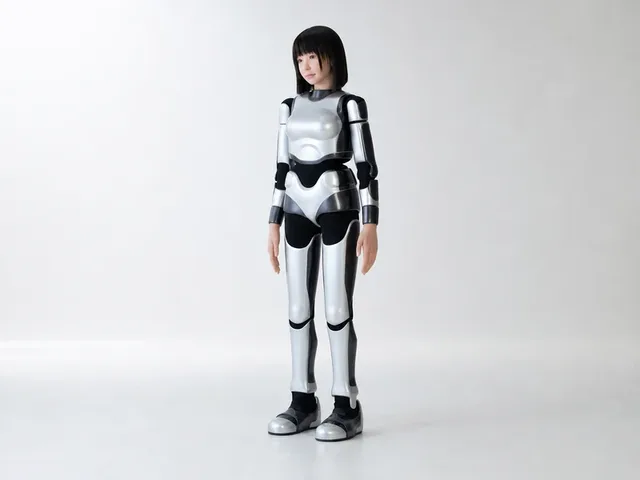
HRP-4C by AIST — Research robot
Discontinued
Research
AIST

HRP-4C

HRP-4C, nicknamed Miim, is a feminine-looking humanoid robot created by Japan's National Institute of Advanced Industrial Science and Technology (AIST).…

~20 minutes43kg (including…
Price TBA View
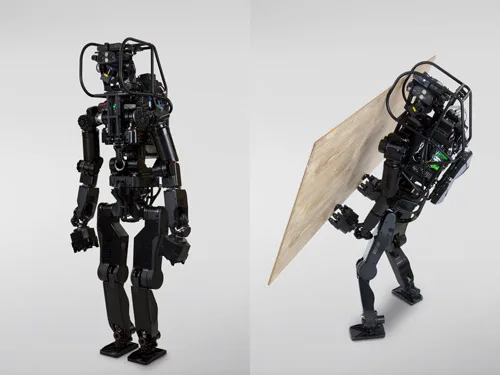
HRP-5P by AIST — Research robot
Prototype
Research
AIST

HRP-5P

HRP-5P is AIST's large humanoid research platform built for heavy labor in construction-like environments. Announced in 2018, the robot was designed as a…

101kg182cm
Price TBA View
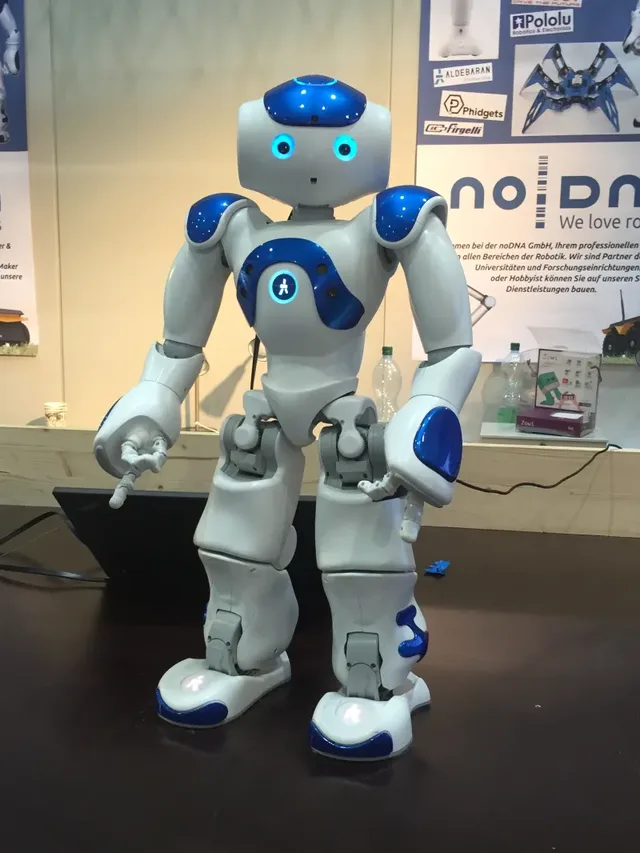
NAO6 by Aldebaran / Maxtronics — Research robot
Active
Research
Aldebaran / Maxtronics

NAO6

The sixth generation of the iconic NAO humanoid robot, originally developed by Aldebaran Robotics (France) and now manufactured by Maxtronics after Maxvision…

~60–90 minutes5.6kg
Price TBA View
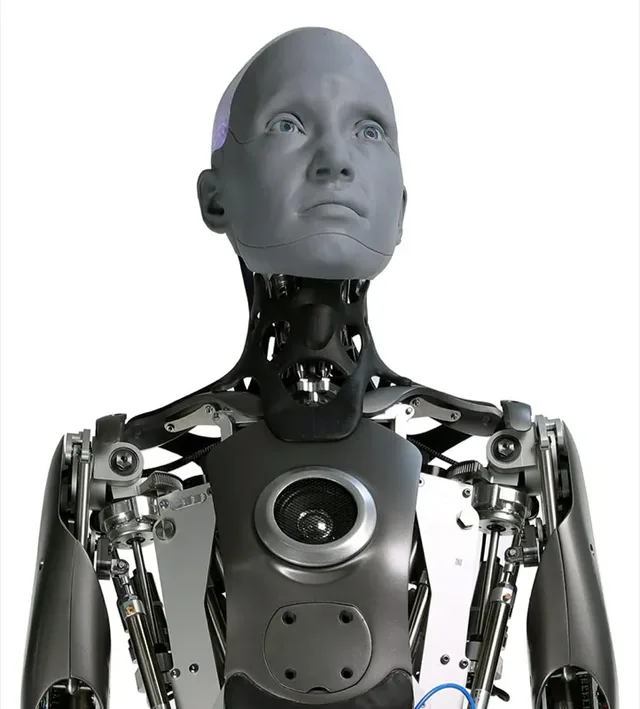
Ameca by Engineered Arts — Research robot
Active
Research
Engineered Arts

Ameca

Engineered Arts' humanoid robot platform designed for human-robot interaction research and public engagement. First revealed in December 2021 and debuted at…

Price TBA View
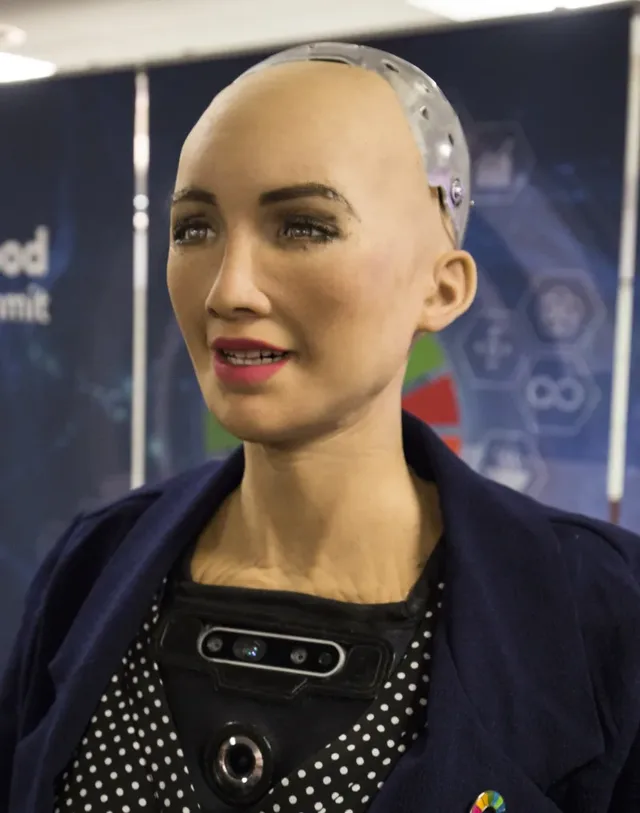
Sophia by Hanson Robotics — Research robot
Active
Research
Hanson Robotics

Sophia

The world's most famous social humanoid robot, activated on February 14, 2016 by Hong Kong-based Hanson Robotics. Sophia can mimic facial expressions (60+),…

~1.5 hours48kg (with base)
Price TBA View
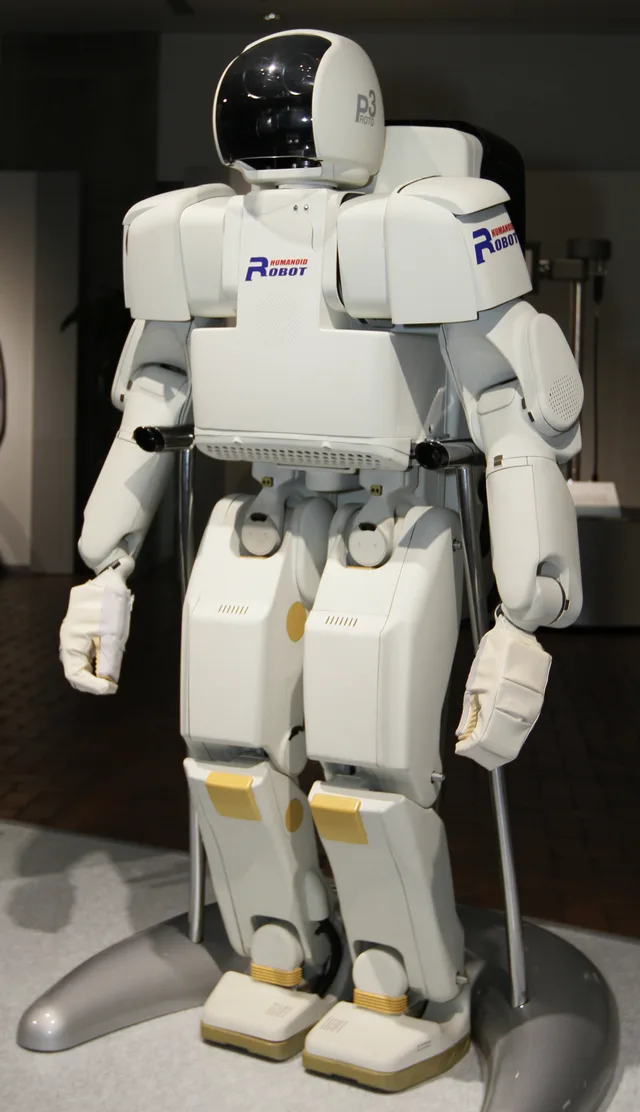
P3 by Honda — Research robot
Discontinued
Research
Honda

P3

Honda P3 was unveiled in September 1997 as the first completely independent bipedal humanoid in Honda's P-series, preceding ASIMO. Compared with the larger P2,…

25 minutes130kg
Price TBA View
DRC-HUBO+ by KAIST — Research robot
Prototype
Research
KAIST

DRC-HUBO+

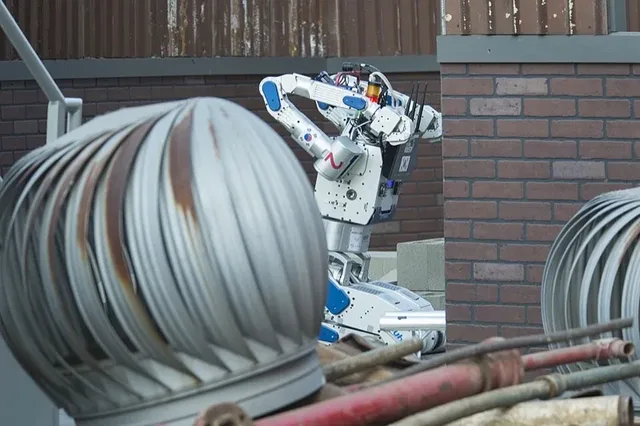
The DRC-HUBO+ is the DARPA Robotics Challenge-winning humanoid robot developed by Team KAIST at the Korea Advanced Institute of Science and Technology. It won…

~60 min (task-dependen…80kg
Price TBA View
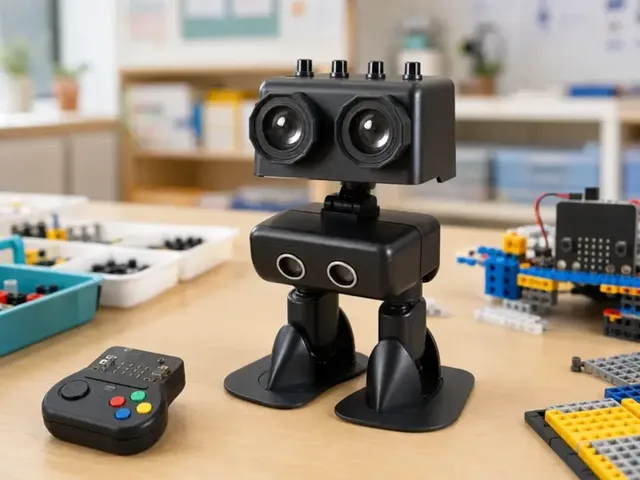
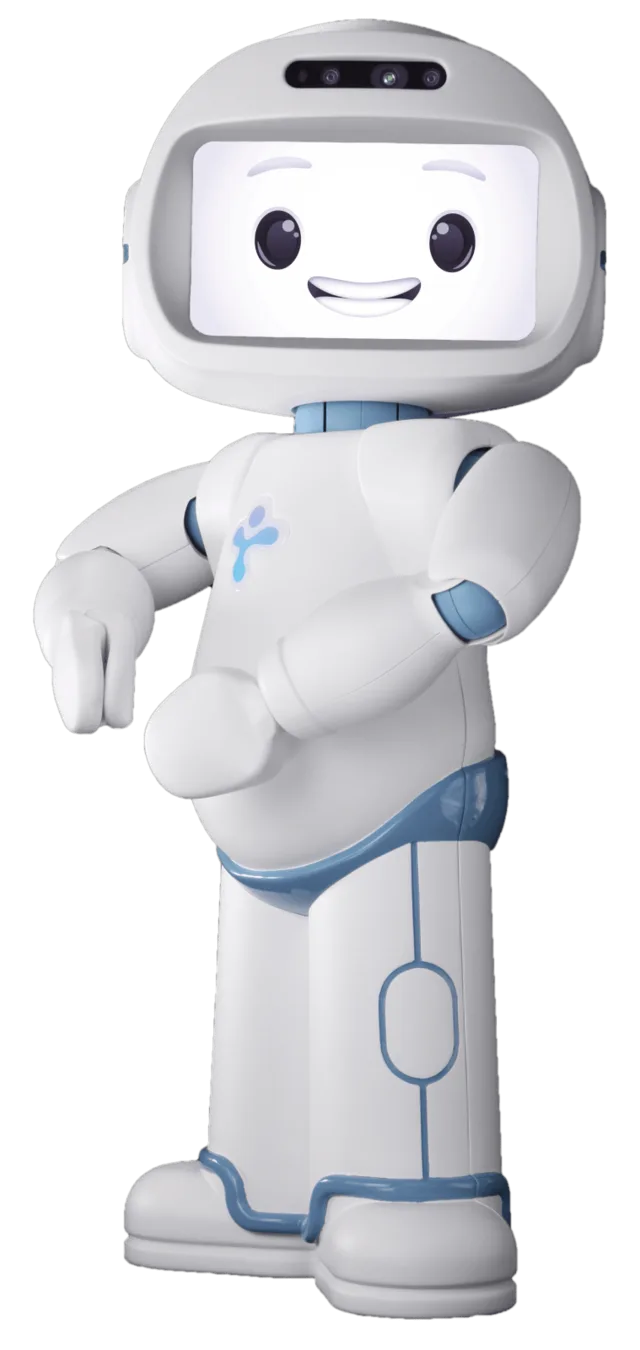
QTrobot by LuxAI — Research robot
Available
Research
LuxAI

QTrobot

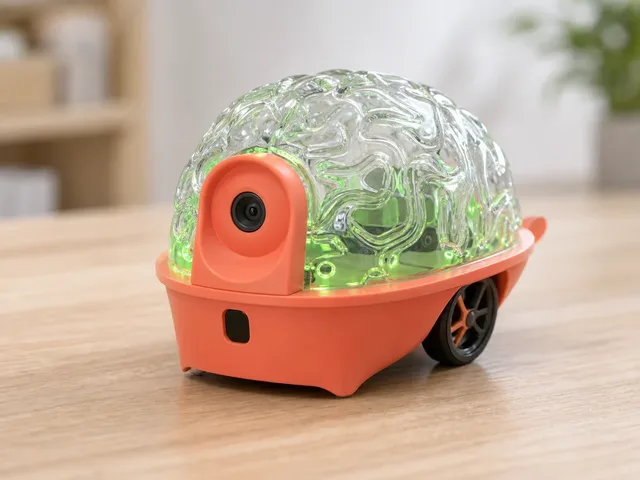
QTrobot is a tabletop social humanoid designed for human-robot interaction research, special-needs education, and therapy support. LuxAI positions it as a…

Depends on external…5 kg
$10,900 Official LuxAI shop pricing for QTrobot… View
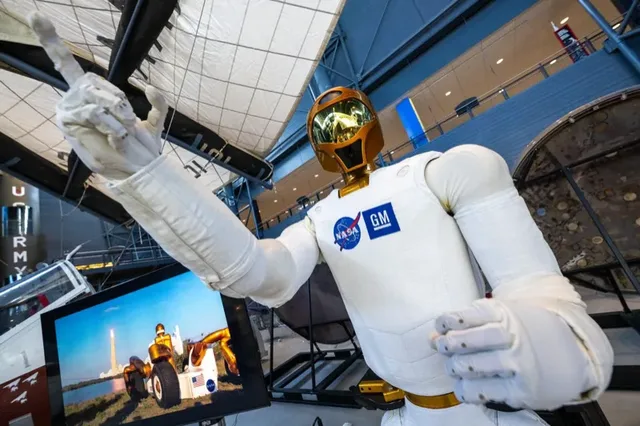
Robonaut 2 by NASA / General Motors — Research robot
Discontinued
Research
NASA / General Motors

Robonaut 2

The first humanoid robot sent to space. Developed jointly by NASA and General Motors, Robonaut 2 (R2) arrived at the International Space Station aboard STS-133…

Powered by ISS (no…150kg (with climbing…
Price TBA View
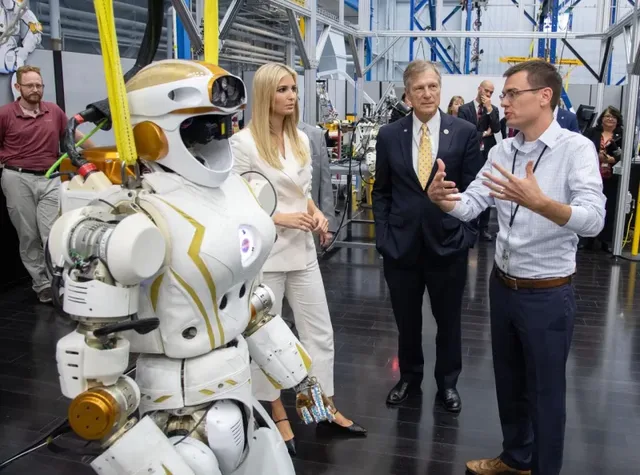
Valkyrie (R5) by NASA JSC — Research robot
Active
Research
NASA JSC

Valkyrie (R5)

NASA's R5 Valkyrie is an entirely electric humanoid robot designed and built at the Johnson Space Center for the 2013 DARPA Robotics Challenge. Named after a…

~1 hour136kg
Price TBA View
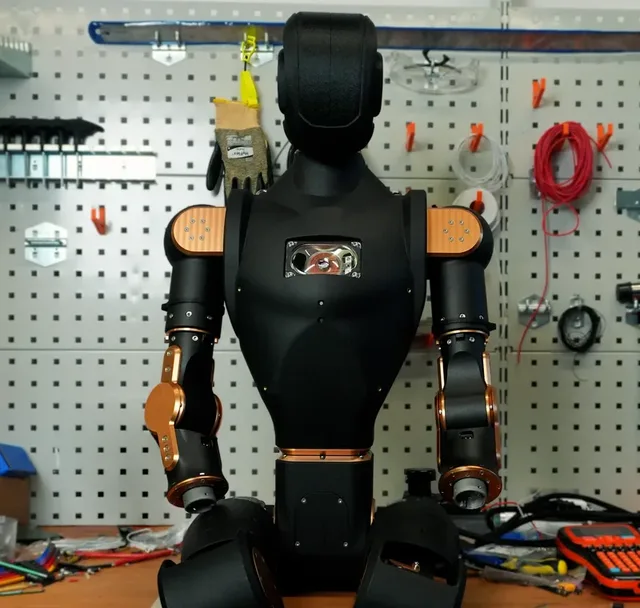
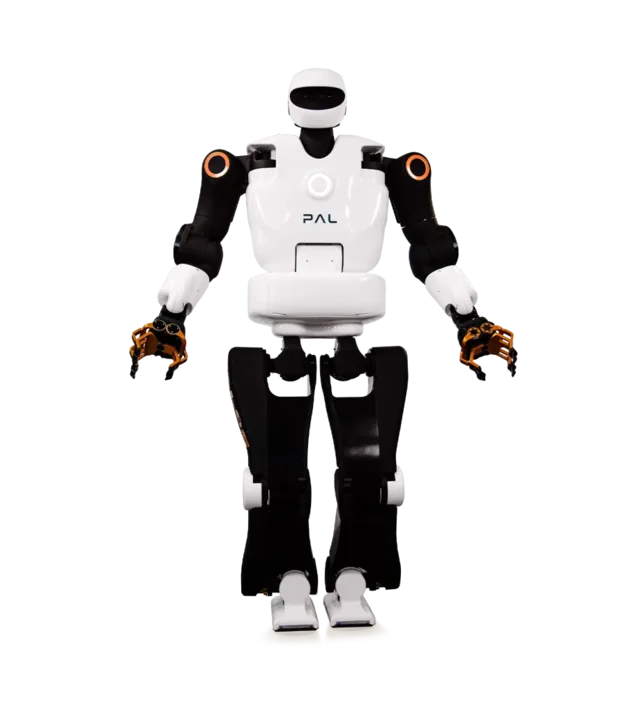
TALOS by PAL Robotics — Research robot
Active
Research
PAL Robotics

TALOS

PAL Robotics' full-size humanoid research platform, built in Barcelona. TALOS stands 1.75m tall and weighs 95kg, with 32 degrees of freedom and full torque…

1.5h walking / 3h…95kg
Price TBA View
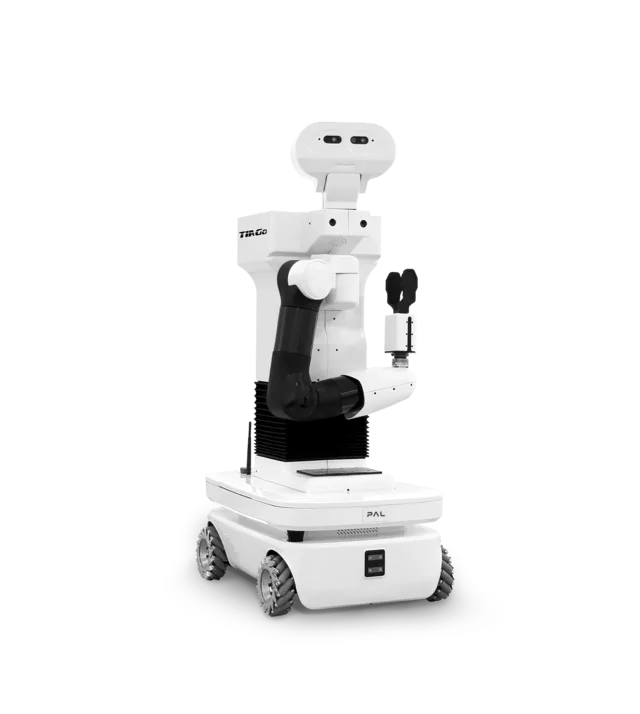
TIAGo by PAL Robotics — Research robot
Active
Research
PAL Robotics

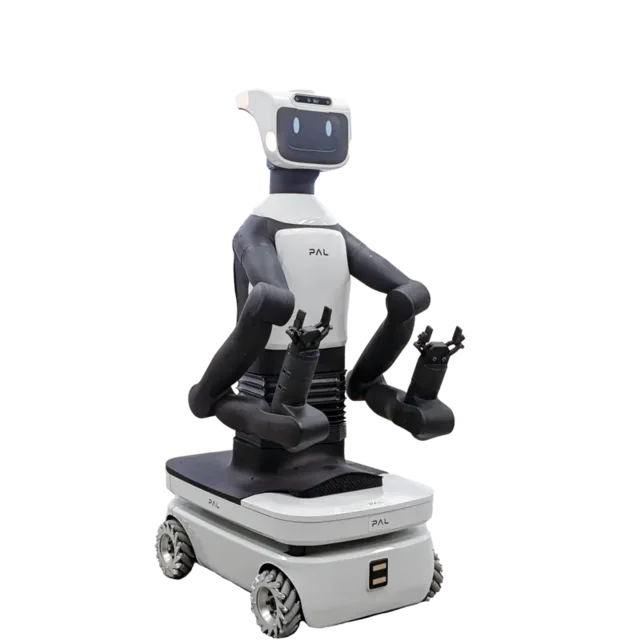
TIAGo

TIAGo (Take It And Go) is a modular mobile manipulator robot developed by PAL Robotics in Barcelona. It combines perception, navigation, manipulation, and…

4–5h (1 battery) /…70kg
Price TBA View
REEM-C by PAL Robotics — Research robot
Active
Research
PAL Robotics

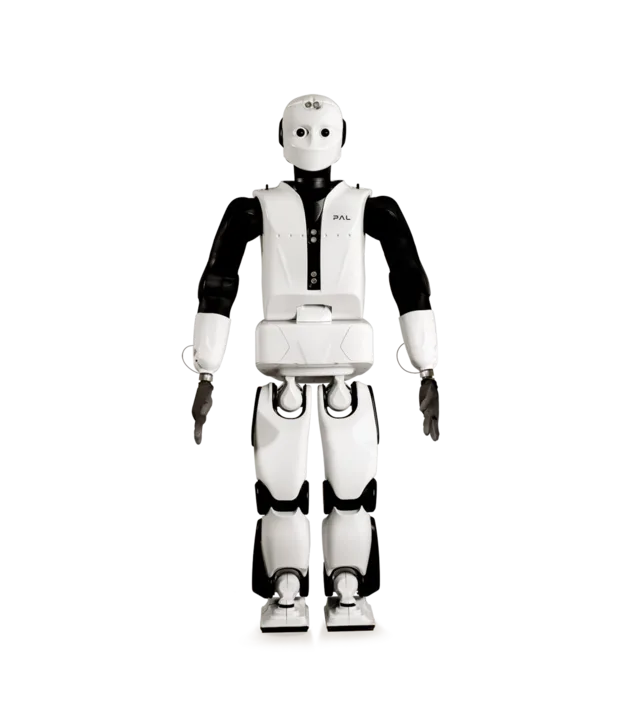
REEM-C

REEM-C is a full-size bipedal humanoid research robot built by PAL Robotics in Barcelona, Spain. Standing 165 cm tall with 68 degrees of freedom, it can walk…

3h walking / 6h…80kg
Price TBA View
Reachy 2 by Pollen Robotics — Research robot
Active
Research
Pollen Robotics

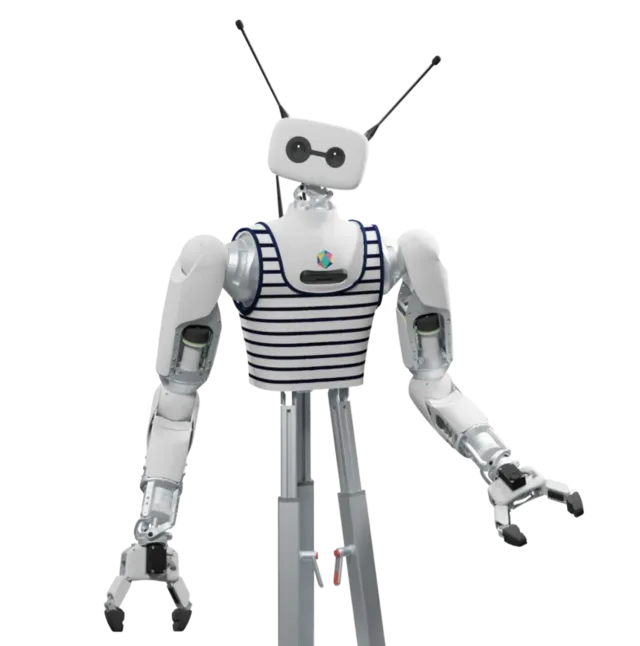
Reachy 2

An open-source humanoid robot built by French company Pollen Robotics for research in manipulation, human-robot interaction, and embodied AI. Features two…

50kgAdjustable (torso on…
Price TBA View
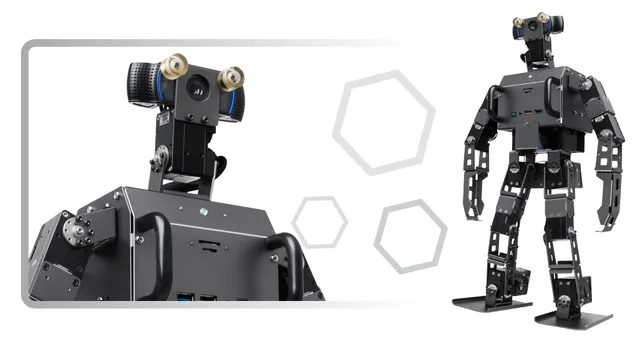
ROBOTIS OP3 by ROBOTIS — Research robot
Available
Research
ROBOTIS

ROBOTIS OP3

ROBOTIS OP3 is a miniature open-platform humanoid intended for robotics research and education. It is the successor to DARwIn-OP/OP2 and moves to XM430-W350…

Hot-swappable LiPo…About 3.5 kg (without…
$13,764 Official ROBOTIS US store listing shows… View
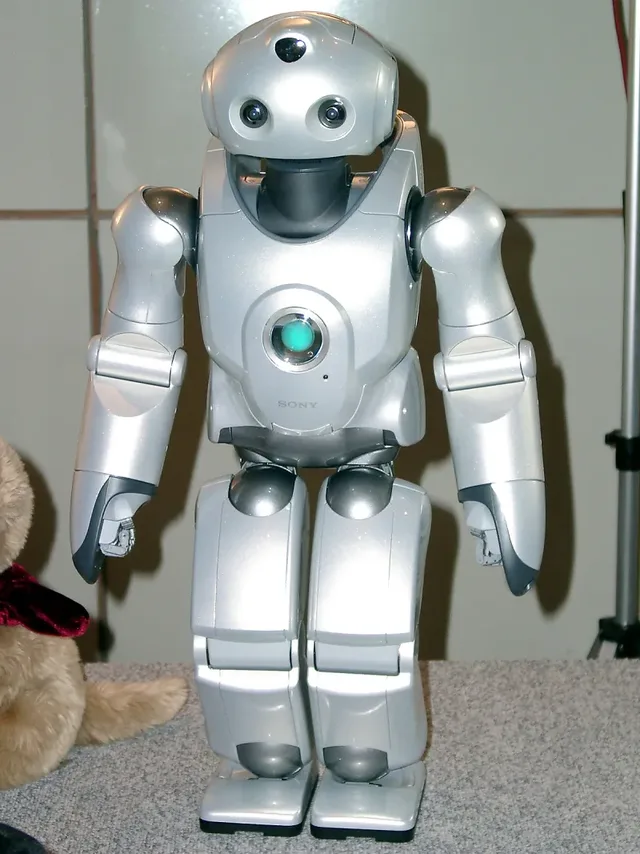
QRIO by Sony — Research robot
Discontinued
Research
Sony

QRIO

QRIO (Quest for cuRIOsity) was Sony's bipedal humanoid entertainment robot, developed as a follow-up to AIBO. Standing just 58 cm tall and weighing 7.3 kg, it…

~1 hour7.3kg
Price TBA View

Buyer guide

Research buyer brief and category fit guidance.

Use this chapter to orient the page, calibrate expectations, and pressure-test whether the category really matches the workload you have in mind.

What Are Research Robots?

Research robots are platforms designed for academic and industrial R&D, pushing the boundaries of what machines can perceive, learn, and do. Unlike commercial robots optimized for a specific task, research platforms prioritize flexibility, programmability, and extensibility.

They serve as testbeds for new AI algorithms, control strategies, sensor fusion techniques, and human-robot interaction paradigms. Universities, corporate research labs, and government agencies use these platforms to develop the fundamental technologies that eventually power commercial robots.

Research robots range from small tabletop manipulators to full-scale humanoids and quadrupeds, but they all share a common trait: open or semi-open software architectures that allow researchers to modify behavior at every level. ROS (Robot Operating System) compatibility is nearly universal in this category.

Research Robot Buyer's Guide

Research robot purchasing is driven by scientific requirements rather than consumer features. The key question is: does this platform let me investigate the research questions I need to answer? Evaluate the robot's programmability — what languages, frameworks, and middleware are supported? ROS 2 compatibility is increasingly important for modern robotics research.

Key Questions to Ask

  • The key question is: does this platform let me investigate the research questions I need to answer?
  • Evaluate the robot's programmability — what languages, frameworks, and middleware are supported?
  • Check the sensor payload options: can you mount custom sensors, or are you limited to the manufacturer's configuration?

Check the sensor payload options: can you mount custom sensors, or are you limited to the manufacturer's configuration? Consider the community: platforms with large user bases (like Clearpath, Universal Robots, or Unitree for research) have more shared code, tutorials, and troubleshooting resources. Budget for the full research stack: the robot itself, sensors, compute upgrades, spare parts, and software licenses.

Academic pricing and grant-eligible purchasing programs can significantly reduce costs.

How to Choose a Research Robot

Match the platform to your research focus area. For manipulation research, look at degrees of freedom, force/torque sensing, and end-effector options.

Decision Framework

1

Match the platform to your research focus area

2

For manipulation research, look at degrees of freedom, force/torque sensing, and end-effector options

3

For locomotion research, evaluate the robot's sensor suite for terrain perception and its control interface for gait experimentation

4

For human-robot interaction (HRI) research, prioritize social cues (facial displays, voice, gestures) and safety features (force limiting, collision detection)

5

For multi-robot systems, consider platforms that support fleet coordination and inter-robot communication

Practical tip: For multi-robot systems, consider platforms that support fleet coordination and inter-robot communication. Always check the simulation environment availability — good simulators (Gazebo, Isaac Sim, MuJoCo models) dramatically accelerate research by allowing thousands of experiments before touching the real hardware.

Specs and pricing

Technical comparisons, use-case framing, and cost range context.

These sections help separate the robots that merely sit in the category from the ones that genuinely fit a deployment or buying brief.

Key Specifications to Compare

When evaluating research robots, these are the specifications that matter most for real-world performance and value:

SDK and programming interfaces

ROS 2, Python, C++ support

Sensor modularity

ability to add custom sensors and payloads

Simulation model availability

Gazebo, Isaac Sim, MuJoCo

Community size

active users, shared code, documentation

Compute

onboard processing power, GPU availability

Repair and spare parts

essential for ongoing experiments

Common Use Cases for Research Robots

The research category serves a variety of applications, from consumer households to industrial deployments:

AI and machine learning algorithm development

Locomotion and gait research (walking, running, climbing)

Manipulation and grasping research

Human-robot interaction and social robotics studies

Multi-robot coordination and swarm intelligence

Sim-to-real transfer and reinforcement learning

Price Range Overview

Research robots with published pricing range from $10.9k to $15k. 17 models in this category do not have publicly listed pricing. Below is a breakdown by price tier to help you understand what's available at different budget levels.

$5,000 – $25,000

3 models
QTrobot
$10.9k Available
ROBOTIS OP3
$13.8k Available

Research Robot Specifications Comparison

Compare key specifications across all 20 research robots in the database. All data is sourced from manufacturer disclosures and verified against official documentation.

Robot Price Status
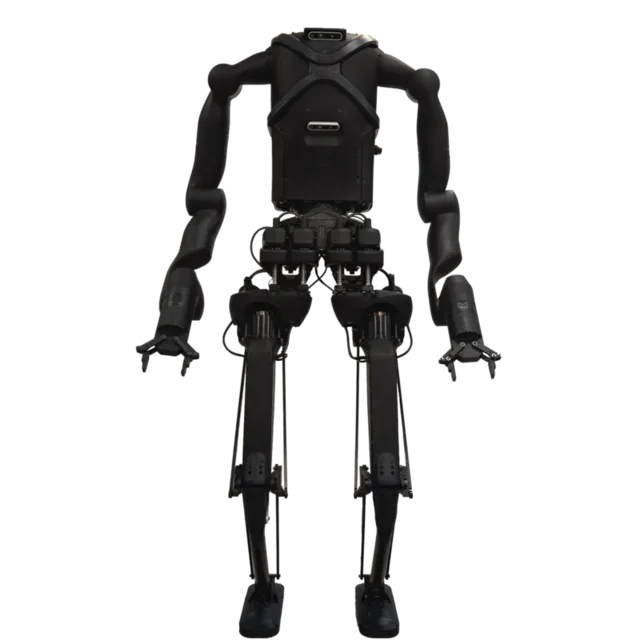
Asimov DIY Kit (Here Be Dragons Edition) $15k Pre-order
ROBOTIS OP3 $13.8k Available
QTrobot $10.9k Available
HRP-4C Discontinued
HRP-5P Prototype
NAO6 Active
Ameca Active
Sophia Active
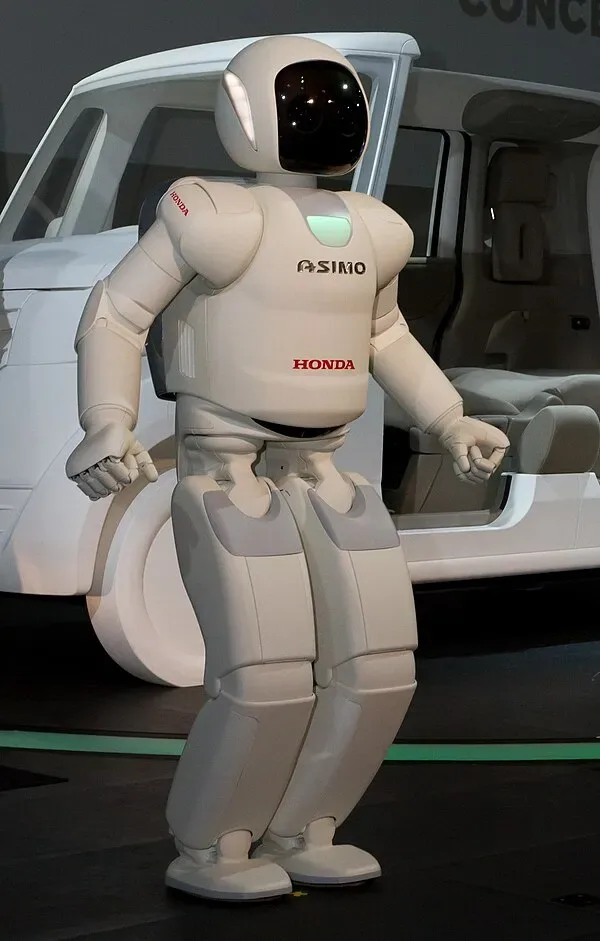
ASIMO Discontinued
P3 Discontinued
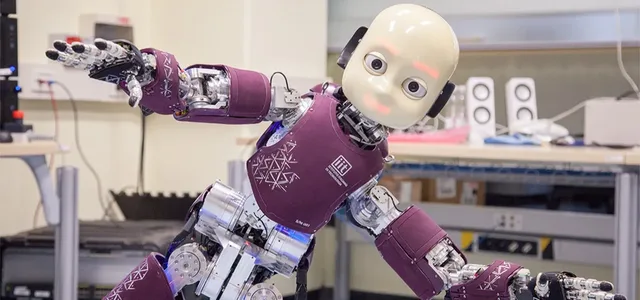
iCub Active
DRC-HUBO+ Prototype
Robonaut 2 Discontinued
Valkyrie (R5) Active
TALOS Active
TIAGo Active
REEM-C Active
Reachy 2 Active
QRIO Discontinued
SURENA IV Active

Manufacturer landscape

Company concentration, technology posture, and category structure.

Once the inventory looks promising, this is where you figure out whether the category is broad and competitive or concentrated around a smaller set of serious builders.

Manufacturers in Research

16 companies are building research robots tracked in the ui44 database. Here's how the product landscape breaks down by manufacturer.

View all robotics companies in our manufacturers directory.

Technology Landscape

A comprehensive look at the sensors, connectivity, capabilities, and AI platforms used across all 20 research robots in the database.

Key Capabilities

Bipedal Walking 50%
Autonomous Navigation 25%
Speech Recognition 15%
Stair Climbing 15%
Object Manipulation 15%
Object Grasping 15%
Teleoperation 15%
Object Recognition 10%
Facial Recognition 10%
Speech Recognition & Synthesis 10%

AI Platforms

OpenRTP platform (OpenRTM-aist, OpenHRP3), Linux-based control system Autonomous stack with 3D environment mapping, object recognition, full-body motion planning/control, and task execution management Intel Atom E3845 quad-core CPU, NAOqi OS (Linux-based) Compatible with OpenAI GPT models; also supports human telepresence Symbolic AI, neural networks, expert systems, NLP, adaptive motor control, cognitive architecture (SOUL), CereProc TTS Honda proprietary 3D processor (stacked dies: processor, signal converter, memory) Honda distributed control system YARP middleware + open-source ML frameworks Semi-autonomous with human operator interface; FPGA-based 200Hz control loop ROS-based stack with Python/C++/Java APIs; RD-V2 variants include Intel NUC i5/i7 or NVIDIA Jetson AGX Orin options Menlo Platform with onboard low-latency processing for reflex loops and cloud-connected high-level reasoning; open-source hardware and software stack Autonomous task execution with periodic status checks Autonomous locomotion, perception via stereo/laser/IR point clouds ROS-based (Ubuntu LTS, Real-Time OS) ROS-based autonomy with MoveIt!, SLAM navigation, whole body control, facial and speech recognition ROS-based; real-time ros_control loop at 200 Hz; MoveIt! for motion planning; Whole-Body Control ROS 2 + Python SDK, compatible with Hugging Face LeRobot, Pollen-Vision for perception Intel NUC i3 onboard compute, ROS/ROS 2 + DYNAMIXEL SDK development stack Sony proprietary; face/voice recognition, emotional behavior system Face detection, object detection/recognition, skeleton-based imitation, speech recognition (STT), text-to-speech (TTS)

Operations

Safety, maintenance, and implementation readiness.

This chapter keeps the route useful after the first visual scan, when the real questions become ownership, rollout friction, and operational constraints.

Safety & Regulation for Research Robots

Research robots operate in controlled laboratory environments with specialized safety protocols that differ from consumer or commercial deployment. University and corporate labs follow institutional safety frameworks: risk assessments before new robot experiments, mandatory safety training for researchers and students, restricted access to robot labs, and emergency stop systems throughout the workspace.

Physical Safety

Modern robots implement multiple safety layers including force limiting, collision detection, and emergency stops.

Standards & Certifications

Look for ISO, CE, FCC, and category-specific certifications that validate safety compliance.

Privacy & Cybersecurity

Connected robots with cameras and microphones require careful evaluation of data handling and security practices.

Research involving human-robot interaction requires Institutional Review Board (IRB) approval in the US (and ethics committee approval in the EU) to protect human participants. Robots used in research are typically exempt from the commercial safety certifications required for products sold to consumers, but labs must still comply with general workplace safety regulations (OSHA in the US, equivalent in EU).

Privacy Matters

When research robots transition to real-world field testing (outside the lab), additional safety reviews are required — this is particularly relevant for outdoor locomotion experiments, drone research, and autonomous navigation studies. Research with experimental robots often pushes beyond the tested operating envelope, making robust emergency stop systems, safety barriers, and operator training essential.

Maintenance & Ownership Costs

Research robots experience more intense and varied use than commercial robots, often being pushed to their limits during experiments and modified with custom hardware and software. This results in higher-than-normal maintenance requirements. Budget for a dedicated lab technician or student researcher responsible for robot maintenance — this is a hidden cost that many research groups underestimate.

Regular Upkeep

Most robots need periodic cleaning, software updates, and consumable replacements to maintain peak performance.

Ongoing Costs

Factor in consumables, subscriptions, battery replacements, and potential maintenance contracts when budgeting.

Expected Lifespan

A well-maintained robot's lifespan varies by category — from 4–7 years for cleaning robots to 8–12 years for mowers.

Spare parts inventories are essential: common failure points include actuator gears (especially in legged robots under dynamic loading), sensors (damage from experimental collisions), and connectors (wear from frequent hardware modifications). Many research platforms use standardized components (Dynamixel servos, Intel RealSense cameras, Robotiq grippers) with readily available replacements. For custom or proprietary platforms, negotiate spare parts packages at the time of purchase.

Cost-Saving Tip

Software maintenance is an ongoing effort — ROS package updates, driver compatibility with new operating system versions, and integration of custom research code require dedicated engineering time. Battery management is critical for mobile research robots: maintain a rotation of charged batteries and replace cells that show capacity degradation. The total annual operating cost for a research robot (maintenance, consumables, compute resources, software licenses) typically runs 15–25% of the purchase price.

Getting Started with Research Robots

If you are new to research robots, here is a step-by-step approach to finding the right model for your needs. This guide applies whether you are buying your first robot or upgrading from an earlier model.

Planning phase

1

Define your research questions precisely — the platform should be selected to enable your specific experiments, not the other way around.

2

Check software ecosystem compatibility: ROS 2 support, preferred programming languages (Python, C++), and integration with your existing research tools.

3

Verify simulation model availability — Gazebo, Isaac Sim, or MuJoCo models dramatically accelerate research by enabling thousands of simulated experiments.

Execution phase

4

Evaluate the research community: platforms with large user bases offer more shared code, tutorials, published papers, and troubleshooting resources.

5

Budget for the complete research stack: robot, additional sensors, compute upgrades (GPU modules), spare parts inventory, and software licenses.

6

Check academic pricing programs: many research robot manufacturers offer significant educational discounts and grant-eligible purchasing options.

Use ui44's comparison tool and individual robot detail pages to evaluate the 20 research robots in the database.

Outlook

History, market trajectory, and future pressure points.

The goal here is not trend theater. It is to show whether the category is stabilizing, accelerating, or still too early for confident buyer decisions.

History & Evolution of Research Robots

Research robotics traces a direct lineage from the earliest programmable machines. Unimate (1961), the first industrial robot, was developed from research at Devol and Engelberger's lab.

1961

Unimate (1961)

Unimate (1961), the first industrial robot, was developed from research at Devol and Engelberger's lab

1966

Stanford's Shakey (1966

Stanford's Shakey (1966–1972) was the first mobile robot to reason about its actions, combining navigation, perception, and planning

2007

The ROS (Robot Operating System) revolution

The ROS (Robot Operating System) revolution, begun at Willow Garage in 2007, democratized robotics research by creating a common software framework that allowed labs to share code, drivers, and algorithms

2010

Standardized research platforms

Standardized research platforms — from the TurtleBot (2010) for navigation research to Universal Robots' UR series for manipulation — gave researchers reliable hardware to focus on software innovation

2012

The deep learning revolution (2012 onward) transformed robotics research from classical control theory toward learning-based approaches: imitation learning

The deep learning revolution (2012 onward) transformed robotics research from classical control theory toward learning-based approaches: imitation learning, reinforcement learning, and sim-to-real transfer became dominant research paradigms

Where we are now

Stanford's Shakey (1966–1972) was the first mobile robot to reason about its actions, combining navigation, perception, and planning. Through the 1970s–1990s, university labs pioneered fundamental robotics capabilities: the Stanford arm and MIT's Dextrous Hand advanced manipulation, CMU's Navlab vehicles pioneered autonomous driving, and Honda's lab produced the walking humanoids that became ASIMO.

The ROS (Robot Operating System) revolution, begun at Willow Garage in 2007, democratized robotics research by creating a common software framework that allowed labs to share code, drivers, and algorithms. ROS made it feasible for smaller labs to build on each other's work rather than starting from scratch.

Standardized research platforms — from the TurtleBot (2010) for navigation research to Universal Robots' UR series for manipulation — gave researchers reliable hardware to focus on software innovation. The deep learning revolution (2012 onward) transformed robotics research from classical control theory toward learning-based approaches: imitation learning, reinforcement learning, and sim-to-real transfer became dominant research paradigms.

Today, the frontier is foundation models for robotics — large pre-trained models that can generalize manipulation and navigation skills across diverse tasks and environments, analogous to how GPT transformed natural language processing. The research community is increasingly focused on real-world deployment challenges: safety, robustness, and the gap between lab demonstrations and reliable field performance.

Research Robots vs. Traditional Alternatives

Research robots compete with alternative approaches to robotics R&D, including simulation-only research, repurposed industrial robots, and custom-built research platforms. Simulation-only research — using software like Gazebo, Isaac Sim, MuJoCo, or PyBullet without physical hardware — has become increasingly viable as simulators improve in fidelity and as techniques like domain randomization and sim-to-real transfer bridge the reality gap.

Simulation-Only Research

$0–$5k (compute costs)

Thousands of experiments per day, zero wear, no safety risks

Cannot capture full real-world physics — contact dynamics, sensor noise

Best for: Initial algorithm development and hypothesis testing before hardware

Repurposed Industrial Cobots

$20k–$60k

Excellent manipulation, well-documented interfaces, industrial reliability

Fixed-base only — no mobile robotics, limited form factor flexibility

Best for: Manipulation research where reliable hardware is more important than novelty

Custom-Built Platforms

Variable ($5k–$100k+)

Maximum flexibility and deep understanding of every system component

Requires mechanical engineering expertise, long build times, ongoing maintenance

Best for: Novel hardware configurations that no commercial platform provides

The Bottom Line

Custom-built research platforms — robots designed and fabricated by the research group itself — offer maximum flexibility and deep understanding of every system component, but require significant mechanical engineering expertise, longer development timelines, and ongoing maintenance burden that diverts researcher time from core research questions. The general recommendation is: use standard research platforms (Unitree, Clearpath, TurtleBot) when your research question is about software, AI, or applications; use industrial robots when you need reliable, well-documented manipulation; build custom only when your research specifically requires a novel hardware configuration that no commercial platform provides.

Sim-to-real transfer is the dominant research trend — training robot policies in simulation and deploying them on real hardware with minimal adaptation. This is enabled by increasingly accurate physics simulators and domain randomization techniques.

Foundation models Sim-to-real multi-robot

Industry Trends

Foundation models for robotics (large models pre-trained on diverse manipulation and navigation data) are an active research frontier, with labs exploring how LLM-style scaling applies to physical intelligence. Open-source research platforms are democratizing access, with Unitree and similar companies offering capable hardware at a fraction of traditional research robot costs.

Collaborative multi-robot research is growing, as the complexity of single-robot tasks gives way to fleet-level intelligence problems.

Future Outlook for Research Robots

Research robotics is at an inflection point comparable to where natural language processing was in 2018–2019 — just before the large language model revolution transformed the entire field. Several developments will reshape robotics research over the next three to five years.

$2–3B

Market by 2030

2030

Key milestone year

2025–2026

Robotics Foundation Models

Large pre-trained models that generalize across tasks, objects, and environments — the GPT moment for robotics.

2026–2028

Open-Source Ecosystem

Shared datasets (RT-1, DROID, Open X-Embodiment) and reproducible benchmarks enable apples-to-apples comparison of research results for the first time.

By 2030

Sim-to-Real Mastery

Complete robot policies developed in simulation with minimal real-world fine-tuning, dramatically accelerating the pace of robotics research.

Key Uncertainty

The research robotics market itself is projected to grow modestly in revenue terms (reaching $2–$3 billion by 2030), but its outsized impact comes from the technologies it produces: virtually every commercial robot breakthrough traces back to research platform development.

FAQ and routes

Decision support, trust notes, and adjacent pages worth opening next.

Finish here when you need practical next steps rather than more category theory.

Frequently Asked Questions About Research Robots

General

What are research robots?

Academic and research robotics platforms pushing the boundaries of what machines can learn and do. The ui44 database currently tracks 20 robots in this category from 16 manufacturers.

How many research robots are in the ui44 database?

ui44 currently tracks 20 research robots from 16 different manufacturers including AIST, Aldebaran / Maxtronics, Engineered Arts, Hanson Robotics, Honda, and 11 more. Browse the full robot directory to see all categories.

What can research robots do?

Across the 20 robots in this category, 136 distinct capabilities are represented, including: 42 Degrees of Freedom (30 body + 8 face + 4 eye), Bipedal Walking, Facial Expressions, Singing (Vocaloid), Speech Recognition, Dance Movements, Human-like Appearance, Ambient Sound Recognition, and 128 more. The specific capability set varies by model, price point, and intended application — visit individual robot pages for detailed capability breakdowns.

Which companies make research robots?
How up-to-date is the research robot data?

All robot data on ui44 is periodically verified against manufacturer sources, spec sheets, and press releases. The most recent verification for a robot in the Research category was on 2026-04-17. Each robot page includes a "last verified" date for transparency. If you notice outdated information, please let us know.

Are research robots safe to use around people?

Research robots operate in controlled laboratory environments with specialized safety protocols that differ from consumer or commercial deployment. University and corporate labs follow institutional safety frameworks: risk assessments before new robot experiments, mandatory safety training for researchers and students, restricted access to robot labs, and emergency stop systems throughout the… Read the full safety & regulation section for detailed information on certifications, standards, and precautions for research robots.

How have research robots evolved over the years?

Research robotics traces a direct lineage from the earliest programmable machines. Unimate (1961), the first industrial robot, was developed from research at Devol and Engelberger's lab. Stanford's Shakey (1966–1972) was the first mobile robot to reason about its actions, combining navigation, perception, and planning. Through the 1970s–1990s, university labs pioneered fundamental robotics… Read the full history & evolution section for a detailed timeline of research robot development.

Cost & Maintenance

How much do research robots cost?

Research robots with published pricing range from $10.9k to $15k. 17 models in this category do not list public pricing. See the price range overview for a detailed breakdown by budget tier.

What does it cost to maintain a research robot?

Research robots experience more intense and varied use than commercial robots, often being pushed to their limits during experiments and modified with custom hardware and software. This results in higher-than-normal maintenance requirements. Budget for a dedicated lab technician or student researcher responsible for robot maintenance — this is a hidden cost that many research groups… See the full maintenance & ownership section for a complete breakdown of ongoing costs, consumables, and expected lifespan for research robots.

What is the most affordable research robot?

The most affordable research robot with published pricing is the QTrobot by LuxAI at $10.9k. At the other end of the spectrum, the Asimov DIY Kit (Here Be Dragons Edition) by Menlo Research is listed at $15k. Price is just one factor — compare capabilities, sensors, and support when making your decision. See the price overview for a full tier breakdown.

Technical

What sensors are commonly used in research robots?

Research robots in the database use 78 types of sensors. The most common include Stereo Cameras (eyes), Speech Recognition Microphones, Ambient Sound Recognition, Gyroscope / IMU, Head-mounted 3D environment sensors, Object-recognition vision system (CNN-based), and 72 more. See the technology landscape section for a complete breakdown, or browse the components directory.

What connectivity options do research robots support?

Research robots in the database support 19 types of connectivity. The most common include Ethernet, Wi-Fi, Not publicly detailed, Wi-Fi (802.11a/b/g/n), Bluetooth 4.0 (LE), Dual Cellular, and 13 more. Connectivity determines how the robot communicates with your network, cloud services, companion apps, and other smart devices. Visit the components directory for detailed information on each protocol.

Do research robots work with voice assistants?

Some research robots integrate with voice assistant platforms including Vocaloid Vocal Synthesizer (CV-4Cβ voicebank), Speech Recognition, Multilingual Text-to-Speech (2 speakers). Voice integration enables hands-free control, status updates, and interaction with your broader smart home ecosystem. Not all models support voice assistants — check individual robot pages for specific compatibility details.

Buying & Getting Started

Which research robots can I buy right now?

12 research robots are currently available or actively deployed: NAO6 by Aldebaran / Maxtronics, Ameca by Engineered Arts, Sophia by Hanson Robotics, iCub by Italian Institute of Technology, QTrobot by LuxAI, Valkyrie (R5) by NASA JSC, TALOS by PAL Robotics, TIAGo by PAL Robotics, and 4 more. Visit each robot's page for the latest purchasing details and availability.

How do I compare research robots on ui44?

ui44 offers a side-by-side comparison tool that lets you compare up to 4 research robots at once. Compare specs like battery life, weight, sensors, price, and capabilities across models including HRP-4C, HRP-5P, NAO6, Ameca, Sophia, and 15 more. You can also check the specifications comparison table above for a quick overview of all models.

How do I get started choosing a research robot?

Start by defining your specific requirements and budget. The getting started guide above walks through 6 key steps: Define your research questions precisely — the platform should be selected to…; Check software ecosystem compatibility: ROS 2 support, preferred programming…; Verify simulation model availability — Gazebo, Isaac Sim, or MuJoCo models…. Use ui44's comparison tool and the specs comparison table to narrow down your shortlist.

Data Integrity

All research robot data on ui44 is verified against official manufacturer sources, spec sheets, and press releases. Most recent verification: 2026-04-17. If you notice outdated or incorrect data, please let us know — accuracy is our top priority.

Source: ui44 Home Robot Database · 20 models tracked in Research · Browse all robots · All categories

Next move

Turn this category read into a real shortlist.

You now have the inventory view, the buyer guidance, and the spec context. The cleanest next step is to compare a small set of candidates, then validate the strongest manufacturers in detail.

20
Tracked robots
16
Manufacturers
Ready
Compare workflow