That is why Hugging Face's new SmolVLA-450M model is worth paying attention to. It is not a magic home-robot brain, and it will not make a humanoid fold your laundry next week. But it does point at a more practical path: smaller vision-language-action models that can be trained, inspected, fine-tuned, and run on cheaper hardware.
For buyers, the useful question is not "is SmolVLA better than every proprietary robot AI?" The useful question is: does a smaller robot brain change which home robots can be built, serviced, and trusted?
What is SmolVLA?
SmolVLA is an open-source vision-language-action model for robotics. A VLA model takes camera images, robot state, and a language instruction, then predicts robot actions. That is different from an ordinary chatbot. A chatbot can say, "pick up the cup." A VLA policy has to turn that instruction into motion.
Hugging Face describes SmolVLA as a compact 450 million parameter model that runs on consumer hardware, can be trained on a single consumer GPU, and can even be deployed on CPUs or MacBook-class setups. The model card says its inputs are multi-view images, robot proprioceptive state, and optional language instructions; its outputs are continuous actions; and its intended use is as a base model to fine-tune for a specific robot task.
The important details are not just the parameter count. SmolVLA uses a smaller vision-language backbone, a roughly 100M-parameter action expert, flow matching for continuous action prediction, fewer visual tokens, and layer skipping to reduce compute. Hugging Face also says the model supports asynchronous inference, where the robot keeps executing an action chunk while the next action chunk is computed. The published claim is 30% faster response and 2× task throughput in that asynchronous setup.
That last point matters in homes. A robot that pauses between every action looks jerky, feels unsafe, and can miss fast changes: a pet crossing the room, a child reaching for the same object, a towel slipping from its gripper. Smaller models are not automatically safer, but lower latency gives the safety system more room to react.
Why do smaller robot brains matter for home robots?
Home robots live under different constraints than cloud software. A search engine can wait an extra second for a bigger model. A robot holding a glass cannot.
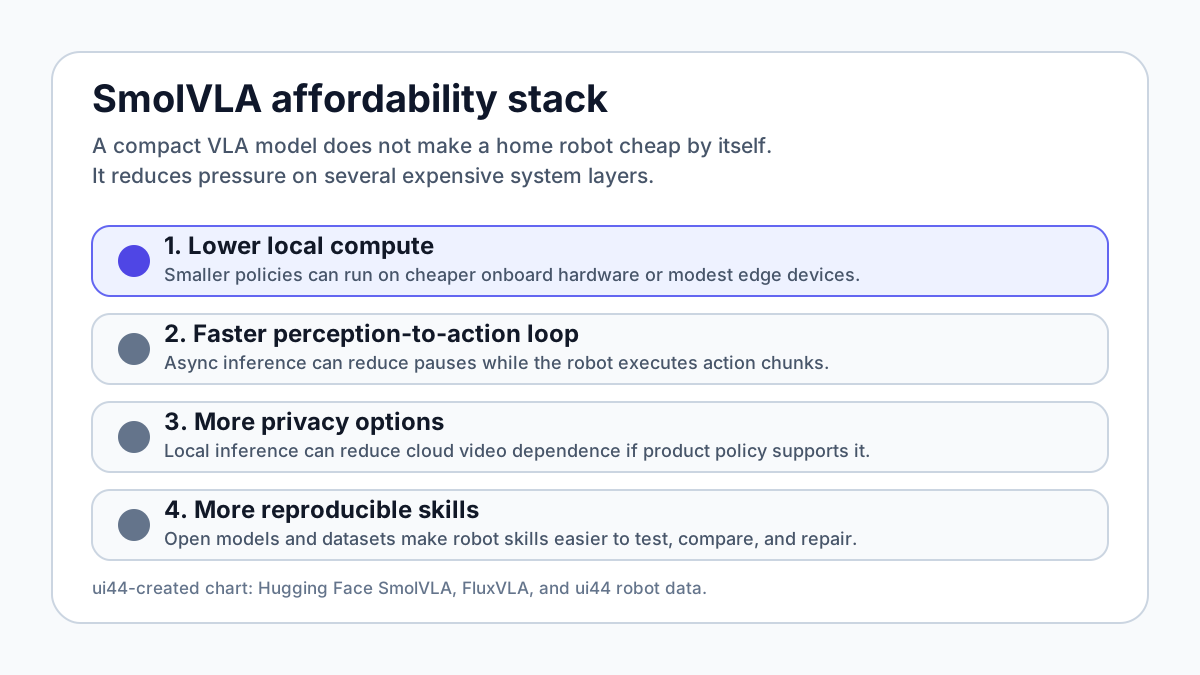
A smaller VLA model can help in four buyer-relevant ways:
- Lower hardware cost. If useful skills can run on cheaper local compute, the robot may not need a workstation-class GPU or constant cloud inference.
- Lower latency. Shorter perception-to-action loops make manipulation feel smoother and reduce awkward pauses.
- More private deployment. Local inference can reduce how often home camera feeds leave the robot, although privacy still depends on product design and data policy.
- More repairable ecosystems. Open weights, recipes, and datasets make it easier for researchers and manufacturers to reproduce, test, and improve skills instead of treating the robot brain as a black box.
The caveat is just as important: SmolVLA was evaluated on affordable robot-arm platforms and benchmarks such as SO100 and SO101, not on a finished household humanoid navigating a messy apartment. Hugging Face says the training recipe used public LeRobot community datasets, including 487 curated datasets and about 10 million frames focused on SO100 data, with fewer than 30,000 training episodes overall. That is impressive for open robotics. It is not the same as a million hours of in-home chores.
What does the ui44 database say about the hardware gap?
The ui44 robot database makes the trade-off visible. AI model size is only one part of the system. A home robot also needs sensors, hands, batteries, actuators, support, and a price that makes sense.
Robot
- ui44 database signal
- Available at $299 for Lite and $449 for Wireless; 28 cm tall; camera, microphones, speaker, open Python/Hugging Face app ecosystem
- Why it matters for small VLA models
- Shows how low-cost robot hardware can make AI experiments accessible
- Buyer caveat
- It is a desktop companion, not a mobile manipulator for chores
Robot
- ui44 database signal
- Available contact-sales humanoid; 165 cm, ≤55 kg, about 2 hours battery, 31 DoF, 3 kg single-arm load, COSA agentic OS
- Why it matters for small VLA models
- A full-size platform where model efficiency affects onboard compute, battery, and developer iteration
- Buyer caveat
- No public price; current official availability is limited and not consumer-home focused
Robot
- ui44 database signal
- Research robot; reseller price noted at $24,800; ≤84.5 cm, ≤20 kg, ≤2 hours battery, open SDK, optional arm and sensor kits
- Why it matters for small VLA models
- Smaller models can make research platforms more useful without huge compute stacks
- Buyer caveat
- It is a research/developer platform, not a domestic assistant
Robot
- ui44 database signal
- Available humanoid from $13,500; 132 cm, 35 kg, about 2 hours battery, optional dexterous hands
- Why it matters for small VLA models
- Price pressure is real: cheaper humanoids need efficient models and careful safety layers
- Buyer caveat
- Arm payload is limited, and home support/liability remain unresolved
Robot
- ui44 database signal
- Available mobile manipulator at $29,950; 8-hour light-load runtime, ROS 2/Python SDK, VLM grasping demos
- Why it matters for small VLA models
- A good example of practical open tooling, assistive use, and manipulation-first design
- Buyer caveat
- Expensive and still closer to research/assistive pilots than mass-market home retail
Robot
- ui44 database signal
- $20,000 early-adopter pre-order; 167 cm, 30 kg, about 4 hours battery, household-chore positioning
- Why it matters for small VLA models
- If humanoids become consumer products, model efficiency will affect price, responsiveness, and cloud dependence
- Buyer caveat
- Pre-order status means buyers should wait for repeatable public chore evidence
| Robot | ui44 database signal | Why it matters for small VLA models | Buyer caveat |
|---|---|---|---|
| Reachy Mini | Available at $299 for Lite and $449 for Wireless; 28 cm tall; camera, microphones, speaker, open Python/Hugging Face app ecosystem | Shows how low-cost robot hardware can make AI experiments accessible | It is a desktop companion, not a mobile manipulator for chores |
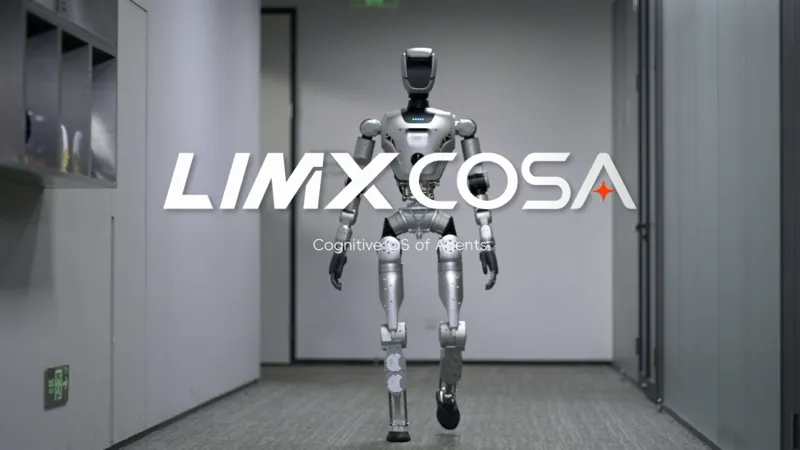
| LimX Oli | Available contact-sales humanoid; 165 cm, ≤55 kg, about 2 hours battery, 31 DoF, 3 kg single-arm load, COSA agentic OS | A full-size platform where model efficiency affects onboard compute, battery, and developer iteration | No public price; current official availability is limited and not consumer-home focused |
| LimX TRON 1 | Research robot; reseller price noted at $24,800; ≤84.5 cm, ≤20 kg, ≤2 hours battery, open SDK, optional arm and sensor kits | Smaller models can make research platforms more useful without huge compute stacks | It is a research/developer platform, not a domestic assistant |
| Unitree G1 | Available humanoid from $13,500; 132 cm, 35 kg, about 2 hours battery, optional dexterous hands | Price pressure is real: cheaper humanoids need efficient models and careful safety layers | Arm payload is limited, and home support/liability remain unresolved |
| Hello Robot Stretch 4 | Available mobile manipulator at $29,950; 8-hour light-load runtime, ROS 2/Python SDK, VLM grasping demos | A good example of practical open tooling, assistive use, and manipulation-first design | Expensive and still closer to research/assistive pilots than mass-market home retail |
| 1X NEO | $20,000 early-adopter pre-order; 167 cm, 30 kg, about 4 hours battery, household-chore positioning | If humanoids become consumer products, model efficiency will affect price, responsiveness, and cloud dependence | Pre-order status means buyers should wait for repeatable public chore evidence |
The pattern is clear. Cheap robot hardware exists, but it is usually small, stationary, or educational. Full-body robots exist, but they are expensive, limited, or not ready for ordinary homes. SmolVLA does not erase that hardware gap. It makes one part of the stack less exclusive.
Does SmolVLA make home robots affordable?
Not by itself.
A smaller robot brain can reduce compute cost, but the bill of materials for a useful home robot is still dominated by the physical world. Motors, gearboxes, batteries, depth cameras, tactile sensors, compliant hands, certifications, insurance, spare parts, and service visits do not disappear because the policy model is smaller.
For a desktop robot like Reachy Mini, open software and cheap compute can be the difference between a toy-like gadget and a flexible developer platform. For a mobile manipulator like Stretch 4, efficient local policies could make grasping and navigation demos more responsive. For a full-size humanoid like Unitree G1, 1X NEO, LimX Oli, or Figure 03, smaller models may reduce compute heat and cloud dependence, but buyers still need evidence that the robot can safely move around furniture, pets, stairs, cords, glass, water, and people.
That means SmolVLA is best read as an affordability ingredient, not an affordability guarantee.
What should buyers ask before trusting a small robot brain?
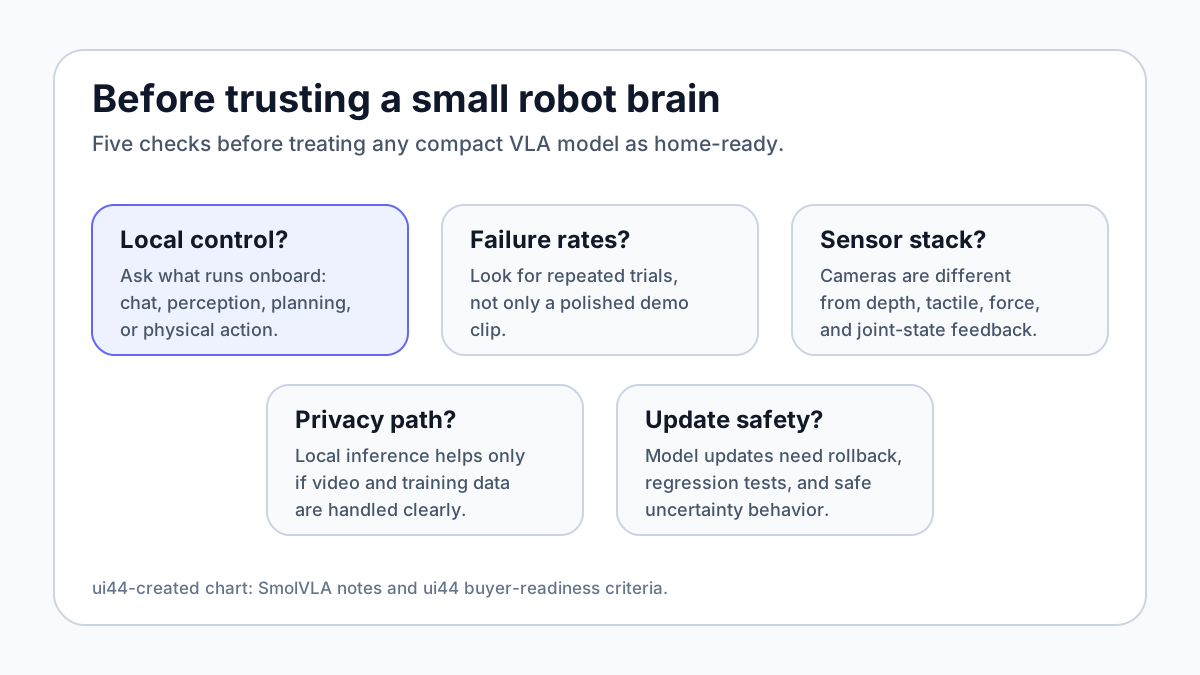
The phrase "runs locally" is not enough. A buyer should ask what runs locally, what still goes to the cloud, and what happens when the local model is wrong.
Good questions include:
- Does the robot use the local model for conversation, perception, planning, action control, or only one narrow skill?
- Can the manufacturer publish repeatable success rates across many homes, not just a polished lab clip?
- What sensors feed the policy: one camera, multiple cameras, wrist cameras, depth, tactile sensors, force sensors, or joint state?
- Does the robot stop safely when the model is uncertain?
- Can owners disable cloud learning without disabling core safety features?
- Are model updates tested against regressions before reaching the robot?
- Is there a manual override, speed limit, or safe mode for children, pets, and guests?
Those questions matter because smaller does not mean simpler. A compact model can still fail in confusing ways. It may generalize from public datasets to a lab task, then struggle with a dark kitchen, reflective table, unusual cup, or a child's toy that was never in the training data.
Why the open dataset story is the real signal
The most interesting part of SmolVLA may be the data, not the model size. Hugging Face says SmolVLA is trained only on compatibly licensed open-source community-shared robotics datasets under the LeRobot tag. The blog also reports that pretraining on community-collected data improved SO100 success from 51.7% to 78.3%, a 26.6 percentage point gain before additional multi-task fine-tuning.
That is a useful reminder for home-robot buyers: intelligence is not just a model architecture. It is the data diet. A robot trained mostly on tabletop arm videos may become better at tabletop manipulation. It does not automatically understand laundry baskets, dog toys, wet countertops, house slippers, tangled charging cables, or where your family keeps the remote.
This is where open robotics could help. If more labs, developers, and manufacturers publish high-quality task data, smaller models may improve faster and become easier to audit. But there is a privacy trade-off. Real home data is sensitive. The industry needs ways to learn from useful household variation without turning every home into a camera dataset.
How FluxVLA changes the ecosystem picture
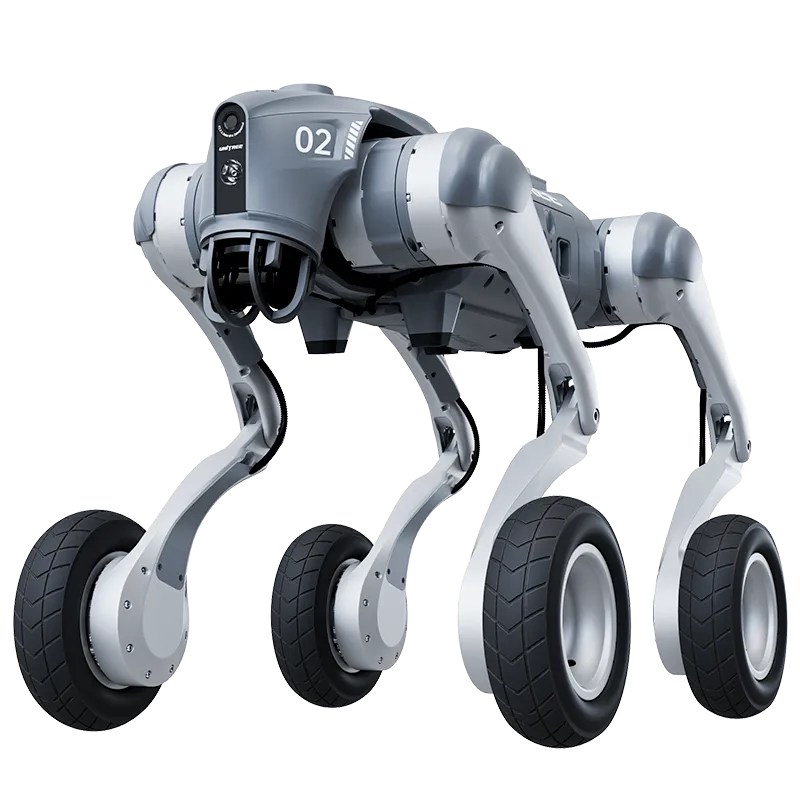
SmolVLA also matters because it is already showing up in broader VLA tooling. FluxVLA v0.1.1 added SmolVLA support for LIBERO and ALOHA, including SmolVLM backbones, a flow-matching VLA implementation, training configs, regression tests, and updated documentation. The same release added TRON2 training and inference support and improved DreamZero cached inference.
That is not a consumer product announcement. It is an ecosystem signal. When open frameworks support multiple model families, datasets, benchmarks, and real-robot inference paths, robot makers can experiment faster. They can compare model approaches, test latency, run regression tests, and adapt policies to specific hardware.
For home robots, that could eventually matter more than a single breakthrough model. The winning product may not use SmolVLA by name. It may use a compact VLA-like policy, an open data pipeline, local safety models, cloud planning for non-sensitive tasks, and a manufacturer-specific manipulation stack. The point is that the software supply chain is becoming more modular.
What SmolVLA does not prove yet
SmolVLA does not prove that affordable humanoids are ready for homes. It does not prove that a small model can safely perform open-ended chores around children. It does not solve hand design, tactile sensing, battery life, warranty costs, home mapping, regulatory approval, or product support.
It also does not remove the need for boring evidence. Before a buyer trusts any home robot brain, the manufacturer should show:
- repeated trials, not a single success;
- failure rates and intervention rates;
- the range of homes, objects, and lighting conditions tested;
- what data is stored, uploaded, or used for training;
- how model updates are rolled back if they break a skill;
- how the robot behaves when it is uncertain.
That is the gap between a promising robotics model and a product you can live with.
The bottom line
SmolVLA is important because it pushes robot AI in the right direction: smaller, more open, more reproducible, and potentially easier to run close to the robot. That can help future home robots become cheaper, faster, and less dependent on constant cloud inference.
But the home-robot bottleneck is still the full system. A robot needs the body, sensors, hands, safety layer, service network, and proof of repeatable household performance. A compact VLA model is one good piece of that stack. It is not the stack.
If you are comparing robots today, use SmolVLA as a lens. Favor products that explain their compute, privacy, update, and safety story clearly. Be skeptical of any robot that says "AI-powered" without showing what the model controls. And remember the practical rule: a smaller brain matters most when the whole robot is designed around it.
Database context
Use this article as a privacy verification workflow
Turn the article into a real verification pass
SmolVLA Explained: Smaller Brains for Home Robots already points you toward 7 linked robots, 6 manufacturers, and 4 countries inside the ui44 database. That matters because strong buyer guidance is easier to apply when you can move immediately from a claim or warning into concrete product pages, manufacturer directories, component explainers, and country-level context instead of treating the article as an isolated opinion piece. The fastest next step is to turn the article into a shortlist workflow: open the linked robot pages, verify which specs are actually published for those models, then compare the surrounding manufacturer and component context before you decide whether the underlying claim changes your buying plan.
For this topic, the useful discipline is to separate the editorial lesson from the catalog evidence. The article gives you the framing, but the robot pages tell you what each product actually ships with today: sensor stack, connectivity methods, listed price, release timing, category, and support-relevant compatibility notes. The manufacturer pages then show whether you are looking at a one-off launch, a broader lineup pattern, or a company that spans multiple categories. That layered workflow reduces the risk of buying on a single marketing phrase or a single support FAQ.
Use the robot pages to confirm which products actually expose cameras, microphones, Wi-Fi, or voice systems, then use the manufacturer pages to decide how much of the privacy question seems product-specific versus brand-wide. On this route cluster, Reachy Mini, Oli, and TRON 1 form the fastest reality check. If you want a quick working shortlist, open Compare Reachy Mini, Oli, and TRON 1 next, then keep this article open as the reasoning layer while you compare structured data side by side.
Practical Takeaway
Every robot, manufacturer, category, component, and country reference below resolves to a real ui44 page, keeping the follow-up path grounded in database records rather than generic advice.
Suggested next steps in ui44
- Open Reachy Mini and note the listed sensors, connectivity methods, and voice stack before you interpret any policy claim.
- Cross-check the wider brand context on Pollen Robotics so you can see whether the privacy question touches one model or a broader lineup.
- Use the linked component pages to confirm how common the relevant sensors and connectivity layers are across the database.
- Keep a short note of which policy layers you checked, which device features are actually present on the robot page, and which items still depend on region- or app-level confirmation.
- Finish with Compare Reachy Mini, Oli, and TRON 1 so the policy reading sits next to structured product data.
Database context
Robot profiles worth opening next
Use the linked product pages as the evidence layer
The linked robot pages are where this article becomes operational. Instead of asking whether the headline is interesting, use the robot entries to inspect the actual mix of sensors, connectivity options, batteries, pricing, release timing, and stated capabilities attached to the products mentioned in the article. That is the easiest way to see whether the warning or opportunity described here affects one product family, a specific design pattern, or an entire buying lane.
Reachy Mini
Pollen Robotics · Companions · Available
Reachy Mini is tracked on ui44 as a available companions robot from Pollen Robotics. The database currently records a listed price of $299, a release date of 2025-07, Not officially disclosed battery life, Not officially disclosed charging time, and a published stack that includes 120° 12 MP autofocus wide-angle camera, 4 PDM MEMS digital microphones, and 5 W speaker plus USB (Reachy Mini Lite via host computer) and Wi-Fi (wireless Reachy Mini).
For privacy-focused reading, this page matters because it shows the concrete device surface behind the policy discussion. Use it to verify whether Reachy Mini combines sensors and connectivity in a way that could change the in-home data footprint, and compare the listed capabilities such as 6-DoF head movement, Full body rotation, and Animated antennas for expressive interaction with any cloud, app, or voice layers.
Oli
LimX Dynamics · Humanoid · Available
Oli is tracked on ui44 as a available humanoid robot from LimX Dynamics. The database currently records a listed price of Price TBA, a release date of 2025-07-30, About 2h (lab power-test room; actual data may vary) battery life, Not disclosed charging time, and a published stack that includes Self-developed 6-axis IMU, Head-mounted depth camera, and Chest-mounted depth camera plus WiFi 6 and Bluetooth.
For privacy-focused reading, this page matters because it shows the concrete device surface behind the policy discussion. Use it to verify whether Oli combines sensors and connectivity in a way that could change the in-home data footprint, and compare the listed capabilities such as Loco-manipulation (walk + manipulate simultaneously), Rough Terrain Navigation, and 31 Degrees of Freedom with any cloud, app, or voice layers, including Voice/Text Prompt Interaction.
TRON 1
LimX Dynamics · Research · Available
TRON 1 is tracked on ui44 as a available research robot from LimX Dynamics. The database currently records a listed price of $24,800, a release date of 2024-10-17, ≤2h battery life, <1h (20%-80%); 1.5h (100%) charging time, and a published stack that includes RGBD Camera, IMU, and Optional Sensor Expansion Kit: LiDAR + depth camera plus USB 3.0 and GbE.
For privacy-focused reading, this page matters because it shows the concrete device surface behind the policy discussion. Use it to verify whether TRON 1 combines sensors and connectivity in a way that could change the in-home data footprint, and compare the listed capabilities such as Modular Foot-End System, Point-Foot Locomotion, and Humanoid Sole Walking with any cloud, app, or voice layers, including Optional Voice Interaction Kit with voice wake-up and speech control.
G1 is tracked on ui44 as a available humanoid robot from Unitree. The database currently records a listed price of $13,500, a release date of 2024, ~2 hours battery life, Not disclosed charging time, and a published stack that includes Depth Camera, 3D LiDAR, and 4 Microphone Array plus Wi-Fi 6 and Bluetooth 5.2.
For privacy-focused reading, this page matters because it shows the concrete device surface behind the policy discussion. Use it to verify whether G1 combines sensors and connectivity in a way that could change the in-home data footprint, and compare the listed capabilities such as Bipedal Walking, Object Manipulation, and Dexterous Hands (optional Dex3-1) with any cloud, app, or voice layers.
Stretch 4
Hello Robot · Home Assistants · Available
Stretch 4 is tracked on ui44 as a available home assistants robot from Hello Robot. The database currently records a listed price of $29,950, a release date of 2026-05-12, 8 hours (light CPU load) battery life, Not officially disclosed charging time, and a published stack that includes Wide-FOV depth sensing, High-resolution RGB cameras, and Calibrated RGB + depth perception plus its listed connectivity stack.
For privacy-focused reading, this page matters because it shows the concrete device surface behind the policy discussion. Use it to verify whether Stretch 4 combines sensors and connectivity in a way that could change the in-home data footprint, and compare the listed capabilities such as Mobile Manipulation, Omnidirectional Indoor Mobility, and Autonomous Mapping and Navigation with any cloud, app, or voice layers.
Database context
Manufacturer context behind the article
Check whether this is one product story or a broader company pattern
Manufacturer pages add the privacy context that individual product pages cannot show on their own. They help you check whether cameras, microphones, cloud accounts, app controls, and policy assumptions appear across a broader lineup or stay tied to one specific product story.
Pollen Robotics
ui44 currently tracks 2 robots from Pollen Robotics across 2 categorys. The company is grouped under France, and the current catalog footprint on ui44 includes Reachy 2, Reachy Mini.
That wider brand context matters because privacy questions rarely stop at one FAQ page. A manufacturer route helps you see whether the article is centered on one premium model or on a company that has several relevant products and therefore more than one place where the same policy or app assumptions might matter. The category mix here currently points toward Research, Companions as the most useful next route if you want to see whether this article reflects a wider pattern inside the brand.
LimX Dynamics
ui44 currently tracks 4 robots from LimX Dynamics across 2 categorys. The company is grouped under China, and the current catalog footprint on ui44 includes Oli, Luna, TRON 1.
That wider brand context matters because privacy questions rarely stop at one FAQ page. A manufacturer route helps you see whether the article is centered on one premium model or on a company that has several relevant products and therefore more than one place where the same policy or app assumptions might matter. The category mix here currently points toward Humanoid, Research as the most useful next route if you want to see whether this article reflects a wider pattern inside the brand.
Unitree
ui44 currently tracks 2 robots from Unitree across 1 category. The company is grouped under China, and the current catalog footprint on ui44 includes H1, G1.
That wider brand context matters because privacy questions rarely stop at one FAQ page. A manufacturer route helps you see whether the article is centered on one premium model or on a company that has several relevant products and therefore more than one place where the same policy or app assumptions might matter. The category mix here currently points toward Humanoid as the most useful next route if you want to see whether this article reflects a wider pattern inside the brand.
Hello Robot
ui44 currently tracks 2 robots from Hello Robot across 1 category. The company is grouped under USA, and the current catalog footprint on ui44 includes Stretch 3, Stretch 4.
That wider brand context matters because privacy questions rarely stop at one FAQ page. A manufacturer route helps you see whether the article is centered on one premium model or on a company that has several relevant products and therefore more than one place where the same policy or app assumptions might matter. The category mix here currently points toward Home Assistants as the most useful next route if you want to see whether this article reflects a wider pattern inside the brand.
Database context
Broaden the scan without leaving the database
Categories, components, and countries add the wider context
Category framing
Category pages are useful when the article touches a buying pattern that shows up across brands. A category route helps you confirm whether the linked products sit in a narrow niche or whether the same question should be tested across a larger field of alternatives.
Companions
The Companions category page currently groups 47 tracked robots from 42 manufacturers. ui44 describes this lane as: Social robots, robot pets, and elderly care companions designed for emotional connection and daily support.
That makes the category route a practical follow-up when you want to check whether the products linked in this article are typical for the lane or whether they sit at one edge of the market. Useful starting examples currently include PARO, Abi, Moflin.
Humanoid
The Humanoid category page currently groups 98 tracked robots from 70 manufacturers. ui44 describes this lane as: Full-size bipedal humanoid robots designed to work alongside humans. From factory floors to household tasks, these machines represent the cutting edge of robotics.
That makes the category route a practical follow-up when you want to check whether the products linked in this article are typical for the lane or whether they sit at one edge of the market. Useful starting examples currently include NEO, EVE, Mornine M1.
Country and ecosystem context
Country pages give extra context when support practices, launch sequencing, regulatory posture, or manufacturer mix matter. They are not a substitute for model-level verification, but they do help you see which ecosystems cluster together and which manufacturers sit in the same regional field when you broaden the search beyond the article headline.
France
The France route currently groups 5 tracked robots from 4 manufacturers in ui44. That gives you a useful regional lens when the article points toward support practices, launch sequencing, or brand clusters that may share similar ecosystem assumptions.
On the current route, manufacturers like Pollen Robotics, Aldebaran / Maxtronics, Aldebaran Robotics make the page a good way to broaden the scan without losing the regional context that often shapes availability, documentation style, and adjacent alternatives.
China
The China route currently groups 60 tracked robots from 15 manufacturers in ui44. That gives you a useful regional lens when the article points toward support practices, launch sequencing, or brand clusters that may share similar ecosystem assumptions.
On the current route, manufacturers like AGIBOT, Unitree Robotics, Pudu Robotics make the page a good way to broaden the scan without losing the regional context that often shapes availability, documentation style, and adjacent alternatives.
USA
The USA route currently groups 19 tracked robots from 13 manufacturers in ui44. That gives you a useful regional lens when the article points toward support practices, launch sequencing, or brand clusters that may share similar ecosystem assumptions.
On the current route, manufacturers like Boston Dynamics, Figure AI, Hello Robot make the page a good way to broaden the scan without losing the regional context that often shapes availability, documentation style, and adjacent alternatives.
Database context
Questions to answer before you move from reading to buying
A follow-up FAQ built from the entities already linked in this article
Frequently Asked Questions
Which page should I open first after reading “SmolVLA Explained: Smaller Brains for Home Robots”?
Start with Reachy Mini. That gives you a concrete product anchor for the article’s main claim. From there, branch into the manufacturer and component pages so you can tell whether the article is describing one specific model, a repeated brand pattern, or a wider technology issue that affects multiple shortlist options.
How do the manufacturer pages change the buying decision?
Pollen Robotics help you zoom out from one article and one product. On ui44 they show lineup breadth, category spread, and the neighboring robots tied to the same company. That context is useful when you are deciding whether a risk belongs to a single model, whether it shows up across a brand’s portfolio, and whether you should keep looking at alternatives before committing.
When should I switch from reading to side-by-side comparison?
Move into Compare Reachy Mini, Oli, and TRON 1 as soon as you understand the article’s main warning or promise. The article explains what to watch for, but the compare view is where you can check whether price, status, battery life, connectivity, sensors, and category fit still make the robot a good match for your own home and budget.
Database context
Where to go next in ui44
Keep the research chain inside the database
If you want to keep going, these follow-on pages give you the cleanest expansion path from article to research session. Open the comparison route first if you are deciding between products today. Open the manufacturer, category, and component routes if you still need to understand the broader pattern behind the claim.
Written by
ui44 Team
Published May 29, 2026
Share this article
Open a plain share link on X or Bluesky. No embeds, no widgets, no cookie baggage.