Category lead
Humanoid · 25%
The route is deepest in Humanoid, with Commercial as the next strongest follow-through.
69 manufacturers and 89 tracked robots, shaped into a country brief that shows where USA is deepest, how much of the route is actually sourceable, and which maker pages deserve the next serious click.
Catalog rank
#2
Listed Available
19/89
Recorded numeric price
40/89
What matters first
Use the top-line signals here to judge whether this country already gives you enough breadth, price visibility, and vendor depth to build a serious shortlist.
Recorded numeric prices
Multiple currencies (EUR, USD)
Release window
2010–2027
Source coverage
89/89 official links
Category lead
The route is deepest in Humanoid, with Commercial as the next strongest follow-through.
Coverage quality
45% with recorded numeric prices and 92% image-backed, which tells you how quickly this route can turn into a shortlist instead of a research backlog.
Maker concentration
Faraday Future contributes the biggest slice of tracked models, so this route is broad enough to compare beyond one flagship.
Open next
Peer routes
Start with the deepest categories and the strongest coverage signals before drilling into individual models.
69
Manufacturers
9
Tracked categories
19
Listed Available
40/89
Models with numeric prices
Category counts, availability mix, and price range reworked for a quicker first pass.
USA can look dominant in this route simply because it is better represented in the ui44 catalog. Treat the counts as a shortlisting aid, then validate the winners on model pages and vendor material.
89 tracked models, restructured into a shortlist-first flow with featured picks up top and denser rows for the long tail.
Start with the models that are easiest to validate — the ones with live imagery, public pricing, or enough documentation to justify a deeper click. Then use the compact rows below to sweep the rest of the market without turning the page into a wall of oversized cards.
Listed Available
19
Numeric price recorded
40
With imagery
82
Manufacturers
69
How to scan this section
Best first clicks
These models score highest on status order, public detail quality, and image clarity, so they orient the route faster than a purely alphabetical sweep.
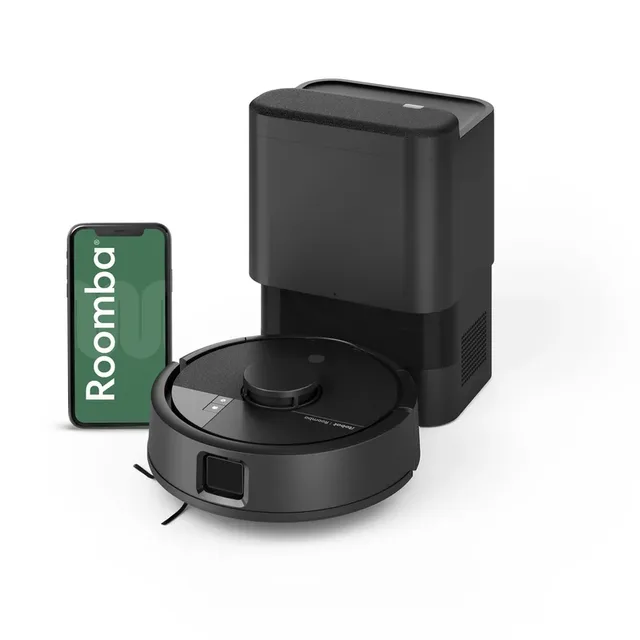
The Roomba Mini is iRobot's first new robot since the Picea Robotics acquisition and is billed as the world's smallest robot vacuum. At just 24.5 cm (9.6 in) in diameter — roughly half the size of a conventional robot vacuum — it reaches tight spaces between furniture and under low obstacles that larger robots miss. It offers both vacuuming and mopping in a single unit, though not simultaneously: users attach a disposable mopping pad to the underside for wet cleaning. The Mini uses ClearView LiDAR for room mapping (under 10 minutes for 93 m²) and obstacle avoidance, supports up to 3 floor plans, and includes Carpet Detect to skip rugs while mopping plus Carpet Boost for stronger suction on carpets. The bundled AutoEmpty Dock self-empties into an AllergenLock bag rated for up to 90 days of hands-free operation. Available in white, pink, mint, and black. Europe-only launch as of March 2026. Listed as Available with a recorded price; confirm current ordering and delivery terms.
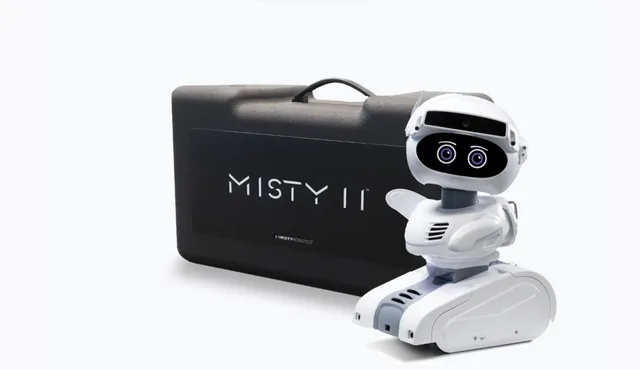
Misty II is a programmable personal robot platform aimed at developers, students, and researchers. It combines autonomous mobility, expressive social interaction, and an open API stack for rapid prototyping of human-robot interaction applications. Listed as Available with a recorded price; confirm current ordering and delivery terms.
Full directory
Sorted by status, then currency code and price within each currency; unlisted prices come last within each status.
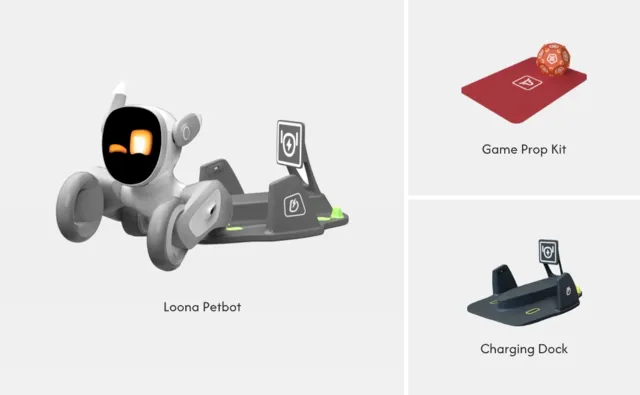
An AI-powered companion petbot from KEYi Tech. Loona is a small, expressive wheeled robot with a 2.4-inch LCD face that displays emotions. It uses a 720p camera, 3D time-of-flight sensor, and a 4-microphone array to recognize faces, respond to voice commands, and navigate around your home. KEYi's current page describes GPT-powered conversations while the published hardware section lists a 5 TOPS processor, Cortex-M4 co-processor, dual-core DSP audio engine, 2 GB LPDDR4 RAM, and 8 GB eMMC 5.0 storage. Aimed at families and kids, it offers interactive games (bullfighting, follow-the-leader, AR pet feeding), Google Blockly programming, and remote monitoring via the KEYi app. Auto-docks to recharge when battery is low. Won CES Innovation Award 2024 and iF Design Award 2024. Listed as Available with a recorded price; confirm current ordering and delivery terms.
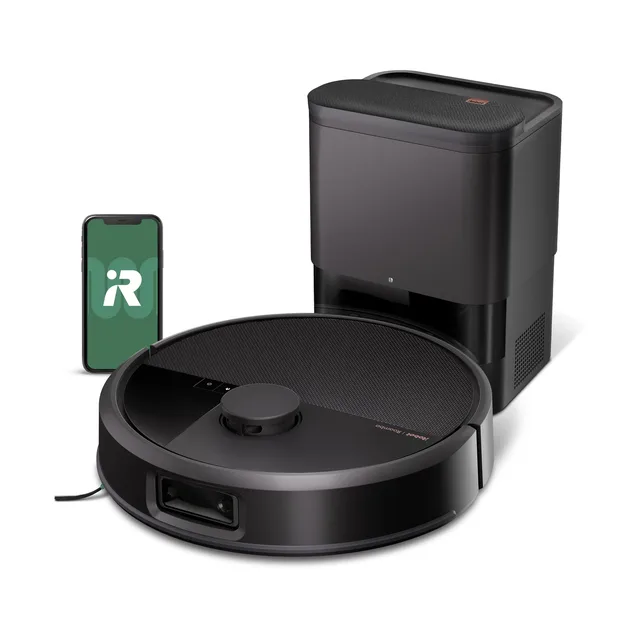
Roomba Max 705 Vac is iRobot's 2025 flagship vacuum-only robot for pet-heavy and high-traffic homes. iRobot positions it around stronger debris pickup and reduced maintenance: 180x suction versus the Roomba 600 reference baseline, anti-tangle dual rubber brushes, LiDAR-based room mapping, camera-based obstacle avoidance, and a bundled AutoEmpty Dock rated for up to 75 days of dust storage. The robot supports room/zone cleaning in the Roomba Home app and voice-triggered cleaning through Alexa, Siri, and Google Assistant-enabled devices. Listed as Available with a recorded price; confirm current ordering and delivery terms.
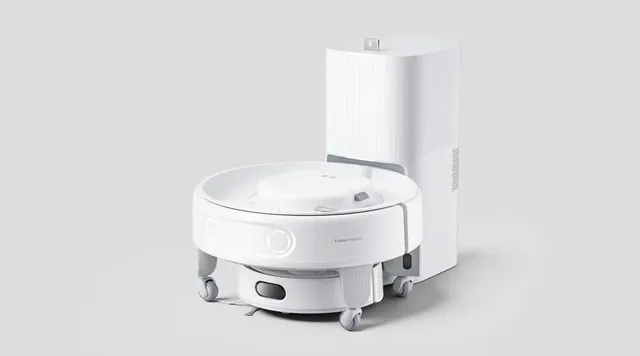
SwitchBot's modular home robot, unveiled at CES 2025 and shipping since mid-2025. At its core is a compact robot vacuum, but what sets the K20+ Pro apart is its FusionPlatform — a wheeled circular base that clips onto the vacuum via a mechanical ClawLock system. The platform can carry up to 8 kg and accepts various SwitchBot accessories: a pan/tilt security camera for mobile home monitoring, an air purifier for room-to-room filtration, a circulator fan, or even a cordless stick vacuum. It also supports third-party devices via USB-C power ports, and SwitchBot encourages 3D-printed custom attachments. The robot navigates with DToF laser radar and triple laser obstacle-avoidance sensors for centimeter-level obstacle avoidance. It works with Alexa, Google Assistant, Siri Shortcuts, and Matter-compatible smart home setups. Rather than trying to build a humanoid, SwitchBot took a practical approach: make existing home devices mobile. Listed as Available with a recorded price; confirm current ordering and delivery terms.
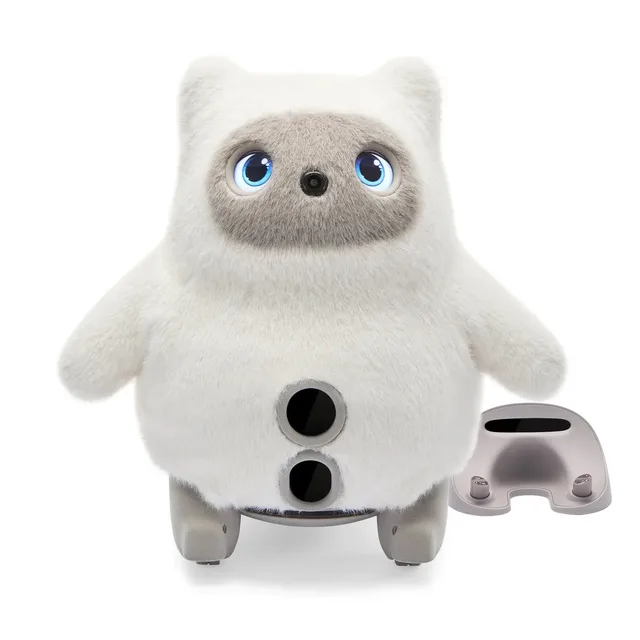
SwitchBot KATA Friends is an AI pet companion line with two character variants, Noa and Niko. Official SwitchBot launch materials and product data describe soft-bodied home companions that move independently, avoid obstacles, self-dock, respond to voice commands, gestures, touch, and emotion cues, and use an on-device LLM for local interaction. The robots can recognize household members, build interaction memories, keep a diary, and capture photos from their own perspective, positioning KATA Friends as a companion robot rather than a chore robot. As of May 2026, SwitchBot's US product JSON lists both Noa and Niko as available at about $699, with ongoing Companion Care plans required after the included/free period unless the one-time lifetime software option is selected. Listed as Available with a recorded price; confirm current ordering and delivery terms.
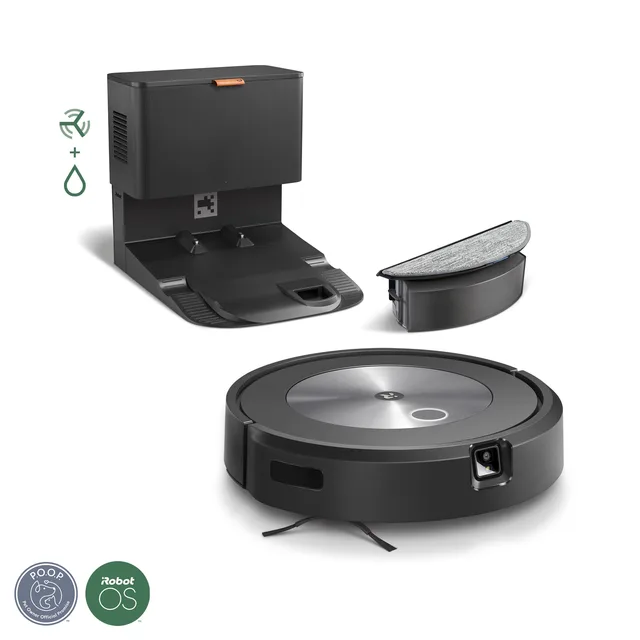
iRobot's Roomba Combo j5+ is a 2-in-1 robot vacuum and mop with a self-emptying dock. It uses a swappable bin system: vacuum bin for mixed floors and a Combo bin with water for mopping hard surfaces. The robot supports obstacle avoidance for common household objects (including cords, shoes, and pet waste), Dirt Detect spot cleaning, and room-specific controls in the iRobot Home app. The included Clean Base automatically empties debris for up to 60 days, reducing manual maintenance. As part of iRobot's Combo line expansion in 2023, the j5+ targeted customers who wanted a more affordable vacuum+mop option after the Combo j7+ launch. Listed as Available with a recorded price; confirm current ordering and delivery terms.
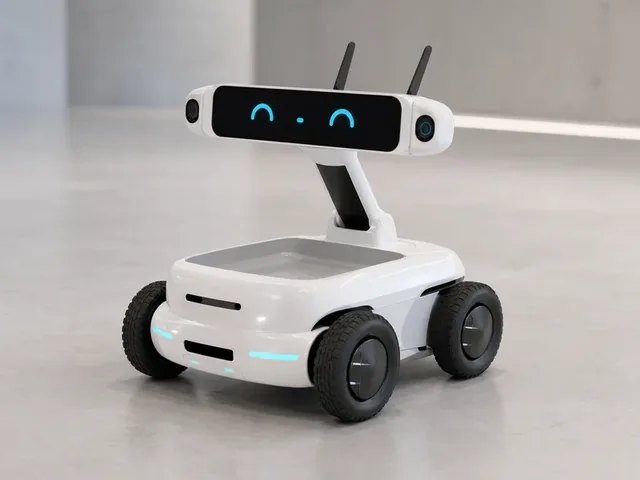
Yonbo X1 is a wheeled AI companion robot from X-Origin AI aimed at families with children. The robot combines a 5 MP camera, four-microphone array, expressive vertical display, dual-band Wi-Fi, and Bluetooth with multimodal conversational AI, long-term memory, and emotion-aware interactions. Official materials position it as a screen-light companion for storytelling, homework help, games, reminders, and parent-facing emotional wellness insights, while the current product page lists the robot as in stock with no required subscription. Listed as Available with a recorded price; confirm current ordering and delivery terms.
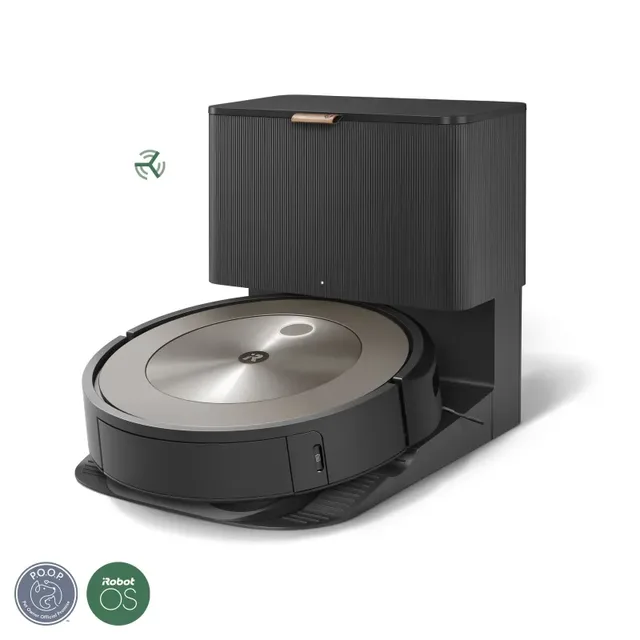
iRobot's top-of-the-line standalone robot vacuum with PrecisionVision camera navigation and 100% stronger suction compared to the Combo i Series. The j9+ uses Dirt Detective (powered by iRobot OS) to learn from cleaning history and automatically prioritize dirtier rooms, adjust suction power, and increase cleaning passes. Its front-facing camera identifies and avoids obstacles like shoes, socks, pet waste, and cords. Ships with a Clean Base that auto-empties the dustbin into a sealed bag holding up to 60 days of debris. Maps your home 7x faster than previous Roomba mapping tech. Round body, 13.7 inches diameter, 3.4 inches tall. Compatible with Alexa, Google Assistant, and Siri. Listed as Available with a recorded price; confirm current ordering and delivery terms.
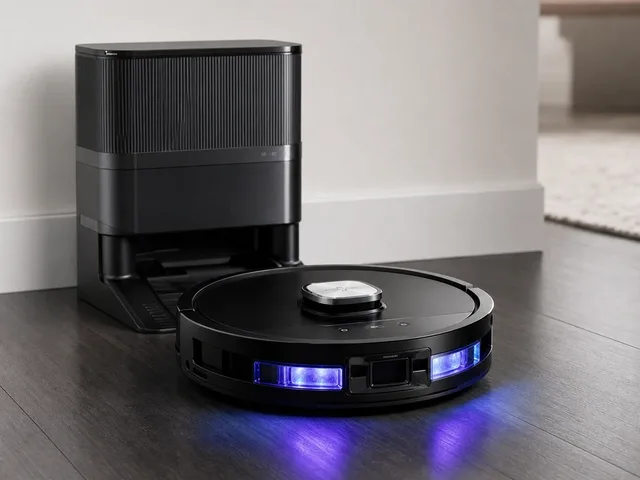
SharkNinja's flagship robot vacuum and mop, notable as the first robot vacuum to combine ultraviolet light detection with an RGB camera to find invisible messes such as dried pet urine, sweat, and food splatter. The PowerDetect UV Reveal uses UV Stain Detect to illuminate hidden stains, then activates HyperSonic Mopping — a deliberate scrubbing pattern delivering 7× the scrubbing power of traditional mopping — to clean them. The robot verifies the stain has been removed before moving on. It includes a single anti-tangle roller brush for vacuuming and a flat vibrating mop pad that extends a few millimeters past the body for edge cleaning. The ThermaCharged NeverTouch Pro Base provides bagless self-emptying into a washable bin (roughly one month of capacity), 185°F hot-water mop-pad washing, 175°F hot-air drying, and automatic water refilling. Shark's NeuroNav AI combines LiDAR, cameras, and onboard sensors for navigation and obstacle avoidance, while NeverStuck technology physically lifts the robot over thresholds and onto carpets. The NeverStop Battery runs for over three hours on a charge. All stain-detection image processing happens locally on the device; no data is sent to the cloud. Listed as Available with a recorded price; confirm current ordering and delivery terms.
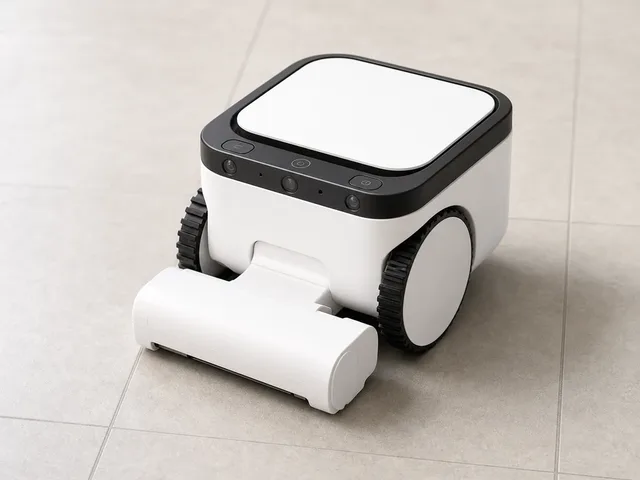
Matic is a vision-first robot vacuum and mop from Matic Robots that takes a notably different approach from most premium cleaners. Instead of a large multifunction dock or LiDAR tower, Matic uses on-device computer vision for real-time 3D floor mapping and carries its dustbag, clean-water tank, and mop-cleaning system inside the robot. Official materials describe automatic switching between vacuuming and mopping, a self-cleaning mop roll, tangle-resistant brush roll, HEPA bags for wet and dry waste, local processing with no cloud audio/video collection, and quiet operation up to 55 dB. Independent testing from RTINGS and Vacuum Wars corroborates the onboard bag/water/mop-cleaning design, five-camera 3D mapping, wet-spill pickup, and strong cleaning performance, while noting trade-offs such as the tall 7.8-inch body, lack of a conventional auto-empty/wash dock, and mixed navigation efficiency. Listed as Available with a recorded price; confirm current ordering and delivery terms.
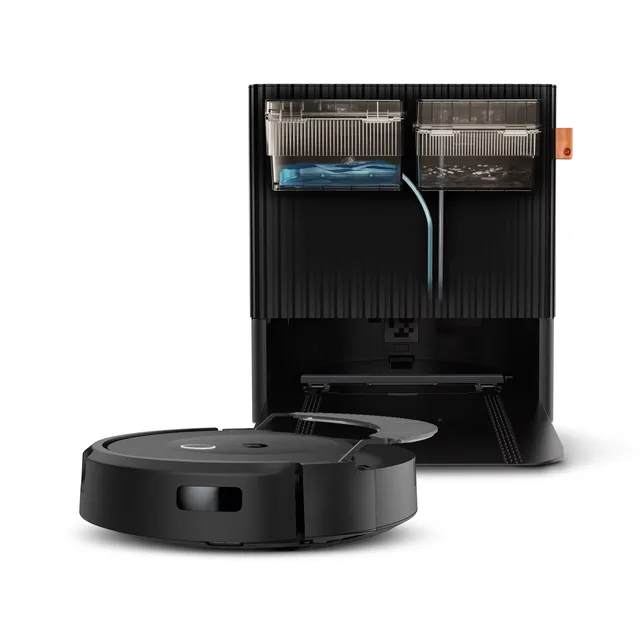
Roomba Combo 10 Max is iRobot's premium 2-in-1 robot vacuum + mop announced in July 2024 alongside the AutoWash Dock. iRobot positions it as a more independent cleaner: the dock auto-empties debris, refills water, washes and dries the mop pad, and self-cleans. The robot combines 4-stage vacuuming/mopping hardware with Enhanced Dirt Detect and PrecisionVision Navigation to identify heavy-dirt zones, map rooms faster, and avoid common household obstacles such as cords, shoes, and stairs. It also supports voice control integrations plus Matter-enabled Apple Home connectivity. Listed as Available with a recorded price; confirm current ordering and delivery terms.
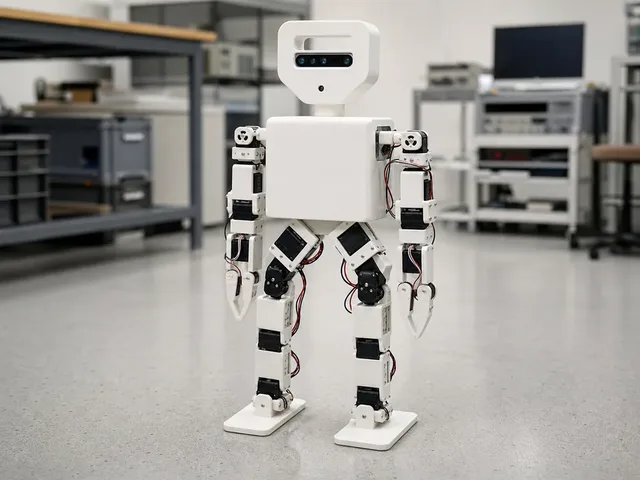
Vibe A1 is Vibe Robotics' open humanoid platform for students, researchers, labs, clubs, and serious hobbyists. The official product page positions the standard model as a 25-DoF academic research platform with Jetson Orin Nano 8GB onboard compute, a web camera, open-source developer software, APIs, documentation, and community support. Vibe says the platform is intended for robotics, AI, human-robot interaction, prototyping, and education, with demos covering walking and locomotion, teleoperation, manipulation, balancing, and reactions in everyday environments. Purdue Innovates independently describes Vibe Robotics as a West Lafayette startup building affordable humanoid robots for education, research, and embodied-AI development, while Purdue ICON also corroborates the team's research-focused humanoid platform lineage. Listed as Available with a recorded price; confirm current ordering and delivery terms.
FX Navi is Faraday Future's education-focused EAI learning quadruped for homes and classrooms, launched during the company's June 2026 robotics education event with sales and delivery opening immediately. The compact robot uses 12 joint motors, weighs 8 kg, and has official dimensions of 46.5 x 20 x 51.5 cm. A compatible iOS or Android smartphone slots into the head module and provides compute, camera, and microphone input for Navi's senses. Faraday Future pairs the robot with a visual programming platform, official curriculum, Skill Store, and a released 3D-printable head-module model so students can customize the hardware. Planned OTA upgrades include autonomous following, multimodal perception, and interaction through language, facial expression, and movement. Listed as Available with a recorded price; confirm current ordering and delivery terms.
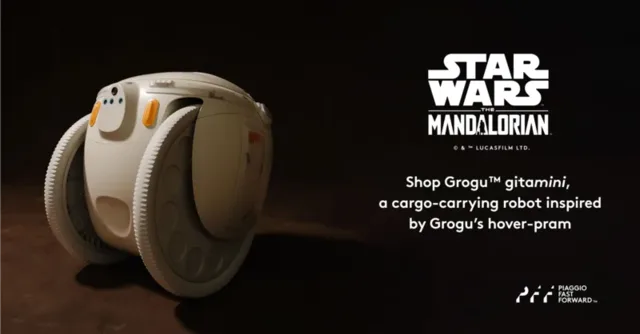
Grogu™ gitamini is a Star Wars-themed version of Piaggio Fast Forward's compact personal cargo-following robot, developed with Disney Consumer Products and styled after Grogu's pram from The Mandalorian. The consumer robot uses cameras and sensors to identify its operator, follow them, avoid obstacles, and adjust speed while carrying up to 20 lb of gear in a small cargo bin. Piaggio Fast Forward's official product page lists a $2,875 USD price, live inventory, app-based registration/settings, Wi-Fi, Bluetooth, over-the-air updates, a built-in Bluetooth speaker, and USB phone charging. Disney Store corroborates the same payload, camera/sensor following behavior, 28 lb weight, roughly seven-hour / ~21-mile runtime, under-two-hour charging, and 6 mph top speed. The product launched publicly in May 2026 as a licensed Disney/Star Wars edition of the gitamini platform. Listed as Available with a recorded price; confirm current ordering and delivery terms.
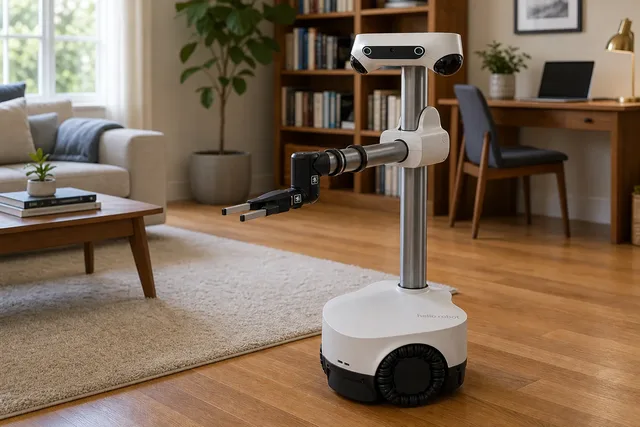
Hello Robot's 2026 Stretch 4 is a wheeled mobile manipulator built for real homes, research labs, and workplace pilot deployments. It keeps the Stretch line's open ROS 2/Python developer model while adding a compact omnidirectional base, self-charging, longer 8-hour light-load runtime, a 160cm working height, and a stronger telescoping arm rated for 2.5kg extended or 4kg retracted payloads. Official materials position it as available now, with reference demos for mapping, navigation, 3D SLAM, data collection, and VLM grasping; IEEE Spectrum reports that Stretch 4 is also intended for in-home assistive pilots with people who have severe mobility impairments. It is still a high-cost developer/assistive platform rather than a mass-market consumer appliance. Listed as Available with a recorded price; confirm current ordering and delivery terms.

David is Realbotix's modular humanoid companion robot, unveiled at CES 2026 as the company's first male-character configuration. Built on Realbotix's modular robot platform, David features a magnetically swappable face for quick expression changes, 14+ actuated facial points for lifelike expressions, and a patented eye-tracking AI-vision system for face recognition and real-time emotion interpretation. Realbotix says its embedded/proprietary AI can run on-device for demos such as the CES 2026 Aria-David conversation, while third-party integrations support local AI applications and cloud providers such as ChatGPT/OpenAI and DeepSeek, with Llama, Gemini, and Claude rollouts planned. At CES 2026, David and the flagship Aria made headlines with a two-hour fully unscripted, autonomous conversation in multiple languages — a first for publicly demonstrated humanoid robots. Designed for companionship, hospitality greeting, training, and customer engagement, David can be customized with interchangeable body panels, voices, and personality profiles. Realbotix announced planned delivery of 19 robots and corresponding AI implementations for March, April, and May 2026. Manufactured in the United States. Listed as Available with a recorded price; confirm current ordering and delivery terms.
FF Faber is Faraday Future's industrial-grade EAI mobile manipulator series, launched at Automate in Chicago on June 22, 2026. It combines an autonomous mobile base with dual robotic arms so it can move between workstations and perform loading, unloading, material handling, sorting, inspection, retail assistance, and research or education tasks. Faraday Future describes Faber as using its VLA + World Model-based EAI brain with autonomous navigation, omnidirectional mobility, dual-arm coordination, precision force control, and an open platform for customer-specific skills and industrial solutions. Public official materials describe three submodels: Faber T for industrial dexterity, Faber U for perception and compute, and Faber S for omnidirectional mobility. Listed as Available; confirm pricing, ordering and delivery terms.
Proxie Gen 2 is Cobot's second-generation mobile collaborative robot for enterprise material-handling work in hospitals, manufacturing floors, logistics facilities, warehouses, and labs. The platform combines an omnidirectional mobile base, bimanual manipulation, human-height ScoutSense perception, local task inference, Vista fleet coordination, and Auto Tasking that lets the robot identify and execute work without a warehouse-management-system integration or human dispatcher. Cobot says the generation builds on 12,627 production operating hours, can move carts up to 1,500 lb, lift up to 200 lb on its vertical spine, and uses lithium iron phosphate batteries with a self-swapping battery station for continuous operation. Listed as Available; confirm pricing, ordering and delivery terms.
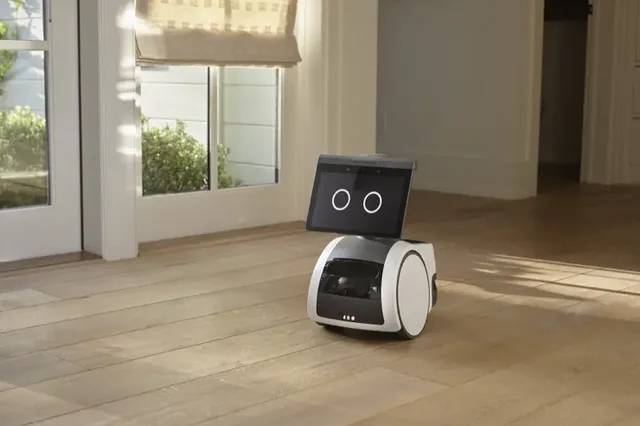
Amazon Astro is a wheeled home robot designed for home security monitoring, remote care of elderly relatives, and as a mobile virtual assistant. Built around Alexa, Astro can follow you from room to room, patrol your home autonomously, recognize family members via Visual ID, and send alerts when it sees unrecognized people. Features a 10.1-inch touchscreen display, a 1080p periscope camera with 132° field of view, and runs on Qualcomm processors with Amazon's AZ1 Neural Edge chip for on-device processing. Integrates with Ring security systems for virtual security guard functionality. Active in the catalog with enough detail to review immediately.
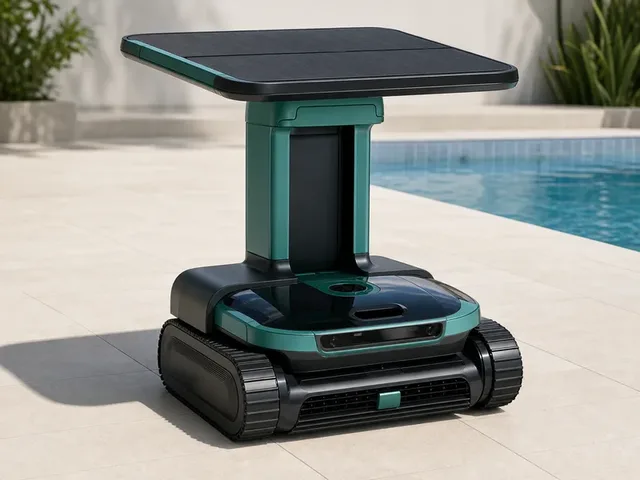
WYBOT's S3 is a premium cordless robotic pool cleaner for outdoor in-ground pools. Official WYBOT materials position it as a flagship model with first-run 3D pool mapping, AI-guided debris detection, real-time app positioning, and an Omni Dock that automatically handles docking, charging, and debris transfer into a 10L shore-side bin. WYBOT says the S3 can clean pool floors, walls, and waterlines for up to 180 minutes per cycle, with solar and DC dock charging designed to reduce hands-on maintenance. Active in the catalog with enough detail to review immediately.
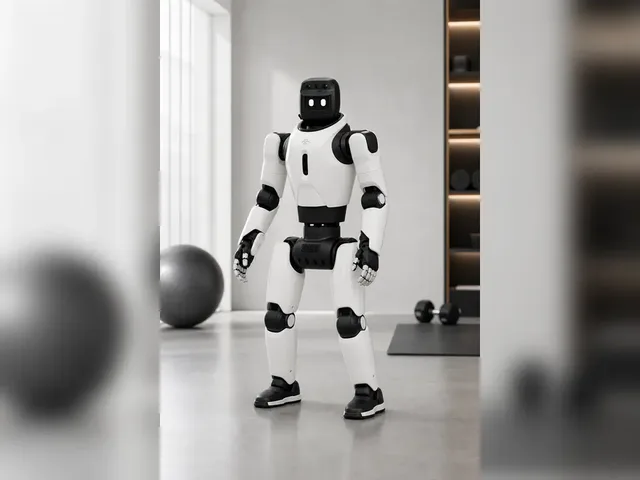
Compact athletic humanoid robot from Faraday Future's EAI Robotics division, launched alongside the FF Futurist and FX Aegis at the NADA Show in Las Vegas on February 4, 2026. Standing 131 cm tall and weighing 39 kg, the FF Master is designed for home companion, educational, and interactive roles rather than heavy professional tasks. It is powered by an NVIDIA Jetson Orin NX processor delivering 157 TOPS of AI compute and features 30 degrees of freedom in its body with five-fingered dexterous hands (7 DOF per arm). The robot's 30 high-efficiency drive motors produce up to 120 Nm of peak torque, enabling agile motion at speeds up to 7.2 km/h. Its perception suite includes 3D LiDAR, stereo RGB cameras, an interactive RGB camera, an RGB-D camera, and a rear RGB camera, with connectivity/control via Wi-Fi, Bluetooth, 4G, 5G, the mobile app, and VR teleoperation. FF positions the Master as a home and family companion — it can help children with homework, converse with elderly family members, assist in remote home monitoring through onboard cameras and sensors, and serve as an interactive presence at events and in classrooms. The robot supports natural language interaction in up to 50 languages and is designed to adapt and learn new skills over time through OTA software updates. First deliveries began in late February 2026, with over 20 units shipped by March 2026. Active in the catalog with enough detail to review immediately.
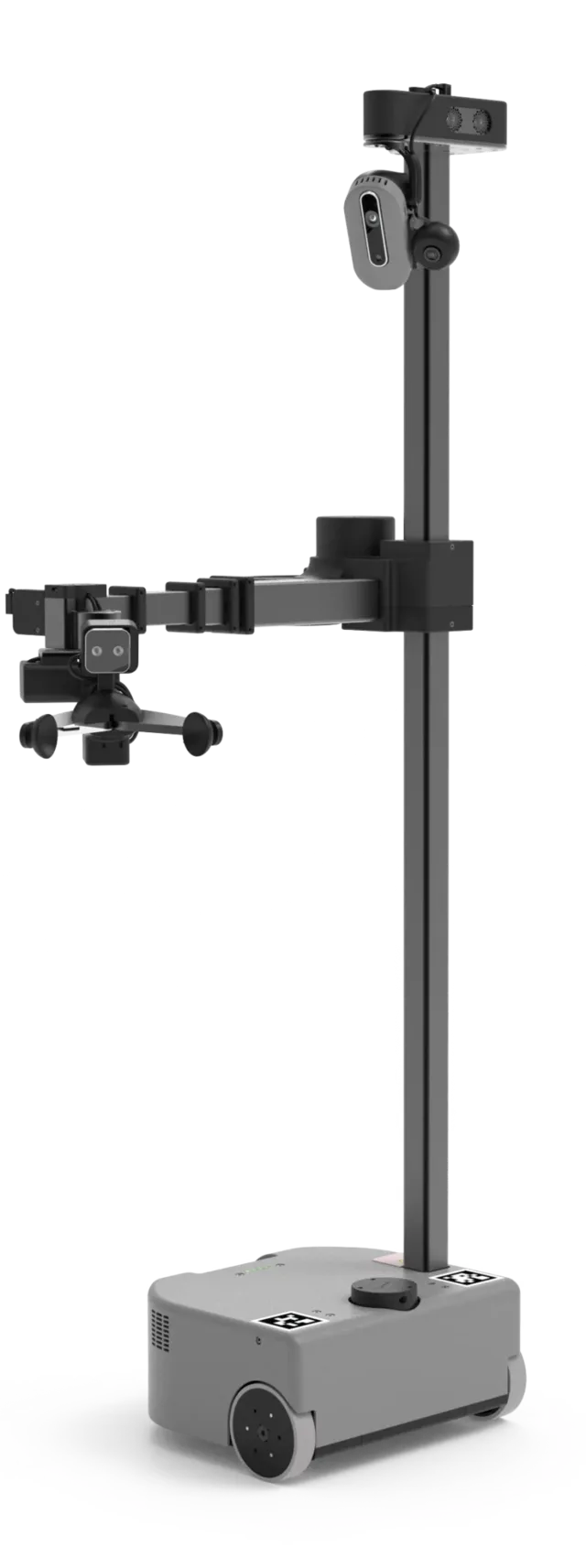
Hello Robot's open-source mobile manipulator designed for home environments, assistive care, and Embodied AI research. Stretch 3 is a lightweight (24.5kg) wheeled robot with a telescoping arm, compliant gripper, and 7 degrees of freedom. Its compact 33×34cm footprint lets it navigate real homes. Used by over 100 research labs worldwide, Stretch has one of the largest indoor mobile manipulation communities in robotics, with publications at ICRA, IROS, CoRL, HRI, and NeurIPS. Supports ROS 2 and Python SDK with out-of-the-box demos for autonomous perception, navigation, manipulation, and planning. Features web-based teleoperation for remote control from anywhere. Active in the catalog with enough detail to review immediately.
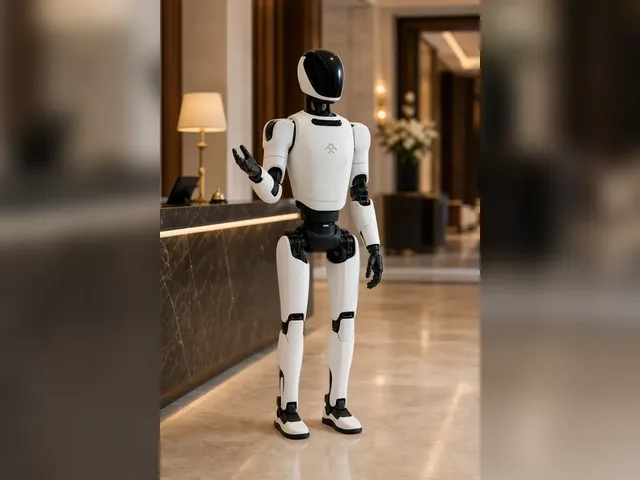
Full-size professional humanoid robot from Faraday Future's EAI Robotics division, launched at the NADA Show in Las Vegas on February 4, 2026. Standing 169 cm tall and weighing 69 kg, the FF Futurist is powered by an NVIDIA Jetson Orin processor delivering 200 TOPS of AI compute. It features 28 high-performance motors with 500 Nm peak torque and harmonic drive gearing, enabling 40 degrees of freedom overall (7 DOF per arm) with five-fingered dexterous hands. A hot-swappable battery provides approximately 3 hours of continuous standing time without power interruption during swaps. The perception suite includes 3D LiDAR, an RGB-D camera, a fisheye camera, multiple HD cameras, and tactile sensors, with connectivity via Wi-Fi, 4G, 5G, and VR teleoperation support. A customizable LCD face display enables natural interaction in up to 50 languages. The robot is positioned for professional roles including concierge services, sales advising, event hosting, teaching assistance, and brand ambassadorship, with future software updates planned for home and factory applications. First deliveries began in late February 2026, with over 20 units shipped by March 2026. Active in the catalog with enough detail to review immediately.
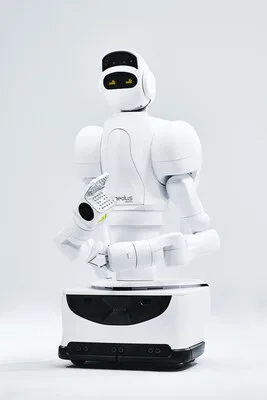
aeo is a dual-arm service robot from Aeolus Robotics designed for real-world facility operations such as delivery, security patrols, eldercare support, kiosk operation, and UV disinfection. Aeolus introduced this autonomous dual-arm generation at CES 2023 and positioned it as a robot-as-a-service offering with plug-and-play attachments and partner integrations. Each arm has seven degrees of freedom and is used in coordinated workflows such as operating elevator controls while performing task work with the other arm. Aeolus says the platform was shaped by field deployments across eldercare, hospitals, and property-management settings, with robots deployed in Japan since 2019 and broader expansion into Hong Kong, Taipei, and the U.S. partner market. Active in the catalog with enough detail to review immediately.
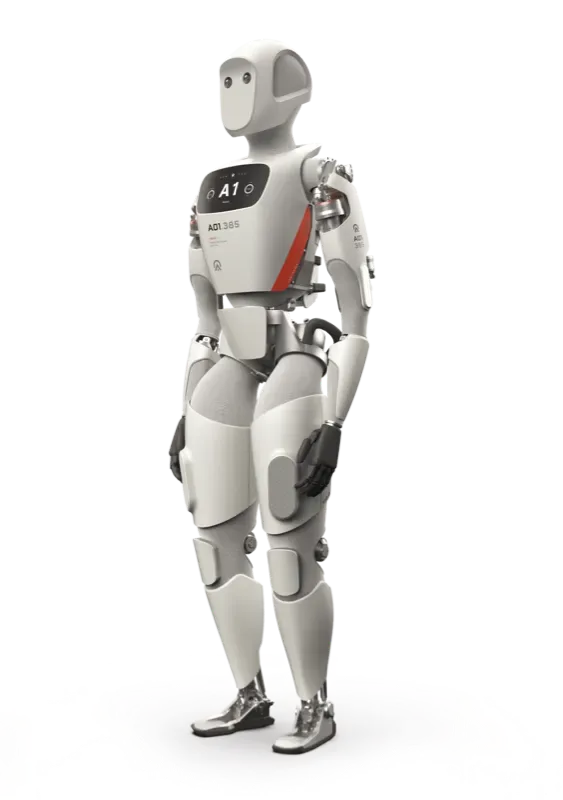
Apptronik's general-purpose humanoid robot, developed from experience building NASA's Valkyrie. Apptronik announced a commercial agreement with Mercedes-Benz in 2024 as its first public Apollo deployment, with factory pilot use cases for logistics and kit delivery. Backed by Google and based in Austin, TX. Active in the catalog with enough detail to review immediately.
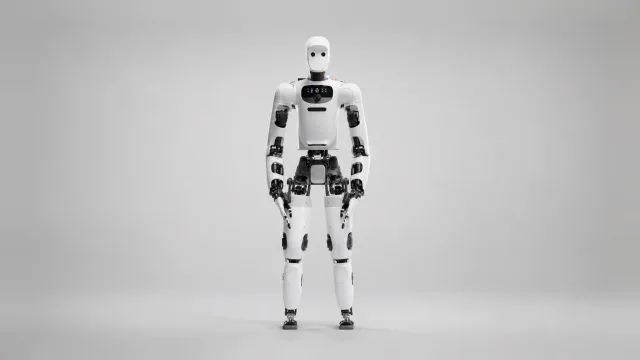
Apollo 2 is Apptronik's current-generation humanoid platform, unveiled with its expanded Robot Park data-collection facility in Austin. The platform is offered in both bipedal and wheeled-base configurations so Apptronik can train and deploy the same core humanoid technology across logistics, manufacturing, retail, and other real-world work environments. Official materials describe Apollo 2 as the Robot Park workhorse for more than a year, with fleets already operating at Apptronik facilities and customer or partner sites, while data from teleoperation and autonomous execution supports Apptronik's Google DeepMind collaboration on Gemini Robotics models and the future Apollo 3 commercial fleet. Active in the catalog with enough detail to review immediately.
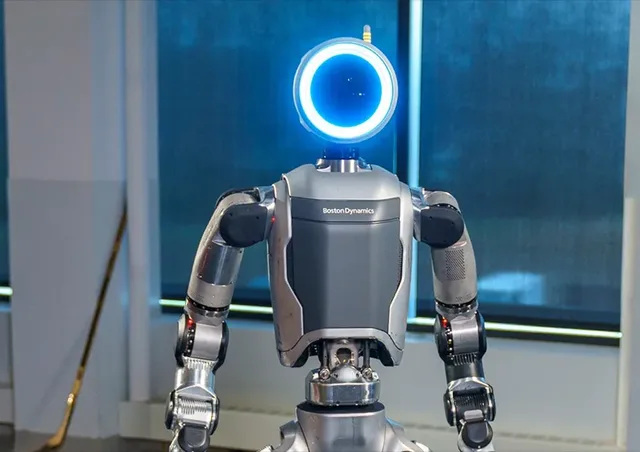
Boston Dynamics' fully electric humanoid robot, unveiled at CES 2026, designed for a wide array of industrial tasks from material handling to order fulfillment. Production began immediately at Boston headquarters, with 2026 deployments fully committed — fleets shipping to Hyundai's Robotics Metaplant Application Center (RMAC) and Google DeepMind, with additional customers planned for early 2027. Atlas features 56 degrees of freedom, fully rotational joints, a 2.3m reach, and 50kg instant lift capacity. Boston Dynamics lists 4 hours of battery life, falling to 2 hours with heavy lifting, a 1.5-hour charge time, and a 3-minute autonomous battery swap. Trained using AI foundation models including a partnership with Google DeepMind, with fleet-wide task replication — once one Atlas learns a task, it deploys across the entire fleet. IP67-rated for harsh environments, with fenceless human safety guarding. Offered to qualified enterprise prospects, not sold to normal consumers. Successor to the hydraulic Atlas research platform. Active in the catalog with enough detail to review immediately.
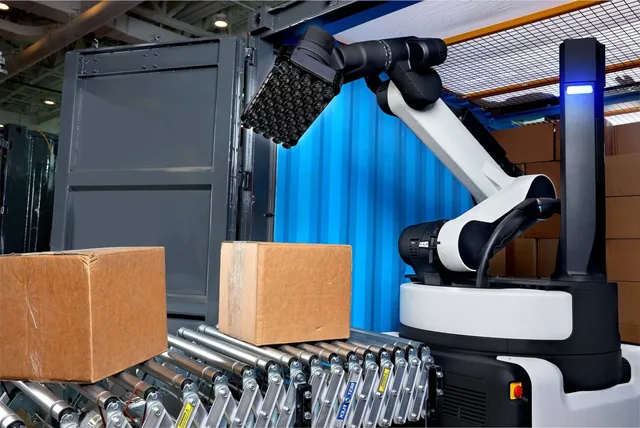
Boston Dynamics' purpose-built warehouse robot designed for autonomous case handling — including truck/container unloading and case picking. Stretch can move up to 800 boxes per hour from trucks and containers onto conveyor belts, working up to two full shifts (16 hours) on a single battery charge. Descended from the Handle research robot, Stretch was introduced in 2021 as Boston Dynamics' first warehouse-specific product. Stretch is commercially sold to qualified warehouse operators via enterprise sales (contact form/BD sales process), not through normal consumer retail checkout. It requires no pre-programming of SKU numbers or box sizes — its vision system detects and handles a wide range of package types autonomously, including recovering fallen packages. Deployed at hundreds of customers worldwide, including DHL (1,000+ unit MOU signed May 2025), Lidl (22 robots rolling out 2026 across Netherlands, Belgium, Austria, Spain), NFI, Gap, Arvato, Otto Group, and Maersk. Can be installed and operational within existing warehouse infrastructure in five days or less. Active in the catalog with enough detail to review immediately.
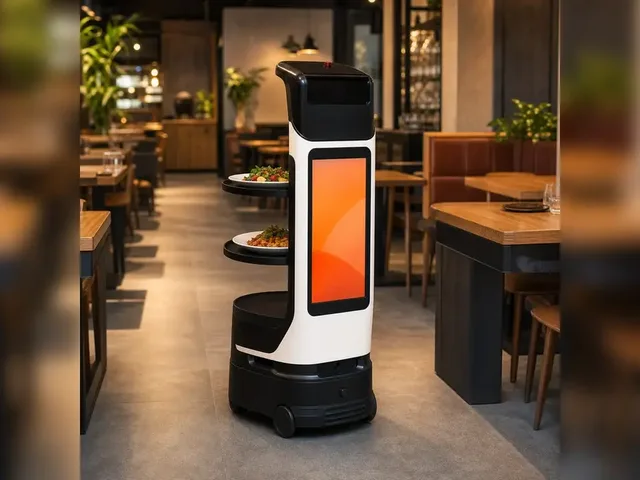
Servi Q is Bear Robotics' compact autonomous service robot for restaurants, cafés, hotels, and other hospitality venues with narrow aisles or high-traffic service areas. Bear unveiled the robot at the National Restaurant Association Show 2026 and says it was developed with SoftBank Robotics as the smallest and most versatile member of the Servi family. The official product page lists a 350 × 466 × 1060 mm body, 18-inch minimum aisle width, 0.7 m/s drive speed, two standard trays, 30 kg total load capacity, at least 12 hours of runtime, and wired charging in under four hours. Its main differentiation is service in tight floor plans: Servi Q can reverse when it cannot turn around, stop on backward bumps, keep drinks stable over thresholds or sudden stops, clean its wheels, run a built-in 18.5-inch advertising display, and coordinate peer-to-peer with other Bear Robotics Servi fleet robots without a centralized network dependency. Public pricing and regional rollout dates have not been announced. Active in the catalog with enough detail to review immediately.
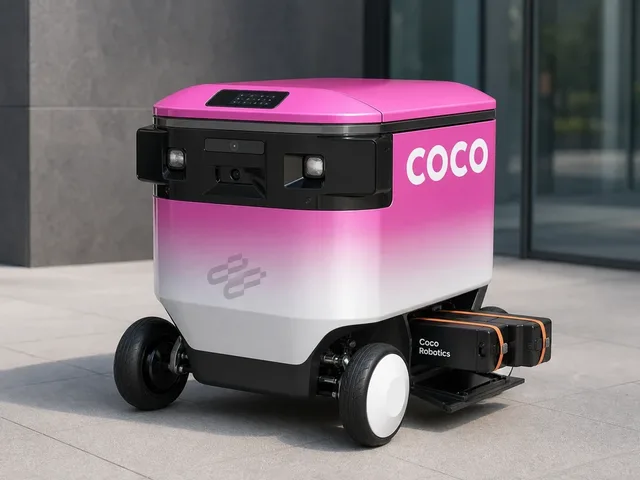
Coco 2 is the next-generation fully autonomous delivery robot from Coco Robotics, a Venice Beach–based startup founded at UCLA in 2020. Unlike its predecessor which relied on remote human drivers, Coco 2 operates with full autonomy using end-to-end neural networks trained on millions of real-world city miles. The robot navigates sidewalks, bike lanes, and roads where permitted, reducing delivery times by up to 50% compared to the prior generation. Built around NVIDIA Jetson Orin NX edge computing and solid-state LiDAR, Coco 2 reaches speeds up to 21 km/h (13 mph) with a 32 km range per charge. It features a multi-compartment cargo area that fits up to four 18-inch pizza boxes or six separate customer orders, a 360-degree turn-in-place design, and a swappable battery. The robot is fully submersible for flood conditions and compatible with snow tires for winter operation. Coco powers deliveries through Uber Eats, DoorDash, and Wolt, serving over 3,000 merchants across US cities including Los Angeles, Chicago, Miami, and Jersey City, as well as Helsinki, Finland. The company plans to scale to thousands of robots globally through 2026 with expansion into Europe and Asia. Active in the catalog with enough detail to review immediately.
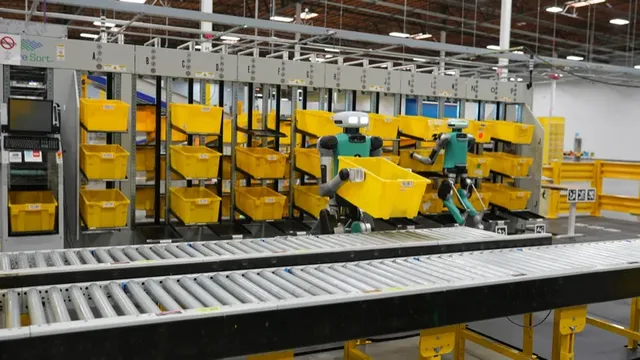
Purpose-built humanoid for logistics and warehouse operations. Commercially deployed at multiple Fortune 500 companies including Amazon, Toyota Motor Manufacturing Canada (RaaS deal, Feb 2026), Mercado Libre (Dec 2025), Schaeffler, and GXO. Produced at Agility's RoboFacility in Salem, Oregon. Enterprise RaaS (Robots-as-a-Service) model — no consumer pricing available. Active in the catalog with enough detail to review immediately.
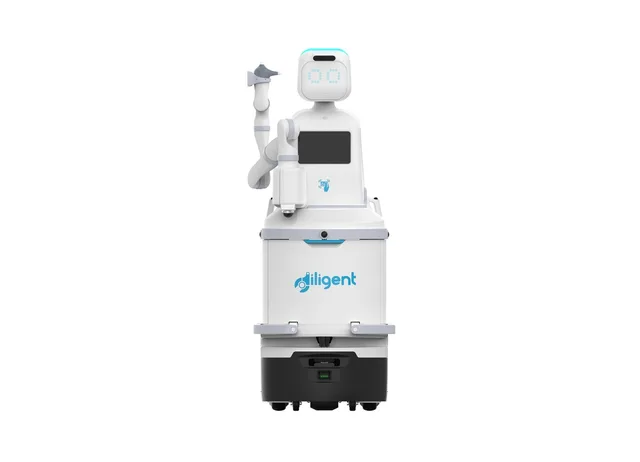
Moxi is Diligent Robotics' hospital-focused mobile manipulator built to automate routine, non-patient-facing logistics tasks so clinical staff can spend more time on patient care. The platform is designed for dynamic indoor healthcare environments and supports deliveries such as medications, lab samples, and patient supplies. Diligent's 2025 Moxi 2.0 update adds a redesigned hardware platform and higher on-board AI compute, built from real-world deployment data collected across U.S. hospitals. As of early 2026, nearly 100 Moxi robots have completed over 1.25 million autonomous deliveries across 25+ hospital facilities in the U.S., with Moxi 2.0 hospital deployments expected in H1 2026. In January 2026, Diligent Robotics was acquired by Serve Robotics (Nasdaq: SERV) in an all-stock deal valued at approximately $29 million, with Moxi continuing to operate as part of Serve's expanded Physical AI platform. Active in the catalog with enough detail to review immediately.
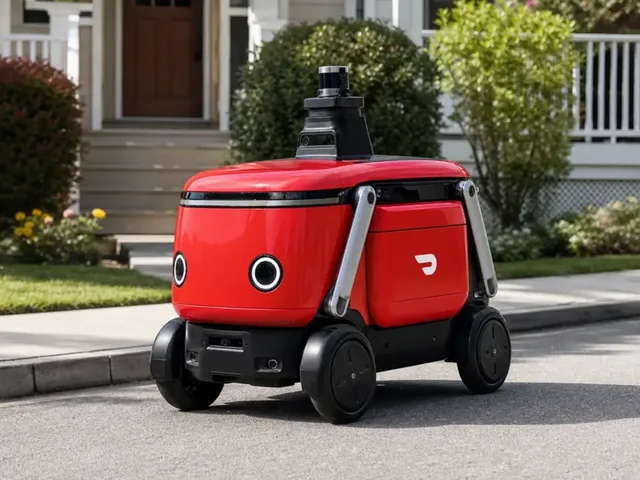
DoorDash Dot is the first commercial autonomous delivery robot designed to navigate roads, bike lanes, sidewalks, and driveways in a single trip. Developed entirely in-house by DoorDash Labs, Dot is roughly one-tenth the size of a car and fully electric. It features a locked, insulated cargo compartment that holds up to six pizza boxes or 30 lbs of items, with customizable merchant inserts including cupholders and coolers. Dot uses eight cameras, four radar units, and three LiDAR sensors for 360-degree situational awareness, paired with a real-time AI model combining deep learning and search-based path planning. The robot reaches speeds up to 20 mph on roads and 5 mph on sidewalks, with a removable battery providing over six hours of continuous operation. Launched commercially in the Phoenix metropolitan area (Tempe and Mesa, Arizona) in late 2025, Dot expanded to Fremont, California in March 2026. It integrates with DoorDash's Autonomous Delivery Platform, which orchestrates multi-modal delivery across Dashers, robots, and drones. Active in the catalog with enough detail to review immediately.
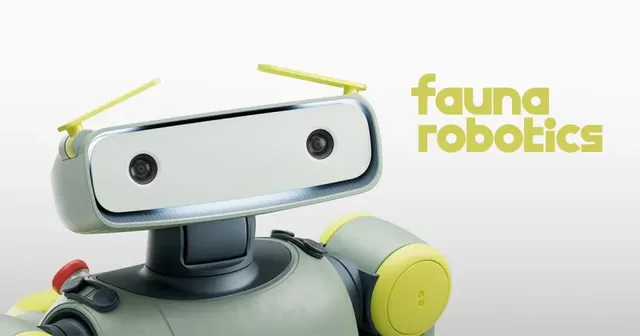
Fauna Robotics' bipedal humanoid developer platform designed for safe human interaction. Sprout is a 107cm tall, 22.7kg robot with 29 degrees of freedom, powered by an NVIDIA Jetson AGX Orin 64GB. Designed in New York City and assembled in America, Sprout features a soft exterior, compliant motor control, and a tiered safety system — making it suitable for homes, classrooms, retail, and research labs. The Creator Edition ships today with full SDK access, built-in autonomy, and social behaviors out of the box. Fauna Robotics officially joined Amazon on March 24, 2026, while saying it would continue selling Sprout Creator Edition robots and supporting existing customers as Fauna Robotics, an Amazon company. Featured on IEEE Spectrum's Video Friday, Sprout is being used by developers, enterprises, and researchers to build next-generation robotics applications. Active in the catalog with enough detail to review immediately.
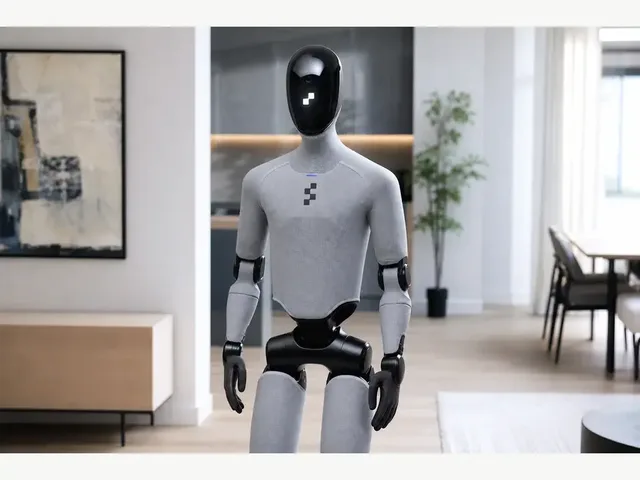
Figure AI's latest humanoid robot, announced October 9, 2025. On June 30, 2026, Figure reported that Figure 03 had arrived at BMW Group Plant Spartanburg and demonstrated a logistics sequencing workflow, including picking and placing parts and pulling a cart, powered by its in-house Helix 02 vision-language-action model. BMW's September 21, 2026 update describes Figure 03 logistics sequencing as Spartanburg's next project. These announcements do not report sustained production results for Figure 03. Not available for consumer purchase. Active in the catalog with enough detail to review immediately.
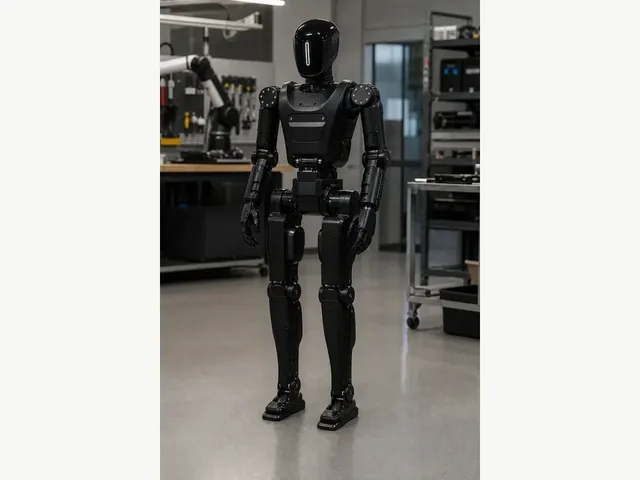
Foundation Future Industries' Phantom is a human-size production humanoid presented for industrial, manufacturing, and defense-adjacent work in human environments. The official Phantom page lists a 5 ft 11 in / 1.8 m, 176 lb / 80 kg body, 88.2 lb / 40 kg payload capacity, 29 degrees of freedom, 1.7 m/s top speed, and proprietary cycloid electric actuators with up to 160 Nm peak torque. Foundation's Cortex page describes a physics-informed AI stack connected to PHANTOM-MK1; public pricing, runtime, charging, sensor, and purchase details remain undisclosed. Active in the catalog with enough detail to review immediately.
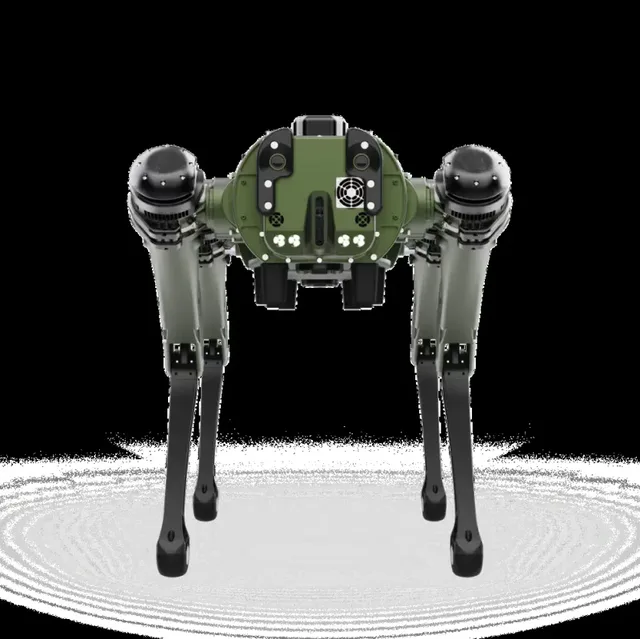
Ghost Robotics' Vision 60 is the world's most adaptable Quadrupedal Unmanned Ground Vehicle (Q-UGV), built for defense, public safety, and commercial applications. Founded in 2014 by Gavin Kenneally and Avik De out of the University of Pennsylvania, Ghost Robotics deployed the first base security robot at Tyndall Air Force Base. The Vision 60 features a modular design with quick-swap sub-assemblies for field repair, IP67 all-weather protection, and operates from -40°C to 55°C. Its open architecture supports manipulator arms, CBRN sensors, LiDAR, and security payloads. Used by the U.S. Department of Homeland Security, military bases, and industrial inspection teams worldwide. The company has grown to 60+ employees and is expanding into commercial markets. Active in the catalog with enough detail to review immediately.
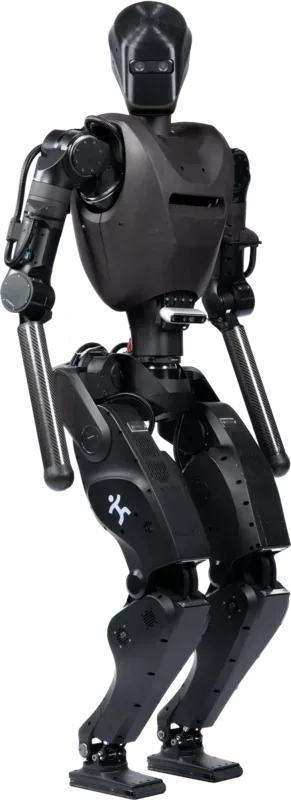
IHMC Alex is a next-generation humanoid research robot developed by the Florida Institute for Human and Machine Cognition for out-of-lab field testing. Official IHMC material describes Alex as a multi-year, multimillion-dollar Office of Naval Research project that builds on Nadia with in-house hardware design, high-powered custom actuators, outdoor urban-operation controllers, building-exploration behaviors, behavior cloning, simulation work, perception, autonomy, search skills, and VR teleoperation. IHMC says the platform is intended to serve as a human-avatar first responder for hazardous military or disaster-response environments, with an estimated weight of 85 kg including battery. Local WEAR coverage independently reported Alex as an all-custom, all-electric, battery-powered humanoid with arms, legs, a head and neck, and public demos including door traversal and shadow boxing. Active in the catalog with enough detail to review immediately.

Nylo is IntBot's flagship humanoid social robot for public-facing service environments. IntBot's CES 2026 release said Nylo would operate the company's booth as the sole exhibitor on January 6, greeting visitors, initiating conversations, answering questions, and handling unscripted trade-show interactions without human assistance. IntBot's own site now says Nylo operated the booth autonomously throughout CES, without scripted behavior or on-site human control, and frames the robot as part of a move from screen-based AI to physical agents. The company positions its social robots for hospitality, conferences, campuses, and similar public settings, with natural conversation, expressive body language, directions and recommendations, multilingual support, and staff oversight through an admin-moderator portal. Public height, weight, battery, locomotion, manipulation, and purchase specifications have not been disclosed. Active in the catalog with enough detail to review immediately.
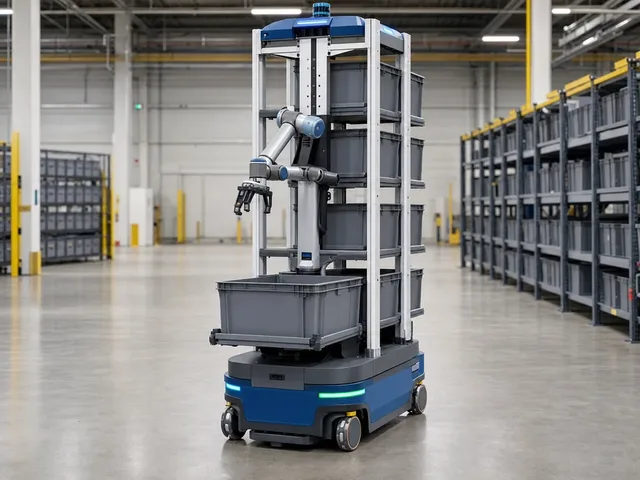
Locus Array is Locus Robotics' fully autonomous Robots-to-Goods warehouse mobile manipulator. The system combines an autonomous mobile base, robotic picking arm, AI-powered vision, real-time decision-making, and LocusONE orchestration to execute in-aisle fulfillment workflows such as picking, putaway, induction, drop-off, slotting, and replenishment. Locus says Array made its European debut at LogiMAT 2026 and North American/global launch at MODEX 2026; the company also says the robot is already live in customer deployments. A May 2026 Nexera Robotics acquisition adds NeuraGrasp, a patented soft-membrane gripper intended to broaden Array's SKU coverage beyond suction-friendly items. Active in the catalog with enough detail to review immediately.
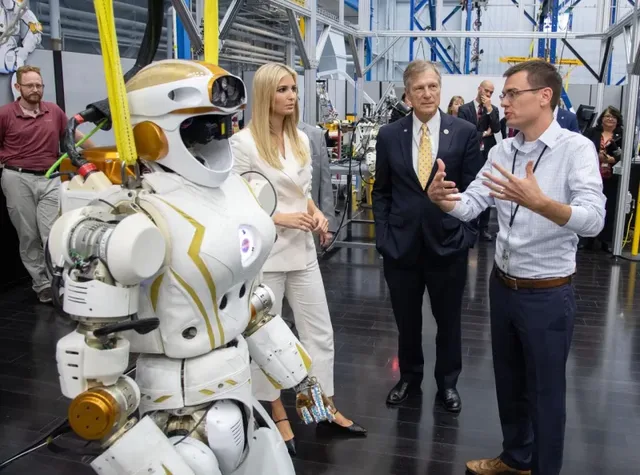
NASA's R5 Valkyrie is an entirely electric humanoid robot designed and built at the Johnson Space Center for the 2013 DARPA Robotics Challenge. Named after a figure from Norse mythology, it was built to operate in degraded or damaged human-engineered environments — with the long-term goal of supporting future space missions, either preparing sites before human arrival or assisting crews on other planets. Valkyrie has 44 degrees of freedom, including a 7-DOF arm on each side and simplified hands with 3 fingers and a thumb. The head sits on a 3-DOF neck with a Carnegie Robotics Multisense SL sensor (stereo, laser, IR structured light) plus fore and aft hazard cameras in the torso. After the DRC Trials, NASA provided units to MIT and Northeastern University with $500,000 each in funding for further research. NASA is also using Valkyrie as a dexterous robotics testbed under its Woodside Energy collaboration in Australia, maturing remote mobile manipulation for hazardous or remote facilities with operational demonstrations planned for 2026–2027 and lessons feeding Artemis/lunar-surface robotics work. Active in the catalog with enough detail to review immediately.
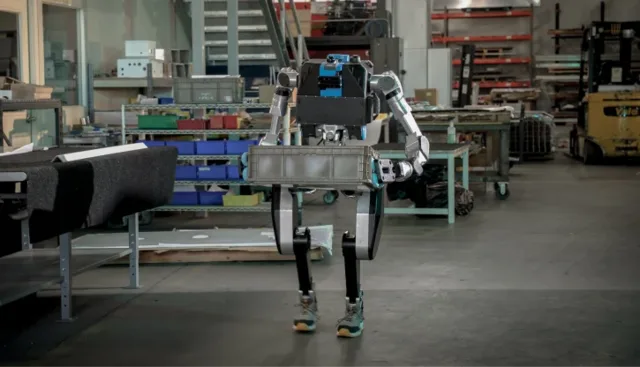
Moby is Noble Machines' first humanoid/general-purpose robot platform for hazardous and physically demanding industrial work. Noble's March 2026 launch says the company had shipped and deployed general-purpose robots to a Fortune Global 500 industrial customer within 18 months of launch, targeting manufacturing, construction, logistics, energy, and semiconductor operations. The current Noble Machines homepage lists hands with modular end-effectors, a 23 kg / 50 lb payload, up to 5 hours of battery life, and 0.8 m/s walking speed, while the company's official YouTube video and independent Robot Report coverage identify the robot as Moby. Humanoid.Guide lists a 170 cm height, 45 kg weight, and 34 degrees of freedom overall; Noble has not published those fields on its current homepage. Noble frames the platform around AI-driven whole-body control, end-to-end autonomy, and training from language instructions, demonstrations, and gestures rather than a public consumer product. Active in the catalog with enough detail to review immediately.
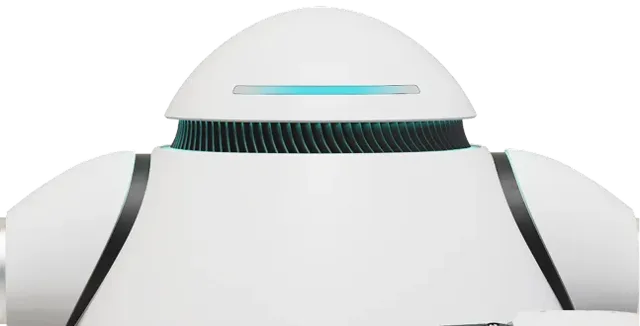
Richtech Robotics' AI-powered dual-arm robot designed for beverage service — bartending, barista coffee, and boba tea. ADAM is in real-world retail and hospitality use: Richtech's Clouffee & Tea flagship opened on February 9, 2025 and ADAM had served 16,000+ drinks there by June 17, 2025, while an April 2026 installation put ADAM at tm:rw in Times Square. The robot uses AI for personalized customer interaction, drink recommendations, and closed-loop vision-AI pour control with two agile arms for complex recipes. Richtech Robotics (NASDAQ: RR) is based in Las Vegas and works with NVIDIA and Microsoft AI Co-Innovation Labs on ADAM's robotics AI stack. Active in the catalog with enough detail to review immediately.
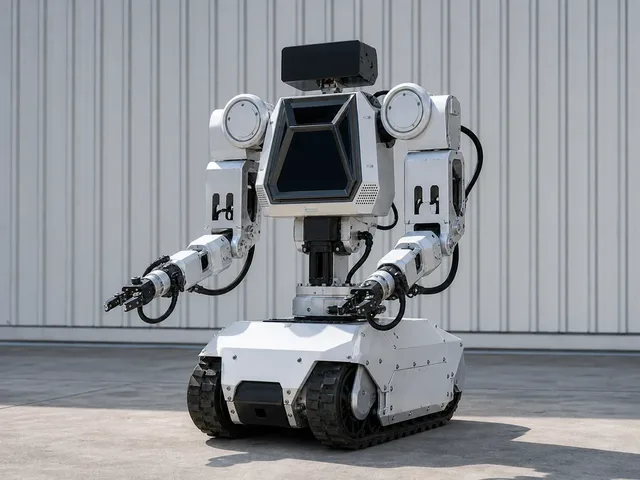
RoboForce's Titan is a physical-AI mobile manipulator built for demanding industrial work rather than home use. Officially introduced in May 2025, Titan is offered in wheeled and tracked base variants for outdoor and other unstructured environments, with pilot deployments in sectors including energy and broader industrial infrastructure. As of March 2026, RoboForce was still scaling manufacturing readiness and commercialization after announcing additional funding. Active in the catalog with enough detail to review immediately.
R-noid is Robot.com's wheeled humanoid labor platform for commercial kitchens, packing lines, picking stations, laundries, warehouses, lodging, and hosted guest interactions. It combines a holonomic mobile base with dual 7-DOF arms, a 4-DOF torso, modular end effectors, 0 to 1.9 m vertical reach, and autonomous or VR-teleoperated modes. Robot.com launched R-noid at Automate 2026 as five initial solution categories: restaurant assistant, packer, picker, folder, and host. Official and industry coverage describe active lighthouse deployments, including a packer installation at a golf course, and a deployment model that can move from site visit to autonomous on-site operation in roughly 8 to 12 weeks. The robot uses onboard NVIDIA/AMD compute, FieldAI foundation models, Physical Intelligence's pi0.7 vision-language-action model for manipulation, and Robot.com's R-soul expression and behavior system for intent, status, and conversational presentation. Active in the catalog; verify the latest media and rollout details.
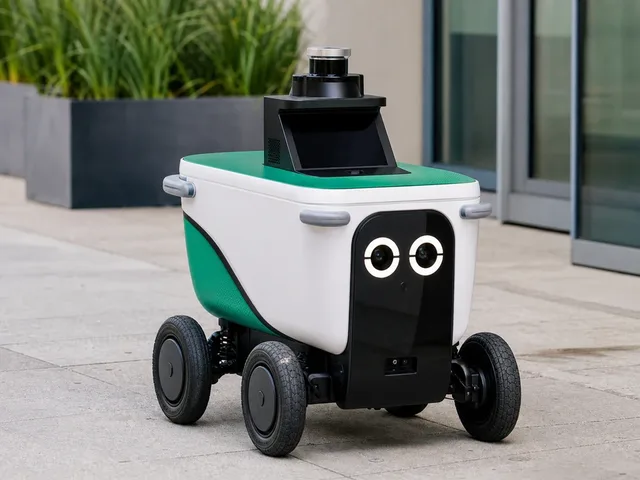
Serve Robotics' third-generation autonomous sidewalk delivery robot, introduced in October 2024 and built for fleet-scale delivery operations. Official Serve materials say Gen3 entered manufacturing with 2,000 new units planned for 2025 on Uber Eats, adds NVIDIA Jetson Orin compute, Ouster REV7 digital LiDAR, an upgraded sensor suite, an expanded insulated cargo bin sized for four 16-inch pizzas, a suspension-equipped drivetrain, improved water resistance, and 40% faster emergency braking. Serve now reports more than 2,000 robots deployed across the U.S., delivery support for 4,000+ restaurants, and partnerships including Uber Eats and DoorDash; after acquiring Diligent Robotics in 2026, the company reports a broader operating footprint of 44 cities across 14 states spanning sidewalk and healthcare robots. Active in the catalog with enough detail to review immediately.
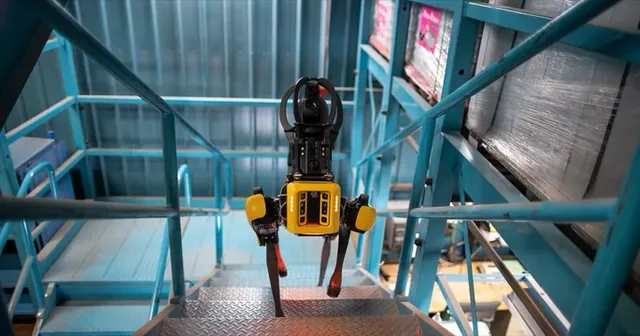
Boston Dynamics' agile quadruped robot for industrial inspection, data collection, and remote operations. With over 1,500 units deployed worldwide, Spot is one of the most commercially deployed legged robots. It is sold through Boston Dynamics' enterprise contact-sales flow (not normal consumer retail checkout) and is used across manufacturing, energy, construction, government, and research. Features autonomous navigation, self-charging, dynamic obstacle avoidance, and an optional arm for mobile manipulation. Managed via the Orbit fleet management platform. Active in the catalog with enough detail to review immediately.
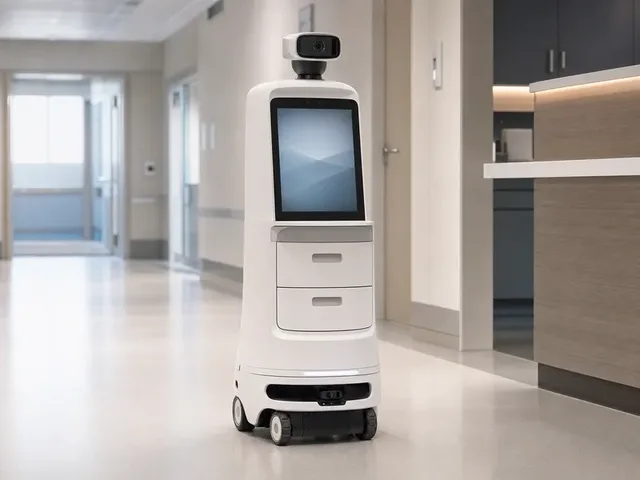
VSee AI Robot is an autonomous telehealth robot for hospitals and health systems. VSee launched the robot at HIMSS 2026 as a self-navigating alternative to staff-escorted telepresence carts: it uses LiDAR navigation to travel hospital corridors, enter patient rooms, and position itself at the bedside for remote clinicians. Official VSee materials describe use cases including virtual physician rounding, telestroke response, specialist consults, patient check-in and triage, and medication or supply delivery through programmable drawers. The robot is tied into VSee's AI Workflow Engine and clinical telehealth platform, with published highlights including 30x optical zoom, infrared night vision, a Full HD clinical display, secure patient identification, and low-code clinical AI workflow integration. Active in the catalog with enough detail to review immediately.
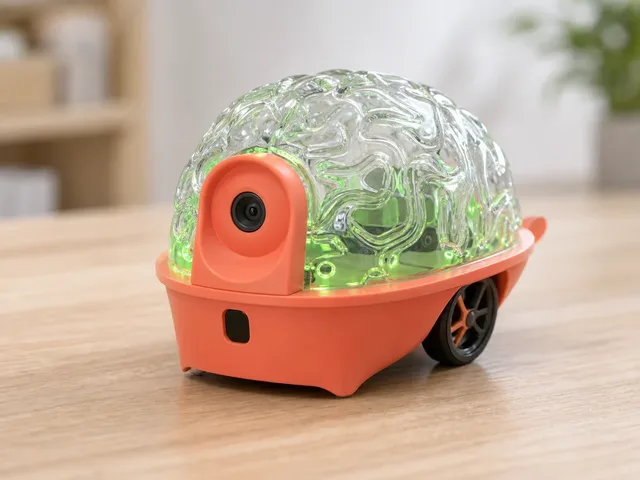
SpikerBot is Backyard Brains' neuroscience-focused educational creature robot, promoted as a no-code way to build behavior by wiring virtual spiking neurons rather than writing software. The official Backyard Brains homepage describes it as a creature that changes behavior when users change its neural connections, while IEEE Spectrum reports that the Kickstarter-funded robot kit starts at $219. Make: describes a brain-shaped wheeled robot with a camera, microphone, distance sensor, lights, sounds, swappable AA batteries, 3D-printable attachment points, and an app where users connect sensors and motors through virtual neurons and synapses. The result is closer to a hands-on neuroscience and embodied-behavior platform than a conventional toy robot: learners can create simple creature behaviors, inspect live spiking activity, edit sample brain models, and use supported peripherals such as Backyard Brains' Spiker:bit board for muscle-signal interaction experiments. Commercial intent is clear, but delivery timing should be validated.
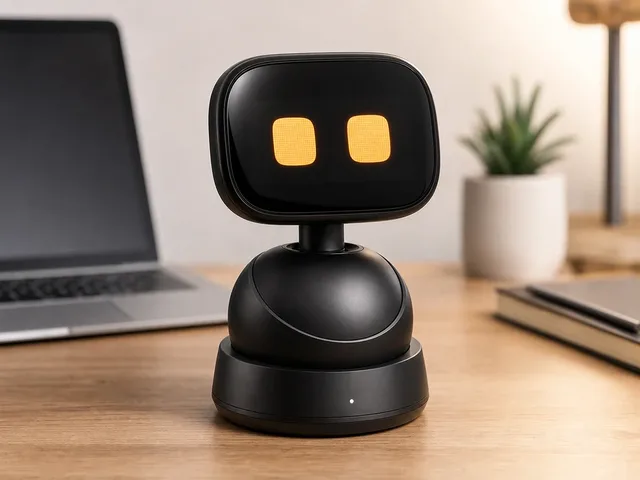
Loona DeskMate is KEYi Tech's desktop AI companion for work, introduced at CES 2026 as a separate product from the wheeled Loona pet robot. It turns a docked iPhone into an embodied desk-side assistant, using the phone as the display, camera, microphones, and compute while the base provides a motorized three-degree-of-freedom head and a 165 W GaN charging hub. Official KEYi materials describe audio-visual multimodal perception, no-wake-word intent detection, attention and emotion awareness, real-time clipboard and screen context, and productivity integrations for email, calendar, Slack, Zoom, Calendly, SendGrid, and Yelp-style booking workflows. Independent launch coverage corroborates iPhone 12+/iOS 16+ requirements, Mac/Windows workflow sync, three USB-C plus one USB-A ports, Kickstarter crowdfunding, and planned late-May 2026 shipping. Commercial intent is clear, but delivery timing should be validated.
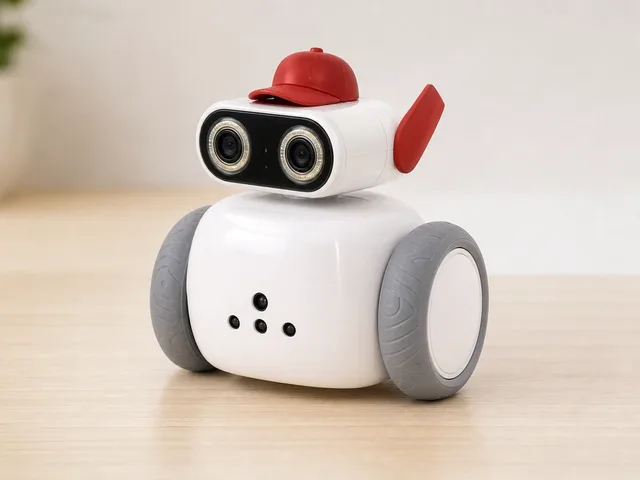
Beni is Mondo Robotics' all-terrain camera robot and mobile sidekick, built around autonomous follow filming rather than conventional home chores. The official product page positions it for pet owners, skaters, athletes, and families, with onboard tracking that keeps the subject framed from behind, side, or orbit angles; automatic highlight editing; manual driving through a motion controller; Explore Mode live point-of-view control; and lightweight game modes. Mondo lists a 4K camera, 17.9 mph top speed, obstacle jumps up to 10 inches, quick-swap indoor/outdoor wheels, a 3.86 lb body, 8.5 × 7.1 × 7.1 in dimensions, Wi-Fi 6, Bluetooth 5.4, internal plus microSD storage, and a swappable battery rated for about 1.5 hours of continuous use. The official site and reservation page say Beni is launching soon on Kickstarter; PledgeBox's campaign tracker independently lists the same Beni all-terrain camera robot project and core feature claims, but full delivery schedule, autonomy stack, water resistance rating, and retail terms remain undisclosed. Commercial intent is clear, but delivery timing should be validated.
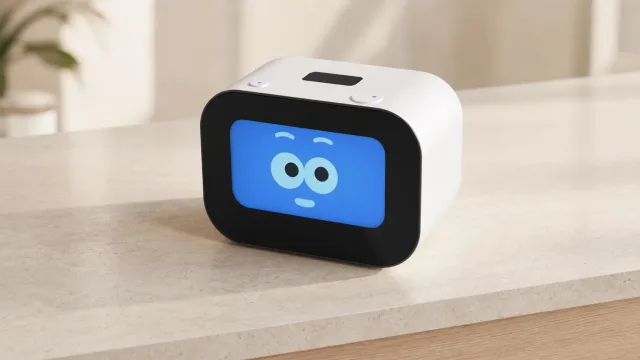
Rhem is a tabletop AI wellness companion robot for home and elder-care check-ins. Rhem Labs positions it around daily vital-sign tracking, radar-based fall detection, indoor-air alerts, medication and appointment reminders, voice conversation, and a family app for alerts and shared history. Official pages describe cuffless sensors for blood pressure, ECG, temperature and blood oxygen, plus air-quality and gas sensors, while onboard AI handles reminders and explains readings in plain language. Rhem is designed for wellness awareness and family safety alerts, not medical diagnosis or direct emergency dispatch. Commercial intent is clear, but delivery timing should be validated.
Sphero Blueprint Robotics is a middle- and high-school robotics education platform built around a ready-to-use swerve-drive robot base rather than a simple wheeled toy. The official product page and launch materials describe a prebuilt Swerve Drive Robot with a controller, rechargeable battery, snap-together mechanical parts, motors, distance and beam-break sensing, magnetic proximity switches, guided Rapid Robot builds, classroom competition packs, and Sphero Central lessons. Blueprint Studio is scheduled for Summer 2026 and is intended to let students configure mechanisms, monitor live sensor data, and program with drag-and-drop Python snippets or direct Python. The platform is best categorized as a classroom robotics and research/learning kit: it emphasizes modular mechanism design, omnidirectional drive control, sensor-based behavior, and build-test-iterate competition workflows rather than household assistance. Commercial intent is clear, but delivery timing should be validated.
Vicon's 3-in-1 AI Cordless Pool Cleaning Robot is a Kickstarter-funded pool-cleaning system built around a submerged 4WD robot and a Full-Zone active-suction surface buoy. The robot handles floor and wall cleaning while the buoy skims floating surface debris, so the full configuration targets pool floor, walls, waterline, and surface in one cleaning cycle. Kickstarter-derived records and independent coverage describe AI neural path planning with IR obstacle detection, four cleaning modes, 150 W claimed suction, a 9,000 mAh battery for roughly 2.5 to 3 hours of cordless cleaning, and an optional AC/DC power supply for larger-pool corded operation. The campaign launched April 1, 2026, ended May 9, 2026 funded, and listed June 2026 reward shipping; independent performance testing and standard retail availability were not verified at launch. Commercial intent is clear, but delivery timing should be validated.
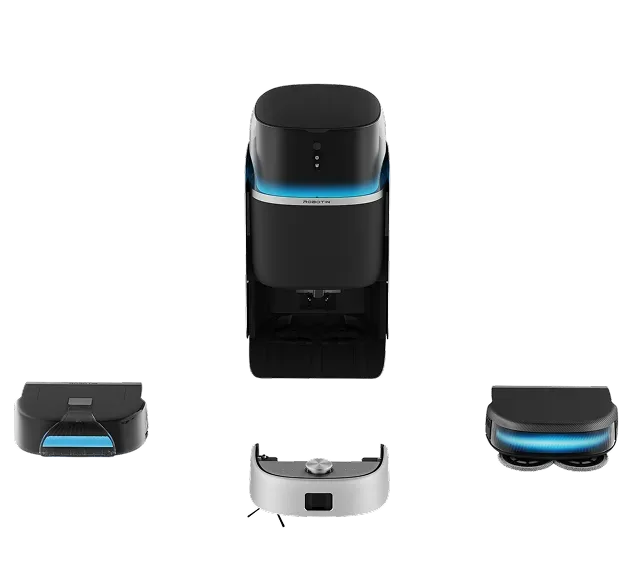
Robotin's R2 Pro is a modular floor-care robot that stands out from conventional robot vacuums by adding automated carpet washing and drying, not just vacuuming and light mopping. The platform uses interchangeable modules so the same robot can switch between a carpet wash-and-dry setup and a vacuum-and-mop setup, backed by a self-refilling and self-emptying water station. Official Robotin materials cite a three-stage carpet cleaning system, 115 AW suction, 140°F heated water, 110°F warm-air drying, intelligent dirt detection, and AI-perception navigation with 12 sensor types. Robotin publicly unveiled the R2 Pro at CES 2026 after a Kickstarter launch, positioning it as a new modular home-cleaning platform rather than another premium but otherwise conventional robot vacuum. Commercial intent is clear, but delivery timing should be validated.
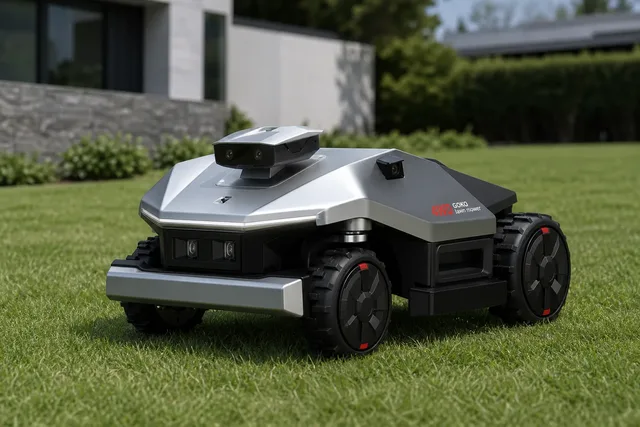
GOKO M6 is an AI-powered 4WD robotic lawn mower from Robot++'s consumer GOKO brand, launched on Kickstarter after its CES 2026 debut. Official GOKO materials position it for large, uneven residential lawns, with adaptive suspension, independent front-wheel steering, a 16.5-inch floating cutting deck, and claimed 42°/90% slope handling. Its CyberNav system combines RTK, VSLAM, IMU, and wheel odometry for wire-free mapping, while four AI cameras provide obstacle avoidance for people, pets, toys, and yard furniture. The expandable battery option is advertised for up to 360 minutes of runtime and up to one acre per charge, with estimated delivery in August 2026. Commercial intent is clear, but delivery timing should be validated.

Syncere's Lume is an ambient home robot disguised as a sculptural floor lamp. Official materials position it as a lamp-first product that hides an articulating robotic arm inside a slim anodized-aluminum body, then unfolds when needed to handle soft-material chores around the home. Syncere says Lume can fold laundry, make beds, reset pillows, and handle simple pick-and-place tidying while also providing adaptive focus and ambient lighting. The company describes its ClearTouch system as combining vision, manipulation, and light in one transparent lamp-shade interface, with a Personalization Band onboarding flow that learns how the user wants chores done. Orders opened in April 2026, with Syncere saying first units will ship in summer 2026. Commercial intent is clear, but delivery timing should be validated.
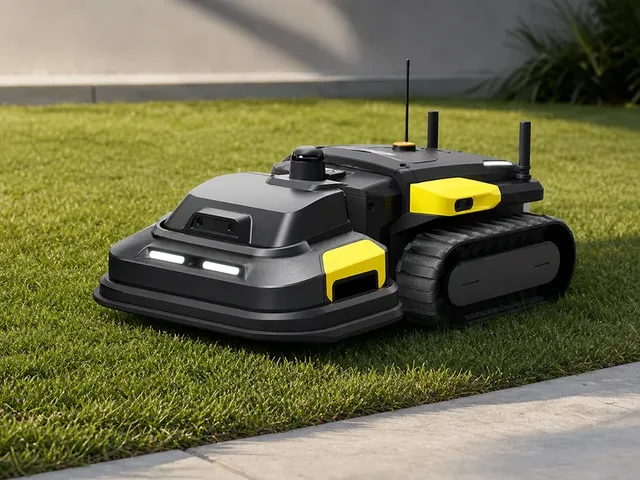
The Yarbo M is a modular robotic yard platform that handles mowing, snow plowing, leaf collection, and grass trimming through interchangeable modules mounted on a single tracked base unit. It is the lighter successor to the original Yarbo yard robot (from the team behind the Snowbot S1). Available in three tiers — M10 (up to 1 acre), M20 (up to 1.5 acres, double runtime), and M20i (adds LiDAR and AI vision cameras) — it uses NetRTK wireless positioning to navigate without boundary wires. The mower module cuts with dual straight blades (5–10.2 cm height adjustment), the snow plow module features a 60 cm blade with ±25° steering for quiet night-time clearing, the leaf collector deposits at up to 50 programmed dump spots, and the trimming module handles tight edges. The 20Ah battery charges wirelessly in 30–80 minutes via a 630W docking station. The robot handles 35° slopes and operates from −25 °C to 45 °C. Launched on Kickstarter with shipments planned for August 2026. Commercial intent is clear, but delivery timing should be validated.
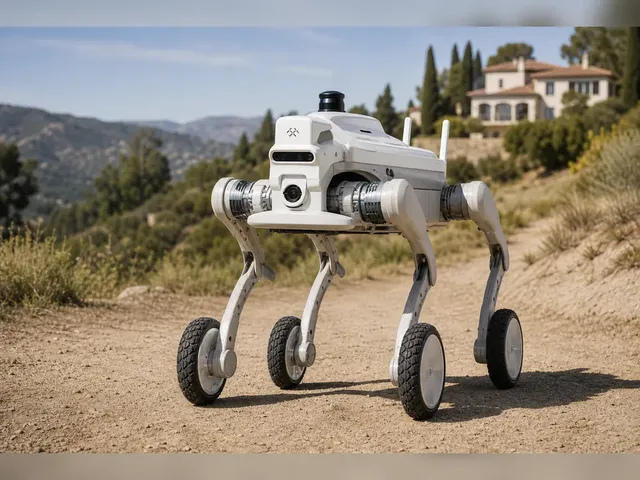
Quadruped robot from Faraday Future's EAI Robotics division, launched alongside the FF Futurist and FF Master at the NADA Show in Las Vegas on February 5, 2026. The FX Aegis features a peak joint torque of 48 Nm, enabling it to traverse obstacles up to approximately 13 inches and navigate slopes up to 40 degrees. It is available in both a four-legged quadruped configuration and an optional four-wheeled variant for different terrain requirements. The platform is designed around modularity — users can add LiDAR, depth cameras, communication modules, robotic arms, fire extinguishers, and professional security plugins. Connectivity includes Wi-Fi and 5G, with support for remote operation in environments with limited network coverage. On the software side, the FX Aegis integrates with home, campus, and industrial security systems and supports autonomous patrol and follow-me capabilities. Faraday Future positions it for security patrol, industrial inspection, law enforcement support, emergency response, asset inventory, and delivery of small items. FCC compliance certification was completed on April 2, 2026, enabling formal commercial sales in the United States. More than 20 units were shipped during the first delivery month (March 2026), with the company targeting over 1,000 cumulative shipments by end of 2026. Official structured product data lists approximately 15 kg total weight, 120 minutes operating time with battery swapping, 3.7 m/s maximum speed, and approximately 10 kg payload; internal compute specifications have not been officially disclosed. Commercial intent is clear, but delivery timing should be validated.
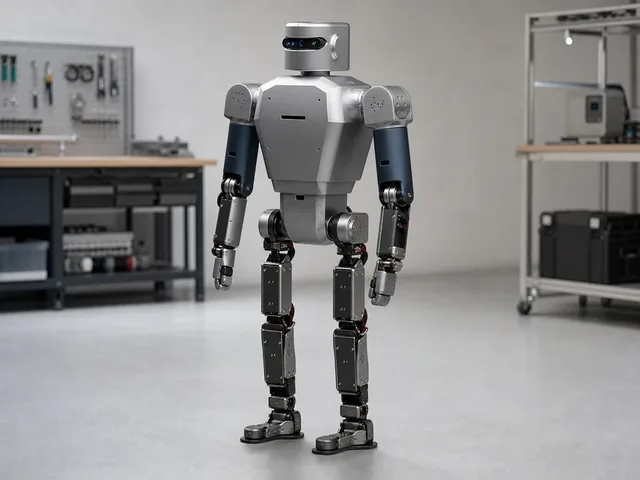
Domo is a compact humanoid robot platform from Rotaku for developers, researchers, educators, and early-stage robotics teams. Rotaku's official page lists the base Domo at 90 cm, 20 kg, 23 degrees of freedom, and 70 Nm actuator torque, with a modular design, replaceable end effectors, a wide-FOV depth camera, onboard battery, integrated compute and motor control, wireless access, SSH development access, and no external control cables required during operation. The reservation page positions Domo Basic for programmable humanoid interaction and basic motion control, while Domo Developer adds an SDK, whole-body policy training workflow, and URDF/simulation support. Optional kits cover teleoperation, NVIDIA Jetson Orin NX compute, dexterous hands, LiDAR navigation, extra batteries, and policy-training workflows. Rotaku says the current batch has limited availability and that delivery typically takes 2-4 weeks once fulfillment begins, but exact public ship timing and production volume are not disclosed. Commercial intent is clear, but delivery timing should be validated.
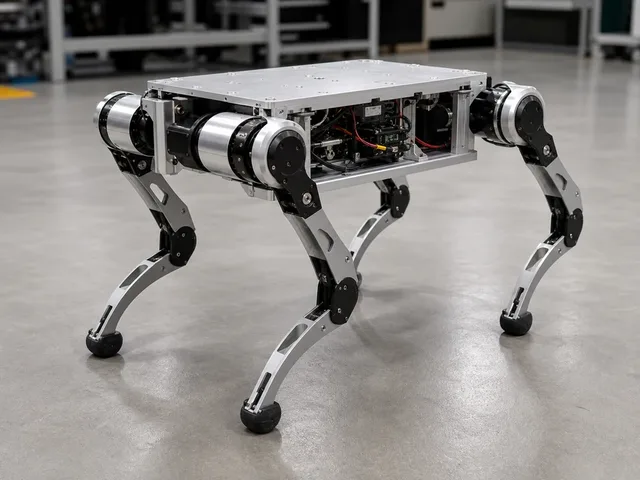
NavBot-D1 is an open-source quadruped robot for robotics researchers, teams, and developers. NavBot describes the platform as an all-aluminum CNC-frame robot with open hardware files, Jetson edge compute, ROS 2 workflows, reinforcement-learning locomotion, GPS telemetry, video streaming, and multiple remote-control channels. Official materials list up to 25 kg payload capacity, up to 97 N.m peak joint torque, up to 4 m/s top speed, up to 2 hours of battery life, and LoRa, GPS, and video operation for field testing rather than a toy-style consumer robot dog. Commercial intent is clear, but delivery timing should be validated.

Clone Alpha is Clone Robotics' limited Alpha Edition home android. Clone's official pages describe a 279-unit musculoskeletal android for the home, equipped with the Telekinesis training platform so owners can demonstrate new skills, plus pre-installed household tasks such as pouring drinks, making sandwiches, handling laundry, vacuuming, setting a table, loading and unloading a dishwasher, following people, retrieving items, and self-charging. The platform uses Clone's Myofiber artificial muscles, water-and-electric actuation, an edge GPU, and natural-language interaction; public consumer pricing and delivery timing remain undisclosed. Commercial intent is clear, but delivery timing should be validated.
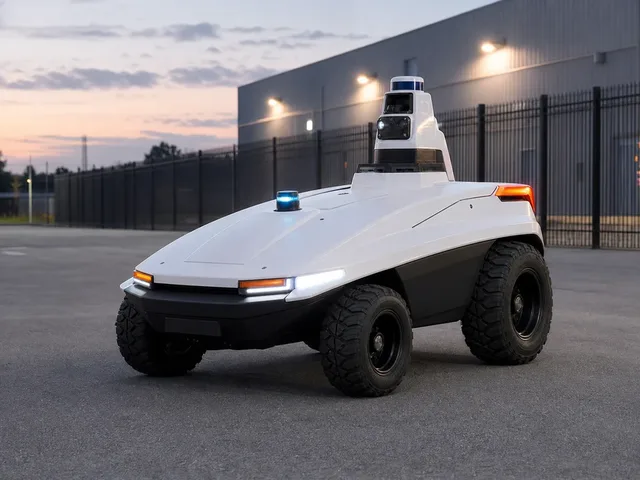
Knightscope K7 is an outdoor autonomous security robot built for perimeter protection across large sites such as logistics yards, critical infrastructure, industrial complexes, transportation hubs, warehouses, fence lines, and open terrain. Knightscope positions the K7 as a fully autonomous, off-grid patrol platform that can watch, listen, and patrol around the clock. Company launch materials describe light-duty off-road mobility, AI-powered detection, deterrence, and reporting technologies, an advanced sensor array, and real-time situational-awareness feeds for security teams. Knightscope's official K7 page now invites waitlist signups and says deployment for the K7 begins in 2026. Commercial intent is clear, but delivery timing should be validated.
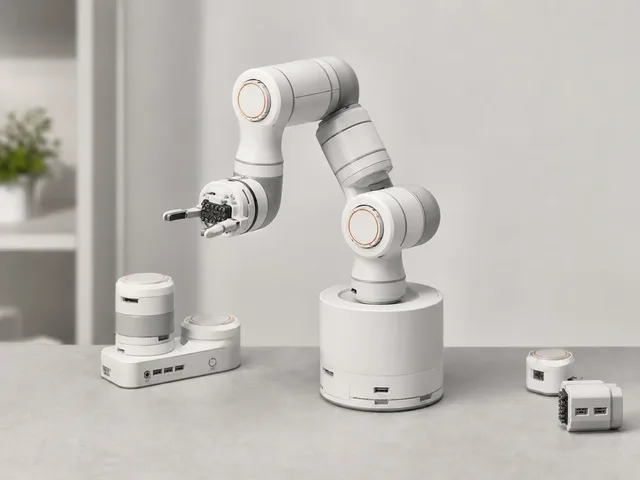
Kynooe One is an announced modular personal AI robotic arm aimed at home automation, creative workflows, education, and accessible desktop robotics. Official Kynooe materials describe app control, a web UI for end-effector and joint-level control, individual joint-module APIs, and a planned open-source SDK, while a Kynooe-issued launch release positions the arm as a no-code, reconfigurable personal robot with interchangeable joints, tools, and custom 3D-printed extensions. Independent launch coverage says the Kickstarter campaign targets everyday users rather than only engineers, with AI-assisted interaction, on-device face tracking for smart filming, Robot Hub skill sharing, and planned 2026 fulfillment. Detailed dimensions, payload, precision, battery, and final pricing have not yet been published. Commercial intent is clear, but delivery timing should be validated.
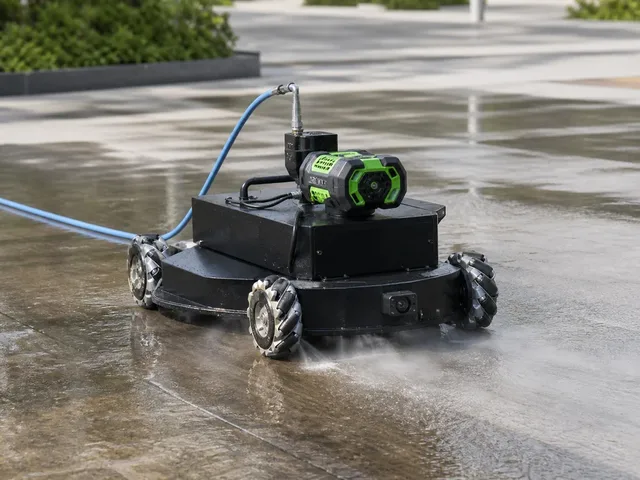
Lavo AI is Lucid Bots' autonomous ground-based pressure-washing robot for exterior surface cleaning at commercial sites such as arenas, campuses, gas stations, driveways, plazas, warehouses, airports, convention centers, manufacturing facilities, and retail environments. Lucid markets the product through its Lavo Bot pages and positions it as a crew multiplier for surface-cleaning operators: users define a job area, start autonomous cleaning, then save and repeat that job without retraining. Official Lucid materials say the robot uses Lucid OS Click-and-Clean templates, NVIDIA edge compute, advanced mapping, multi-sensor vision, and zone-based safety to navigate real job sites, clean up to 6,000 sq ft per hour, and integrate with pressure-washing rigs up to 12 GPM and 4,500 PSI. Lucid opened pre-orders in November 2025, planned limited winter pilots, and targeted general availability for Q2 2026. Commercial intent is clear, but delivery timing should be validated.

Jennie is Tombot's lifelike robotic Labrador Retriever puppy for emotional-support companionship in homes, hospitals, assisted living, and memory-care settings. Tombot's current pages say the first litter is sold out and new buyers can join a waitlist; CES 2026 materials describe final production cosmetics, an 8-10 week-old puppy mimic, Jim Henson's Creature Shop design work, and more than 18,000 pre-order and waitlist customers. Official feature pages list body-wide touch response, voice-command reactions, recorded puppy sounds, all-day rechargeable use, smartphone-app customization and interaction tracking, and upgradable behavior software. Pricing, dimensions, weight, certifications, and exact wireless or compute specs have not been officially disclosed. Commercial intent is clear, but delivery timing should be validated.
HOPEJr is an open-source DIY humanoid robot project from the Hugging Face LeRobot ecosystem and The Robot Studio. The May 2025 unveiling positioned it as a roughly $3,000 full-size humanoid intended to lower the cost of robot-learning hardware, while current official materials show an active developer platform rather than a consumer-ready home assistant. The official HOPEJr repository includes full-body design and URDF assets plus an actively updated arm and dexterous-hand stack, and Hugging Face's LeRobot documentation covers arm/hand calibration, teleoperation, recording, replay, and training workflows. Treat it as experimental research hardware for builders who can assemble, calibrate, and debug an open-source robot. Useful for roadmap scanning, not yet a clean near-term shortlist.
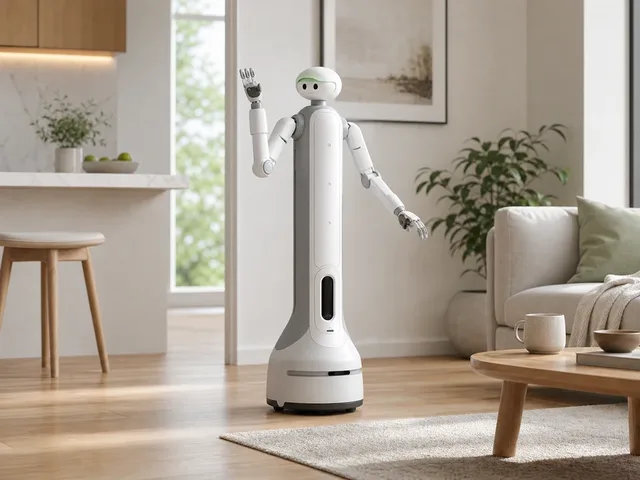
SwitchBot's onero H1 is a wheeled household robot unveiled at CES 2026 as part of the company's Smart Home 2.0 push. Official materials describe it as a multitask home robot built around 22 degrees of freedom and an on-device OmniSense vision-language-action model that combines visual perception, depth awareness, and tactile feedback for actions such as grasping, pushing, opening, and organizing. Independent CES coverage showed a tall wheeled platform with articulated arms handling demo chores including coffee prep, laundry loading, window cleaning, and folding clothes. As of 2026-04-05, SwitchBot has a live product page for the H1 and says availability is coming soon, but detailed hardware specifications and shipping timing remain limited. Useful for roadmap scanning, not yet a clean near-term shortlist.

A quadruped companion robot from Familiar Machines & Magic, the startup founded by iRobot co-founder and former CEO Colin Angle. About the size of a small dog with a bear-like appearance, the Familiar is covered in a touch-sensitive, 3D-knitted fuzzy exterior inspired by sneaker-industry materials. It features 23 degrees of freedom and walks autonomously around the home. Rather than relying on screens or voice, the Familiar communicates through body language, posture, and context-aware behavior — a nudge when you're doomscrolling, an excited greeting when you come home, or a nuzzle when you're stressed. An edge AI system with a compact multimodal model interprets facial expressions, gestures, and tone of voice to read the room and respond appropriately. Each Familiar develops a distinct personality that evolves over time through continued interaction, with a behavior engine trained on thousands of narrative vignettes. All processing runs locally on-device for privacy. The team behind Familiar includes alumni from iRobot (50 million+ Roombas shipped), Disney Imagineering, MIT, and Boston Dynamics. The company is based in Woburn, Massachusetts. First availability is planned for 2027. Useful for roadmap scanning, not yet a clean near-term shortlist.
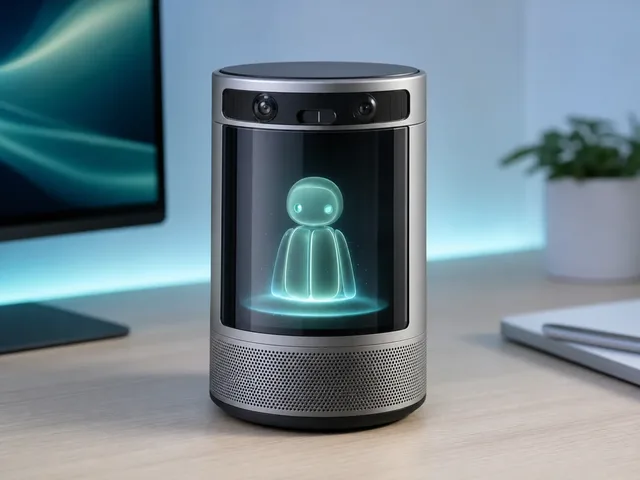
Lepro Ami is a desktop AI companion that Lepro unveiled at CES 2026 and plans to launch in July 2026. Official materials position it as an always-on visual presence rather than a voice speaker or chat app, combining a custom curved OLED display, real-time eye tracking, a rear camera for AR environmental overlay, multimodal emotion and context sensing, and visible hardware privacy shutters. Independent CES coverage corroborates that Ami is a physical tabletop device designed to create a 3D 'in-the-room' presence for companionship, ambient interaction, and smart-home control rather than simple command-response assistance. Useful for roadmap scanning, not yet a clean near-term shortlist.
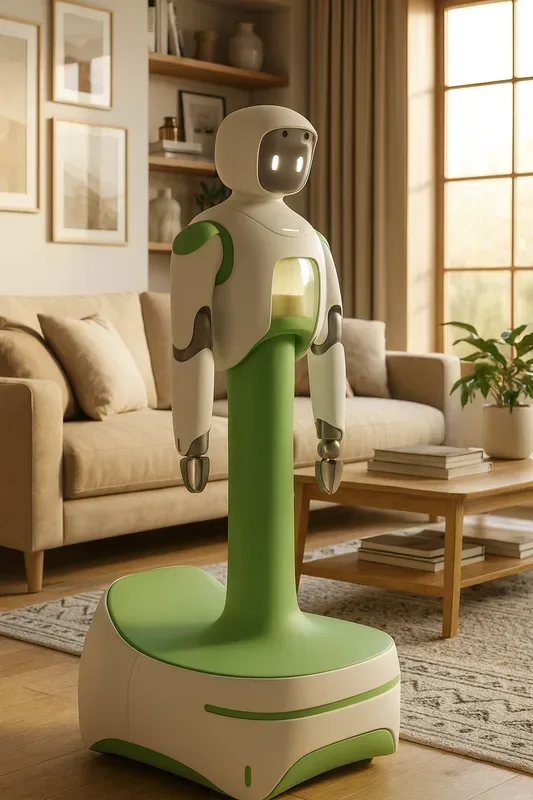
MyMemo ONE is MyMemo AI's four-foot humanoid home robot unveiled at CES 2026. Official launch materials position it as a family and senior-care companion built around MyMemo's memory engine, multimodal interaction, smart-home integration, emotional medication-adherence guidance, personalized habit learning, expressive communication assistance, and a Listening Mode for preserving meaningful memories. CES materials also describe Mymemo ONE as an affordable home robot for daily chores, plant and pet care, and family connection. Public battery, sensor, shipping, and final pricing details have not yet been fully disclosed. Useful for roadmap scanning, not yet a clean near-term shortlist.
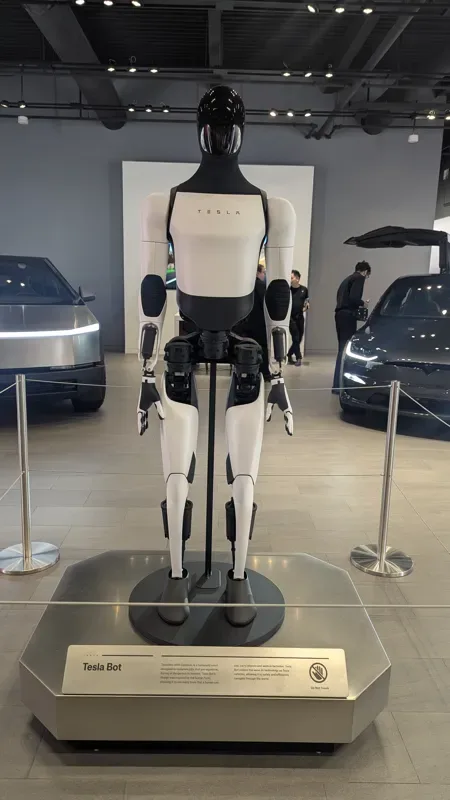
Tesla's second-generation humanoid robot. Currently in internal deployment at Tesla factories. No consumer sales or pre-orders available. Musk has stated a target price of ~$30,000. Useful for roadmap scanning, not yet a clean near-term shortlist.
Rove is Path Robotics' mobile robotic welding system for large-scale fabrication, shipbuilding, heavy construction, and other workpieces that cannot fit inside a fixed welding cell. The platform pairs Path's Obsidian physical AI welding model with a legged mobile robot so the welder moves to the part, locates predefined welding positions, scans seam geometry, adjusts welding parameters in real time, and captures weld data while compensating for heat distortion. Path announced Rove in April 2026 and lists Saronic Technologies as an early adopter for shipbuilding operations in Franklin, Louisiana. Public materials describe early-adopter selection and limited 2027 shipments, but detailed robot dimensions, mass, battery life, speed, and pricing have not been disclosed. Useful for roadmap scanning, not yet a clean near-term shortlist.
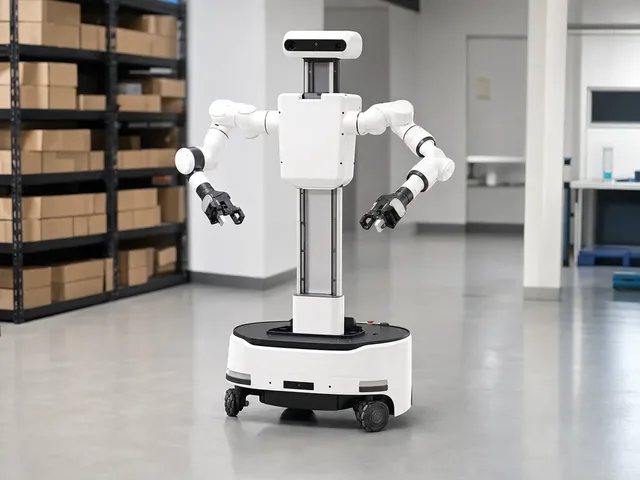
Dex is Richtech Robotics' wheeled mobile humanoid robot for industrial and commercial work. Richtech officially unveiled Dex in October 2025, then planned CES 2026 demonstrations after a GTC Washington DC first look. The platform combines the AMR base lineage of Richtech's Titan delivery robots with the dual-arm manipulation lineage of ADAM, using modular end-effectors for hands, clamps, or specialized tools. Official releases describe NVIDIA Jetson Thor acceleration, Isaac Sim/Isaac Lab training workflows, a four-camera vision system, four hours of mobile runtime, and 24/7 operation from a static base; customer deployments and pricing have not been publicly confirmed. Useful for roadmap scanning, not yet a clean near-term shortlist.
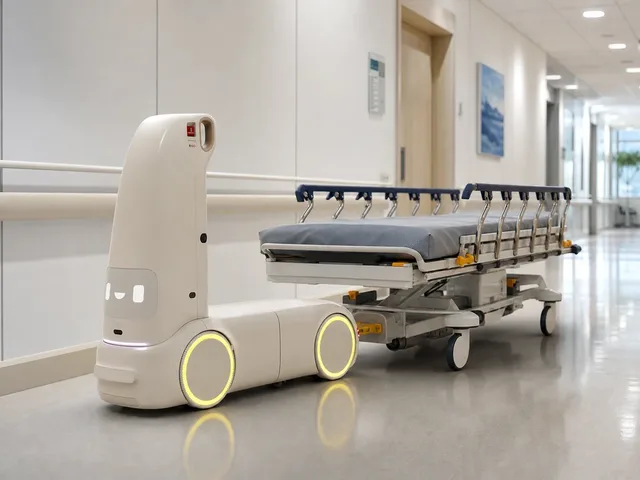
Rovi is Rovex's autonomous in-hospital transport robot for hospital patient-flow and stretcher logistics. Rovex says the system is designed to attach to existing stretchers, and eventually beds and wheelchairs, while navigating hospital corridors, elevators, and doors with computer vision, 360-degree obstacle detection, facility-specific pre-programming, and transport analytics. BayCare Health System began a phased pilot at Morton Plant Hospital in April 2026 to evaluate workflows and transport patterns; current public reports state that the pilot has not yet transported patients and is building toward possible robotic stretcher movement in later phases. Rovi is therefore best treated as a hospital robotics pilot/development system rather than a finished consumer product. Useful for roadmap scanning, not yet a clean near-term shortlist.
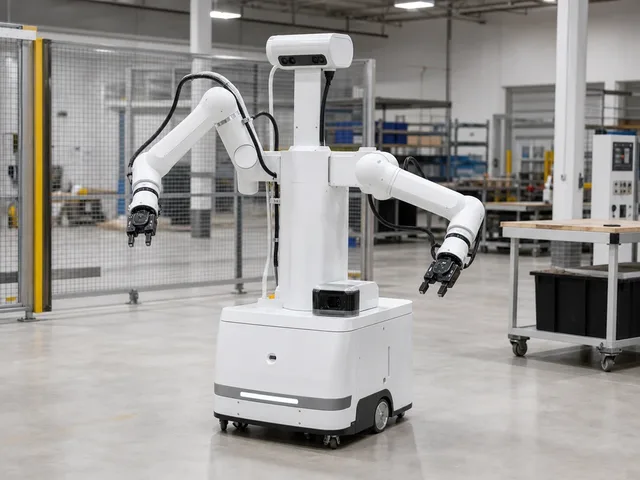
Sonny is Tutor Intelligence's semi-humanoid bimanual industrial robot for factory and warehouse work. Tutor introduced Sonny through Data Factory 1, a 100-robot fleet used for real-world teleoperation, evaluation, and online improvement of robot foundation models for dexterous bimanual manipulation. Official pages position Sonny for the messy middle of manual labor, manufacturing, machine tending, picking, packing, sorting, and other factory or warehouse tasks, with deployment availability targeted for late 2026. Independent reporting from The Robot Report and Forbes corroborates DF1's 100-Sonny fleet and describes Sonny as a wheeled, two-armed robot being trained on piece-picking and related industrial workflows; detailed public product specs and pricing have not been disclosed. Useful for roadmap scanning, not yet a clean near-term shortlist.
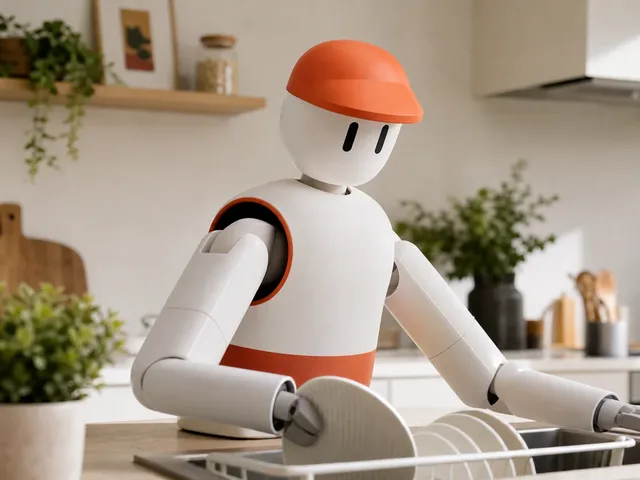
Sunday's Memo is a mobile home robot built around the company's ACT-1 robotics model and Skill Capture Glove data pipeline. Official materials position it as a practical household helper for repetitive chores such as clearing tables, loading dishwashers, folding laundry, and making coffee, while Sunday says the system is being trained on large volumes of real-home task data rather than tightly staged demos. The company is currently preparing a limited Founding Family beta for late 2026 rather than general retail availability. Useful for roadmap scanning, not yet a clean near-term shortlist.
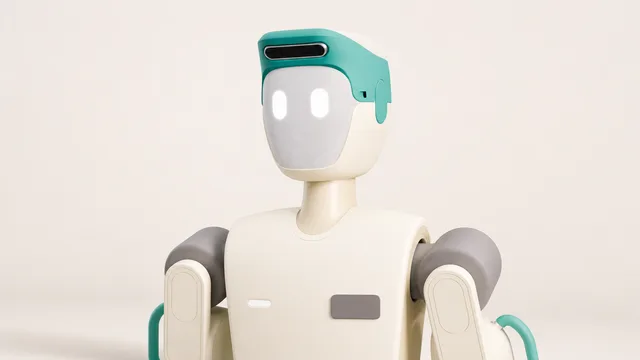
Tobi is Twolabs' first semi-humanoid caregiving robot design for nursing homes and senior living communities. The company describes a modular humanoid platform for recording demonstrations, training skills, and deploying autonomous robots, while its Y Combinator launch says Tobi is aimed at everyday elder-care support such as feeding, dressing, medication reminders, fetching objects, mobility support, wayfinding, and companionship. Twolabs says the prototype design is complete, vision-language-action model training is active, and the social intelligence layer is under development. Public materials do not yet disclose pricing, pilot availability, dimensions, weight, runtime, payload, detailed sensor hardware, or a production release date. Useful for roadmap scanning, not yet a clean near-term shortlist.
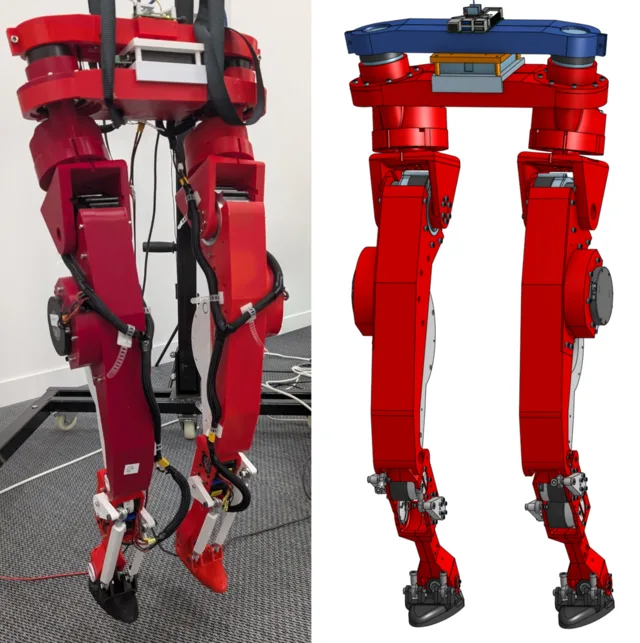
LeRobot Humanoid is an experimental open-source, low-cost bipedal humanoid project from the Hugging Face LeRobot ecosystem. The May 2026 release focuses on a reproducible lower-body biped platform rather than a finished consumer robot: it publishes 3D-printable hardware, a bill of materials, wiring and assembly documentation, runtime tools, simulation assets, identification workflows, and MJLab training environments. Official materials describe a 12-DOF no-arms biped controlled through Raspberry Pi 5, CAN FD motor control, IMU feedback, MuJoCo simulation, safety checks, and LeRobot integration for data collection and policy deployment. Upper-body integration and more advanced whole-body behaviors are on the roadmap, so builders should treat this as research hardware that requires careful commissioning, calibration, and safety procedures. Best treated as an exploratory lead until field readiness improves.
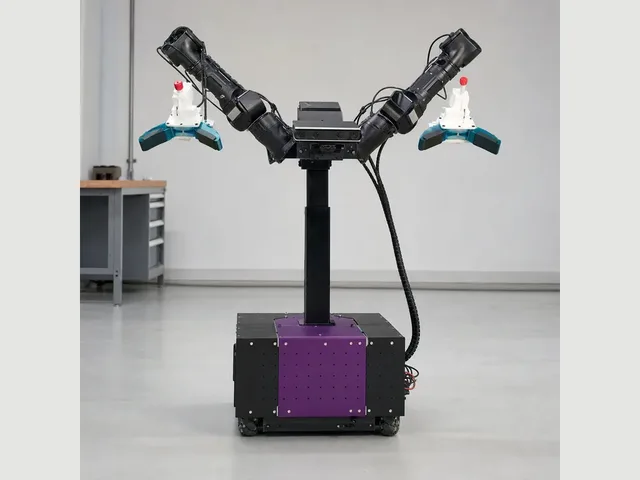
YOR, short for Your Own Robot, is an open-source bimanual mobile manipulator from a NYU, UC Berkeley, and CUNY research collaboration. The platform combines a four-module omnidirectional swerve-drive base, a telescopic lift, and two 6-DoF PiPER arms with grippers so researchers and advanced builders can study whole-body mobile manipulation at a much lower cost than commercial mobile manipulators. Official docs, the project site, and the paper describe public assembly instructions, CAD, a bill of materials, simulation support, teleoperation scripts, optional SLAM/navigation, and physical control software. Demonstrations include coordinated bimanual pick-carry-place tasks, household-style chores, learned policies from demonstrations, and autonomous navigation. YOR is not a retail kit or consumer home robot; it is a build-it-yourself research platform that requires robotics, wiring, Linux/Python, and safety experience. Best treated as an exploratory lead until field readiness improves.
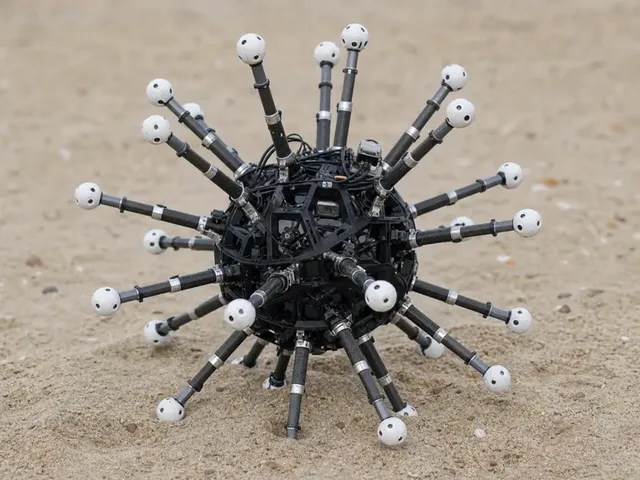
Argus is Duke University's dynamically symmetric research robot built around a spherical, no-front/no-back body with 20 modular telescoping legs radiating from a central core. Each leg carries a depth camera, giving the platform omnidirectional perception while the leg layout targets near-uniform acceleration in every direction. Duke says the physical 20-leg prototype reached a dynamic isotropy score of 0.91 after a simulation search across more than 1,500 robot morphologies. In campus experiments reported with the Science Robotics paper, Argus traversed concrete, grass, dense foliage, sand, wet surfaces, and bark; stabilized after pushes; continued operating with three broken legs; carried a 10 lb payload; climbed between close vertical walls; and pushed a 3 ft cube while rolling. The robot is a proof-of-concept research platform rather than a commercial product. Best treated as an exploratory lead until field readiness improves.
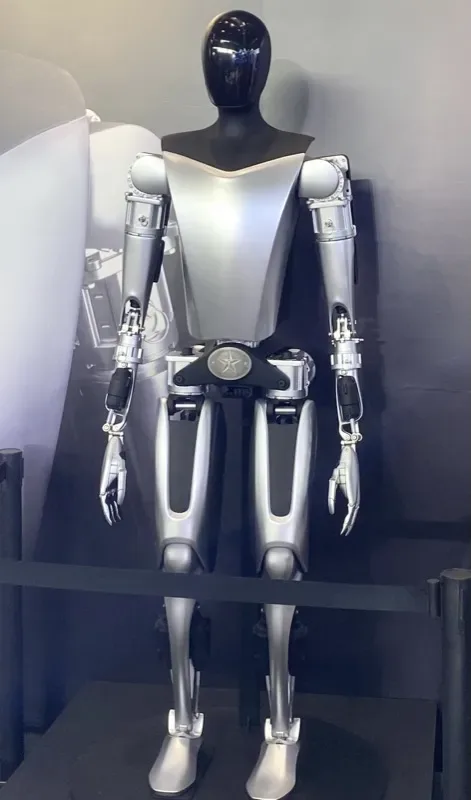
Tesla's first-generation humanoid robot prototype, also known as Tesla Bot. Unveiled at AI Day in September 2022, it demonstrated basic walking and arm movements. Controlled by the same AI system Tesla developed for its Autopilot driver-assistance technology. Linear actuators use planetary roller screw technology for high force density during walking. The Gen 1 prototype was a proof of concept that led to the more refined Gen 2 (December 2023) and the Optimus currently in limited production at Tesla factories. Best treated as an exploratory lead until field readiness improves.
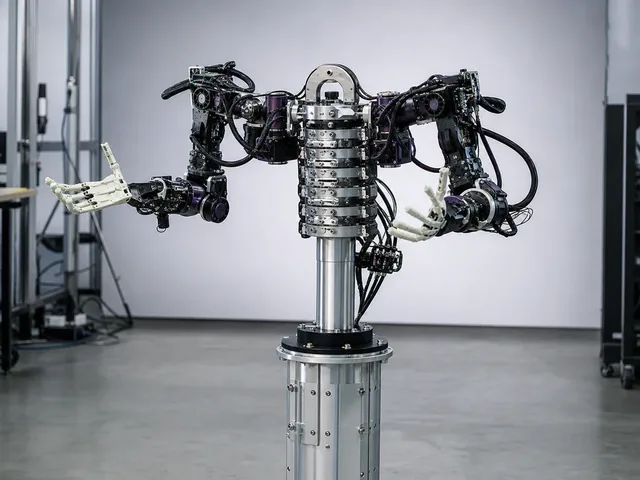
AthenaZero is a Robotics & AI Institute research prototype built for dynamic, contact-rich bimanual manipulation. The platform combines a one-degree-of-freedom torso, two 7-DoF arms, and two 6-DoF underactuated hands, with low gear-ratio quasi-direct-drive actuation intended to reduce reflected inertia and make the arms more compliant during contact. RAI has demonstrated the robot throwing a ball at 70 mph, catching balls over a short 7.3 m distance, adapting its batting swing in real time, and juggling barehanded with onboard vision feedback. Best treated as an exploratory lead until field readiness improves.
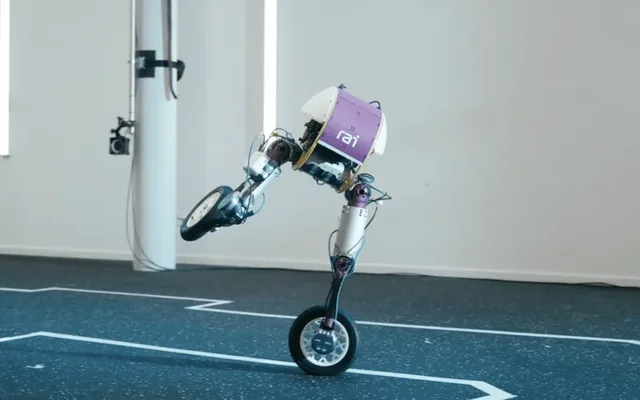
Roadrunner is a Robotics & AI Institute research prototype for agile multimodal locomotion. The roughly 15 kg bipedal-wheeled robot can switch between side-by-side wheel driving, in-line wheel driving, and stepping configurations, with symmetric legs that can point the knees forward or backward to manage obstacles and specific movements. RAI says a single control policy handles both wheel modes, and that behaviors such as standing up from different ground configurations and balancing on one wheel were deployed zero-shot on hardware. Best treated as an exploratory lead until field readiness improves.
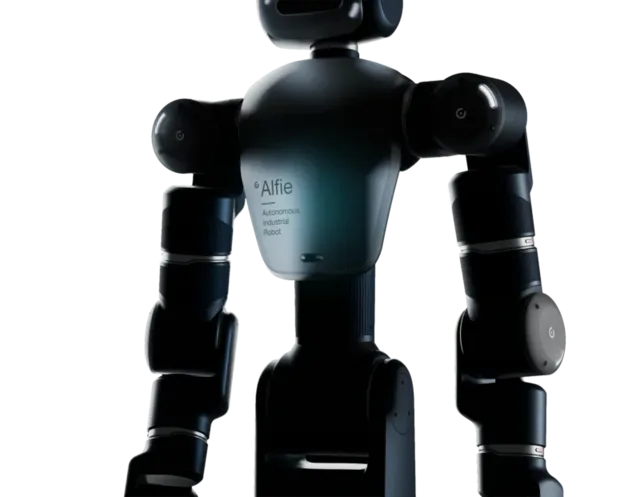
Autonomous Alfie is RobCo's prototype bimanual industrial robot for variable factory-floor work rather than home chores. Announced ahead of Hannover Messe 2026, Alfie is designed for precision assembly, sensitive material handling, picking, kitting, palletizing, and other intralogistics tasks where parts, workflows, and conditions change. RobCo says the system combines bimanual manipulation with integrated perception-to-execution software and self-learning Physical AI, with first customer deployments planned for later in 2026 through a Robotics-as-a-Service model. Best treated as an exploratory lead until field readiness improves.
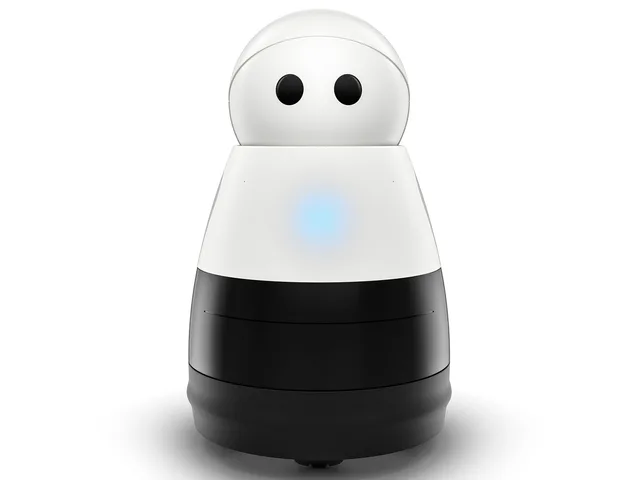
Kuri was a home companion robot from Mayfield Robotics (a Bosch-backed startup). It was designed for autonomous home mobility, voice-triggered interaction, and lightweight social presence using expressive sounds rather than spoken dialogue. Reference model for historical context and vendor lineage.
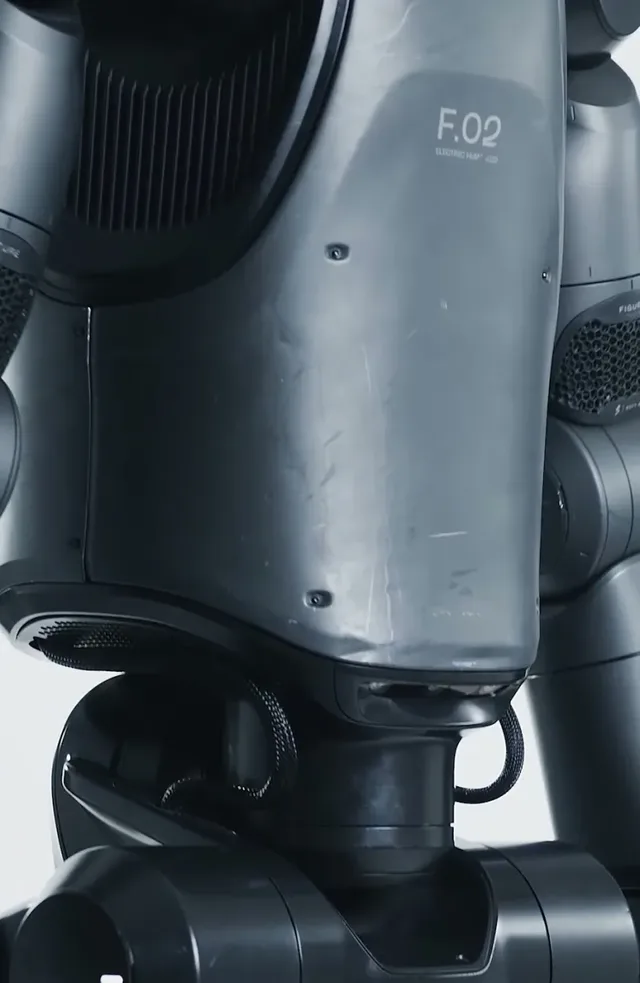
Figure AI's second-generation humanoid robot, unveiled August 6, 2024. Built for industrial deployment with integrated cabling, torso-mounted battery, and 3x the onboard AI compute of its predecessor. Deployed at BMW's Spartanburg plant where it contributed to the production of over 30,000 cars across 1,250+ hours of runtime. Officially retired following the launch of Figure 03 in October 2025. Reference model for historical context and vendor lineage.
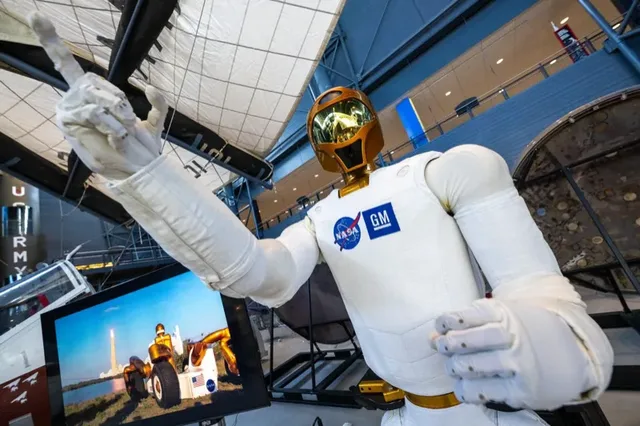
The first humanoid robot sent to space. Developed jointly by NASA and General Motors, Robonaut 2 (R2) arrived at the International Space Station aboard STS-133 in February 2011. Designed to work alongside astronauts using the same tools they use, R2 features dexterous five-fingered hands with 12 degrees of freedom each. It operated on the ISS until 2018 when it was returned to Earth for repairs. As of 2024, R2 is on display at the Smithsonian National Air and Space Museum. Reference model for historical context and vendor lineage.
Ranked signals and price structure replace the old sprawling chip walls so the data reads faster on both mobile and desktop.
| # | Name | Usage |
|---|---|---|
| 1 | IMU | 8 · 9% |
| 2 | Cameras | 4 · 4% |
| 3 | Force/Torque Sensors | 4 · 4% |
| 4 | Microphones | 4 · 4% |
| 5 | Cliff Sensors | 3 · 3% |
| 6 | LiDAR | 3 · 3% |
| # | Name | Usage |
|---|---|---|
| 1 | Wi-Fi | 27 · 30% |
| 2 | Bluetooth | 14 · 16% |
| 3 | Ethernet | 9 · 10% |
| 4 | Not officially disclosed | 6 · 7% |
| 5 | 5G | 4 · 4% |
| 6 | 4G | 3 · 3% |
| # | Name | Usage |
|---|---|---|
| 1 | Autonomous Navigation | 9 · 10% |
| 2 | Bipedal Walking | 7 · 8% |
| 3 | Object Manipulation | 4 · 4% |
| 4 | Obstacle Avoidance | 4 · 4% |
| 5 | Manufacturing Tasks | 3 · 3% |
| 6 | Quadruped Locomotion | 3 · 3% |
USD only: 38 priced of 89 total · 2 priced in other currencies (excluded) · 49 without a recorded numeric price
| # | Name | Share |
|---|---|---|
| 1 | Active | 30 · 34% |
| 2 | Available | 19 · 21% |
| 3 | Pre-order | 18 · 20% |
| 4 | Development | 12 · 13% |
| 5 | Prototype | 7 · 8% |
| 6 | Discontinued | 3 · 3% |
Use peer routes to widen discovery only when they genuinely add more depth or a different market shape.
Decision lens
Use peer routes to add meaningful category overlap, more manufacturer breadth, or different published currency coverage. If the current route already answers those questions, wider browsing usually adds noise faster than it adds signal.
Catalog rank
#2
Share of tracked robots
22%
Avg shared categories
6.3
What to watch
Stay here when
You already have enough mature candidates, enough manufacturer depth, and enough price visibility to build a shortlist.
Compare outward when
The route is thin in your target category, clustered around one maker, or clearly skewed toward missing prices.
Best next click
Open the peer that changes the search shape the most — not just the next biggest route by raw robot count.
Peer route
Broader catalog depth · High category overlap
Common ground: Humanoid, Cleaning +6
Open routePeer route
More focused peer set · High category overlap
Common ground: Companions, Research +3
Open routePeer route
More focused peer set · High category overlap
Common ground: Humanoid, Commercial +5
Open routePeer route
More focused peer set · High category overlap
Common ground: Cleaning, Companions +3
Open routeOpen another country route
Need the full directory? Browse all country pages.
This route is a structured view of ui44 dataset entries whose manufacturer headquarters label maps to USA. The numbers on the page are generated from the catalog itself, not from outside shipment estimates or broad market-share reports. In practice, that means the route is best used for discovery and shortlisting inside this database: how many manufacturers are represented, how many robots are listed, which categories appear most often, and which lifecycle statuses show up across those records. It is useful because it compresses search time, but it should not be treated as proof that USA leads the global robotics market in absolute terms.
Not by itself. A higher count here only indicates stronger representation in the ui44 catalog. It does not automatically prove global production leadership, deployment leadership, or shipment volume across every region. The practical value is relative orientation: if USA has more entries than another country route in this catalog, you have a broader internal shortlisting surface to explore before you need outside research. Treat the count as a catalog-depth signal, then validate market importance with model-level evidence, current vendor activity, and real deployment references.
Available listings: 19. Pre-order listings: 18. Active records: 30. Available indicates an ordering listing, not confirmed stock. Pre-order indicates a reservation listing, not immediate delivery. Active status alone does not confirm public purchase availability or deployment. Other statuses do not establish a current purchase listing. Confirm regional access, stock, reservation terms, and delivery with the manufacturer.
Recorded numeric prices by currency: EUR €299–€17.2k; USD $219–$95k. 40 of 89 records have a recorded numeric price. Ranges and averages cover only those records and are calculated separately within each currency; no currency conversion or cross-currency affordability ranking is implied. Missing numeric prices do not establish a budget tier or the absence of other pricing terms. Check individual model pricing notes for membership, lease, quote or other terms. Confirm applicable charges and terms with the manufacturer.
Many robotics vendors publish capabilities without publishing a universal list price. Enterprise and service robots often depend on integration scope, software packages, service bundles, deployment country, or support contract terms. For that reason, a missing price should be read as “no numeric price recorded”, not as “cheap,” “premium,” or “not for sale.” Check individual model pricing notes for membership, lease, quote or other terms. Where a quote is needed, request a consistent cost breakdown. Ask each vendor for the same structure — hardware, accessories, onboarding, software, maintenance, and training — so the comparison stays apples to apples.
Yes. The route is useful because it compresses a large amount of catalog coverage into a cleaner planning sequence. Start with category concentration to see where the route is deepest, then use the robot cards to understand maturity and price posture, and then branch into manufacturer pages for documentation depth and product-family context. That path lets a team move from broad market scanning to a more disciplined shortlist without losing the reason each candidate advanced. It is not a substitute for pilots, but it is a strong way to reduce search time before pilots begin.
A practical stack is: (1) robot count share, (2) manufacturer count, (3) category overlap, and (4) price posture. This avoids over-indexing on a single number. A country can have a large catalog footprint and still be narrow in category variety, or it can have strong overlap with USA but a much smaller pool of vendors. The peer-country table on this page is built for exactly that question: when is the current route enough, and when does a second country route add real search value? The answer should always be based on overlap and options, not on raw count alone.
Use the manufacturer links as a decision funnel. First, eliminate makers whose categories clearly do not fit your target workflow. Second, prioritize makers with model statuses aligned to your timeline. Third, inspect documentation depth on the manufacturer route: number of tracked robots, link quality, and whether the catalog shows breadth or a single flagship model. Finally, move only the strongest makers into structured outreach. That process turns a long route into a smaller, evidence-backed vendor set instead of an endless browse session.
Open peer-country routes when you need deeper category overlap, more manufacturer options, or a meaningfully different listed price profile. If the current route already covers your target workload with enough mature candidates, widening the search too early can create noise. If the route is strong in one segment but thin in another, or if the strongest candidates are clustered around a single manufacturer, that is a good signal to compare another country route before vendor outreach. The goal is not maximal browsing. The goal is enough market breadth to create a resilient shortlist.
Sensor stacks usually follow task design. Cleaning robots lean on LiDAR, vision, cliff sensing, and proximity systems to manage navigation and obstacle avoidance. Humanoid and quadruped systems tend to add richer perception, force feedback, or balance-oriented sensors. Delivery and patrol robots often mix cameras, positioning, and environmental sensing for wider-area coverage. The ranked signal tables on this route help with pattern detection, but the final evaluation should always ask whether a sensor suite matches your environment: indoor versus outdoor use, lighting conditions, floor changes, obstacle density, and how much autonomy you actually expect on day one.
Most modern robots expose Wi‑Fi and Bluetooth as baseline options, while higher-end systems may add cellular links, more advanced fleet connectivity, or integration-specific interfaces. The important question is not whether a connectivity term appears in the catalog; it is whether that connectivity fits your security policy, latency needs, facility coverage, and support model. For teams in enterprise or regulated environments, network segmentation, update policy, remote diagnostics, and account governance often matter more than the presence of a single radio standard. Treat connectivity labels as a starting filter, then verify integration details directly on the robot page and with the vendor.
Total cost of ownership is usually far larger than base hardware price. A good TCO model includes integration engineering, onboarding, operator training, software fees, consumables, replacement parts, maintenance windows, and downtime risk. For larger deployments, it may also include facility changes, charging infrastructure, support response commitments, or workflow redesign. The value of this route is that it helps you compare the catalog’s listed price posture quickly, but budgeting should never stop there. Normalize every quote into the same cost structure before ranking vendors, especially when some models publish price and others do not.
AI matters most when it improves a task in a way your team can actually verify. In practice, that may mean navigation quality, better object handling, stronger voice interaction, more resilient path planning, or better adaptation to changing environments. Some vendors push more on-device intelligence, while others rely on cloud services for heavier processing. The core buying question is not whether “AI” appears in the marketing copy; it is whether the implementation matches your latency expectations, privacy requirements, connectivity assumptions, and failure handling model. Use AI claims as a hypothesis generator, not as a substitute for proofs during pilot work.
Not necessarily. In this project, the country route is driven by the manufacturer headquarters label used for catalog organization. Manufacturing, integration, and service footprints can span several regions, and those realities do not always map cleanly to a single headquarters country. That means this route is excellent for navigation and initial analysis, but it is not enough for supply-chain, compliance, or local-service decisions. If geography matters for your deployment, verify model-level sourcing, support region, and service coverage directly with the vendor before committing budget.
Low representation is still meaningful. It may signal a narrow route with a small but relevant set of candidates, or it may indicate that the strongest options for your use case live somewhere else in the catalog. In those cases, use the current route for orientation, then widen the shortlist through category pages, manufacturer pages, and peer-country comparisons. The important thing is to keep the original reason for the search intact. A smaller route is not useless; it simply changes how quickly you should branch into the rest of the database.
Revisit at every major decision gate: initial discovery, post-RFI narrowing, and pre-pilot signoff. Country routes are especially useful for spotting newly represented manufacturers, new models, or lifecycle changes that can change the shortlist after the first pass. That cadence helps teams avoid stale screenshots, old notes, or memory-driven assumptions. A route review does not need to be long. It just needs to be consistent enough that the shortlist reflects the current catalog rather than a one-time snapshot taken weeks earlier.
The common mistake is treating country rank as a substitute for fit. A country can look strong by count and still be a poor match for your workload, budget, support constraints, or deployment environment. The better sequence is layered: use the country route for orientation, manufacturer and category routes for narrowing, robot detail pages for proof, and pilot work for final selection. That keeps the process fast without allowing a high-level catalog signal to overpower the operational reality of the deployment.