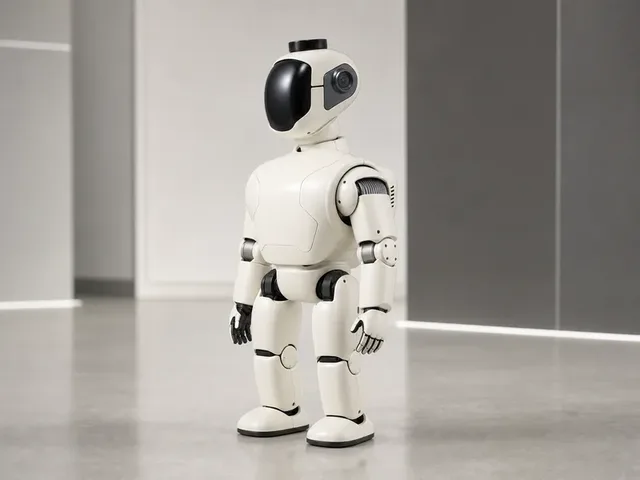
Companions robots, scoped for fast market reading.
Social robots, robot pets, and elderly care companions designed for emotional connection and daily support. This route is designed to move from fast inventory scan to deeper technical and buyer guidance without turning the page into a wall of undifferentiated content.
Current companions coverage in ui44.
9 still sit in pre-release or inactive states.
Enough supplier breadth to spot concentration quickly.
Visible range runs $112 to $577.5k.
Market shape
Where this category concentrates right now.
How to use this route
Route map
Jump straight to the part of the companions brief you need.
Inventory
All Companions robots in one scan-first grid.
This is the fastest way to understand catalog breadth before you read the deeper buyer, technical, and market context chapters below.
All Companions Robots
Browse the full companions inventory currently tracked in ui44.
The strongest signal for real-world shortlist work.
Useful when the first pass needs fast budget framing.
A quick read on concentration versus competitive spread.
Andromeda Robotics
Abi
Category
Companions
Since
2024
Abi
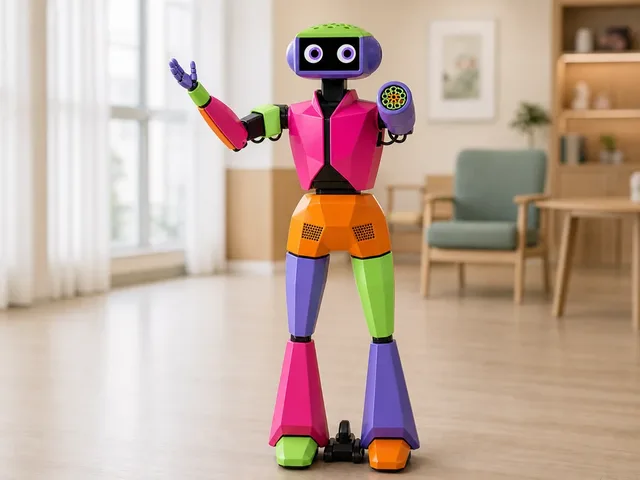
Abi is a social companion humanoid robot designed specifically for aged care and assisted living environments. Created by Melbourne-based Andromeda Robotics…
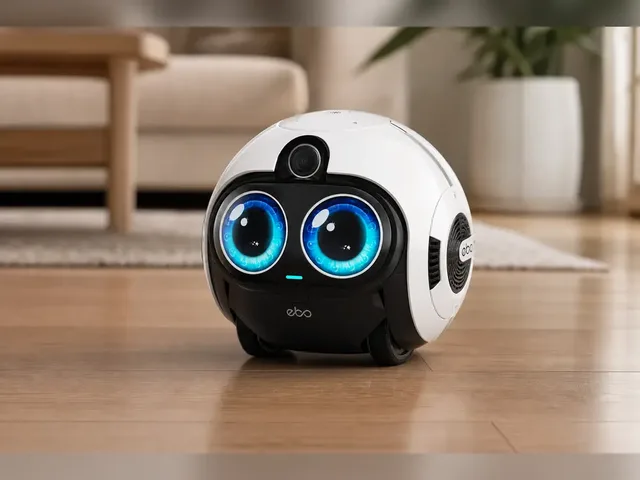
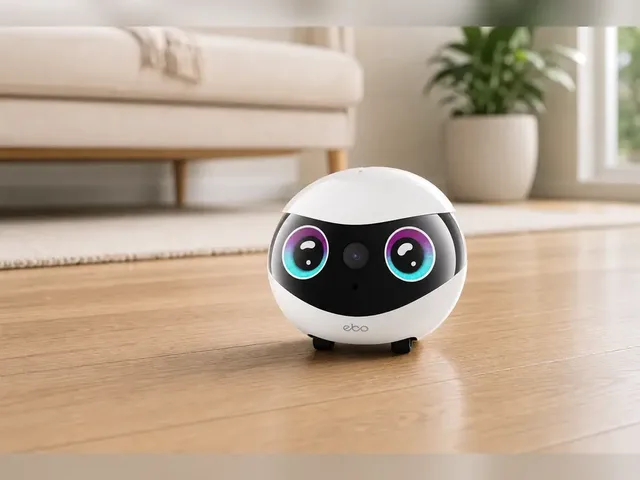
Enabot
EBO Max FamilyBot
Category
Companions
Price
$550
EBO Max FamilyBot
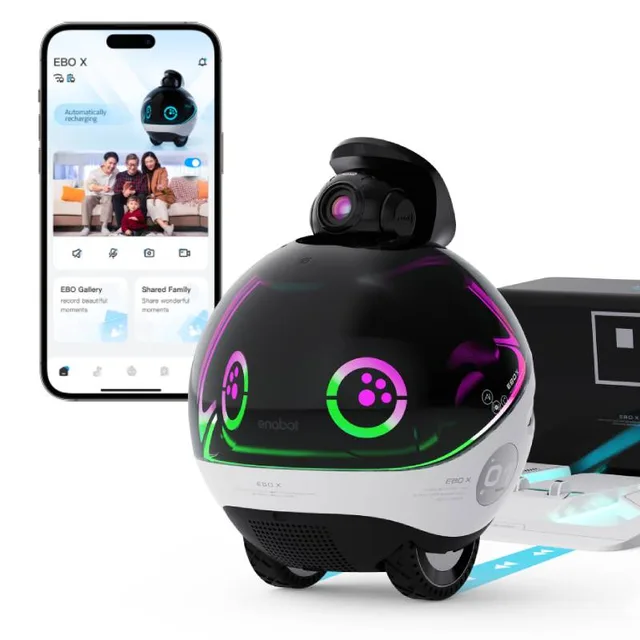
The Enabot EBO Max FamilyBot is a next-generation AI-powered home companion robot that builds on the EBO X with a fundamentally upgraded AI architecture.…
ElliQ 3
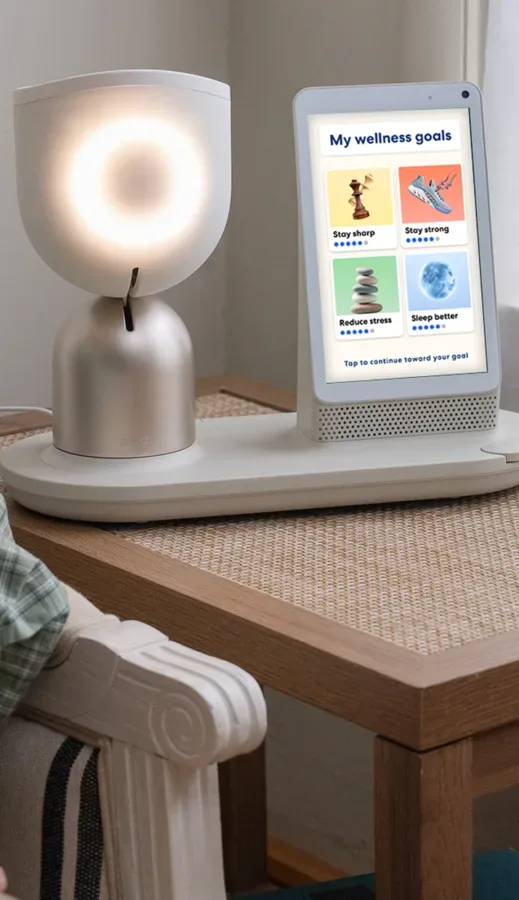
Intuition Robotics' AI-powered companion robot designed for older adults. ElliQ 3 is the third generation, launched January 2024 with new hardware and…
Ludens AI
Cocomo
Category
Companions
Since
2026
Kuri
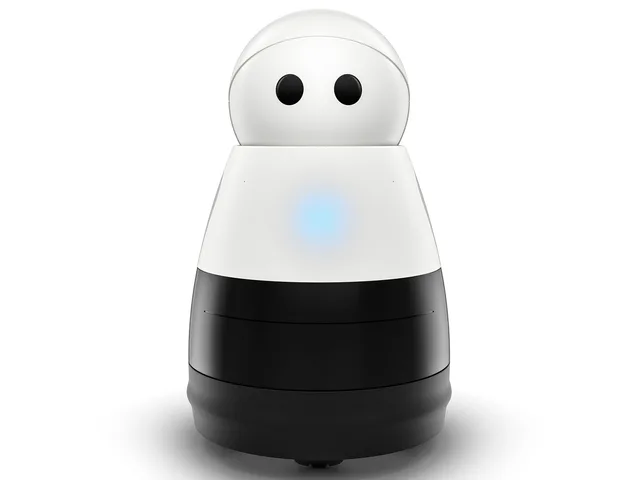
Kuri was a home companion robot from Mayfield Robotics (a Bosch-backed startup). It was designed for autonomous home mobility, voice-triggered interaction, and…
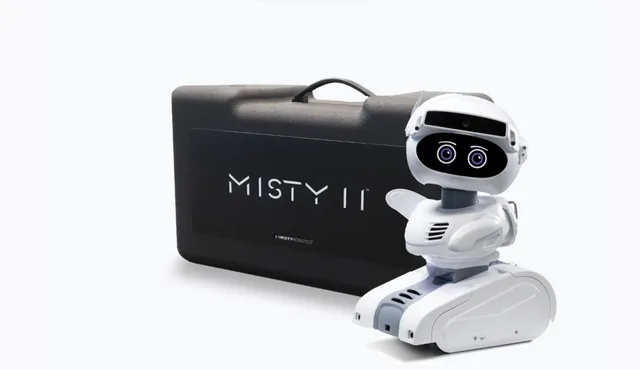
Misty II
Misty II is a programmable personal robot platform aimed at developers, students, and researchers. It combines autonomous mobility, expressive social…
OLLOBOT
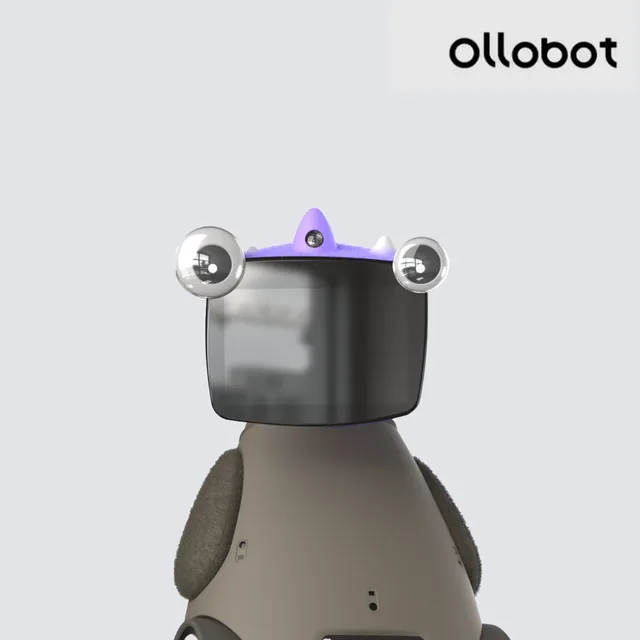
OlloNi
Category
Companions
Price
$198
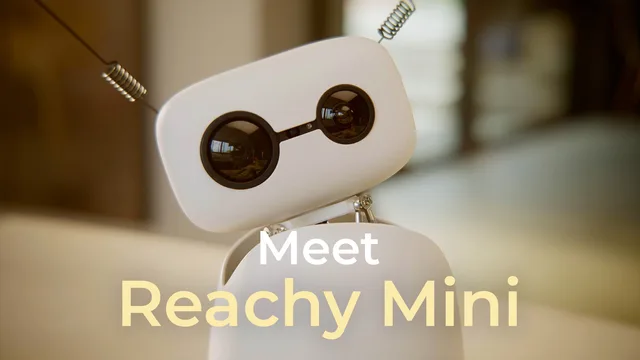
Reachy Mini
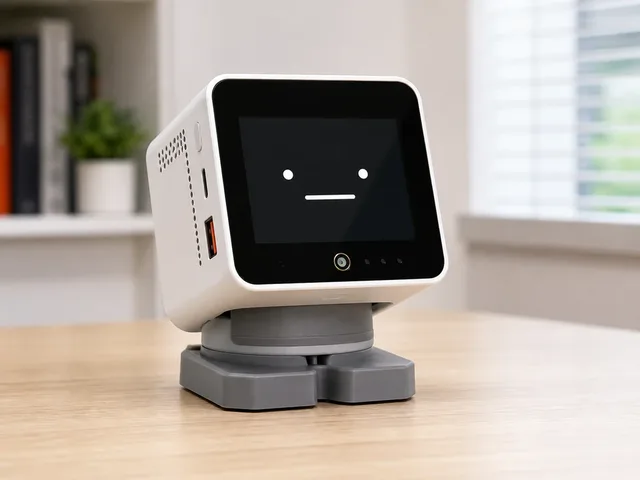
Reachy Mini is an open-source desktop robot from Pollen Robotics and Hugging Face focused on human-robot interaction, creative coding, and AI experimentation.…
Realbotix
David
Category
Companions
Price
$95,000
Sharp
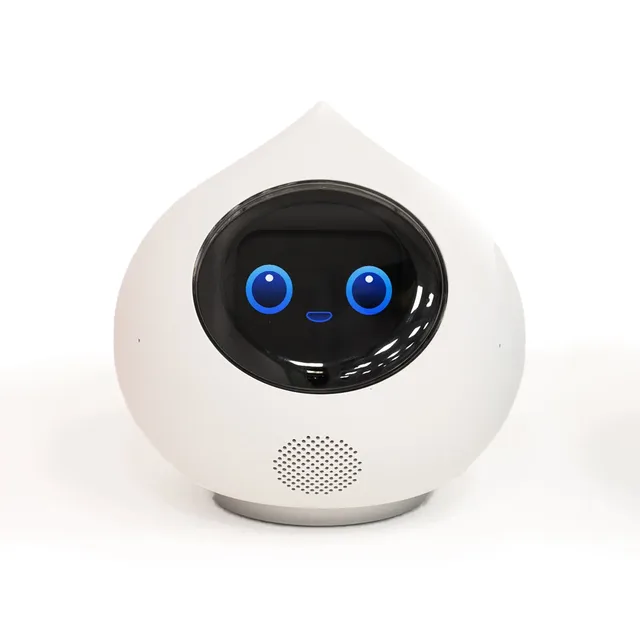
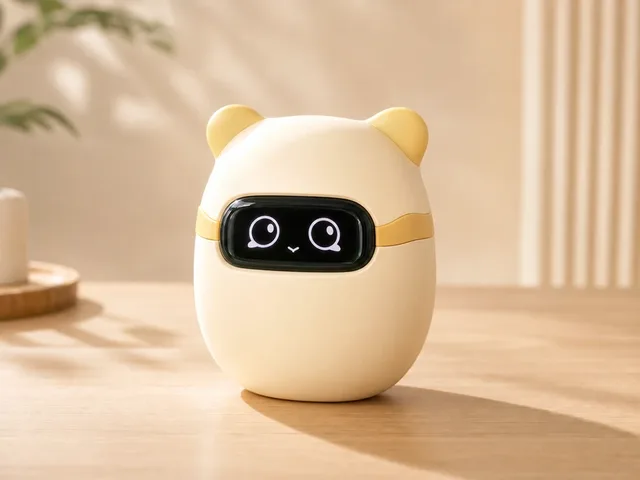
Poketomo
Category
Companions
Since
2025
Sentigent Technology
ROVAR X3
Category
Companions
Since
2026
ROVAR X3
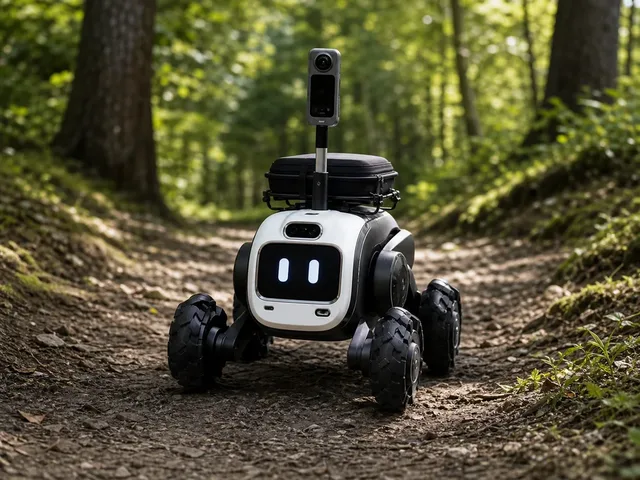
ROVAR X3 is Sentigent Technology's outdoor companion robot, presented on the company's official site as the world's first Outdoor DuoRover companion robot.…
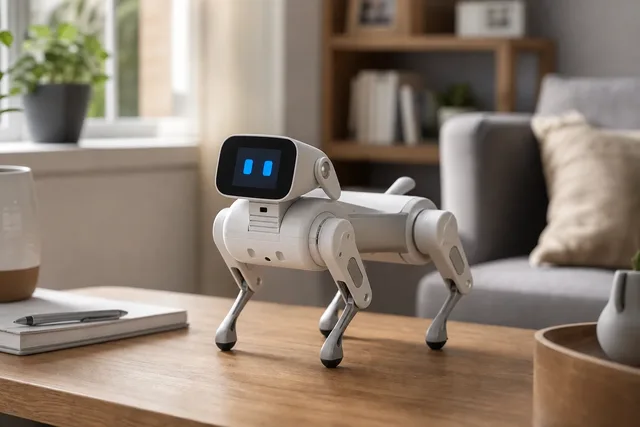
aibo (ERS-1000)
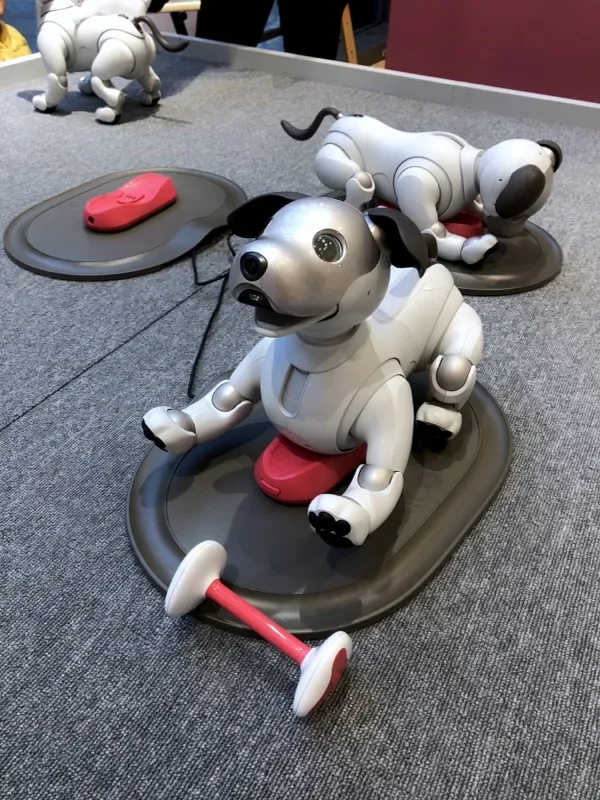
Sony's AI-powered robotic companion dog, the latest generation of the iconic AIBO line first launched in 1999. The ERS-1000 features OLED eyes, 22 axes of…
Takway AI
Sweekar
Category
Companions
Since
2026
Alpha Mini
A compact humanoid companion/education robot from UBTECH with voice interaction, face and object recognition, and app-based graphical coding. Alpha Mini is…
Zeroth Robotics
M1
Category
Companions
Price
$2,899
M1
Zeroth Robotics M1 is a compact home companion robot that Zeroth introduced with its US launch at CES 2026 and now promotes through a dedicated product page…
Buyer guide
Companions buyer brief and category fit guidance.
Use this chapter to orient the page, calibrate expectations, and pressure-test whether the category really matches the workload you have in mind.
What Are Companions Robots?
Companion robots are designed primarily for social interaction, emotional support, and daily living assistance. Unlike task-oriented robots that vacuum floors or mow lawns, companions aim to form a relationship with their users through conversation, personality, and responsive behavior.
This category spans from robot pets (like Sony's aibo) that provide the joy of animal companionship without the responsibilities, to eldercare companions that help seniors stay connected, manage medications, and provide cognitive stimulation. Social robots like Moxie target children's emotional development, while platforms like ElliQ focus on reducing loneliness in aging populations.
The companion robot market is growing as society grapples with an aging population, rising loneliness, and the therapeutic potential of consistent, patient, always-available social interaction.
Companions Robot Buyer's Guide
Companion robots are deeply personal purchases — the right choice depends on who the robot is for and what kind of interaction they need. For elderly users, look for simplified interfaces, proactive engagement (the robot initiates conversation), medication and appointment reminders, and video calling capabilities.
Key Questions to Ask
- For elderly users, look for simplified interfaces, proactive engagement (the robot initiates conversation), medication and appointment reminders, and…
- For children, prioritize age-appropriate content, educational value, and parental controls
- For pet-like companions, consider how realistic the behaviors are, whether the robot learns and evolves over time, and ongoing subscription costs…
- Privacy is a critical consideration in this category — companion robots with cameras and microphones are always-on in intimate home settings
- Check what data is collected, where it's stored, and whether it can operate offline
For children, prioritize age-appropriate content, educational value, and parental controls. For pet-like companions, consider how realistic the behaviors are, whether the robot learns and evolves over time, and ongoing subscription costs (some require monthly plans for AI features).
Privacy is a critical consideration in this category — companion robots with cameras and microphones are always-on in intimate home settings. Check what data is collected, where it's stored, and whether it can operate offline.
How to Choose a Companions Robot
Start with the intended user and their primary need. Loneliness reduction in seniors? ElliQ and similar proactive companions that initiate check-ins and suggest activities are purpose-built for this. Child development? Look for robots with structured educational content and emotional intelligence coaching.
Decision Framework
Start with the intended user and their primary need
Consider the ongoing costs — many companion robots require cloud subscriptions ($10–$30/month) for their AI capabilities to function
Evaluate the setup experience: the best companion robots for seniors work out of the box with minimal technical knowledge
Finally, check the manufacturer's longevity and commitment — a companion robot that loses cloud support becomes an expensive paperweight
Practical tip: Finally, check the manufacturer's longevity and commitment — a companion robot that loses cloud support becomes an expensive paperweight.
Specs and pricing
Technical comparisons, use-case framing, and cost range context.
These sections help separate the robots that merely sit in the category from the ones that genuinely fit a deployment or buying brief.
Key Specifications to Compare
When evaluating companions robots, these are the specifications that matter most for real-world performance and value:
AI platform and conversation quality
Proactive engagement
does the robot initiate interaction?
Privacy features
local vs. cloud processing
Battery life or always-plugged operation
Subscription requirements and ongoing costs
Physical expressiveness
movement, facial display, sound
Common Use Cases for Companions Robots
The companions category serves a variety of applications, from consumer households to industrial deployments:
Eldercare companionship and loneliness reduction
Children's social-emotional learning and development
Pet companionship without allergies or maintenance
Mental health support and daily check-ins
Assisted living facility resident engagement
Cognitive stimulation for dementia and Alzheimer's patients
Price Range Overview
Companions robots with published pricing range from $112 to $577.5k. 9 models in this category do not have publicly listed pricing. Below is a breakdown by price tier to help you understand what's available at different budget levels.
Under $1,000
8 models$1,000 – $5,000
2 models$5,000 – $25,000
1 model$25,000 – $100,000
1 modelOver $100,000
1 modelCompanions Robot Specifications Comparison
Compare key specifications across all 22 companions robots in the database. All data is sourced from manufacturer disclosures and verified against official documentation.
| Robot | Price | Status |
|---|---|---|
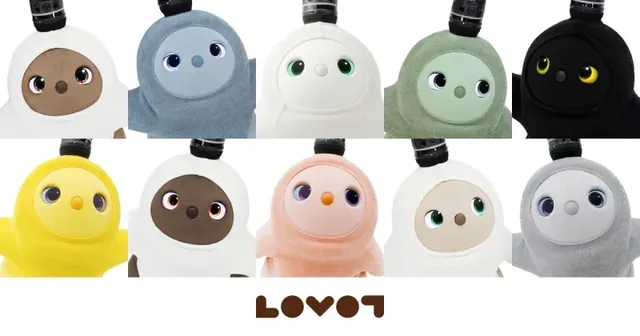
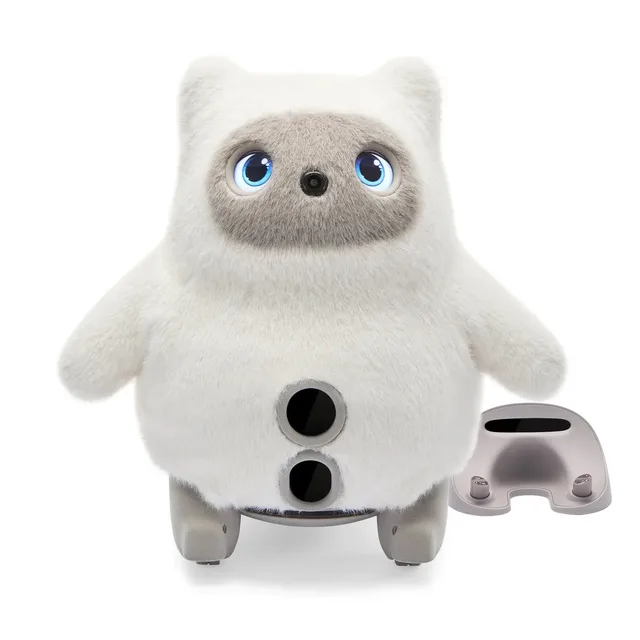
| LOVOT | $577.5k | Available |
| David | $95k | Available |
| Misty II | $17.2k | Available |
| aibo (ERS-1000) | $2.9k | Available |
| M1 | $2.9k | Pre-order |
| EBO X | $999 | Available |
| Kuri | $699 | Discontinued |
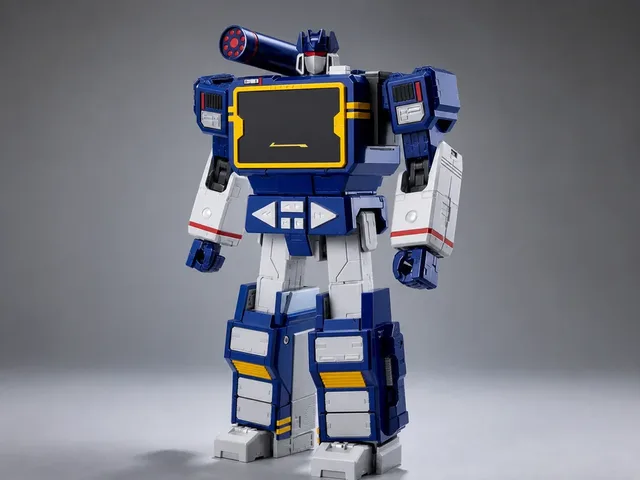
| EBO Max FamilyBot | $549.99 | Pre-order |
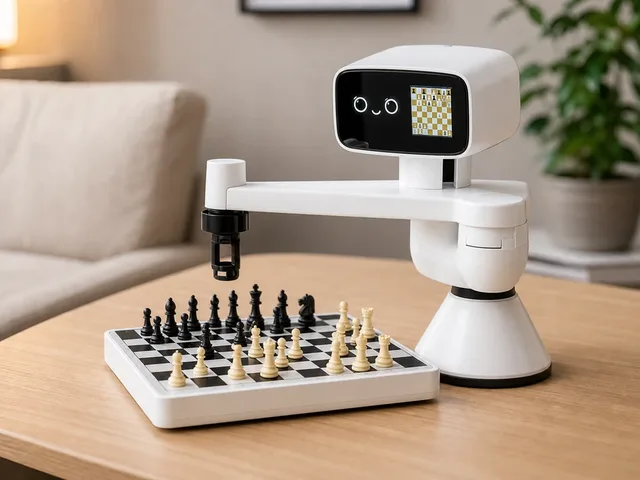
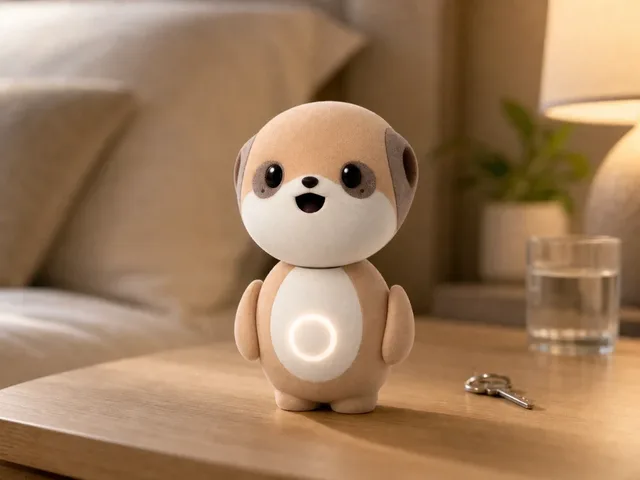
| Loona | $499 | Available |
| Miko 3 | $299 | Available |
| Reachy Mini | $299 | Pre-order |
| OlloNi | $198 | Development |
| Miko Mini | $112 | Available |
| PARO | — | Active |
| Abi | — | Available |
| ElliQ 3 | — | Available |
| Cocomo | — | Prototype |
| Ballie | — | Development |
| Poketomo | — | Available |
| ROVAR X3 | — | Prototype |
| Sweekar | — | Development |
| Alpha Mini | — | Available |
Manufacturer landscape
Company concentration, technology posture, and category structure.
Once the inventory looks promising, this is where you figure out whether the category is broad and competitive or concentrated around a smaller set of serious builders.
Manufacturers in Companions
20 companies are building companions robots tracked in the ui44 database. Here's how the product landscape breaks down by manufacturer.
Enabot
Miko
AIST
Andromeda Robotics
GROOVE X
Intuition Robotics
KEYi Tech
Ludens AI
Mayfield Robotics
Misty Robotics
OLLOBOT
Pollen Robotics
Realbotix
Samsung
Sharp
Sentigent Technology
Sony
Takway AI
UBTECH
Zeroth Robotics
View all robotics companies in our manufacturers directory.
Technology Landscape
A comprehensive look at the sensors, connectivity, capabilities, and AI platforms used across all 22 companions robots in the database.
Most Common Sensors
Key Capabilities
AI Platforms
Explore these technologies in detail:
Operations
Safety, maintenance, and implementation readiness.
This chapter keeps the route useful after the first visual scan, when the real questions become ownership, rollout friction, and operational constraints.
Safety & Regulation for Companions Robots
Companion robots raise unique safety and ethical considerations that differ from task-oriented robotics. Physical safety risks are generally low — most companion robots are stationary or slow-moving, with soft exteriors and limited force output.
Physical Safety
Modern robots implement multiple safety layers including force limiting, collision detection, and emergency stops.
Standards & Certifications
Look for ISO, CE, FCC, and category-specific certifications that validate safety compliance.
Privacy & Cybersecurity
Connected robots with cameras and microphones require careful evaluation of data handling and security practices.
The primary safety concerns are psychological and digital. For elderly users, there are ethical questions about the appropriate level of emotional attachment to a robot: clinical studies show that seniors can form deep bonds with robot companions, which provides therapeutic benefits but also creates vulnerability if the product is discontinued.
Privacy Matters
For children, parental controls and content filtering are essential safety features, and researchers continue studying the long-term effects of human-robot relationships on social development. Data privacy is a critical concern — companion robots with always-on microphones and cameras collect intimate household data.
Maintenance & Ownership Costs
Companion robots are designed for minimal physical maintenance, reflecting their target users who may not be technically inclined. Most companion robots are stationary or have limited mobility, reducing wear on mechanical components.
Regular Upkeep
Most robots need periodic cleaning, software updates, and consumable replacements to maintain peak performance.
Ongoing Costs
Factor in consumables, subscriptions, battery replacements, and potential maintenance contracts when budgeting.
Expected Lifespan
A well-maintained robot's lifespan varies by category — from 4–7 years for cleaning robots to 8–12 years for mowers.
$120–$360
Annual maintenance
2–4 yr
Battery lifespan
2–4 yr
Expected lifespan
$10–$30/mo
Subscription cost
The primary ongoing cost is the cloud subscription that powers AI features — typically $10–$30 per month, or $120–$360 annually. Without this subscription, most companion robots lose their conversational abilities and become significantly less useful.
Cost-Saving Tip
Battery-powered companions need charging every 1–5 days depending on usage, and battery replacement (every 2–4 years) is typically the only hardware maintenance required. Software updates are delivered automatically.
Getting Started with Companions Robots
If you are new to companions robots, here is a step-by-step approach to finding the right model for your needs. This guide applies whether you are buying your first robot or upgrading from an earlier model.
Planning phase
Identify the primary user and their needs: elderly companionship, child development, pet experience, or general household entertainment.
Test the interaction quality before buying: watch extended demo videos or visit a showroom — the quality of conversation and emotional response varies enormously between models.
Check ongoing subscription costs: many companion robots require $10–$30/month cloud subscriptions for their AI features to function — factor this into total cost of ownership.
Execution phase
Evaluate privacy features: look for physical camera shutters, local processing options, clear data policies, and the ability to delete collected data.
Research the manufacturer's stability and commitment to long-term support — a companion robot that loses cloud services becomes non-functional.
Consider the setup experience: the best companion robots for elderly users work out of the box with minimal technical knowledge and include proactive engagement features.
Use ui44's comparison tool and individual robot detail pages to evaluate the 22 companions robots in the database.
Outlook
History, market trajectory, and future pressure points.
The goal here is not trend theater. It is to show whether the category is stabilizing, accelerating, or still too early for confident buyer decisions.
History & Evolution of Companions Robots
The companion robot concept began with simple entertainment robots: Sony's AIBO (1999) was the first mainstream robot pet, captivating consumers with a robot dog that could learn, express emotions, and develop a personality over time. AIBO was discontinued in 2006 but remained so beloved that owners held funerals for broken units.
The companion robot concept began with simple entertainment robots: Sony's AIBO (1999)
The companion robot concept began with simple entertainment robots: Sony's AIBO (1999) was the first mainstream robot pet, captivating consumers with a robot dog that could learn, express emotions, and develop a personality over time
AIBO
AIBO was discontinued in 2006 but remained so beloved that owners held funerals for broken units
Meanwhile
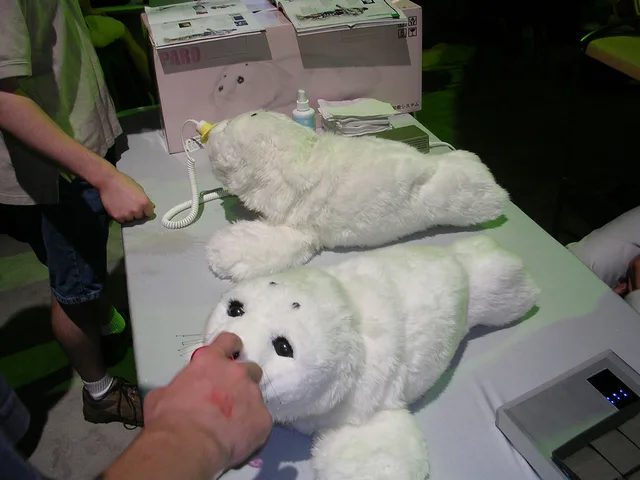
Meanwhile, Paro the therapeutic robot seal (2003) demonstrated the clinical value of robotic companions, showing measurable reductions in stress and agitation among dementia patients
The 2010s brought a wave of social robots: SoftBank's Pepper (2014) attempted to read human emotions and was deployed in retail and hospitality
Jibo (2017)
Jibo (2017) was crowdfunded as the first social robot for the home but shut down in 2019, becoming a cautionary tale about cloud-dependent companion robots
The integration of large language models from 2023 onward transformed companion robots from scripted responders into genuinely conversational partners
The integration of large language models from 2023 onward transformed companion robots from scripted responders into genuinely conversational partners, enabling open-ended dialogue, contextual memory, and personality adaptation
Meanwhile, Paro the therapeutic robot seal (2003) demonstrated the clinical value of robotic companions, showing measurable reductions in stress and agitation among dementia patients. The 2010s brought a wave of social robots: SoftBank's Pepper (2014) attempted to read human emotions and was deployed in retail and hospitality.
Jibo (2017) was crowdfunded as the first social robot for the home but shut down in 2019, becoming a cautionary tale about cloud-dependent companion robots. The field matured significantly in the 2020s: Sony relaunched aibo (ERS-1000) with dramatically improved AI, ElliQ launched as a purpose-built eldercare companion with proactive engagement, and Embodied's Moxie targeted children's social-emotional development with structured therapeutic content.
The integration of large language models from 2023 onward transformed companion robots from scripted responders into genuinely conversational partners, enabling open-ended dialogue, contextual memory, and personality adaptation. Today the market is bifurcating into therapeutic companions (clinically validated, targeting healthcare) and consumer companions (entertainment and general companionship), with the eldercare segment growing fastest due to demographic trends.
Companions Robots vs. Traditional Alternatives
Companion robots compete with — and often complement — several traditional approaches to social support, companionship, and mental stimulation. For elderly loneliness, the primary alternative is human social interaction: family visits, community programs, professional caregiving, and senior center activities. No robot can replace genuine human connection, and responsible companion robot companies position their products as supplements to, not replacements for, human relationships.
Smart Speakers & Displays
$30–$250
Voice interaction, music, smart home control at very low cost
No physical presence, mobility, or emotional engagement through movement
Best for: Voice-first information and entertainment without physical interaction
Robotic Pets (Simple)
$20–$150
Very affordable entry point for robotic companionship and play
Limited interaction depth, no AI learning or real conversation
Best for: Children's entertainment and basic companion interaction
Tablet-Based Communication
$200–$500
Video calls, games, and remote presence for eldercare
Stationary, no physical embodiment or social robot interaction
Best for: Remote family connection and telehealth for elderly users
The Bottom Line
If the manufacturer discontinues service, the robot becomes non-functional. This is a real risk that buyers should weigh carefully, particularly for elderly users who may form strong attachments.
Companions Robot Trends & Industry Outlook
Large language models are transforming companion robots from scripted conversationalists into genuinely engaging partners. The integration of GPT-class models enables companions to hold open-ended conversations, remember personal details, and adapt their personality over time.
Industry Trends
Emotion recognition through voice tone analysis and facial expression detection is becoming standard, allowing robots to respond to the user's emotional state rather than just their words. The eldercare segment is seeing strong institutional adoption, with assisted living facilities deploying companion robots to supplement human caregiving.
Consumer awareness is growing through viral social media content showing emotional bonds between humans and robot pets.
Future Outlook for Companions Robots
Companion robotics is entering a transformative period driven by large language models and advances in emotion recognition technology. The near-term future (2025–2028) will see several significant developments. First, conversational quality will improve dramatically: integration of GPT-class and similar language models is already enabling open-ended, contextually aware conversation that makes older scripted companions feel obsolete.
$5–8B
Market by 2030
2030
Key milestone year
LLM-Powered Conversation
Large language models enable genuinely engaging, context-aware conversations that adapt to individual users over time.
Emotional Intelligence
Multimodal emotion recognition (voice tone, facial expression, body language) allows companions to respond appropriately to user emotional states.
Healthcare Integration
Companion robots integrated into eldercare and mental health treatment plans, with clinical validation of therapeutic benefits.
Key Uncertainty
Fifth, institutional adoption in assisted living and memory care facilities is expanding rapidly, with companion robots becoming standard therapeutic tools alongside physical therapy and occupational therapy. The companion robot market is projected to reach $5–$8 billion by 2030, with the eldercare segment growing fastest due to the convergence of aging demographics, clinically validated benefits, and improving AI capabilities that make robot companions genuinely engaging rather than gimmicky.
FAQ and routes
Decision support, trust notes, and adjacent pages worth opening next.
Finish here when you need practical next steps rather than more category theory.
Frequently Asked Questions About Companions Robots
General
What are companions robots?
Social robots, robot pets, and elderly care companions designed for emotional connection and daily support. The ui44 database currently tracks 22 robots in this category from 20 manufacturers.
How many companions robots are in the ui44 database?
ui44 currently tracks 22 companions robots from 20 different manufacturers including AIST, Andromeda Robotics, Enabot, GROOVE X, Intuition Robotics, and 15 more. Browse the full robot directory to see all categories.
What can companions robots do?
Across the 22 robots in this category, 175 distinct capabilities are represented, including: Therapeutic companionship, Responds to touch, voice direction, and handling, Learns preferred user interactions, Face-to-face soothing interaction in care settings, Baby seal-like vocalization, Personalized Conversation, Face Recognition, Emotion Recognition & Mood Adaptation, and 167 more. The specific capability set varies by model, price point, and intended application — visit individual robot pages for detailed capability breakdowns.
Which companies make companions robots?
20 companies make companions robots tracked in the ui44 database: AIST, Andromeda Robotics, Enabot, GROOVE X, Intuition Robotics, KEYi Tech, Ludens AI, Mayfield Robotics, Miko, Misty Robotics, OLLOBOT, Pollen Robotics, Realbotix, Samsung, Sharp, Sentigent Technology, Sony, Takway AI, UBTECH, Zeroth Robotics. Explore all robotics companies on the manufacturers page.
How up-to-date is the companions robot data?
All robot data on ui44 is periodically verified against manufacturer sources, spec sheets, and press releases. The most recent verification for a robot in the Companions category was on 2026-04-17. Each robot page includes a "last verified" date for transparency. If you notice outdated information, please let us know.
Are companions robots safe to use around people?
Companion robots raise unique safety and ethical considerations that differ from task-oriented robotics. Physical safety risks are generally low — most companion robots are stationary or slow-moving, with soft exteriors and limited force output. The primary safety concerns are psychological and digital. For elderly users, there are ethical questions about the appropriate level of emotional… Read the full safety & regulation section for detailed information on certifications, standards, and precautions for companions robots.
How have companions robots evolved over the years?
The companion robot concept began with simple entertainment robots: Sony's AIBO (1999) was the first mainstream robot pet, captivating consumers with a robot dog that could learn, express emotions, and develop a personality over time. AIBO was discontinued in 2006 but remained so beloved that owners held funerals for broken units. Meanwhile, Paro the therapeutic robot seal (2003) demonstrated the… Read the full history & evolution section for a detailed timeline of companions robot development.
Cost & Maintenance
How much do companions robots cost?
Companions robots with published pricing range from $112 to $577.5k. 9 models in this category do not list public pricing. See the price range overview for a detailed breakdown by budget tier.
What does it cost to maintain a companions robot?
Companion robots are designed for minimal physical maintenance, reflecting their target users who may not be technically inclined. Most companion robots are stationary or have limited mobility, reducing wear on mechanical components. The primary ongoing cost is the cloud subscription that powers AI features — typically $10–$30 per month, or $120–$360 annually. Without this subscription, most… See the full maintenance & ownership section for a complete breakdown of ongoing costs, consumables, and expected lifespan for companions robots.
What is the most affordable companions robot?
The most affordable companions robot with published pricing is the Miko Mini by Miko at $112. At the other end of the spectrum, the LOVOT by GROOVE X is listed at $577.5k. Price is just one factor — compare capabilities, sensors, and support when making your decision. See the price overview for a full tier breakdown.
Technical
What sensors are commonly used in companions robots?
Companions robots in the database use 98 types of sensors. The most common include Tactile sensors, Light sensor, Audition (audio) sensor, Temperature sensor, Posture sensor, Three microphones, and 92 more. See the technology landscape section for a complete breakdown, or browse the components directory.
What connectivity options do companions robots support?
Companions robots in the database support 24 types of connectivity. The most common include Not publicly detailed, Wi-Fi, Cloud-based AI Backend, Bluetooth, NFC, Infrared Communication, and 18 more. Connectivity determines how the robot communicates with your network, cloud services, companion apps, and other smart devices. Visit the components directory for detailed information on each protocol.
Do companions robots work with voice assistants?
Some companions robots integrate with voice assistant platforms including Abi Voice AI (90+ languages), Amazon Alexa, ElliQ Voice AI, Realbotix Custom AI, Bixby. Voice integration enables hands-free control, status updates, and interaction with your broader smart home ecosystem. Not all models support voice assistants — check individual robot pages for specific compatibility details.
Buying & Getting Started
Which companions robots can I buy right now?
13 companions robots are currently available or actively deployed: PARO by AIST, Abi by Andromeda Robotics, EBO X by Enabot, LOVOT by GROOVE X, ElliQ 3 by Intuition Robotics, Loona by KEYi Tech, Miko 3 by Miko, Miko Mini by Miko, and 5 more. Visit each robot's page for the latest purchasing details and availability.
How do I compare companions robots on ui44?
ui44 offers a side-by-side comparison tool that lets you compare up to 4 companions robots at once. Compare specs like battery life, weight, sensors, price, and capabilities across models including PARO, Abi, EBO X, EBO Max FamilyBot, LOVOT, and 17 more. You can also check the specifications comparison table above for a quick overview of all models.
How do I get started choosing a companions robot?
Start by defining your specific requirements and budget. The getting started guide above walks through 6 key steps: Identify the primary user and their needs: elderly companionship, child…; Test the interaction quality before buying: watch extended demo videos or visit…; Check ongoing subscription costs: many companion robots require $10–$30/month…. Use ui44's comparison tool and the specs comparison table to narrow down your shortlist.
Data Integrity
All companions robot data on ui44 is verified against official manufacturer sources, spec sheets, and press releases. Most recent verification: 2026-04-17. If you notice outdated or incorrect data, please let us know — accuracy is our top priority.
Source: ui44 Home Robot Database · 22 models tracked in Companions · Browse all robots · All categories
Companions Manufacturers
Key Components
Next move
Turn this category read into a real shortlist.
You now have the inventory view, the buyer guidance, and the spec context. The cleanest next step is to compare a small set of candidates, then validate the strongest manufacturers in detail.