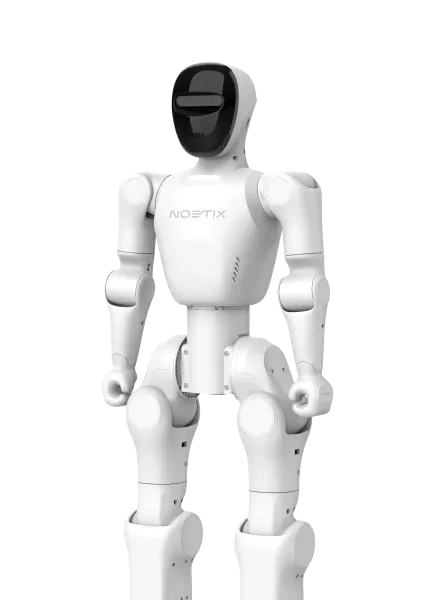
Robot dossier
Luna
Release
Jan 1, 2026
Price
Price TBA
Connectivity
2
Status
Prototype
Height
165cm
Weight
55kg
Speed
5 km/h
Luna
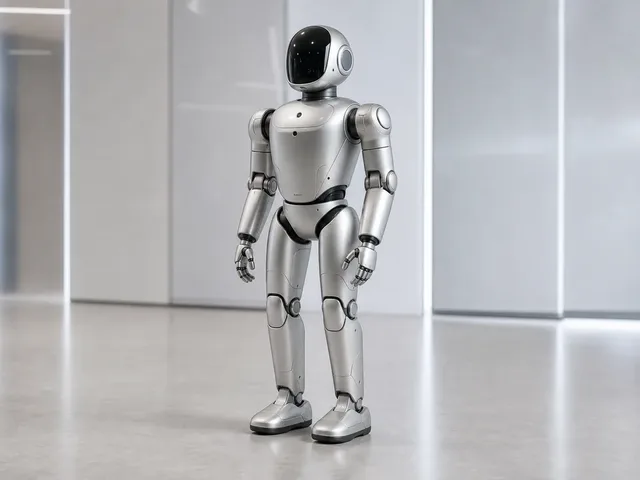
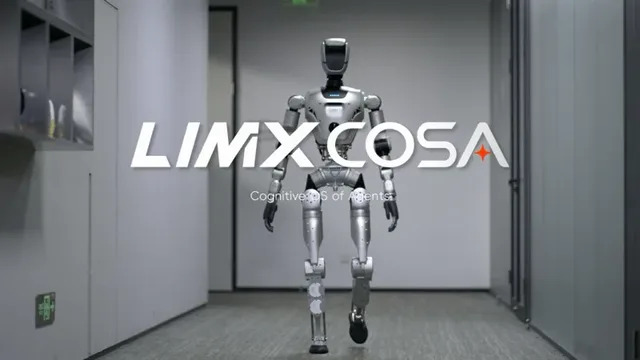
LimX Dynamics' lifestyle-oriented humanoid robot, built as a refined evolution of the Oli platform for service, entertainment, and public-facing roles. Luna features a sleek organic design with rounded head and curved silhouette — a deliberate departure from the industrial aesthetic of its Oli predecessor. Debuted at the Taobao Influencer Festival in March 2026, performing a catwalk and a gymnastic illusion turn that demonstrated advanced balance and fluid motion control. Runs the COSA agentic operating system and the VideoGenMotion (VGM) framework, enabling it to learn complex human movements directly from video. Targets luxury service sectors, research labs, and premium commercial environments.
Listed price
Price TBA
Not publicly disclosed
Release window
Jan 1, 2026
Current status
Prototype
LimX Dynamics
Last verified
Apr 14, 2026
Technical overview
Core specifications and system stack
A fast read on the mechanical profile, sensing package, and platform integrations behind Luna.
Technical Specifications
Height
165cm
Weight
55kg
Battery Life
Not disclosed
Charging Time
Not disclosed
Max Speed
5 km/h
Tech Components
Operational profile
How this robot is configured
Capabilities
8
Connectivity
2
Key capabilities
Ecosystem fit
Explore further
Benchmark set
Compare with similar robots
Shortcuts to the closest alternatives in the current ui44 set.
Humanoid
Oli
LimX Dynamics
Price TBA
Humanoid
Mornine M1
AiMOGA Robotics
$41,400
Humanoid
G2
AGIBOT
Price TBA
Humanoid
HIVA Haiwa
Haier
Price TBA
About the Luna
The Luna is a Humanoid robot built by LimX Dynamics. LimX Dynamics' lifestyle-oriented humanoid robot, built as a refined evolution of the Oli platform for service, entertainment, and public-facing roles. Luna features a sleek organic design with rounded head and curved silhouette — a deliberate departure from the industrial aesthetic of its Oli predecessor. Debuted at the Taobao Influencer Festival in March 2026, performing a catwalk and a gymnastic illusion turn that demonstrated advanced balance and fluid motion control. Runs the COSA agentic operating system and the VideoGenMotion (VGM) framework, enabling it to learn complex human movements directly from video. Targets luxury service sectors, research labs, and premium commercial environments.
Pricing has not been publicly disclosed — typical for robots still in development. See all LimX Dynamics robots on the LimX Dynamics page.
Spec Breakdown
Detailed specifications for the Luna
Height
165cmAt 165cm, the Luna is designed to operate in human-scale environments, allowing it to reach countertops, shelves, and interfaces designed for human height.
Weight
55kgWeighing 55kg, the Luna needs to balance mass for stability during bipedal locomotion while remaining light enough for safe human interaction.
Maximum Speed
5 km/hA top speed of 5 km/h approximates human walking pace, enabling the robot to keep up with people in shared environments.
The Luna uses COSA (Cognitive OS of Agents) + VideoGenMotion (VGM) video-to-motion framework as its intelligence backbone. This AI platform powers the robot's decision-making, perception processing, and autonomous behavior. The sophistication of the AI stack directly impacts how well the robot handles unexpected situations and adapts to new environments.
Luna Sensor Suite
The Luna integrates 5 sensor types, forming the perceptual foundation that enables autonomous operation.
This sensor configuration enables the Luna to perceive its 3D environment, recognize objects and people, navigate complex spaces, and perform precise manipulation tasks. Multiple sensor modalities provide redundancy and more robust perception than any single sensor type alone.
Explore sensor technologies: components glossary · full components directory
Luna Use Cases & Applications
Humanoid robots are designed for environments built for humans — warehouses, factories, healthcare facilities, and eventually homes. Their bipedal form allows them to navigate stairs, doorways, and workspaces designed for human bodies without requiring environmental modifications.
Capabilities That Enable Real-World Use
The Luna offers 8 distinct capabilities, each contributing to the robot's practical utility.
These capabilities work together with the robot's 5 onboard sensor types and COSA (Cognitive OS of Agents) + VideoGenMotion (VGM) video-to-motion framework AI platform to deliver practical, real-world performance.
Ecosystem Integration
The Luna integrates with the following platforms and ecosystems, extending its utility beyond standalone operation.
This ecosystem compatibility enables the Luna to work as part of a broader automation setup rather than operating in isolation.
Luna Capabilities
8
Capabilities
5
Sensor Types
AI
COSA (Cognitive OS of Agents…
Connectivity & Integration
How the Luna communicates with your network, smart home devices, cloud services, and companion apps.
Network & Communication Protocols
Luna Technology Stack Overview
The Luna by LimX Dynamics integrates 8 distinct technology components across sensing, connectivity, intelligence, and interaction layers. The physical platform features a height of 165cm, a weight of 55kg, a top speed of 5 km/h, providing the foundation on which this technology stack operates.
Perception — 5 Sensor Types
The perception layer is built on Dual Intel RealSense D435i Depth Cameras, RGB Cameras, LiDAR, IMU, Force/Torque Sensors. These work in concert to give the robot a detailed understanding of its operating environment. This multi-sensor approach provides redundancy and enables the robot to function reliably even when individual sensors encounter challenging conditions such as low light, reflective surfaces, or cluttered spaces.
Connectivity — 2 Protocols
Intelligence — COSA (Cognitive OS of Agents) + VideoGenMotion (VGM) video-to-motion framework
COSA (Cognitive OS of Agents) + VideoGenMotion (VGM) video-to-motion framework serves as the computational brain, processing sensor data, making navigation decisions, and orchestrating the robot's autonomous behaviors. The quality of this AI platform directly influences how well the robot handles novel situations, adapts to changes in its environment, and improves its performance over time through learning.
Who Should Consider the Luna?
Target Audience
Humanoid robots are typically targeted at enterprise customers, research institutions, and forward-thinking businesses looking to automate tasks that require human-like form and dexterity. While some models are approaching consumer pricing, the majority remain in the commercial and industrial space.
Key Considerations
When evaluating a humanoid robot, payload capacity, degrees of freedom, and manipulation dexterity are critical factors. Battery life and charging time determine operational uptime. The AI platform determines how well the robot can adapt to new tasks and environments. Consider whether the robot needs to work alongside humans (requiring safety certifications) or will operate independently.
Pricing
Availability
PrototypeThe Luna is currently in the prototype stage. It is not yet available for purchase, and specifications may change before the final product is released.
Luna: Strengths & Trade-offs
Engineering compromises and where this humanoid robot excels
What the Luna does well
Solid sensor coverage
The Luna integrates 5 sensor types, providing good perceptual coverage for its intended applications. This sensor complement covers the essential modalities needed for effective humanoid operation while keeping complexity manageable.
Broad capability set
With 8 distinct capabilities, the Luna is designed as a versatile platform rather than a single-task device. This breadth means the robot can handle varied scenarios and workflows, reducing the need for multiple specialized robots and increasing its utility across different situations.
What to consider carefully
Significant weight
At 55kg, the Luna is a substantial piece of equipment. This weight contributes to stability and robustness but also means the robot requires careful consideration of floor load limits, transportation logistics, and the potential impact force in the event of unexpected contact with people or objects.
Undisclosed pricing
LimX Dynamics has not published a public price for the Luna. While common for enterprise-class robotics, the absence of transparent pricing can complicate budgeting and comparison shopping. Prospective buyers will need to engage directly with the manufacturer for quotes, which may vary by configuration and volume.
Currently in prototype
The Luna is not yet available as a finished, shipping product. Specifications may change before commercial release, and timelines for availability are subject to revision. Early adopters should account for this uncertainty in their planning.
Note: This strengths and trade-offs assessment is based on the Luna's documented specifications as tracked in the ui44 database. Real-world performance depends on deployment conditions, firmware maturity, and environmental factors. For the most current information, check the LimX Dynamics manufacturer page or visit the official product page. Use the comparison tool to evaluate these trade-offs against competing robots in the same category.
How Humanoid Robot Technology Works
Understanding the engineering behind this category
Humanoid robots represent one of the most technically ambitious categories in robotics. Building a machine that walks, balances, manipulates objects, and interacts naturally with humans requires breakthroughs across multiple engineering disciplines simultaneously. Understanding the technology behind humanoid robots helps buyers and enthusiasts appreciate both the capabilities and limitations of current systems.
Navigation & Mobility
Humanoid robots navigate using a combination of visual SLAM (Simultaneous Localization and Mapping), depth sensing, and inertial measurement. Unlike wheeled robots that simply avoid obstacles, humanoids must plan footstep placement, maintain dynamic balance on uneven surfaces, and anticipate terrain changes. Advanced systems use predictive models to plan several steps ahead, similar to how humans unconsciously adjust their gait when approaching stairs or rough ground. The computational requirements for real-time bipedal navigation are substantial, often requiring dedicated motion-planning processors separate from the main AI system.
The Role of AI
Artificial intelligence in humanoid robots serves multiple roles: high-level task planning (understanding what needs to be done), perception (recognizing objects, people, and environments), manipulation planning (figuring out how to grasp and move objects), and social interaction (understanding speech, gestures, and context). Modern humanoids increasingly use large language models and vision-language models for task understanding, allowing them to interpret natural language instructions and generalize to new tasks without explicit programming for each scenario.
Sensor Fusion & Perception
The sensor suite in a humanoid robot must provide comprehensive environmental awareness while maintaining real-time processing speeds. Sensor fusion algorithms combine data from cameras, LiDAR, depth sensors, force/torque sensors, and IMUs to create a unified model of the robot's surroundings. This multi-modal perception is critical because no single sensor type works perfectly in all conditions — cameras struggle in darkness, LiDAR cannot distinguish materials, and touch sensors only detect what the robot physically contacts. By combining these inputs, the robot achieves more robust and reliable perception than any individual sensor could provide.
Power & Battery Management
Battery technology is one of the primary limiting factors for humanoid robots. Bipedal locomotion is inherently energy-intensive — maintaining balance requires constant motor activity even when standing still. Current lithium-ion battery packs typically provide two to four hours of active operation, with charging times that can match or exceed operational time. Research into more efficient actuators, energy-harvesting techniques, and advanced battery chemistries aims to extend operational windows. Some commercial deployments address this limitation through battery-swap systems or scheduled charging rotations.
Safety by Design
Safety in humanoid robotics is paramount because these robots operate in close proximity to humans. Design approaches include compliant actuators that absorb impact forces, real-time collision prediction systems, force-limited joints that automatically reduce power when unexpected contact occurs, and emergency stop mechanisms accessible to nearby humans. International safety standards like ISO 13482 for personal care robots provide frameworks for evaluating safety, but the field is still developing standards specific to general-purpose humanoid systems. Buyers should inquire about safety testing, certifications, and the robot's behavior in failure modes.
What's Next for Humanoid Robots
The humanoid robotics field is advancing rapidly on multiple fronts. Improvements in foundation models are enabling more generalizable intelligence. New actuator designs are making robots lighter and more efficient. Manufacturing scale is driving down costs. Over the next several years, expect humanoid robots to transition from controlled industrial environments to more varied commercial and eventually residential settings. The convergence of better AI, cheaper hardware, and proven deployment experience will accelerate adoption across industries.
The Luna by LimX Dynamics incorporates many of these technology pillars. For a detailed look at the specific sensors and components used in the Luna, see the sensor analysis and connectivity sections above, or browse the complete components glossary for explanations of every technology used across the robotics industry.
Luna in the Humanoid Market
How this robot compares in the humanoid landscape
LimX Dynamics has not publicly disclosed pricing for the Luna, which is typical for enterprise-focused robotics platforms that offer customized solutions and direct-sales relationships.
The Luna's 5 sensor types provide solid perceptual coverage for its intended use cases. This mid-range sensor suite balances cost with capability, covering the essential modalities needed for humanoid applications.
As a robot still in prototype, the Luna represents LimX Dynamics's vision for where humanoid robotics is heading. Specifications may evolve before commercial release, and early performance demonstrations should be evaluated with this context in mind.
Head-to-Head Comparisons
Side-by-side specs, capability overlap analysis, and key differentiators.
For the full picture of LimX Dynamics's portfolio and market strategy, visit the LimX Dynamics manufacturer page.
Owning the Luna: Setup, Maintenance & Tips
Practical guide from day one through years of ownership
Initial Setup
Setting up a humanoid robot is substantially more involved than plug-and-play consumer devices. Expect a professional installation or guided setup process that includes physical unpacking and assembly (if shipped disassembled), initial calibration of joints and sensors, environment mapping and safety zone definition, network and cloud service configuration, and application-specific programming or task teaching. Plan for several hours to a full day of setup time, and budget for potential integration consulting if the robot needs to connect with existing systems. The manufacturer or a certified integrator should provide training on safe operation, emergency procedures, and basic troubleshooting.
Ongoing Maintenance
Humanoid robots require regular maintenance to ensure safe and reliable operation. Monthly maintenance typically includes visual inspection of joints and actuators for wear, sensor cleaning (especially cameras and LiDAR), firmware and software updates, battery health checks, and calibration verification. Quarterly maintenance may include more thorough mechanical inspection, lubrication of moving parts, and performance benchmarking to detect gradual degradation. Keep a maintenance log and follow the manufacturer's recommended schedule precisely — humanoid robots are complex systems where small issues can cascade if not addressed promptly.
Software Updates & Long-Term Support
Humanoid robot software is evolving rapidly, and regular updates can significantly improve performance, add new capabilities, and patch security vulnerabilities. Most manufacturers provide over-the-air updates, but enterprise deployments may require staging and testing updates before rolling them out. Evaluate the manufacturer's update track record — frequent, well-documented updates indicate active development and long-term commitment. Be aware that major software updates may require recalibration or retraining of custom behaviors.
Maximizing Longevity
To maximize the useful life of a humanoid robot, avoid operating beyond specified payload limits, maintain a controlled environment (temperature, humidity), keep sensors clean and unobstructed, and address any unusual sounds or behaviors promptly. Battery longevity is improved by avoiding deep discharges and extreme temperatures during charging. Investing in a service contract with the manufacturer or a certified partner provides access to replacement parts and expertise that can extend the robot's productive life significantly beyond the standard warranty period.
For LimX Dynamics-specific support resources and documentation, visit the LimX Dynamics page on ui44 or check the manufacturer's official website at LimX Dynamics's product page.
Frequently Asked Questions
What is the Luna?
How much does the Luna cost?
Is the Luna available to buy?
What sensors does the Luna have?
What AI does the Luna use?
How does the Luna compare to the Oli?
Does the Luna work with smart home systems?
How current is the Luna data on ui44?
Data Integrity
All Luna data on ui44 is verified against official LimX Dynamics sources, including spec sheets, product pages, and press releases. Last verified: 2026-04-14. Official source: LimX Dynamics product page. If you find outdated or incorrect information, please let us know — accuracy is our top priority.
Explore More on ui44
Manufacturer
Category
Explore more humanoid robots
See how the Luna stacks up — compare specs, browse the humanoid category, or search the full database.