If the real chore is "bring the supplies here," "move the plant to the sunny spot," or "take the snack shelf to the desk," a small autonomous base can be more practical than a full-size robot with hands.
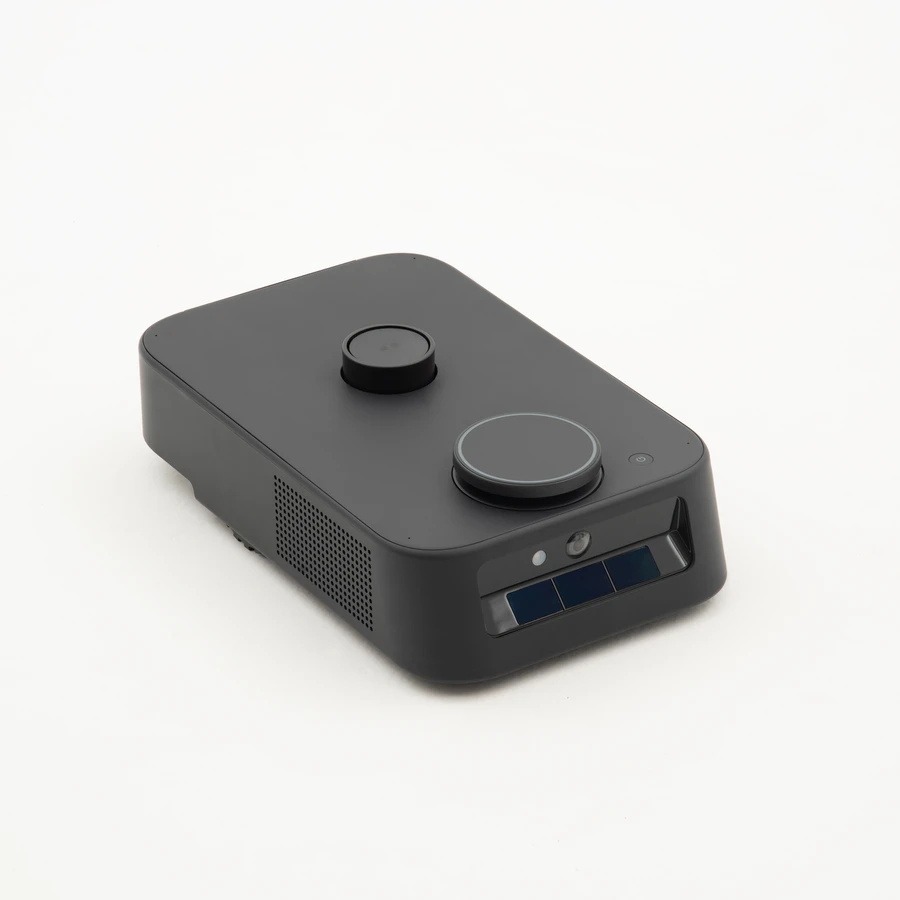
That is the interesting Kachaka question for home robot buyers: is moving the room around you a better near-term idea than waiting for a general-purpose humanoid?
What is the Kachaka robot?
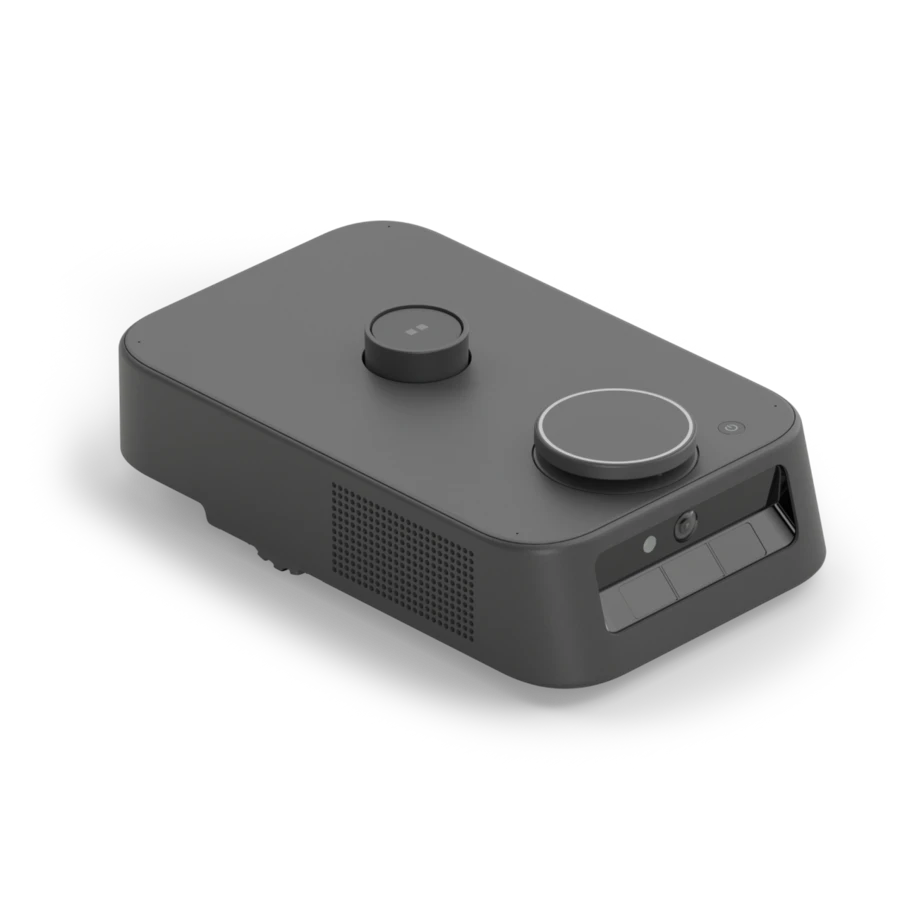
Kachaka is Preferred Robotics' Japan-market home autonomous transport robot. The company describes it as a "Smart Furniture Platform" and as a household small autonomous transport robot. In plain terms, Kachaka is the motorized brain under the furniture: it maps the home, recognizes compatible furniture, docks with it, and tows it to named places.
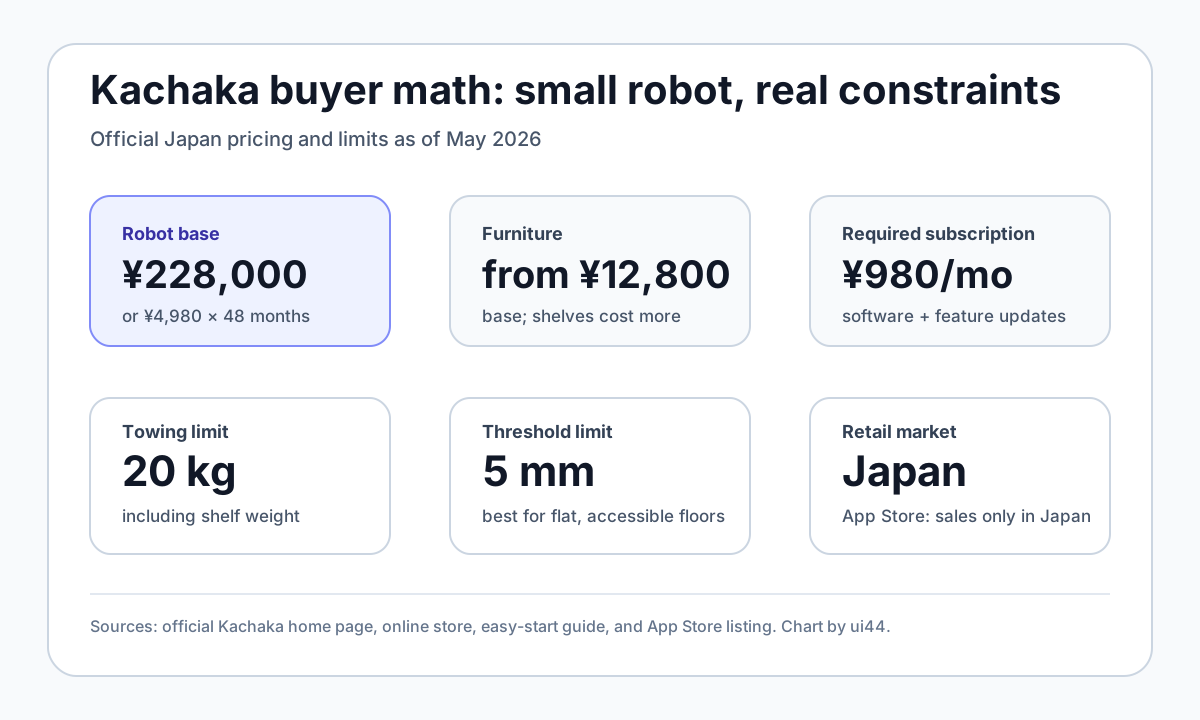
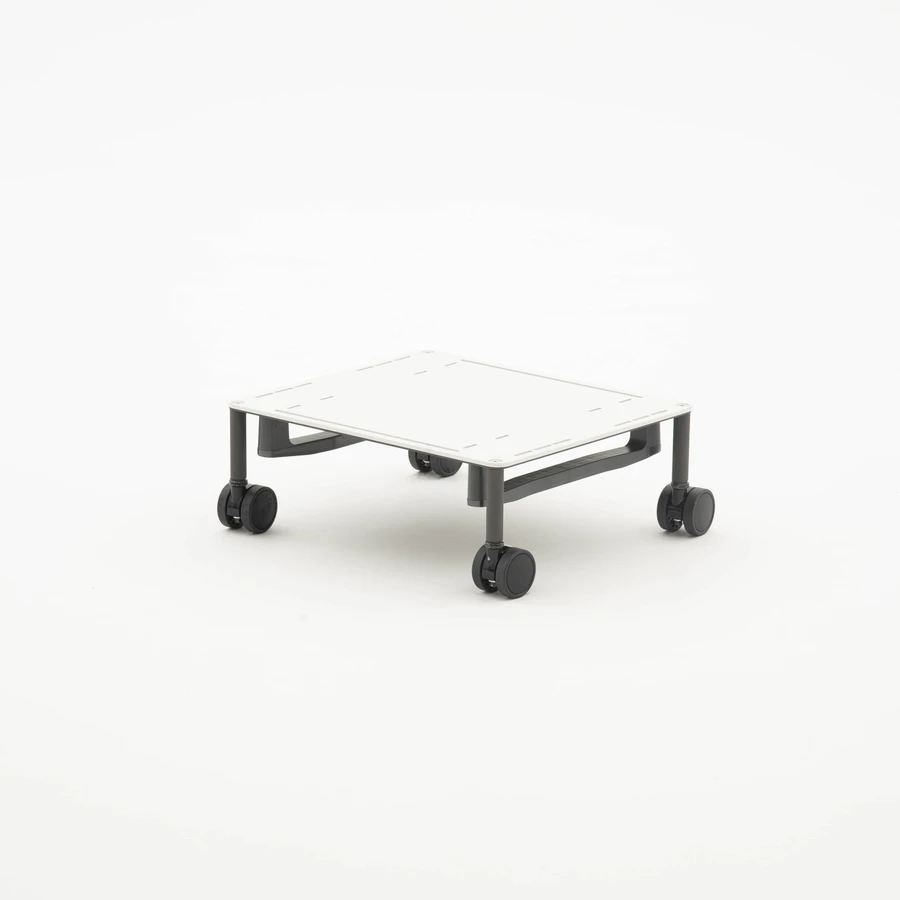
The official buyer math is concrete. The Kachaka robot is listed at ¥228,000 or ¥4,980 per month for 48 payments. A compatible furniture piece is also required: the basic Kachaka Base starts at ¥12,800, while shelves cost more. The system also requires a ¥980/month Kachaka subscription for software use and updates. The App Store listing says the real Kachaka robot is required and that sales are conducted only within Japan.
That already makes Kachaka different from most home humanoid announcements. It has a real price, a real store, a subscription, a required accessory ecosystem, and a bounded job. It is not promising to fold every shirt or cook dinner. It is trying to make furniture mobile.
How does smart furniture differ from a home humanoid?
A humanoid tries to fit the human-shaped world: stairs, cabinets, handles, tools, countertops, and objects designed for hands. That is powerful if the robot can actually do it safely and reliably. It is also expensive and hard.
Kachaka changes the premise. Instead of asking a robot to manipulate every object in the home, it asks the home to use furniture the robot can move. A shelf or base becomes the payload interface. The robot does not need fingers to carry remote-work tools, tea, toys, laundry supplies, cleaning supplies, or a plant. The user places those things on compatible furniture, and Kachaka moves the furniture.
The trade-off is obvious but important: Kachaka is less general than a humanoid, but the task is much easier to verify. The official FAQ says Kachaka can tow 20 kg including shelf weight. The same FAQ says it can handle only 5 mm of threshold height, so this is a flat-floor, accessible-layout robot, not a stair climber. The easy-start guide also tells users to watch for thresholds, cords, rugs, carpets, and closed doors.
Technically, Kachaka is more than a remote-control cart. Its official technology page lists a 240 × 387 × 124 mm robot body weighing 10.0 kg, with top speed of 800 mm/s or 500 mm/s while towing a shelf. Sensors include two RGB cameras, LiDAR, ToF sensing, cliff sensors, a furniture-recognition sensor, four microphones, and a speaker. The same page describes Free Space Segmentation for floor recognition, LiDAR for obstacle recognition and mapping, ToF sensing for overhangs and docking, and graph-based SLAM using LiDAR point clouds plus RGB image features. Kachaka also supports voice and app control, schedules, shortcuts, no-entry zones, remote-control operation from the app, and a public API for furniture transport, destination moves, velocity commands, speech, LiDAR laser-scan data, front-camera images, and object-recognition results.
That is the home-robot lesson: autonomy does not have to start with arms. It can start with reliable navigation, docking, and repeatable logistics.
Which jobs does Kachaka actually fit?
Kachaka is strongest when the home task is repeated, low height, and based on a known furniture module.
Good examples include:
- moving a storage shelf from a dead corner to the living area;
- bringing work tools to a desk during a remote-work routine;
- carrying drinks or snacks from kitchen to dining space;
- moving a plant between a sunny window and a normal spot;
- taking a toy shelf or cleanup bin to a child;
- staging bags, watches, books, or daily items at the entrance.
Those sound small, but small repeated tasks are where home robots can become useful. A robot that saves two minutes ten times a day may matter more than a humanoid demo that works once under perfect lighting.
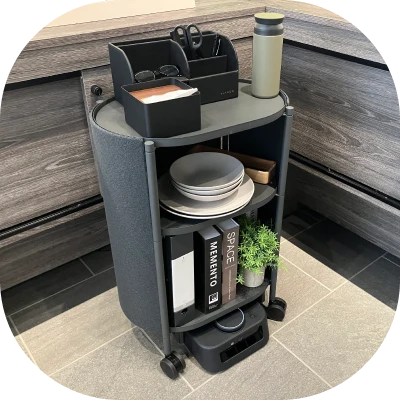
There is also a smart-home angle worth watching. Preferred Robotics and Asahi Kasei Homes announced a model-home project that connects Kachaka with in-home IoT information and a large language model. The examples are not generic "AI butler" claims; they are context triggers such as dinner timing, family makeup, weather, season, and a senior user arriving home. In one scenario, Kachaka brings a towel during rainy weather. In another, it moves a hanger rack for winter outerwear.
That is a more believable future than many humanoid slogans: home context tells a mobile object platform what should be nearby.
Where does Kachaka fall short?
Kachaka's limits are the reason the idea is credible.
It cannot climb normal thresholds. It cannot open doors. It cannot pick up an object that fell on the floor and place it on the shelf. It needs Wi-Fi, a smartphone, compatible furniture, the subscription, and a home layout with enough clear paths. If a family leaves cables across the floor or keeps doors closed, Kachaka's value drops quickly.
The 20 kg towing headline also needs careful reading because it includes the furniture. A loaded three-tier shelf is not a 20 kg payload shelf in the way a warehouse robot advertises payload. Buyers should treat Kachaka as a daily-object and light-furniture mover, not a replacement for carrying heavy boxes.
Availability is the other big limit. The official app listing says sales are only in Japan. That makes Kachaka a strong market signal for ui44 readers, but not a simple recommendation for buyers in the United States or Europe.
How does Kachaka compare with robots in the ui44 database?
The closest comparison is not one robot. It is a spectrum: home patrol robots, cargo followers, mobile manipulators, and humanoids. Kachaka sits in a weird but useful middle: more autonomous than a follow-me cart, less capable than a robot arm, and far more constrained than a humanoid.
Robot / approach
Kachaka smart furniture
- What it moves
- Compatible shelves, carts, bases, and daily objects placed on them; 20 kg towing limit incl. shelf
- Buyer reality check
- Real Japan-market product with pricing and subscription, but flat-floor and Japan-only constraints matter.
Robot / approach
- What it moves
- A modular robot-vacuum platform with up to 8 kg payload for camera, fan, air purifier, or gear
- Buyer reality check
- $699.99+, available; the closest database example of making existing home devices mobile, though it is still vacuum-platform-first.
Robot / approach
- What it moves
- Mostly itself: camera, screen, Alexa, home patrol
- Buyer reality check
- $1,599.99 by invitation; useful for mobile monitoring and Alexa, not for moving objects or furniture.
Robot / approach
- What it moves
- 20 lb / 9.1 kg personal cargo bin while following a person
- Buyer reality check
- $2,875, available; better outdoors or beside a walking owner than as an autonomous furniture mover.
Robot / approach
- What it moves
- 20 kg load capacity and 50 kg traction on a tracked mobile platform
- Buyer reality check
- $4,999, available; stronger outdoor/follow/patrol profile, but not a dedicated smart-furniture platform.
Robot / approach
- What it moves
- Modular attachments such as shelf, table, hook, clip system, backpack, and tool-change modules
- Buyer reality check
- €9,999 preorder; conceptually close to Kachaka's logistics angle, but delivery regions, payload, and final shipping proof remain less transparent.
Robot / approach
- What it moves
- A furniture-first robot lamp that unfolds an arm for soft-material chores
- Buyer reality check
- $1,499 preorder; another non-humanoid bet, but it is about manipulation from a lamp body, not moving storage around the home.
Robot / approach
- What it moves
- Objects through a mobile manipulator; 2.5 kg extended / 4 kg retracted arm payload
- Buyer reality check
- $29,950, available for research/enterprise and assistive pilots; more capable but much more expensive and technical.
Robot / approach
- What it moves
- Small objects with a compact arm; 1.2 kg payload
- Buyer reality check
- Strong historical home-assistance concept, but a research/partner platform rather than a retail home product.
Robot / approach
- What it moves
- Future household chores by a soft humanoid
- Buyer reality check
- $20,000 preorder, 167 cm, 30 kg, about 4-hour battery; promising shape, but public buyer proof for everyday chores is still developing.
Robot / approach
- What it moves
- Mobile dual-arm manipulation; 2-4 kg arm payload depending on posture
- Buyer reality check
- Development-stage mobile-arm platform; exact configuration pricing and consumer home support are not clear enough for ordinary buyers yet.
Robot / approach
- What it moves
- Toys and floor clutter, if the coming product works as described
- Buyer reality check
- A good example of task-specific home robotics: clear the floor before the vacuum, not solve every chore. Still development-stage.
| Robot / approach | What it moves | Buyer reality check |
|---|---|---|
| Kachaka smart furniture | Compatible shelves, carts, bases, and daily objects placed on them; 20 kg towing limit incl. shelf | Real Japan-market product with pricing and subscription, but flat-floor and Japan-only constraints matter. |
| SwitchBot K20+ Pro | A modular robot-vacuum platform with up to 8 kg payload for camera, fan, air purifier, or gear | $699.99+, available; the closest database example of making existing home devices mobile, though it is still vacuum-platform-first. |
| Amazon Astro | Mostly itself: camera, screen, Alexa, home patrol | $1,599.99 by invitation; useful for mobile monitoring and Alexa, not for moving objects or furniture. |
| Grogu gitamini | 20 lb / 9.1 kg personal cargo bin while following a person | $2,875, available; better outdoors or beside a walking owner than as an autonomous furniture mover. |
| Zeroth Robotics W1 | 20 kg load capacity and 50 kg traction on a tracked mobile platform | $4,999, available; stronger outdoor/follow/patrol profile, but not a dedicated smart-furniture platform. |
| NEURA MiPA | Modular attachments such as shelf, table, hook, clip system, backpack, and tool-change modules | €9,999 preorder; conceptually close to Kachaka's logistics angle, but delivery regions, payload, and final shipping proof remain less transparent. |
| Syncere Lume | A furniture-first robot lamp that unfolds an arm for soft-material chores | $1,499 preorder; another non-humanoid bet, but it is about manipulation from a lamp body, not moving storage around the home. |
| Hello Robot Stretch 4 | Objects through a mobile manipulator; 2.5 kg extended / 4 kg retracted arm payload | $29,950, available for research/enterprise and assistive pilots; more capable but much more expensive and technical. |
| Toyota Human Support Robot | Small objects with a compact arm; 1.2 kg payload | Strong historical home-assistance concept, but a research/partner platform rather than a retail home product. |
| 1X NEO | Future household chores by a soft humanoid | $20,000 preorder, 167 cm, 30 kg, about 4-hour battery; promising shape, but public buyer proof for everyday chores is still developing. |
| Unitree R1-A7-D | Mobile dual-arm manipulation; 2-4 kg arm payload depending on posture | Development-stage mobile-arm platform; exact configuration pricing and consumer home support are not clear enough for ordinary buyers yet. |
| Clutterbot Rovie | Toys and floor clutter, if the coming product works as described | A good example of task-specific home robotics: clear the floor before the vacuum, not solve every chore. Still development-stage. |
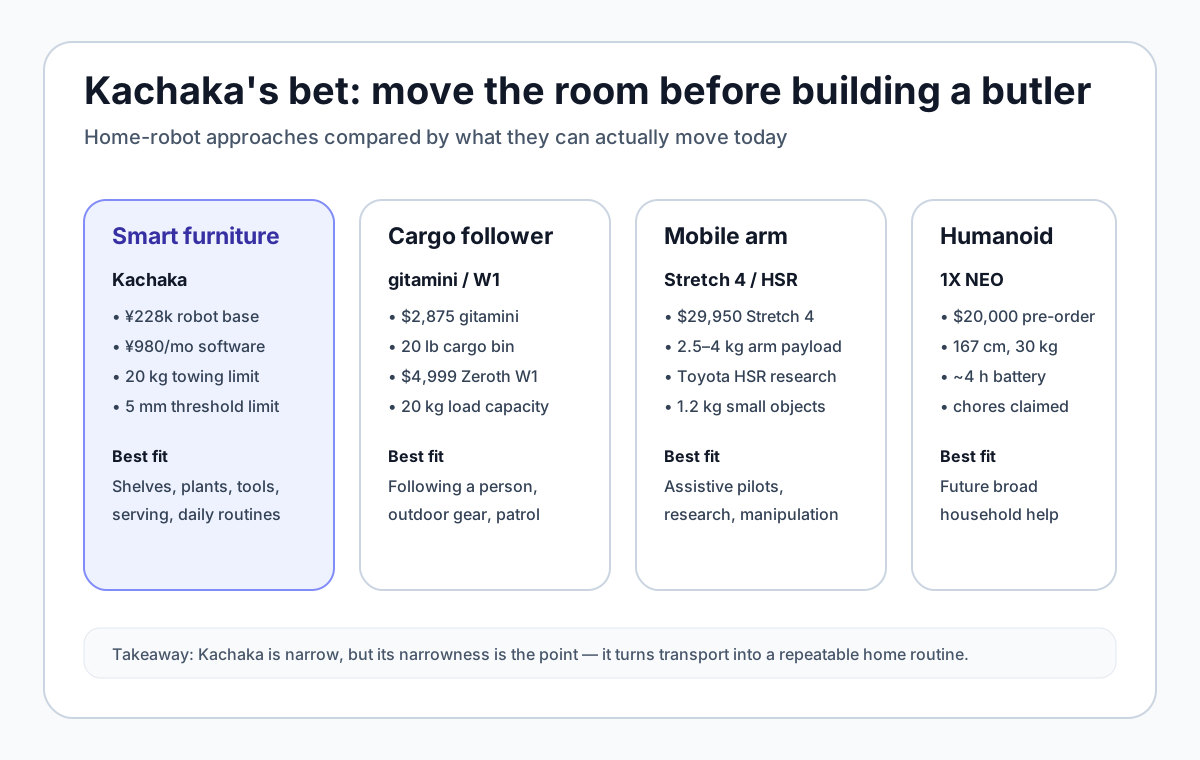
The comparison makes Kachaka look less magical and more interesting. It is not trying to beat Stretch 4 at manipulation or 1X NEO at humanoid ambition. It is trying to own a simpler category: household logistics.
Is smart furniture more useful than a humanoid?
For some households, yes.
If the user wants broad manipulation — opening drawers, grabbing arbitrary objects, loading a dishwasher, folding laundry — Kachaka is not enough. That is where mobile manipulators and humanoids matter. A future home robot with safe hands, reach, balance, and common-sense planning would be more flexible than a furniture mover.
But if the user's real pain is moving known collections of things around a single-floor home, Kachaka's narrow design may win. It turns the home into a set of movable service points. The shelf becomes the "hand." The schedule becomes the routine. The docking mechanism becomes the reliability layer.
That matters because home robots fail when they are asked to understand too much of the unstructured world. A compatible shelf is not glamorous, but it reduces the problem. Instead of recognizing every item on a messy table, Kachaka only needs to know where the compatible furniture is, where it should go, and whether the path is safe.
What should buyers ask before trusting a smart furniture robot?
A smart furniture robot should be judged by layout, routines, and support, not by launch-video charm.
1. What exact furniture will it move?\ Do not buy the robot first and invent uses later. List the shelves, bases, and daily objects that would actually ride on the platform.
2. Can the home handle a 5 mm threshold limit?\ Measure transitions, rugs, door tracks, and uneven floor spots. If the home has normal raised thresholds between rooms, Kachaka's official limit is a serious constraint.
3. Is the subscription acceptable?\ The robot is not just a hardware purchase. The official setup requires the monthly Kachaka subscription for software use and improvements.
4. Does the robot replace a repeated task or just add novelty?\ The strongest use cases are boring: morning bag delivery, study supplies, serving, toy cleanup, medicine staging, and plant movement. If it is only a demo, the shelf will become expensive furniture.
5. What happens when the room changes?\ Chairs move. Bags appear. Cords cross the floor. Doors close. Kachaka's technology stack is designed for home autonomy, but buyers should still think in terms of clear lanes and repeatable routes.
The practical verdict
Kachaka is not a humanoid substitute. It is a different thesis about home robotics: before robots can do every chore with hands, they may make homes more useful by moving furniture, tools, and routines to the right place at the right time.
That is why Kachaka belongs in the smart home robot conversation. It is narrow, Japan-only, subscription-based, and limited by flat-floor constraints. But it is also priced, specific, and tied to real daily workflows. In a market full of humanoid promises, that specificity is refreshing.
If you need patrol and calls, compare Amazon Astro. If you need cargo following, compare Grogu gitamini or Zeroth W1. If you need actual manipulation, start with Hello Robot Stretch 4 and the mobile manipulator category. But if your home problem is that useful things are always in the wrong place, Kachaka's smart furniture idea may be the more honest robot.
Use ui44 Compare to weigh those trade-offs by price, payload, autonomy, availability, and the exact job you want a home robot to do.
Related in the database
Use this article as a buyer workflow
Turn the article into a real verification pass grounded in the robots, manufacturers, categories, components, and countries it actually references.
Kachaka Robot: Is Smart Furniture More Useful? already points you toward 11 linked robots, 11 manufacturers, and 6 countries inside the ui44 database. That matters because strong buyer guidance is easier to apply when you can move immediately from a claim or warning into concrete product pages, manufacturer directories, component explainers, and country-level context instead of treating the article as an isolated opinion piece. The fastest next step is to turn the article into a shortlist workflow: open the linked robot pages, verify which specs are actually published for those models, then compare the surrounding manufacturer and component context before you decide whether the underlying claim changes your buying plan.
For this topic, the useful discipline is to separate the editorial lesson from the catalog evidence. The article gives you the framing, but the robot pages tell you what each product actually ships with today: sensor stack, connectivity methods, listed price, release timing, category, and support-relevant compatibility notes. The manufacturer pages then show whether you are looking at a one-off launch, a broader lineup pattern, or a company that spans multiple categories. That layered workflow reduces the risk of buying on a single marketing phrase or a single support FAQ.
The fastest win is to keep the article’s editorial framing tied to real product pages. That way you can test whether K20+ Pro, Astro, and Grogu™ gitamini still make sense once price, category, release timing, and surrounding manufacturer context are visible in one place. If you want a quick working shortlist, open Compare K20+ Pro, Astro, and Grogu™ gitamini next, then keep this article open as the reasoning layer while you compare structured data side by side.
Practical Takeaway
Every robot, manufacturer, category, component, and country reference below resolves to a real ui44 page, keeping the follow-up path grounded in database records rather than generic advice.
Suggested next steps in ui44
- Open K20+ Pro first so the article’s main point is anchored to a real robot page.
- Use SwitchBot to see the broader company context around the products linked in the article.
- Open the linked component pages when you want to separate a shared technology pattern from a single-brand story.
- Build a working shortlist with Compare K20+ Pro, Astro, and Grogu™ gitamini.
- Keep a short note of what is already verified in the article and what still needs live confirmation from current vendor documentation.
Robot profiles worth opening next
Use the linked product pages as the evidence layer
The linked robot pages are where this article becomes operational. Instead of asking whether the headline is interesting, use the robot entries to inspect the actual mix of sensors, connectivity options, batteries, pricing, release timing, and stated capabilities attached to the products mentioned in the article. That is the easiest way to see whether the warning or opportunity described here affects one product family, a specific design pattern, or an entire buying lane.
K20+ Pro is tracked on ui44 as a available cleaning robot from SwitchBot. The database currently records a listed price of $699, a release date of 2025-06, 3500 mAh battery capacity; runtime not officially disclosed battery life, About 4 hours charging time, and a published stack that includes DToF laser radar, Triple laser obstacle-avoidance sensors, and Cliff/fall-prevention sensors plus Wi-Fi (2.4GHz / 5GHz) and Bluetooth.
For general buyer research, this route gives you the concrete profile that the article alone cannot. Compare the published capabilities of Robot Vacuum Cleaning, FusionPlatform Modular System (ClawLock attachment), and Smart Delivery (up to 8 kg payload) with the linked alternatives so the final decision is based on actual product fit, not just the framing of the article.
Astro is tracked on ui44 as a active security & patrol robot from Amazon. The database currently records a listed price of $1,599, a release date of 2021, Not officially disclosed battery life, Not officially disclosed charging time, and a published stack that includes 5MP Bezel Camera, 1080p Periscope Camera (132° FOV), and Infrared Vision plus Wi-Fi 802.11ac and Bluetooth.
For general buyer research, this route gives you the concrete profile that the article alone cannot. Compare the published capabilities of Autonomous Home Patrol, Visual ID (face recognition), and Remote Home Monitoring with the linked alternatives so the final decision is based on actual product fit, not just the framing of the article.
Grogu™ gitamini
Piaggio Fast Forward · Home Assistants · Available
Grogu™ gitamini is tracked on ui44 as a available home assistants robot from Piaggio Fast Forward. The database currently records a listed price of $2,875, a release date of 2026-05-14, Approx. 7 hours / 19–22 miles of continuous travel battery life, Under 2 hours charging time, and a published stack that includes Cameras, Leader-identification sensors, and Obstacle-avoidance sensors plus Wi-Fi 2.4/5 GHz and Bluetooth Class 1.
For general buyer research, this route gives you the concrete profile that the article alone cannot. Compare the published capabilities of Autonomous Leader Following, 20 lb Personal Cargo Carrying, and Obstacle Avoidance with the linked alternatives so the final decision is based on actual product fit, not just the framing of the article.
W1
Zeroth Robotics · Home Assistants · Available
W1 is tracked on ui44 as a available home assistants robot from Zeroth Robotics. The database currently records a listed price of $7,999, a release date of 2026-01, Up to 25 hours standby battery life, 4 hours charging time, and a published stack that includes LiDAR, 13MP RGB camera (shooting), and 2MP RGB camera (monitoring) plus Dual-band Wi-Fi 6 and Bluetooth 5.2.
For general buyer research, this route gives you the concrete profile that the article alone cannot. Compare the published capabilities of Autonomous following, Item transport, and Outdoor terrain navigation with the linked alternatives so the final decision is based on actual product fit, not just the framing of the article.
MiPA
NEURA Robotics · Home Assistants · Pre-order
MiPA is tracked on ui44 as a pre-order home assistants robot from NEURA Robotics. The database currently records a listed price of €9,999, a release date of 2025, 2-8 hours motion endurance (official datasheet) battery life, Automatic recharging capability; charging time not officially disclosed charging time, and a published stack that includes SLAM-based mapping, LiDAR, and 360° perception plus Wi-Fi and Bluetooth.
For general buyer research, this route gives you the concrete profile that the article alone cannot. Compare the published capabilities of 16 Degrees of Freedom (base robot, without end-effectors), Autonomous Mobility, and SLAM Mapping and Path Planning with the linked alternatives so the final decision is based on actual product fit, not just the framing of the article.
Manufacturer context behind the article
Check whether this is one product story or a broader company pattern
Manufacturer pages add the market context that individual product pages cannot show on their own. They help you check whether the article is centered on a brand with a deep lineup, whether that brand spans several categories, and how much of its ui44 footprint depends on one flagship model versus a broader product strategy.
SwitchBot
ui44 currently tracks 3 robots from SwitchBot across 3 categorys. The company is grouped under USA, and the current catalog footprint on ui44 includes K20+ Pro, onero H1, KATA Friends.
That wider brand context matters because the best buying decision usually depends on lineup depth and adjacent options, not just the one model featured most prominently in the article. The category mix here currently points toward Cleaning, Home Assistants, Companions as the most useful next route if you want to see whether this article reflects a wider pattern inside the brand.
Amazon
ui44 currently tracks 1 robot from Amazon across 1 category. The company is grouped under USA, and the current catalog footprint on ui44 includes Astro.
That wider brand context matters because the best buying decision usually depends on lineup depth and adjacent options, not just the one model featured most prominently in the article. The category mix here currently points toward Security & Patrol as the most useful next route if you want to see whether this article reflects a wider pattern inside the brand.
Piaggio Fast Forward
ui44 currently tracks 1 robot from Piaggio Fast Forward across 1 category. The company is grouped under USA, and the current catalog footprint on ui44 includes Grogu™ gitamini.
That wider brand context matters because the best buying decision usually depends on lineup depth and adjacent options, not just the one model featured most prominently in the article. The category mix here currently points toward Home Assistants as the most useful next route if you want to see whether this article reflects a wider pattern inside the brand.
Zeroth Robotics
ui44 currently tracks 3 robots from Zeroth Robotics across 3 categorys. The company is grouped under China, and the current catalog footprint on ui44 includes W1, M1, Jupiter.
That wider brand context matters because the best buying decision usually depends on lineup depth and adjacent options, not just the one model featured most prominently in the article. The category mix here currently points toward Home Assistants, Companions, Humanoid as the most useful next route if you want to see whether this article reflects a wider pattern inside the brand.
Broaden the scan without leaving the database
Categories, components, and countries add the wider context
Category framing
Category pages are useful when the article touches a buying pattern that shows up across brands. A category route helps you confirm whether the linked products sit in a narrow niche or whether the same question should be tested across a larger field of alternatives.
Cleaning
The Cleaning category page currently groups 62 tracked robots from 27 manufacturers. ui44 describes this lane as: Robot vacuums, mops, pool cleaners, and window cleaners — the workhorses of home automation that keep every surface spotless.
That makes the category route a practical follow-up when you want to check whether the products linked in this article are typical for the lane or whether they sit at one edge of the market. Useful starting examples currently include Scuba V3, EcoSurfer S2, Scuba V3 Ultra.
Security & Patrol
The Security & Patrol category page currently groups 5 tracked robots from 5 manufacturers. ui44 describes this lane as: Autonomous surveillance and patrol robots that monitor homes, businesses, and perimeters — keeping watch without an operator on site.
That makes the category route a practical follow-up when you want to check whether the products linked in this article are typical for the lane or whether they sit at one edge of the market. Useful starting examples currently include Astro, Vision 60, K7 Autonomous Security Robot.
Country and ecosystem context
Country pages give extra context when support practices, launch sequencing, regulatory posture, or manufacturer mix matter. They are not a substitute for model-level verification, but they do help you see which ecosystems cluster together and which manufacturers sit in the same regional field when you broaden the search beyond the article headline.
USA
The USA route currently groups 89 tracked robots from 69 manufacturers in ui44. That gives you a useful regional lens when the article points toward support practices, launch sequencing, or brand clusters that may share similar ecosystem assumptions.
On the current route, manufacturers like Faraday Future, iRobot, Boston Dynamics make the page a good way to broaden the scan without losing the regional context that often shapes availability, documentation style, and adjacent alternatives.
China
The China route currently groups 189 tracked robots from 87 manufacturers in ui44. That gives you a useful regional lens when the article points toward support practices, launch sequencing, or brand clusters that may share similar ecosystem assumptions.
On the current route, manufacturers like AGIBOT, Dreame, Unitree Robotics make the page a good way to broaden the scan without losing the regional context that often shapes availability, documentation style, and adjacent alternatives.
Germany
The Germany route currently groups 13 tracked robots from 9 manufacturers in ui44. That gives you a useful regional lens when the article points toward support practices, launch sequencing, or brand clusters that may share similar ecosystem assumptions.
On the current route, manufacturers like NEURA Robotics, Bosch, Agile Robots make the page a good way to broaden the scan without losing the regional context that often shapes availability, documentation style, and adjacent alternatives.
Questions to answer before you move from reading to buying
A follow-up FAQ built from the entities already linked in this article
Frequently Asked Questions
Which page should I open first after reading “Kachaka Robot: Is Smart Furniture More Useful?”?
Start with K20+ Pro. That gives you a concrete product anchor for the article’s main claim. From there, branch into the manufacturer and component pages so you can tell whether the article is describing one specific model, a repeated brand pattern, or a wider technology issue that affects multiple shortlist options.
How do the manufacturer pages change the buying decision?
SwitchBot help you zoom out from one article and one product. On ui44 they show lineup breadth, category spread, and the neighboring robots tied to the same company. That context is useful when you are deciding whether a risk belongs to a single model, whether it shows up across a brand’s portfolio, and whether you should keep looking at alternatives before committing.
When should I switch from reading to side-by-side comparison?
Move into Compare K20+ Pro, Astro, and Grogu™ gitamini as soon as you understand the article’s main warning or promise. The article explains what to watch for, but the compare view is where you can check whether price, status, battery life, connectivity, sensors, and category fit still make the robot a good match for your own home and budget.
Where to go next in ui44
Keep the research chain inside the database
If you want to keep going, these follow-on pages give you the cleanest expansion path from article to research session. Open the comparison route first if you are deciding between products today. Open the manufacturer, category, and component routes if you still need to understand the broader pattern behind the claim.
Written by
ui44 Team
Published May 25, 2026
Share this article
Open a plain share link on X or Bluesky. No embeds, no widgets, no cookie baggage.