Category intelligence brief

Security & Patrol robots, scoped for fast market reading.

Surveillance and patrol robots that monitor homes, businesses, and perimeters autonomously. This route is designed to move from fast inventory scan to deeper technical and buyer guidance without turning the page into a wall of undifferentiated content.

2
Tracked robots

Current security & patrol coverage in ui44.

2
Market ready

0 still sit in pre-release or inactive states.

2
Manufacturers

Enough supplier breadth to spot concentration quickly.

1/2
Price coverage

Visible range runs $1.6k to $1.6k.

Market shape

Where this category concentrates right now.

Latest verification
Mar 29, 2026
Recently checked
2 of 2 in the last 120 days

How to use this route

Start with the live inventory to see the shape of the field before reading long-form guidance.
Use the spec and pricing chapters to separate real shortlist candidates from broad category noise.
Jump into compare only after this page gives you a stable set of realistic contenders.

Route map

Jump straight to the part of the security & patrol brief you need.

Inventory

All Security & Patrol robots in one scan-first grid.

This is the fastest way to understand catalog breadth before you read the deeper buyer, technical, and market context chapters below.

All Security & Patrol Robots

Browse the full security & patrol inventory currently tracked in ui44.

2
Currently active

The strongest signal for real-world shortlist work.

1
With visible pricing

Useful when the first pass needs fast budget framing.

2
Supplier count

A quick read on concentration versus competitive spread.

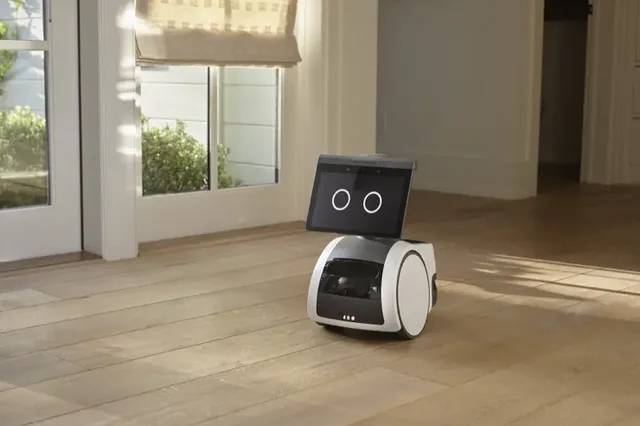
Astro by Amazon — Security & Patrol robot
Active
Security & Patrol
Amazon

Astro

Amazon Astro is a wheeled home robot designed for home security monitoring, remote care of elderly relatives, and as a mobile virtual assistant. Built around…

Not officially…9.35kg (20.6 lbs)
$1,599 $1,599.99 (by invitation only) View
Vision 60 by Ghost Robotics — Security & Patrol robot
Active
Security & Patrol
Ghost Robotics

Vision 60

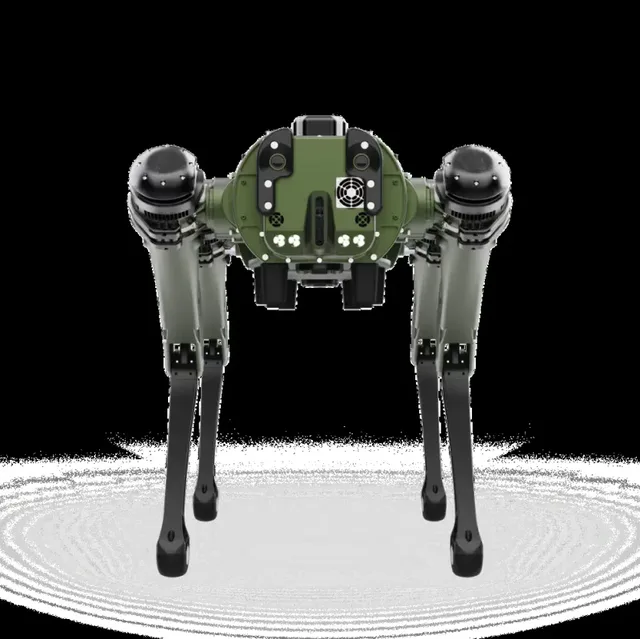
Ghost Robotics' Vision 60 is the world's most adaptable Quadrupedal Unmanned Ground Vehicle (Q-UGV), built for defense, public safety, and commercial…

Continuous: 2–4 hrs |…Tare: 38kg (84 lbs) |…
Price TBA View

Buyer guide

Security & Patrol buyer brief and category fit guidance.

Use this chapter to orient the page, calibrate expectations, and pressure-test whether the category really matches the workload you have in mind.

What Are Security & Patrol Robots?

Security and patrol robots autonomously monitor and protect homes, businesses, and perimeters. These robots combine mobility (wheeled, tracked, or legged) with surveillance sensors (cameras, thermal imaging, microphones, motion detectors) to provide continuous monitoring without human fatigue or attention lapses.

Unlike static security cameras, patrol robots can investigate anomalies, change routes dynamically, and provide real-time video from any location on a property. Companies like Aeolus Robotics and Knightscope have deployed robots in shopping malls, parking lots, corporate campuses, and residential communities.

The category ranges from small indoor security bots that complement existing camera systems to large outdoor autonomous vehicles designed for perimeter patrol in all weather conditions. The key advantage over traditional security systems is adaptability: a patrol robot can respond to alerts by moving to the scene, providing live video and environmental data to human operators making decisions remotely.

Top Manufacturers

Security & Patrol Robot Buyer's Guide

Security robots are evaluated differently from other home robotics categories because their value proposition is risk reduction. Start with your security threat model: what are you protecting, from whom, and what's the response protocol? Indoor security robots are typically smaller, quieter, and focus on anomaly detection (unusual sounds, motion during off-hours, environmental hazards like smoke or water leaks).

Key Questions to Ask

  • Start with your security threat model: what are you protecting, from whom, and what's the response protocol?
  • Security robots are evaluated differently from other home robotics categories because their value proposition is risk reduction
  • Integration with existing security infrastructure is critical — look for robots that feed into your existing CCTV/NVR system, security monitoring…
  • Consider the robot's deterrent value too: visible patrol robots are proven to reduce trespassing and vandalism

Outdoor patrol robots need weather resistance (IP65+), night vision, extended battery life, and the ability to handle varied terrain. Integration with existing security infrastructure is critical — look for robots that feed into your existing CCTV/NVR system, security monitoring service, or smart home platform.

Consider the robot's deterrent value too: visible patrol robots are proven to reduce trespassing and vandalism. Before purchasing, conduct a thorough site assessment to determine optimal patrol routes, charging station placement, and connectivity coverage across the property.

How to Choose a Security & Patrol Robot

Match the robot to your environment. For residential indoor monitoring, a compact robot with camera, environmental sensors, and smart home integration provides peace of mind for travelers and remote monitoring of elderly family members.

Decision Framework

1

Match the robot to your environment

2

For residential indoor monitoring, a compact robot with camera, environmental sensors, and smart home integration provides peace of mind for travelers and remote monitoring of…

3

For commercial properties, evaluate coverage area (how much ground can the robot cover per patrol cycle?), battery life and autonomous charging (24/7 operation requires reliable…

4

For outdoor perimeter security, prioritize weather rating, night vision quality, terrain capability, and cellular connectivity (for areas without Wi-Fi)

5

Consider starting with a pilot deployment in a limited zone before committing to full-site coverage, as real-world performance in your specific environment is the best evaluation…

Practical tip: All security robots should have encrypted communications — unencrypted video feeds are a liability, not an asset. Consider starting with a pilot deployment in a limited zone before committing to full-site coverage, as real-world performance in your specific environment is the best evaluation criteria.

Specs and pricing

Technical comparisons, use-case framing, and cost range context.

These sections help separate the robots that merely sit in the category from the ones that genuinely fit a deployment or buying brief.

Key Specifications to Compare

When evaluating security & patrol robots, these are the specifications that matter most for real-world performance and value:

Camera quality and field of view

resolution, night vision, 360° coverage

Battery life and autonomous recharging capability

IP/weather rating

essential for outdoor deployment

Detection capabilities

motion, sound, thermal, environmental

Communication

encrypted video streaming, cellular backup

Integration with security platforms and CCTV systems

Common Use Cases for Security & Patrol Robots

The security & patrol category serves a variety of applications, from consumer households to industrial deployments:

Commercial property perimeter patrol

Retail store and shopping center monitoring

Residential home monitoring while away

Warehouse and facility overnight security

Construction site theft and vandalism prevention

Environmental hazard detection (fire, flood, gas)

Price Range Overview

Security & Patrol robots with published pricing range from $1.6k to $1.6k. 1 model in this category does not have publicly listed pricing. Below is a breakdown by price tier to help you understand what's available at different budget levels.

$1,000 – $5,000

1 model
Astro
$1.6k Active

Security & Patrol Robot Specifications Comparison

Compare key specifications across all 2 security & patrol robots in the database. All data is sourced from manufacturer disclosures and verified against official documentation.

Robot Price Status
Astro $1.6k Active
Vision 60 Active

Manufacturer landscape

Company concentration, technology posture, and category structure.

Once the inventory looks promising, this is where you figure out whether the category is broad and competitive or concentrated around a smaller set of serious builders.

Manufacturers in Security & Patrol

2 companies are building security & patrol robots tracked in the ui44 database. Here's how the product landscape breaks down by manufacturer.

View all robotics companies in our manufacturers directory.

Technology Landscape

A comprehensive look at the sensors, connectivity, capabilities, and AI platforms used across all 2 security & patrol robots in the database.

Key Capabilities

Autonomous Home Patrol 50%
Visual ID (face recognition) 50%
Remote Home Monitoring 50%
Video Calling 50%
Alexa Voice Assistant 50%
Ring Security Integration 50%
Room-to-Room Navigation 50%
Unrecognized Person Alerts 50%
Entertainment (music, video, smart home control) 50%
Autonomous Navigation (GPS & GPS-denied) 50%

Connectivity Standards

AI Platforms

Qualcomm QCS605 (x2) + Qualcomm SDA660 + Amazon AZ1 Neural Edge NVIDIA Xavier 32GB + 2TB NVMe SSD, perception-aided autonomy

Operations

Safety, maintenance, and implementation readiness.

This chapter keeps the route useful after the first visual scan, when the real questions become ownership, rollout friction, and operational constraints.

Safety & Regulation for Security & Patrol Robots

Security robots operate in a unique regulatory space at the intersection of robotics, surveillance, and private security law. The robots themselves present relatively low physical safety risks — most are wheeled platforms moving at walking speed (3–8 km/h) with comprehensive obstacle detection and automatic stopping.

Physical Safety

Modern robots implement multiple safety layers including force limiting, collision detection, and emergency stops.

Standards & Certifications

Look for ISO, CE, FCC, and category-specific certifications that validate safety compliance.

Privacy & Cybersecurity

Connected robots with cameras and microphones require careful evaluation of data handling and security practices.

However, the surveillance capabilities raise significant privacy and legal considerations. In the EU, GDPR strictly regulates video surveillance and data collection by autonomous systems, requiring clear signage, data protection impact assessments, and defined retention periods.

Privacy Matters

In the US, regulations vary by state — some states restrict audio recording without consent, which affects robots with microphone-based detection. Private security licensing laws may apply to robot operators depending on jurisdiction, even when the robot operates autonomously.

Maintenance & Ownership Costs

Security robots are designed for continuous or near-continuous operation, making reliability and maintenance predictability essential. Indoor security robots typically operate 20–24 hours per day with autonomous charging cycles, while outdoor patrol robots may run scheduled shifts with longer charging periods.

Regular Upkeep

Most robots need periodic cleaning, software updates, and consumable replacements to maintain peak performance.

Ongoing Costs

Factor in consumables, subscriptions, battery replacements, and potential maintenance contracts when budgeting.

Expected Lifespan

A well-maintained robot's lifespan varies by category — from 4–7 years for cleaning robots to 8–12 years for mowers.

2–3 yr

Battery lifespan

Key maintenance items include: camera and sensor cleaning (weekly for outdoor units, monthly for indoor), wheel and motor inspection (quarterly), battery health monitoring (replacement every 2–3 years for heavy-use units), and software updates (typically monthly). Enterprise-grade security robots like those from Knightscope operate on robot-as-a-service (RaaS) models, where the manufacturer handles all maintenance for a monthly fee ($5,000–$10,000/month), which includes hardware, software, monitoring, and repairs.

Cost-Saving Tip

For purchased units, annual maintenance contracts typically run 12–18% of the purchase price. The total cost of deploying a security robot should be compared against the fully loaded cost of human security guards ($40,000–$60,000+ annually per guard), factoring in that robots don't take breaks, don't get sick, and can operate in conditions humans find uncomfortable.

Getting Started with Security & Patrol Robots

If you are new to security & patrol robots, here is a step-by-step approach to finding the right model for your needs. This guide applies whether you are buying your first robot or upgrading from an earlier model.

Planning phase

1

Define your security needs: indoor monitoring while away, outdoor perimeter patrol, commercial property surveillance, or environmental hazard detection.

2

Evaluate integration with your existing security infrastructure: CCTV/NVR systems, alarm systems, and monitoring services.

3

Check weather and terrain ratings: outdoor patrol robots need IP65+ weather resistance and the ability to handle your property's surfaces and slopes.

Execution phase

4

Verify night vision and camera quality — security robots must perform reliably in low light and darkness, not just daylight conditions.

5

Ensure encrypted communications: video feeds and sensor data must be protected in transit to prevent security vulnerabilities.

6

Calculate ROI against alternatives: compare the robot's total cost of ownership with human security services, additional cameras, or enhanced alarm systems.

Use ui44's comparison tool and individual robot detail pages to evaluate the 2 security & patrol robots in the database.

Outlook

History, market trajectory, and future pressure points.

The goal here is not trend theater. It is to show whether the category is stabilizing, accelerating, or still too early for confident buyer decisions.

History & Evolution of Security & Patrol Robots

Automated security has a long history, from medieval castle alarm systems to modern CCTV networks, but mobile security robots are a relatively recent development. The modern era began with iRobot's PackBot (2001), originally a military reconnaissance robot adapted for bomb disposal and building inspection by law enforcement.

Evolution Timeline

In the commercial space, Knightscope launched in 2013 with the K5, a distinctive cone-shaped outdoor patrol robot that attracted attention (and some mockery) while patrolling shopping malls and parking lots. Despite early skepticism, Knightscope demonstrated that autonomous patrol robots could detect anomalies, deter trespassing, and supplement human security teams.

The late 2010s saw international growth: Cobalt Robotics (now part of Assembly) introduced sophisticated indoor security robots with human-in-the-loop monitoring, while Asian companies developed patrol robots for airports, train stations, and public spaces. The COVID-19 pandemic accelerated adoption, as robots could perform temperature screening and mask detection without risking human guards.

Today's security robots integrate advanced AI for behavioral analysis (distinguishing normal activity from suspicious behavior), license plate recognition, thermal imaging, and environmental monitoring (smoke, gas, water leaks). The market is moving toward integrated security ecosystems where ground-based robots coordinate with fixed cameras, drones, and human operators through unified management platforms.

The residential segment is emerging, with smaller, more affordable patrol robots targeting the smart home security market as a complement to existing camera and alarm systems.

Security & Patrol Robots vs. Traditional Alternatives

Security robots compete with three established alternatives: human security guards, fixed CCTV camera systems, and alarm/sensor-based security systems. Against human security guards — the traditional gold standard — security robots offer significant cost advantages for routine patrol tasks. A single security guard costs $40,000–$70,000+ annually (salary, benefits, training, insurance), works 8-hour shifts requiring 3+ guards for 24/7 coverage, and is subject to human limitations: fatigue, attention lapses, bathroom breaks, weather discomfort, and the inherent inconsistency of human vigilance over monotonous patrol routes.

A security robot operates 20+ hours per day (with autonomous charging), follows patrol routes with perfect consistency, never gets tired or distracted, and costs $5,000–$10,000 per month on RaaS models or $50,000–$150,000 as a one-time purchase with $5,000–$15,000 annual maintenance. For large properties requiring multiple guards, the cost savings compound dramatically. However, human guards bring irreplaceable capabilities: judgment in ambiguous situations, physical intervention (detaining trespassers, providing first aid), customer service interactions, and the psychological deterrent of an authoritative human presence.

The Bottom Line

The optimal approach combines both: fixed cameras for constant coverage of high-priority areas plus a patrol robot for dynamic response and coverage of areas where fixed cameras are impractical. Against sensor-based alarm systems, security robots add visual confirmation and environmental monitoring that alarm sensors cannot provide — reducing false alarm rates (a major cost for monitored alarm services) and providing actionable video during genuine incidents.

The security robot market is growing rapidly as labor costs for human security guards increase and AI-powered detection becomes more reliable. Computer vision models can now distinguish between routine events (a cat, a delivery driver) and genuine security concerns (forced entry, loitering, trespassing) with high accuracy.

AI-powered detection Edge AI Computer vision

Industry Trends

Integration with drone systems is an emerging trend — some security platforms combine ground-based patrol robots with overhead drones for comprehensive coverage. Edge AI processing is reducing reliance on cloud connectivity, enabling real-time threat assessment even without internet access.

The residential segment is nascent but growing, with simpler, affordable patrol robots targeting the smart home security market.

Future Outlook for Security & Patrol Robots

Security and patrol robotics is one of the fastest-growing segments of commercial robotics, driven by rising security costs, labor shortages in the guard industry, and AI improvements that make autonomous patrol genuinely reliable. Several trends will define the next three to five years.

$8–12B

Market by 2030

<$2,000

Target price point

2030

Key milestone year

Second, AI-powered behavioral analysis is becoming the primary value driver: rather than just recording video, security robots are increasingly capable of real-time behavioral analysis — identifying loitering, recognizing aggressive body language, detecting vehicles driving in unusual patterns, and distinguishing between authorized personnel and intruders based on behavior rather than just credentials

Key Uncertainty

Fifth, regulations are crystallizing: several US states and EU jurisdictions have introduced or are developing specific regulations for autonomous security robots in public and semi-public spaces, creating clearer frameworks for commercial deployment. The security robot market is projected to reach $8–$12 billion by 2030, with commercial property patrol and integrated security platforms driving the majority of revenue.

FAQ and routes

Decision support, trust notes, and adjacent pages worth opening next.

Finish here when you need practical next steps rather than more category theory.

Frequently Asked Questions About Security & Patrol Robots

General

What are security & patrol robots?

Surveillance and patrol robots that monitor homes, businesses, and perimeters autonomously. The ui44 database currently tracks 2 robots in this category from 2 manufacturers.

How many security & patrol robots are in the ui44 database?

ui44 currently tracks 2 security & patrol robots from 2 different manufacturers including Amazon, Ghost Robotics. Browse the full robot directory to see all categories.

What can security & patrol robots do?

Across the 2 robots in this category, 21 distinct capabilities are represented, including: Autonomous Home Patrol, Visual ID (face recognition), Remote Home Monitoring, Video Calling, Alexa Voice Assistant, Ring Security Integration, Room-to-Room Navigation, Unrecognized Person Alerts, and 13 more. The specific capability set varies by model, price point, and intended application — visit individual robot pages for detailed capability breakdowns.

Which companies make security & patrol robots?

2 companies make security & patrol robots tracked in the ui44 database: Amazon, Ghost Robotics. Explore all robotics companies on the manufacturers page.

How up-to-date is the security & patrol robot data?

All robot data on ui44 is periodically verified against manufacturer sources, spec sheets, and press releases. The most recent verification for a robot in the Security & Patrol category was on 2026-03-29. Each robot page includes a "last verified" date for transparency. If you notice outdated information, please let us know.

Are security & patrol robots safe to use around people?

Security robots operate in a unique regulatory space at the intersection of robotics, surveillance, and private security law. The robots themselves present relatively low physical safety risks — most are wheeled platforms moving at walking speed (3–8 km/h) with comprehensive obstacle detection and automatic stopping. However, the surveillance capabilities raise significant privacy and legal… Read the full safety & regulation section for detailed information on certifications, standards, and precautions for security & patrol robots.

How have security & patrol robots evolved over the years?

Automated security has a long history, from medieval castle alarm systems to modern CCTV networks, but mobile security robots are a relatively recent development. The modern era began with iRobot's PackBot (2001), originally a military reconnaissance robot adapted for bomb disposal and building inspection by law enforcement. In the commercial space, Knightscope launched in 2013 with the K5, a… Read the full history & evolution section for a detailed timeline of security & patrol robot development.

Cost & Maintenance

How much do security & patrol robots cost?

Security & Patrol robots with published pricing range from $1.6k to $1.6k. 1 model in this category does not list public pricing. See the price range overview for a detailed breakdown by budget tier.

What does it cost to maintain a security & patrol robot?

Security robots are designed for continuous or near-continuous operation, making reliability and maintenance predictability essential. Indoor security robots typically operate 20–24 hours per day with autonomous charging cycles, while outdoor patrol robots may run scheduled shifts with longer charging periods. Key maintenance items include: camera and sensor cleaning (weekly for outdoor units,… See the full maintenance & ownership section for a complete breakdown of ongoing costs, consumables, and expected lifespan for security & patrol robots.

Technical

What sensors are commonly used in security & patrol robots?

Security & Patrol robots in the database use 10 types of sensors. The most common include 5MP Bezel Camera, 1080p Periscope Camera (132° FOV), Infrared Vision, Ultrasonic Sensors (front + rear), Laser Ground Sensor, Infrared Ground Sensor, and 4 more. See the technology landscape section for a complete breakdown, or browse the components directory.

What connectivity options do security & patrol robots support?

Security & Patrol robots in the database support 6 types of connectivity. The most common include Wi-Fi 802.11ac, Bluetooth, USB-C, Wi-Fi 2.4/5.8 GHz, 4G/LTE, GigE Switch. Connectivity determines how the robot communicates with your network, cloud services, companion apps, and other smart devices. Visit the components directory for detailed information on each protocol.

Do security & patrol robots work with voice assistants?

Some security & patrol robots integrate with voice assistant platforms including Amazon Alexa. Voice integration enables hands-free control, status updates, and interaction with your broader smart home ecosystem. Not all models support voice assistants — check individual robot pages for specific compatibility details.

Buying & Getting Started

Which security & patrol robots can I buy right now?

2 security & patrol robots are currently available or actively deployed: Astro by Amazon, Vision 60 by Ghost Robotics. Visit each robot's page for the latest purchasing details and availability.

How do I compare security & patrol robots on ui44?

ui44 offers a side-by-side comparison tool that lets you compare up to 4 security & patrol robots at once. Compare specs like battery life, weight, sensors, price, and capabilities across models including Astro, Vision 60. You can also check the specifications comparison table above for a quick overview of all models.

How do I get started choosing a security & patrol robot?

Start by defining your specific requirements and budget. The getting started guide above walks through 6 key steps: Define your security needs: indoor monitoring while away, outdoor perimeter…; Evaluate integration with your existing security infrastructure: CCTV/NVR…; Check weather and terrain ratings: outdoor patrol robots need IP65+ weather…. Use ui44's comparison tool and the specs comparison table to narrow down your shortlist.

Data Integrity

All security & patrol robot data on ui44 is verified against official manufacturer sources, spec sheets, and press releases. Most recent verification: 2026-03-29. If you notice outdated or incorrect data, please let us know — accuracy is our top priority.

Source: ui44 Home Robot Database · 2 models tracked in Security & Patrol · Browse all robots · All categories

Next move

Turn this category read into a real shortlist.

You now have the inventory view, the buyer guidance, and the spec context. The cleanest next step is to compare a small set of candidates, then validate the strongest manufacturers in detail.

2
Tracked robots
2
Manufacturers
Ready
Compare workflow