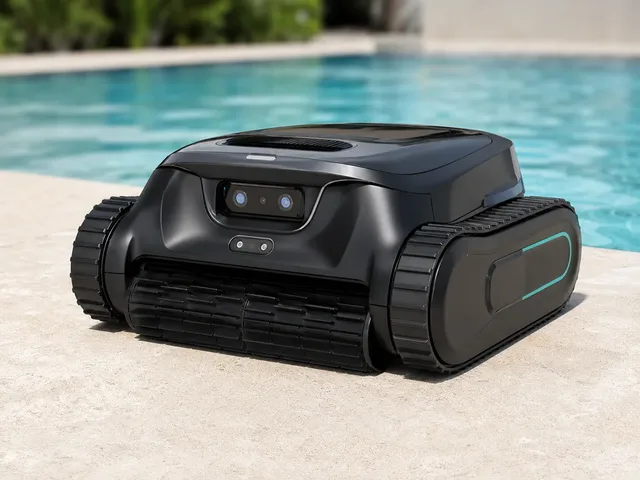
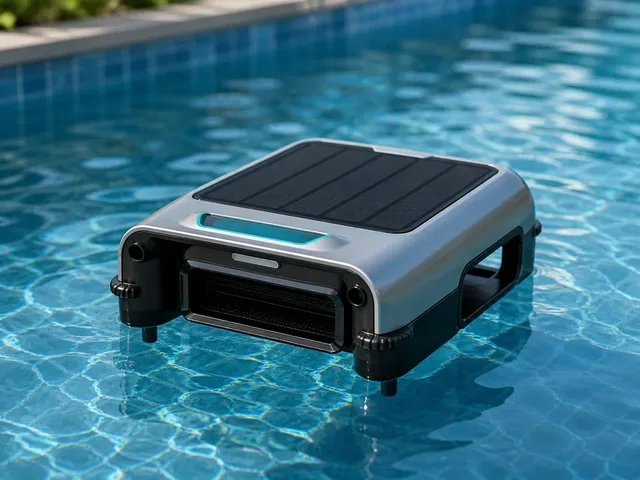
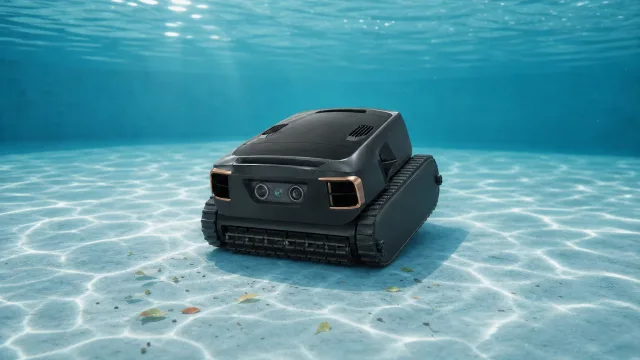
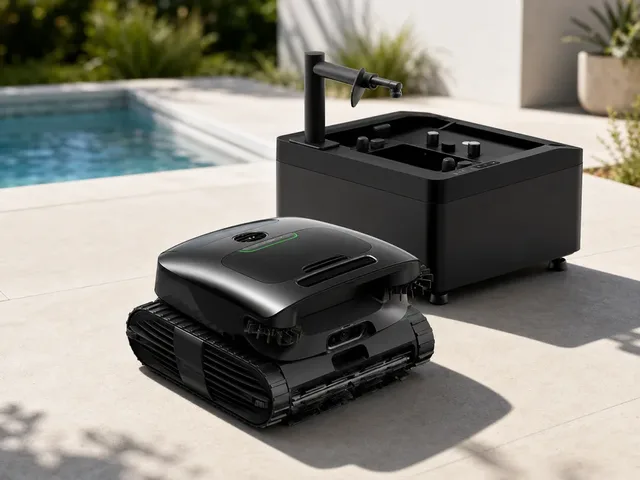
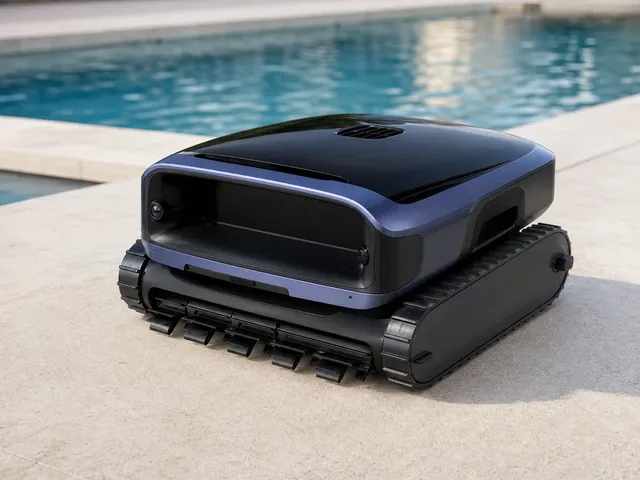
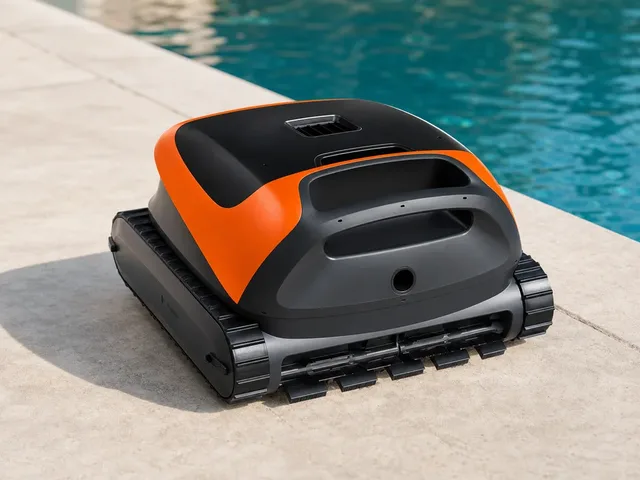
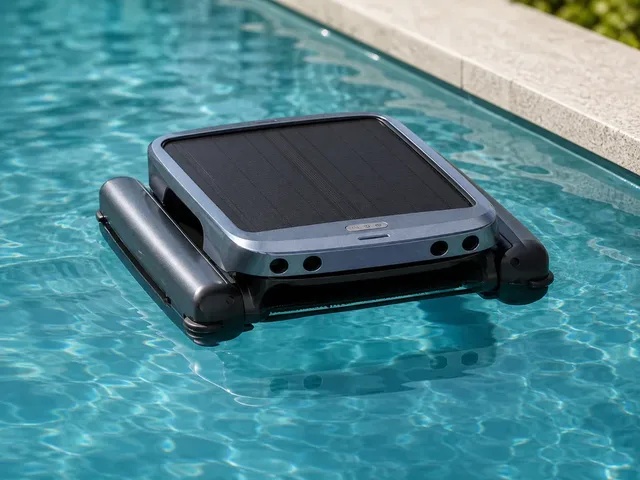
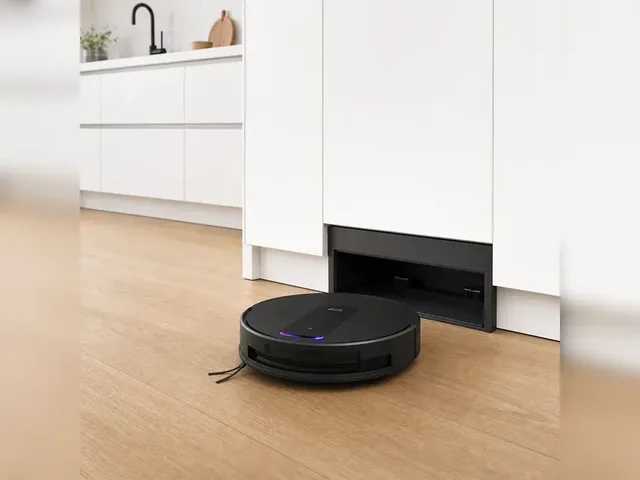
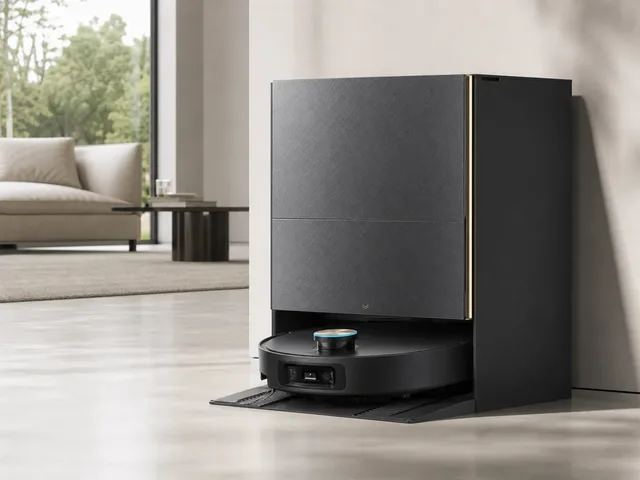
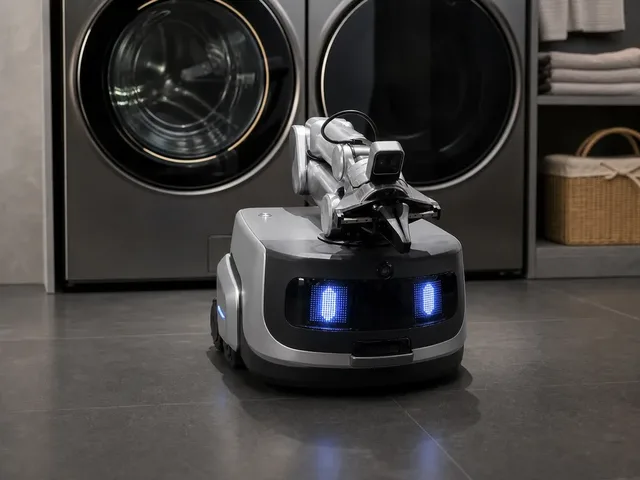
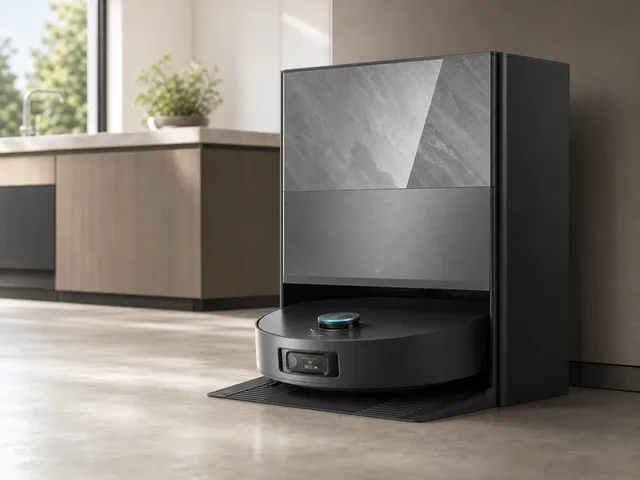
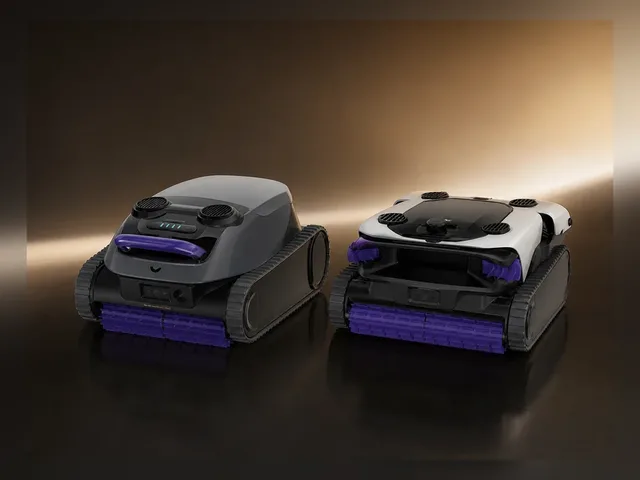
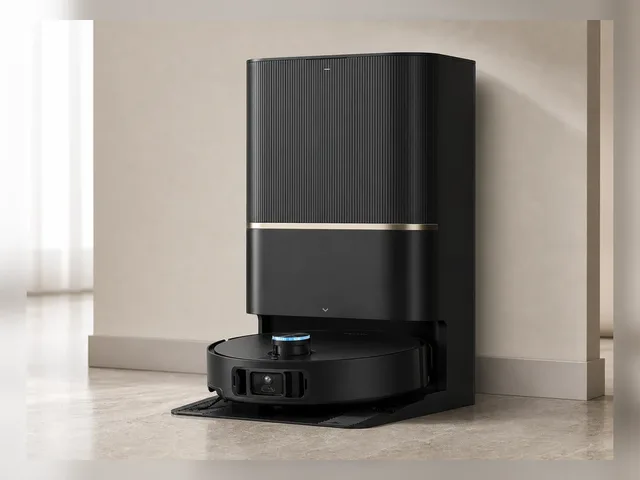
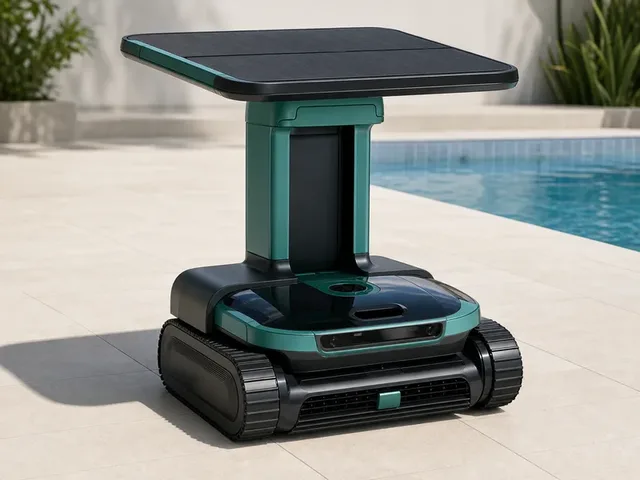
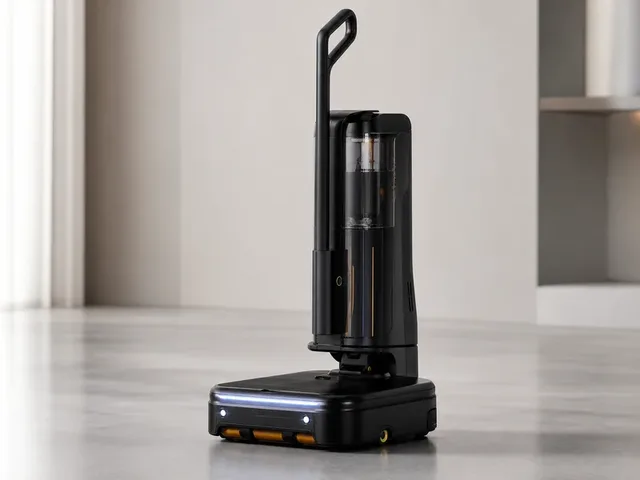
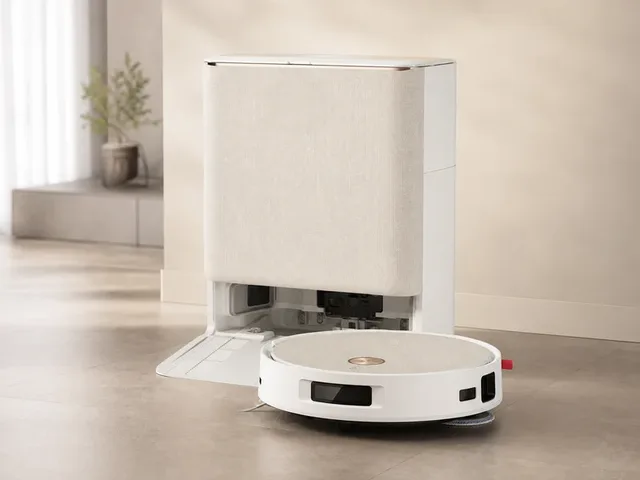
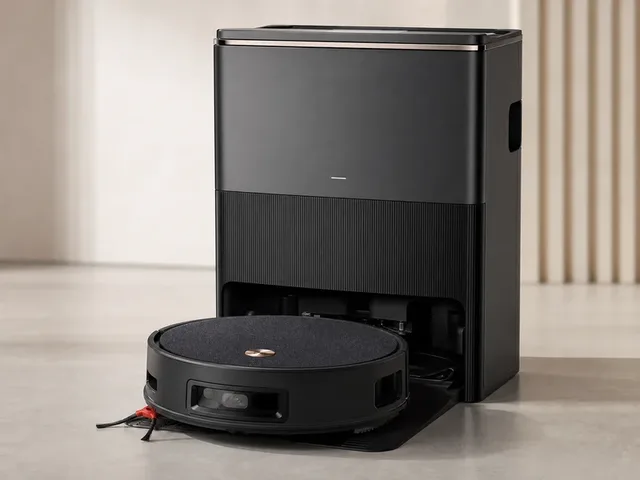
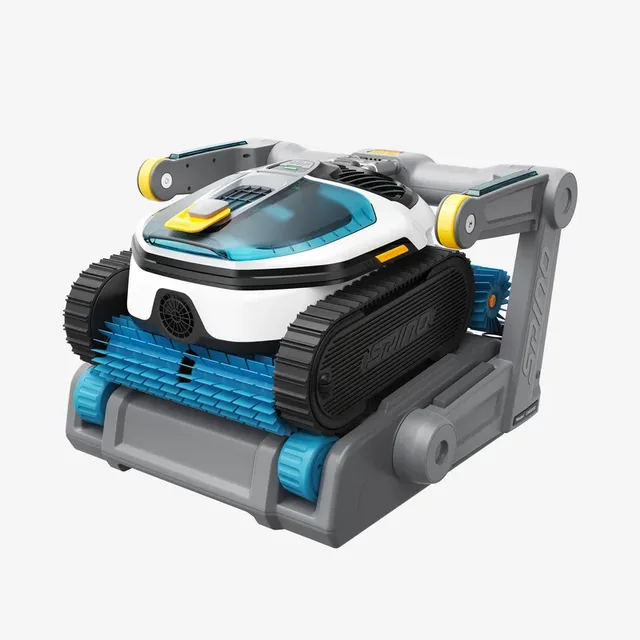
Aiper
Scuba V3
Category
Cleaning
Price
$1,099
Robot vacuums, mops, pool cleaners, and window cleaners. The workhorses of home automation that keep your spaces spotless. This route is designed to move from fast inventory scan to deeper technical and buyer guidance without turning the page into a wall of undifferentiated content.
Current cleaning coverage in ui44.
7 still sit in pre-release or inactive states.
Enough supplier breadth to spot concentration quickly.
Visible range runs $329 to $4.3k.
Market shape
How to use this route
Route map
Inventory
This is the fastest way to understand catalog breadth before you read the deeper buyer, technical, and market context chapters below.
Browse the full cleaning inventory currently tracked in ui44.
The strongest signal for real-world shortlist work.
Useful when the first pass needs fast budget framing.
A quick read on concentration versus competitive spread.
Aiper
Scuba V3
Category
Cleaning
Price
$1,099
Beatbot
AquaSense X
Category
Cleaning
Price
$4,250
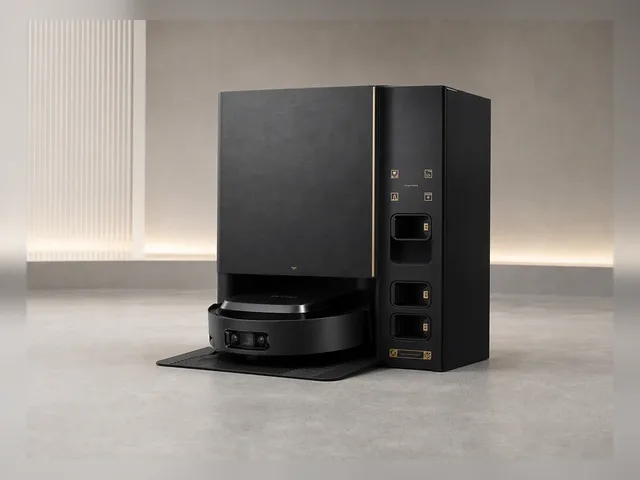
Beatbot's AquaSense X is a cordless robotic pool cleaner paired with the AstroRinse self-cleaning docking station, making it the first robotic pool cleaner…
Beatbot
Sora 70
Category
Cleaning
Price
$1,499
Beatbot
Sora 30
Category
Cleaning
Price
$999
DJI
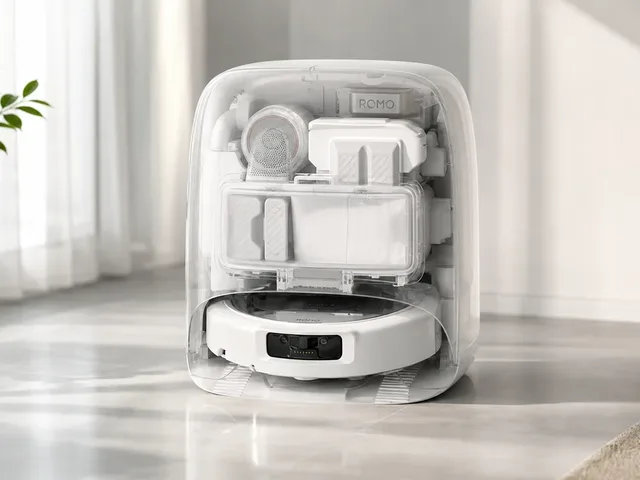
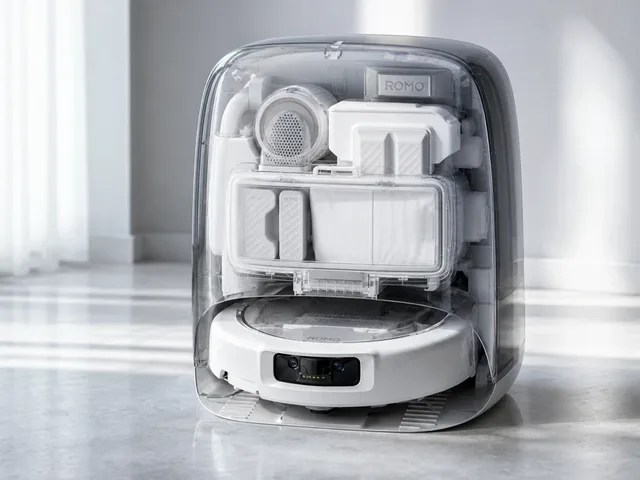
ROMO
Category
Cleaning
Price
€1.299
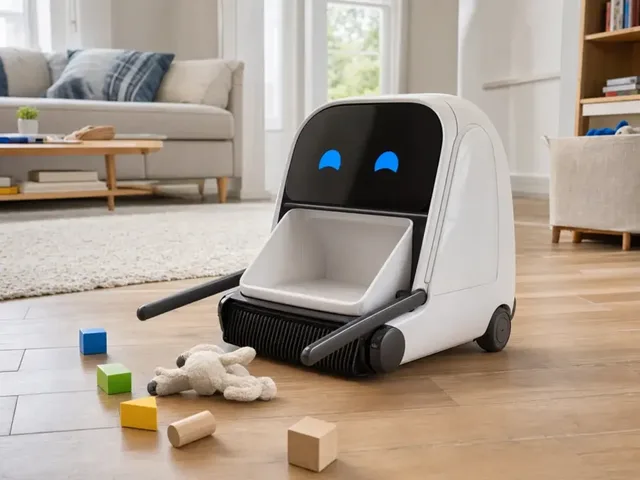
Clutterbot
Rovie
Category
Cleaning
Since
2026
Rovie is Clutterbot's development-stage home decluttering robot, publicly shown around CES 2026 and now marketed on the official Clutterbot site as coming…
Dreame
X60 Max Ultra Complete
Category
Cleaning
Price
$1,700
Dreame's 2026 flagship robot vacuum and mop, unveiled at CES 2026 and later sold through Dreame's US store and Amazon. The X60 Max Ultra Complete combines a…
Dyson
Spot+Scrub Ai
Category
Cleaning
Price
$1,200
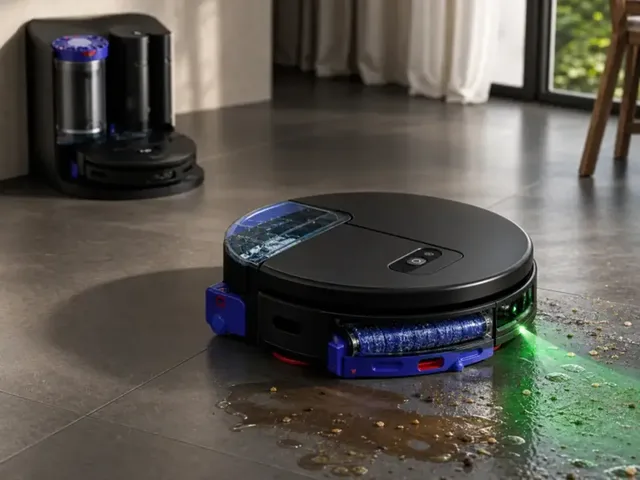
Dyson's first wet-and-dry robot vacuum and mop, replacing the 360 Vis Nav. The Spot+Scrub Ai features an AI-powered camera that identifies over 200 household…
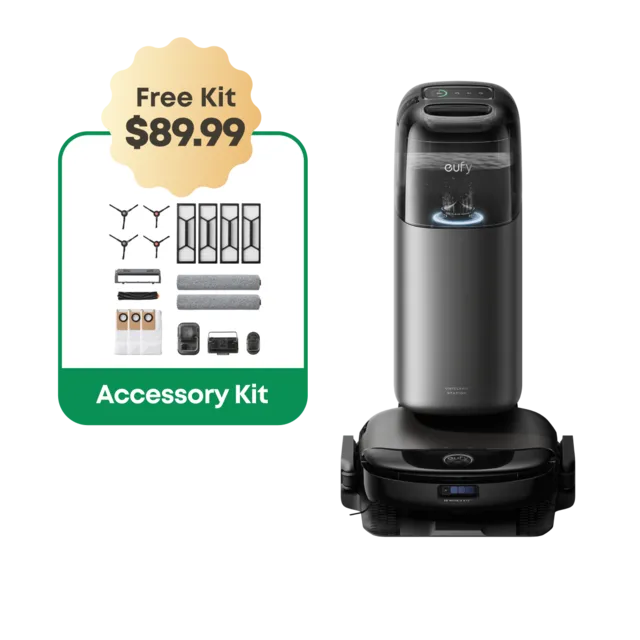
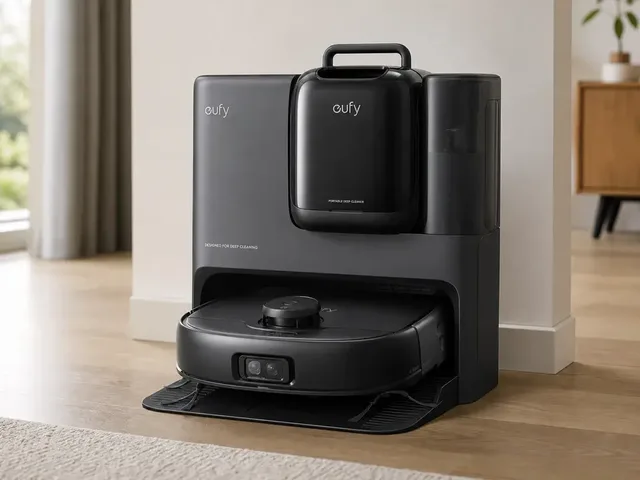
eufy's Omni S1 Pro is a premium robot vacuum-and-mop with HydroJet rolling-mop cleaning, a 10-in-1 UniClean station, and camera-based obstacle avoidance. The…
eufy
Robot Vacuum Omni S2
Category
Cleaning
Price
$1,599
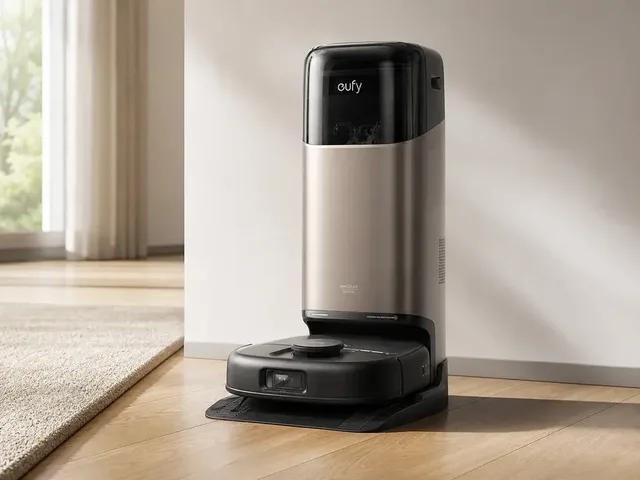
The eufy Omni S2 is eufy's 2026 flagship robot vacuum and mop, succeeding the Omni S1 Pro. It features 30,000 Pa AeroTurbo 2.0 suction (100 AW) with…
eufy
Robot Vacuum Omni C28
Category
Cleaning
Price
$799
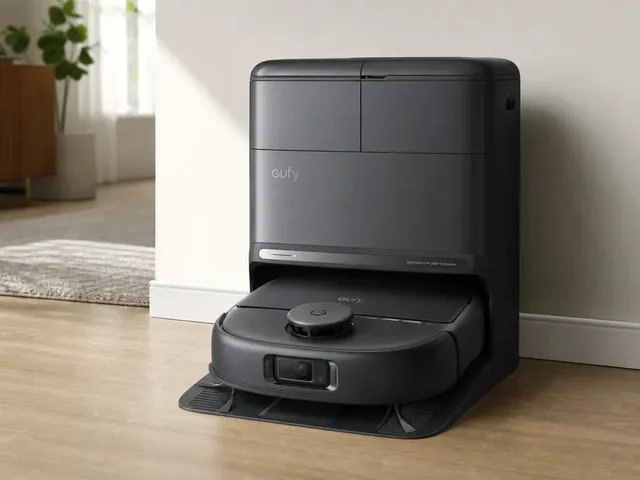
The eufy Omni C28 is a lower-cost robot vacuum and mop that brings several of eufy's higher-end cleaning features into the C-series. Official materials…
eufy
Robot Vacuum Omni E25
Category
Cleaning
Price
$900
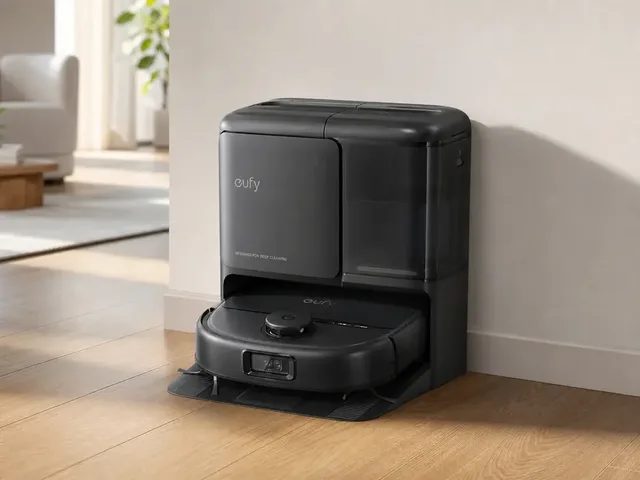
The eufy Robot Vacuum Omni E25 is a mid-range robot vacuum and mop in eufy's E series. Official product materials highlight a HydroJet self-cleaning roller…
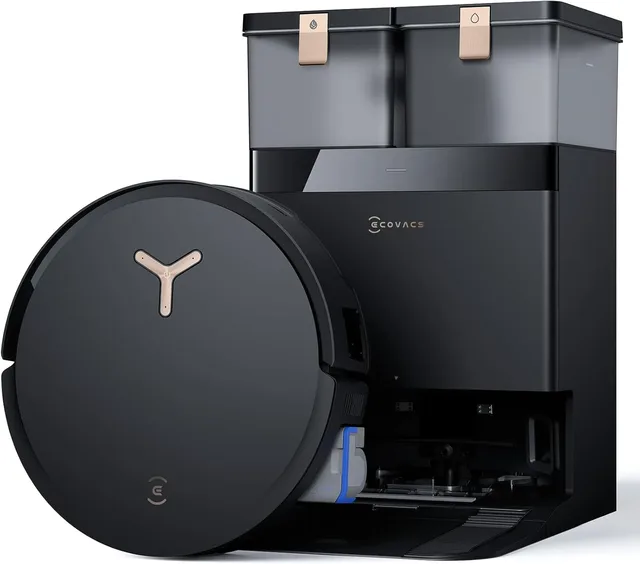
Ecovacs' flagship robot vacuum and mop combo for 2025. The X8 Pro Omni features the OZMO Roller — a self-washing roller mop that rinses itself 200 times per…
Ecovacs
Deebot X12 OmniCyclone
Category
Cleaning
Since
2026
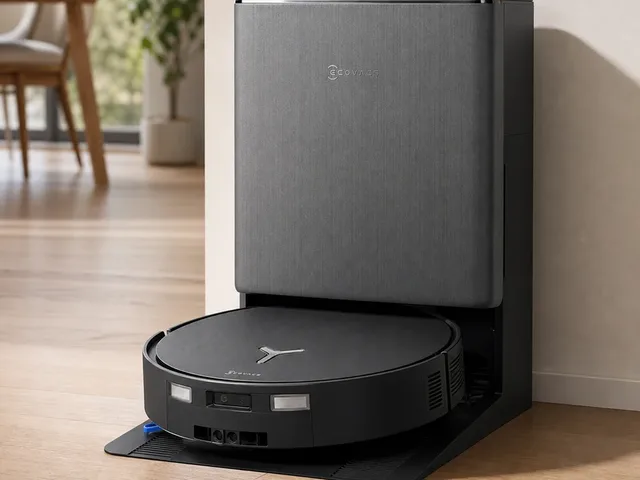
Ecovacs' flagship robot vacuum and mop combo for 2026, unveiled at CES 2026. The X12 OmniCyclone introduces the OZMO Roller 3.0, a 27 cm self-washing…
Ecovacs
Deebot T90 Pro Omni
Category
Cleaning
Price
$900
Ecovacs' mid-range robot vacuum and mop combo for 2026, positioned between the flagship X12 OmniCyclone and the value segment. The T90 Pro Omni features OZMO…
iGarden
M1 Pro Max 100 AI
Category
Cleaning
Price
$1,599
iGarden's M1 Pro Max 100 AI is a cordless robotic pool cleaner for in-ground or above-ground pools with more complex shapes, steps, walls, and waterlines.…
iGarden
K36
Category
Cleaning
Price
$499
iRobot's top-of-the-line standalone robot vacuum with PrecisionVision camera navigation and 100% stronger suction compared to the Combo i Series. The j9+ uses…
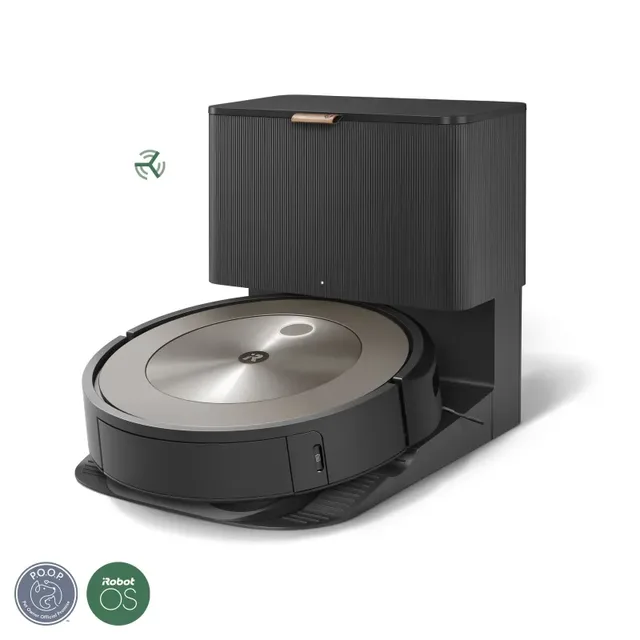
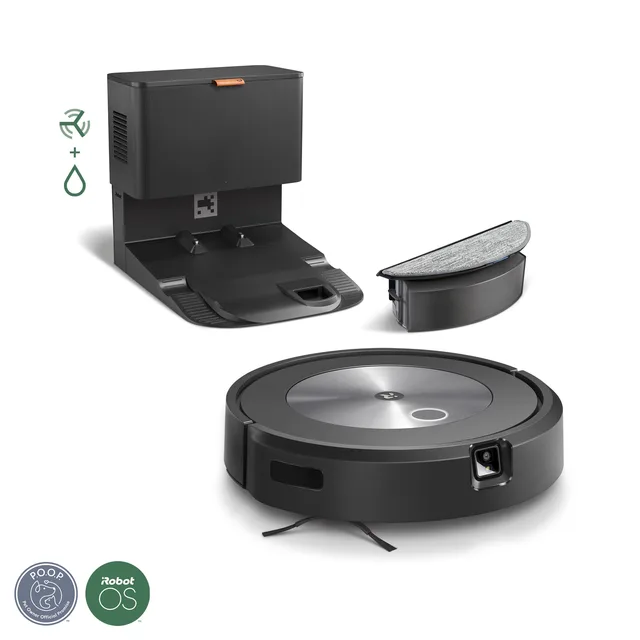
iRobot's Roomba Combo j5+ is a 2-in-1 robot vacuum and mop with a self-emptying dock. It uses a swappable bin system: vacuum bin for mixed floors and a Combo…
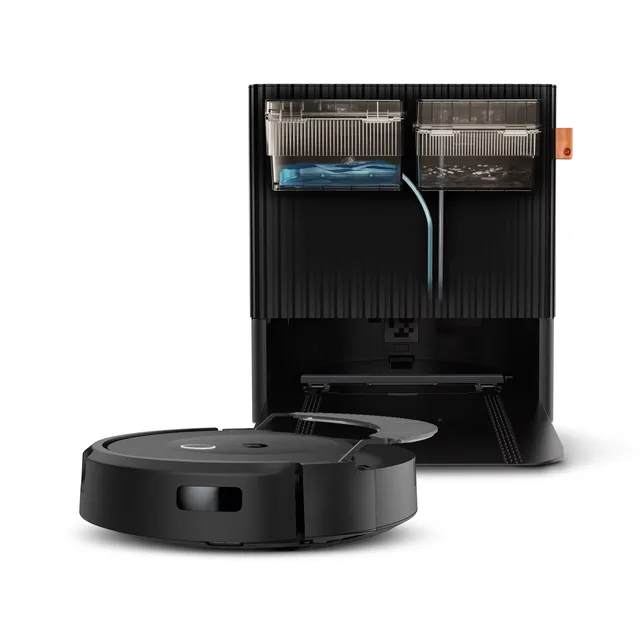
Roomba Combo 10 Max is iRobot's premium 2-in-1 robot vacuum + mop announced in July 2024 alongside the AutoWash Dock. iRobot positions it as a more independent…
Roomba Max 705 Vac is iRobot's 2025 flagship vacuum-only robot for pet-heavy and high-traffic homes. iRobot positions it around stronger debris pickup and…
iRobot
Roomba Mini
Category
Cleaning
Price
€329
The Roomba Mini is iRobot's first new robot since the Picea Robotics acquisition and is billed as the world's smallest robot vacuum. At just 24.5 cm (9.6 in)…
Mammotion
SPINO S1 Pro
Category
Cleaning
Price
$2,499
The Mammotion SPINO S1 Pro is a cordless robotic pool cleaner and CES 2026 Innovation Awards honoree, notable as the first pool-cleaning robot with a fully…
Maytronics
Dolphin EON 120d
Category
Cleaning
Since
2026
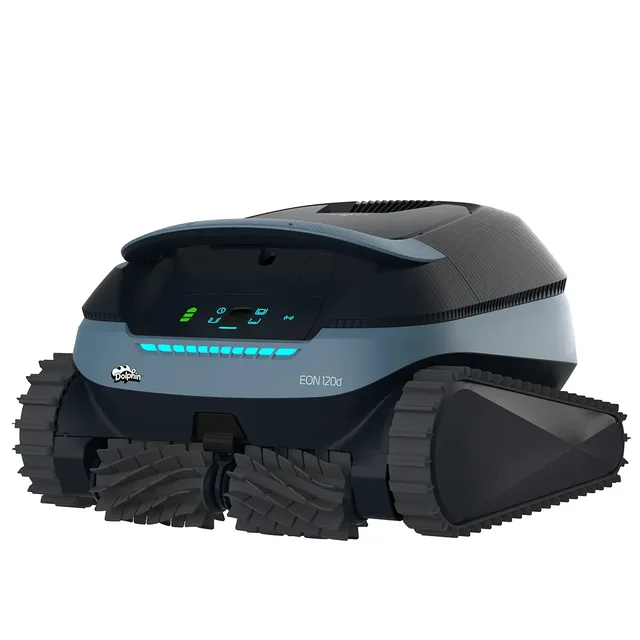
Maytronics' Dolphin EON 120d is a premium cordless robotic pool cleaner introduced with the new EON line at CES 2026. Official Maytronics materials position it…
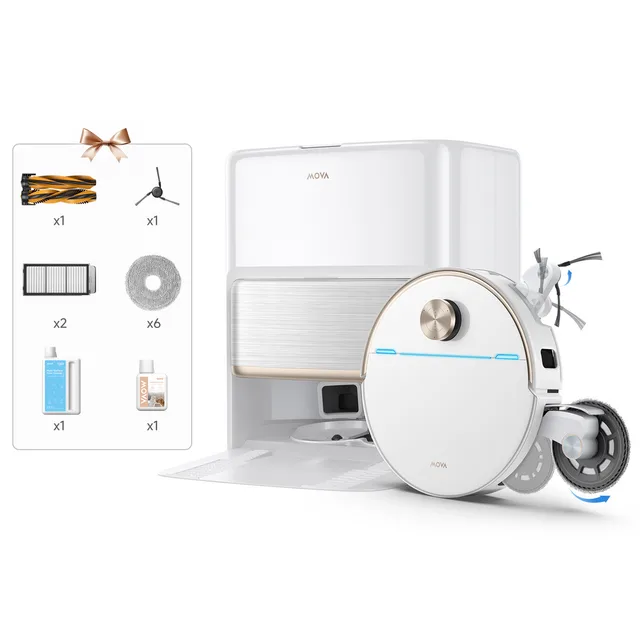
MOVA
Rover X10
Category
Cleaning
Price
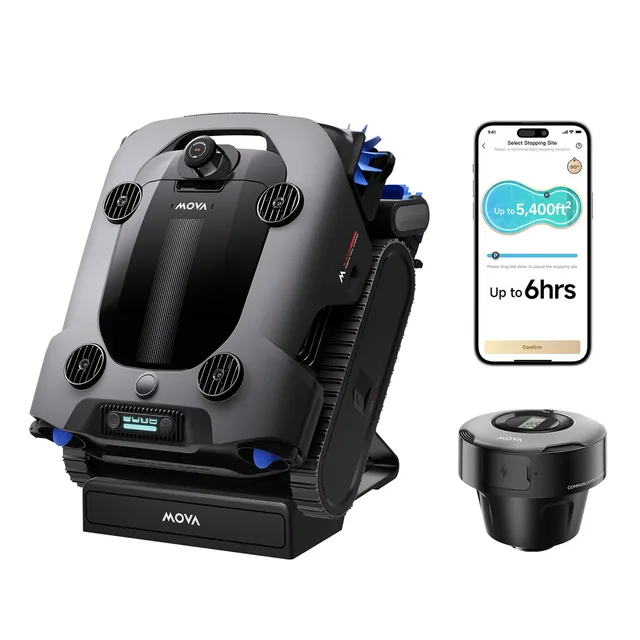
$2,999
MOVA
Mobius 60
Category
Cleaning
Price
$1,299
MOVA
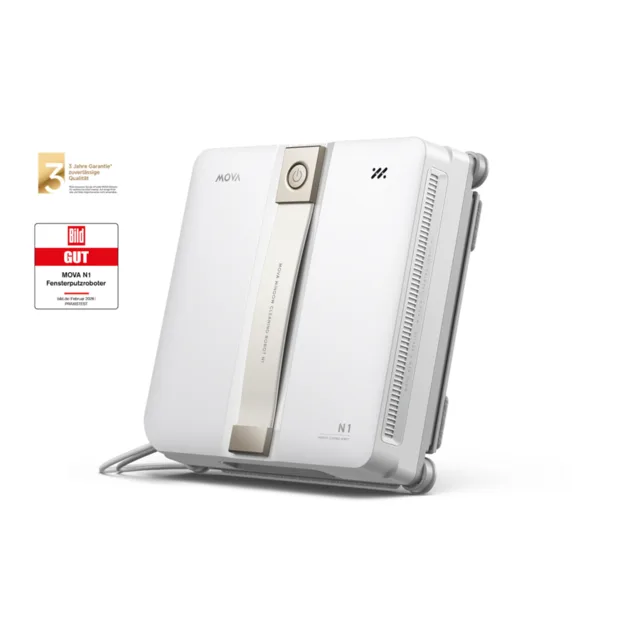
N1
Category
Cleaning
Since
2026
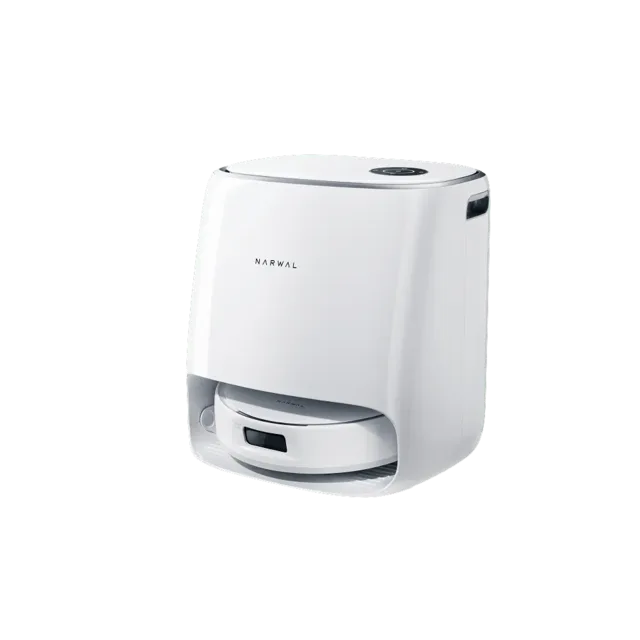
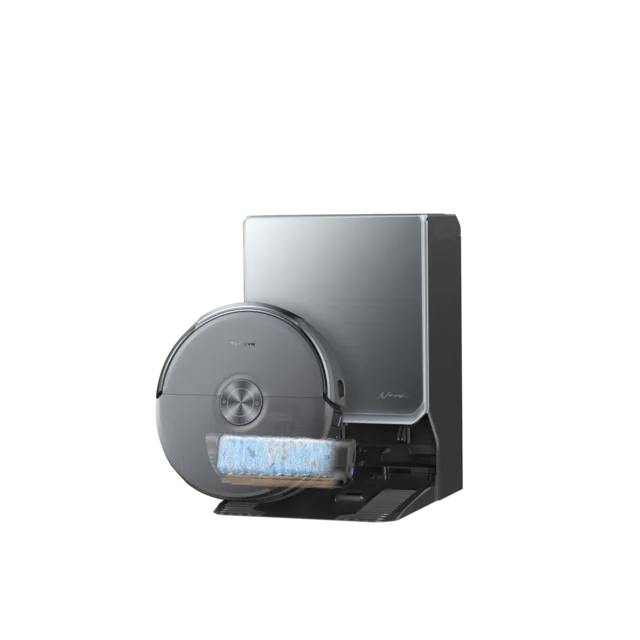
Narwal's flagship robot vacuum and mop combo, debuted at CES 2024. The Freo X Ultra pairs 8,200 Pa suction with patented Rouleaux triangular mop pads that…
Narwal
Flow 2
Category
Cleaning
Since
2026
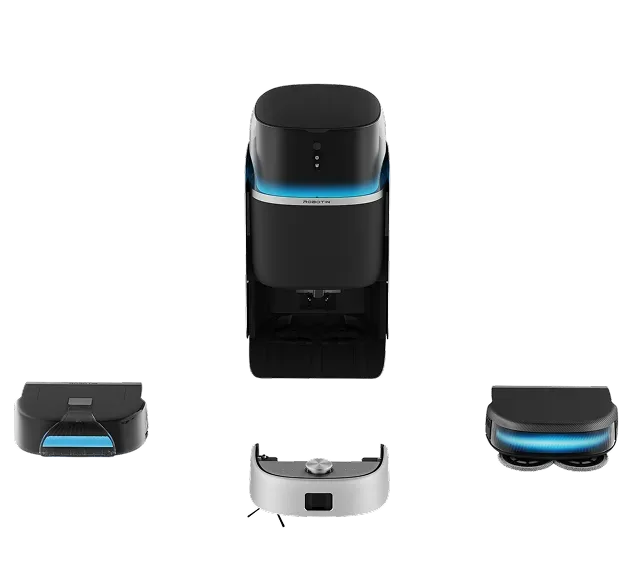
Robotin
R2 Pro
Category
Cleaning
Price
$1,699
Roborock
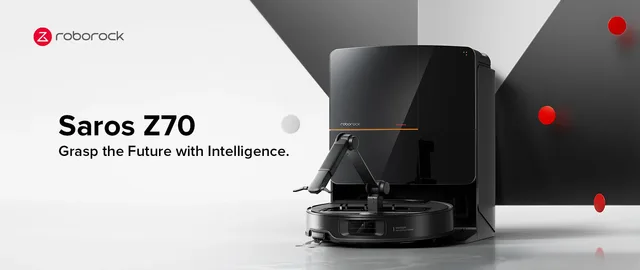
Saros Rover
Category
Cleaning
Battery
Not officially…
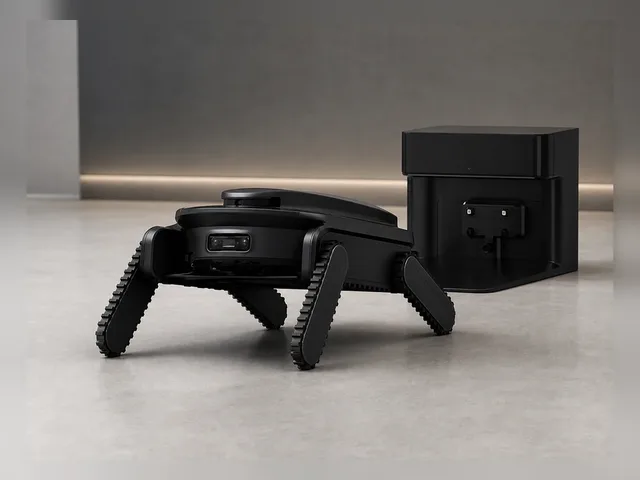
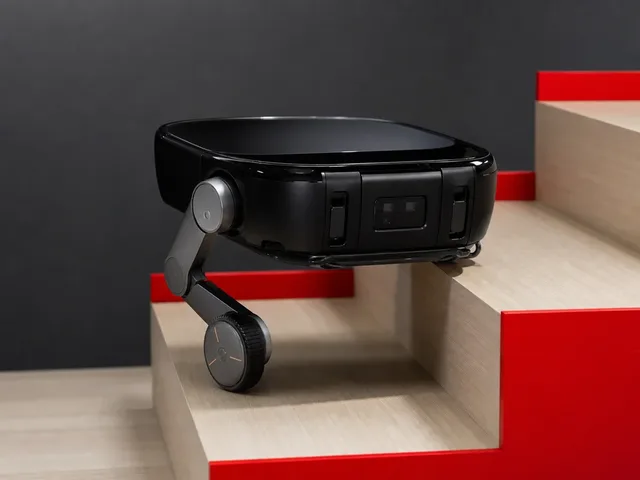
Roborock's Saros Rover is a development-stage robot vacuum unveiled at CES 2026 with a two-wheel-leg architecture designed to climb and clean stairs instead of…
Roborock
Saros 20
Category
Cleaning
Price
$1,600
Roborock
Qrevo Curv 2 Flow
Category
Cleaning
Price
$1,000
Roborock's first roller-mopping robot vacuum, debuting the SpiraFlow self-cleaning roller mop system. A 270 mm roller spinning at 220 RPM applies 15 N of…
Roborock
Qrevo Edge 2 Pro
Category
Cleaning
Since
2026
Roborock's 2026 premium robot vacuum and mop featuring a 7.98 cm ultra-slim profile with the RetractSense retractable LiDAR tower, enabling it to clean under…
Samsung
Bespoke AI Jet Bot Steam Ultra
Category
Cleaning
Since
2026
Samsung's flagship robot vacuum for 2026, first previewed at IFA 2025 and detailed at CES 2026. The Bespoke AI Jet Bot Steam Ultra is the first Samsung robot…
Shark
PowerDetect UV Reveal 2-In-1
Category
Cleaning
Price
$1,299
SharkNinja's flagship robot vacuum and mop, notable as the first robot vacuum to combine ultraviolet light detection with an RGB camera to find invisible…
WYBOT
S3
Category
Cleaning
Price
$3,000
Yeedi
M16 Infinity
Category
Cleaning
Price
$1,000
Yeedi's flagship robot vacuum and mop, launched March 13, 2026 and winner of the CES 2026 Gold Award for Innovation in Affordable Cleaning Technology. The M16…
Buyer guide
Use this chapter to orient the page, calibrate expectations, and pressure-test whether the category really matches the workload you have in mind.
Cleaning robots are the most mature and commercially successful category of home robotics. From robotic vacuums that map your home with LiDAR to autonomous pool cleaners and window-washing robots, this category has moved beyond novelty into genuine household utility.
The modern robot vacuum bears little resemblance to the bumbling Roombas of 2002 — today's models feature millimeter-accurate mapping, AI-powered obstacle avoidance (recognizing shoes, pet waste, and cables), auto-empty docks, and mopping capabilities. Companies like iRobot, Roborock, Ecovacs, Dreame, and Narwal compete intensely on suction power, navigation intelligence, and dock station features.
For most consumers, a cleaning robot is their first — and often most practical — entry into home robotics.
Cleaning robots span a wide price range, from budget vacuums under $200 to premium combo systems exceeding $1,500. The key differentiator is no longer suction power (most modern models are adequate) but navigation quality, obstacle avoidance, and dock features. LiDAR-based navigation is the gold standard for consistent, efficient cleaning paths — camera-based navigation works but is less reliable in low light.
The key differentiator is no longer suction power (most modern models are adequate) but navigation quality, obstacle avoidance, and dock features
If you have pets, prioritize models with AI obstacle avoidance (to dodge accidents) and tangle-free brush rolls. For hard floors, a vacuum-mop combo saves having two devices. Self-empty docks have become near-essential for convenience.
Consider your home's layout: multi-level homes may need multiple units or a lightweight model you can carry between floors.
First, determine your floor type mix. Mostly carpet? Prioritize suction power (6,000+ Pa) and a main brush designed for deep carpet fiber cleaning.
First, determine your floor type mix
Next, assess your home's complexity: open floor plans work with any navigation system, while cluttered spaces with many obstacles need AI-based avoidance
Check the dock features — self-emptying is the minimum for convenience; premium docks add self-washing mop pads, hot water cleaning, and auto-refill water tanks
Finally, consider ecosystem integration: most cleaning robots work with Alexa or Google Home, but some also support Apple HomeKit or Matter for deeper smart home integration
Practical tip: Check the dock features — self-emptying is the minimum for convenience; premium docks add self-washing mop pads, hot water cleaning, and auto-refill water tanks. Finally, consider ecosystem integration: most cleaning robots work with Alexa or Google Home, but some also support Apple HomeKit or Matter for deeper smart home integration.
Specs and pricing
These sections help separate the robots that merely sit in the category from the ones that genuinely fit a deployment or buying brief.
When evaluating cleaning robots, these are the specifications that matter most for real-world performance and value:
higher is better for carpets
LiDAR, camera, or gyroscope
affects area coverage per charge
important for apartments
AI camera vs. structured light
The cleaning category serves a variety of applications, from consumer households to industrial deployments:
Daily automated vacuuming and mopping
Pet hair management and allergen reduction
Pool and outdoor surface cleaning
Window and glass surface maintenance
Commercial floor cleaning for offices and retail
Post-construction dust and debris cleanup
Cleaning robots with published pricing range from $329 to $4.3k. 8 models in this category do not have publicly listed pricing. Below is a breakdown by price tier to help you understand what's available at different budget levels.
Compare key specifications across all 41 cleaning robots in the database. All data is sourced from manufacturer disclosures and verified against official documentation.
| Robot | Price | Status |
|---|---|---|
| AquaSense X | $4.3k | Pre-order |
| S3 | $3.0k | Active |
| Rover X10 | $3.0k | Available |
| SPINO S1 Pro | $2.5k | Pre-order |
| X50 Ultra | $1.7k | Available |
| X60 Max Ultra Complete | $1.7k | Available |
| R2 Pro | $1.7k | Pre-order |
| Saros 20 | $1.6k | Available |
| Robot Vacuum Omni S2 | $1.6k | Available |
| M1 Pro Max 100 AI | $1.6k | Available |
| Sora 70 | $1.5k | Available |
| Robot Vacuum Omni S1 Pro | $1.5k | Available |
| Freo X Ultra | $1.4k | Available |
| ROMO | $1.3k | Available |
| Mobius 60 | $1.3k | Available |
| Saros Z70 | $1.3k | Available |
| PowerDetect UV Reveal 2-In-1 | $1.3k | Available |
| Spot+Scrub Ai | $1.2k | Available |
| Scuba V3 | $1.1k | Available |
| Qrevo Curv 2 Flow | $999.99 | Available |
| M16 Infinity | $999.99 | Available |
| Sora 30 | $999 | Available |
| Roomba Combo 10 Max | $999 | Available |
| Deebot T90 Pro Omni | $900 | Available |
| Robot Vacuum Omni E25 | $899.99 | Available |
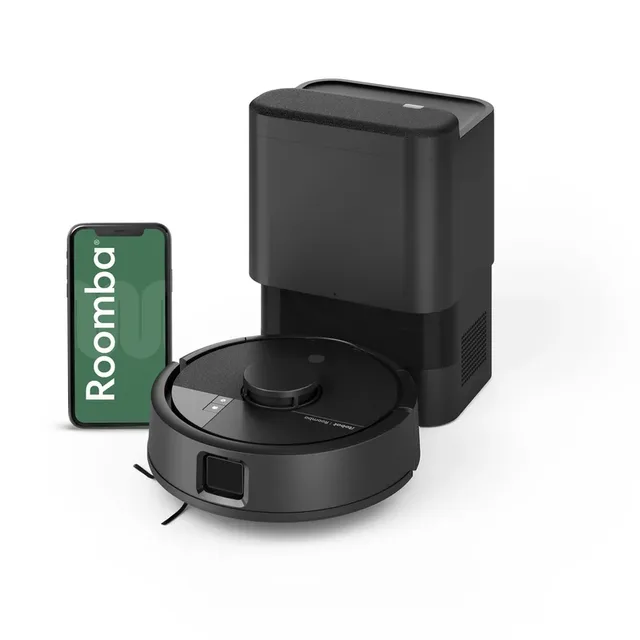
| Roomba j9+ | $899 | Available |
| Robot Vacuum Omni C28 | $799 | Available |
| Roomba Combo j5+ | $730 | Available |
| Deebot X8 Pro Omni | $729 | Available |
| K20+ Pro | $699 | Available |
| Roomba Max 705 Vac | $600 | Available |
| K36 | $499 | Available |
| Roomba Mini | $329 | Available |
| Rovie | — | Development |
| Deebot X12 OmniCyclone | — | Pre-order |
| Dolphin EON 120d | — | Available |
| N1 | — | Available |
| Flow 2 | — | Available |
| Saros Rover | — | Development |
| Qrevo Edge 2 Pro | — | Available |
| Bespoke AI Jet Bot Steam Ultra | — | Development |
Manufacturer landscape
Once the inventory looks promising, this is where you figure out whether the category is broad and competitive or concentrated around a smaller set of serious builders.
21 companies are building cleaning robots tracked in the ui44 database. Here's how the product landscape breaks down by manufacturer.
View all robotics companies in our manufacturers directory.
A comprehensive look at the sensors, connectivity, capabilities, and AI platforms used across all 41 cleaning robots in the database.
Operations
This chapter keeps the route useful after the first visual scan, when the real questions become ownership, rollout friction, and operational constraints.
Cleaning robots are among the safest categories in home robotics due to their low speed, small size, and limited force output. Most modern cleaning robots include cliff sensors (preventing falls down stairs), bumper sensors (detecting contact with furniture and walls), and software-based no-go zones that keep the robot away from restricted areas.
Modern robots implement multiple safety layers including force limiting, collision detection, and emergency stops.
Look for ISO, CE, FCC, and category-specific certifications that validate safety compliance.
Connected robots with cameras and microphones require careful evaluation of data handling and security practices.
Child and pet safety is well-addressed — these robots simply stop when encountering unexpected obstacles. The primary safety considerations are electrical (charging dock safety, battery integrity) and chemical (cleaning solution compatibility for mopping robots).
Most major cleaning robots carry CE marking for European markets and FCC certification for the US. The newer concern is cybersecurity: internet-connected cleaning robots with cameras create potential privacy risks.
Cleaning robots are designed for consumer-friendly maintenance. Regular upkeep includes emptying the dustbin or self-empty dock bag (every 1–8 weeks depending on the model), cleaning or replacing the main brush and side brushes (every 3–6 months), replacing the HEPA filter (every 6–12 months), and checking wheels for hair tangles.
Most robots need periodic cleaning, software updates, and consumable replacements to maintain peak performance.
Factor in consumables, subscriptions, battery replacements, and potential maintenance contracts when budgeting.
A well-maintained robot's lifespan varies by category — from 4–7 years for cleaning robots to 8–12 years for mowers.
$30–$80
Annual maintenance
2–4 yr
Battery lifespan
2–4 yr
Expected lifespan
Self-empty docks reduce the most frequent maintenance task to monthly bag replacements. Mop pads need washing or replacing monthly, and water tanks should be emptied when not in use to prevent mold.
Battery lifespan is typically 2–4 years of daily use, and most manufacturers sell replacement batteries. The total annual maintenance cost for consumables (brushes, filters, bags, mop pads) runs $30–$80 depending on the model.
If you are new to cleaning robots, here is a step-by-step approach to finding the right model for your needs. This guide applies whether you are buying your first robot or upgrading from an earlier model.
Measure your home's total floor area and count the number of floors — this determines the coverage capacity and number of units you need.
Identify your primary floor type (carpet, hardwood, tile, mixed) to choose between vacuum-only, mop-only, or combo models.
Decide on your must-have features: self-empty dock, mop washing, obstacle avoidance, or specific smart home integrations.
Set a budget range: basic models start under $300, mid-range with smart features run $500–$800, and premium all-in-one systems cost $1,000–$1,500.
Read real-user reviews focusing on navigation reliability, noise levels, and long-term durability rather than marketing spec numbers.
Check consumable costs and availability — replacement brushes, filters, mop pads, and dock bags are ongoing expenses that vary by brand.
Use ui44's comparison tool and individual robot detail pages to evaluate the 41 cleaning robots in the database.
Outlook
The goal here is not trend theater. It is to show whether the category is stabilizing, accelerating, or still too early for confident buyer decisions.
The robot vacuum story begins with Electrolux's Trilobite in 2001, the first commercial robotic vacuum, followed closely by iRobot's Roomba in 2002. The early Roomba used a simple bump-and-turn navigation pattern — effective but inefficient, often cleaning the same areas repeatedly while missing others.
The robot vacuum story begins with Electrolux's Trilobite in 2001, the first commercial robotic vacuum, followed closely by iRobot's Roomba in 2002
The next major leap came with the introduction of SLAM (Simultaneous Localization and Mapping) navigation around 2014–2016, when brands like Neato and Xiaomi/Roborock introduced LiDAR-based mapping
The cleaning robot market reached approximately $10 billion in 2024, making it by far the largest segment of consumer robotics
The next major leap came with the introduction of SLAM (Simultaneous Localization and Mapping) navigation around 2014–2016, when brands like Neato and Xiaomi/Roborock introduced LiDAR-based mapping. This transformed robot vacuums from random wanderers into systematic cleaners that built and remembered maps of your home.
The late 2010s brought AI-powered obstacle avoidance using onboard cameras and machine learning, allowing robots to identify and avoid common household objects like shoes, cables, and pet waste. The current generation features all-in-one docking stations that empty debris, wash and dry mop pads, and refill water tanks — automating even the maintenance of the robot itself.
Mopping capabilities evolved from simple wet-pad dragging to oscillating and rotating mop systems with downward pressure, approaching hand-mopping quality. The cleaning robot market reached approximately $10 billion in 2024, making it by far the largest segment of consumer robotics.
Cleaning robots compete directly with several traditional alternatives: manual vacuuming and mopping, professional cleaning services, and central vacuum systems. Against manual cleaning, the value proposition is straightforward — a robot vacuum runs daily with zero effort, maintaining a baseline cleanliness that manual vacuuming once or twice a week cannot match.
$150–$300/visit
Thorough deep cleaning, handles corners, upholstery, and irregular surfaces
Expensive at weekly frequency ($7k–$15k/year), schedule-dependent
Best for: Deep cleaning, move-in/move-out, and surfaces robots can't reach
$100–$800
Superior raw suction and targeted cleaning for specific messes
Requires manual operation — no automation or scheduling
Best for: Spot cleaning, stairs, upholstery, and car interiors
$80–$500
Deep hard-floor cleaning with sanitization capabilities
Manual operation, single-purpose, no multi-room automation
Best for: Kitchen and bathroom deep sanitization
Central vacuum systems offer powerful suction through wall-mounted inlets but still require a human to physically vacuum — they solve the power and dustbin problems but not the labor problem. The most practical approach for most households is a cleaning robot for daily automated maintenance, complemented by periodic deeper cleaning (either manual or professional) for tasks robots cannot yet handle: cleaning under very low furniture, washing upholstery, dusting shelves, and sanitizing bathrooms.
The cleaning robot market continues to see rapid innovation, particularly in all-in-one dock stations that handle emptying, mop washing, drying, and water refilling automatically. AI-powered obstacle recognition has become table stakes for premium models, with companies training their systems on millions of household objects.
The trend toward floor-to-ceiling cleaning is expanding the category beyond vacuums — window-cleaning robots, gutter cleaners, and even robotic shower cleaners are emerging. Suction power marketing has entered an arms race (with claims exceeding 20,000 Pa), though real-world cleaning performance depends more on brush design, airflow efficiency, and edge cleaning ability.
The cleaning robot market is the most commercially mature segment of home robotics, but significant innovation continues. The near-term future (2025–2027) will see several key developments.
2028
Key milestone year
Dock stations that auto-empty, wash/dry mop pads, and self-refill become standard across mid-range models, eliminating most manual maintenance.
Window-cleaning robots, gutter cleaners, and shower cleaners expand the cleaning robot category beyond floors to full-home coverage.
Robots that understand room context — adjusting cleaning intensity for kitchens vs. bedrooms, recognizing and adapting to seasonal cleaning needs.
For consumers, the practical advice is that today's premium cleaning robots are already excellent — waiting for next-generation models is unnecessary unless a specific upcoming feature (like self-refilling dock or advanced obstacle avoidance) is critical to your needs.
FAQ and routes
Finish here when you need practical next steps rather than more category theory.
Robot vacuums, mops, pool cleaners, and window cleaners. The workhorses of home automation that keep your spaces spotless. The ui44 database currently tracks 41 robots in this category from 21 manufacturers.
ui44 currently tracks 41 cleaning robots from 21 different manufacturers including Aiper, Beatbot, DJI, Clutterbot, Dreame, and 16 more. Browse the full robot directory to see all categories.
Across the 41 robots in this category, 464 distinct capabilities are represented, including: Cordless Robotic Pool Cleaning (in-ground pools), AI Vision-Based Navigation (VisionPath), AI Patrol Targeted Cleaning, AI Navium Autonomous Scheduling, Floor, Wall, and Waterline Cleaning, JetAssist Horizontal Waterline Cleaning, Dual-Brush Scrubbing, MicroMesh Dual-Layer Filtration (180μm + 3μm), and 456 more. The specific capability set varies by model, price point, and intended application — visit individual robot pages for detailed capability breakdowns.
All robot data on ui44 is periodically verified against manufacturer sources, spec sheets, and press releases. The most recent verification for a robot in the Cleaning category was on 2026-04-16. Each robot page includes a "last verified" date for transparency. If you notice outdated information, please let us know.
Cleaning robots are among the safest categories in home robotics due to their low speed, small size, and limited force output. Most modern cleaning robots include cliff sensors (preventing falls down stairs), bumper sensors (detecting contact with furniture and walls), and software-based no-go zones that keep the robot away from restricted areas. Child and pet safety is well-addressed — these… Read the full safety & regulation section for detailed information on certifications, standards, and precautions for cleaning robots.
The robot vacuum story begins with Electrolux's Trilobite in 2001, the first commercial robotic vacuum, followed closely by iRobot's Roomba in 2002. The early Roomba used a simple bump-and-turn navigation pattern — effective but inefficient, often cleaning the same areas repeatedly while missing others. The next major leap came with the introduction of SLAM (Simultaneous Localization and Mapping)… Read the full history & evolution section for a detailed timeline of cleaning robot development.
Cleaning robots with published pricing range from $329 to $4.3k. 8 models in this category do not list public pricing. See the price range overview for a detailed breakdown by budget tier.
Cleaning robots are designed for consumer-friendly maintenance. Regular upkeep includes emptying the dustbin or self-empty dock bag (every 1–8 weeks depending on the model), cleaning or replacing the main brush and side brushes (every 3–6 months), replacing the HEPA filter (every 6–12 months), and checking wheels for hair tangles. Self-empty docks reduce the most frequent maintenance task to… See the full maintenance & ownership section for a complete breakdown of ongoing costs, consumables, and expected lifespan for cleaning robots.
The most affordable cleaning robot with published pricing is the Roomba Mini by iRobot at $329. At the other end of the spectrum, the AquaSense X by Beatbot is listed at $4.3k. Price is just one factor — compare capabilities, sensors, and support when making your decision. See the price overview for a full tier breakdown.
Cleaning robots in the database use 115 types of sensors. The most common include AI Vision Camera (front-facing), dToF (direct Time-of-Flight) sensor, 2-meter detection range, 20+ debris-type recognition, 29 integrated sensors, AI camera, and 109 more. See the technology landscape section for a complete breakdown, or browse the components directory.
Cleaning robots in the database support 35 types of connectivity. The most common include Wi-Fi, Aiper mobile app (iOS/Android), Mobile app, Alexa voice control, Google Home, Apple Siri, and 29 more. Connectivity determines how the robot communicates with your network, cloud services, companion apps, and other smart devices. Visit the components directory for detailed information on each protocol.
Some cleaning robots integrate with voice assistant platforms including Amazon Alexa, Google Home, Apple Siri, Google Assistant, Siri Shortcuts, Built-in 'OK, Dreame', YIKO-GPT (built-in LLM assistant), YIKO (built-in voice assistant), Hey, MOVA, Siri, Hello Rocky (onboard, offline), Bixby, Apple Siri Shortcuts, Yandex Alice. Voice integration enables hands-free control, status updates, and interaction with your broader smart home ecosystem. Not all models support voice assistants — check individual robot pages for specific compatibility details.
34 cleaning robots are currently available or actively deployed: Scuba V3 by Aiper, Sora 70 by Beatbot, Sora 30 by Beatbot, ROMO by DJI, X50 Ultra by Dreame, X60 Max Ultra Complete by Dreame, Spot+Scrub Ai by Dyson, Robot Vacuum Omni S1 Pro by eufy, and 26 more. Visit each robot's page for the latest purchasing details and availability.
ui44 offers a side-by-side comparison tool that lets you compare up to 4 cleaning robots at once. Compare specs like battery life, weight, sensors, price, and capabilities across models including Scuba V3, AquaSense X, Sora 70, Sora 30, ROMO, and 36 more. You can also check the specifications comparison table above for a quick overview of all models.
Start by defining your specific requirements and budget. The getting started guide above walks through 6 key steps: Measure your home's total floor area and count the number of floors — this…; Identify your primary floor type (carpet, hardwood, tile, mixed) to choose…; Decide on your must-have features: self-empty dock, mop washing, obstacle…. Use ui44's comparison tool and the specs comparison table to narrow down your shortlist.
All cleaning robot data on ui44 is verified against official manufacturer sources, spec sheets, and press releases. Most recent verification: 2026-04-16. If you notice outdated or incorrect data, please let us know — accuracy is our top priority.
Source: ui44 Home Robot Database · 41 models tracked in Cleaning · Browse all robots · All categories
Next move
You now have the inventory view, the buyer guidance, and the spec context. The cleanest next step is to compare a small set of candidates, then validate the strongest manufacturers in detail.