Article 21 min read 4,769 words

Are People Comfortable With Home Robots?

The hardest home-robot question may not be whether the robot can walk, talk, or pick up a cup. It may be whether people actually want a moving machine sharing their hallway, kitchen, bedroom door, or care routine.

ui44 Team All articles

That question usually gets answered with vibes: cute demo videos, scary robot clips, or surveys about hypothetical humanoids. RAI Institute's public Spot pop-up is more useful because it gave thousands of ordinary mall visitors a short, direct robot interaction and then measured how their attitudes changed. The result is not a blank check for home robots. It is a reminder that hands-on experience can make people more realistic, not just more excited.
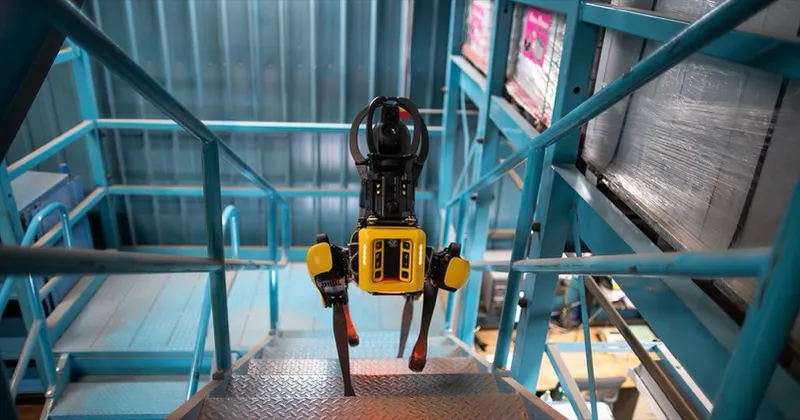
Boston Dynamics Spot quadruped robot used as a home robot acceptance case study

What did the Spot test-drive study actually show?

In summer 2025, RAI Institute set up a free robot experience at the CambridgeSide mall. The pop-up included a museum area and an interactive Drive-a-Spot arena where visitors could control a Boston Dynamics Spot quadruped with a simplified adaptive game controller. The controller had large buttons for basic movement, height, sit, stand, and tilt commands. IEEE Spectrum's report said the people who drove Spot ranged from age 2 to over 90, while the surveyed participant group spanned children through older adults.

The useful part for home-robot buyers is the before-and-after measurement. Roughly 10,000 guests visited the Robot Lab. About 10 percent drove Spot and opted into the survey. More than 65 percent of surveyed participants had seen Spot in images or videos before, but most had never encountered one in person.

The survey asked how comfortable people would feel encountering a robot in five contexts: factory, home, hospital, office, and outdoor or disaster response. It also asked how suitable Spot seemed for each setting.

The pattern was clear: after a short hands-on driving session, comfort scores increased significantly across all five contexts. Home comfort started roughly neutral, then rose significantly after people controlled the robot. Perceived suitability also increased, with the largest gains in the more socially delicate settings: home, office, and hospital.

That does not mean everyone suddenly wanted a robot dog in the living room. The effects were described as small to moderate. It also does not prove the attitude shift lasts for months. But it is still a rare piece of evidence in a market full of polished videos: direct agency changed how people judged a robot.
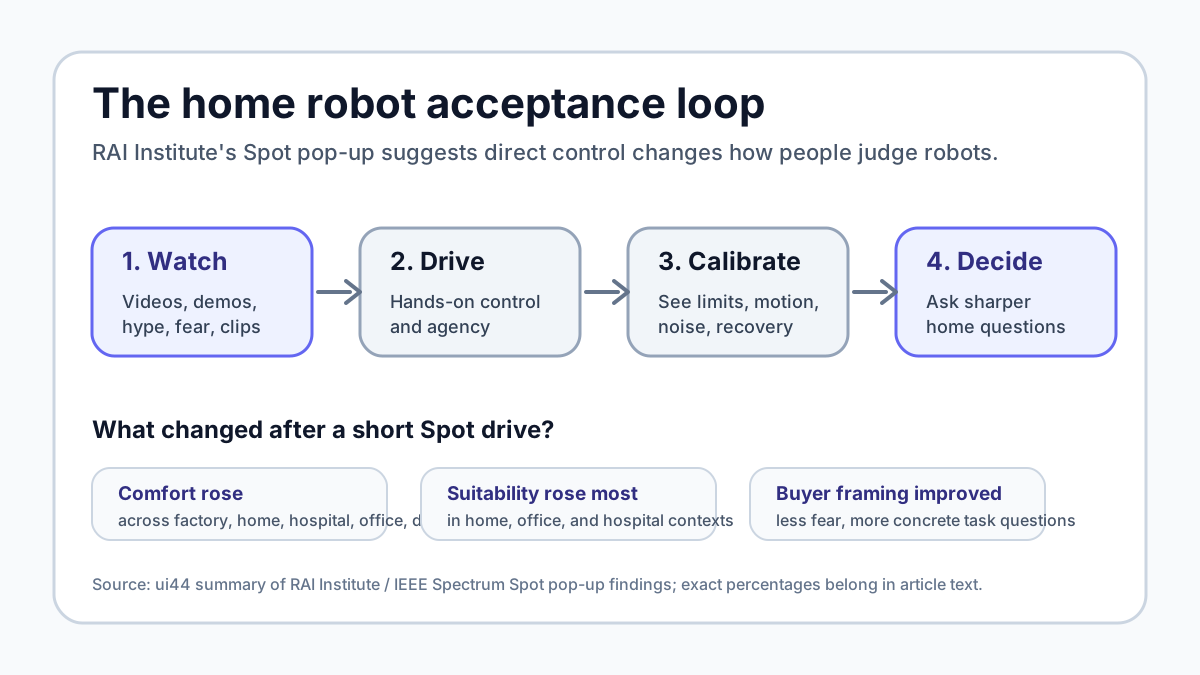
Home robot acceptance loop showing how hands-on Spot interaction can change robot trust
Scroll sideways to inspect the full chart.

Why videos are a weak test for robot trust

Robot videos are excellent at creating emotion and poor at setting expectations. A tightly edited humanoid demo may hide resets, remote assistance, controlled lighting, or a room arranged specifically for the task. A viral robot-dog clip may make a quadruped look threatening even when the actual product is an inspection machine, a research platform, or an awkward but supervised demo.

The RAI result matters because most people had already seen Spot online. Video exposure did not give them the same calibration as a few minutes of control. Once people felt the robot respond to simple commands, crouch under barriers, step over obstacles, and adjust its body in a tight arena, they appeared better able to imagine where the robot fit.

That is exactly the buyer problem for home robots. You cannot judge a moving robot the way you judge a smart speaker. A home robot has motion, noise, size, turning radius, camera behavior, recovery behavior, and social presence. It may look smaller in a product render than it feels in a hallway. It may look scary in a security clip but feel less intimidating when it obeys a slow, obvious control scheme. It may seem charming in a launch video but annoying after the third time it blocks a doorway.

The lesson is not "try every robot before buying" because most people cannot. The lesson is to demand evidence that approximates direct experience: uncut task videos, live demos, public trials, return windows, rental options, clear noise and size specs, and honest failure behavior.

The home is the most sensitive robot environment

Factories and disaster zones are easier places to justify robots. The tasks are clear, the spaces can be controlled, and people already expect machinery. Homes are different. A robot in the home is not only a tool; it is a guest with wheels, legs, sensors, microphones, cameras, and software rules.

That is why the home-context gain in the Spot study is interesting. People did not merely decide Spot was more suitable for factories after driving a factory arena. They became more comfortable with robots in the settings where baseline skepticism was higher. RAI's researchers suggest that hands-on control may shift something broader: a person's understanding of what the robot is capable of and where it might be appropriate.

For a buyer, this means acceptance is not only about friendliness. It is about legibility. A robot feels safer when people can predict what it will do next, see why it stopped, understand its boundaries, and intervene without drama.

That is where current home robots vary sharply.

Robot

Amazon Astro

ui44 status and price
Active, $1,599.99 invitation pricing
Acceptance advantage
Familiar Alexa/Ring ecosystem, room-to-room patrol, Visual ID, remote check-ins
What could still make people uncomfortable
Mobile cameras, subscription-dependent security, single-floor limits, private-room boundaries

Robot

Samsung Ballie

ui44 status and price
Development, no price announced
Acceptance advantage
Small rolling form factor, SmartThings role, projector, Gemini-powered multimodal assistant framing
What could still make people uncomfortable
Still delayed, no final price, no long-term evidence of daily usefulness

Robot

LOVOT

ui44 status and price
Available in Japan, ¥577,500 plus monthly plan
Acceptance advantage
Designed to be loved, 43 cm body, touch response, person recognition, warm social presence
What could still make people uncomfortable
High cost, short 30-45 minute active runtime, limited practical utility

Robot

Sony aibo

ui44 status and price
Available, $2,899.99 with subscription
Acceptance advantage
Pet-like behavior, face recognition up to 100 faces, 22 axes of movement, self-charging
What could still make people uncomfortable
Expensive companion role, cloud/subscription dependence, not a helper robot

Robot

1X NEO

ui44 status and price
Pre-order, $20,000
Acceptance advantage
Human-shaped reach, soft 30 kg body, cameras, depth sensors, tactile skin, about 4 hours runtime
What could still make people uncomfortable
Bigger privacy/safety stakes, manipulation risk, unresolved real-home success rate

Robot

Unitree Go2

ui44 status and price
Available from $2,800
Acceptance advantage
Consumer quadruped, 4D LiDAR, side-follow, agile movement, developer appeal
What could still make people uncomfortable
Robot-dog stigma, safety expectations, payload/support differences by edition
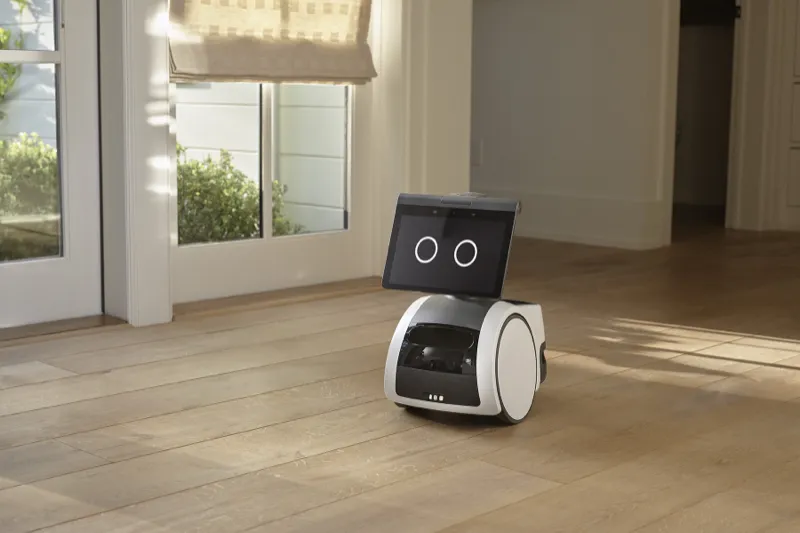
Amazon Astro home robot showing why robot trust depends on privacy, patrol behavior, and clear boundaries

What the emotional data says about companion robots

The post-interaction results were more emotional than a spec sheet. IEEE reported that 74 percent of participants selected excitement after driving Spot, 50 percent selected happiness, and only 12 percent selected nervousness. More than 55 percent rated the experience as "brilliant," and 62 percent said they were very likely to recommend it to a friend.

Open-ended responses are even more relevant to companion robots. The most common memorable moments included locomotion and terrain adaptation, mentioned by 22 percent, and expressive tilt movements, also 22 percent. A smaller 3 percent described anthropomorphic reactions, such as worrying about hurting the robot or finding its behavior silly in an emotionally meaningful way.

That is the bridge from utility to companionship. People may start by asking whether a robot can carry, inspect, or clean. After direct interaction, they may notice movement, body language, and play.

The study's task-preference shift points in the same direction. Before driving, people's desired robot tasks clustered around domestic assistance and heavy or hazardous work. After driving, domestic help stayed important, but entertainment and play jumped from 7.5 percent to 19.4 percent. Companionship appeared at 5 percent.

This does not mean a quadruped becomes a good elder-care robot after one mall demo. It does explain why products like LOVOT, Sony aibo, and PARO should not be judged only by chores. ui44 tracks PARO as a therapeutic baby seal robot used in care settings, with tactile, light, audio, temperature, posture, and microphone sensing, plus FDA Class II medical-device status in the U.S. Its job is not utility. Its job is acceptable, repeatable interaction.
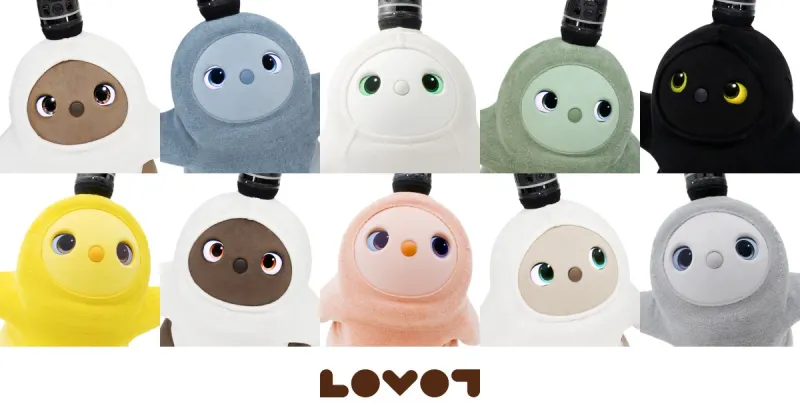
LOVOT companion robot as an example of home robot acceptance based on warmth and social presence

What buyers should ask before inviting a robot home

The Spot pop-up suggests that people become more comfortable when the robot's behavior is legible. Buyers can turn that into practical questions.

Can I understand the robot's motion before it moves?

A home robot should signal intent. A rolling robot should make it obvious when it is about to leave the dock, enter a room, follow a person, raise a camera, or turn around. A legged robot should move slowly enough around people and pets that its next action is predictable. A humanoid should be even clearer, because arms and hands raise the stakes.

Spot is not a consumer home robot, but its database record shows why motion specs matter: 33.8 kg with battery, about 90 minutes of battery life, 1.6 m/s top speed, IP54 weather resistance, stereo cameras, time-of-flight, ultrasonic, infrared, laser ground sensing, and a 14 kg payload rating. Those numbers shape how it feels in space. The same principle applies to smaller home robots. Size and movement are not secondary specs; they are trust specs.

Can I stop it, steer it, or set boundaries?

Agency was central to the RAI experiment. People controlled Spot instead of just watching it. Home robots need a version of that agency: physical stop controls, app-visible no-go zones, guest mode, camera and microphone toggles, and obvious manual override.

Astro is a good example of why this matters. Its strongest home role is patrol and remote monitoring, but that also makes it a mobile camera platform. The product is easier to accept when users understand Visual ID, Ring integration, room boundaries, and when monitoring requires a subscription.

What does the robot do when it fails?

A robot that stops safely and explains itself is easier to live with than a robot that bluffs. Does it ask for help? Does it save the scene for later? Does it call a remote operator? Does it avoid private rooms by default? If a buyer cannot get plain answers, the robot is not ready for trust-heavy spaces.

This is especially important for humanoids. 1X NEO is one of the most home-focused humanoids in ui44: $20,000 pre-order pricing, a 167 cm / 30 kg body, roughly 4 hours of runtime, cameras, depth sensors, tactile skin, and a soft body design. But a humanoid's acceptance challenge is bigger than its spec sheet. Buyers need to know when it acts alone, when it asks, and what human data it uses to improve.

1X NEO humanoid home robot showing why trust, safety, and direct experience matter before pre-ordering

Why public demos may matter more than another hype video

The next useful home-robot proof may look boring: a mall booth, a library trial, a senior-center pilot, a retailer demo cage, or a short home rental. That kind of exposure lets people discover the parts that videos hide. How loud is it? How close does it pass? Does it feel like a tool, a pet, a toy, a camera, or an intruder? Can a child, older adult, or nervous guest safely understand it?

Manufacturers should want this too. If a few minutes of direct control can raise comfort and perceived suitability, then public trials are not just marketing. They are product research. They reveal what people misunderstand, which motions feel expressive, which contexts feel invasive, and which tasks people imagine after the robot becomes physically real.

For buyers, the RAI result is a filter. Be skeptical of robots that only exist as cinematic clips. Give more credit to products that provide unedited demos, transparent limitations, hands-on access, specific specs, privacy controls, and clear service paths. A robot you can understand is more valuable than a robot you can only admire.

So, are people comfortable with home robots?

Not automatically. The home remains the hardest acceptance test because it mixes utility, privacy, safety, emotion, and intimacy. A robot that is welcome in a warehouse may feel strange in a hallway. A robot that is cute on a desk may be unwanted near a bedroom door. A robot that helps a caregiver may be unacceptable if the person being cared for feels watched.

But the Spot pop-up suggests comfort is not fixed. When people move from passive exposure to direct experience, their judgments can become warmer and more practical. They may still worry about the right things: cameras, control, safety, failure, and purpose. That is a healthier form of acceptance than blind hype.

The best near-term home robots will not win merely by looking friendly. They will win by being understandable: clear motion, clear boundaries, clear fallback, clear privacy, and a job that makes sense in the room where the robot actually lives.

Database context

Use this article as a privacy verification workflow

Turn the article into a real verification pass

Are People Comfortable With Home Robots? already points you toward 8 linked robots, 8 manufacturers, and 5 countries inside the ui44 database. That matters because strong buyer guidance is easier to apply when you can move immediately from a claim or warning into concrete product pages, manufacturer directories, component explainers, and country-level context instead of treating the article as an isolated opinion piece. The fastest next step is to turn the article into a shortlist workflow: open the linked robot pages, verify which specs are actually published for those models, then compare the surrounding manufacturer and component context before you decide whether the underlying claim changes your buying plan.

For this topic, the useful discipline is to separate the editorial lesson from the catalog evidence. The article gives you the framing, but the robot pages tell you what each product actually ships with today: sensor stack, connectivity methods, listed price, release timing, category, and support-relevant compatibility notes. The manufacturer pages then show whether you are looking at a one-off launch, a broader lineup pattern, or a company that spans multiple categories. That layered workflow reduces the risk of buying on a single marketing phrase or a single support FAQ.

Use the robot pages to confirm which products actually expose cameras, microphones, Wi-Fi, or voice systems, then use the manufacturer pages to decide how much of the privacy question seems product-specific versus brand-wide. On this route cluster, Spot, Astro, and Ballie form the fastest reality check. If you want a quick working shortlist, open Compare Spot, Astro, and Ballie next, then keep this article open as the reasoning layer while you compare structured data side by side.

Practical Takeaway

Every robot, manufacturer, category, component, and country reference below resolves to a real ui44 page, keeping the follow-up path grounded in database records rather than generic advice.

Suggested next steps in ui44

  1. Open Spot and note the listed sensors, connectivity methods, and voice stack before you interpret any policy claim.
  2. Cross-check the wider brand context on Boston Dynamics so you can see whether the privacy question touches one model or a broader lineup.
  3. Use the linked component pages to confirm how common the relevant sensors and connectivity layers are across the database.
  4. Keep a short note of which policy layers you checked, which device features are actually present on the robot page, and which items still depend on region- or app-level confirmation.
  5. Finish with Compare Spot, Astro, and Ballie so the policy reading sits next to structured product data.

Database context

Robot profiles worth opening next

Use the linked product pages as the evidence layer

The linked robot pages are where this article becomes operational. Instead of asking whether the headline is interesting, use the robot entries to inspect the actual mix of sensors, connectivity options, batteries, pricing, release timing, and stated capabilities attached to the products mentioned in the article. That is the easiest way to see whether the warning or opportunity described here affects one product family, a specific design pattern, or an entire buying lane.

Spot

Boston Dynamics · Commercial · Active

Price TBA

Spot is tracked on ui44 as a active commercial robot from Boston Dynamics. The database currently records a listed price of Price TBA, a release date of 2020, ~90 minutes battery life, 60 minutes charging time, and a published stack that includes 360° Stereo Cameras, Time-of-Flight Sensor, and Ultrasonic Sensors (front + rear) plus Wi-Fi 2.4GHz/5GHz and Ethernet.

For privacy-focused reading, this page matters because it shows the concrete device surface behind the policy discussion. Use it to verify whether Spot combines sensors and connectivity in a way that could change the in-home data footprint, and compare the listed capabilities such as Autonomous Industrial Inspection, Stair Climbing (±30° slopes), and Dynamic Obstacle Avoidance with any cloud, app, or voice layers.

Astro

Amazon · Security & Patrol · Active

$1,599

Astro is tracked on ui44 as a active security & patrol robot from Amazon. The database currently records a listed price of $1,599, a release date of 2021, Not officially disclosed battery life, Not officially disclosed charging time, and a published stack that includes 5MP Bezel Camera, 1080p Periscope Camera (132° FOV), and Infrared Vision plus Wi-Fi 802.11ac and Bluetooth.

For privacy-focused reading, this page matters because it shows the concrete device surface behind the policy discussion. Use it to verify whether Astro combines sensors and connectivity in a way that could change the in-home data footprint, and compare the listed capabilities such as Autonomous Home Patrol, Visual ID (face recognition), and Remote Home Monitoring with any cloud, app, or voice layers, including Amazon Alexa.

Ballie

Samsung · Companions · Development

Price TBA

Ballie is tracked on ui44 as a development companions robot from Samsung. The database currently records a listed price of Price TBA, a release date of TBD, Not officially disclosed battery life, Not officially disclosed charging time, and a published stack that includes Camera, Spatial Sensors, and Environmental Sensors plus Wi-Fi and SmartThings.

For privacy-focused reading, this page matters because it shows the concrete device surface behind the policy discussion. Use it to verify whether Ballie combines sensors and connectivity in a way that could change the in-home data footprint, and compare the listed capabilities such as Autonomous Home Navigation, Built-in Projector (Wall & Floor), and Smart Home Control via SmartThings with any cloud, app, or voice layers, including Bixby.

LOVOT

GROOVE X · Companions · Available

¥577,500

LOVOT is tracked on ui44 as a available companions robot from GROOVE X. The database currently records a listed price of ¥577,500, a release date of 2019, 30-45 minutes active, then returns to nest battery life, 15-30 minutes (on charging nest) charging time, and a published stack that includes Horn Top Camera (half-sphere), Horn Front Camera, and Depth Camera plus Wi-Fi and Bluetooth.

For privacy-focused reading, this page matters because it shows the concrete device surface behind the policy discussion. Use it to verify whether LOVOT combines sensors and connectivity in a way that could change the in-home data footprint, and compare the listed capabilities such as Emotional Companionship, Person Recognition, and Touch Response (full body sensors) with any cloud, app, or voice layers.

aibo (ERS-1000)

Sony · Companions · Available

$2,899

aibo (ERS-1000) is tracked on ui44 as a available companions robot from Sony. The database currently records a listed price of $2,899, a release date of 2018-01, ~2 hours battery life, ~3 hours charging time, and a published stack that includes Front Camera, SLAM Camera, and Time-of-Flight Sensor plus Wi-Fi 802.11 b/g/n (2.4GHz) and LTE.

For privacy-focused reading, this page matters because it shows the concrete device surface behind the policy discussion. Use it to verify whether aibo (ERS-1000) combines sensors and connectivity in a way that could change the in-home data footprint, and compare the listed capabilities such as Emotion Recognition, Face Recognition (up to 100 faces), and Voice Command Recognition (100+ commands) with any cloud, app, or voice layers.

Database context

Manufacturer context behind the article

Check whether this is one product story or a broader company pattern

Manufacturer pages add the privacy context that individual product pages cannot show on their own. They help you check whether cameras, microphones, cloud accounts, app controls, and policy assumptions appear across a broader lineup or stay tied to one specific product story.

Boston Dynamics

ui44 currently tracks 3 robots from Boston Dynamics across 2 categorys. The company is grouped under USA, and the current catalog footprint on ui44 includes Atlas (Electric), Spot, Stretch.

That wider brand context matters because privacy questions rarely stop at one FAQ page. A manufacturer route helps you see whether the article is centered on one premium model or on a company that has several relevant products and therefore more than one place where the same policy or app assumptions might matter. The category mix here currently points toward Humanoid, Commercial as the most useful next route if you want to see whether this article reflects a wider pattern inside the brand.

Amazon

ui44 currently tracks 1 robot from Amazon across 1 category. The company is grouped under USA, and the current catalog footprint on ui44 includes Astro.

That wider brand context matters because privacy questions rarely stop at one FAQ page. A manufacturer route helps you see whether the article is centered on one premium model or on a company that has several relevant products and therefore more than one place where the same policy or app assumptions might matter. The category mix here currently points toward Security & Patrol as the most useful next route if you want to see whether this article reflects a wider pattern inside the brand.

Samsung

ui44 currently tracks 2 robots from Samsung across 2 categorys. The company is grouped under South Korea, and the current catalog footprint on ui44 includes Ballie, Bespoke AI Jet Bot Steam Ultra.

That wider brand context matters because privacy questions rarely stop at one FAQ page. A manufacturer route helps you see whether the article is centered on one premium model or on a company that has several relevant products and therefore more than one place where the same policy or app assumptions might matter. The category mix here currently points toward Companions, Cleaning as the most useful next route if you want to see whether this article reflects a wider pattern inside the brand.

GROOVE X

ui44 currently tracks 1 robot from GROOVE X across 1 category. The company is grouped under Japan, and the current catalog footprint on ui44 includes LOVOT.

That wider brand context matters because privacy questions rarely stop at one FAQ page. A manufacturer route helps you see whether the article is centered on one premium model or on a company that has several relevant products and therefore more than one place where the same policy or app assumptions might matter. The category mix here currently points toward Companions as the most useful next route if you want to see whether this article reflects a wider pattern inside the brand.

Database context

Broaden the scan without leaving the database

Categories, components, and countries add the wider context

Category framing

Category pages are useful when the article touches a buying pattern that shows up across brands. A category route helps you confirm whether the linked products sit in a narrow niche or whether the same question should be tested across a larger field of alternatives.

Commercial

The Commercial category page currently groups 23 tracked robots from 20 manufacturers. ui44 describes this lane as: Delivery robots, warehouse automation, hospitality service bots, and other robots built for business operations.

That makes the category route a practical follow-up when you want to check whether the products linked in this article are typical for the lane or whether they sit at one edge of the market. Useful starting examples currently include aeo, Pepper, ANYmal D.

Security & Patrol

The Security & Patrol category page currently groups 3 tracked robots from 3 manufacturers. ui44 describes this lane as: Surveillance and patrol robots that monitor homes, businesses, and perimeters autonomously.

That makes the category route a practical follow-up when you want to check whether the products linked in this article are typical for the lane or whether they sit at one edge of the market. Useful starting examples currently include Astro, Vision 60, Watchbot 2.

Country and ecosystem context

Country pages give extra context when support practices, launch sequencing, regulatory posture, or manufacturer mix matter. They are not a substitute for model-level verification, but they do help you see which ecosystems cluster together and which manufacturers sit in the same regional field when you broaden the search beyond the article headline.

USA

The USA route currently groups 16 tracked robots from 12 manufacturers in ui44. That gives you a useful regional lens when the article points toward support practices, launch sequencing, or brand clusters that may share similar ecosystem assumptions.

On the current route, manufacturers like Boston Dynamics, Figure AI, Tesla make the page a good way to broaden the scan without losing the regional context that often shapes availability, documentation style, and adjacent alternatives.

South Korea

The South Korea route currently groups 2 tracked robots from 1 manufacturers in ui44. That gives you a useful regional lens when the article points toward support practices, launch sequencing, or brand clusters that may share similar ecosystem assumptions.

On the current route, manufacturers like Samsung make the page a good way to broaden the scan without losing the regional context that often shapes availability, documentation style, and adjacent alternatives.

Japan

The Japan route currently groups 5 tracked robots from 3 manufacturers in ui44. That gives you a useful regional lens when the article points toward support practices, launch sequencing, or brand clusters that may share similar ecosystem assumptions.

On the current route, manufacturers like Honda, Sony, GROOVE X make the page a good way to broaden the scan without losing the regional context that often shapes availability, documentation style, and adjacent alternatives.

Database context

Questions to answer before you move from reading to buying

A follow-up FAQ built from the entities already linked in this article

Frequently Asked Questions

Which page should I open first after reading “Are People Comfortable With Home Robots?”?

Start with Spot. That gives you a concrete product anchor for the article’s main claim. From there, branch into the manufacturer and component pages so you can tell whether the article is describing one specific model, a repeated brand pattern, or a wider technology issue that affects multiple shortlist options.

How do the manufacturer pages change the buying decision?

Boston Dynamics help you zoom out from one article and one product. On ui44 they show lineup breadth, category spread, and the neighboring robots tied to the same company. That context is useful when you are deciding whether a risk belongs to a single model, whether it shows up across a brand’s portfolio, and whether you should keep looking at alternatives before committing.

When should I switch from reading to side-by-side comparison?

Move into Compare Spot, Astro, and Ballie as soon as you understand the article’s main warning or promise. The article explains what to watch for, but the compare view is where you can check whether price, status, battery life, connectivity, sensors, and category fit still make the robot a good match for your own home and budget.

Database context

Where to go next in ui44

Keep the research chain inside the database

If you want to keep going, these follow-on pages give you the cleanest expansion path from article to research session. Open the comparison route first if you are deciding between products today. Open the manufacturer, category, and component routes if you still need to understand the broader pattern behind the claim.

UT

Written by

ui44 Team

Published April 30, 2026

Share this article

Open a plain share link on X or Bluesky. No embeds, no widgets, no cookie baggage.

Explore the database

Go beyond the headlines

Compare specs, features, and prices across 100+ robots from leading manufacturers worldwide.