aeo
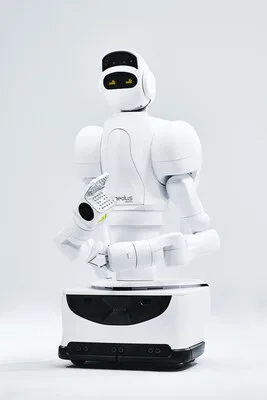
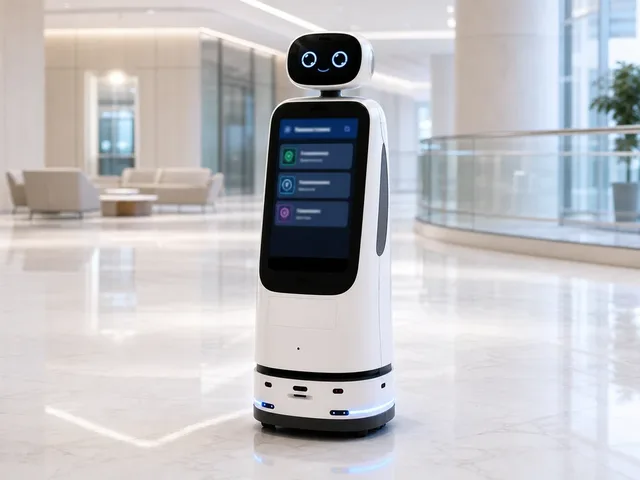
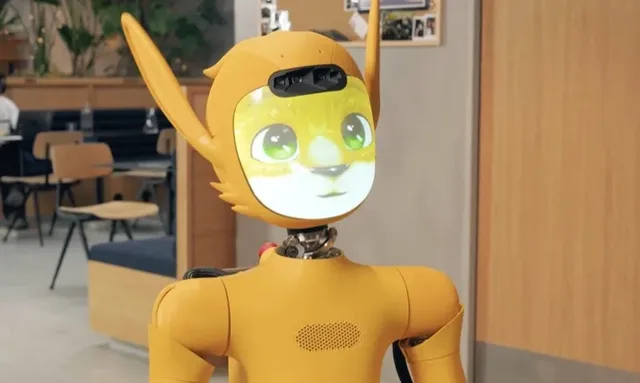
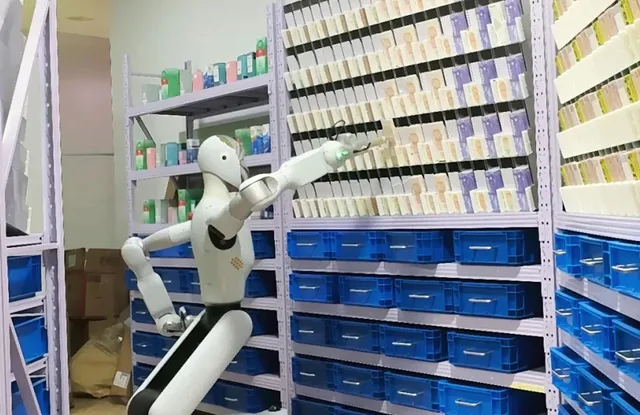
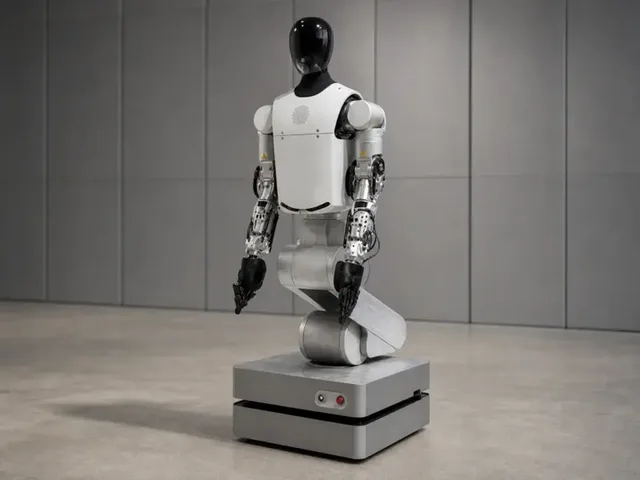
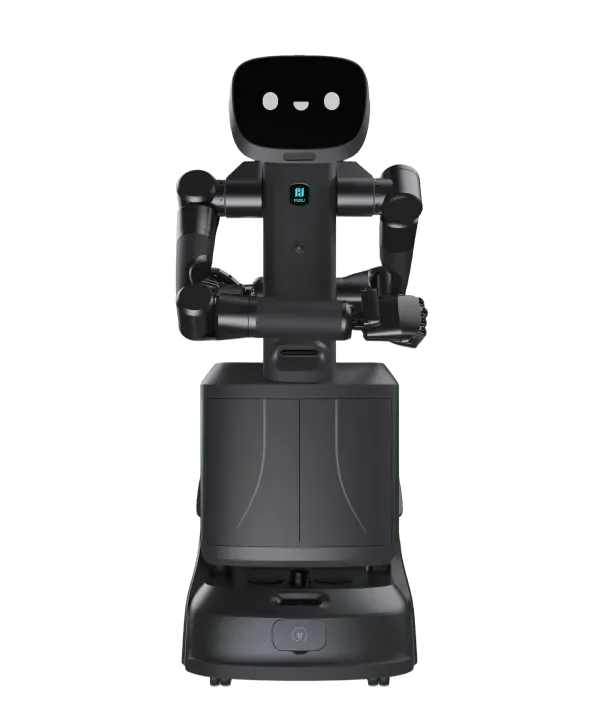
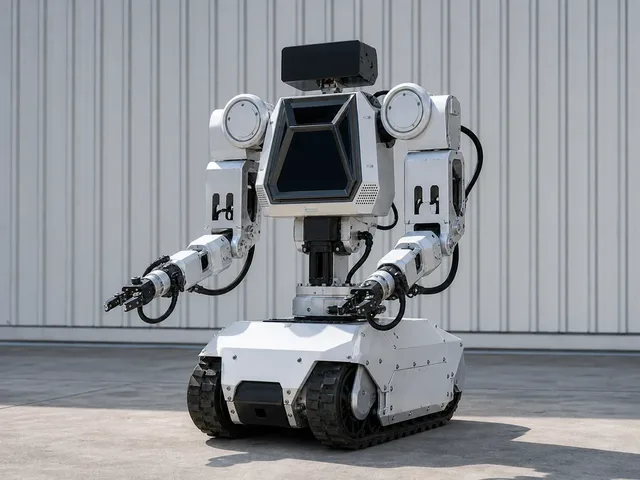
aeo is a dual-arm service robot from Aeolus Robotics designed for real-world facility operations such as delivery, security patrols, eldercare support, kiosk…
Delivery robots, warehouse automation, hospitality service bots, and other robots built for business operations. This route is designed to move from fast inventory scan to deeper technical and buyer guidance without turning the page into a wall of undifferentiated content.
Current commercial coverage in ui44.
3 still sit in pre-release or inactive states.
Enough supplier breadth to spot concentration quickly.
Use spec and manufacturer signals first while pricing catches up.
Market shape
How to use this route
Route map
Inventory
This is the fastest way to understand catalog breadth before you read the deeper buyer, technical, and market context chapters below.
Browse the full commercial inventory currently tracked in ui44.
The strongest signal for real-world shortlist work.
Useful when the first pass needs fast budget framing.
A quick read on concentration versus competitive spread.
aeo is a dual-arm service robot from Aeolus Robotics designed for real-world facility operations such as delivery, security patrols, eldercare support, kiosk…
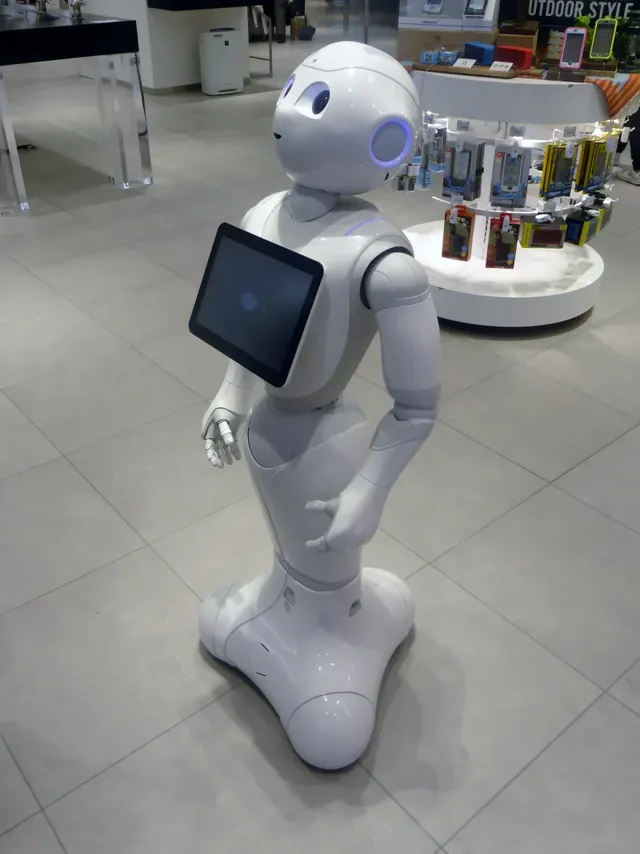
Aldebaran Robotics' semi-humanoid robot designed to read emotions and interact with people. Introduced by SoftBank in Tokyo in June 2014, Pepper became one of…
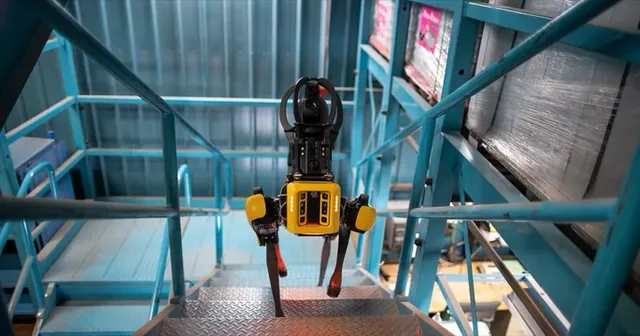
Boston Dynamics' agile quadruped robot for industrial inspection, data collection, and remote operations. With over 1,500 units deployed worldwide, Spot is one…
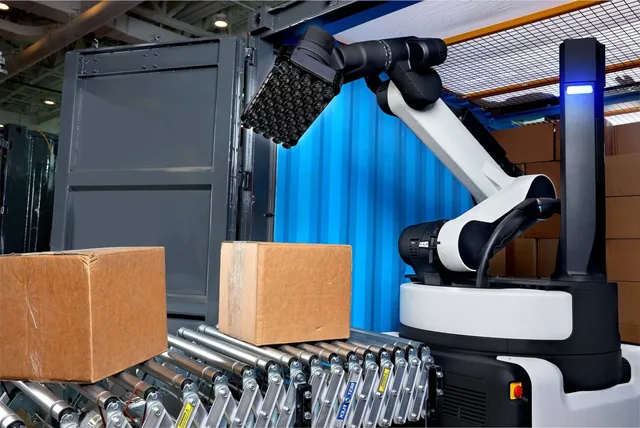
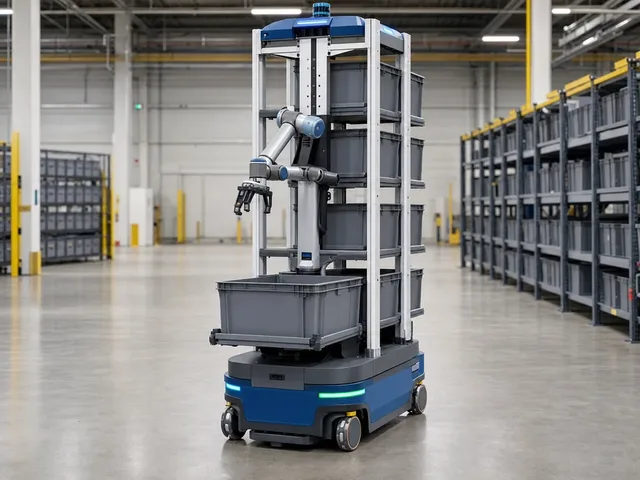
Boston Dynamics' purpose-built warehouse robot designed for autonomous case handling — including truck/container unloading and case picking. Stretch can move…
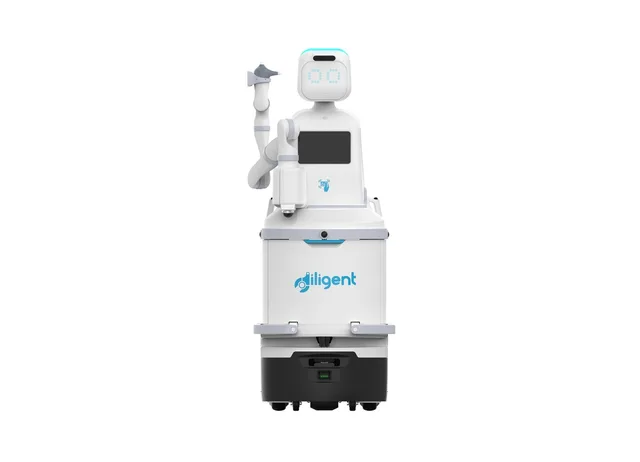
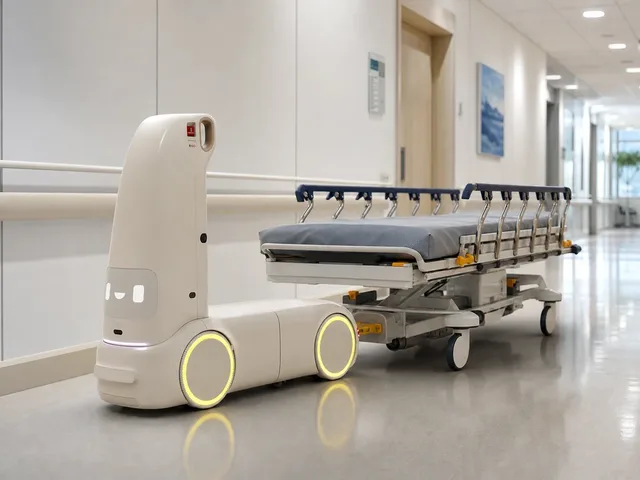
Moxi is Diligent Robotics' hospital-focused mobile manipulator built to automate routine, non-patient-facing logistics tasks so clinical staff can spend more…
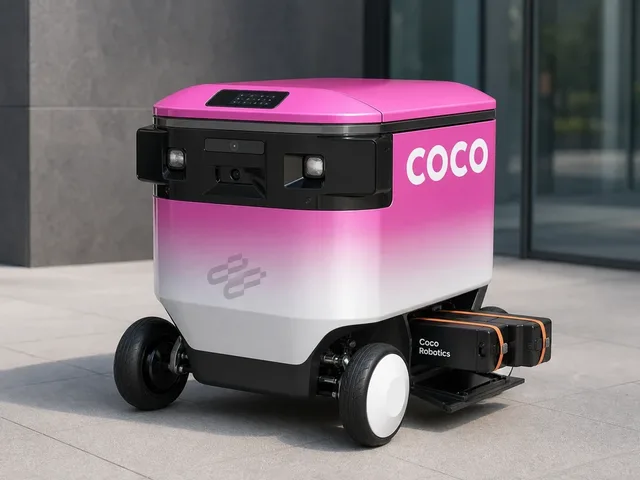
Coco Robotics
Coco 2
Category
Commercial
Since
2026
Coco 2 is the next-generation fully autonomous delivery robot from Coco Robotics, a Venice Beach–based startup founded at UCLA in 2020. Unlike its predecessor…
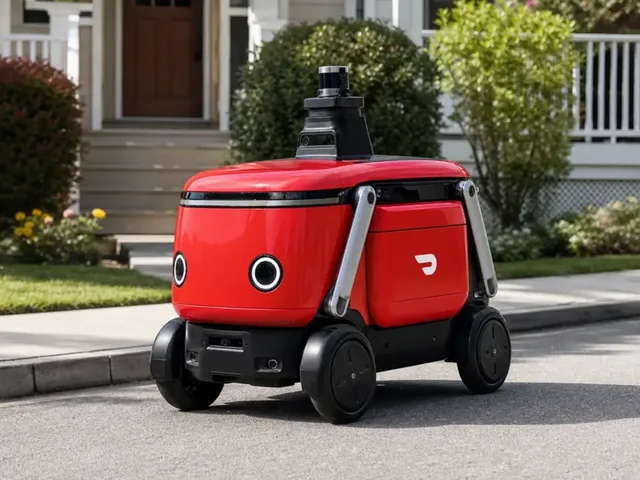
DoorDash
Dot
Category
Commercial
Since
2025
Mirokaï is a social humanoid robot built by Enchanted Tools, a French startup founded in 2021 by Jérôme Monceaux — who previously co-created NAO and Pepper at…
Humanoid
HMND 01 Alpha Wheeled
Category
Commercial
Since
2025
Humanoid's HMND 01 Alpha Wheeled is a dual-arm industrial humanoid mobile manipulator built for warehouse, logistics, and manufacturing workflows rather than…
Noetix Robotics
Hobbs W1
Category
Commercial
Since
2025
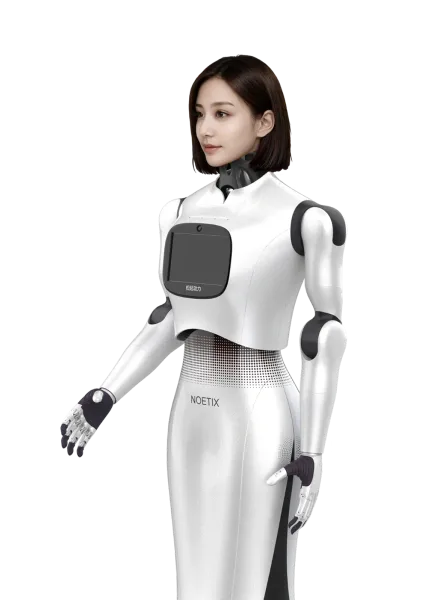
Noetix Robotics' Hobbs W1 is a wheeled bionic humanoid service robot built for customer-facing and guided-service environments rather than home chores. The…
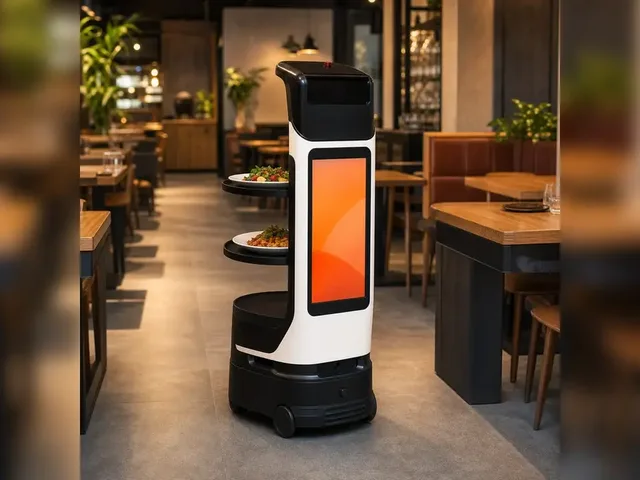
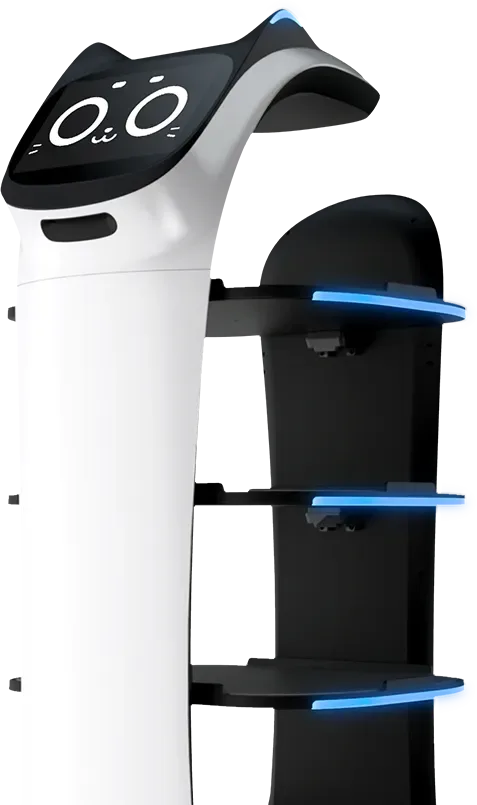
Pudu Robotics' premium food delivery robot, one of the most widely deployed commercial service robots in the world. BellaBot features an innovative bionic…
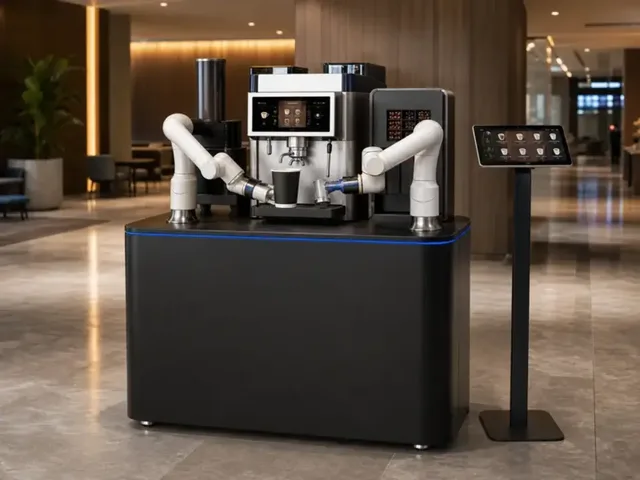
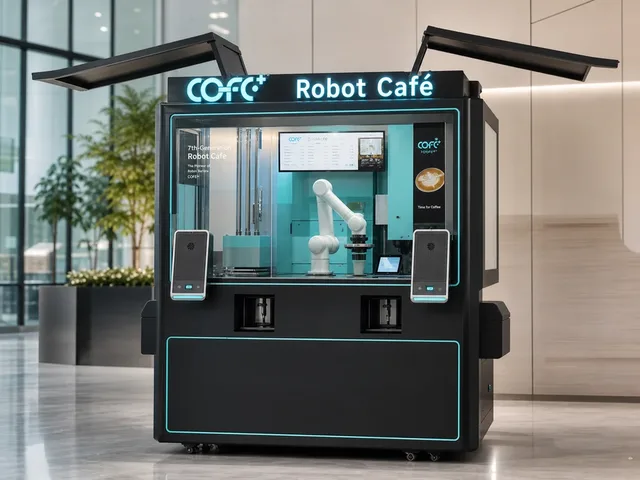
Richtech Robotics' AI-powered dual-arm robot designed for beverage service — bartending, barista coffee, and boba tea. ADAM is commercially deployed at venues…
RoboForce
Titan
Category
Commercial
Since
2025
Serve Robotics
Serve Gen3
Category
Commercial
Since
2024
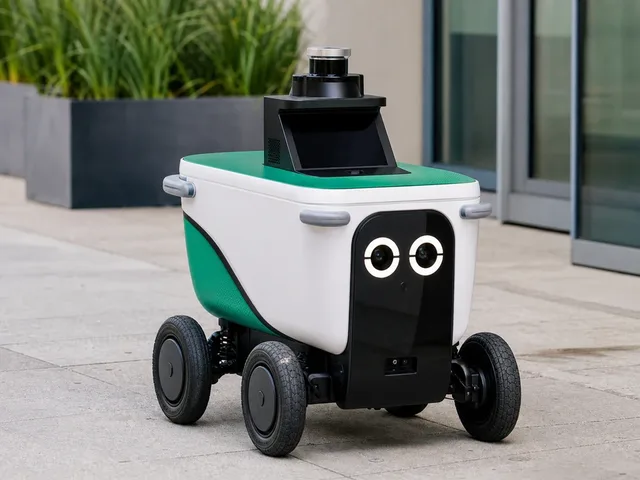
Serve Robotics' third-generation autonomous sidewalk delivery robot, deployed across five major U.S. metro areas (Los Angeles, Miami, Dallas, Atlanta, Chicago)…
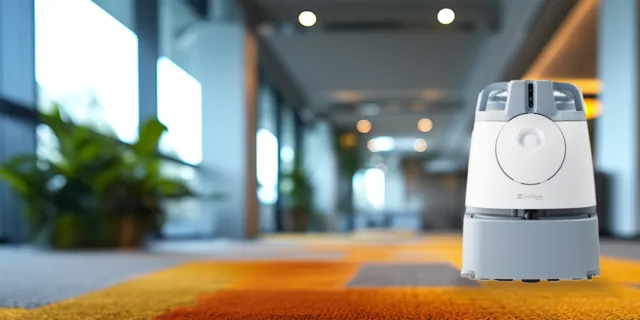
Whiz is SoftBank Robotics' autonomous commercial vacuum robot for carpeted indoor facilities such as hotels, airports, workplaces, universities, healthcare…
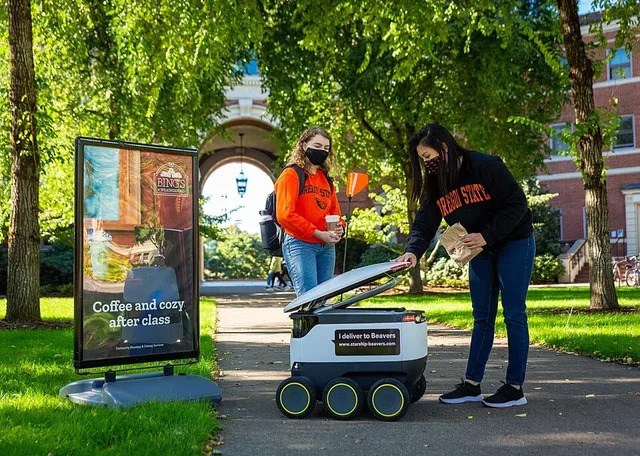
Starship Technologies' autonomous sidewalk delivery robot, the most widely deployed delivery robot in the world with over 9 million deliveries completed and 19…
Buyer guide
Use this chapter to orient the page, calibrate expectations, and pressure-test whether the category really matches the workload you have in mind.
Commercial robots are designed for business operations: delivery, warehouse automation, hospitality service, retail inventory management, and professional cleaning. This is the largest and most diverse robotics category by revenue, encompassing everything from last-mile delivery robots that bring packages to your door to warehouse AMRs (autonomous mobile robots) that move inventory across fulfillment centers.
Restaurant and hotel robots handle food delivery, room service, and guest interaction. Retail robots scan shelves for stock levels and pricing errors.
The commercial robotics market is driven by clear ROI calculations — these robots need to demonstrably reduce costs, increase throughput, or improve service quality to justify their deployment. As a result, commercial robots tend to be the most practically proven and reliability-focused machines in the entire robotics industry.
Commercial robot purchases are business decisions driven by return on investment. Calculate the total cost of ownership: purchase price (or lease cost), installation and integration, maintenance contracts, and ongoing software subscriptions.
Calculate the total cost of ownership: purchase price (or lease cost), installation and integration, maintenance contracts, and ongoing software subscriptions
Compare this against the labor cost, efficiency gain, or revenue impact the robot provides. Pilot programs are standard practice — most manufacturers offer trial periods or proof-of-concept deployments before full commitment.
Key evaluation criteria include: throughput (deliveries per hour, items picked per hour), reliability (uptime percentage, mean time between failures), integration complexity (how much does your existing infrastructure need to change?), and support quality (response time for maintenance issues, software update frequency). For multi-unit deployments, fleet management software and centralized monitoring are essential.
Identify the specific operational bottleneck you're trying to solve. For last-mile delivery, compare the robot's delivery radius, payload capacity, weather capability, and throughput to your delivery volume requirements.
Identify the specific operational bottleneck you're trying to solve
For last-mile delivery, compare the robot's delivery radius, payload capacity, weather capability, and throughput to your delivery volume requirements
For warehouse automation, evaluate navigation accuracy in your specific facility layout, integration with your WMS (warehouse management system), and peak throughput versus…
For hospitality, assess guest interaction quality, tray capacity, navigation in crowded spaces, and noise level
Practical tip: Always request customer references from the manufacturer — talk to businesses similar to yours that have deployed the robot for 6+ months. Real-world feedback is far more valuable than spec sheets for commercial robots.
Specs and pricing
These sections help separate the robots that merely sit in the category from the ones that genuinely fit a deployment or buying brief.
When evaluating commercial robots, these are the specifications that matter most for real-world performance and value:
deliveries per hour, items handled per hour
maximum weight per trip
24/7 operation capability
indoor accuracy, outdoor GPS, mixed environments
WMS, POS, fleet management compatibility
uptime, MTBF, maintenance intervals
The commercial category serves a variety of applications, from consumer households to industrial deployments:
Last-mile and sidewalk package delivery
Warehouse material transport and order picking
Restaurant food delivery and bussing
Hotel room service and concierge assistance
Retail inventory scanning and shelf monitoring
Commercial floor cleaning and facility maintenance
No commercial robots in the database currently have publicly listed pricing. This is common for enterprise and research-focused categories where pricing is typically provided through direct sales inquiries.
Compare key specifications across all 21 commercial robots in the database. All data is sourced from manufacturer disclosures and verified against official documentation.
| Robot | Price | Status |
|---|---|---|
| aeo | — | Active |
| Pepper | — | Discontinued |
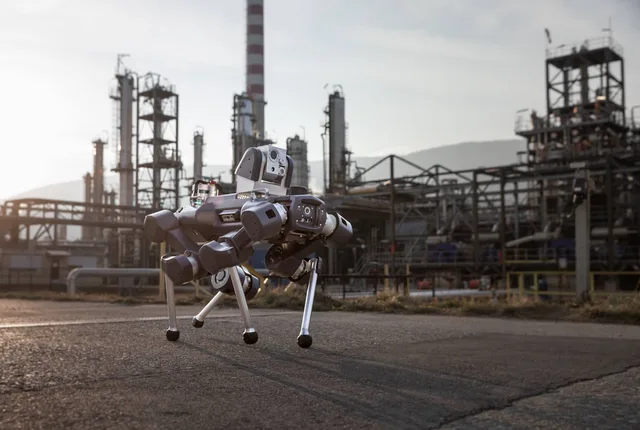
| ANYmal D | — | Active |
| ANYmal X | — | Pre-order |
| Spot | — | Active |
| Stretch | — | Active |
| Moxi | — | Active |
| Coco 2 | — | Active |
| Dot | — | Active |
| Mirokaï | — | Active |
| G1 | — | Active |
| HMND 01 Alpha Wheeled | — | Development |
| MobED | — | Active |
| Hobbs W1 | — | Active |
| BellaBot | — | Active |
| ADAM | — | Active |
| Titan | — | Active |
| Serve Gen3 | — | Active |
| Whiz | — | Active |
| Starship Delivery Robot | — | Active |
| temi V3 | — | Available |
Manufacturer landscape
Once the inventory looks promising, this is where you figure out whether the category is broad and competitive or concentrated around a smaller set of serious builders.
19 companies are building commercial robots tracked in the ui44 database. Here's how the product landscape breaks down by manufacturer.
View all robotics companies in our manufacturers directory.
A comprehensive look at the sensors, connectivity, capabilities, and AI platforms used across all 21 commercial robots in the database.
Operations
This chapter keeps the route useful after the first visual scan, when the real questions become ownership, rollout friction, and operational constraints.
Commercial robots operate under well-established industrial safety frameworks that are more mature than those for consumer robots. Warehouse and logistics robots follow ISO 3691-4 (driverless industrial trucks) and ISO 13482 (personal care robots, applicable to hospitality), with additional guidance from ANSI/RIA R15.08 for mobile robot safety in industrial environments.
Modern robots implement multiple safety layers including force limiting, collision detection, and emergency stops.
Look for ISO, CE, FCC, and category-specific certifications that validate safety compliance.
Connected robots with cameras and microphones require careful evaluation of data handling and security practices.
Last-mile delivery robots face a patchwork of local regulations: many US cities and states have passed specific legislation governing sidewalk delivery robots, typically requiring them to yield to pedestrians, operate under speed limits (typically 6 mph/10 km/h), and maintain a remote human operator capable of intervention. In the EU, delivery robots fall under emerging autonomous vehicle regulations.
Hospitality robots serving food must comply with local health codes — while they don't prepare food, they must be constructed of food-safe materials and be cleanable to hygiene standards. For warehouse operations, OSHA requirements mandate risk assessments, safety-rated speed and separation monitoring, and staff training for facilities deploying autonomous robots.
Commercial robots are evaluated on total cost of ownership (TCO) over deployment periods of 3–5 years. The acquisition cost is only the beginning — ongoing costs include maintenance contracts, software subscriptions, infrastructure (charging stations, network equipment), and operational management.
Most robots need periodic cleaning, software updates, and consumable replacements to maintain peak performance.
Factor in consumables, subscriptions, battery replacements, and potential maintenance contracts when budgeting.
A well-maintained robot's lifespan varies by category — from 4–7 years for cleaning robots to 8–12 years for mowers.
1–3 yr
Battery lifespan
Delivery robots operating outdoors face the harshest conditions: expect tire/wheel replacements quarterly, sensor cleaning weekly, weatherproofing inspection monthly, and battery replacement annually under heavy use. Most delivery robot companies operate fleet-as-a-service models, absorbing maintenance into the per-delivery cost.
Warehouse robots are maintained on predictive schedules based on operating hours and sensor diagnostics — well-managed fleets achieve 95–99% uptime. Typical annual maintenance costs run 8–15% of the robot's purchase price, or are bundled into RaaS (robot-as-a-service) monthly fees.
If you are new to commercial robots, here is a step-by-step approach to finding the right model for your needs. This guide applies whether you are buying your first robot or upgrading from an earlier model.
Identify the specific operational bottleneck you want to solve — delivery throughput, inventory management, floor cleaning, or customer service.
Calculate the total cost of ownership over 3–5 years: acquisition or lease cost, installation, integration, maintenance, and software subscriptions.
Request customer references from the manufacturer — talk to businesses similar to yours that have deployed the robot for at least 6 months.
Start with a pilot program: most commercial robot manufacturers offer trial deployments or proof-of-concept periods before full commitment.
Plan the infrastructure: charging stations, network coverage, floor mapping, and integration with existing business systems (WMS, POS, fleet management).
Evaluate scalability: if the pilot succeeds, can you easily add more units? Check fleet management software, centralized monitoring, and volume pricing.
Use ui44's comparison tool and individual robot detail pages to evaluate the 21 commercial robots in the database.
Outlook
The goal here is not trend theater. It is to show whether the category is stabilizing, accelerating, or still too early for confident buyer decisions.
Commercial robotics has the longest deployment history of any robot category. Automated Guided Vehicles (AGVs) have operated in factories and warehouses since the 1950s, following magnetic strips or painted lines on floors.
These evolved into the Kiva Systems warehouse robots (acquired by Amazon in 2012 for $775 million and rebranded as Amazon Robotics), which revolutionized e-commerce fulfillment with their shelf-carrying pod system
In delivery, Starship Technologies pioneered sidewalk delivery robots in 2014, launching commercial service on college campuses and suburban neighborhoods
The hospitality segment grew from novelty to necessity during the COVID-19 pandemic (2020–2022), when contactless service became a health requirement
These evolved into the Kiva Systems warehouse robots (acquired by Amazon in 2012 for $775 million and rebranded as Amazon Robotics), which revolutionized e-commerce fulfillment with their shelf-carrying pod system. This acquisition catalyzed massive investment in commercial robotics — competitors like Geek+, GreyOrange, and Locus Robotics emerged to serve the broader market.
In delivery, Starship Technologies pioneered sidewalk delivery robots in 2014, launching commercial service on college campuses and suburban neighborhoods. The hospitality segment grew from novelty to necessity during the COVID-19 pandemic (2020–2022), when contactless service became a health requirement.
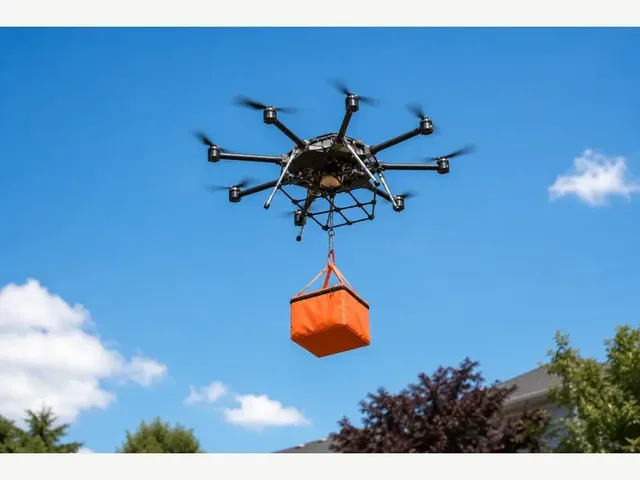
Chinese companies like Pudu Robotics and Keenon deployed hundreds of thousands of restaurant and hotel robots, particularly in Asia where labor shortages were acute. The delivery sector expanded with companies like Nuro (road-based autonomous delivery vehicles) and Wing (drone delivery) complementing sidewalk robots.
Today, commercial robotics is the most economically proven segment of the industry, with clear ROI models and growing adoption across logistics, hospitality, retail, healthcare, and agriculture. The market is shifting from single-robot deployments to fleet orchestration, where dozens or hundreds of robots coordinate through centralized management platforms.
Commercial robots compete with human labor and traditional automation in every sub-segment, and the competitive dynamics vary significantly by application. For warehouse logistics, commercial robots compete with manual picking (workers walking to shelves), conveyor systems, and automated storage and retrieval systems (AS/RS). Manual picking is the baseline — a warehouse worker costs $35,000–$55,000 annually (wages, benefits, insurance) and picks 60–120 items per hour.
$50k–$500k+
Maximum throughput and precision for high-volume, fixed processes
Inflexible — reprogramming or reconfiguring is costly and slow
Best for: High-volume manufacturing with stable, predictable workflows
$30k–$80k/year per worker
Maximum adaptability, judgment, and ability to handle novel situations
Labor shortages, safety risks in hazardous environments, shift limitations
Best for: Tasks requiring judgment, creativity, and frequent process changes
$5k–$50k/year
Fast deployment for digital workflows, no physical infrastructure needed
Cannot handle physical tasks — limited to screen-based work
Best for: Data entry, invoice processing, and digital workflow automation
Inventory robots scan entire stores daily with near-perfect accuracy, detecting out-of-stock items, misplaced products, and pricing errors that manual processes miss. The honest bottom line: commercial robots rarely eliminate human workers entirely. They are most successful when deployed to handle the most repetitive, physically demanding, or consistency-critical subtasks, allowing human workers to focus on tasks requiring judgment, creativity, and social intelligence.
Commercial robotics is experiencing rapid adoption driven by e-commerce growth, labor shortages, and improving AI capabilities. Autonomous delivery robots are expanding from college campuses and office parks to neighborhood-level service in multiple cities.
Warehouse robots are shifting from simple transport (following lines or QR codes) to intelligent picking and sorting using computer vision and manipulation AI. The hospitality segment is growing steadily, with hotels and restaurants in labor-constrained markets deploying service robots as standard operations infrastructure rather than marketing novelties.
Fleet orchestration — managing dozens or hundreds of robots from a single platform — is the critical software challenge enabling large-scale commercial deployments.
Commercial robotics is the most mature and fastest-growing segment of the robotics industry, with several transformative trends shaping its near-term future. First, fleet orchestration is becoming the decisive competitive advantage: the ability to manage dozens or hundreds of robots from a single platform, optimizing routes, balancing workloads, handling failures gracefully, and scaling capacity dynamically is now more important than any individual robot's capabilities.
$80B
Market by 2030
2030
Key milestone year
Robot-as-a-Service pricing becomes the standard deployment model, reducing upfront costs and making automation accessible to SMBs.
Fleets of heterogeneous robots working together — humanoids, AMRs, and drones coordinating tasks in warehouses and factories.
Fully autonomous warehouse operations with minimal human oversight, driven by AI planning and multi-robot orchestration.
Fifth, the expansion into new verticals is accelerating: commercial robots are moving beyond logistics and hospitality into healthcare (medication delivery, patient transport), agriculture (autonomous tractors, fruit-picking robots), and construction (site inspection, material transport). The commercial robotics market is projected to exceed $80 billion by 2030, making it the dominant segment of the robotics industry by revenue.
FAQ and routes
Finish here when you need practical next steps rather than more category theory.
Delivery robots, warehouse automation, hospitality service bots, and other robots built for business operations. The ui44 database currently tracks 21 robots in this category from 19 manufacturers.
ui44 currently tracks 21 commercial robots from 19 different manufacturers including Aeolus Robotics, Aldebaran Robotics, ANYbotics, Boston Dynamics, Diligent Robotics, and 14 more. Browse the full robot directory to see all categories.
Across the 21 robots in this category, 182 distinct capabilities are represented, including: Dual 7-DOF manipulator arms, Autonomous elevator operation, Door operation, Object pickup, Autonomous delivery workflows, Security patrol tasks, UV disinfection workflows, Remote task scheduling and alerting via apps, and 174 more. The specific capability set varies by model, price point, and intended application — visit individual robot pages for detailed capability breakdowns.
19 companies make commercial robots tracked in the ui44 database: Aeolus Robotics, Aldebaran Robotics, ANYbotics, Boston Dynamics, Diligent Robotics, Coco Robotics, DoorDash, Enchanted Tools, Galbot, Humanoid, Hyundai, Noetix Robotics, Pudu Robotics, Richtech Robotics, RoboForce, Serve Robotics, SoftBank Robotics, Starship Technologies, temi. Explore all robotics companies on the manufacturers page.
All robot data on ui44 is periodically verified against manufacturer sources, spec sheets, and press releases. The most recent verification for a robot in the Commercial category was on 2026-04-14. Each robot page includes a "last verified" date for transparency. If you notice outdated information, please let us know.
Commercial robots operate under well-established industrial safety frameworks that are more mature than those for consumer robots. Warehouse and logistics robots follow ISO 3691-4 (driverless industrial trucks) and ISO 13482 (personal care robots, applicable to hospitality), with additional guidance from ANSI/RIA R15.08 for mobile robot safety in industrial environments. Last-mile delivery robots… Read the full safety & regulation section for detailed information on certifications, standards, and precautions for commercial robots.
Commercial robotics has the longest deployment history of any robot category. Automated Guided Vehicles (AGVs) have operated in factories and warehouses since the 1950s, following magnetic strips or painted lines on floors. These evolved into the Kiva Systems warehouse robots (acquired by Amazon in 2012 for $775 million and rebranded as Amazon Robotics), which revolutionized e-commerce… Read the full history & evolution section for a detailed timeline of commercial robot development.
Currently, no commercial robots in the database have publicly listed pricing. This is typical for enterprise, research, and pre-market categories where pricing depends on configuration and deployment requirements. Contact manufacturers directly for quotes.
Commercial robots are evaluated on total cost of ownership (TCO) over deployment periods of 3–5 years. The acquisition cost is only the beginning — ongoing costs include maintenance contracts, software subscriptions, infrastructure (charging stations, network equipment), and operational management. Delivery robots operating outdoors face the harshest conditions: expect tire/wheel replacements… See the full maintenance & ownership section for a complete breakdown of ongoing costs, consumables, and expected lifespan for commercial robots.
Commercial robots in the database use 88 types of sensors. The most common include Vision system (posture/position and anomaly detection), RGB Camera ×2 (forehead + mouth), 3D Depth Sensor, Microphone ×4, Gyroscope ×2 (torso + base), Touch Sensors (head, hands), and 82 more. See the technology landscape section for a complete breakdown, or browse the components directory.
Commercial robots in the database support 25 types of connectivity. The most common include Web apps, Native smartphone apps, Wi-Fi 802.11 a/b/g/n (2.4/5 GHz), Ethernet, Wi-Fi, 4G/LTE, and 19 more. Connectivity determines how the robot communicates with your network, cloud services, companion apps, and other smart devices. Visit the components directory for detailed information on each protocol.
Some commercial robots integrate with voice assistant platforms including Multilingual Speech Recognition & Synthesis, Speakers, LED Text Display Strip, Microphone (future AI conversation capability), Multi-language speech recognition & synthesis with emotional prosody, Natural Language Voice Commands, Doubao, iFlytek, AI Conversational Interface, Loudspeaker (optional voices, music), temi AI Assistant. Voice integration enables hands-free control, status updates, and interaction with your broader smart home ecosystem. Not all models support voice assistants — check individual robot pages for specific compatibility details.
18 commercial robots are currently available or actively deployed: aeo by Aeolus Robotics, ANYmal D by ANYbotics, Spot by Boston Dynamics, Stretch by Boston Dynamics, Moxi by Diligent Robotics, Coco 2 by Coco Robotics, Dot by DoorDash, Mirokaï by Enchanted Tools, and 10 more. Visit each robot's page for the latest purchasing details and availability.
ui44 offers a side-by-side comparison tool that lets you compare up to 4 commercial robots at once. Compare specs like battery life, weight, sensors, price, and capabilities across models including aeo, Pepper, ANYmal D, ANYmal X, Spot, and 16 more. You can also check the specifications comparison table above for a quick overview of all models.
Start by defining your specific requirements and budget. The getting started guide above walks through 6 key steps: Identify the specific operational bottleneck you want to solve — delivery…; Calculate the total cost of ownership over 3–5 years: acquisition or lease…; Request customer references from the manufacturer — talk to businesses similar…. Use ui44's comparison tool and the specs comparison table to narrow down your shortlist.
All commercial robot data on ui44 is verified against official manufacturer sources, spec sheets, and press releases. Most recent verification: 2026-04-14. If you notice outdated or incorrect data, please let us know — accuracy is our top priority.
Source: ui44 Home Robot Database · 21 models tracked in Commercial · Browse all robots · All categories
Next move
You now have the inventory view, the buyer guidance, and the spec context. The cleanest next step is to compare a small set of candidates, then validate the strongest manufacturers in detail.