All Robots

412 notable · 125 listed Available · 254 makers

Filters & sort 412

412 robots found · Page 9 of 35

Sorted by name A–Z

Genesis AI

Eno

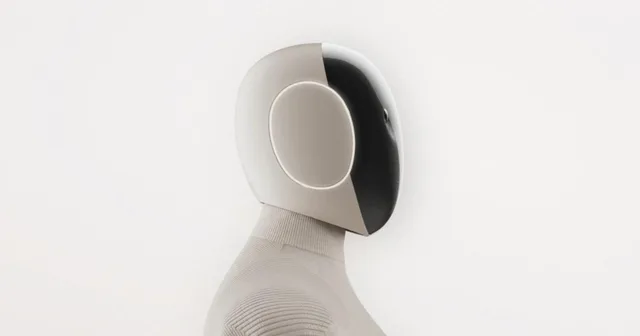
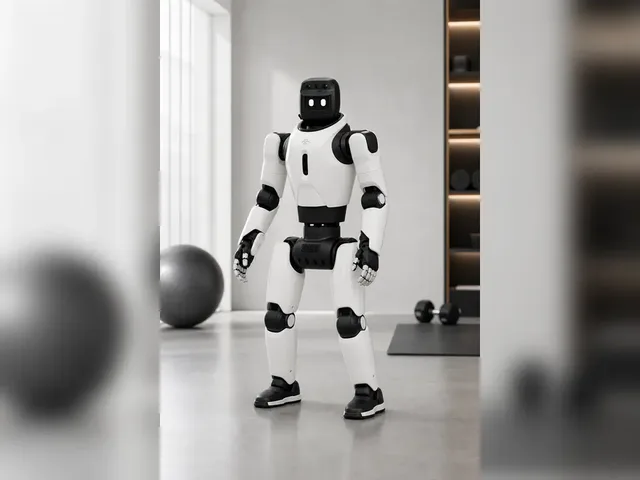
Eno is Genesis AI's first general-purpose robot, unveiled in June 2026 as a wheeled, non-humanoid mobile manipulator built around dexterity rather than humanlike appearance. Official Genesis materials describe a compact articulated-panel body that adjusts height and reach in real time, folds down for storage, and uses proprietary dexterous hands with twenty active, back-drivable degrees of freedom. The robot is powered by Genesis AI's GENE robotics-native foundation model for goal understanding, reasoning, memory, and long-horizon task planning. Genesis plans targeted customer deployments by the end of 2026, first in manufacturing, logistics, and laboratories, followed by service settings such as hotels and hospitals and later consumer home and outdoor use. Pricing, runtime, payload, exact dimensions, and the detailed sensor suite have not been publicly disclosed.
Commercial
See pricing details Development
ergoCub by Italian Institute of Technology — Humanoid robot
Italian Institute of Technology

ergoCub

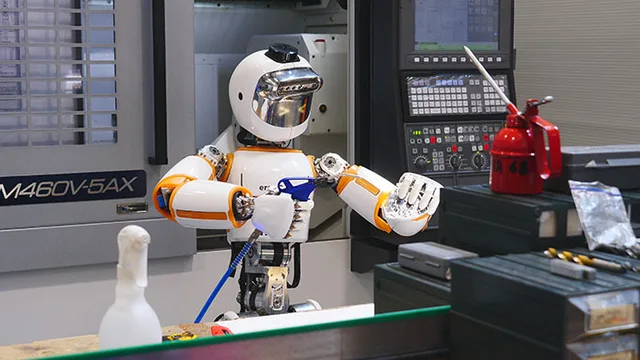
ergoCub is IIT’s ergonomics-focused humanoid robot developed with INAIL for physical collaboration tasks in industrial and healthcare settings. Built as an evolution of iCub, ergoCub is designed to reduce workers’ biomechanical risk during lifting by combining humanoid mobility, force-aware interaction, and AI-based planning. IIT reports a human-scale body (1.5 m, 55.7 kg), an approximate 10 kg collaborative load capability, Wi-Fi 6E connectivity, and AI components for collaborative lifting, load transport, warehouse navigation, worker-intention recognition, and object localization/manipulation.

55.7 kg150 cm
See pricing details Active
EVE by 1X Technologies — Humanoid robot
1X Technologies

EVE

1X Technologies' first humanoid robot, originally developed under the Halodi Robotics name. EVE is a wheeled, self-balancing humanoid designed for logistics, security, and healthcare environments. It is marketed for industrial deployment (not direct consumer purchase), and the official EVE page offers registration for product updates. According to 1X's company timeline, EVE was deployed in customer factories in 2022. The company describes those enterprise deployments as preceding its move toward home robotics with NEO in 2023.

4–6 h83 kg
See pricing details Active
Expedition A3 by AGIBOT — Humanoid robot
AGIBOT

Expedition A3

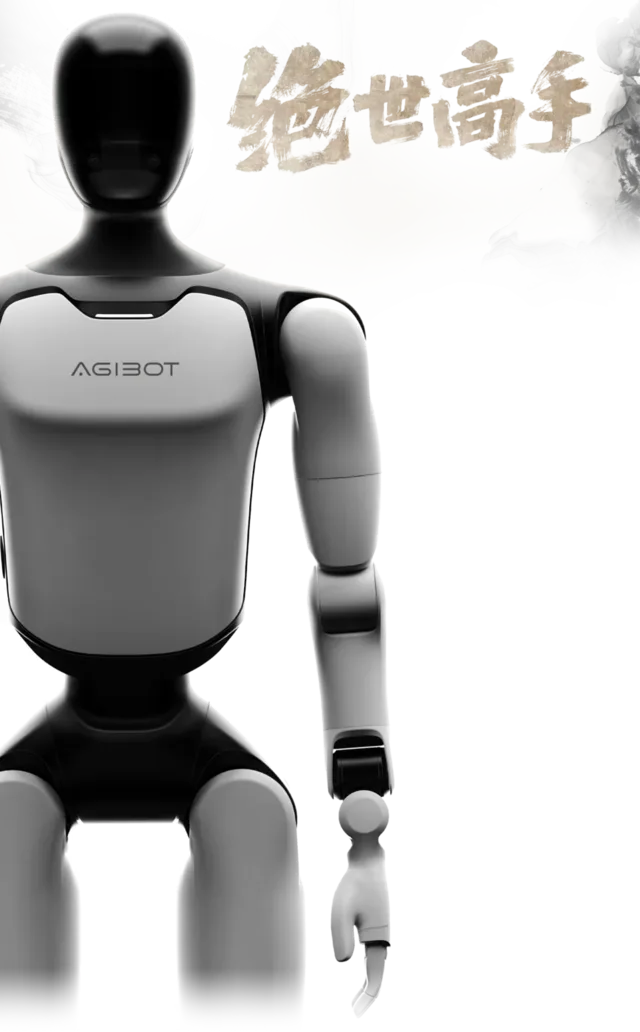
AGIBOT's full-size A3 humanoid is positioned as a stage-born, high-interaction platform for commercial performances, interactive entertainment, research, education, brand activations, and public-space deployments. The official A3 product page lists a 173 cm, 55 kg body, up to 10 hours of endurance from a dual-battery 1,152 Wh energy system, 10-second hot-swappable battery replacement for continuous operation, standard UWB positioning, dual-module 5G connectivity, and coordinated control for 100+ units. APC 2026 materials frame A3 as AGIBOT's third-generation Expedition-series full-size humanoid and as a deployment-phase interaction product rather than a consumer home chore robot.

up to 10 h55 kg
See pricing details Active
Familiar by Familiar Machines & Magic — Quadruped robot
Familiar Machines & Magic

Familiar

A quadruped companion robot from Familiar Machines & Magic, the startup founded by iRobot co-founder and former CEO Colin Angle. About the size of a small dog with a bear-like appearance, the Familiar is covered in a touch-sensitive, 3D-knitted fuzzy exterior inspired by sneaker-industry materials. It features 23 degrees of freedom and walks autonomously around the home. Rather than relying on screens or voice, the Familiar communicates through body language, posture, and context-aware behavior — a nudge when you're doomscrolling, an excited greeting when you come home, or a nuzzle when you're stressed. An edge AI system with a compact multimodal model interprets facial expressions, gestures, and tone of voice to read the room and respond appropriately. Each Familiar develops a distinct personality that evolves over time through continued interaction, with a behavior engine trained on thousands of narrative vignettes. All processing runs locally on-device for privacy. The team behind Familiar includes alumni from iRobot (50 million+ Roombas shipped), Disney Imagineering, MIT, and Boston Dynamics. The company is based in Woburn, Massachusetts. First availability is planned for 2027.

Quadruped
See pricing details Development
Faraday Future

FF Faber

FF Faber is Faraday Future's industrial-grade EAI mobile manipulator series, launched at Automate in Chicago on June 22, 2026. It combines an autonomous mobile base with dual robotic arms so it can move between workstations and perform loading, unloading, material handling, sorting, inspection, retail assistance, and research or education tasks. Faraday Future describes Faber as using its VLA + World Model-based EAI brain with autonomous navigation, omnidirectional mobility, dual-arm coordination, precision force control, and an open platform for customer-specific skills and industrial solutions. Public official materials describe three submodels: Faber T for industrial dexterity, Faber U for perception and compute, and Faber S for omnidirectional mobility.

1225–1700 mm
See pricing details Available
FF Futurist by Faraday Future — Humanoid robot
Faraday Future

FF Futurist

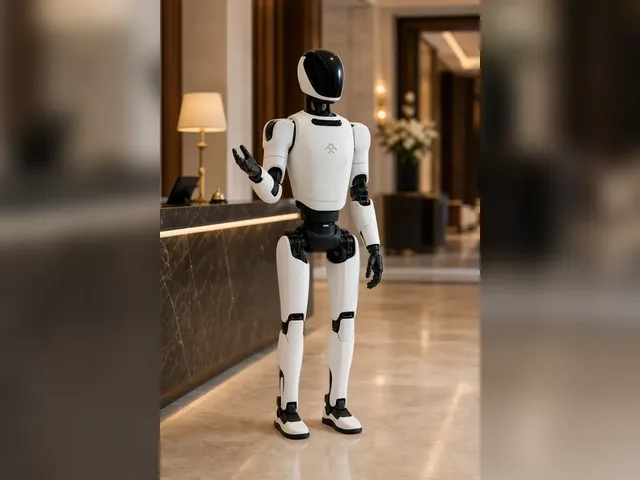
Full-size professional humanoid robot from Faraday Future's EAI Robotics division, launched at the NADA Show in Las Vegas on February 4, 2026. Standing 169 cm tall and weighing 69 kg, the FF Futurist is powered by an NVIDIA Jetson Orin processor delivering 200 TOPS of AI compute. It features 28 high-performance motors with 500 Nm peak torque and harmonic drive gearing, enabling 40 degrees of freedom overall (7 DOF per arm) with five-fingered dexterous hands. A hot-swappable battery provides approximately 3 hours of continuous standing time without power interruption during swaps. The perception suite includes 3D LiDAR, an RGB-D camera, a fisheye camera, multiple HD cameras, and tactile sensors, with connectivity via Wi-Fi, 4G, 5G, and VR teleoperation support. A customizable LCD face display enables natural interaction in up to 50 languages. The robot is positioned for professional roles including concierge services, sales advising, event hosting, teaching assistance, and brand ambassadorship, with future software updates planned for home and factory applications. First deliveries began in late February 2026, with over 20 units shipped by March 2026.

~3 h69 kg
$34,990 Active
FF Master by Faraday Future — Humanoid robot
Faraday Future

FF Master

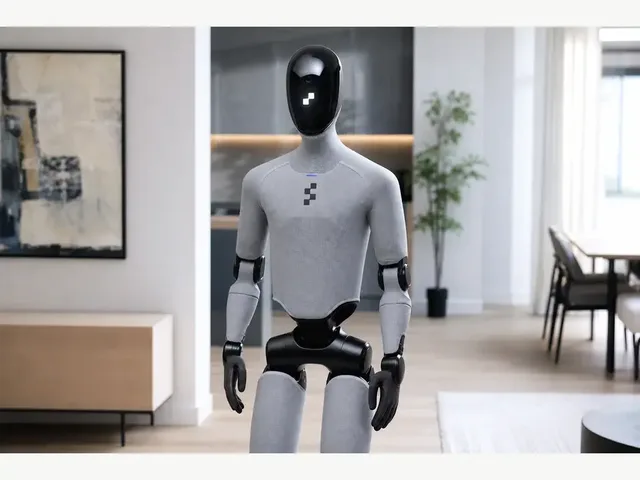
Compact athletic humanoid robot from Faraday Future's EAI Robotics division, launched alongside the FF Futurist and FX Aegis at the NADA Show in Las Vegas on February 4, 2026. Standing 131 cm tall and weighing 39 kg, the FF Master is designed for home companion, educational, and interactive roles rather than heavy professional tasks. It is powered by an NVIDIA Jetson Orin NX processor delivering 157 TOPS of AI compute and features 30 degrees of freedom in its body with five-fingered dexterous hands (7 DOF per arm). The robot's 30 high-efficiency drive motors produce up to 120 Nm of peak torque, enabling agile motion at speeds up to 7.2 km/h. Its perception suite includes 3D LiDAR, stereo RGB cameras, an interactive RGB camera, an RGB-D camera, and a rear RGB camera, with connectivity/control via Wi-Fi, Bluetooth, 4G, 5G, the mobile app, and VR teleoperation. FF positions the Master as a home and family companion — it can help children with homework, converse with elderly family members, assist in remote home monitoring through onboard cameras and sensors, and serve as an interactive presence at events and in classrooms. The robot supports natural language interaction in up to 50 languages and is designed to adapt and learn new skills over time through OTA software updates. First deliveries began in late February 2026, with over 20 units shipped by March 2026.

up to 2 h39 kg
$19,990 Active
Figure 02 by Figure AI — Humanoid robot
Figure AI

Figure 02

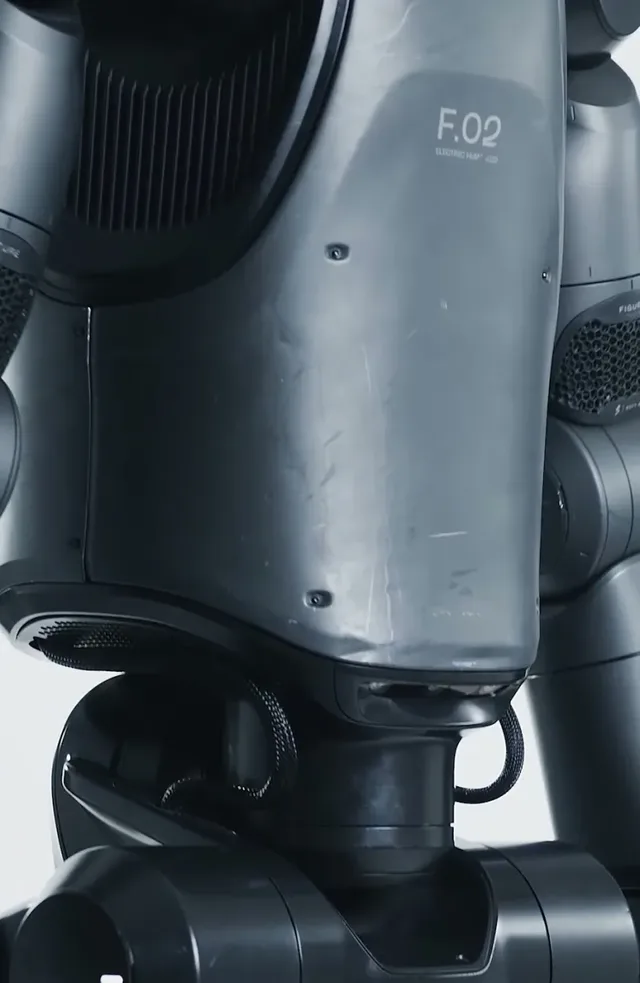
Figure AI's second-generation humanoid robot, unveiled August 6, 2024. Built for industrial deployment with integrated cabling, torso-mounted battery, and 3x the onboard AI compute of its predecessor. Deployed at BMW's Spartanburg plant where it contributed to the production of over 30,000 cars across 1,250+ hours of runtime. Officially retired following the launch of Figure 03 in October 2025.

70 kg168 cm
See pricing details Discontinued
Figure 03 by Figure AI — Humanoid robot
Figure AI

Figure 03

Figure AI's latest humanoid robot, announced October 9, 2025. On June 30, 2026, Figure reported that Figure 03 had arrived at BMW Group Plant Spartanburg and demonstrated a logistics sequencing workflow, including picking and placing parts and pulling a cart, powered by its in-house Helix 02 vision-language-action model. BMW's September 21, 2026 update describes Figure 03 logistics sequencing as Spartanburg's next project. These announcements do not report sustained production results for Figure 03. Not available for consumer purchase.

~5 h61 kg
See pricing details Active
Flagship Soundwave Auto-Converting Robot by Robosen Robotics — Companions robot
Robosen Robotics

Flagship Soundwave Auto-Converting Robot

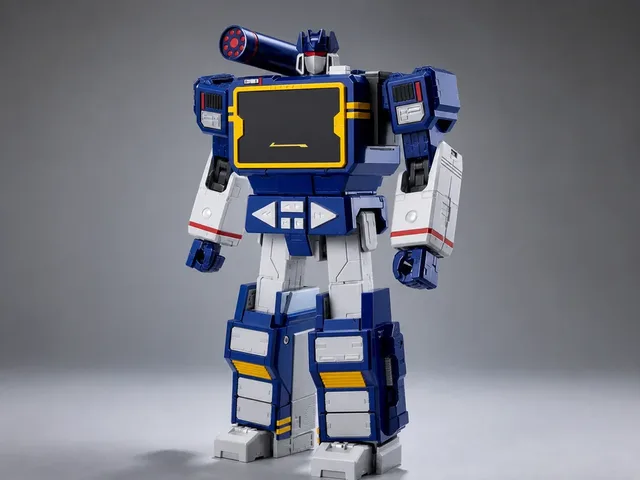
Robosen's Flagship Soundwave is an officially licensed Transformers G1 entertainment robot that auto-converts between cassette-player mode and a walking robot form. Official Robosen materials describe a dual cassette-player/Bluetooth-speaker identity, bipedal walking with articulating hips, app-triggered actions, five programming modes, Mini Theater synchronized scenes with Megatron, custom action sharing through Robosen Studio and Robosen Hub, 48 voice commands after the “Hey, Soundwave” wake phrase, and 200+ Frank Welker voice lines. Hasbro Pulse publishes official robot-mode and cassette-player-mode dimensions, while Robosen lists a 6-axis IMU and 28 high-precision intelligent servos; battery life and the full sensor suite remain undisclosed.

14.33 in
$1,399 Pre-order
FLAMA by SoftBank Robotics — Commercial robot
SoftBank Robotics

FLAMA

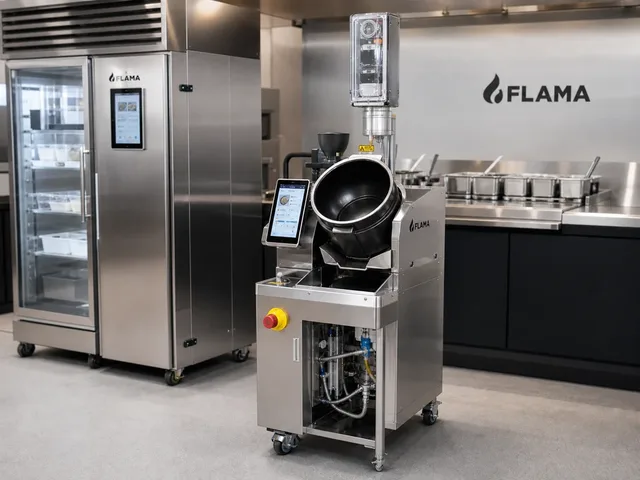
FLAMA is SoftBank Robotics' commercial autonomous cooking robot for restaurants, ready-meal operations, food courts, cafeterias, and other foodservice sites. The Japanese product page and launch release describe a wok-style system that automates ingredient and seasoning input, stir-frying, mixing, thickening, plating, and post-cooking cleaning, while SyncKitchen recipe management lets operators reproduce registered chef or restaurant recipes across locations. SoftBank says the standalone body measures 600 × 790 × 1,640 mm and cooks up to 1.2 kg per unit; the full-set configuration links three FLAMA units with a refrigerator, sauce machine, and conveyor for order-to-plating automation and 3.6 kg total capacity. The company began accepting Japanese applications on April 7, 2026 and announced a U.S. debut at the National Restaurant Association Show 2026. Pricing and detailed sensor specifications have not been publicly disclosed.
Commercial
See pricing details Active

ui44's curated robot catalog currently includes 412 home and humanoid robots individually profiled with verified specifications, capabilities, component breakdowns, and pricing sourced from official manufacturer documentation. Right now 125 robots are listed Available; other records have distinct status labels across 9 categories from 254 manufacturers worldwide.

How to use this directory

Find the Right Robot

All filters update instantly without page reloads

Search

Type any keyword — robot name, manufacturer, or feature — for instant filtering across all attributes.

Category Filter

Select a robot type to see only cleaning robots, humanoids, quadrupeds, or any other category.

Manufacturer Filter

Narrow results to a specific company to see their full product lineup.

Sort & Status

Order by name or price, and filter by availability status to review purchase listings; confirm stock and regional access with manufacturers.

Tip

Click on any robot card to view its full detail page with complete specifications, sensor breakdowns, capability analysis, and comparison links.

Robots by Category

The full catalog grouped by primary category

Robots by Category
Category Robots Listed Available
Humanoid 129 16(12%)
Cleaning 62 45(73%)
Companions 53 24(45%)
Research 49 9(18%)
Commercial 44 5(11%)
Lawn & Garden 29 16(55%)
Quadruped 25 6(24%)
Home Assistants 16 4(25%)
Security & Patrol 5 0(0%)

Price Distribution

USD only: 135 priced of 412 total · 38 priced in other currencies (excluded) · 239 without a recorded numeric price

Price Distribution
Band Count Share
Under $500 17 13%
$500–under $1,000 25 19%
$1,000–under $5,000 61 45%
$5,000–under $20,000 12 9%
$20,000+ 20 15%

Home Robot Market Overview

The current state of the home and humanoid robot market in numbers

The home robotics industry is expanding rapidly, with 412 distinct robots tracked across 9 categories from manufacturers in 19 countries. This database captures the full spectrum — from affordable vacuum cleaners under $500 to advanced humanoid platforms costing hundreds of thousands of dollars. Understanding where the market stands today helps buyers, researchers, and industry watchers make informed decisions about which technologies are mature and which remain aspirational.

Market Status Breakdown

Current availability across all tracked robots

Listed Available

125 robots have Available listings. Confirm current stock, region, configuration, and ordering terms with manufacturers; the status label alone is not a stock or delivery guarantee.

Listed Active

130 records are labeled Active. This does not confirm public purchase availability or deployment; contact the manufacturer for access options.

Pre-Order and Upcoming

54 robots have Pre-order listings. These indicate reservations, not immediate delivery. Confirm terms and estimated dates with manufacturers; schedules and specifications may change.

In Development

96 robots are in active development or prototype stage. Specifications are preliminary and subject to change. These represent the next wave of home and humanoid robotics technology.

Discontinued Models

7 robots have been discontinued by their manufacturers. These entries are preserved for historical reference, comparison research, and understanding how the market has evolved.

Price Distribution

135 robots with publicly listed USD prices; other currencies excluded

Under $5k

103

Consumer — cleaners, mowers, companions

$5k–$25k

16

Prosumer & light commercial

$25k–$100k

12

Commercial & research

Over $100k

4

Advanced humanoid & enterprise

Category Landscape

Top categories by robot count

Humanoid robots are the fastest-growing segment as companies race to bring general-purpose bipedal platforms to market. Cleaning robots remain the most mature category, with established price competition and proven consumer adoption. Research and commercial categories serve specialized use cases with higher price points and more advanced sensor arrays.

Note

Robot specifications in this database are verified against official manufacturer documentation, press releases, and product pages. Where specifications conflict between sources, we prioritize the most recent official documentation. Each robot's detail page includes source attribution and a last-verified date. Visit the categories directory to explore robots organized by function.

AI & Vision

LLMs and vision transformers give robots natural language understanding and real-time obstacle avoidance — mapping complex spaces without explicit programming.

Hardware Advances

Better battery density means longer runtime. Declining actuator costs make force-controlled joints affordable. LiFePO₄ and solid-state batteries are the next leap.

Smart Home Integration

Matter, Thread, and Home Assistant let robots coordinate with smart locks, lights, and other devices. Interoperability is now a key purchase differentiator.

Choosing the Right Robot

The most common mistake? Focusing on headline specs without considering actual use. A humanoid with impressive degrees of freedom may be far less practical than a purpose-built cleaner with reliable navigation.

1

Start with your need

Cleaning, companionship, security, lawn care, research, or commercial? Filter by category first.

2

Set your budget tier

  • Consumer — minimal setupUnder $2k
  • Prosumer — advanced$2k–$25k
  • Enterprise — custom$25k+
3

Compare & decide

Use the comparison tool to evaluate specs side by side. Check sensors, battery, and ecosystem fit.

Understanding Robot Specifications

Every robot in this database includes detailed specifications that help you evaluate its capabilities and fit for your needs. Here is a guide to interpreting the key data points you will find on each robot's detail page.

130

Active

125

Available

54

Pre-order

54

Development

42

Prototype

7

Discontinued

Note

Prices retain their listed currency at the time of last verification; omitted currency codes default to USD. Currency groups are not converted or compared. Prices can change — always confirm with the manufacturer before purchasing.
Capabilities & Technology

3,854 Capabilities

From basic functions like app control and scheduling to advanced abilities like bipedal locomotion, object manipulation, and emotion detection.

Common: household chores, tidying up, safe human interaction, adaptive learning, gentle manipulation, +3849 more

1,197 Sensor Types

Multiple sensor types tracked across the database, from LiDAR and cameras to ultrasonic and infrared sensors.

Top: RGB Cameras, Depth Sensors, Tactile Skin, Microphone Array, High-Resolution HDR Camera (Front x2)

Comparison tool

Compare Robots Side by Side

Focus on specs that matter for your use case — navigation, battery, payload, AI sophistication.

Open Compare

Tip

Combine sorting with category and manufacturer filters for targeted views. For example, select "Cleaning" + sort by price low-to-high to review the lowest listed amounts within each currency group. Group order does not rank currencies by value.

Robots by Category

Every category lane in the catalog, ranked by coverage

Humanoid

129 robots

Full-size bipedal humanoid robots built to work alongside people — from factory floors to household tasks. Compare the cutting edge of humanoid robotics.

16 listed Available · 91 makers Multiple currencies (CNY, EUR, USD)

Cleaning

62 robots

Robot vacuums, mops, pool cleaners, and window cleaners — the workhorses of home automation that keep every surface spotless.

45 listed Available · 27 makers Multiple currencies (CNY, EUR, KRW, USD)

Companions

53 robots

Social robots, robot pets, and elderly-care companions designed for emotional connection and everyday support at home.

24 listed Available · 48 makers Multiple currencies (EUR, GBP, JPY, USD)

Research

49 robots

Academic and research robotics platforms pushing the boundaries of what machines can learn and do in the lab and beyond.

9 listed Available · 39 makers Multiple currencies (CNY, EUR, USD)

Commercial

44 robots

Delivery robots, warehouse automation, and hospitality service bots — robots built for business and commercial operations.

5 listed Available · 38 makers USD $980

Lawn & Garden

29 robots

Autonomous robot lawn mowers and garden robots that maintain your yard and outdoor spaces without supervision.

16 listed Available · 19 makers Multiple currencies (EUR, GBP, USD)

Quadruped

25 robots

Four-legged robot dogs and quadrupeds built for rough terrain, inspection, and exploration — going where wheels can't.

6 listed Available · 16 makers Multiple currencies (CNY, EUR, USD)

Home Assistants

16 robots

Arm-based household helpers — laundry folders, kitchen robots, and mobile manipulators that take on hands-on physical tasks around the home.

4 listed Available · 14 makers Multiple currencies (CNY, EUR, USD)

Security & Patrol

5 robots

Autonomous surveillance and patrol robots that monitor homes, businesses, and perimeters — keeping watch without an operator on site.

0 listed Available · 5 makers USD $1.6k

Leading Manufacturers

The most prolific makers in the directory

Each manufacturer brings a different approach — from consumer-focused companies prioritizing ease of use and affordability to research-driven firms pushing the boundaries of robotics technology. Some specialize in a single category while others build products across multiple segments. Visit the manufacturers directory for complete profiles, product lineups, and company backgrounds.

What the Numbers Mean

A practical guide to interpreting robot specifications

Specifications require context to be meaningful. A robot weighing 80 kg is not inherently better or worse than one weighing 5 kg — it depends on the use case, deployment environment, and operational requirements.

Key Specification Dimensions

Across 412 robots in the database

Dimensions & Weight

412 robots with weight data. Compact cleaning robots fit under furniture; heavier humanoids trade portability for stability and payload capacity.

Battery & Runtime

412 robots with battery specs. Runtime should exceed your task duration. Check charge-to-runtime ratio for commercial deployments.

1197 Sensor Types

Navigation sensors (LiDAR, cameras, ultrasonic), environmental sensors (temperature, air quality), and interaction sensors (microphones, touch, gesture).

428 Connectivity Options

The key question: does the robot integrate with your existing smart home ecosystem? Protocol support matters less than ecosystem compatibility.

3854 Capabilities

Distinguish core capabilities (the primary function you're buying for) from supplementary features. Prioritize core capability quality over feature count.

IP Rating

IP54 = dust + splash resistant (kitchen safe). IP67 = dustproof + waterproof (rain safe). Essential for outdoor robots.

Sensor Quality Matters More Than Marketing

Two robots claiming "smart navigation" might use fundamentally different approaches — one with a single downward camera, another with a LiDAR scanner + SLAM mapping. The result is dramatically different quality. Use the components directory to understand what each sensor does.

Frequently Asked Questions

About the Database
How many robots are in the ui44 database?

ui44 currently tracks 412 robots from 254 manufacturers across 9 categories. This includes 125 robots listed Available and 287 with other status labels. The database is continuously updated as new robots are announced and existing products receive updates.

What is the price range of robots on ui44?

Published price ranges by currency: CNY ¥5k–¥198k; EUR €169–€250k; GBP £160–£5k; JPY ¥19.8k–¥578k; KRW ₩1.9M; USD $125–$1M. 173 of 412 robots have positive listed prices. Currencies are not converted or compared; other records have no usable listed price.

How can I find robots within my budget?

Use the sort dropdown to group robots by currency code (A–Z), then order prices low to high or high to low within each currency. Currencies are not converted or compared. You can combine the price sort with category and manufacturer filters to narrow results further. Robots without public pricing will appear at the end when sorted by price.

What does each robot status mean?

"Available" means the robot is listed for purchase. "Active" status alone does not confirm public purchase availability. "Pre-order" means it is listed for reservation; check the manufacturer's terms and delivery estimates. "Development" means it is still being built. "Prototype" means it exists only as an early model. "Discontinued" means it is no longer manufactured. Use the status filter tabs above to show only robots at a specific stage.

Using ui44
How do I compare two robots side by side?

Visit the comparison tool and select up to four robots to compare. The comparison view displays all specifications, capabilities, sensors, connectivity, and pricing in a structured side-by-side format. You can also find comparison links on individual robot pages and manufacturer pages.

How often are robot specifications updated?

We re-verify specifications against official manufacturer sources on a rolling basis. Each robot page shows a 'last verified' date. Available products are prioritized for frequent verification, and we update records whenever manufacturers announce specification changes, firmware updates, or pricing adjustments.

What categories of robots does ui44 track?

The database covers 9 categories spanning the full range of home and personal robotics. These include cleaning robots (vacuums, mops, window cleaners), lawn and garden robots (autonomous mowers), companion and social robots, home assistant robots, security and patrol robots, humanoid robots, quadruped robots, pool cleaning robots, and commercial service robots. Each category has a dedicated page with filtered listings and category-specific buying guidance accessible from the categories directory.

Data & Pricing
Can I suggest a robot that is missing from the database?

Absolutely. If you know of a home or humanoid robot that is not yet listed in our database, we welcome suggestions. Our discovery process monitors manufacturer announcements, trade shows, crowdfunding platforms, and robotics publications, but new products sometimes slip through. We evaluate each suggestion against our inclusion criteria: the robot must be a physical hardware product intended for home, personal, or commercial indoor/outdoor use, with publicly available specifications.

How does ui44 differ from other robot comparison sites?

ui44 focuses exclusively on depth and accuracy of technical specifications rather than affiliate revenue or marketing partnerships. Every robot profile includes verified dimensions, weight, sensor arrays, connectivity protocols, capability breakdowns, component analysis, and pricing from official sources. We maintain 412 robot profiles with structured data that enables meaningful side-by-side comparisons — not just marketing copy rewritten from press releases.

Are all listed prices in the same currency?

Prices are displayed in the manufacturer's primary market currency — most commonly USD, EUR, JPY, or CNY. Where robots are sold in multiple markets at different prices, we list the primary market price and note regional variations on the detail page. Prices reflect the base model configuration without optional accessories or extended warranties unless noted otherwise.

What sensors and components are most common across robots in the database?

The most prevalent sensors across our tracked robots include LiDAR scanners for spatial mapping, RGB cameras for visual recognition, IMU accelerometers for orientation tracking, ultrasonic proximity sensors for obstacle detection, and structured light depth cameras for three-dimensional environment understanding. Connectivity typically includes Wi-Fi for cloud connectivity, Bluetooth for local device pairing, and increasingly Matter and Thread for smart home integration. Visit the components directory for detailed breakdowns of every sensor type, actuator, and communication module used across the database, including which specific robots use each component.

Explore the database

Find the right robot for your needs

Full specs, side-by-side comparisons, and buyer guides for 412 home and humanoid robots.