That is why KyoHA's new SEIMEI verification machine is worth watching. The Kyoto Humanoid Association is not announcing a consumer robot, a price, or a shipping date. It is trying to rebuild a domestic humanoid hardware coalition in Japan at a moment when U.S. AI labs and Chinese hardware companies dominate the headlines. For home-robot buyers, the useful question is not whether SEIMEI is a new ASIMO. It is whether Japan's older strengths — precision components, caregiving robots, housing design, and service robotics — can turn into useful robots inside real homes.
The short answer: SEIMEI makes Japan's humanoid comeback more credible, but it also shows why the first serious deployments are likely to be disaster response, industrial support, labs, and robot-ready buildings before ordinary apartments.
What is KyoHA's SEIMEI robot?
KyoHA, short for Kyoto Humanoid Association, describes itself as a Japan-born effort to build a purely domestic humanoid robot. Its public framing is direct: humanoid development is moving quickly around large U.S. technology companies and Chinese IT, EV, and robotics firms, while Japan needs a stronger domestic hardware-development structure if it wants to matter in the next wave.
The association's official site says the first phase is not home help. It is humanoid hardware for difficult environments such as disaster sites and collapsed structures, backed by a domestic supply chain from prototyping through deployment. NOK's April 28, 2026 announcement says the first verification machine, SEIMEI, was built as a foundation for technical validation and social implementation. Robot Start's Japanese report adds two important details: SEIMEI was completed in roughly four months from design start to assembly, and KyoHA says every step from components to finished machine was handled domestically.
That matters because humanoid robots are not one invention. They are an industrial stack: actuators, reducers, seals, sensors, batteries, hands, control software, safety systems, test fixtures, data pipelines, manufacturing, service, and repair. Japan has many of those pieces. KyoHA is trying to make them behave like a coordinated humanoid industry rather than scattered expertise.
SEIMEI's movement approach is also revealing. NOK describes a method that pulls pose information from human motion in video, then lets the robot acquire motions through trial and error. KyoHA's stated goal is to use SEIMEI as a starting point for domestic data and AI as well as domestic hardware. The next roadmap is split between two lines: a higher-output power model using hydraulics and motors, and a motor-centered agile/function model. KyoHA says the power model is the priority.
That is a very different signal from a household assistant demo. Power models make sense for disaster response, heavy labor, construction, and hazardous work. A private home needs quiet operation, soft contact, long runtime, low cost, excellent support, and very low risk around children, pets, furniture, stairs, and clutter. Those are not the same design targets.
Why does Japan's humanoid comeback matter for homes?
The home angle is not that SEIMEI will walk into your kitchen soon. The home angle is that Japan has repeatedly exposed the gap between impressive humanoid demos and actual domestic usefulness.
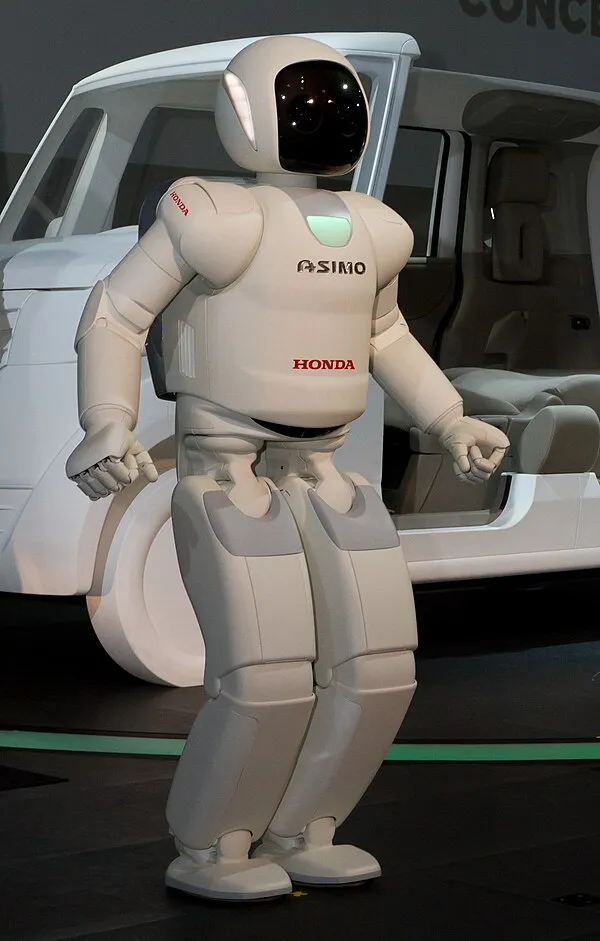
Honda's ASIMO is the obvious starting point. ui44 tracks ASIMO as a discontinued research and demonstration robot: 130 cm tall, 48 kg, about one hour of walking/running battery life, and a final model capable of running at 9 km/h with 57 degrees of freedom. ASIMO could climb stairs, recognize faces and voices, and perform carefully staged interactions. It became the global symbol of humanoid possibility, but it was never sold as a home robot.
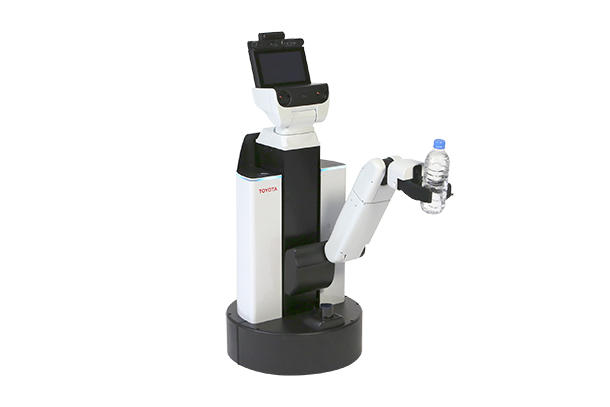
Toyota's Human Support Robot is more home-relevant because it narrowed the problem. HSR is a compact mobile manipulator for independent-living research, not a full human-shaped generalist. The ui44 database lists it at 100.5-135 cm tall, about 37 kg, with a 0.8 km/h max speed and a 1.2 kg payload for objects up to 130 mm wide. That sounds modest next to a bipedal humanoid, but it targets the jobs a home robot actually needs to do: retrieve dropped objects, reach shelves, operate in small rooms, and support caregivers through remote operation.
Toyota's T-HR3 shows another Japanese path: a full-body humanoid that leans on human-in-the-loop teleoperation. ui44 lists T-HR3 as a 154 cm, 75 kg prototype with torque sensors across its joints and Toyota's Master Maneuvering System for force-feedback control. That is not consumer autonomy, but it is relevant because many near-term home robots will probably need remote assist, expert takeover, or supervised modes before they can safely handle messy chores alone.
The lesson from Japan's older platforms is blunt: walking is not enough. A home robot needs a service model, a safety case, a manipulation strategy, and a reason a buyer would accept the cost and maintenance burden.
What does ui44's Japan robot data say?
KyoHA's comeback sits beside a surprisingly mixed Japanese robot portfolio. Some robots look human. Some are deliberately not human. The split is useful because it shows what has actually worked in homes and care settings.
Robot
- ui44 status
- Discontinued research robot
- Why it matters for the SEIMEI story
- Japan proved world-class humanoid motion, but not a consumer business model.
Robot
- ui44 status
- Active research/developer platform
- Why it matters for the SEIMEI story
- A smaller manipulator may be more home-relevant than a full humanoid body.
Robot
- ui44 status
- Prototype
- Why it matters for the SEIMEI story
- Teleoperation and force feedback remain practical bridges to useful work.
Robot
- ui44 status
- Prototype
- Why it matters for the SEIMEI story
- Industrial humanoids target factories and disaster response before homes.
Robot
- ui44 status
- Prototype
- Why it matters for the SEIMEI story
- Heavy-labor humanoid research points toward construction-like tasks, not kitchens.
Robot
- ui44 status
- Available in Japan
- Why it matters for the SEIMEI story
- Emotional value can sell before chore automation, even at premium pricing.
Robot
- ui44 status
- Active care companion
- Why it matters for the SEIMEI story
- Therapeutic companionship is a proven robot category, but not general home labor.
Robot
- ui44 status
- Available through current official channels
- Why it matters for the SEIMEI story
- Social humanoids reached public spaces, then exposed limits of open-ended interaction.
| Robot | ui44 status | Why it matters for the SEIMEI story |
|---|---|---|
| Honda ASIMO | Discontinued research robot | Japan proved world-class humanoid motion, but not a consumer business model. |
| Toyota HSR | Active research/developer platform | A smaller manipulator may be more home-relevant than a full humanoid body. |
| Toyota T-HR3 | Prototype | Teleoperation and force feedback remain practical bridges to useful work. |
| Kawasaki Kaleido 9 | Prototype | Industrial humanoids target factories and disaster response before homes. |
| AIST HRP-5P | Prototype | Heavy-labor humanoid research points toward construction-like tasks, not kitchens. |
| LOVOT | Available in Japan | Emotional value can sell before chore automation, even at premium pricing. |
| AIST PARO | Active care companion | Therapeutic companionship is a proven robot category, but not general home labor. |
| Pepper | Available through current official channels | Social humanoids reached public spaces, then exposed limits of open-ended interaction. |
Kawasaki's Kaleido 9 is the closest ui44 database comparison to KyoHA's industrial-humanoid direction. It is a prototype from one of Japan's largest industrial robot manufacturers, with LiDAR, stereo cameras, custom six-axis force/torque sensors, IMU, VR headset teleoperation, and a listed max speed around 4 km/h. But height, weight, battery life, and price are still not publicly disclosed in the database. That is exactly the point: even a serious industrial player is still in prototype territory for full humanoids.
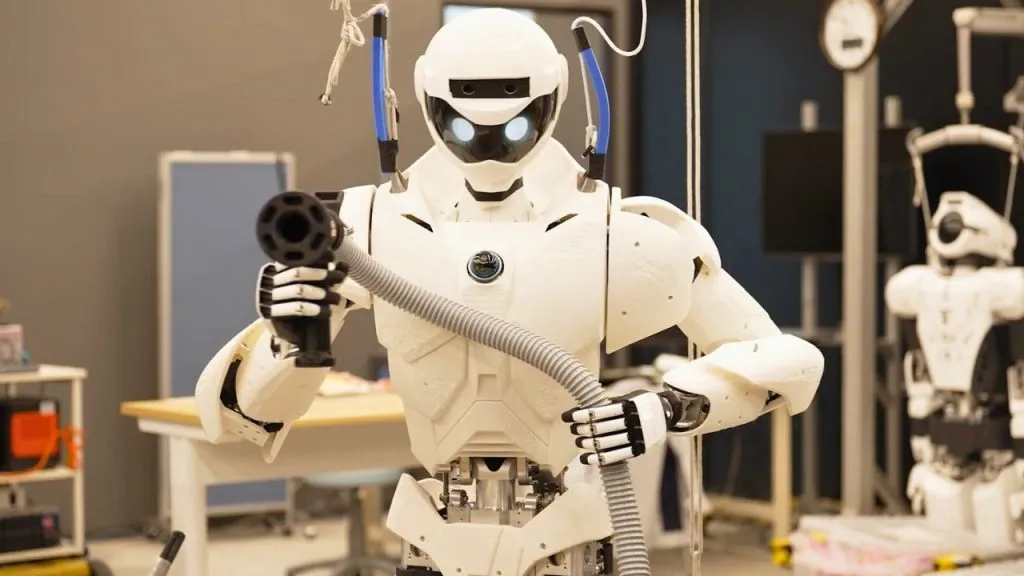
AIST's HRP-5P makes the same argument from a research angle. ui44 lists it as 182 cm tall and 101 kg, with autonomous mapping, object recognition, full-body motion planning, and roughly 13 kg panel-handling demonstrated using both arms. That is impressive. It is also a construction and heavy-labor research platform, not a robot for a hallway full of shoes and dog toys.
Then there is the other Japan: robots that avoid chores entirely. LOVOT is available in Japan at ¥577,500 for LOVOT 3.0, with a required care plan from ¥9,900 per month. It is only 43 cm tall, weighs 4.6 kg, runs for 30-45 minutes, and exists to create emotional presence rather than complete tasks. PARO is a therapeutic seal robot used in care settings, with FDA Class II medical-device status in the U.S. Sharp Poketomo is a pocket-sized conversational companion, and ui44 lists its plan from ¥495/month with reported launch pricing of ¥39,600.
Those products are not failures of ambition. They are evidence that home robots become viable faster when the job is narrow, safe, and emotionally legible. KyoHA's SEIMEI is chasing the harder path: whole-body physical work.
Why homes may need to change before humanoids arrive
One reason the KyoHA story pairs naturally with Japan is that Japan's robotics discussion is not only about the robot body. It is also about the room.
Robot Start's separate MW seminar preview frames the question as housing plus physical AI plus robotics. MW's concept includes robot-friendly residential design, sensors, IoT, indoor transport, rails, ceiling gantry systems, and even business models around living spaces that treat robots as infrastructure rather than appliances. That sounds futuristic, but it may be more realistic than expecting a $20,000-$100,000 humanoid to master every legacy home layout.
A robot-ready home can make the hard parts easier:
- predictable storage locations instead of random clutter;
- rails or gantries for repetitive movement without battery drain;
- known appliance interfaces instead of improvised hand use;
- wider paths and fewer floor hazards;
- built-in cameras or sensors that reduce what the robot must carry;
- service access for maintenance and remote supervision.
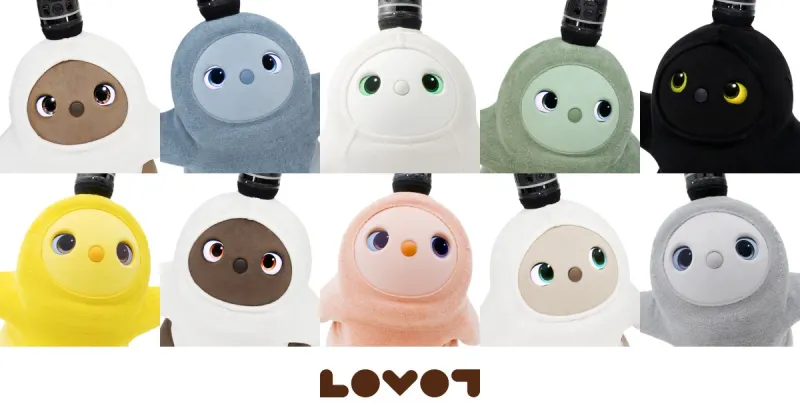
This is why Japan's existing companion robots matter. LOVOT does not solve laundry. PARO does not load a dishwasher. Pepper did not become a universal home butler. Yet each found a clearer environment and interaction model than a full-size humanoid would face in a normal apartment. SEIMEI's successors may need the same discipline: start where the environment, task, and service model are controlled.
What would make SEIMEI relevant to a buyer?
For a home buyer, the watch list is not a dramatic walking video. It is evidence that KyoHA or its member companies can turn the prototype into a supported system. I would watch for five signals.
1. Published specs. Height, weight, runtime, payload, hand capability, noise, fall behavior, and price matter more than patriotic supply-chain framing. If a robot cannot run long enough, carry enough, or recover safely, it is not a home candidate.
2. Manipulation in messy spaces. A useful home robot must handle soft, reflective, irregular, and fragile objects. Human-motion learning from video is interesting, but buyers need to see generalization: towels, dishes, doors, cabinets, pet bowls, dropped medication, and awkward packaging.
3. Service and repair. A domestic humanoid is not a phone. It is a moving machine with high forces, expensive joints, batteries, cameras, and software. Japan's component ecosystem could be an advantage if it produces repairable, well-supported hardware rather than one-off demos.
4. A bridge market. Disaster response, inspection, construction support, hospitals, eldercare facilities, apartment services, and robot-ready homes are more credible first stops than individual kitchens. If SEIMEI descendants learn in those environments, a consumer version becomes more plausible later.
5. Honest autonomy boundaries. Toyota T-HR3 and many newer humanoids show the same truth: teleoperation, shared autonomy, and remote assist are not embarrassing. They may be the way useful humanoid work reaches human spaces before fully autonomous robots are reliable.
Should home-robot shoppers care now?
Yes, but not as a buying lead.
If you are shopping for a home robot in 2026, KyoHA SEIMEI should not change your shortlist. There is no consumer product, no price, no availability window, and no ui44 database entry because it is not yet a buyer-facing robot. If you want a Japanese robot you can actually evaluate today, you are looking at narrower categories: companion robots such as LOVOT, care robots such as PARO, or small social devices such as Poketomo. If you want manipulation research, Toyota HSR and T-HR3 are better evidence than any vague home-butler claim.

But if you follow the long-term home-humanoid race, SEIMEI is important because it changes the shape of Japan's answer. Instead of another isolated lab demo, KyoHA is trying to organize hardware suppliers, academic robotics, industrial manufacturers, and domestic AI/data ambitions around a shared platform. That is the kind of boring infrastructure a real robot industry needs.
The skeptical take is still necessary. Japan's previous humanoid icons were brilliant and expensive, but they did not put a general-purpose helper in the home. KyoHA's first target is disaster and labor need, not your laundry. The power model being prioritized is more likely to prove itself in hard hats than slippers.
The optimistic take is that this is exactly how useful home robots often begin: outside the home, in controlled environments, solving painful labor problems, while the cost curve, repair network, autonomy stack, and safety case mature. If Japan can combine SEIMEI-style domestic humanoid hardware with Toyota-style assistive manipulation, Kawasaki-style industrial reliability, and the robot-ready housing ideas now being discussed around physical AI, then the home angle becomes real.
Not soon. Not as a consumer launch. But real enough to track.
Bottom line
KyoHA SEIMEI is not Japan's next home robot. It is a signal that Japan wants to re-enter the humanoid race on its own hardware terms.
For ui44 readers, the practical takeaway is to separate three things that are often blurred together: a national industrial push, a prototype humanoid, and a buyable home assistant. SEIMEI currently belongs to the first two. The home story will only start when the specs, support model, manipulation evidence, safety case, and deployment environment become specific.
Until then, Japan's most useful home-robot lessons may come less from humanoid nostalgia and more from the robots that already narrowed the job: HSR for assisted retrieval, LOVOT and PARO for embodied companionship, and robot-ready housing concepts that admit the obvious truth. Sometimes the fastest way to make a robot useful at home is to change the home around it.
Related in the database
Use this article as a buyer workflow
Turn the article into a real verification pass grounded in the robots, manufacturers, categories, components, and countries it actually references.
Japan Humanoid Robots: SEIMEI Home Reality Check already points you toward 9 linked robots, 7 manufacturers, and 2 countries inside the ui44 database. That matters because strong buyer guidance is easier to apply when you can move immediately from a claim or warning into concrete product pages, manufacturer directories, component explainers, and country-level context instead of treating the article as an isolated opinion piece. The fastest next step is to turn the article into a shortlist workflow: open the linked robot pages, verify which specs are actually published for those models, then compare the surrounding manufacturer and component context before you decide whether the underlying claim changes your buying plan.
For this topic, the useful discipline is to separate the editorial lesson from the catalog evidence. The article gives you the framing, but the robot pages tell you what each product actually ships with today: sensor stack, connectivity methods, listed price, release timing, category, and support-relevant compatibility notes. The manufacturer pages then show whether you are looking at a one-off launch, a broader lineup pattern, or a company that spans multiple categories. That layered workflow reduces the risk of buying on a single marketing phrase or a single support FAQ.
The fastest win is to keep the article’s editorial framing tied to real product pages. That way you can test whether ASIMO, Human Support Robot (HSR), and T-HR3 still make sense once price, category, release timing, and surrounding manufacturer context are visible in one place. If you want a quick working shortlist, open Compare ASIMO, Human Support Robot (HSR), and T-HR3 next, then keep this article open as the reasoning layer while you compare structured data side by side.
Practical Takeaway
Every robot, manufacturer, category, component, and country reference below resolves to a real ui44 page, keeping the follow-up path grounded in database records rather than generic advice.
Suggested next steps in ui44
- Open ASIMO first so the article’s main point is anchored to a real robot page.
- Use Honda to see the broader company context around the products linked in the article.
- Open the linked component pages when you want to separate a shared technology pattern from a single-brand story.
- Build a working shortlist with Compare ASIMO, Human Support Robot (HSR), and T-HR3.
- Keep a short note of what is already verified in the article and what still needs live confirmation from current vendor documentation.
Robot profiles worth opening next
Use the linked product pages as the evidence layer
The linked robot pages are where this article becomes operational. Instead of asking whether the headline is interesting, use the robot entries to inspect the actual mix of sensors, connectivity options, batteries, pricing, release timing, and stated capabilities attached to the products mentioned in the article. That is the easiest way to see whether the warning or opportunity described here affects one product family, a specific design pattern, or an entire buying lane.
ASIMO is tracked on ui44 as a discontinued research robot from Honda. The database currently records a listed price of Price TBA, a release date of 2000-10, 40 minutes walking; continuous operation possible using automatic recharging battery life, 3 hours charging time, and a published stack that includes Stereo Cameras, Laser Sensor, and Infrared Sensor plus Wi-Fi and Wireless Controller.
For general buyer research, this route gives you the concrete profile that the article alone cannot. Compare the published capabilities of Bipedal Walking, Running (9 km/h), and Stair Climbing with the linked alternatives so the final decision is based on actual product fit, not just the framing of the article.
Human Support Robot (HSR)
Toyota · Home Assistants · Active
Human Support Robot (HSR) is tracked on ui44 as a active home assistants robot from Toyota. The database currently records a listed price of Price TBA, a release date of 2012, Not disclosed battery life, Not disclosed charging time, and a published stack that includes its published sensor stack plus Remote operation support (real-time face/voice relay).
For general buyer research, this route gives you the concrete profile that the article alone cannot. Compare the published capabilities of Pick up objects from floor, Retrieve items from shelves, and Remote teleoperation by family/caregivers with the linked alternatives so the final decision is based on actual product fit, not just the framing of the article.
T-HR3 is tracked on ui44 as a prototype humanoid robot from Toyota. The database currently records a listed price of Price TBA, a release date of 2017, Not disclosed battery life, Not disclosed charging time, and a published stack that includes Torque Sensors (all joints via Torque Servo Modules) and Head-Mounted Display feedback system plus Teleoperation link (Master Maneuvering System).
For general buyer research, this route gives you the concrete profile that the article alone cannot. Compare the published capabilities of Remote Whole-Body Teleoperation, Force Feedback Interaction, and Balance Control During Contact with the linked alternatives so the final decision is based on actual product fit, not just the framing of the article.
Kaleido 9
Kawasaki Heavy Industries · Humanoid · Prototype
Kaleido 9 is tracked on ui44 as a prototype humanoid robot from Kawasaki Heavy Industries. The database currently records a listed price of Price TBA, a release date of 2025, Not disclosed battery life, Not disclosed charging time, and a published stack that includes LiDAR, Stereo Cameras, and Custom 6-axis Force/Torque Sensors plus Wi-Fi and VR Headset Teleoperation.
For general buyer research, this route gives you the concrete profile that the article alone cannot. Compare the published capabilities of Bipedal Walking, Object Manipulation (18kg payload), and Autonomous Navigation with the linked alternatives so the final decision is based on actual product fit, not just the framing of the article.
HRP-5P is tracked on ui44 as a prototype research robot from AIST. The database currently records a listed price of Price TBA, a release date of 2018, Not disclosed battery life, Not disclosed charging time, and a published stack that includes Head-mounted 3D environment sensors and Object-recognition vision system (CNN-based) plus Not publicly detailed.
For general buyer research, this route gives you the concrete profile that the article alone cannot. Compare the published capabilities of Autonomous Environment Mapping, Object Recognition, and Full-body Motion Planning with the linked alternatives so the final decision is based on actual product fit, not just the framing of the article.
Manufacturer context behind the article
Check whether this is one product story or a broader company pattern
Manufacturer pages add the market context that individual product pages cannot show on their own. They help you check whether the article is centered on a brand with a deep lineup, whether that brand spans several categories, and how much of its ui44 footprint depends on one flagship model versus a broader product strategy.
Honda
ui44 currently tracks 2 robots from Honda across 1 category. The company is grouped under Japan, and the current catalog footprint on ui44 includes ASIMO, P3.
That wider brand context matters because the best buying decision usually depends on lineup depth and adjacent options, not just the one model featured most prominently in the article. The category mix here currently points toward Research as the most useful next route if you want to see whether this article reflects a wider pattern inside the brand.
Toyota
ui44 currently tracks 3 robots from Toyota across 2 categorys. The company is grouped under Japan, and the current catalog footprint on ui44 includes Human Support Robot (HSR), T-HR3, CUE7.
That wider brand context matters because the best buying decision usually depends on lineup depth and adjacent options, not just the one model featured most prominently in the article. The category mix here currently points toward Home Assistants, Humanoid as the most useful next route if you want to see whether this article reflects a wider pattern inside the brand.
Kawasaki Heavy Industries
ui44 currently tracks 1 robot from Kawasaki Heavy Industries across 1 category. The company is grouped under Japan, and the current catalog footprint on ui44 includes Kaleido 9.
That wider brand context matters because the best buying decision usually depends on lineup depth and adjacent options, not just the one model featured most prominently in the article. The category mix here currently points toward Humanoid as the most useful next route if you want to see whether this article reflects a wider pattern inside the brand.
AIST
ui44 currently tracks 3 robots from AIST across 2 categorys. The company is grouped under Japan, and the current catalog footprint on ui44 includes HRP-4C, HRP-5P, PARO.
That wider brand context matters because the best buying decision usually depends on lineup depth and adjacent options, not just the one model featured most prominently in the article. The category mix here currently points toward Research, Companions as the most useful next route if you want to see whether this article reflects a wider pattern inside the brand.
Broaden the scan without leaving the database
Categories, components, and countries add the wider context
Category framing
Category pages are useful when the article touches a buying pattern that shows up across brands. A category route helps you confirm whether the linked products sit in a narrow niche or whether the same question should be tested across a larger field of alternatives.
Research
The Research category page currently groups 49 tracked robots from 39 manufacturers. ui44 describes this lane as: Academic and research robotics platforms pushing the boundaries of what machines can learn and do in the lab and beyond.
That makes the category route a practical follow-up when you want to check whether the products linked in this article are typical for the lane or whether they sit at one edge of the market. Useful starting examples currently include HRP-4C, HRP-5P, NAO6.
Home Assistants
The Home Assistants category page currently groups 16 tracked robots from 14 manufacturers. ui44 describes this lane as: Arm-based household helpers — laundry folders, kitchen robots, and mobile manipulators that take on hands-on physical tasks around the home.
That makes the category route a practical follow-up when you want to check whether the products linked in this article are typical for the lane or whether they sit at one edge of the market. Useful starting examples currently include Robody, Futuring 2 (F2), Stretch 3.
Country and ecosystem context
Country pages give extra context when support practices, launch sequencing, regulatory posture, or manufacturer mix matter. They are not a substitute for model-level verification, but they do help you see which ecosystems cluster together and which manufacturers sit in the same regional field when you broaden the search beyond the article headline.
Japan
The Japan route currently groups 26 tracked robots from 17 manufacturers in ui44. That gives you a useful regional lens when the article points toward support practices, launch sequencing, or brand clusters that may share similar ecosystem assumptions.
On the current route, manufacturers like AIST, SoftBank Robotics, Toyota make the page a good way to broaden the scan without losing the regional context that often shapes availability, documentation style, and adjacent alternatives.
France
The France route currently groups 8 tracked robots from 7 manufacturers in ui44. That gives you a useful regional lens when the article points toward support practices, launch sequencing, or brand clusters that may share similar ecosystem assumptions.
On the current route, manufacturers like Pollen Robotics, Aldebaran / Maxtronics, Aldebaran Robotics make the page a good way to broaden the scan without losing the regional context that often shapes availability, documentation style, and adjacent alternatives.
Questions to answer before you move from reading to buying
A follow-up FAQ built from the entities already linked in this article
Frequently Asked Questions
Which page should I open first after reading “Japan Humanoid Robots: SEIMEI Home Reality Check”?
Start with ASIMO. That gives you a concrete product anchor for the article’s main claim. From there, branch into the manufacturer and component pages so you can tell whether the article is describing one specific model, a repeated brand pattern, or a wider technology issue that affects multiple shortlist options.
How do the manufacturer pages change the buying decision?
Honda help you zoom out from one article and one product. On ui44 they show lineup breadth, category spread, and the neighboring robots tied to the same company. That context is useful when you are deciding whether a risk belongs to a single model, whether it shows up across a brand’s portfolio, and whether you should keep looking at alternatives before committing.
When should I switch from reading to side-by-side comparison?
Move into Compare ASIMO, Human Support Robot (HSR), and T-HR3 as soon as you understand the article’s main warning or promise. The article explains what to watch for, but the compare view is where you can check whether price, status, battery life, connectivity, sensors, and category fit still make the robot a good match for your own home and budget.
Where to go next in ui44
Keep the research chain inside the database
If you want to keep going, these follow-on pages give you the cleanest expansion path from article to research session. Open the comparison route first if you are deciding between products today. Open the manufacturer, category, and component routes if you still need to understand the broader pattern behind the claim.
Written by
ui44 Team
Published May 1, 2026
Share this article
Open a plain share link on X or Bluesky. No embeds, no widgets, no cookie baggage.