Article 21 min read 4,788 words

Bot Company Airbnb Lawsuit: Home Robot Test Rules

The important question in the Bot Company Airbnb lawsuit is not whether one startup had a messy short-term rental stay. It is whether a company that says it is building a helpful robot for every home can prove that its real-home testing is disclosed, insured, supervised, and useful to the people who may eventually buy the robot.

ui44 Team All articles

The Bot Company is still unusually quiet about the actual machine. Its official site says the San Francisco team is "building a helpful robot for every home," lists backers including Greenoaks, Spark, Eclipse, Kleiner Perkins, and Y Combinator, and gives almost no public robot specifications. That makes the reported lawsuit more than gossip. When the product is hidden, the testing process becomes one of the few public signals buyers can inspect.
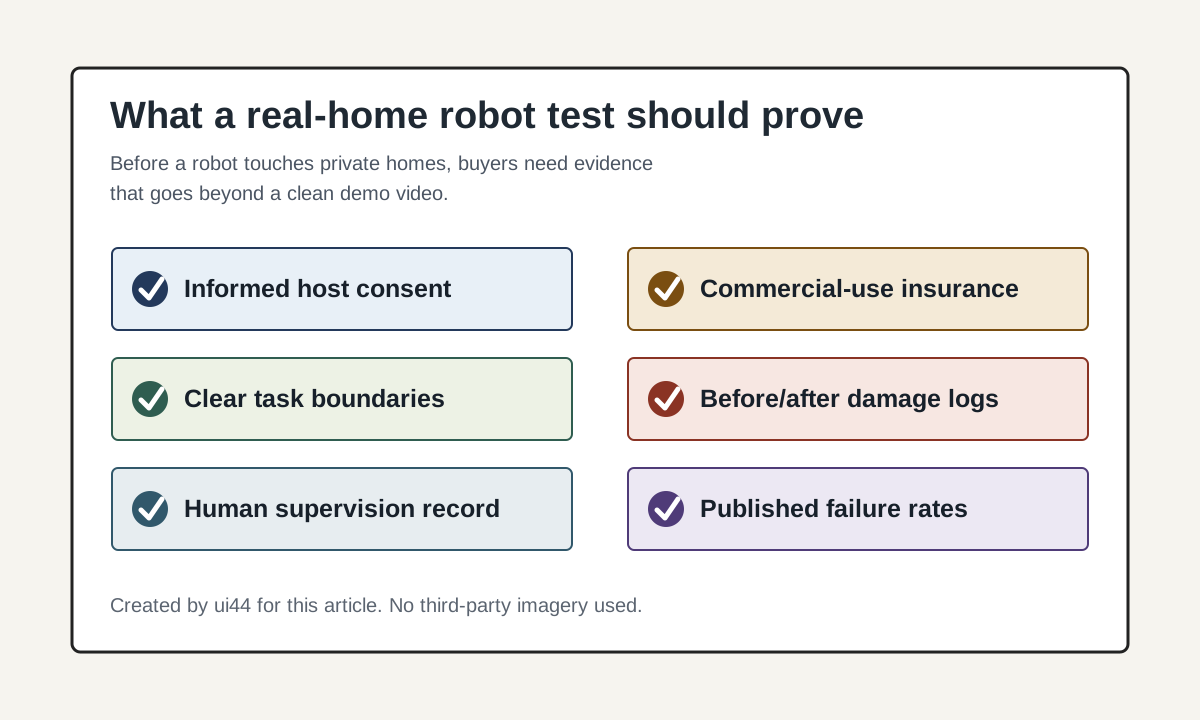
Home robot field testing evidence checklist with consent, insurance, task boundaries, damage logs, supervision, and public results
Scroll sideways to inspect the full chart.

According to The San Francisco Standard, San Francisco host Sean Donovan alleges that Bot Company employees rented his Airbnb under false pretenses and used it for robot prototype testing and filming. The lawsuit, filed May 26, 2026 in San Francisco Superior Court, reportedly seeks $12,383.50 for property damage and lost income. SFist summarized the allegations as unauthorized commercial R&D in a private rental, including damage to furniture, tile, linens, and appliances. The allegations are not a verdict, and ui44 is not treating them as proven facts.

But the scenario is exactly what home robot buyers should worry about. A general-purpose robot has to learn in messy homes eventually. Homes have reflective appliances, narrow passages, pets, rugs, chairs, heirlooms, children, visitors, and stairs. They are not test tracks. If the industry wants buyers to trust autonomous machines in those spaces, real-home trials need rules that are visible before the product ships.

Why this matters beyond one lawsuit

A robot vacuum bumping a chair is annoying. A mobile manipulator or humanoid moving through a lived-in home is a different risk class. The machine may be tall, heavy, battery-powered, sensor-dense, cloud-connected, partially teleoperated, or carrying grippers that can interact with fragile objects. Even a soft-body home humanoid can break things if its navigation, grasping, or fallback behavior fails.

ui44's robot database shows why the stakes are rising. 1X NEO is a home-focused humanoid listed at $20,000 in pre-order status, with a 167 cm body, 30 kg weight, roughly 4 hours of battery life, RGB cameras, depth sensors, tactile skin, microphones, and 1X Embodied Intelligence. Hello Robot Stretch 4 is already available at $29,950 as a mobile manipulator with a 160 cm height, 45 cm footprint, wide-FOV depth sensing, LiDAR, calibrated RGB-depth perception, a wrist-mounted depth camera, and an arm payload rated at 2.5 kg extended or 4 kg retracted. Unitree G1 is available from $13,500, with a 132 cm humanoid body, 35 kg weight, depth camera, 3D LiDAR, microphone array, optional dexterous hands, and about 2 hours of battery life.

Those numbers matter because a home test is not just a software evaluation. It is a physical visit from a machine with weight, reach, batteries, cameras, network links, and a repair trail. A buyer should not have to infer safety from a polished demo video.

1X NEO home humanoid robot as a consumer-facing comparison point for real-home robot testing standards

The Bot Company case should push the industry toward a simple standard: if a company tests robots in real homes, it should be able to explain who consented, what was tested, what was recorded, who supervised the robot, what damage occurred, and what changed afterward.

The difference between a demo and a field test

Most robotics companies can make an impressive demo. The hard part is repeatability. A robot that folds one shirt in a prepared room may fail when the shirt is damp, the lighting changes, the floor is cluttered, or the basket is half-hidden under a table. A robot that opens a drawer in a lab may scratch a cabinet when the handle shape changes. A robot that navigates perfectly in an office may stop dead in a hallway with laundry, shoes, and a dog bowl.

That is why field testing is necessary. It is also why it has to be deliberate.

A good field test does not pretend a private residence is just a cheaper lab. It has a written scope. It says whether the robot will map the home, film inside rooms, touch furniture, open doors, handle dishes, carry objects, enter bedrooms, approach pets, use bathrooms, operate around stairs, or run when the owner is absent. It also says who can view video, who can remotely control or assist the robot, whether data will train future models, and how long logs are retained.

For a home robot buyer, the practical checklist is blunt:

Evidence buyers should ask for

Written consent for real-home testing

Why it matters
The home is not a public test range. The owner or resident needs to know what will happen.

Evidence buyers should ask for

Commercial-use insurance

Why it matters
Normal guest stays and robotics R&D are different liability categories.

Evidence buyers should ask for

Task boundaries

Why it matters
"Household chores" is too vague; the company should name the tested tasks.

Evidence buyers should ask for

Human supervision policy

Why it matters
Buyers need to know when a person intervenes, remotely controls, or stops the robot.

Evidence buyers should ask for

Damage and failure logs

Why it matters
Trust improves when companies publish what broke, not just what worked.

Evidence buyers should ask for

Repair and compensation process

Why it matters
A useful robot company needs a fast path when its machine damages property.

This is not anti-robot. It is pro-adoption. The companies that make these rules visible will have an easier time convincing normal buyers that home robotics is more than staged optimism.

What counts as responsible real-home testing?

Responsible home testing should have at least five layers.

First, a company should prove it has exhausted safer environments before entering private homes. Lab benches, mock apartments, warehouse test homes, and controlled pilot suites are not substitutes for real homes forever, but they reduce avoidable damage. A robot should not discover basic cabinet, rug, stair, glass, or appliance hazards for the first time in a stranger's living room.

Second, the company should separate residential use from commercial R&D. If a house is being used as a testing location, the contract should say so. If the robot is filmed, mapped, or used to gather training data, that should be disclosed. If extra staff enter the property, that should be part of the booking and insurance paperwork. That matters even when no robot breaks anything.

Third, real-home tests should be instrumented. A serious test record should include starting condition photos, a room-by-room scope, task list, robot model and software version, operator names, remote-assist logs, incident timestamps, and after-test inspection. Without those records, nobody can separate a useful failure from a preventable mess.

Fourth, companies need a kill switch that is social as well as technical. A resident, host, or field supervisor should be able to stop the trial without negotiating with an engineer. A robot that cannot be paused by the person responsible for the space is not ready for that space.

Fifth, the company should publish the right level of results. It does not need to expose private homes or proprietary code, but it should share aggregate failure rates, task completion definitions, damage categories, near misses, and what changed in the next software or hardware revision.
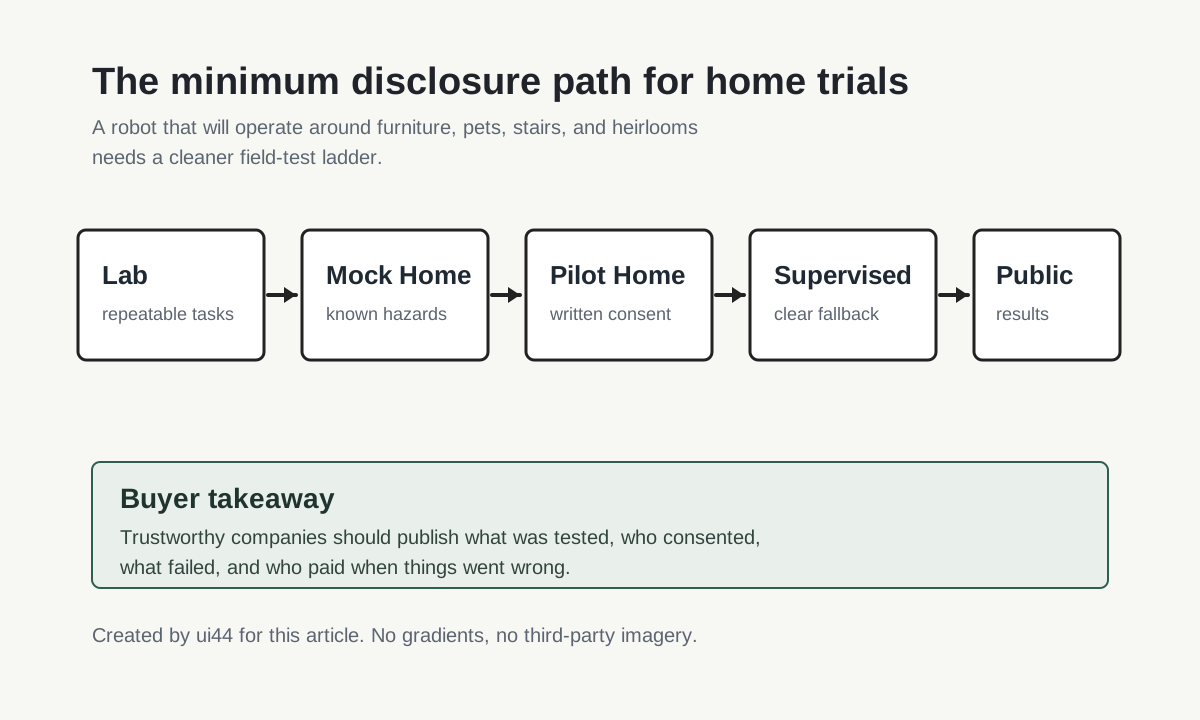
Home robot field test disclosure flow from lab testing to pilot homes and public evidence
Scroll sideways to inspect the full chart.

That last point is especially important for general-purpose robots. The first generation of home humanoids will fail. The useful distinction is not "fails" versus "never fails." It is whether the company knows how the robot fails, tells buyers what those failures mean, and designs the service model around that reality.

How current home-facing robots compare

The Bot Company has not published enough specs for a normal ui44 robot page. That makes comparison difficult, but it does not leave buyers without context. Existing home-facing and research-facing robots show the range of physical risk and evidence buyers should expect.
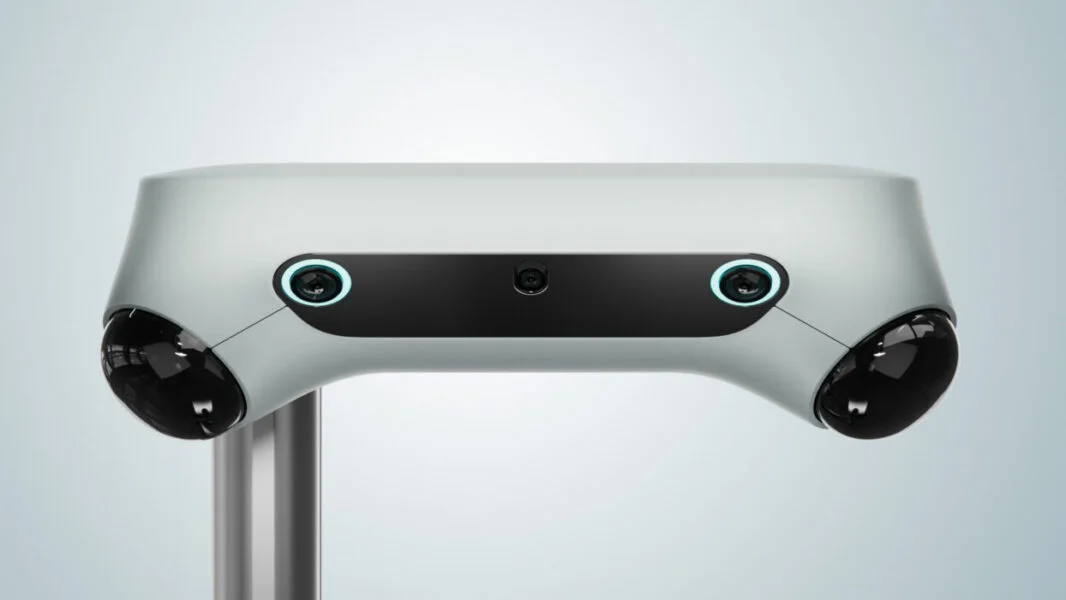
Hello Robot Stretch 4 mobile manipulator showing why real-home robot testing needs clear scope and supervision

Robot

1X NEO

ui44 status and price
Pre-order, $20,000
Why it matters for home testing
A soft, home-focused humanoid with tactile skin and depth sensors still needs clear proof of autonomous chore reliability and remote-assist boundaries.

Robot

Hello Robot Stretch 4

ui44 status and price
Available, $29,950
Why it matters for home testing
A research and assistive mobile manipulator shows a more transparent path: expensive, specialized, open tooling, and explicit data-collection use.

Robot

Unitree G1

ui44 status and price
Available, $13,500
Why it matters for home testing
A lower-cost humanoid platform is real hardware, but its buyer value depends on honest limits around home autonomy, service, and repair.

Robot

Unitree R1

ui44 status and price
Pre-order, $4,900
Why it matters for home testing
A cheaper humanoid makes the category feel accessible, but a 123 cm, roughly 29 kg biped still needs safety evidence before home chores.

Robot

Figure 02

ui44 status and price
Discontinued, no public consumer price
Why it matters for home testing
Industrial runtime is useful evidence, but factory experience is not the same as consented home reliability.

Robot

Tesla Optimus Gen 2

ui44 status and price
Development, no consumer sale
Why it matters for home testing
Big claims and factory-task focus are not a buyer substitute for domestic test data.

The healthiest comparison is not "which robot looks most human?" It is "which company can show the strongest chain of evidence from controlled tests to consented homes?" A wheeled manipulator with clear logs may be more trustworthy than a graceful humanoid with vague claims.

The trust questions every buyer should ask

If you are tracking a home robot that has not shipped yet, ask these questions before treating a real-home demo as evidence:

  1. Was the home owner or resident told that a robot would be tested?
  2. Was the test covered by commercial insurance or a pilot agreement?
  3. Which exact tasks did the robot perform?
  4. Which tasks required remote human help?
  5. What video, audio, map, and sensor data was collected?
  6. Did the robot touch furniture, dishes, doors, appliances, or personal items?
  7. How many failures occurred per hour or per task?
  8. Who inspected the property before and after the test?
  9. What damage or near-miss categories were recorded?
  10. What changed in the product after those failures?

Those questions are useful whether you are looking at a humanoid, a mobile manipulator, a companion robot, or a high-end cleaning system. The more general the robot's promise, the more concrete the testing evidence should be.
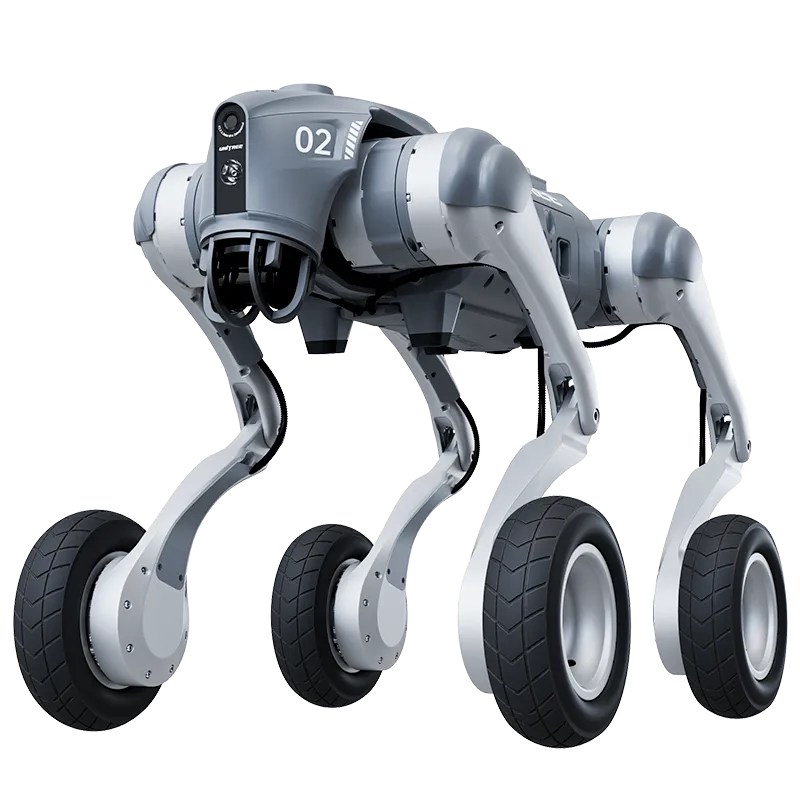
Unitree G1 humanoid robot, a lower-cost available platform that still needs home-specific evidence before buyers treat it as a chore robot

Companies may argue that early testing details are confidential. Some of that is fair. They do not need to reveal every model weight, route, or algorithm. But they can still publish consent standards, insurance coverage, supervision rules, aggregate incident data, and plain-language safety limits. Those are product trust signals, not trade secrets.

What The Bot Company should publish next

The Bot Company can still turn a bad public story into a useful industry moment. The company does not need to reveal its entire robot roadmap to do that. It could publish a field-testing policy that answers the basics:

  • Whether it tests robots in private residences, short-term rentals, or staged homes
  • How it obtains consent from owners, residents, hosts, and platforms
  • What activities count as commercial R&D rather than normal lodging
  • What insurance and compensation process applies if property is damaged
  • Whether filming, mapping, audio capture, or teleoperation happens
  • How many people may enter a test location
  • What incident reports are created and how quickly affected owners are paid
  • Which home tasks have been tested and which remain unsupported

That would be more valuable than another smooth product teaser. The home robot market is full of confident language: chores, autonomy, embodied intelligence, helpful assistants, general-purpose robots. Buyers need fewer adjectives and more operating evidence.

The buyer takeaway

The Bot Company Airbnb lawsuit is an allegation, not a settled conclusion. Still, it highlights the central tension of home robotics in 2026: robots need real homes to become useful, but homes are not disposable test fixtures.

For buyers, the lesson is simple. Do not judge a home robot only by whether it can walk, talk, wave, or pick up a staged object. Judge the evidence trail. Look for consented pilot programs, public failure definitions, real repair policies, remote-assist disclosure, insurance clarity, and measured task reliability. A company that cannot explain how it tests safely probably is not ready to explain how its robot will live safely with you.

The next breakthrough in home robotics may not be a new hand, model, or battery. It may be a boring document: a field-test standard that tells homeowners exactly what a robot is allowed to do, who is responsible when it fails, and what buyers can learn from every mistake.

Database context

Use this article as a privacy verification workflow

Turn the article into a real verification pass

Bot Company Airbnb Lawsuit: Home Robot Test Rules already points you toward 6 linked robots, 6 manufacturers, and 3 countries inside the ui44 database. That matters because strong buyer guidance is easier to apply when you can move immediately from a claim or warning into concrete product pages, manufacturer directories, component explainers, and country-level context instead of treating the article as an isolated opinion piece. The fastest next step is to turn the article into a shortlist workflow: open the linked robot pages, verify which specs are actually published for those models, then compare the surrounding manufacturer and component context before you decide whether the underlying claim changes your buying plan.

For this topic, the useful discipline is to separate the editorial lesson from the catalog evidence. The article gives you the framing, but the robot pages tell you what each product actually ships with today: sensor stack, connectivity methods, listed price, release timing, category, and support-relevant compatibility notes. The manufacturer pages then show whether you are looking at a one-off launch, a broader lineup pattern, or a company that spans multiple categories. That layered workflow reduces the risk of buying on a single marketing phrase or a single support FAQ.

Use the robot pages to confirm which products actually expose cameras, microphones, Wi-Fi, or voice systems, then use the manufacturer pages to decide how much of the privacy question seems product-specific versus brand-wide. On this route cluster, NEO, Stretch 4, and G1 form the fastest reality check. If you want a quick working shortlist, open Compare NEO, Stretch 4, and G1 next, then keep this article open as the reasoning layer while you compare structured data side by side.

Practical Takeaway

Every robot, manufacturer, category, component, and country reference below resolves to a real ui44 page, keeping the follow-up path grounded in database records rather than generic advice.

Suggested next steps in ui44

  1. Open NEO and note the listed sensors, connectivity methods, and voice stack before you interpret any policy claim.
  2. Cross-check the wider brand context on 1X Technologies so you can see whether the privacy question touches one model or a broader lineup.
  3. Use the linked component pages to confirm how common the relevant sensors and connectivity layers are across the database.
  4. Keep a short note of which policy layers you checked, which device features are actually present on the robot page, and which items still depend on region- or app-level confirmation.
  5. Finish with Compare NEO, Stretch 4, and G1 so the policy reading sits next to structured product data.

Database context

Robot profiles worth opening next

Use the linked product pages as the evidence layer

The linked robot pages are where this article becomes operational. Instead of asking whether the headline is interesting, use the robot entries to inspect the actual mix of sensors, connectivity options, batteries, pricing, release timing, and stated capabilities attached to the products mentioned in the article. That is the easiest way to see whether the warning or opportunity described here affects one product family, a specific design pattern, or an entire buying lane.

NEO

1X Technologies · Humanoid · Pre-order

$20,000

NEO is tracked on ui44 as a pre-order humanoid robot from 1X Technologies. The database currently records a listed price of $20,000, a release date of 2025-10-28, ~4 hours battery life, Not disclosed charging time, and a published stack that includes RGB Cameras, Depth Sensors, and Tactile Skin plus Wi-Fi and Bluetooth.

For privacy-focused reading, this page matters because it shows the concrete device surface behind the policy discussion. Use it to verify whether NEO combines sensors and connectivity in a way that could change the in-home data footprint, and compare the listed capabilities such as Household Chores, Tidying Up, and Safe Human Interaction with any cloud, app, or voice layers.

Stretch 4

Hello Robot · Home Assistants · Available

$29,950

Stretch 4 is tracked on ui44 as a available home assistants robot from Hello Robot. The database currently records a listed price of $29,950, a release date of 2026-05-12, 8 hours (light CPU load) battery life, Not officially disclosed charging time, and a published stack that includes Wide-FOV depth sensing, High-resolution RGB cameras, and Calibrated RGB + depth perception plus its listed connectivity stack.

For privacy-focused reading, this page matters because it shows the concrete device surface behind the policy discussion. Use it to verify whether Stretch 4 combines sensors and connectivity in a way that could change the in-home data footprint, and compare the listed capabilities such as Mobile Manipulation, Omnidirectional Indoor Mobility, and Autonomous Mapping and Navigation with any cloud, app, or voice layers.

G1

Unitree · Humanoid · Available

$13,500

G1 is tracked on ui44 as a available humanoid robot from Unitree. The database currently records a listed price of $13,500, a release date of 2024-05-13, ~2 hours battery life, Not disclosed charging time, and a published stack that includes Depth Camera, 3D LiDAR, and 4 Microphone Array plus Wi-Fi 6 and Bluetooth 5.2.

For privacy-focused reading, this page matters because it shows the concrete device surface behind the policy discussion. Use it to verify whether G1 combines sensors and connectivity in a way that could change the in-home data footprint, and compare the listed capabilities such as Bipedal Walking, Object Manipulation, and Dexterous Hands (optional Dex3-1) with any cloud, app, or voice layers.

R1

Unitree Robotics · Humanoid · Pre-order

$4,900

R1 is tracked on ui44 as a pre-order humanoid robot from Unitree Robotics. The database currently records a listed price of $4,900, a release date of 2025, ~1 hour (mixed activity) battery life, Not officially disclosed charging time, and a published stack that includes Monocular camera (R1 Air); binocular camera (R1/R1 EDU), 4-Mic Array, and Dual 6-Axis IMU plus Wi-Fi 6 and Bluetooth 5.2.

For privacy-focused reading, this page matters because it shows the concrete device surface behind the policy discussion. Use it to verify whether R1 combines sensors and connectivity in a way that could change the in-home data footprint, and compare the listed capabilities such as Bipedal Walking & Running, Cartwheels & Handstands, and Push Recovery with any cloud, app, or voice layers, including UnifoLM (voice + image commands).

Figure 02

Figure AI · Humanoid · Discontinued

Price TBA

Figure 02 is tracked on ui44 as a discontinued humanoid robot from Figure AI. The database currently records a listed price of Price TBA, a release date of 2024-08-06, Not disclosed (50% greater capacity than Figure 01) battery life, Not disclosed charging time, and a published stack that includes 6 RGB Cameras, Onboard Vision Language Model, and Microphones plus Wi-Fi and Bluetooth.

For privacy-focused reading, this page matters because it shows the concrete device surface behind the policy discussion. Use it to verify whether Figure 02 combines sensors and connectivity in a way that could change the in-home data footprint, and compare the listed capabilities such as Autonomous Task Execution, Speech-to-Speech Conversation, and Pick and Place with any cloud, app, or voice layers, including OpenAI Custom Model.

Database context

Manufacturer context behind the article

Check whether this is one product story or a broader company pattern

Manufacturer pages add the privacy context that individual product pages cannot show on their own. They help you check whether cameras, microphones, cloud accounts, app controls, and policy assumptions appear across a broader lineup or stay tied to one specific product story.

1X Technologies

ui44 currently tracks 2 robots from 1X Technologies across 1 category. The company is grouped under Norway, and the current catalog footprint on ui44 includes NEO, EVE.

That wider brand context matters because privacy questions rarely stop at one FAQ page. A manufacturer route helps you see whether the article is centered on one premium model or on a company that has several relevant products and therefore more than one place where the same policy or app assumptions might matter. The category mix here currently points toward Humanoid as the most useful next route if you want to see whether this article reflects a wider pattern inside the brand.

Hello Robot

ui44 currently tracks 2 robots from Hello Robot across 1 category. The company is grouped under USA, and the current catalog footprint on ui44 includes Stretch 3, Stretch 4.

That wider brand context matters because privacy questions rarely stop at one FAQ page. A manufacturer route helps you see whether the article is centered on one premium model or on a company that has several relevant products and therefore more than one place where the same policy or app assumptions might matter. The category mix here currently points toward Home Assistants as the most useful next route if you want to see whether this article reflects a wider pattern inside the brand.

Unitree

ui44 currently tracks 2 robots from Unitree across 1 category. The company is grouped under China, and the current catalog footprint on ui44 includes H1, G1.

That wider brand context matters because privacy questions rarely stop at one FAQ page. A manufacturer route helps you see whether the article is centered on one premium model or on a company that has several relevant products and therefore more than one place where the same policy or app assumptions might matter. The category mix here currently points toward Humanoid as the most useful next route if you want to see whether this article reflects a wider pattern inside the brand.

Unitree Robotics

ui44 currently tracks 9 robots from Unitree Robotics across 3 categorys. The company is grouped under China, and the current catalog footprint on ui44 includes B2, B1, Go2.

That wider brand context matters because privacy questions rarely stop at one FAQ page. A manufacturer route helps you see whether the article is centered on one premium model or on a company that has several relevant products and therefore more than one place where the same policy or app assumptions might matter. The category mix here currently points toward Quadruped, Humanoid, Research as the most useful next route if you want to see whether this article reflects a wider pattern inside the brand.

Database context

Broaden the scan without leaving the database

Categories, components, and countries add the wider context

Category framing

Category pages are useful when the article touches a buying pattern that shows up across brands. A category route helps you confirm whether the linked products sit in a narrow niche or whether the same question should be tested across a larger field of alternatives.

Humanoid

The Humanoid category page currently groups 113 tracked robots from 82 manufacturers. ui44 describes this lane as: Full-size bipedal humanoid robots designed to work alongside humans. From factory floors to household tasks, these machines represent the cutting edge of robotics.

That makes the category route a practical follow-up when you want to check whether the products linked in this article are typical for the lane or whether they sit at one edge of the market. Useful starting examples currently include NEO, EVE, Mornine M1.

Home Assistants

The Home Assistants category page currently groups 15 tracked robots from 14 manufacturers. ui44 describes this lane as: Arm-based household helpers — laundry folders, kitchen robots, and mobile manipulators that handle physical tasks at home.

That makes the category route a practical follow-up when you want to check whether the products linked in this article are typical for the lane or whether they sit at one edge of the market. Useful starting examples currently include Robody, Futuring 2 (F2), Stretch 3.

Country and ecosystem context

Country pages give extra context when support practices, launch sequencing, regulatory posture, or manufacturer mix matter. They are not a substitute for model-level verification, but they do help you see which ecosystems cluster together and which manufacturers sit in the same regional field when you broaden the search beyond the article headline.

Norway

The Norway route currently groups 2 tracked robots from 1 manufacturers in ui44. That gives you a useful regional lens when the article points toward support practices, launch sequencing, or brand clusters that may share similar ecosystem assumptions.

On the current route, manufacturers like 1X Technologies make the page a good way to broaden the scan without losing the regional context that often shapes availability, documentation style, and adjacent alternatives.

USA

The USA route currently groups 79 tracked robots from 63 manufacturers in ui44. That gives you a useful regional lens when the article points toward support practices, launch sequencing, or brand clusters that may share similar ecosystem assumptions.

On the current route, manufacturers like iRobot, Boston Dynamics, Faraday Future make the page a good way to broaden the scan without losing the regional context that often shapes availability, documentation style, and adjacent alternatives.

China

The China route currently groups 175 tracked robots from 82 manufacturers in ui44. That gives you a useful regional lens when the article points toward support practices, launch sequencing, or brand clusters that may share similar ecosystem assumptions.

On the current route, manufacturers like Dreame, AGIBOT, Unitree Robotics make the page a good way to broaden the scan without losing the regional context that often shapes availability, documentation style, and adjacent alternatives.

Database context

Questions to answer before you move from reading to buying

A follow-up FAQ built from the entities already linked in this article

Frequently Asked Questions

Which page should I open first after reading “Bot Company Airbnb Lawsuit: Home Robot Test Rules”?

Start with NEO. That gives you a concrete product anchor for the article’s main claim. From there, branch into the manufacturer and component pages so you can tell whether the article is describing one specific model, a repeated brand pattern, or a wider technology issue that affects multiple shortlist options.

How do the manufacturer pages change the buying decision?

1X Technologies help you zoom out from one article and one product. On ui44 they show lineup breadth, category spread, and the neighboring robots tied to the same company. That context is useful when you are deciding whether a risk belongs to a single model, whether it shows up across a brand’s portfolio, and whether you should keep looking at alternatives before committing.

When should I switch from reading to side-by-side comparison?

Move into Compare NEO, Stretch 4, and G1 as soon as you understand the article’s main warning or promise. The article explains what to watch for, but the compare view is where you can check whether price, status, battery life, connectivity, sensors, and category fit still make the robot a good match for your own home and budget.

Database context

Where to go next in ui44

Keep the research chain inside the database

If you want to keep going, these follow-on pages give you the cleanest expansion path from article to research session. Open the comparison route first if you are deciding between products today. Open the manufacturer, category, and component routes if you still need to understand the broader pattern behind the claim.

UT

Written by

ui44 Team

Published June 9, 2026

Share this article

Open a plain share link on X or Bluesky. No embeds, no widgets, no cookie baggage.

Explore the database

Go beyond the headlines

Compare specs, features, and prices across 100+ robots from leading manufacturers worldwide.