That question matters for buyers because "companion robot" usually means something that sits on a table, rolls indoors, or starts a video call. A walking companion for seniors is a different category. It has to share sidewalks with people, deal with weather and noise, understand fatigue and hesitation, keep enough distance to feel respectful, and still be useful when a caregiver is not standing nearby.
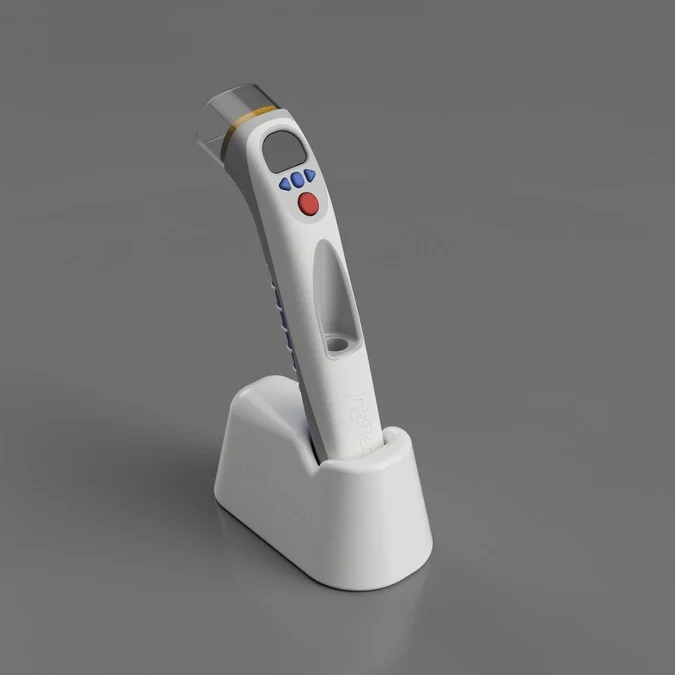
The current home robot market already has pieces of that puzzle. ElliQ 3 shows what proactive older-adult companionship can look like indoors. temi V3 shows mature indoor navigation and telepresence. Mirokai shows a social mobile humanoid built for human spaces. iCub and ergoCub show why research platforms still matter before companies promise useful, mobile caregiving robots.
What Stanford SOAR Is Really Testing
SOAR is not just a product teaser. Stanford describes the program as work to improve the lives of older adults and caregivers through robotics, with a focus on movement, time outdoors, social connection, and cognitive health. The Stanford Robotics Center also places SOAR among its flagship projects, alongside work in domestic robotics, human-robot interaction, medical robotics, field robotics, and other areas where robots must operate around real people.
That combination is the important part. A senior walking companion is not only a navigation problem. It is a human-robot interaction problem, a care workflow problem, and a reliability problem. If the robot encourages someone to take a short walk, notices when the person slows down, or helps a remote caregiver understand whether the outing went well, it starts to provide value beyond novelty.
It also raises the bar. A robot that fails in a living room is annoying. A robot that fails during a walk can strand the user, block a path, create anxiety, or give a caregiver false confidence.
The Minimum Useful Feature Set
A practical walking companion robot for seniors needs more than autonomous movement. These are the features that should be treated as table stakes before the category is ready for ordinary homes:
Requirement
Outdoor navigation
- Why it matters at home
- Sidewalks, curbs, ramps, shadows, cyclists, pets, and parked cars are harder than clean indoor floors.
Requirement
Human pacing
- Why it matters at home
- The robot must adapt to slow walking, rest breaks, hesitation, and changes in gait without nagging.
Requirement
Social interaction
- Why it matters at home
- It should speak clearly, listen in noisy streets, and keep conversation optional rather than intrusive.
Requirement
Caregiver visibility
- Why it matters at home
- Families need simple summaries, check-ins, and escalation paths, not raw robotics telemetry.
Requirement
Battery honesty
- Why it matters at home
- A walking robot must know whether it has enough charge to go out, come back, and handle delays.
Requirement
Weather limits
- Why it matters at home
- Rain, heat, cold, glare, and uneven pavement should be explicit limits, not hidden fine print.
Requirement
Privacy controls
- Why it matters at home
- Cameras, microphones, location history, and caregiver access need plain-language settings.
| Requirement | Why it matters at home |
|---|---|
| Outdoor navigation | Sidewalks, curbs, ramps, shadows, cyclists, pets, and parked cars are harder than clean indoor floors. |
| Human pacing | The robot must adapt to slow walking, rest breaks, hesitation, and changes in gait without nagging. |
| Social interaction | It should speak clearly, listen in noisy streets, and keep conversation optional rather than intrusive. |
| Caregiver visibility | Families need simple summaries, check-ins, and escalation paths, not raw robotics telemetry. |
| Battery honesty | A walking robot must know whether it has enough charge to go out, come back, and handle delays. |
| Weather limits | Rain, heat, cold, glare, and uneven pavement should be explicit limits, not hidden fine print. |
| Privacy controls | Cameras, microphones, location history, and caregiver access need plain-language settings. |
The most important word here is "honesty." A walking companion does not have to solve every mobility case. It does need to communicate what it can and cannot do before someone trusts it with a routine.
How This Differs From Today's Companion Robots
ElliQ 3 is one of the clearest examples of an older-adult companion robot already aimed at the home. In ui44's database, ElliQ 3 is a 14.4-inch, 5.3-pound, mains-powered tabletop system with proactive conversation, wellness programs, reminders, video calling, and virtual activities. Its pricing model is a lease-plus-subscription structure: a $249 initiation fee with monthly plans listed at $59/month, $49/month annually, or $39/month on a 24-month commitment.
That is relevant because ElliQ is built around ongoing engagement, not physical support. It can prompt activity, offer social connection, and help with routines, but it does not accompany a person outside. For many older adults, that may be enough. For someone whose hardest part is leaving the apartment, crossing a lobby, or staying motivated during a walk, the missing body matters.
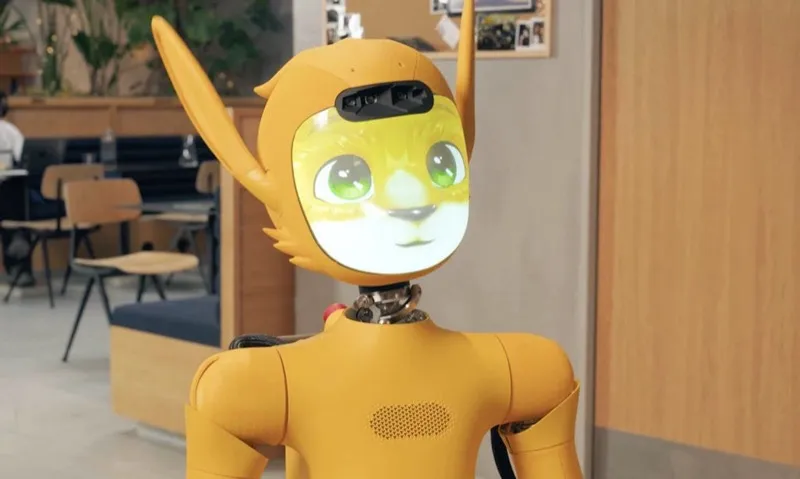
Mirokai is closer to the embodied social side. ui44 tracks it as a 123 cm, roughly 26 kg social humanoid from Enchanted Tools with an omnidirectional rolling globe base, expressive projected face, torque-controlled arms, autonomous navigation, multi-LLM conversational AI, and about four hours of battery life. It is not sold like a consumer gadget; Enchanted Tools uses a partnership and inquiry flow rather than public list pricing.
The lesson is that a believable walking companion may look less like a smart speaker and more like a service robot: mobile, expressive, aware of nearby people, and designed to share semi-public spaces. But Mirokai also shows the cost and deployment gap. Robots that can safely move through hospitals, hotels, and care settings are still closer to institutional pilots than impulse home purchases.
Telepresence Is Not Enough
temi V3 is useful to compare because it already solves many indoor mobility problems. ui44 lists temi V3 as a roughly 100 cm, 12 kg personal robot assistant with autonomous navigation, telepresence, voice interaction, a 13.3-inch touchscreen, 360-degree LiDAR, depth cameras, and up to eight hours of battery life. That is a strong indoor foundation.
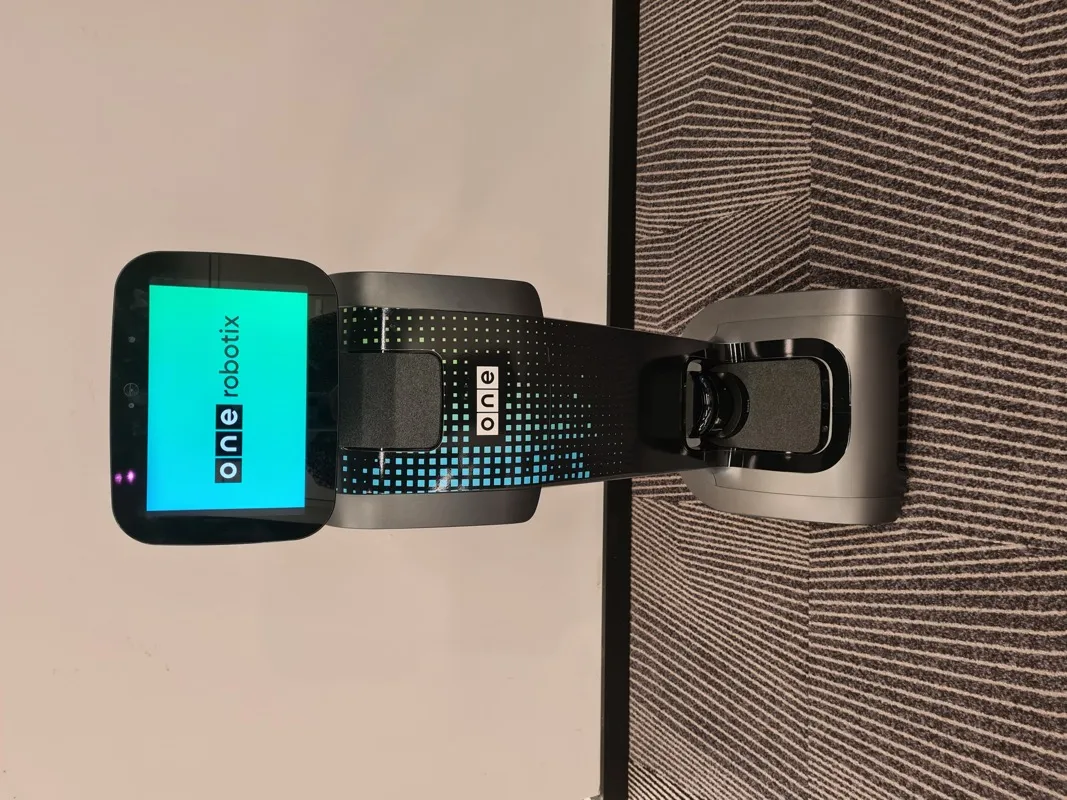
For senior care, telepresence is valuable. A family member can appear on the screen, a clinician can check in, and the robot can move between rooms. But a walking companion must do something harder: it has to coordinate with the user's body in the real world. A remote video call can encourage a walk, but it cannot easily manage sidewalk pace, road crossings, crowding, glare, wind noise, or the social awkwardness of a robot trailing someone too closely.
This is why Stanford's outdoor framing is important. The buyer question is not "Can this robot navigate?" It is "Can this robot make a walk safer, easier, or more likely to happen?"
Research Platforms Still Matter
iCub is not a home product, but it explains why labs keep using expensive humanoids before assistive robots become consumer devices. ui44 lists iCub as a 104 cm, 22 kg open-source humanoid research platform with 53 degrees of freedom, stereo vision, microphones, optional tactile skin, and an indicative non-profit build fee of about €250,000 for a full unit. The Stanford SOAR page also lists cognitive training protocols with iCub as one of its collaborations.
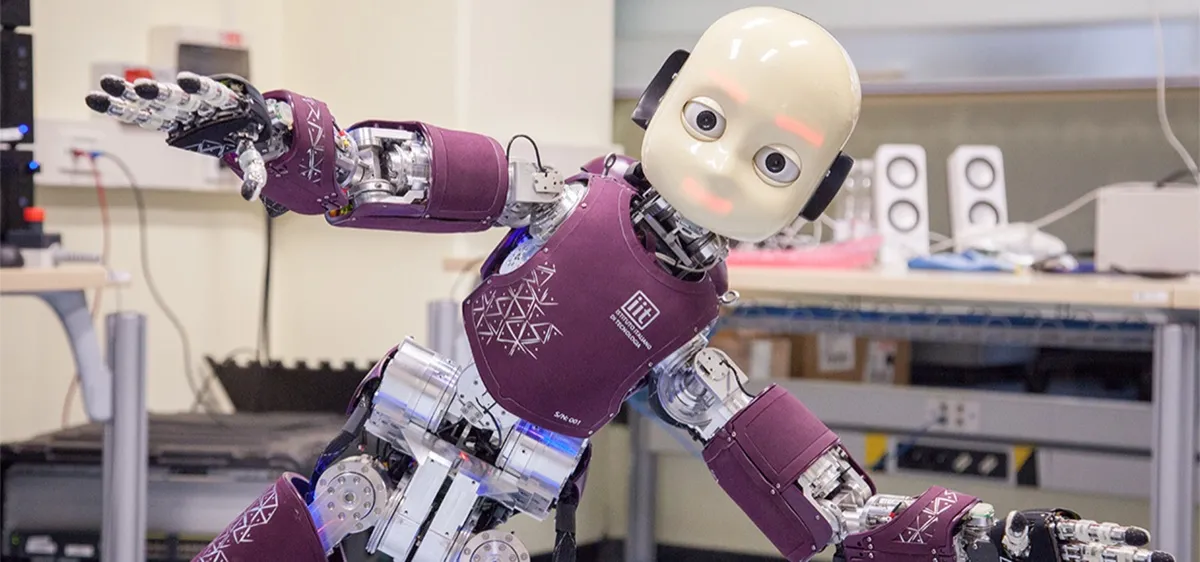
That price makes iCub irrelevant as a consumer purchase, but the research value is clear. Older-adult robotics needs careful study of attention, trust, timing, tone, cognitive load, and physical ability. Those are not specs you can infer from motor torque alone.
ergoCub points in another direction: human-scale assistance. ui44 tracks ergoCub as a 150 cm, 55.7 kg humanoid research platform focused on ergonomic collaboration, load handling, worker-intention recognition, navigation, and manipulation. Its listed collaborative load capability is around 10 kg. That is not a walking companion either, but it shows the direction assistive robotics may eventually take: robots that understand human motion and help with physical tasks around people.
What Should Buyers Ask Before Believing The Category?
If walking companion robots start appearing in pilot programs, care communities, or premium home trials, buyers should ask practical questions first:
- Where has it been tested: lab, senior community, sidewalk, campus, apartment building, or private home?
- What happens if the user stops, turns back, sits down, or becomes confused?
- Does the robot help in an emergency, or only notify someone else?
- Can caregivers see useful summaries without constant surveillance?
- What surfaces, slopes, rain conditions, temperatures, and lighting does the robot refuse?
- How does it behave around strangers, dogs, children, cyclists, and narrow paths?
- Is the robot useful indoors too, or is it a single-purpose walking device?
- Is pricing subscription-based, leased, institutional, or a direct purchase?
The strongest products will answer these questions in normal language. If a vendor can only talk about AI, autonomy, and companionship in general terms, the robot is probably not ready for a high-trust care role.
Where The First Real Deployments May Happen
The first serious walking companions are unlikely to be mass-market home devices. They are more likely to show up in senior living communities, retirement campuses, hospitals, rehab centers, or university-backed pilots. Those environments offer repeatable routes, trained staff, charging locations, and a way to observe whether the robot improves activity rather than merely attracting attention.
That does not make the category less important. It makes it more credible. Senior care robotics should earn trust in controlled real-world environments before it asks families to trust it in public sidewalks and private routines.
For ui44 readers, the right comparison set is not a robot vacuum. It is the overlap between companion robots, telepresence robots, social service robots, and humanoid research systems. ElliQ shows the engagement layer. temi shows mobile indoor presence. Mirokai shows embodied social interaction in public-facing spaces. iCub and ergoCub show the research path toward more capable assistive bodies.
Bottom Line
Stanford SOAR is a sign that older-adult robotics is moving beyond tabletop companionship and into the harder question of how robots can support movement, outdoor life, and social connection. That is a better direction than another generic gadget promising "AI care" without specifying what it actually does.
A walking companion robot for seniors should not be judged by whether it looks friendly. It should be judged by whether it helps someone move more confidently, gives caregivers useful context, respects privacy, and knows when not to go outside. Until those basics are proven, the category belongs in pilots and research programs. Once they are proven, it could become one of the more meaningful home robot categories we track.
Sources: Stanford SOAR, Stanford Robotics Center, and ui44 robot database entries for ElliQ 3, Mirokai, temi V3, iCub, and ergoCub.
Related in the database
Use this article as a privacy verification workflow
Turn the article into a privacy verification pass grounded in the robots, manufacturers, and components it actually references.
Walking Companion Robots for Seniors already points you toward 5 linked robots, 4 manufacturers, and 3 countries inside the ui44 database. That matters because strong buyer guidance is easier to apply when you can move immediately from a claim or warning into concrete product pages, manufacturer directories, component explainers, and country-level context instead of treating the article as an isolated opinion piece. The fastest next step is to turn the article into a shortlist workflow: open the linked robot pages, verify which specs are actually published for those models, then compare the surrounding manufacturer and component context before you decide whether the underlying claim changes your buying plan.
For this topic, the useful discipline is to separate the editorial lesson from the catalog evidence. The article gives you the framing, but the robot pages tell you what each product actually ships with today: sensor stack, connectivity methods, listed price, release timing, category, and support-relevant compatibility notes. The manufacturer pages then show whether you are looking at a one-off launch, a broader lineup pattern, or a company that spans multiple categories. That layered workflow reduces the risk of buying on a single marketing phrase or a single support FAQ.
Use the robot pages to confirm which products actually expose cameras, microphones, Wi-Fi, or voice systems, then use the manufacturer pages to decide how much of the privacy question seems product-specific versus brand-wide. On this route cluster, ElliQ 3, Mirokaï, and temi V3 form the fastest reality check. If you want a quick working shortlist, open Compare ElliQ 3, Mirokaï, and temi V3 next, then keep this article open as the reasoning layer while you compare structured data side by side.
Practical Takeaway
Every robot, manufacturer, category, component, and country reference below resolves to a real ui44 page, keeping the follow-up path grounded in database records rather than generic advice.
Suggested next steps in ui44
- Open ElliQ 3 and note the listed sensors, connectivity methods, and voice stack before you interpret any policy claim.
- Cross-check the wider brand context on Intuition Robotics so you can see whether the privacy question touches one model or a broader lineup.
- Use the linked component pages to confirm how common the relevant sensors and connectivity layers are across the database.
- Keep a short note of which policy layers you checked, which device features are actually present on the robot page, and which items still depend on region- or app-level confirmation.
- Finish with Compare ElliQ 3, Mirokaï, and temi V3 so the policy reading sits next to structured product data.
Robot profiles worth opening next
Use the linked product pages as the evidence layer
The linked robot pages are where this article becomes operational. Instead of asking whether the headline is interesting, use the robot entries to inspect the actual mix of sensors, connectivity options, batteries, pricing, release timing, and stated capabilities attached to the products mentioned in the article. That is the easiest way to see whether the warning or opportunity described here affects one product family, a specific design pattern, or an entire buying lane.
ElliQ 3
Intuition Robotics · Companions · Available
ElliQ 3 is tracked on ui44 as a available companions robot from Intuition Robotics. The database currently records a listed price of Price TBA, a release date of 2024-01, Mains powered battery life, N/A (plugged in) charging time, and a published stack that includes 4-mic array, 12 MP camera for images, and 1080p HD video at 30 fps with 120° horizontal FoV plus Wi-Fi 802.11b/g/n/ac (2.4 GHz and 5 GHz) and Bluetooth 5+.
For privacy-focused reading, this page matters because it shows the concrete device surface behind the policy discussion. Use it to verify whether ElliQ 3 combines sensors and connectivity in a way that could change the in-home data footprint, and compare the listed capabilities such as Proactive Conversation, Medication Reminders, and Health & Pain Tracking with any cloud, app, or voice layers, including ElliQ Voice AI.
Mirokaï
Enchanted Tools · Commercial · Active
Mirokaï is tracked on ui44 as a active commercial robot from Enchanted Tools. The database currently records a listed price of Price TBA, a release date of 2025, ~4 hours battery life, Not disclosed charging time, and a published stack that includes 2 RGBD Cameras, 2 Infrared Cameras, and 9 Time-of-Flight Cameras plus Wi-Fi and Bluetooth.
For privacy-focused reading, this page matters because it shows the concrete device surface behind the policy discussion. Use it to verify whether Mirokaï combines sensors and connectivity in a way that could change the in-home data footprint, and compare the listed capabilities such as 26 Degrees of Freedom, Omnidirectional Rolling Globe Locomotion, and Expressive Animated Face (projector-based) with any cloud, app, or voice layers, including Multi-language speech recognition & synthesis with emotional prosody.
temi V3 is tracked on ui44 as a available commercial robot from temi. The database currently records a listed price of Price TBA, a release date of 2022, Up to 8 hours battery life, Autonomous docking (220V/110V) charging time, and a published stack that includes 360° LIDAR, 2x Depth Cameras, and RGB Camera (13MP, 120° FOV) plus Wi-Fi 5 (802.11 a/b/g/n/ac, 2.4G/5G) and Bluetooth 5.1 BLE.
For privacy-focused reading, this page matters because it shows the concrete device surface behind the policy discussion. Use it to verify whether temi V3 combines sensors and connectivity in a way that could change the in-home data footprint, and compare the listed capabilities such as Autonomous Navigation (5cm accuracy), Human Follow Mode, and Telepresence Video Calling with any cloud, app, or voice layers, including temi AI Assistant.
iCub
Italian Institute of Technology · Research · Active
iCub is tracked on ui44 as a active research robot from Italian Institute of Technology. The database currently records a listed price of €250,000, a release date of 2009, Battery backpack included on iCub 2.5/later full iCub versions; runtime not publicly disclosed battery life, N/A charging time, and a published stack that includes Stereo Cameras, Microphones, and Hall-Effect Joint Sensors plus Gigabit Ethernet and CANBus (internal).
For privacy-focused reading, this page matters because it shows the concrete device surface behind the policy discussion. Use it to verify whether iCub combines sensors and connectivity in a way that could change the in-home data footprint, and compare the listed capabilities such as Bipedal Walking, Crawling, and Object Grasping with any cloud, app, or voice layers.
ergoCub
Italian Institute of Technology · Humanoid · Active
ergoCub is tracked on ui44 as a active humanoid robot from Italian Institute of Technology. The database currently records a listed price of Price TBA, a release date of 2023, Not publicly disclosed battery life, Not publicly disclosed charging time, and a published stack that includes Intel RealSense depth camera, LiDAR, and Force/torque sensors plus Wi-Fi 6E.
For privacy-focused reading, this page matters because it shows the concrete device surface behind the policy discussion. Use it to verify whether ergoCub combines sensors and connectivity in a way that could change the in-home data footprint, and compare the listed capabilities such as Collaborative lifting with humans, Physical risk reduction workflows, and Humanoid walking and load transport with any cloud, app, or voice layers.
Manufacturer context behind the article
Check whether this is one product story or a broader company pattern
Manufacturer pages add the privacy context that individual product pages cannot show on their own. They help you check whether cameras, microphones, cloud accounts, app controls, and policy assumptions appear across a broader lineup or stay tied to one specific product story.
Intuition Robotics
ui44 currently tracks 1 robot from Intuition Robotics across 1 category. The company is grouped under Israel, and the current catalog footprint on ui44 includes ElliQ 3.
That wider brand context matters because privacy questions rarely stop at one FAQ page. A manufacturer route helps you see whether the article is centered on one premium model or on a company that has several relevant products and therefore more than one place where the same policy or app assumptions might matter. The category mix here currently points toward Companions as the most useful next route if you want to see whether this article reflects a wider pattern inside the brand.
Enchanted Tools
ui44 currently tracks 1 robot from Enchanted Tools across 1 category. The company is grouped under France, and the current catalog footprint on ui44 includes Mirokaï.
That wider brand context matters because privacy questions rarely stop at one FAQ page. A manufacturer route helps you see whether the article is centered on one premium model or on a company that has several relevant products and therefore more than one place where the same policy or app assumptions might matter. The category mix here currently points toward Commercial as the most useful next route if you want to see whether this article reflects a wider pattern inside the brand.
temi
ui44 currently tracks 1 robot from temi across 1 category. The company is grouped under Israel, and the current catalog footprint on ui44 includes temi V3.
That wider brand context matters because privacy questions rarely stop at one FAQ page. A manufacturer route helps you see whether the article is centered on one premium model or on a company that has several relevant products and therefore more than one place where the same policy or app assumptions might matter. The category mix here currently points toward Commercial as the most useful next route if you want to see whether this article reflects a wider pattern inside the brand.
Italian Institute of Technology
ui44 currently tracks 2 robots from Italian Institute of Technology across 2 categorys. The company is grouped under Italy, and the current catalog footprint on ui44 includes iCub, ergoCub.
That wider brand context matters because privacy questions rarely stop at one FAQ page. A manufacturer route helps you see whether the article is centered on one premium model or on a company that has several relevant products and therefore more than one place where the same policy or app assumptions might matter. The category mix here currently points toward Research, Humanoid as the most useful next route if you want to see whether this article reflects a wider pattern inside the brand.
Broaden the scan without leaving the database
Categories, components, and countries add the wider context
Category framing
Category pages are useful when the article touches a buying pattern that shows up across brands. A category route helps you confirm whether the linked products sit in a narrow niche or whether the same question should be tested across a larger field of alternatives.
Companions
The Companions category page currently groups 53 tracked robots from 48 manufacturers. ui44 describes this lane as: Social robots, robot pets, and elderly-care companions designed for emotional connection and everyday support at home.
That makes the category route a practical follow-up when you want to check whether the products linked in this article are typical for the lane or whether they sit at one edge of the market. Useful starting examples currently include PARO, Abi, Next-Generation Companion Robot.
Commercial
The Commercial category page currently groups 44 tracked robots from 38 manufacturers. ui44 describes this lane as: Delivery robots, warehouse automation, and hospitality service bots — robots built for business and commercial operations.
That makes the category route a practical follow-up when you want to check whether the products linked in this article are typical for the lane or whether they sit at one edge of the market. Useful starting examples currently include G2 Air, aeo, Pepper.
Country and ecosystem context
Country pages give extra context when support practices, launch sequencing, regulatory posture, or manufacturer mix matter. They are not a substitute for model-level verification, but they do help you see which ecosystems cluster together and which manufacturers sit in the same regional field when you broaden the search beyond the article headline.
Israel
The Israel route currently groups 5 tracked robots from 5 manufacturers in ui44. That gives you a useful regional lens when the article points toward support practices, launch sequencing, or brand clusters that may share similar ecosystem assumptions.
On the current route, manufacturers like Flytrex, Intuition Robotics, Maytronics make the page a good way to broaden the scan without losing the regional context that often shapes availability, documentation style, and adjacent alternatives.
France
The France route currently groups 8 tracked robots from 7 manufacturers in ui44. That gives you a useful regional lens when the article points toward support practices, launch sequencing, or brand clusters that may share similar ecosystem assumptions.
On the current route, manufacturers like Pollen Robotics, Aldebaran / Maxtronics, Aldebaran Robotics make the page a good way to broaden the scan without losing the regional context that often shapes availability, documentation style, and adjacent alternatives.
Italy
The Italy route currently groups 5 tracked robots from 4 manufacturers in ui44. That gives you a useful regional lens when the article points toward support practices, launch sequencing, or brand clusters that may share similar ecosystem assumptions.
On the current route, manufacturers like Italian Institute of Technology, Generative Bionics, Oversonic Robotics make the page a good way to broaden the scan without losing the regional context that often shapes availability, documentation style, and adjacent alternatives.
Questions to answer before you move from reading to buying
A follow-up FAQ built from the entities already linked in this article
Frequently Asked Questions
Which page should I open first after reading “Walking Companion Robots for Seniors”?
Start with ElliQ 3. That gives you a concrete product anchor for the article’s main claim. From there, branch into the manufacturer and component pages so you can tell whether the article is describing one specific model, a repeated brand pattern, or a wider technology issue that affects multiple shortlist options.
How do the manufacturer pages change the buying decision?
Intuition Robotics help you zoom out from one article and one product. On ui44 they show lineup breadth, category spread, and the neighboring robots tied to the same company. That context is useful when you are deciding whether a risk belongs to a single model, whether it shows up across a brand’s portfolio, and whether you should keep looking at alternatives before committing.
When should I switch from reading to side-by-side comparison?
Move into Compare ElliQ 3, Mirokaï, and temi V3 as soon as you understand the article’s main warning or promise. The article explains what to watch for, but the compare view is where you can check whether price, status, battery life, connectivity, sensors, and category fit still make the robot a good match for your own home and budget.
Where to go next in ui44
Keep the research chain inside the database
If you want to keep going, these follow-on pages give you the cleanest expansion path from article to research session. Open the comparison route first if you are deciding between products today. Open the manufacturer, category, and component routes if you still need to understand the broader pattern behind the claim.
Written by
ui44 Team
Published July 4, 2026
Share this article
Open a plain share link on X or Bluesky. No embeds, no widgets, no cookie baggage.