Not yet. The American Security Robotics Act, as announced by its sponsors, is not a blanket consumer sales ban. It targets federal government procurement and operation of unmanned ground vehicle systems made by foreign entities of concern, including humanoid robots and autonomous patrol technology. But it is still worth taking seriously, because government rules can shape app access, procurement lists, campus policies, contractor rules, parts availability, and which companies get trusted in the U.S. market.
The short version: private U.S. buyers are not the direct target today. Public agencies, schools, labs, defense-adjacent contractors, and buyers who need long-term U.S. support should pay close attention.
What the Proposed Law Actually Says
The official announcement from Representative Elise Stefanik's office says the American Security Robotics Act would ban the federal government from procuring and operating unmanned ground vehicle systems manufactured by foreign entities of concern. The announcement explicitly includes humanoid robots and autonomous patrol technology.
That wording matters. It is narrower than "no Chinese robots in America." It is closer to: federal agencies should not buy or operate certain foreign-concern ground robots. A family buying a robot dog for programming practice, a hobbyist ordering a compact humanoid, or a private company testing a warehouse robot is not the immediate target described in the announcement.
IEEE Spectrum's coverage framed the proposal as part of a broader U.S. pattern: routers, drones, telecommunications hardware, security cameras, vehicles, port cranes, and other connected systems have all faced security scrutiny. Robots fit that pattern because they combine cameras, microphones, mapping, motors, wireless radios, cloud services, and sometimes remote-operation tools.
A home robot is not just a moving appliance. A humanoid or quadruped can map rooms, record video, stream diagnostics, receive software updates, and carry payloads. That is exactly why security policy can spill beyond the original federal-purchasing target.
Why Robot Dogs and Humanoids Are Different From Vacuums
Most robot vacuums collect maps and sensor data, which is already sensitive. But robot dogs and humanoids increase the stakes in three ways.
First, they move through more spaces. A robot dog can climb stairs, patrol a yard, enter garages, inspect offices, or follow people. A humanoid can move through human-scale environments and interact with objects above floor level.
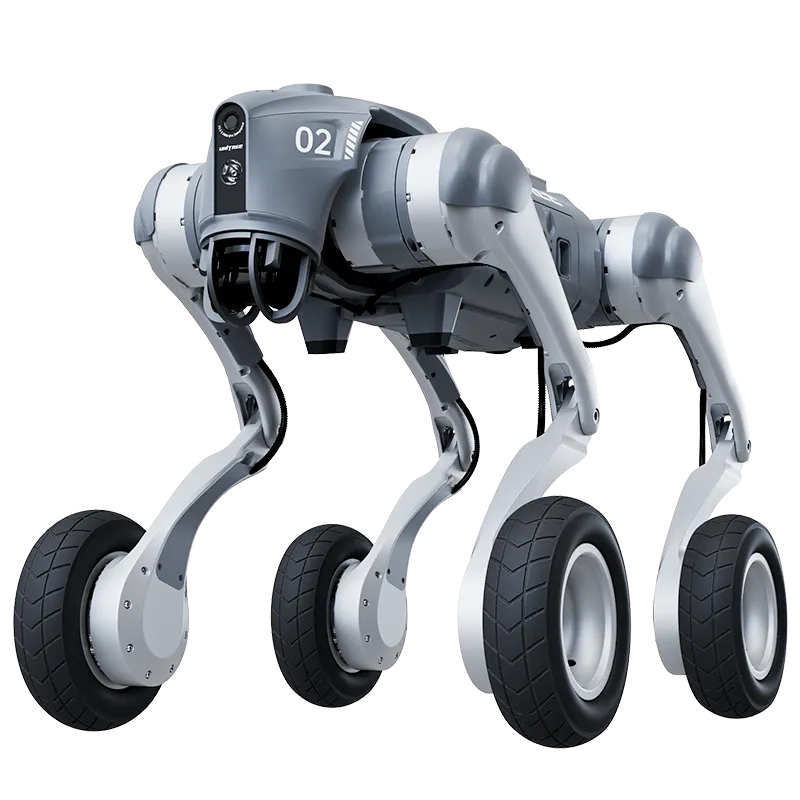
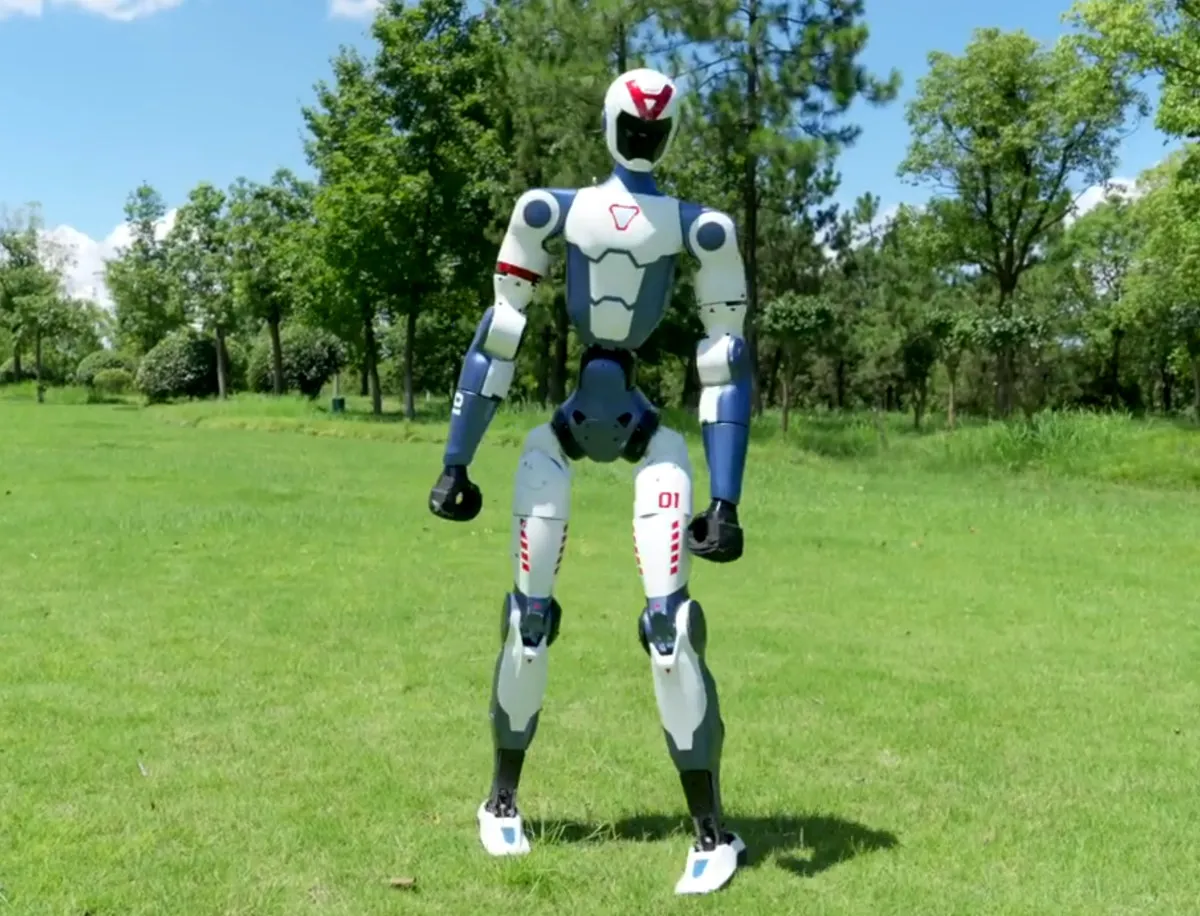
Second, they carry richer sensors and developer stacks. The Unitree Go2 in ui44 is listed with 4D LiDAR, a wide-angle camera, Wi-Fi 6, Bluetooth 5.2, optional 4G/LTE, OTA software updates, voice commands on higher tiers, and secondary-development options. The Unitree R1 is a pre-order humanoid from $4,900 with binocular cameras, microphones, Wi-Fi, Bluetooth, OTA updates, ROS 2 support, and Unitree's UnifoLM voice-and-image interaction.
Third, these robots are often bought for research, security, education, patrol, or public demonstrations. That puts them closer to government-adjacent use than a living-room vacuum, even when the hardware is available to normal buyers.
The proposed bill is not about whether a robot is fun, useful, or affordable. It is about whether a connected mobile system is trusted enough for government work. That distinction is easy to miss when the same brands are also selling to schools, hobbyists, and early consumer adopters.
Which ui44 Robots Are Most Exposed?
The highest-exposure robots are not necessarily the most dangerous robots. They are the robots that combine Chinese manufacturing, cameras or mapping, networked operation, and public-sector or patrol-style use cases.
| Robot in ui44 | Category | Current ui44 price/status | Why the policy angle matters |
|---|---|---|---|
| Unitree Go2 | Quadruped | From $2,800, available | Consumer-priced robot dog with LiDAR, cameras, OTA updates, optional LTE, and developer editions. |
| Unitree R1 | Humanoid | From $4,900, pre-order | Low-cost humanoid with cameras, microphones, Wi-Fi/Bluetooth, voice-image interaction, ROS 2, and hobbyist/research appeal. |
| Unitree G1 | Humanoid | From $13,500, available | Compact research humanoid with optional dexterous hands and secondary-development support. |
| AGIBOT D2 Max | Quadruped | Development, price undisclosed | AGIBOT describes it as an all-terrain Level 3 autonomous quadruped for patrol, inspection, rescue, logistics, agriculture, and education. |
| Quanta X2 | Wheeled humanoid | Active, contact sales | X Square positions it for home-based services, cleaning, research, education, and logistics with a WALL-A embodied AI model. |
The important consumer takeaway is not "avoid all of these." It is that the policy risk is uneven. A Go2 bought as a programming robot for a private home is not the same risk profile as a fleet of quadrupeds used by a city agency or a university lab with federal contracts.
What Could Change for Normal Buyers?
The direct legal effect may be narrow, but the indirect buyer effect can be real. Here are the practical channels to watch.
1. Procurement Rules Could Spread Beyond Federal Agencies
Federal rules often become templates. State agencies, city departments, public universities, schools, police departments, and federally funded labs may adopt similar policies even if the original bill only targets federal government procurement.
If you are a private hobbyist, that may not matter. If you are buying for a school robotics lab, a university research group, a municipal inspection team, or a company that sells to government buyers, it matters a lot.
2. Support and App Access Could Become a Bigger Risk Factor
A connected robot depends on more than motors. It may need app login, cloud telemetry, OTA firmware, maps, voice services, remote support, developer SDKs, parts, and battery replacements.
A policy shock does not have to ban consumer sales to hurt owners. It can make enterprise buyers cautious, reduce distributor interest, slow certification, raise insurance questions, or make cloud-dependent features feel less durable.
3. Non-Chinese Alternatives May Get a Trust Premium
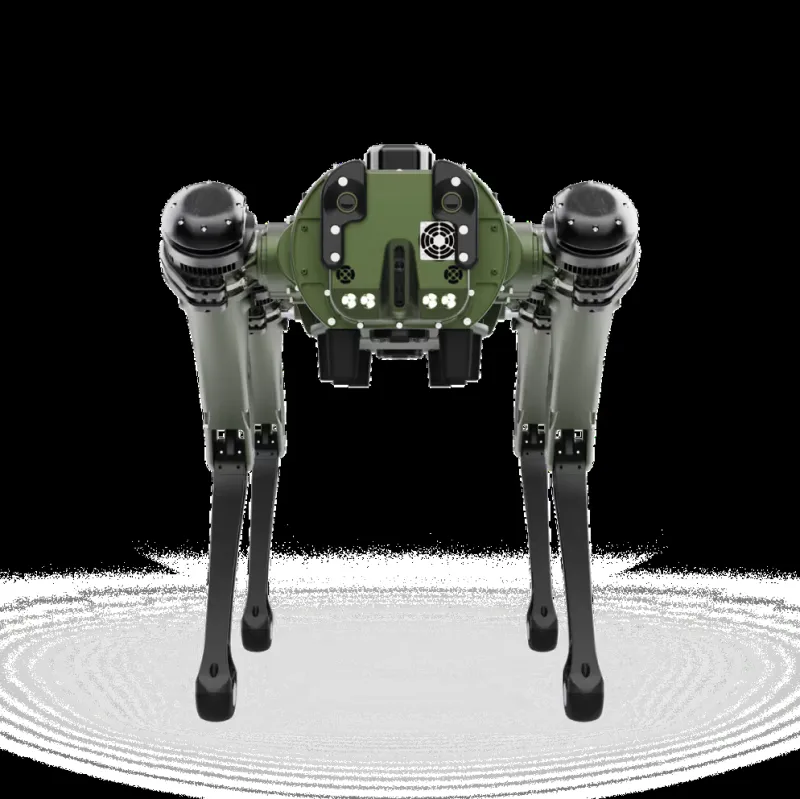
IEEE Spectrum noted that U.S. firms such as Ghost Robotics could benefit from restrictions on Chinese ground robots. In ui44, Ghost Vision 60 is a U.S. quadruped designed for defense, public safety, and commercial work, with IP67 protection, modular field repair, wireless charging support, and record-playback mission automation.
That does not mean Vision 60 is a better home robot. It is not a consumer robot, and pricing is contact-sales. But for government or security buyers, a U.S. quadruped may become easier to justify than a lower-cost Chinese import.
The same pattern may help European and allied-country robots in some contexts. ANYmal D from Switzerland is an IP67 industrial inspection quadruped with 360-degree LiDAR, depth cameras, thermal and ultrasonic inspection sensors, automatic docking, and enterprise pricing. Again, it is not a living-room companion. It is an example of how buyers may separate consumer price from trusted deployment status.
The Price Problem: Chinese Robots Are Often the Accessible Ones
The uncomfortable part is price. Some of the most accessible humanoids and robot dogs in the ui44 database are Chinese.
Unitree's Go2 starts at $2,800 in ui44. The R1 Air pre-sale starts at $4,900. The standard R1 is listed at $5,900. The G1 starts at $13,500. That puts real legged robots into the budgets of schools, hobbyists, small labs, and serious early adopters.
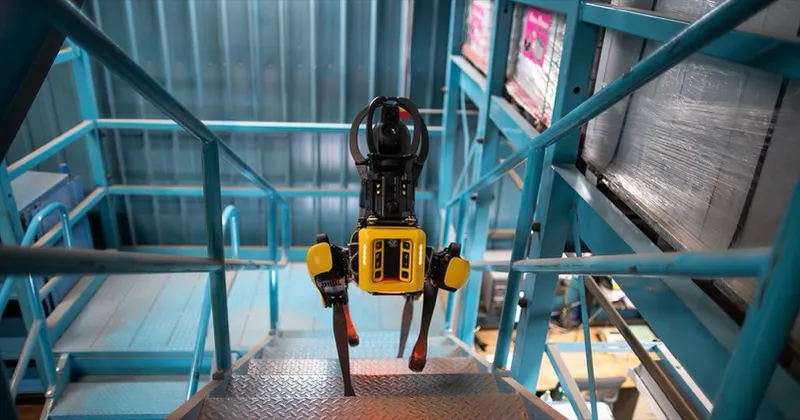
Western alternatives are often more expensive, less consumer-facing, or still pre-order. 1X NEO is a home-focused humanoid, but ui44 tracks it at $20,000 for early adopters and a pre-order status. NEURA 4NE-1 Mini starts at €19,999 before taxes and shipping. Boston Dynamics' Spot is a mature quadruped, but current sales are enterprise contact-sales rather than consumer checkout.
That gap is why a procurement-focused bill can matter beyond procurement. If public buyers, campuses, or contractors back away from lower-cost Chinese robots, the practical alternatives may be fewer and more expensive.
Should a Home Buyer Avoid Unitree or Chinese Humanoids?
For a normal private buyer, the answer is not a simple yes or no.
If you are buying a robot for private experimentation, programming, or family novelty, the bill as announced does not say you cannot buy one. The bigger questions are ordinary buyer questions: Is the robot actually useful? Is there a return policy? Are replacement batteries available? Does the app work in your country? Does the robot require cloud services? Can it operate safely around children, pets, stairs, and fragile objects?
If you are buying for any organization with public funding, government contracts, research compliance requirements, security duties, or sensitive facilities, you should treat the policy risk as real. A cheap robot dog becomes less cheap if it cannot be approved for the building where you planned to use it.
If you are buying a cloud-dependent robot, ask harder questions. Where are maps, voice clips, camera frames, logs, and teleoperation data processed? Can you turn off cloud features? Does the robot receive security updates? Can it be operated on a restricted network? Does it expose a local mode or developer interface that does not require unknown remote services?
A Simple Buyer Risk Checklist
What to Watch Next
This story is still early. The bill may change, stall, pass in narrow form, or become part of a broader robotics-security package. The important signals for buyers are concrete:
- Does the final language stay federal-only, or expand through agencies and contractors?
- Does it stay focused on finished ground robots, or move down into components, radios, cameras, batteries, and cloud services?
- Do schools, public universities, and local agencies copy the restriction?
- Do marketplaces or distributors change availability for Unitree-style robot dogs and low-cost humanoids?
- Do manufacturers respond with clearer U.S. data hosting, local-only modes, independent security audits, or non-Chinese supply-chain options?
IEEE's supply-chain point is the one to remember: a finished robot is the top of a long hardware and software stack. A simple country-of-origin label may not be enough once regulators start looking at cameras, wireless modules, firmware, remote operation, and cloud services.
Bottom Line
The proposed American Security Robotics Act is not a consumer ban on Chinese home robots. It is a proposed federal-government restriction on certain foreign-concern unmanned ground vehicles, including humanoids and autonomous patrol robots.
For private buyers, that means caution rather than panic. For schools, labs, public agencies, security teams, and contractors, it means procurement risk is now part of the buying decision.
The practical ui44 rule: treat low-cost Chinese humanoids and robot dogs as exciting but policy-sensitive. Compare the robot's real abilities, data flows, cloud dependence, parts support, and buyer context before assuming a cheap, available legged robot is future-proof in the U.S.
Database context
Use this article as a privacy verification workflow
Turn the article into a real verification pass
Could a Chinese Robot Ban Hit Home Robots? already points you toward 10 linked robots, 9 manufacturers, and 5 countries inside the ui44 database. That matters because strong buyer guidance is easier to apply when you can move immediately from a claim or warning into concrete product pages, manufacturer directories, component explainers, and country-level context instead of treating the article as an isolated opinion piece. The fastest next step is to turn the article into a shortlist workflow: open the linked robot pages, verify which specs are actually published for those models, then compare the surrounding manufacturer and component context before you decide whether the underlying claim changes your buying plan.
For this topic, the useful discipline is to separate the editorial lesson from the catalog evidence. The article gives you the framing, but the robot pages tell you what each product actually ships with today: sensor stack, connectivity methods, listed price, release timing, category, and support-relevant compatibility notes. The manufacturer pages then show whether you are looking at a one-off launch, a broader lineup pattern, or a company that spans multiple categories. That layered workflow reduces the risk of buying on a single marketing phrase or a single support FAQ.
Use the robot pages to confirm which products actually expose cameras, microphones, Wi-Fi, or voice systems, then use the manufacturer pages to decide how much of the privacy question seems product-specific versus brand-wide. On this route cluster, Go2, R1, and G1 form the fastest reality check. If you want a quick working shortlist, open Compare Go2, R1, and G1 next, then keep this article open as the reasoning layer while you compare structured data side by side.
Practical Takeaway
Every robot, manufacturer, category, component, and country reference below resolves to a real ui44 page, keeping the follow-up path grounded in database records rather than generic advice.
Suggested next steps in ui44
- Open Go2 and note the listed sensors, connectivity methods, and voice stack before you interpret any policy claim.
- Cross-check the wider brand context on Unitree Robotics so you can see whether the privacy question touches one model or a broader lineup.
- Use the linked component pages to confirm how common the relevant sensors and connectivity layers are across the database.
- Keep a short note of which policy layers you checked, which device features are actually present on the robot page, and which items still depend on region- or app-level confirmation.
- Finish with Compare Go2, R1, and G1 so the policy reading sits next to structured product data.
Database context
Robot profiles worth opening next
Use the linked product pages as the evidence layer
The linked robot pages are where this article becomes operational. Instead of asking whether the headline is interesting, use the robot entries to inspect the actual mix of sensors, connectivity options, batteries, pricing, release timing, and stated capabilities attached to the products mentioned in the article. That is the easiest way to see whether the warning or opportunity described here affects one product family, a specific design pattern, or an entire buying lane.
Go2
Unitree Robotics · Quadruped · Available
Go2 is tracked on ui44 as a available quadruped robot from Unitree Robotics. The database currently records a listed price of $2,800, a release date of 2023, 1–2h (standard) / 2–4h (EDU long endurance) battery life, Not officially disclosed charging time, and a published stack that includes 4D LiDAR L2 (360°×96° hemispherical), HD Wide-angle Camera, and Depth Camera (EDU) plus Wi-Fi 6 and Bluetooth 5.2.
For privacy-focused reading, this page matters because it shows the concrete device surface behind the policy discussion. Use it to verify whether Go2 combines sensors and connectivity in a way that could change the in-home data footprint, and compare the listed capabilities such as Quadruped Walking & Running, Advanced AI Gaits (roll-over, obstacle climbing), and 3D LiDAR Mapping with any cloud, app, or voice layers, including Offline voice interaction (Pro/X/EDU).
R1
Unitree Robotics · Humanoid · Pre-order
R1 is tracked on ui44 as a pre-order humanoid robot from Unitree Robotics. The database currently records a listed price of $4,900, a release date of 2025, ~1 hour (mixed activity) battery life, Not officially disclosed charging time, and a published stack that includes Binocular Cameras, 4-Mic Array, and Dual 6-Axis IMU plus Wi-Fi and Bluetooth 5.2.
For privacy-focused reading, this page matters because it shows the concrete device surface behind the policy discussion. Use it to verify whether R1 combines sensors and connectivity in a way that could change the in-home data footprint, and compare the listed capabilities such as Bipedal Walking & Running, Cartwheels & Handstands, and Push Recovery with any cloud, app, or voice layers, including UnifoLM (voice + image commands).
G1 is tracked on ui44 as a available humanoid robot from Unitree. The database currently records a listed price of $13,500, a release date of 2024, ~2 hours battery life, Not disclosed charging time, and a published stack that includes Depth Camera, 3D LiDAR, and 4 Microphone Array plus Wi-Fi 6 and Bluetooth 5.2.
For privacy-focused reading, this page matters because it shows the concrete device surface behind the policy discussion. Use it to verify whether G1 combines sensors and connectivity in a way that could change the in-home data footprint, and compare the listed capabilities such as Bipedal Walking, Object Manipulation, and Dexterous Hands (optional Dex3-1) with any cloud, app, or voice layers.
D2 Max is tracked on ui44 as a development quadruped robot from AGIBOT. The database currently records a listed price of Price TBA, a release date of 2026-04, Not officially disclosed battery life, Not officially disclosed charging time, and a published stack that includes Not officially disclosed plus Not officially disclosed.
For privacy-focused reading, this page matters because it shows the concrete device surface behind the policy discussion. Use it to verify whether D2 Max combines sensors and connectivity in a way that could change the in-home data footprint, and compare the listed capabilities such as All-Terrain Quadruped Locomotion, Level 3 Autonomous Operation (manufacturer claim), and Autonomous Operation Across Complex Terrain with any cloud, app, or voice layers.
Quanta X2
X Square Robot · Humanoid · Active
Quanta X2 is tracked on ui44 as a active humanoid robot from X Square Robot. The database currently records a listed price of Price TBA, a release date of 2026-04, Not officially disclosed battery life, Not officially disclosed charging time, and a published stack that includes 2D LiDAR, Ultrasonic Sensors, and RGB-D Camera plus Not officially disclosed.
For privacy-focused reading, this page matters because it shows the concrete device surface behind the policy discussion. Use it to verify whether Quanta X2 combines sensors and connectivity in a way that could change the in-home data footprint, and compare the listed capabilities such as Wheeled Humanoid Mobility, 62-DOF Whole-Body Motion, and 6-DOF Torso with any cloud, app, or voice layers.
Database context
Manufacturer context behind the article
Check whether this is one product story or a broader company pattern
Manufacturer pages add the market context that individual product pages cannot show on their own. They help you check whether the article is centered on a brand with a deep lineup, whether that brand spans several categories, and how much of its ui44 footprint depends on one flagship model versus a broader product strategy. That matters for topics like privacy, warranty terms, setup friction, and launch promises because the surrounding lineup often reveals whether a pattern is isolated or systemic.
Unitree Robotics
ui44 currently tracks 6 robots from Unitree Robotics across 2 categorys. The company is grouped under China, and the current catalog footprint on ui44 includes B2, B1, Go2.
That wider brand context matters because privacy questions rarely stop at one FAQ page. A manufacturer route helps you see whether the article is centered on one premium model or on a company that has several relevant products and therefore more than one place where the same policy or app assumptions might matter. The category mix here currently points toward Quadruped, Humanoid as the most useful next route if you want to see whether this article reflects a wider pattern inside the brand.
Unitree
ui44 currently tracks 2 robots from Unitree across 1 category. The company is grouped under China, and the current catalog footprint on ui44 includes H1, G1.
That wider brand context matters because privacy questions rarely stop at one FAQ page. A manufacturer route helps you see whether the article is centered on one premium model or on a company that has several relevant products and therefore more than one place where the same policy or app assumptions might matter. The category mix here currently points toward Humanoid as the most useful next route if you want to see whether this article reflects a wider pattern inside the brand.
AGIBOT
ui44 currently tracks 6 robots from AGIBOT across 2 categorys. The company is grouped under China, and the current catalog footprint on ui44 includes A2 Ultra, X2, Expedition A3.
That wider brand context matters because privacy questions rarely stop at one FAQ page. A manufacturer route helps you see whether the article is centered on one premium model or on a company that has several relevant products and therefore more than one place where the same policy or app assumptions might matter. The category mix here currently points toward Humanoid, Quadruped as the most useful next route if you want to see whether this article reflects a wider pattern inside the brand.
X Square Robot
ui44 currently tracks 1 robot from X Square Robot across 1 category. The company is grouped under Unknown, and the current catalog footprint on ui44 includes Quanta X2.
That wider brand context matters because privacy questions rarely stop at one FAQ page. A manufacturer route helps you see whether the article is centered on one premium model or on a company that has several relevant products and therefore more than one place where the same policy or app assumptions might matter. The category mix here currently points toward Humanoid as the most useful next route if you want to see whether this article reflects a wider pattern inside the brand.
Database context
Broaden the scan without leaving the database
Categories, components, and countries add the wider context
Category framing
Category pages are useful when the article touches a buying pattern that shows up across brands. A category route helps you confirm whether the linked products sit in a narrow niche or whether the same question should be tested across a larger field of alternatives.
Quadruped
The Quadruped category page currently groups 9 tracked robots from 5 manufacturers. ui44 describes this lane as: Four-legged robot dogs and quadrupeds built for rough terrain, inspection, and exploration where wheels can't go.
That makes the category route a practical follow-up when you want to check whether the products linked in this article are typical for the lane or whether they sit at one edge of the market. Useful starting examples currently include D1 Pro, D2 Max, X30.
Humanoid
The Humanoid category page currently groups 61 tracked robots from 44 manufacturers. ui44 describes this lane as: Full-size bipedal humanoid robots designed to work alongside humans. From factory floors to household tasks, these machines represent the cutting edge of robotics.
That makes the category route a practical follow-up when you want to check whether the products linked in this article are typical for the lane or whether they sit at one edge of the market. Useful starting examples currently include NEO, EVE, Mornine M1.
Country and ecosystem context
Country pages give extra context when support practices, launch sequencing, regulatory posture, or manufacturer mix matter. They are not a substitute for model-level verification, but they do help you see which ecosystems cluster together and which manufacturers sit in the same regional field when you broaden the search beyond the article headline.
China
The China route currently groups 46 tracked robots from 14 manufacturers in ui44. That gives you a useful regional lens when the article points toward support practices, launch sequencing, or brand clusters that may share similar ecosystem assumptions.
On the current route, manufacturers like AGIBOT, Roborock, Unitree Robotics make the page a good way to broaden the scan without losing the regional context that often shapes availability, documentation style, and adjacent alternatives.
USA
The USA route currently groups 16 tracked robots from 12 manufacturers in ui44. That gives you a useful regional lens when the article points toward support practices, launch sequencing, or brand clusters that may share similar ecosystem assumptions.
On the current route, manufacturers like Boston Dynamics, Figure AI, Tesla make the page a good way to broaden the scan without losing the regional context that often shapes availability, documentation style, and adjacent alternatives.
Switzerland
The Switzerland route currently groups 2 tracked robots from 1 manufacturers in ui44. That gives you a useful regional lens when the article points toward support practices, launch sequencing, or brand clusters that may share similar ecosystem assumptions.
On the current route, manufacturers like ANYbotics make the page a good way to broaden the scan without losing the regional context that often shapes availability, documentation style, and adjacent alternatives.
Database context
Questions to answer before you move from reading to buying
A follow-up FAQ built from the entities already linked in this article
Frequently Asked Questions
Which page should I open first after reading “Could a Chinese Robot Ban Hit Home Robots?”?
Start with Go2. That gives you a concrete product anchor for the article’s main claim. From there, branch into the manufacturer and component pages so you can tell whether the article is describing one specific model, a repeated brand pattern, or a wider technology issue that affects multiple shortlist options.
How do the manufacturer pages change the buying decision?
Unitree Robotics help you zoom out from one article and one product. On ui44 they show lineup breadth, category spread, and the neighboring robots tied to the same company. That context is useful when you are deciding whether a risk belongs to a single model, whether it shows up across a brand’s portfolio, and whether you should keep looking at alternatives before committing.
When should I switch from reading to side-by-side comparison?
Move into Compare Go2, R1, and G1 as soon as you understand the article’s main warning or promise. The article explains what to watch for, but the compare view is where you can check whether price, status, battery life, connectivity, sensors, and category fit still make the robot a good match for your own home and budget.
Database context
Where to go next in ui44
Keep the research chain inside the database
If you want to keep going, these follow-on pages give you the cleanest expansion path from article to research session. Open the comparison route first if you are deciding between products today. Open the manufacturer, category, and component routes if you still need to understand the broader pattern behind the claim.
Written by
ui44 Team
Published April 26, 2026
Share this article
Open a plain share link on X or Bluesky. No embeds, no widgets, no cookie baggage.