That is genuinely exciting. It is also easy to misunderstand. A robot that can walk beside someone is not automatically a guide dog. A safe guide has to make better-than-usual decisions when the world is messy, crowded, wet, loud, ambiguous, or wrong.
So the useful question is not "will robot guide dogs replace trained service dogs next year?" They will not. The better question is: where could an AI walking assistant help first, and what would need to be proven before you trust one at home or outdoors?
What is a robot guide dog?
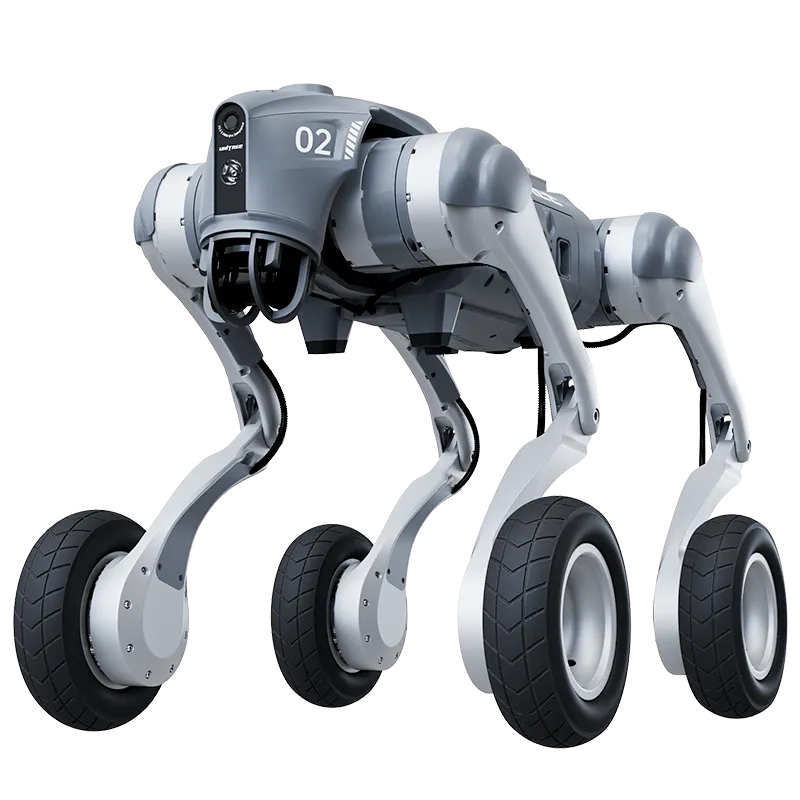
A robot guide dog is an assistive mobile robot that helps a blind or low-vision person navigate through physical space. The body may be a four-legged robot, a wheeled guided handle, or some future hybrid design. The important part is not that it looks like a dog. The important part is the job: guide safely, explain usefully, and fail predictably.
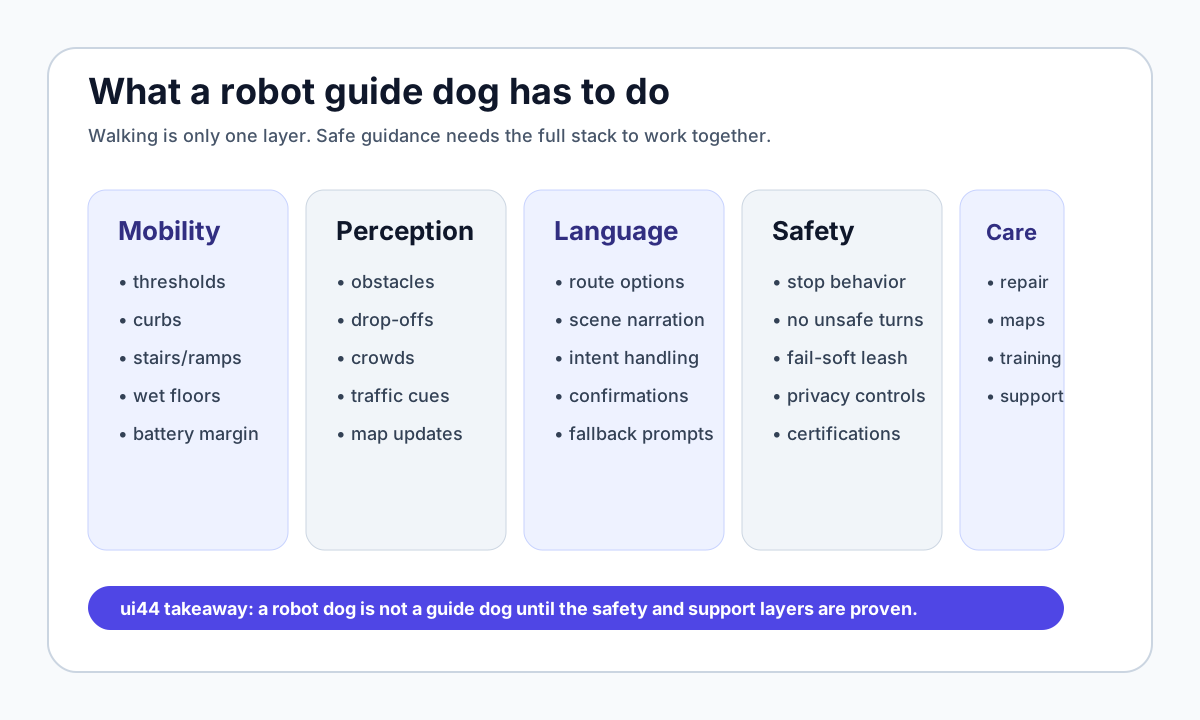
A real robotic guide needs at least five layers to work together:
- Mobility: it must cross thresholds, uneven floors, ramps, curbs, crowded corridors, and sometimes weather.
- Perception: it must detect obstacles, people, vehicles, drop-offs, temporary barriers, puddles, construction zones, and blocked paths.
- Planning: it must choose a route, update that route when conditions change, and avoid paths that are technically short but unsafe.
- Communication: it must explain route choices, warn about surroundings, answer questions, and understand the user's intent.
- Safety and support: it must stop when uncertain, refuse unsafe commands, protect privacy, recover from errors, and have a real maintenance path.
That is why this category sits between several current ui44 database labels: quadrupeds, home assistants, telepresence robots, companion robots, and research platforms. A robot guide dog is not just a robot dog with a leash. It is a safety-critical navigation system with a body.
What the latest research actually showed
The most useful recent work comes from teams that tested with blind or low-vision participants rather than only showing a robot in an empty hallway.
Binghamton University's 2026 paper, "From Woofs to Words," added verbal communication to a robotic guide-dog system. The team used LLMs to verbalize both route plans and live scenes. In The Robot Report's summary of the work, seven legally blind participants used the system in a large, multi-room office environment. The robot asked for a destination, presented route options, guided the user, and narrated surroundings such as long corridors and obstacles.
The key finding was not simply that the robot could talk. Participants preferred the combination of plan verbalization before movement and scene verbalization during travel. That matters because a good guide is not only a motion controller. It gives the user enough context to share control.
Binghamton's earlier work is also important. The same group had built a tug-based interface, where the user could pull the robot at an intersection and the robot learned to respond. The team described training the behavior in about 10 hours, but also named the hard next steps: natural-language interaction, intelligent disobedience, and more real-world feedback from blind users.
The University of Glasgow's RoboGuide project points in the same direction. It used an off-the-shelf quadruped body with sensors, SLAM-style mapping, and an LLM interface to guide visually impaired volunteers through the Hunterian Museum and talk about the environment. Glidance is taking a different physical route with Glide, a wheeled AI mobility aid with a telescoping handle aimed at sidewalks, malls, streets, and airports.
China's Amap/AutoNavi also showed an ambitious quadruped guide-dog concept, Tutu, at the 2026 Beijing E-Town humanoid half-marathon. Chinese-language coverage described autonomous open-environment navigation, crowd handling, obstacle avoidance, and intent understanding, including instructions such as finding water. Treat that as an important signal, not as proof of a consumer product. Public demos are not the same as daily assistive reliability.
Why home and street guidance is harder than robot-dog mobility
Modern robot dogs can already do impressive things. Unitree Go2 is available, weighs about 15 kg, has a 4D LiDAR, Wi-Fi 6, Bluetooth, optional 4G/LTE, intelligent side-follow, 3D LiDAR mapping, voice commands on higher versions, and 1-2 hours of standard battery life or 2-4 hours on EDU long-endurance configurations. ui44 records the Go2 Pro pricing signal at $2,800, with other editions varying by region and configuration.
Those specs are enough for a serious developer platform. They are not enough by themselves for a guide dog.
The gap is safety. A guide system has to handle edge cases that a normal patrol or follow-me robot can avoid. If a robot dog misses a glass door in a demo, that is embarrassing. If a guide dog misses a drop-off, a bike lane, a turning car, or a blocked curb cut, that can injure someone.
The hard problems are practical:
- Ground hazards are not always tall obstacles. Puddles, uneven drains, small curbs, low branches, snow, wet leaves, cables, and construction plates matter.
- The safest route is not always the shortest. A robot may need to choose a longer path with fewer crossings, better tactile cues, or less crowding.
- Language must be grounded. "Take me to the pharmacy" is not just a chat prompt. It has to connect to maps, entrances, opening hours, crosswalks, and real-time conditions.
- The robot must know when not to obey. Guide-dog trainers call this kind of refusal intelligent disobedience. A robot needs an equivalent behavior when a command is unsafe.
- The user interface cannot be fragile. Voice may fail in traffic. A leash, handle, haptic cue, button, or phone fallback has to work when speech is unreliable.
- Maintenance is part of safety. Batteries, motors, sensors, maps, software updates, weather sealing, and support contracts matter as much as the demo.
That is why the first credible deployments may not be private homes. They may be airports, campuses, hospitals, museums, shopping malls, transit hubs, and care communities where maps can be maintained and staff can support the system.
What existing home robots tell us
The ui44 database currently tracks 244 robots, and the clearest lesson is that home usefulness usually starts narrow. The assistive robots that exist today do one piece of the guide-dog puzzle, not the whole job.
Robot
- What it proves
- Affordable quadruped mobility, 4D LiDAR, side-follow, app control, developer path
- Why it is not a guide dog
- Not sold or certified as a blind-navigation service; safety stack depends on application and configuration
Robot
- What it proves
- A real home-scale mobile manipulator: 24.5 kg, 33 × 34 cm footprint, 2 kg payload, 2-5 hour runtime, ROS 2/Python stack
- Why it is not a guide dog
- Excellent for assistive manipulation research, but it is a wheeled indoor arm, not an outdoor walking guide
Robot
- What it proves
- Home patrol, remote monitoring, Visual ID, Alexa, Ring integration, and room-to-room navigation
- Why it is not a guide dog
- Single-floor home monitoring is much easier than safe public guidance through streets and crowds
Robot
- What it proves
- 360° LiDAR, depth cameras, autonomous navigation, follow mode, telepresence, up to 8 hours of battery life
- Why it is not a guide dog
- Strong indoor telepresence platform, but not designed as a blind mobility aid
Robot
- What it proves
- Assistive robots can help through touch, calm, routine, and caregiver interaction
- Why it is not a guide dog
- It is therapeutic companionship, not navigation or physical guidance
Robot
- What it proves
- Commercial quadrupeds can be rugged, autonomous, fleet-managed, and useful in real deployments
- Why it is not a guide dog
- Enterprise inspection is not consumer assistive care; cost, support, and liability are completely different
| Robot | What it proves | Why it is not a guide dog |
|---|---|---|
| Unitree Go2 | Affordable quadruped mobility, 4D LiDAR, side-follow, app control, developer path | Not sold or certified as a blind-navigation service; safety stack depends on application and configuration |
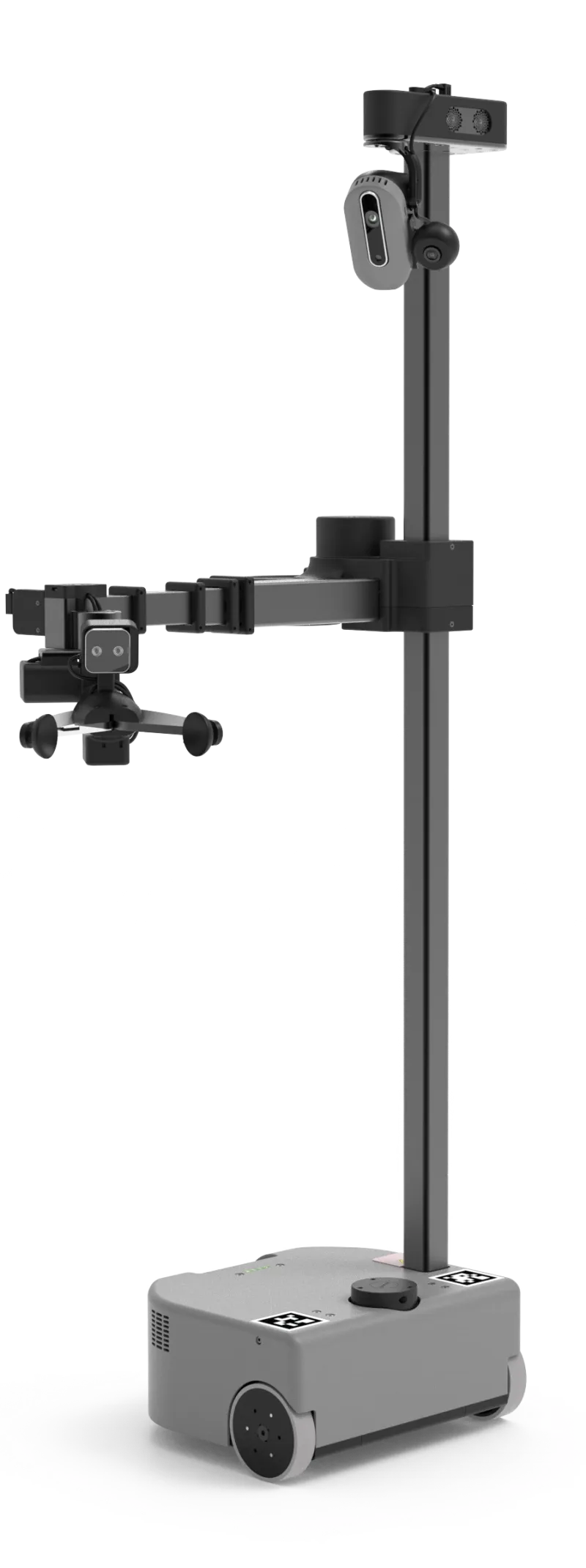
| Stretch 3 | A real home-scale mobile manipulator: 24.5 kg, 33 × 34 cm footprint, 2 kg payload, 2-5 hour runtime, ROS 2/Python stack | Excellent for assistive manipulation research, but it is a wheeled indoor arm, not an outdoor walking guide |
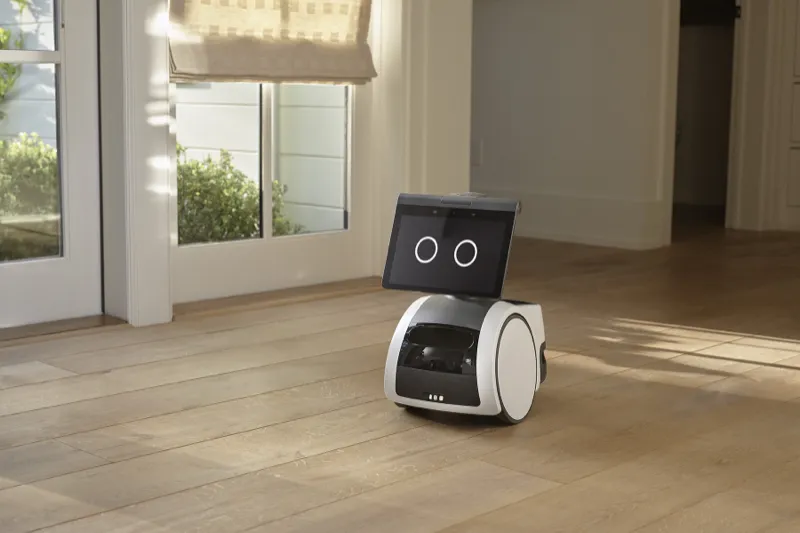
| Amazon Astro | Home patrol, remote monitoring, Visual ID, Alexa, Ring integration, and room-to-room navigation | Single-floor home monitoring is much easier than safe public guidance through streets and crowds |
| temi V3 | 360° LiDAR, depth cameras, autonomous navigation, follow mode, telepresence, up to 8 hours of battery life | Strong indoor telepresence platform, but not designed as a blind mobility aid |
| PARO | Assistive robots can help through touch, calm, routine, and caregiver interaction | It is therapeutic companionship, not navigation or physical guidance |
| Spot | Commercial quadrupeds can be rugged, autonomous, fleet-managed, and useful in real deployments | Enterprise inspection is not consumer assistive care; cost, support, and liability are completely different |
This is why a buyer should be skeptical of any simple claim that "robot dogs are ready to guide people." The ingredients are arriving, but the combined product is still mostly research, pilot, or waitlist territory.
Where robot guide dogs could help first
The near-term sweet spot is probably semi-structured public navigation.
Think of a large airport, museum, hospital, university campus, mall, or transit station. These places are hard for many people to navigate, but they are also mappable, staffed, and repeatable. A shared robotic guide could know the floor plan, current closures, elevators, bathrooms, gates, service desks, and safe waiting areas. It could be checked out like a mobility aid, returned to a dock, and maintained by the venue.
That model is more believable than asking a consumer to buy a robot dog and trust it to solve every street, apartment, driveway, bus stop, and sidewalk edge alone.
Private-home uses may come next, but they would likely be narrower than the science-fiction version. A robot might guide someone through a known apartment building, help find an elevator, navigate from a front door to a rideshare pickup point, or provide extra scene narration while a human still uses a cane, trained guide dog, or familiar route.
There is also a caregiver angle. A mobile robot that can describe where a person is, connect them to remote help, or guide them inside a facility could reduce some friction for older adults with low vision. But the privacy trade-off is real. A robot guide dog may need cameras, microphones, maps, location data, and remote support. That can be helpful only if the user controls who sees what.
What to ask before trusting an AI walking assistant
If you are blind, low-vision, a caregiver, or an accessibility professional, the right stance today is curiosity without premature trust. Do not buy a normal robot dog and assume it can become a guide dog with an app update.
Before trusting any AI walking assistant, ask these questions:
- Has it been tested with blind or low-vision users, not only sighted engineers?
- Does it work with orientation-and-mobility training, a cane, or an existing guide dog workflow?
- What happens when GPS fails, lighting changes, Wi-Fi drops, rain starts, or a route is blocked?
- Can it detect drop-offs, low obstacles, glass, bikes, scooters, construction, and people moving unpredictably?
- Does it explain route choices before moving, or only react once something goes wrong?
- Can the user stop it instantly with a physical control?
- Does it refuse unsafe commands, and how is that tested?
- Is the robot certified or insured for assistive navigation?
- Who maintains maps, sensors, batteries, software updates, and repairs?
- Where is video, audio, location, and map data stored?
The answers matter more than the form factor. A wheeled handle that is boring but reliable may beat a dramatic quadruped that is hard to maintain. A venue-run robot may be safer than a personal robot if the venue keeps maps current. A human caregiver or mobility instructor in the loop may be necessary for a long time.

Bottom line: promising, not home-ready
Robot guide dogs are one of the most meaningful directions in home and assistive robotics because the value is obvious. If a robot could safely guide someone through complex spaces, explain what is happening, and make mobility more independent, it would be much more than a gadget.
But this category deserves a higher bar than normal consumer robotics. Cute movement, LLM speech, side-follow, and route planning are not enough. The robot has to be safe when confused, transparent when rerouting, useful in noise, repairable after heavy use, and respectful of the person's privacy and agency.
The best near-term answer is probably not "replace guide dogs." It is add new navigation support in places where trained guide dogs, canes, signs, staff, and maps do not cover everyone well enough.
That is still a big deal. Just do not mistake a walking robot for a trusted guide until the evidence, support model, and safety case are as real as the hardware.
Related in the database
Use this article as a privacy verification workflow
Turn the article into a privacy verification pass grounded in the robots, manufacturers, and components it actually references.
Robot Guide Dogs: Can AI Walking Assistants Help? already points you toward 6 linked robots, 6 manufacturers, and 4 countries inside the ui44 database. That matters because strong buyer guidance is easier to apply when you can move immediately from a claim or warning into concrete product pages, manufacturer directories, component explainers, and country-level context instead of treating the article as an isolated opinion piece. The fastest next step is to turn the article into a shortlist workflow: open the linked robot pages, verify which specs are actually published for those models, then compare the surrounding manufacturer and component context before you decide whether the underlying claim changes your buying plan.
For this topic, the useful discipline is to separate the editorial lesson from the catalog evidence. The article gives you the framing, but the robot pages tell you what each product actually ships with today: sensor stack, connectivity methods, listed price, release timing, category, and support-relevant compatibility notes. The manufacturer pages then show whether you are looking at a one-off launch, a broader lineup pattern, or a company that spans multiple categories. That layered workflow reduces the risk of buying on a single marketing phrase or a single support FAQ.
Use the robot pages to confirm which products actually expose cameras, microphones, Wi-Fi, or voice systems, then use the manufacturer pages to decide how much of the privacy question seems product-specific versus brand-wide. On this route cluster, Go2, Stretch 3, and Astro form the fastest reality check. If you want a quick working shortlist, open Compare Go2, Stretch 3, and Astro next, then keep this article open as the reasoning layer while you compare structured data side by side.
Practical Takeaway
Every robot, manufacturer, category, component, and country reference below resolves to a real ui44 page, keeping the follow-up path grounded in database records rather than generic advice.
Suggested next steps in ui44
- Open Go2 and note the listed sensors, connectivity methods, and voice stack before you interpret any policy claim.
- Cross-check the wider brand context on Unitree Robotics so you can see whether the privacy question touches one model or a broader lineup.
- Use the linked component pages to confirm how common the relevant sensors and connectivity layers are across the database.
- Keep a short note of which policy layers you checked, which device features are actually present on the robot page, and which items still depend on region- or app-level confirmation.
- Finish with Compare Go2, Stretch 3, and Astro so the policy reading sits next to structured product data.
Robot profiles worth opening next
Use the linked product pages as the evidence layer
The linked robot pages are where this article becomes operational. Instead of asking whether the headline is interesting, use the robot entries to inspect the actual mix of sensors, connectivity options, batteries, pricing, release timing, and stated capabilities attached to the products mentioned in the article. That is the easiest way to see whether the warning or opportunity described here affects one product family, a specific design pattern, or an entire buying lane.
Go2
Unitree Robotics · Quadruped · Available
Go2 is tracked on ui44 as a available quadruped robot from Unitree Robotics. The database currently records a listed price of $1,600, a release date of 2023-07-12, 1–2h (standard) / 2–4h (EDU long endurance) battery life, Not officially disclosed charging time, and a published stack that includes 4D LiDAR L2 (360°×96° hemispherical), HD Wide-angle Camera, and Depth Camera (EDU) plus Wi-Fi 6 and Bluetooth 5.2.
For privacy-focused reading, this page matters because it shows the concrete device surface behind the policy discussion. Use it to verify whether Go2 combines sensors and connectivity in a way that could change the in-home data footprint, and compare the listed capabilities such as Quadruped Walking & Running, Advanced AI Gaits (roll-over, obstacle climbing), and 3D LiDAR Mapping with any cloud, app, or voice layers, including Offline voice interaction (Pro/X/EDU).
Stretch 3
Hello Robot · Home Assistants · Active
Stretch 3 is tracked on ui44 as a active home assistants robot from Hello Robot. The database currently records a listed price of $24,950, a release date of 2024, 2–5 hours battery life, Not disclosed charging time, and a published stack that includes Intel D405 RGBD Camera (gripper), Intel D435if RGBD Camera (head), and Wide-Angle RGB Camera (head) plus Wi-Fi 6E and Bluetooth.
For privacy-focused reading, this page matters because it shows the concrete device surface behind the policy discussion. Use it to verify whether Stretch 3 combines sensors and connectivity in a way that could change the in-home data footprint, and compare the listed capabilities such as Mobile Manipulation, Autonomous Navigation, and Teleoperation (Web / Gamepad / Dexterous) with any cloud, app, or voice layers.
Astro is tracked on ui44 as a active security & patrol robot from Amazon. The database currently records a listed price of $1,599, a release date of 2021, Not officially disclosed battery life, Not officially disclosed charging time, and a published stack that includes 5MP Bezel Camera, 1080p Periscope Camera (132° FOV), and Infrared Vision plus Wi-Fi 802.11ac and Bluetooth.
For privacy-focused reading, this page matters because it shows the concrete device surface behind the policy discussion. Use it to verify whether Astro combines sensors and connectivity in a way that could change the in-home data footprint, and compare the listed capabilities such as Autonomous Home Patrol, Visual ID (face recognition), and Remote Home Monitoring with any cloud, app, or voice layers, including Amazon Alexa.
temi V3 is tracked on ui44 as a available commercial robot from temi. The database currently records a listed price of Price TBA, a release date of 2022, Up to 8 hours battery life, Autonomous docking (220V/110V) charging time, and a published stack that includes 360° LIDAR, 2x Depth Cameras, and RGB Camera (13MP, 120° FOV) plus Wi-Fi 5 (802.11 a/b/g/n/ac, 2.4G/5G) and Bluetooth 5.1 BLE.
For privacy-focused reading, this page matters because it shows the concrete device surface behind the policy discussion. Use it to verify whether temi V3 combines sensors and connectivity in a way that could change the in-home data footprint, and compare the listed capabilities such as Autonomous Navigation (5cm accuracy), Human Follow Mode, and Telepresence Video Calling with any cloud, app, or voice layers, including temi AI Assistant.
PARO is tracked on ui44 as a active companions robot from AIST. The database currently records a listed price of Price TBA, a release date of 2003, Not officially disclosed battery life, Not officially disclosed charging time, and a published stack that includes Tactile sensors, Light sensor, and Audition (audio) sensor plus Not publicly detailed.
For privacy-focused reading, this page matters because it shows the concrete device surface behind the policy discussion. Use it to verify whether PARO combines sensors and connectivity in a way that could change the in-home data footprint, and compare the listed capabilities such as Therapeutic companionship, Responds to touch, voice direction, and handling, and Learns preferred user interactions with any cloud, app, or voice layers.
Manufacturer context behind the article
Check whether this is one product story or a broader company pattern
Manufacturer pages add the privacy context that individual product pages cannot show on their own. They help you check whether cameras, microphones, cloud accounts, app controls, and policy assumptions appear across a broader lineup or stay tied to one specific product story.
Unitree Robotics
ui44 currently tracks 9 robots from Unitree Robotics across 3 categorys. The company is grouped under China, and the current catalog footprint on ui44 includes B2, B1, Go2.
That wider brand context matters because privacy questions rarely stop at one FAQ page. A manufacturer route helps you see whether the article is centered on one premium model or on a company that has several relevant products and therefore more than one place where the same policy or app assumptions might matter. The category mix here currently points toward Quadruped, Humanoid, Research as the most useful next route if you want to see whether this article reflects a wider pattern inside the brand.
Hello Robot
ui44 currently tracks 2 robots from Hello Robot across 1 category. The company is grouped under USA, and the current catalog footprint on ui44 includes Stretch 3, Stretch 4.
That wider brand context matters because privacy questions rarely stop at one FAQ page. A manufacturer route helps you see whether the article is centered on one premium model or on a company that has several relevant products and therefore more than one place where the same policy or app assumptions might matter. The category mix here currently points toward Home Assistants as the most useful next route if you want to see whether this article reflects a wider pattern inside the brand.
Amazon
ui44 currently tracks 1 robot from Amazon across 1 category. The company is grouped under USA, and the current catalog footprint on ui44 includes Astro.
That wider brand context matters because privacy questions rarely stop at one FAQ page. A manufacturer route helps you see whether the article is centered on one premium model or on a company that has several relevant products and therefore more than one place where the same policy or app assumptions might matter. The category mix here currently points toward Security & Patrol as the most useful next route if you want to see whether this article reflects a wider pattern inside the brand.
temi
ui44 currently tracks 1 robot from temi across 1 category. The company is grouped under Israel, and the current catalog footprint on ui44 includes temi V3.
That wider brand context matters because privacy questions rarely stop at one FAQ page. A manufacturer route helps you see whether the article is centered on one premium model or on a company that has several relevant products and therefore more than one place where the same policy or app assumptions might matter. The category mix here currently points toward Commercial as the most useful next route if you want to see whether this article reflects a wider pattern inside the brand.
Broaden the scan without leaving the database
Categories, components, and countries add the wider context
Category framing
Category pages are useful when the article touches a buying pattern that shows up across brands. A category route helps you confirm whether the linked products sit in a narrow niche or whether the same question should be tested across a larger field of alternatives.
Quadruped
The Quadruped category page currently groups 25 tracked robots from 16 manufacturers. ui44 describes this lane as: Four-legged robot dogs and quadrupeds built for rough terrain, inspection, and exploration — going where wheels can't.
That makes the category route a practical follow-up when you want to check whether the products linked in this article are typical for the lane or whether they sit at one edge of the market. Useful starting examples currently include Argos X1, D1 Pro, D2 Max.
Home Assistants
The Home Assistants category page currently groups 16 tracked robots from 14 manufacturers. ui44 describes this lane as: Arm-based household helpers — laundry folders, kitchen robots, and mobile manipulators that take on hands-on physical tasks around the home.
That makes the category route a practical follow-up when you want to check whether the products linked in this article are typical for the lane or whether they sit at one edge of the market. Useful starting examples currently include Robody, Futuring 2 (F2), Stretch 3.
Country and ecosystem context
Country pages give extra context when support practices, launch sequencing, regulatory posture, or manufacturer mix matter. They are not a substitute for model-level verification, but they do help you see which ecosystems cluster together and which manufacturers sit in the same regional field when you broaden the search beyond the article headline.
China
The China route currently groups 189 tracked robots from 87 manufacturers in ui44. That gives you a useful regional lens when the article points toward support practices, launch sequencing, or brand clusters that may share similar ecosystem assumptions.
On the current route, manufacturers like AGIBOT, Dreame, Unitree Robotics make the page a good way to broaden the scan without losing the regional context that often shapes availability, documentation style, and adjacent alternatives.
USA
The USA route currently groups 89 tracked robots from 69 manufacturers in ui44. That gives you a useful regional lens when the article points toward support practices, launch sequencing, or brand clusters that may share similar ecosystem assumptions.
On the current route, manufacturers like Faraday Future, iRobot, Boston Dynamics make the page a good way to broaden the scan without losing the regional context that often shapes availability, documentation style, and adjacent alternatives.
Israel
The Israel route currently groups 5 tracked robots from 5 manufacturers in ui44. That gives you a useful regional lens when the article points toward support practices, launch sequencing, or brand clusters that may share similar ecosystem assumptions.
On the current route, manufacturers like Flytrex, Intuition Robotics, Maytronics make the page a good way to broaden the scan without losing the regional context that often shapes availability, documentation style, and adjacent alternatives.
Questions to answer before you move from reading to buying
A follow-up FAQ built from the entities already linked in this article
Frequently Asked Questions
Which page should I open first after reading “Robot Guide Dogs: Can AI Walking Assistants Help?”?
Start with Go2. That gives you a concrete product anchor for the article’s main claim. From there, branch into the manufacturer and component pages so you can tell whether the article is describing one specific model, a repeated brand pattern, or a wider technology issue that affects multiple shortlist options.
How do the manufacturer pages change the buying decision?
Unitree Robotics help you zoom out from one article and one product. On ui44 they show lineup breadth, category spread, and the neighboring robots tied to the same company. That context is useful when you are deciding whether a risk belongs to a single model, whether it shows up across a brand’s portfolio, and whether you should keep looking at alternatives before committing.
When should I switch from reading to side-by-side comparison?
Move into Compare Go2, Stretch 3, and Astro as soon as you understand the article’s main warning or promise. The article explains what to watch for, but the compare view is where you can check whether price, status, battery life, connectivity, sensors, and category fit still make the robot a good match for your own home and budget.
Where to go next in ui44
Keep the research chain inside the database
If you want to keep going, these follow-on pages give you the cleanest expansion path from article to research session. Open the comparison route first if you are deciding between products today. Open the manufacturer, category, and component routes if you still need to understand the broader pattern behind the claim.
Written by
ui44 Team
Published April 30, 2026
Share this article
Open a plain share link on X or Bluesky. No embeds, no widgets, no cookie baggage.