Kepler's Forerunner K2 Bumblebee is a good test case because the company is not only talking about a humanoid body. It is making a data claim. In a June 2026 release, Kepler said its industrial real-scene training site is built around real machines, real task chains, full-modal data, and long continuous operation. That does not make K2 a home robot. It does make K2 a cleaner example of the evidence buyers should start demanding from every humanoid company that eventually says "home."
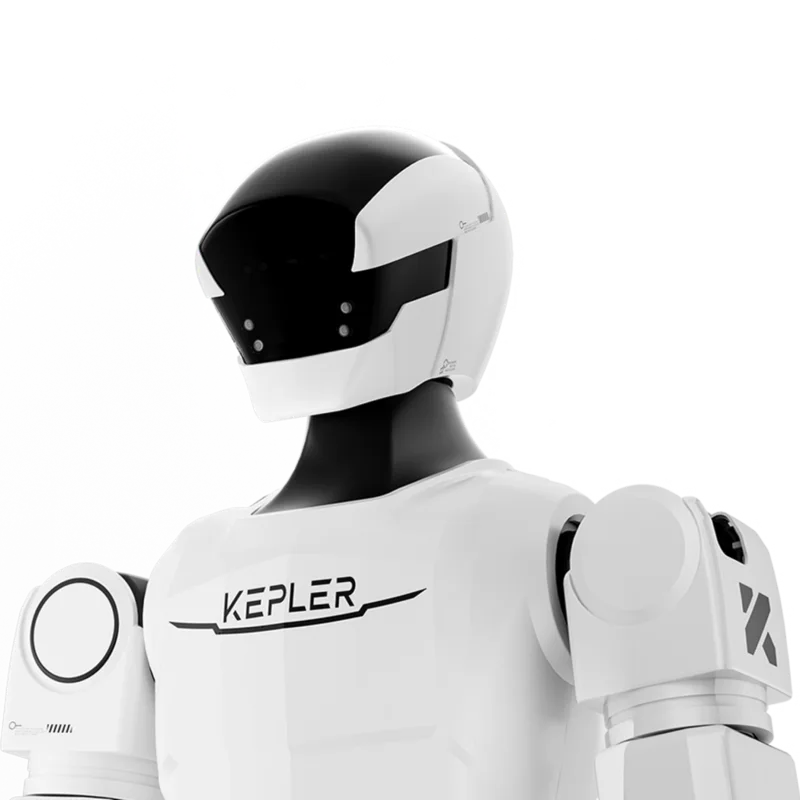
What Does Kepler K2 Actually Prove?
Not that a humanoid is ready to fold laundry in a private kitchen. That is the wrong conclusion.
What Kepler K2 helps prove is that humanoid progress is moving from "can the robot do one impressive clip?" toward "can the robot collect enough real task data to improve boring, physical work?" That difference matters. A home robot is not judged by a single trick. It is judged by recovery, repeatability, object handling, furniture clearance, battery management, safety, and whether the robot can deal with the same task being slightly different every time.
The national program described by People's Daily says China's Ministry of Industry and Information Technology and the State-owned Assets Supervision and Administration Commission want humanoid robots and embodied AI products to complete application validation and normal deployment in representative scenarios by the end of 2026. It also points to more than 100 high-value application scenarios and the ability to support ten-thousand-unit scale deployment. The broad policy angle is "work mode." The Kepler-specific angle is more practical: what does a robot company measure before it deserves that phrase?
Kepler's own release says its training route is built around a loop: real-scene training, data accumulation, product iteration, and scale deployment. For buyers, that is a better filter than asking whether a robot looks human. Ask whether the company can name the tasks, the failure modes, the data types, and the deployment setting.
Why Kepler's Data Claim Is Different
The most important number in Kepler's announcement is not K2's price. In the ui44 database, Forerunner K2 Bumblebee is tracked as a roughly $30,000 active humanoid from Shanghai Kepler Exploration Robot Co. Kepler describes it as a fifth-generation humanoid using a hybrid architecture with roller screw linear actuators and rotary actuators.
The more interesting claim is that Kepler has accumulated more than 100,000 pieces of full-modal real-scene data, covering industrial, commercial, and home-like scenarios, with more than 20 industry-specific skills across more than 40 real deployment scenarios. That is company-reported, so it should be treated as a claim rather than independent proof. Still, it tells buyers what to look for next.
A serious humanoid training claim should answer four questions:
Evidence buyers should ask for
Real task chains, not isolated clips
- Why it matters at home
- Homes contain sequences: open, grasp, carry, place, recover
Evidence buyers should ask for
Force and touch data, not only cameras
- Why it matters at home
- Soft objects, doors, cables, and dishes are contact problems
Evidence buyers should ask for
Long-duration operation
- Why it matters at home
- A robot that works for five minutes on video may fail after one hour
Evidence buyers should ask for
Published failure modes
- Why it matters at home
- Buyers need to know what still breaks, not only what succeeded
| Evidence buyers should ask for | Why it matters at home |
|---|---|
| Real task chains, not isolated clips | Homes contain sequences: open, grasp, carry, place, recover |
| Force and touch data, not only cameras | Soft objects, doors, cables, and dishes are contact problems |
| Long-duration operation | A robot that works for five minutes on video may fail after one hour |
| Published failure modes | Buyers need to know what still breaks, not only what succeeded |
Kepler's announcement points directly at force-touch adaptation, insertion tasks, flexible object handling, and multi-step assembly. Those are industrial examples, but the underlying problems are home problems too. A cable tie in a factory and a shirt in a bedroom both punish robots that only understand shape from vision.
How Does This Compare With Other Humanoids?
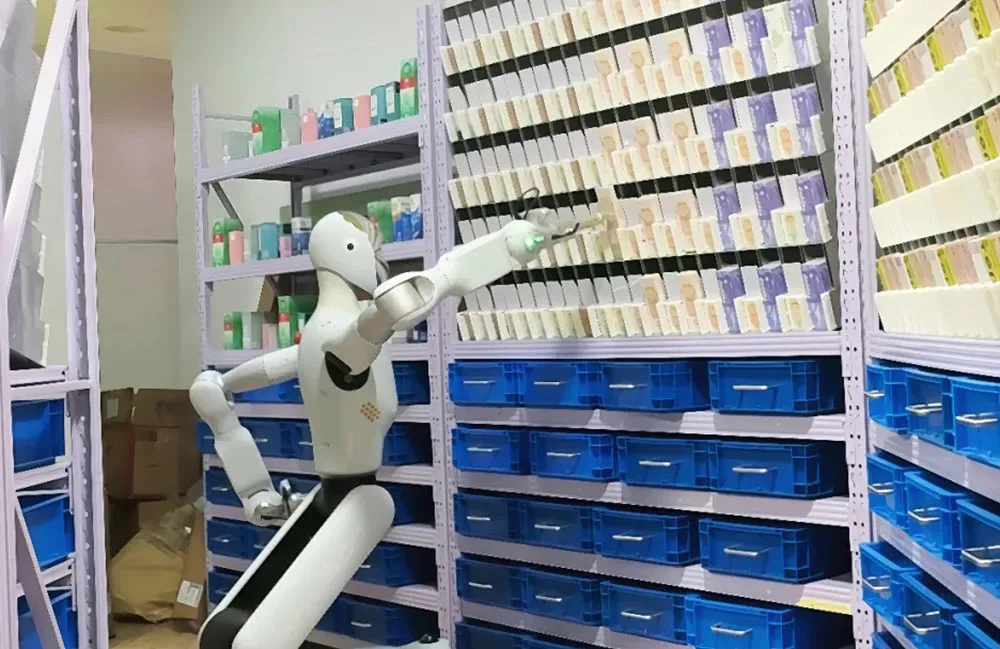
The real-scene story gets clearer when K2 is compared with other robots in ui44's database. The field is not one market yet. It is several overlapping tracks: developer platforms, industrial humanoids, commercial mobile manipulators, and home-first concepts.
Robot
- ui44 status
- Active, about $30,000
- Public positioning
- Industrial humanoid and training platform
- What buyers can learn
- Watch real-task data, uptime, force control, and repeatability
Robot
- ui44 status
- Available, about $13,500
- Public positioning
- Compact developer humanoid
- What buyers can learn
- Price is falling, but buyer-grade autonomy still needs proof
Robot
- ui44 status
- Active, inquiry pricing
- Public positioning
- Research and competition humanoid
- What buyers can learn
- Useful for embodied-AI development, not a finished home assistant
Robot
- ui44 status
- Active
- Public positioning
- Retail and service mobile manipulator
- What buyers can learn
- Shelves, inventory, and delivery are closer to repeatable work
Robot
- ui44 status
- Available
- Public positioning
- Wheeled embodied-intelligence robot
- What buyers can learn
- Wheeled bases may reach useful service tasks before bipedal homes
Robot
- ui44 status
- Active
- Public positioning
- Factory and logistics humanoid
- What buyers can learn
- Battery swapping and continuous operation are buyer-relevant signals
Robot
- ui44 status
- Pre-order, about $20,000
- Public positioning
- Home-focused humanoid
- What buyers can learn
- Home intent is clear, but buyers still need deployment evidence
Robot
- ui44 status
- Development, about $9,999 target
- Public positioning
- Wheeled household robot concept
- What buyers can learn
- A constrained home form factor may be more practical than legs
| Robot | ui44 status | Public positioning | What buyers can learn |
|---|---|---|---|
| Kepler Forerunner K2 | Active, about $30,000 | Industrial humanoid and training platform | Watch real-task data, uptime, force control, and repeatability |
| Unitree G1 | Available, about $13,500 | Compact developer humanoid | Price is falling, but buyer-grade autonomy still needs proof |
| Booster T1 | Active, inquiry pricing | Research and competition humanoid | Useful for embodied-AI development, not a finished home assistant |
| Galbot G1 | Active | Retail and service mobile manipulator | Shelves, inventory, and delivery are closer to repeatable work |
| AGIBOT G1 | Available | Wheeled embodied-intelligence robot | Wheeled bases may reach useful service tasks before bipedal homes |
| UBTECH Walker S2 | Active | Factory and logistics humanoid | Battery swapping and continuous operation are buyer-relevant signals |
| 1X NEO | Pre-order, about $20,000 | Home-focused humanoid | Home intent is clear, but buyers still need deployment evidence |
| SwitchBot onero H1 | Development, about $9,999 target | Wheeled household robot concept | A constrained home form factor may be more practical than legs |
That table is the reason this article should not be read as "China's policy matters because China." It matters because the industry's next credibility layer is shifting from spec sheets to proof trails. A $13,500 developer humanoid, a $30,000 industrial humanoid, and a $20,000 home pre-order are not interchangeable. The fair comparison is not who has the flashiest demo. It is who can show the strongest evidence for the task they claim.
The Home Lesson Is Contact, Not Humanoid Shape
Home robotics has spent years selling navigation. Vacuum robots made maps, avoided furniture, and returned to docks. Humanoid and mobile-manipulator robots add a harder layer: contact.
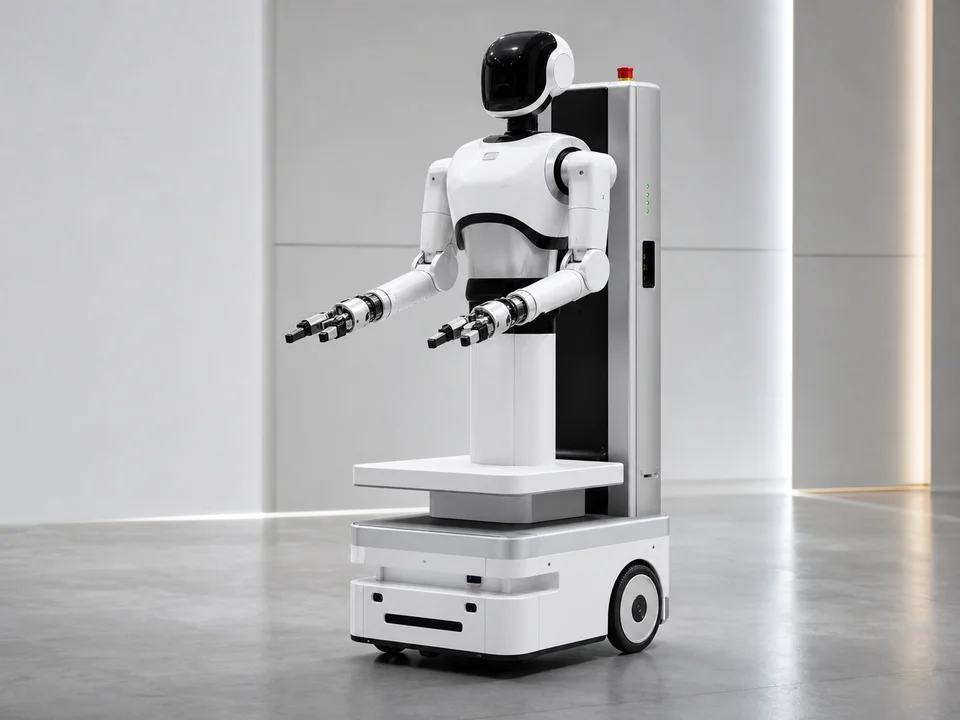
Contact is where many demos become fragile. Picking up a rigid box from a known table is one thing. Handling clothing, utensils, cabinet doors, charging cables, trash bags, and pets' toys is another. Kepler's industrial examples are useful because they talk about the same class of problem in stricter language: insertion gaps, flexible materials, force adjustment, and dynamic correction.
That is why the most relevant home-robot signal may come from warehouses and factories before it comes from show apartments. Factories can produce repeated tasks, controlled measurement, and failure logs. Homes produce variety, but variety without measurement does not automatically create better robots. The likely path is staged: factories and service sites teach repeatability; commercial pilots teach interaction and uptime; homes inherit the models once the robot can handle contact with less supervision.
For a buyer, that means a "home humanoid" announcement should be read skeptically unless it includes the training source. Did the robot learn from teleoperated homes? Lab apartments? Retail aisles? Industrial cells? Mixed data? How much of the behavior runs autonomously, and how much is remote human help?
Why 7x24 Training Claims Still Need Scrutiny
Kepler says its real-scene humanoid training carrier can support long continuous robot operation, including 7x24 work. That is an important claim because uptime is one of the least glamorous and most valuable robot specs. A home assistant that needs constant resets is not an assistant.
But buyers should separate four different meanings of uptime:
Claim
The site can operate continuously
- Useful buyer question
- How many robots, shifts, and tasks does that include?
Claim
The robot can run long sessions
- Useful buyer question
- What happens when batteries, heat, calibration, or joints degrade?
Claim
The model improves with more data
- Useful buyer question
- Are failures labeled and folded back into training?
Claim
The deployment is regular
- Useful buyer question
- Is the robot doing paid work or supervised test work?
| Claim | Useful buyer question |
|---|---|
| The site can operate continuously | How many robots, shifts, and tasks does that include? |
| The robot can run long sessions | What happens when batteries, heat, calibration, or joints degrade? |
| The model improves with more data | Are failures labeled and folded back into training? |
| The deployment is regular | Is the robot doing paid work or supervised test work? |
UBTECH Walker S2 is a useful comparison because its public positioning emphasizes autonomous hot-swappable dual batteries and near-continuous industrial operation. That is not a home feature today, but it points at a real buyer need: the best home robot will not only perform tasks. It will manage its own availability.
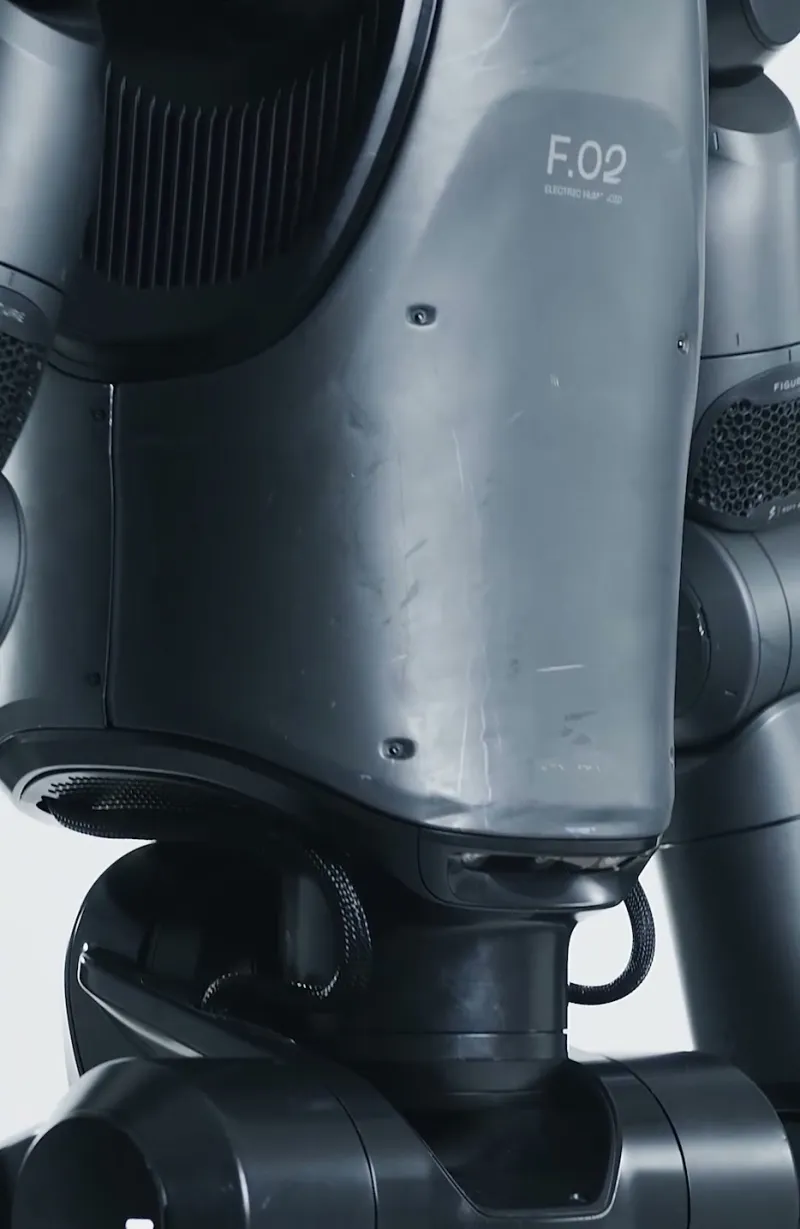
Figure 02 offers another contrast. ui44 tracks it as an industrial humanoid that was deployed at BMW's Spartanburg plant before being superseded in Figure's lineup. That is valuable evidence even if the product is not for home purchase. It shows that factory pilots are becoming the place where humanoid companies can build credibility before trying to sell into messier consumer settings.
What Should Home Robot Buyers Ask Next?
The next wave of home robot marketing will use the language of embodied AI, real-world data, and general-purpose autonomy. Some of it will be earned. Some of it will be ahead of the product.

Use this checklist before trusting a humanoid or mobile manipulator as a future home robot:
Buyer question
What real tasks trained the robot?
- Strong answer
- Named tasks with repeated trials and failure data
- Weak answer
- "General home assistance" with no examples
Buyer question
What sensors matter beyond cameras?
- Strong answer
- Force, touch, depth, audio, joint state, and recovery logs
- Weak answer
- Vision-only demos for contact-heavy work
Buyer question
Where has it operated outside the lab?
- Strong answer
- Factory, retail, logistics, care, or home pilot details
- Weak answer
- Trade-show stage only
Buyer question
What is the autonomy boundary?
- Strong answer
- Clear split between autonomous, assisted, and teleoperated work
- Weak answer
- Vague "AI-powered" claims
Buyer question
What does it cost to own?
- Strong answer
- Price, service model, replacement parts, and support terms
- Weak answer
- Reservation price without operating details
| Buyer question | Strong answer | Weak answer |
|---|---|---|
| What real tasks trained the robot? | Named tasks with repeated trials and failure data | "General home assistance" with no examples |
| What sensors matter beyond cameras? | Force, touch, depth, audio, joint state, and recovery logs | Vision-only demos for contact-heavy work |
| Where has it operated outside the lab? | Factory, retail, logistics, care, or home pilot details | Trade-show stage only |
| What is the autonomy boundary? | Clear split between autonomous, assisted, and teleoperated work | Vague "AI-powered" claims |
| What does it cost to own? | Price, service model, replacement parts, and support terms | Reservation price without operating details |
This is where 1X NEO and SwitchBot onero H1 become interesting counterpoints. Both are more home-facing than Kepler K2. NEO is tracked in ui44 as a roughly $20,000 pre-order home humanoid. SwitchBot's onero H1 is a development-stage wheeled household robot concept with a roughly $9,999 target. They may be closer to the living room in intent, but buyers should still ask the same Kepler-style evidence questions: what data, which tasks, how much supervision, and what happens after novelty wears off?
Bottom Line
Kepler K2 does not prove that humanoids are ready for ordinary homes. It proves something narrower and more valuable: the credible part of humanoid robotics is moving toward real task data, contact-rich training, and measured deployment.
That is the difference between a demo and a buyer signal. A demo shows what a robot can do once. A real-scene training program should show what the company can measure, repeat, improve, and eventually support.
For home robot buyers, the smartest response is patience with sharper questions. Watch the robots that collect real data in factories, retail sites, logistics workflows, care environments, and controlled home pilots. Compare those proof trails against home-first claims. The first useful general home robot may not be the one with the most human silhouette. It may be the one whose company can explain exactly how the robot learned to touch the real world without breaking it.
Sources checked for this revision: People's Daily on the 2026 humanoid and embodied-AI real-scene action, Sina Finance's repost of the two-ministry notice, and Kepler's June 2026 announcement about its K2-related industrial real-scene training site.
Related in the database
Use this article as a buyer workflow
Turn the article into a real verification pass grounded in the robots, manufacturers, categories, components, and countries it actually references.
Kepler K2 and China's Real-Scene Robot Test already points you toward 9 linked robots, 9 manufacturers, and 3 countries inside the ui44 database. That matters because strong buyer guidance is easier to apply when you can move immediately from a claim or warning into concrete product pages, manufacturer directories, component explainers, and country-level context instead of treating the article as an isolated opinion piece. The fastest next step is to turn the article into a shortlist workflow: open the linked robot pages, verify which specs are actually published for those models, then compare the surrounding manufacturer and component context before you decide whether the underlying claim changes your buying plan.
For this topic, the useful discipline is to separate the editorial lesson from the catalog evidence. The article gives you the framing, but the robot pages tell you what each product actually ships with today: sensor stack, connectivity methods, listed price, release timing, category, and support-relevant compatibility notes. The manufacturer pages then show whether you are looking at a one-off launch, a broader lineup pattern, or a company that spans multiple categories. That layered workflow reduces the risk of buying on a single marketing phrase or a single support FAQ.
The fastest win is to keep the article’s editorial framing tied to real product pages. That way you can test whether Forerunner K2 Bumblebee, G1, and Booster T1 still make sense once price, category, release timing, and surrounding manufacturer context are visible in one place. If you want a quick working shortlist, open Compare Forerunner K2 Bumblebee, G1, and Booster T1 next, then keep this article open as the reasoning layer while you compare structured data side by side.
Practical Takeaway
Every robot, manufacturer, category, component, and country reference below resolves to a real ui44 page, keeping the follow-up path grounded in database records rather than generic advice.
Suggested next steps in ui44
- Open Forerunner K2 Bumblebee first so the article’s main point is anchored to a real robot page.
- Use Shanghai Kepler Exploration Robot Co., Ltd. to see the broader company context around the products linked in the article.
- Open the linked component pages when you want to separate a shared technology pattern from a single-brand story.
- Build a working shortlist with Compare Forerunner K2 Bumblebee, G1, and Booster T1.
- Keep a short note of what is already verified in the article and what still needs live confirmation from current vendor documentation.
Robot profiles worth opening next
Use the linked product pages as the evidence layer
The linked robot pages are where this article becomes operational. Instead of asking whether the headline is interesting, use the robot entries to inspect the actual mix of sensors, connectivity options, batteries, pricing, release timing, and stated capabilities attached to the products mentioned in the article. That is the easiest way to see whether the warning or opportunity described here affects one product family, a specific design pattern, or an entire buying lane.
Forerunner K2 Bumblebee
Shanghai Kepler Exploration Robot Co., Ltd. · Humanoid · Active
Forerunner K2 Bumblebee is tracked on ui44 as a active humanoid robot from Shanghai Kepler Exploration Robot Co., Ltd.. The database currently records a listed price of $30,000, a release date of 2024-10, 8 hours battery life, 1 hour charging time, and a published stack that includes Vision System, Force Sensors, and 25 tactile contact points per finger plus Wi-Fi and Ethernet.
For general buyer research, this route gives you the concrete profile that the article alone cannot. Compare the published capabilities of Manufacturing Tasks, Object Manipulation, and Bipedal Walking (heel-strike and toe-off) with the linked alternatives so the final decision is based on actual product fit, not just the framing of the article.
G1 is tracked on ui44 as a available humanoid robot from Unitree. The database currently records a listed price of $13,500, a release date of 2024-05-13, ~2 hours battery life, Not disclosed charging time, and a published stack that includes Depth Camera, 3D LiDAR, and 4 Microphone Array plus Wi-Fi 6 and Bluetooth 5.2.
For general buyer research, this route gives you the concrete profile that the article alone cannot. Compare the published capabilities of Bipedal Walking, Object Manipulation, and Dexterous Hands (optional Dex3-1) with the linked alternatives so the final decision is based on actual product fit, not just the framing of the article.
Booster T1
Booster Robotics · Humanoid · Active
Booster T1 is tracked on ui44 as a active humanoid robot from Booster Robotics. The database currently records a listed price of $29,800, a release date of 2024, 2 hours walking, 4 hours standing battery life, Not disclosed charging time, and a published stack that includes Intel RealSense D455 RGBD Depth Camera, 9-axis IMU, and Circular 6-Mic Array plus Wi-Fi 6 and Bluetooth 5.2.
For general buyer research, this route gives you the concrete profile that the article alone cannot. Compare the published capabilities of 23-41 Degrees of Freedom (version-dependent), Bipedal Walking & Running, and Self-Recovery (prone to standing) with the linked alternatives so the final decision is based on actual product fit, not just the framing of the article.
G1 is tracked on ui44 as a active commercial robot from Galbot. The database currently records a listed price of Price TBA, a release date of 2025, 10 hours battery life, Not disclosed charging time, and a published stack that includes Binocular camera x1, Wrist depth cameras x2, and 6-axis force sensors x2 plus Wi-Fi (2.4/5 GHz) and Ethernet.
For general buyer research, this route gives you the concrete profile that the article alone cannot. Compare the published capabilities of Autonomous Retail Store Operation, Generalizable Object Grasping (5,000+ product types), and Shelf Replenishment & Inventory Management with the linked alternatives so the final decision is based on actual product fit, not just the framing of the article.
G1 is tracked on ui44 as a available humanoid robot from AGIBOT. The database currently records a listed price of Price TBA, a release date of TBD, 4h+ runtime battery life, Not officially disclosed charging time, and a published stack that includes Six-axis force sensors on both arms, Eight high-resolution upper-body cameras, and Front and rear RGB-D cameras plus Wired data connection and Cloud data transmission.
For general buyer research, this route gives you the concrete profile that the article alone cannot. Compare the published capabilities of 26-DOF Wheeled Manipulation, One-Arm 3 kg Continuous Handling, and Working Height over 2 m with the linked alternatives so the final decision is based on actual product fit, not just the framing of the article.
Manufacturer context behind the article
Check whether this is one product story or a broader company pattern
Manufacturer pages add the market context that individual product pages cannot show on their own. They help you check whether the article is centered on a brand with a deep lineup, whether that brand spans several categories, and how much of its ui44 footprint depends on one flagship model versus a broader product strategy.
Shanghai Kepler Exploration Robot Co., Ltd.
ui44 currently tracks 2 robots from Shanghai Kepler Exploration Robot Co., Ltd. across 1 category. The company is grouped under China, and the current catalog footprint on ui44 includes Forerunner K1, Forerunner K2 Bumblebee.
That wider brand context matters because the best buying decision usually depends on lineup depth and adjacent options, not just the one model featured most prominently in the article. The category mix here currently points toward Humanoid as the most useful next route if you want to see whether this article reflects a wider pattern inside the brand.
Unitree
ui44 currently tracks 2 robots from Unitree across 1 category. The company is grouped under China, and the current catalog footprint on ui44 includes H1, G1.
That wider brand context matters because the best buying decision usually depends on lineup depth and adjacent options, not just the one model featured most prominently in the article. The category mix here currently points toward Humanoid as the most useful next route if you want to see whether this article reflects a wider pattern inside the brand.
Booster Robotics
ui44 currently tracks 3 robots from Booster Robotics across 1 category. The company is grouped under China, and the current catalog footprint on ui44 includes Booster K1, Booster T2, Booster T1.
That wider brand context matters because the best buying decision usually depends on lineup depth and adjacent options, not just the one model featured most prominently in the article. The category mix here currently points toward Humanoid as the most useful next route if you want to see whether this article reflects a wider pattern inside the brand.
Galbot
ui44 currently tracks 2 robots from Galbot across 2 categorys. The company is grouped under China, and the current catalog footprint on ui44 includes G1, S1.
That wider brand context matters because the best buying decision usually depends on lineup depth and adjacent options, not just the one model featured most prominently in the article. The category mix here currently points toward Commercial, Humanoid as the most useful next route if you want to see whether this article reflects a wider pattern inside the brand.
Broaden the scan without leaving the database
Categories, components, and countries add the wider context
Category framing
Category pages are useful when the article touches a buying pattern that shows up across brands. A category route helps you confirm whether the linked products sit in a narrow niche or whether the same question should be tested across a larger field of alternatives.
Humanoid
The Humanoid category page currently groups 129 tracked robots from 92 manufacturers. ui44 describes this lane as: Full-size bipedal humanoid robots built to work alongside people — from factory floors to household tasks. Compare the cutting edge of humanoid robotics.
That makes the category route a practical follow-up when you want to check whether the products linked in this article are typical for the lane or whether they sit at one edge of the market. Useful starting examples currently include NEO, EVE, Mornine M1.
Commercial
The Commercial category page currently groups 44 tracked robots from 38 manufacturers. ui44 describes this lane as: Delivery robots, warehouse automation, and hospitality service bots — robots built for business and commercial operations.
That makes the category route a practical follow-up when you want to check whether the products linked in this article are typical for the lane or whether they sit at one edge of the market. Useful starting examples currently include G2 Air, aeo, Pepper.
Country and ecosystem context
Country pages give extra context when support practices, launch sequencing, regulatory posture, or manufacturer mix matter. They are not a substitute for model-level verification, but they do help you see which ecosystems cluster together and which manufacturers sit in the same regional field when you broaden the search beyond the article headline.
China
The China route currently groups 189 tracked robots from 87 manufacturers in ui44. That gives you a useful regional lens when the article points toward support practices, launch sequencing, or brand clusters that may share similar ecosystem assumptions.
On the current route, manufacturers like AGIBOT, Dreame, Unitree Robotics make the page a good way to broaden the scan without losing the regional context that often shapes availability, documentation style, and adjacent alternatives.
USA
The USA route currently groups 89 tracked robots from 69 manufacturers in ui44. That gives you a useful regional lens when the article points toward support practices, launch sequencing, or brand clusters that may share similar ecosystem assumptions.
On the current route, manufacturers like Faraday Future, iRobot, Boston Dynamics make the page a good way to broaden the scan without losing the regional context that often shapes availability, documentation style, and adjacent alternatives.
Norway
The Norway route currently groups 2 tracked robots from 1 manufacturers in ui44. That gives you a useful regional lens when the article points toward support practices, launch sequencing, or brand clusters that may share similar ecosystem assumptions.
On the current route, manufacturers like 1X Technologies make the page a good way to broaden the scan without losing the regional context that often shapes availability, documentation style, and adjacent alternatives.
Questions to answer before you move from reading to buying
A follow-up FAQ built from the entities already linked in this article
Frequently Asked Questions
Which page should I open first after reading “Kepler K2 and China's Real-Scene Robot Test”?
Start with Forerunner K2 Bumblebee. That gives you a concrete product anchor for the article’s main claim. From there, branch into the manufacturer and component pages so you can tell whether the article is describing one specific model, a repeated brand pattern, or a wider technology issue that affects multiple shortlist options.
How do the manufacturer pages change the buying decision?
Shanghai Kepler Exploration Robot Co., Ltd. help you zoom out from one article and one product. On ui44 they show lineup breadth, category spread, and the neighboring robots tied to the same company. That context is useful when you are deciding whether a risk belongs to a single model, whether it shows up across a brand’s portfolio, and whether you should keep looking at alternatives before committing.
When should I switch from reading to side-by-side comparison?
Move into Compare Forerunner K2 Bumblebee, G1, and Booster T1 as soon as you understand the article’s main warning or promise. The article explains what to watch for, but the compare view is where you can check whether price, status, battery life, connectivity, sensors, and category fit still make the robot a good match for your own home and budget.
Where to go next in ui44
Keep the research chain inside the database
If you want to keep going, these follow-on pages give you the cleanest expansion path from article to research session. Open the comparison route first if you are deciding between products today. Open the manufacturer, category, and component routes if you still need to understand the broader pattern behind the claim.
Written by
ui44 Team
Published July 7, 2026
Share this article
Open a plain share link on X or Bluesky. No embeds, no widgets, no cookie baggage.