UBTECH's Walker S2 is not being sold as a kitchen helper or laundry robot. ui44 tracks it as an active industrial humanoid with no public price and enterprise deployment terms. But its headline feature is one of the most practical ideas in home robotics: the robot can replace its own battery in about 3 minutes using an autonomous hot-swappable dual-battery system.

For home buyers, the question is not "should I buy a Walker S2?" You probably cannot. The useful question is simpler: what would a humanoid need to do so charging stops being your chore? Battery life is only half the answer. The harder part is energy autonomy: finding the station, handling the connector or battery safely, knowing when to interrupt a task, and recovering when something is misaligned.
What Walker S2 actually proves
Walker S2 is a good reality check because UBTECH is not just claiming a bigger battery. The official product material describes a complete energy system: autonomous hot-swappable battery replacement, dual-battery dynamic balancing, dual-arm battery handling, real-time battery monitoring, and a station that lets the robot choose between swapping and charging according to task priority.
In ui44's database, the key Walker S2 facts are:
Robot
- ui44 status
- Active
- Public price
- No public pricing
- Energy spec
- Autonomous battery swap in about 3 minutes; designed for 24/7 operation
- Other relevant spec
- 15 kg payload; RGB binocular stereo vision; BrainNet 2.0 + Co-Agent
Robot
- ui44 status
- Active
- Public price
- No public pricing
- Energy spec
- Battery life not disclosed
- Other relevant spec
- 170 cm, 60 kg industrial humanoid
| Robot | ui44 status | Public price | Energy spec | Other relevant spec |
|---|---|---|---|---|
| UBTECH Walker S2 | Active | No public pricing | Autonomous battery swap in about 3 minutes; designed for 24/7 operation | 15 kg payload; RGB binocular stereo vision; BrainNet 2.0 + Co-Agent |
| UBTECH Walker S | Active | No public pricing | Battery life not disclosed | 170 cm, 60 kg industrial humanoid |
That difference matters. Many humanoid pages still treat battery life as a static spec: two hours, four hours, maybe five. Walker S2 reframes the problem as an operational loop. A robot can work, monitor its power, decide when the next task can wait, walk to infrastructure, manipulate its own battery, and return to service.
That is not automatically home-ready. In a factory, the robot can use a station installed in a predictable place, on a floor designed for equipment, with staff nearby and maintenance rules around it. In a home, the same idea would need to survive shoes by the door, pets, children, laundry baskets, low light, Wi-Fi failures, and owners who do not want a battery cabinet in the hallway.
Battery life is not the same as charging autonomy
A lot of home robot comparisons stop at runtime. That is understandable: runtime is easy to read and easy to rank. But a home robot that lasts four hours and then needs a human to plug it in is less autonomous than a robot that lasts two hours and reliably docks by itself.
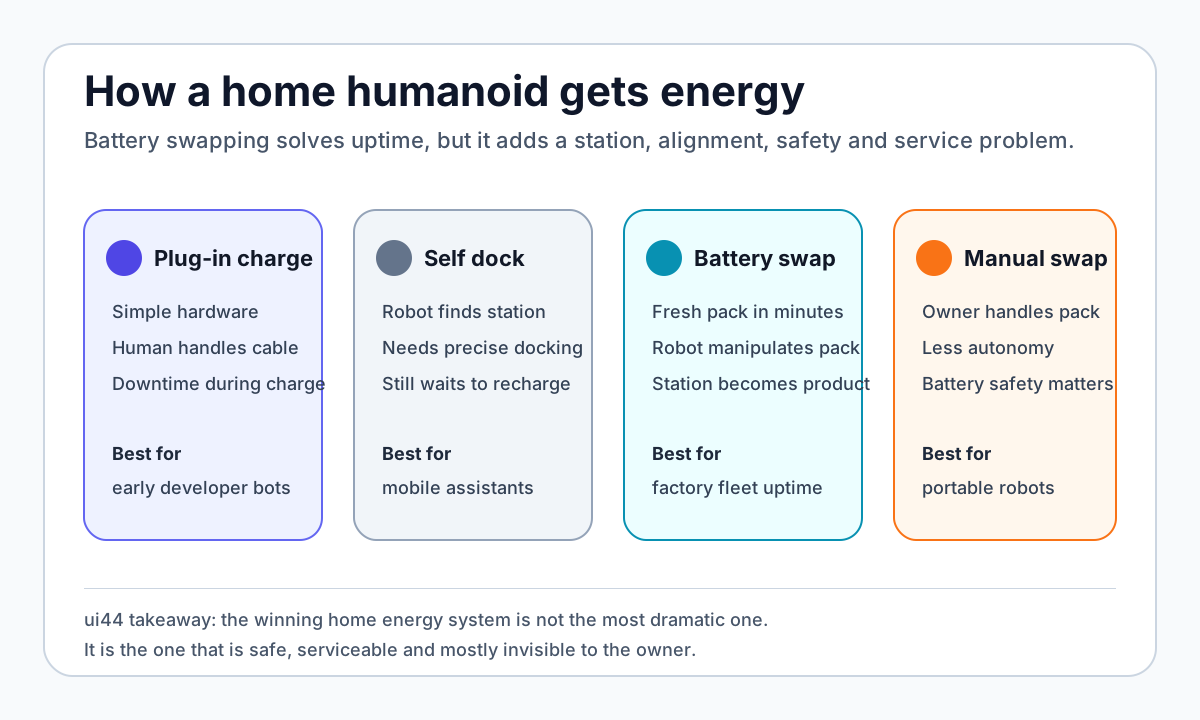
There are four practical energy paths for home humanoids and mobile assistants:
- Plug-in charging. Cheapest and easiest to build, but it makes the owner responsible for the robot's downtime.
- Self docking. Familiar from robot vacuums and starting to appear in mobile manipulators. It removes the cable chore but still creates a long recharge pause.
- Autonomous battery swapping. Fast, impressive, and suited to fleets, but it adds a station, spare packs, alignment, thermal safety, and more moving parts.
- Manual battery swapping. Useful for labs and developer kits, but it is not really hands-off home autonomy.
For a home buyer, the best answer is not always the most advanced one. If a robot is doing one 30-minute tidy-up, self docking may be enough. If it is expected to patrol, fetch, lift, clean, and assist over a whole day, then energy management becomes as important as dexterity.
How current home-adjacent robots compare
Walker S2 is unusual because it makes the recharge loop explicit. Most humanoid and home-assistive robots still leave at least part of the energy story vague. Here is how the robots ui44 readers are likely to compare line up today.
Robot
- Category
- Home Assistant
- Price signal
- $29,950
- Runtime / charging signal
- 8 hours under light CPU load; self charging
- Home-readiness takeaway
- The strongest practical home-energy example, but it is a wheeled mobile manipulator, not a humanoid.
Robot
- Category
- Humanoid
- Price signal
- $20,000 early-adopter price
- Runtime / charging signal
- About 4 hours
- Home-readiness takeaway
- Home-positioned, but the public story is more about safety, chores, and Expert Mode than battery infrastructure.
Robot
- Category
- Humanoid
- Price signal
- No public pricing
- Runtime / charging signal
- About 5 hours
- Home-readiness takeaway
- Strong home vision; charging details are not the main public differentiator yet.
Robot
- Category
- Humanoid
- Price signal
- From $13,500
- Runtime / charging signal
- About 2 hours; quick-release 9,000 mAh battery
- Home-readiness takeaway
- Developer-friendly, but not a hands-off household energy system.
Robot
- Category
- Humanoid
- Price signal
- From ¥180,000 in China
- Runtime / charging signal
- 4-5 hours; quick-release smart batteries
- Home-readiness takeaway
- More concrete than many humanoids, still aimed at developer/industrial buyers.
Robot
- Category
- Humanoid
- Price signal
- No public pricing
- Runtime / charging signal
- About 4 hours
- Home-readiness takeaway
- Factory and warehouse first; home extension remains future-facing.
Robot
- Category
- Humanoid
- Price signal
- €98,000 estimate
- Runtime / charging signal
- About 2 hours
- Home-readiness takeaway
- Impressive payload and sensing, but runtime remains a constraint for broad home use.
Robot
- Category
- Humanoid
- Price signal
- Target around $30,000
- Runtime / charging signal
- Not officially disclosed
- Home-readiness takeaway
- The consumer price target is famous; energy details are still thin.
| Robot | Category | Price signal | Runtime / charging signal | Home-readiness takeaway |
|---|---|---|---|---|
| Hello Robot Stretch 4 | Home Assistant | $29,950 | 8 hours under light CPU load; self charging | The strongest practical home-energy example, but it is a wheeled mobile manipulator, not a humanoid. |
| 1X NEO | Humanoid | $20,000 early-adopter price | About 4 hours | Home-positioned, but the public story is more about safety, chores, and Expert Mode than battery infrastructure. |
| Figure 03 | Humanoid | No public pricing | About 5 hours | Strong home vision; charging details are not the main public differentiator yet. |
| Unitree G1 | Humanoid | From $13,500 | About 2 hours; quick-release 9,000 mAh battery | Developer-friendly, but not a hands-off household energy system. |
| EngineAI T800 | Humanoid | From ¥180,000 in China | 4-5 hours; quick-release smart batteries | More concrete than many humanoids, still aimed at developer/industrial buyers. |
| Apptronik Apollo | Humanoid | No public pricing | About 4 hours | Factory and warehouse first; home extension remains future-facing. |
| NEURA 4NE-1 | Humanoid | €98,000 estimate | About 2 hours | Impressive payload and sensing, but runtime remains a constraint for broad home use. |
| Tesla Optimus Gen 2 | Humanoid | Target around $30,000 | Not officially disclosed | The consumer price target is famous; energy details are still thin. |
The pattern is clear: the robots with the most home-friendly positioning do not yet publish a complete energy-autonomy stack, while the robot with the clearest battery-swapping loop is industrial. That is not a contradiction. It is usually how useful robotics moves: controlled environments first, messy homes later.
Why autonomous swapping is harder at home
Autonomous battery swapping looks simple in a demo because the visible action is short. The robot walks to the station, handles a battery module, and leaves. The engineering around that moment is the hard part.
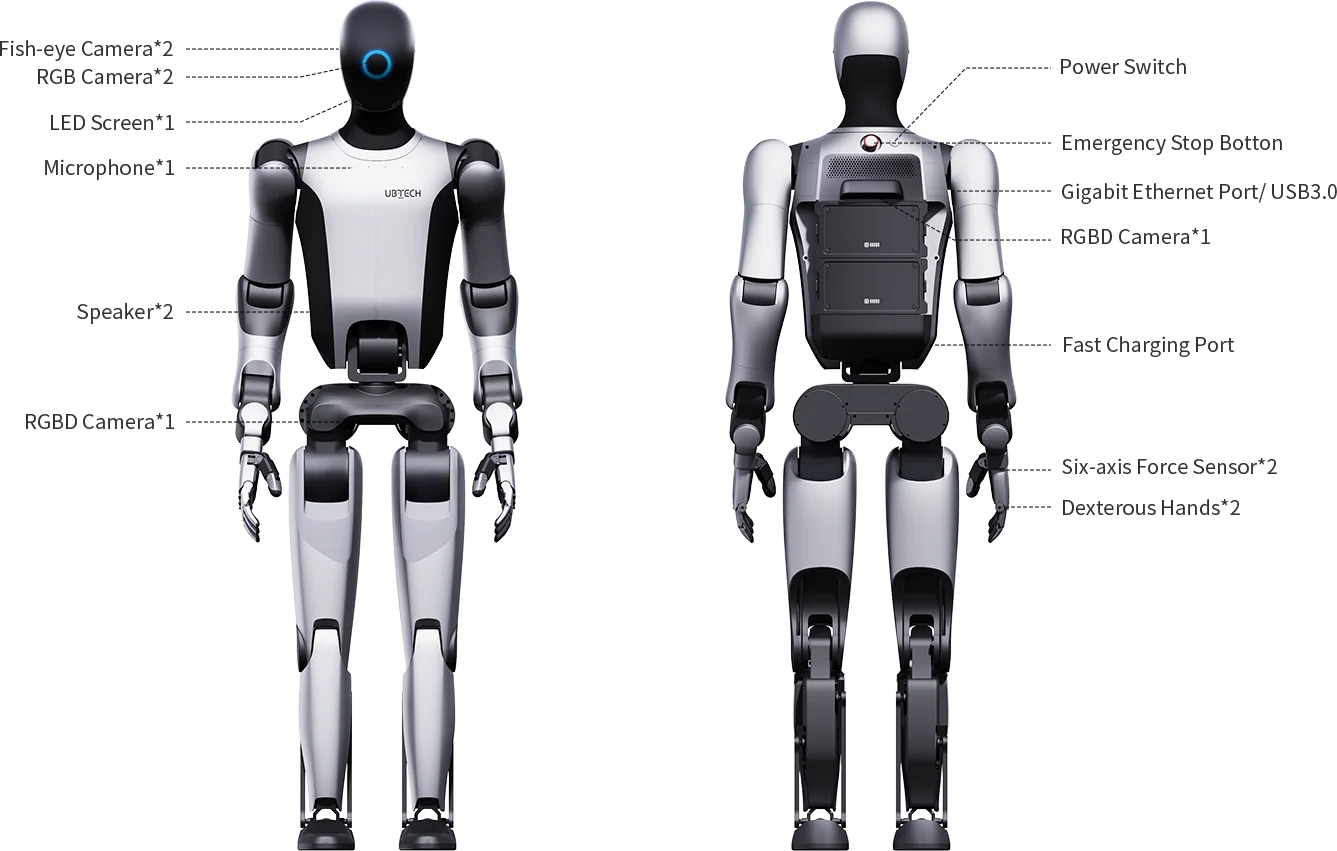
A home version would need to answer at least six questions.
1. Where does the station live?
A vacuum dock can hide under a sideboard. A humanoid swap station cannot. It needs clearance for a person-sized robot, a safe approach path, ventilation, spare batteries, and a place where pets and children cannot interfere. That is a furniture and safety problem, not just a robotics problem.
2. What happens when the swap fails?
Battery swaps involve force, alignment, latches, electrical contacts, and software state. If a robot drops a pack or partially seats it, the system needs a safe recovery path. In a factory, that can mean a technician. In a home, it needs to mean a clear app alert, a physically safe battery state, and no confusing half-powered robot blocking the hallway.
3. Who owns the spare batteries?
Battery packs are expensive wear items. A robot with one internal pack is easy to price. A robot with a swap station may need two, three, or more packs to make the uptime promise real. Buyers should ask whether spare batteries are included, how warranty cycles are counted, whether packs can be replaced by the owner, and what recycling or service path exists after capacity fades.
4. Can the robot decide when to stop working?
Walker S2's official material talks about dynamic power management and choosing between charging and swapping according to task priorities. Homes need the same logic in plain English. If the robot is halfway through unloading a dishwasher, should it finish? If it is carrying something fragile, should it set it down first? If a caregiver task is scheduled, should the robot reserve battery for that rather than start a low-priority tidy-up?
5. Is the station safer than a cable?
Cables are boring, but they are familiar. Battery-swapping hardware introduces moving parts, high-energy packs, contact points, and more failure modes. A home system would need strong physical guarding, thermal monitoring, software locks, clear owner warnings, and conservative behavior around people.
6. Can service actually support it?
Energy systems are not just launch specs. They are service commitments. The more complex the dock or swap station, the more important replacement parts, battery health diagnostics, installation instructions, and support response times become. A humanoid that cannot charge reliably is not a helper. It is a very expensive object waiting for a support ticket.
The manipulation lesson is bigger than the battery
Walker S2 is also a reminder that battery swapping is a manipulation benchmark. A robot that can change its own pack has to localize the station, position its body, coordinate both arms, apply enough force without too much force, and verify that the result worked.
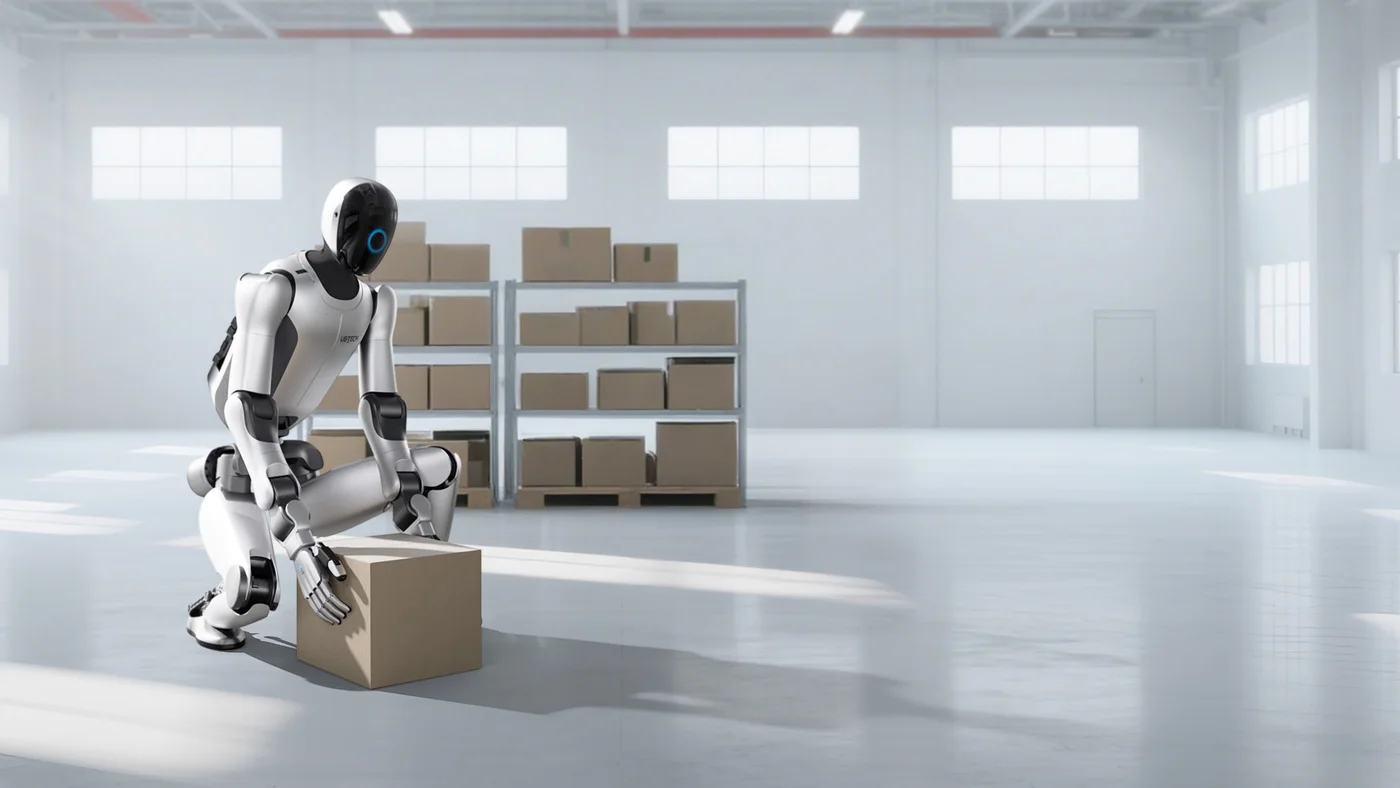
That is why the feature is relevant even if you never expect a home humanoid to swap packs in your closet. The same underlying abilities matter for plugging in a charger, opening a cabinet, lifting a laundry basket, aligning a cup under a faucet, or placing a fragile object on a shelf.
It also explains why wheeled systems remain compelling. Hello Robot Stretch 4 avoids the humanoid walking problem, publishes an 8-hour light-load runtime, and includes self charging. It cannot do every human-shaped task, but it shows the kind of practical system integration home buyers should reward: battery life, docking, sensing, reach, and software all working together.
A humanoid buyer should be skeptical of any robot that shows athletic movement but says little about energy recovery. Walking is impressive. Working again after lunch without human help is more useful.
What should buyers ask about self-charging humanoid robots?
If a future home humanoid claims self charging or battery swapping, do not stop at the phrase. Ask for specifics.
- Runtime under real tasks: Is the number measured during walking, manipulation, conversation, standby, or a light lab workload?
- Recharge method: Does it plug itself in, dock, use contact charging, swap packs, or require a person?
- Recharge time: How long until it can resume a useful task, not just reach a safe battery level?
- Failure handling: What happens if docking fails, the station is blocked, or the battery pack is misaligned?
- Station footprint: How much floor space, clearance, ventilation, and owner setup does the charging system need?
- Battery warranty: Are packs covered as consumables, accessories, or part of the robot warranty?
- Spare-pack cost: Does the advertised robot price include the batteries needed for the uptime claim?
- Service path: Can the owner replace parts, or does every charging issue become a manufacturer service call?
- Task scheduling: Can the robot reserve power for important jobs and avoid starting tasks it cannot finish?
- Safety certification: Has the charging or swapping hardware been tested as a home appliance, not just as industrial equipment?
Those questions are not anti-robot. They are the difference between a robot that is impressive in a video and a robot that quietly becomes part of daily life.
Bottom line
UBTECH Walker S2 does not make autonomous battery swapping a home feature yet. It makes the missing home feature easier to see.
For humanoid robots to become useful in ordinary houses, they need more than hands, legs, voice control, and a friendly product video. They need an energy system that does not turn the owner into a charging attendant. Today, that can mean self docking for practical mobile assistants. In the future, it might mean safer contact charging, owner-swappable packs, or a simplified version of the kind of autonomous battery infrastructure Walker S2 demonstrates in industry.
Until then, treat battery life claims as only the first number. The real buyer question is: what happens when the robot gets tired?
Related in the database
Use this article as a warranty and coverage workflow
Turn the article into a warranty and coverage pass grounded in the robots and manufacturers it actually references.
Humanoid Robot Battery Swapping: Home Readiness already points you toward 10 linked robots, 9 manufacturers, and 4 countries inside the ui44 database. That matters because strong buyer guidance is easier to apply when you can move immediately from a claim or warning into concrete product pages, manufacturer directories, component explainers, and country-level context instead of treating the article as an isolated opinion piece. The fastest next step is to turn the article into a shortlist workflow: open the linked robot pages, verify which specs are actually published for those models, then compare the surrounding manufacturer and component context before you decide whether the underlying claim changes your buying plan.
For this topic, the useful discipline is to separate the editorial lesson from the catalog evidence. The article gives you the framing, but the robot pages tell you what each product actually ships with today: sensor stack, connectivity methods, listed price, release timing, category, and support-relevant compatibility notes. The manufacturer pages then show whether you are looking at a one-off launch, a broader lineup pattern, or a company that spans multiple categories. That layered workflow reduces the risk of buying on a single marketing phrase or a single support FAQ.
The most practical move is to keep warranty language and product context together. Compare the linked robots first, then check whether the manufacturer pages suggest a mature service lane or a more limited lineup. On this article, Walker S2, Walker S, and Stretch 4 are the right place to start. If you want a quick working shortlist, open Compare Walker S2, Walker S, and Stretch 4 next, then keep this article open as the reasoning layer while you compare structured data side by side.
Practical Takeaway
Every robot, manufacturer, category, component, and country reference below resolves to a real ui44 page, keeping the follow-up path grounded in database records rather than generic advice.
Suggested next steps in ui44
- Compare the listed price, release timing, and category fit of the linked robots before you treat warranty length as a direct value proxy.
- Open UBTECH to see whether the brand has several relevant models in the same lane or whether the article is centered on one flagship product.
- Record what the article proves, what still depends on seller or region rules, and which consumables or battery-related details you still need to verify externally.
- Use Compare Walker S2, Walker S, and Stretch 4 before checkout so the warranty conversation stays anchored to a real shortlist.
- Do not treat the article as the final source of truth on coverage terms. Treat it as the framing layer that tells you which documentation you still need to inspect before purchase.
Robot profiles worth opening next
Use the linked product pages as the evidence layer
The linked robot pages are where this article becomes operational. Instead of asking whether the headline is interesting, use the robot entries to inspect the actual mix of sensors, connectivity options, batteries, pricing, release timing, and stated capabilities attached to the products mentioned in the article. That is the easiest way to see whether the warning or opportunity described here affects one product family, a specific design pattern, or an entire buying lane.
Walker S2 is tracked on ui44 as a active humanoid robot from UBTECH. The database currently records a listed price of Price TBA, a release date of 2025-07-17, Designed for 24/7 continuous operation with autonomous battery swapping battery life, Autonomous battery swap in about 3 minutes charging time, and a published stack that includes Pure RGB Binocular Stereo Vision System, Stereo Depth Estimation System, and Real-Time Battery Monitoring plus Gigabit Ethernet Port and USB 3.0.
For warranty and coverage questions, the robot page gives you the operating context that fine print often leaves out. Review the published capability mix, including Autonomous Battery Swapping, 24/7 Continuous Operation, and Industrial Handling and Assembly, and the listed battery and charging profile before deciding whether a coverage term meaningfully reduces your ownership risk or merely sounds reassuring in isolation.
Walker S is tracked on ui44 as a active humanoid robot from UBTECH. The database currently records a listed price of Price TBA, a release date of 2023, Not disclosed battery life, Not disclosed charging time, and a published stack that includes Vision System, LiDAR, and Force Sensors plus Wi-Fi and Bluetooth.
For warranty and coverage questions, the robot page gives you the operating context that fine print often leaves out. Review the published capability mix, including Bipedal Walking, Object Manipulation, and Factory Tasks, and the listed battery and charging profile before deciding whether a coverage term meaningfully reduces your ownership risk or merely sounds reassuring in isolation.
Stretch 4
Hello Robot · Home Assistants · Available
Stretch 4 is tracked on ui44 as a available home assistants robot from Hello Robot. The database currently records a listed price of $29,950, a release date of 2026-05-12, 8 hours (light CPU load) battery life, Not officially disclosed charging time, and a published stack that includes Wide-FOV depth sensing, High-resolution RGB cameras, and Calibrated RGB + depth perception plus its listed connectivity stack.
For warranty and coverage questions, the robot page gives you the operating context that fine print often leaves out. Review the published capability mix, including Mobile Manipulation, Omnidirectional Indoor Mobility, and Autonomous Mapping and Navigation, and the listed battery and charging profile before deciding whether a coverage term meaningfully reduces your ownership risk or merely sounds reassuring in isolation.
NEO
1X Technologies · Humanoid · Pre-order
NEO is tracked on ui44 as a pre-order humanoid robot from 1X Technologies. The database currently records a listed price of $20,000, a release date of 2025-10-28, ~4 hours battery life, Not disclosed charging time, and a published stack that includes RGB Cameras, Depth Sensors, and Tactile Skin plus Wi-Fi and Bluetooth.
For warranty and coverage questions, the robot page gives you the operating context that fine print often leaves out. Review the published capability mix, including Household Chores, Tidying Up, and Safe Human Interaction, and the listed battery and charging profile before deciding whether a coverage term meaningfully reduces your ownership risk or merely sounds reassuring in isolation.
Figure 03 is tracked on ui44 as a active humanoid robot from Figure AI. The database currently records a listed price of Price TBA, a release date of 2025-10-09, ~5 hours battery life, Not disclosed charging time, and a published stack that includes Stereo Vision, Depth Cameras, and Force Sensors plus Wi-Fi and Bluetooth.
For warranty and coverage questions, the robot page gives you the operating context that fine print often leaves out. Review the published capability mix, including Complex Manipulation, Warehouse Work, and Manufacturing Tasks, and the listed battery and charging profile before deciding whether a coverage term meaningfully reduces your ownership risk or merely sounds reassuring in isolation.
Manufacturer context behind the article
Check whether this is one product story or a broader company pattern
Manufacturer pages add the support context that individual product pages cannot show on their own. They help you check whether the article is pointing at one coverage promise or at a company with a broader service footprint and multiple products to maintain.
UBTECH
ui44 currently tracks 5 robots from UBTECH across 2 categorys. The company is grouped under China, and the current catalog footprint on ui44 includes Walker S, Walker S2, Alpha Mini.
That wider brand context matters because support confidence is easier to judge when you can see the company’s overall footprint, not just one warranty phrase attached to one product. A broader tracked lineup can change how you interpret the article’s coverage discussion. The category mix here currently points toward Humanoid, Companions as the most useful next route if you want to see whether this article reflects a wider pattern inside the brand.
Hello Robot
ui44 currently tracks 2 robots from Hello Robot across 1 category. The company is grouped under USA, and the current catalog footprint on ui44 includes Stretch 3, Stretch 4.
That wider brand context matters because support confidence is easier to judge when you can see the company’s overall footprint, not just one warranty phrase attached to one product. A broader tracked lineup can change how you interpret the article’s coverage discussion. The category mix here currently points toward Home Assistants as the most useful next route if you want to see whether this article reflects a wider pattern inside the brand.
1X Technologies
ui44 currently tracks 2 robots from 1X Technologies across 1 category. The company is grouped under Norway, and the current catalog footprint on ui44 includes NEO, EVE.
That wider brand context matters because support confidence is easier to judge when you can see the company’s overall footprint, not just one warranty phrase attached to one product. A broader tracked lineup can change how you interpret the article’s coverage discussion. The category mix here currently points toward Humanoid as the most useful next route if you want to see whether this article reflects a wider pattern inside the brand.
Figure AI
ui44 currently tracks 2 robots from Figure AI across 1 category. The company is grouped under USA, and the current catalog footprint on ui44 includes Figure 03, Figure 02.
That wider brand context matters because support confidence is easier to judge when you can see the company’s overall footprint, not just one warranty phrase attached to one product. A broader tracked lineup can change how you interpret the article’s coverage discussion. The category mix here currently points toward Humanoid as the most useful next route if you want to see whether this article reflects a wider pattern inside the brand.
Broaden the scan without leaving the database
Categories, components, and countries add the wider context
Category framing
Category pages are useful when the article touches a buying pattern that shows up across brands. A category route helps you confirm whether the linked products sit in a narrow niche or whether the same question should be tested across a larger field of alternatives.
Humanoid
The Humanoid category page currently groups 129 tracked robots from 92 manufacturers. ui44 describes this lane as: Full-size bipedal humanoid robots built to work alongside people — from factory floors to household tasks. Compare the cutting edge of humanoid robotics.
That makes the category route a practical follow-up when you want to check whether the products linked in this article are typical for the lane or whether they sit at one edge of the market. Useful starting examples currently include NEO, EVE, Mornine M1.
Home Assistants
The Home Assistants category page currently groups 16 tracked robots from 14 manufacturers. ui44 describes this lane as: Arm-based household helpers — laundry folders, kitchen robots, and mobile manipulators that take on hands-on physical tasks around the home.
That makes the category route a practical follow-up when you want to check whether the products linked in this article are typical for the lane or whether they sit at one edge of the market. Useful starting examples currently include Robody, Futuring 2 (F2), Stretch 3.
Country and ecosystem context
Country pages give extra context when support practices, launch sequencing, regulatory posture, or manufacturer mix matter. They are not a substitute for model-level verification, but they do help you see which ecosystems cluster together and which manufacturers sit in the same regional field when you broaden the search beyond the article headline.
China
The China route currently groups 189 tracked robots from 87 manufacturers in ui44. That gives you a useful regional lens when the article points toward support practices, launch sequencing, or brand clusters that may share similar ecosystem assumptions.
On the current route, manufacturers like AGIBOT, Dreame, Unitree Robotics make the page a good way to broaden the scan without losing the regional context that often shapes availability, documentation style, and adjacent alternatives.
USA
The USA route currently groups 89 tracked robots from 69 manufacturers in ui44. That gives you a useful regional lens when the article points toward support practices, launch sequencing, or brand clusters that may share similar ecosystem assumptions.
On the current route, manufacturers like Faraday Future, iRobot, Boston Dynamics make the page a good way to broaden the scan without losing the regional context that often shapes availability, documentation style, and adjacent alternatives.
Norway
The Norway route currently groups 2 tracked robots from 1 manufacturers in ui44. That gives you a useful regional lens when the article points toward support practices, launch sequencing, or brand clusters that may share similar ecosystem assumptions.
On the current route, manufacturers like 1X Technologies make the page a good way to broaden the scan without losing the regional context that often shapes availability, documentation style, and adjacent alternatives.
Questions to answer before you move from reading to buying
A follow-up FAQ built from the entities already linked in this article
Frequently Asked Questions
Which page should I open first after reading “Humanoid Robot Battery Swapping: Home Readiness”?
Start with Walker S2. That gives you a concrete product anchor for the article’s main claim. From there, branch into the manufacturer and component pages so you can tell whether the article is describing one specific model, a repeated brand pattern, or a wider technology issue that affects multiple shortlist options.
How do the manufacturer pages change the buying decision?
UBTECH help you zoom out from one article and one product. On ui44 they show lineup breadth, category spread, and the neighboring robots tied to the same company. That context is useful when you are deciding whether a risk belongs to a single model, whether it shows up across a brand’s portfolio, and whether you should keep looking at alternatives before committing.
When should I switch from reading to side-by-side comparison?
Move into Compare Walker S2, Walker S, and Stretch 4 as soon as you understand the article’s main warning or promise. The article explains what to watch for, but the compare view is where you can check whether price, status, battery life, connectivity, sensors, and category fit still make the robot a good match for your own home and budget.
Where to go next in ui44
Keep the research chain inside the database
If you want to keep going, these follow-on pages give you the cleanest expansion path from article to research session. Open the comparison route first if you are deciding between products today. Open the manufacturer, category, and component routes if you still need to understand the broader pattern behind the claim.
Written by
ui44 Team
Published May 15, 2026
Share this article
Open a plain share link on X or Bluesky. No embeds, no widgets, no cookie baggage.