Article 19 min read 4,281 words

Honor and JD.com Test a Home Robot Sales Channel

Honor's robot story is no longer just a stage demo. The more important signal is that Honor and JD.com have put retail, logistics, service, and robot pilots into the same strategic partnership.

ui44 Team All articles

That matters for home robot buyers because the hardest part of consumer robotics is not making a robot wave on a keynote stage. It is getting the product into a normal buying channel, supporting it after delivery, testing it in messy real environments, and explaining what the robot is allowed to do with home data. Honor's April 2026 cooperation announcement with JD.com says the two companies plan a three-year strategic partnership worth more than RMB 100 billion across products, service, AI, and overseas expansion. More importantly for robotics, it names Robot Phone and humanoid robot terminals as priority products for JD, and it lists pilot scenarios that include logistics, store service, campus security, and home companionship.

That does not mean you should expect a polished Honor humanoid to show up in a living room next month. It does mean the path from "interesting prototype" to "retail product with service coverage" is starting to look more concrete.
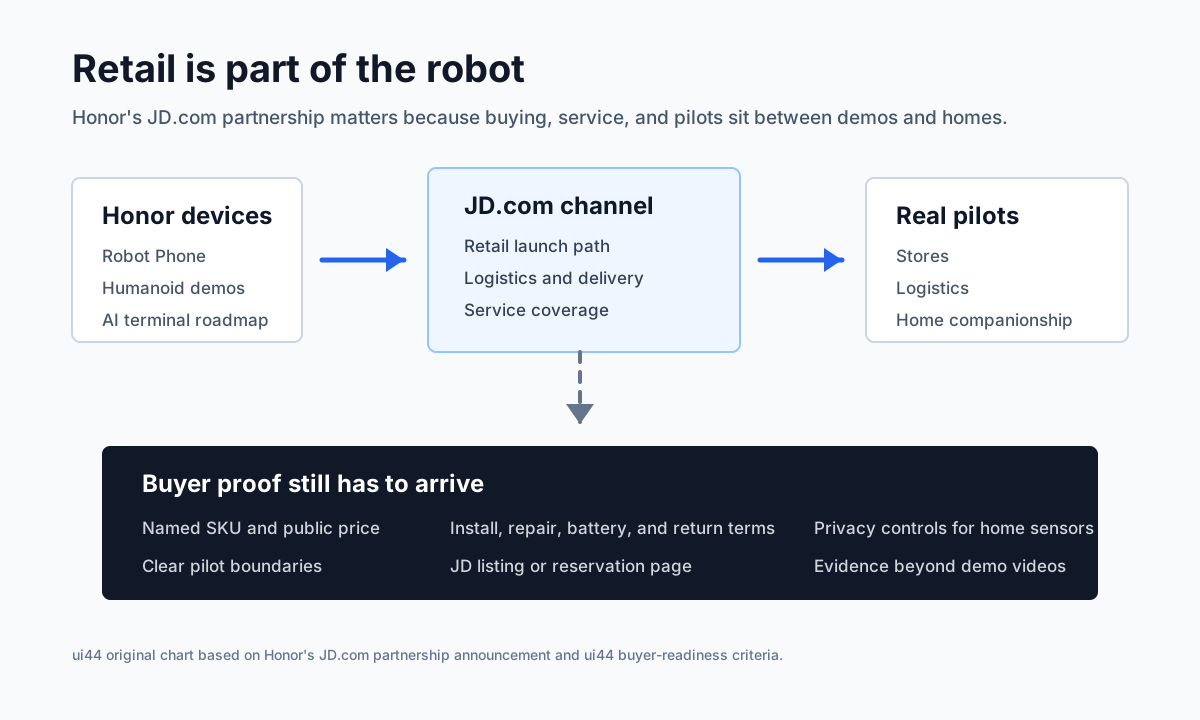
Honor and JD.com retail channel stack for home robot buyer readiness
Scroll sideways to inspect the full chart.

Why Does JD.com Change the Story?

Honor already has consumer hardware credibility. JD.com brings a different set of muscles: retail reach, delivery infrastructure, warehousing, service networks, customer data, financing, and a marketplace where expensive devices can be launched, bundled, supported, and compared.

That combination is why the partnership is more interesting than another humanoid walking clip. A future home robot buyer does not only need a spec sheet. They need answers to practical questions:

  • Who sells the robot?
  • Who installs it?
  • Who handles returns, repairs, batteries, and parts?
  • Who trains the buyer on safe use?
  • Which apps and accounts does it need?
  • What happens when the robot fails in a hallway, kitchen, or elderly-care scenario?

JD.com is not just a storefront in this story. Honor's announcement describes joint work in C2M product customization, membership operations, retail upgrades, service upgrades, supply-chain cooperation, AI device pilots, and overseas channels such as Joybuy in Western Europe. If the robotics plan is real, JD can provide the kind of controlled commercial testbed that most humanoid startups have to build from scratch.

That is the practical buyer signal: not "Honor has a humanoid," but "Honor has a possible launch and service partner for humanoid-like devices."

The Robots Are Still Early

Honor's public robot lineup is still difficult to evaluate as a household product. The company has shown Robot Phone as an embodied AI device with a moving camera, multimodal perception, object tracking, and expressive motion. Honor has also shown humanoid work through D1 and A1, including public event and race imagery, plus MWC 2026 language around shopping assistance, workplace inspection, and companionship.

Those are meaningful signals. They are not the same as a home robot that can reliably clear a table, sort laundry, unload a dishwasher, or watch an older adult without creating new privacy and safety risks.

The ui44 comparison set is useful here because the market is full of products that are more real in one dimension and less real in another:

Robot

1X NEO

ui44 status
Pre-order
Price in ui44 database
$20,000
Why it matters for this Honor/JD.com story
A clear home-facing humanoid with household positioning, but still not a mainstream retail appliance.

Robot

Unitree R1

ui44 status
Pre-order
Price in ui44 database
From $4,900
Why it matters for this Honor/JD.com story
Shows how fast humanoid pricing is falling, while remaining closer to early-adopter and developer territory.

Robot

Unitree G1

ui44 status
Available
Price in ui44 database
$13,500
Why it matters for this Honor/JD.com story
A real purchasable humanoid platform, but mainly positioned for research and development.

Robot

Amazon Astro

ui44 status
Active
Price in ui44 database
$1,599
Why it matters for this Honor/JD.com story
A shipping home robot with retail and service context, but focused on patrol, Alexa, and monitoring rather than manipulation.

Robot

Samsung Ballie

ui44 status
Development
Price in ui44 database
Not confirmed
Why it matters for this Honor/JD.com story
A consumer electronics company trying to turn a home companion concept into a product.

Robot

Hello Robot Stretch 3

ui44 status
Active
Price in ui44 database
$24,950
Why it matters for this Honor/JD.com story
A real home-environment mobile manipulator, but sold mainly into research and assistive contexts.

This is the gap Honor and JD.com would have to cross. A retail channel can make a robot easier to buy, but it cannot turn an immature robot into a reliable home assistant by itself.

1X NEO home humanoid robot as a comparison point for Honor and JD.com home robot retail readiness

Retail Is a Robot Feature

For normal consumer electronics, retail is often treated as an afterthought. For home robots, retail is part of the product.

A robot is not a pair of earbuds. It moves through private space, sees rooms, may record video or audio, can fall over, can block a doorway, and may interact with children, pets, older adults, guests, or service workers. Buyers need more than a shopping cart button.

The retail layer needs to answer at least five questions.

1. Readiness: Is the robot a toy, a developer platform, a supervised assistant, or a product that can safely run in a normal home?

2. Service: Can a buyer get repairs, replacement parts, cleaning, batteries, and software support without becoming a robotics technician?

3. Setup: Does the company provide installation, mapping help, safety training, and household account controls?

4. Accountability: If the robot damages something or records something sensitive, who is responsible?

5. Upgrade path: Will the hardware become more useful through software, or will the buyer need to replace the entire robot after the pilot phase?

JD.com has experience with consumer electronics logistics and service. That does not solve all five questions, but it gives Honor a plausible partner for asking them at scale.

The Home Companion Claim Needs Proof

The most consumer-relevant phrase in Honor's partnership announcement is not "humanoid terminal." It is the mention of home companionship as one of the AI device pilot scenarios.

Home companionship is an attractive category because it does not require the robot to lift heavy objects or perform perfect manipulation. A companion robot can start with presence, conversation, reminders, video calling, monitoring, smart-home control, and lightweight interaction. That is why products like Amazon Astro, Samsung Ballie, and Reachy Mini are relevant comparisons even though they look nothing like a humanoid.

But companionship creates its own buyer risks. A companion robot is usually more intimate than a utility robot. It may listen more, look more, remember more, and try to infer intent or mood. If Honor combines phone-grade cameras, AI agents, JD retail data, and home companion behavior, buyers will need clear privacy settings, visible recording controls, account separation, and honest limits on what is processed locally versus in the cloud.
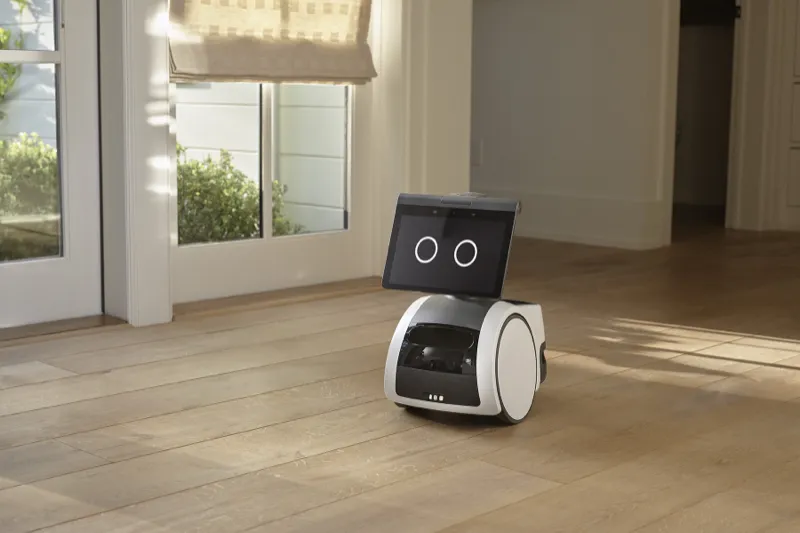
Amazon Astro mobile home robot showing why retail support and privacy controls matter for companion robots

The minimum acceptable disclosure should be simple enough for a nontechnical buyer:

  • What sensors are active in each mode?
  • Which features work without cloud processing?
  • Can the robot be used without sharing retail membership data?
  • Can household members opt out of face or voice recognition?
  • Can a guest tell when the robot is recording?
  • How long are video, audio, maps, and interaction logs kept?

If those answers are vague, the robot is not ready for broad home deployment even if the hardware is impressive.

What Buyers Should Watch Next

Honor and JD.com have a credible reason to work together, but buyers should wait for product-level evidence. The next useful signals are not more dance clips. They are boring, concrete details.

Watch for a named SKU. Is the first robot product Robot Phone, a humanoid prototype, a service robot for stores, or a companion device for homes?

Watch for public pricing. Ui44 currently tracks a wide spread: Reachy Mini at $299, Amazon Astro at $1,599, Unitree R1 from $4,900, Unitree G1 at $13,500, 1X NEO at $20,000, and Stretch 3 at $24,950. Honor needs to show where its device fits in that ladder.

Watch for where it is sold. A JD.com listing, reservation page, service bundle, or offline retail demo would be more meaningful than a generic company announcement.

Watch for pilot boundaries. Logistics and store service are not the same as home companionship. A robot that works in a warehouse aisle may not be safe or useful in a kitchen.

Watch for support terms. Batteries, accidental damage, home visits, replacement parts, software updates, and data deletion are not exciting, but they decide whether a robot becomes a product or a headache.

Watch for developer access. If Honor wants a robot ecosystem rather than one closed demo, SDKs, app rules, sensor APIs, and safety constraints will matter.
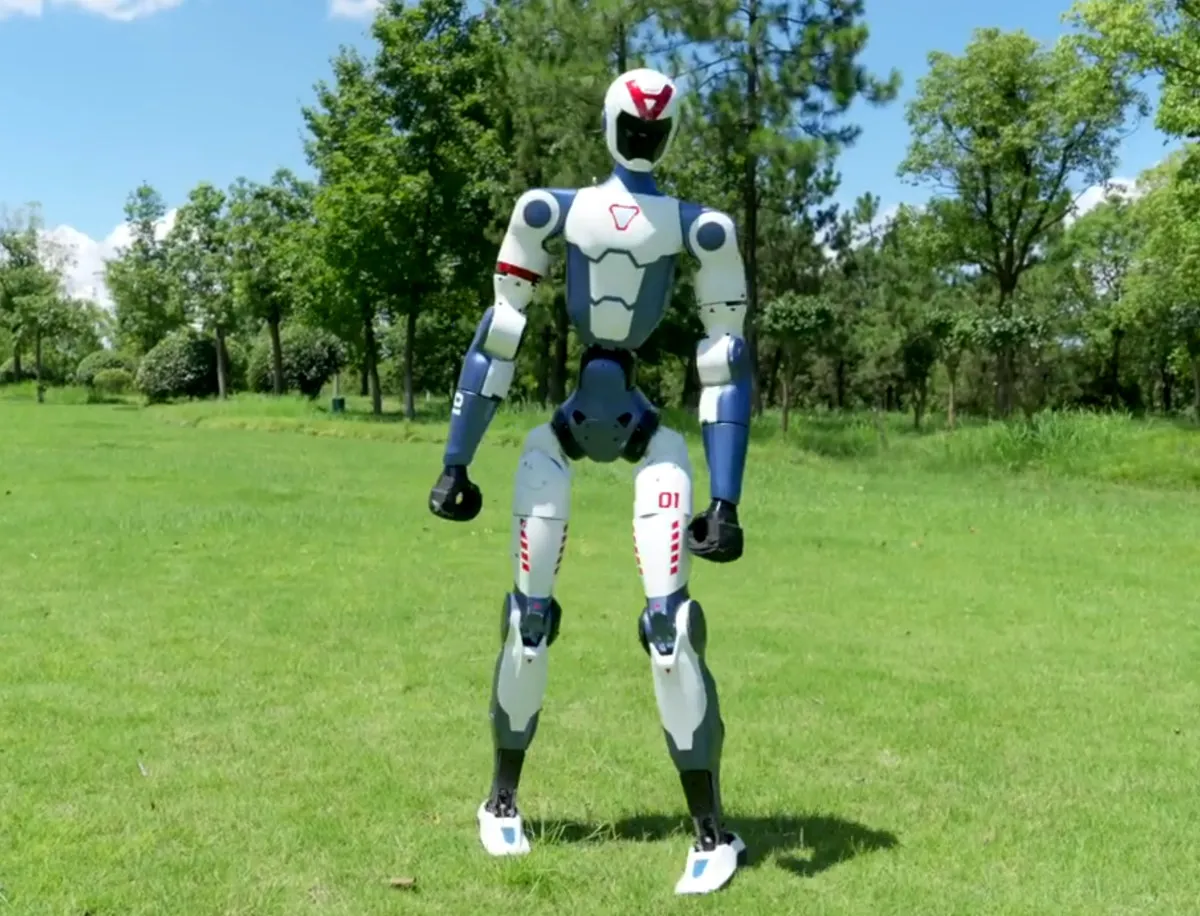
Unitree R1 affordable humanoid robot showing the price pressure Honor and JD.com would face in consumer robotics

The Bottom Line

The Honor/JD.com partnership is not proof that a mainstream home humanoid is ready. It is proof that the commercial stack around home robots is starting to matter as much as the robot itself.

That is healthy. The home robot market has spent years over-indexing on videos: walking, waving, folding one shirt, opening one door, carrying one cup. Real buyers need the less glamorous layer: retail channels, service networks, support policies, pilot environments, privacy controls, and a clear path from prototype to product.

Honor brings consumer device scale. JD.com brings retail and logistics scale. Together, they could make robot buying feel less like joining a research program and more like buying a supported consumer device.

Could that make Honor's future humanoid or Robot Phone easier to buy? Yes. Does it mean the first version will be a dependable home helper? Not yet.

For now, treat the partnership as a market-readiness signal rather than a product recommendation. If Honor and JD.com move from announcements to named products, prices, service terms, and real home pilots, this could become one of the more important consumer robotics stories in China. Until then, the smartest buyer move is to watch the channel as closely as the robot.

Related in the database

Use this article as a privacy verification workflow

Turn the article into a privacy verification pass grounded in the robots, manufacturers, and components it actually references.

Honor and JD.com Test a Home Robot Sales Channel already points you toward 7 linked robots, 7 manufacturers, and 5 countries inside the ui44 database. That matters because strong buyer guidance is easier to apply when you can move immediately from a claim or warning into concrete product pages, manufacturer directories, component explainers, and country-level context instead of treating the article as an isolated opinion piece. The fastest next step is to turn the article into a shortlist workflow: open the linked robot pages, verify which specs are actually published for those models, then compare the surrounding manufacturer and component context before you decide whether the underlying claim changes your buying plan.

For this topic, the useful discipline is to separate the editorial lesson from the catalog evidence. The article gives you the framing, but the robot pages tell you what each product actually ships with today: sensor stack, connectivity methods, listed price, release timing, category, and support-relevant compatibility notes. The manufacturer pages then show whether you are looking at a one-off launch, a broader lineup pattern, or a company that spans multiple categories. That layered workflow reduces the risk of buying on a single marketing phrase or a single support FAQ.

Use the robot pages to confirm which products actually expose cameras, microphones, Wi-Fi, or voice systems, then use the manufacturer pages to decide how much of the privacy question seems product-specific versus brand-wide. On this route cluster, NEO, R1, and G1 form the fastest reality check. If you want a quick working shortlist, open Compare NEO, R1, and G1 next, then keep this article open as the reasoning layer while you compare structured data side by side.

Practical Takeaway

Every robot, manufacturer, category, component, and country reference below resolves to a real ui44 page, keeping the follow-up path grounded in database records rather than generic advice.

Suggested next steps in ui44

  1. Open NEO and note the listed sensors, connectivity methods, and voice stack before you interpret any policy claim.
  2. Cross-check the wider brand context on 1X Technologies so you can see whether the privacy question touches one model or a broader lineup.
  3. Use the linked component pages to confirm how common the relevant sensors and connectivity layers are across the database.
  4. Keep a short note of which policy layers you checked, which device features are actually present on the robot page, and which items still depend on region- or app-level confirmation.
  5. Finish with Compare NEO, R1, and G1 so the policy reading sits next to structured product data.

Robot profiles worth opening next

Use the linked product pages as the evidence layer

The linked robot pages are where this article becomes operational. Instead of asking whether the headline is interesting, use the robot entries to inspect the actual mix of sensors, connectivity options, batteries, pricing, release timing, and stated capabilities attached to the products mentioned in the article. That is the easiest way to see whether the warning or opportunity described here affects one product family, a specific design pattern, or an entire buying lane.

NEO

1X Technologies · Humanoid · Pre-order

$20,000

NEO is tracked on ui44 as a pre-order humanoid robot from 1X Technologies. The database currently records a listed price of $20,000, a release date of 2025-10-28, ~4 hours battery life, Not disclosed charging time, and a published stack that includes RGB Cameras, Depth Sensors, and Tactile Skin plus Wi-Fi and Bluetooth.

For privacy-focused reading, this page matters because it shows the concrete device surface behind the policy discussion. Use it to verify whether NEO combines sensors and connectivity in a way that could change the in-home data footprint, and compare the listed capabilities such as Household Chores, Tidying Up, and Safe Human Interaction with any cloud, app, or voice layers.

R1

Unitree Robotics · Humanoid · Pre-order

$4,900

R1 is tracked on ui44 as a pre-order humanoid robot from Unitree Robotics. The database currently records a listed price of $4,900, a release date of 2025, ~1 hour (mixed activity) battery life, Not officially disclosed charging time, and a published stack that includes Monocular camera (R1 Air); binocular camera (R1/R1 EDU), 4-Mic Array, and Dual 6-Axis IMU plus Wi-Fi 6 and Bluetooth 5.2.

For privacy-focused reading, this page matters because it shows the concrete device surface behind the policy discussion. Use it to verify whether R1 combines sensors and connectivity in a way that could change the in-home data footprint, and compare the listed capabilities such as Bipedal Walking & Running, Cartwheels & Handstands, and Push Recovery with any cloud, app, or voice layers, including UnifoLM (voice + image commands).

G1

Unitree · Humanoid · Available

$13,500

G1 is tracked on ui44 as a available humanoid robot from Unitree. The database currently records a listed price of $13,500, a release date of 2024-05-13, ~2 hours battery life, Not disclosed charging time, and a published stack that includes Depth Camera, 3D LiDAR, and 4 Microphone Array plus Wi-Fi 6 and Bluetooth 5.2.

For privacy-focused reading, this page matters because it shows the concrete device surface behind the policy discussion. Use it to verify whether G1 combines sensors and connectivity in a way that could change the in-home data footprint, and compare the listed capabilities such as Bipedal Walking, Object Manipulation, and Dexterous Hands (optional Dex3-1) with any cloud, app, or voice layers.

Astro

Amazon · Security & Patrol · Active

$1,599

Astro is tracked on ui44 as a active security & patrol robot from Amazon. The database currently records a listed price of $1,599, a release date of 2021, Not officially disclosed battery life, Not officially disclosed charging time, and a published stack that includes 5MP Bezel Camera, 1080p Periscope Camera (132° FOV), and Infrared Vision plus Wi-Fi 802.11ac and Bluetooth.

For privacy-focused reading, this page matters because it shows the concrete device surface behind the policy discussion. Use it to verify whether Astro combines sensors and connectivity in a way that could change the in-home data footprint, and compare the listed capabilities such as Autonomous Home Patrol, Visual ID (face recognition), and Remote Home Monitoring with any cloud, app, or voice layers, including Amazon Alexa.

Ballie

Samsung · Companions · Development

Price TBA

Ballie is tracked on ui44 as a development companions robot from Samsung. The database currently records a listed price of Price TBA, a release date of TBD, Not officially disclosed battery life, Not officially disclosed charging time, and a published stack that includes Camera, Spatial Sensors, and Environmental Sensors plus Wi-Fi and SmartThings.

For privacy-focused reading, this page matters because it shows the concrete device surface behind the policy discussion. Use it to verify whether Ballie combines sensors and connectivity in a way that could change the in-home data footprint, and compare the listed capabilities such as Autonomous Home Navigation, Built-in Projector (Wall & Floor), and Smart Home Control via SmartThings with any cloud, app, or voice layers, including Bixby.

Manufacturer context behind the article

Check whether this is one product story or a broader company pattern

Manufacturer pages add the privacy context that individual product pages cannot show on their own. They help you check whether cameras, microphones, cloud accounts, app controls, and policy assumptions appear across a broader lineup or stay tied to one specific product story.

1X Technologies

ui44 currently tracks 2 robots from 1X Technologies across 1 category. The company is grouped under Norway, and the current catalog footprint on ui44 includes NEO, EVE.

That wider brand context matters because privacy questions rarely stop at one FAQ page. A manufacturer route helps you see whether the article is centered on one premium model or on a company that has several relevant products and therefore more than one place where the same policy or app assumptions might matter. The category mix here currently points toward Humanoid as the most useful next route if you want to see whether this article reflects a wider pattern inside the brand.

Unitree Robotics

ui44 currently tracks 9 robots from Unitree Robotics across 3 categorys. The company is grouped under China, and the current catalog footprint on ui44 includes B2, B1, Go2.

That wider brand context matters because privacy questions rarely stop at one FAQ page. A manufacturer route helps you see whether the article is centered on one premium model or on a company that has several relevant products and therefore more than one place where the same policy or app assumptions might matter. The category mix here currently points toward Quadruped, Humanoid, Research as the most useful next route if you want to see whether this article reflects a wider pattern inside the brand.

Unitree

ui44 currently tracks 2 robots from Unitree across 1 category. The company is grouped under China, and the current catalog footprint on ui44 includes H1, G1.

That wider brand context matters because privacy questions rarely stop at one FAQ page. A manufacturer route helps you see whether the article is centered on one premium model or on a company that has several relevant products and therefore more than one place where the same policy or app assumptions might matter. The category mix here currently points toward Humanoid as the most useful next route if you want to see whether this article reflects a wider pattern inside the brand.

Amazon

ui44 currently tracks 1 robot from Amazon across 1 category. The company is grouped under USA, and the current catalog footprint on ui44 includes Astro.

That wider brand context matters because privacy questions rarely stop at one FAQ page. A manufacturer route helps you see whether the article is centered on one premium model or on a company that has several relevant products and therefore more than one place where the same policy or app assumptions might matter. The category mix here currently points toward Security & Patrol as the most useful next route if you want to see whether this article reflects a wider pattern inside the brand.

Broaden the scan without leaving the database

Categories, components, and countries add the wider context

Category framing

Category pages are useful when the article touches a buying pattern that shows up across brands. A category route helps you confirm whether the linked products sit in a narrow niche or whether the same question should be tested across a larger field of alternatives.

Humanoid

The Humanoid category page currently groups 125 tracked robots from 90 manufacturers. ui44 describes this lane as: Full-size bipedal humanoid robots built to work alongside people — from factory floors to household tasks. Compare the cutting edge of humanoid robotics.

That makes the category route a practical follow-up when you want to check whether the products linked in this article are typical for the lane or whether they sit at one edge of the market. Useful starting examples currently include NEO, EVE, Mornine M1.

Security & Patrol

The Security & Patrol category page currently groups 5 tracked robots from 5 manufacturers. ui44 describes this lane as: Autonomous surveillance and patrol robots that monitor homes, businesses, and perimeters — keeping watch without an operator on site.

That makes the category route a practical follow-up when you want to check whether the products linked in this article are typical for the lane or whether they sit at one edge of the market. Useful starting examples currently include Astro, Vision 60, K7 Autonomous Security Robot.

Country and ecosystem context

Country pages give extra context when support practices, launch sequencing, regulatory posture, or manufacturer mix matter. They are not a substitute for model-level verification, but they do help you see which ecosystems cluster together and which manufacturers sit in the same regional field when you broaden the search beyond the article headline.

Norway

The Norway route currently groups 2 tracked robots from 1 manufacturers in ui44. That gives you a useful regional lens when the article points toward support practices, launch sequencing, or brand clusters that may share similar ecosystem assumptions.

On the current route, manufacturers like 1X Technologies make the page a good way to broaden the scan without losing the regional context that often shapes availability, documentation style, and adjacent alternatives.

China

The China route currently groups 187 tracked robots from 87 manufacturers in ui44. That gives you a useful regional lens when the article points toward support practices, launch sequencing, or brand clusters that may share similar ecosystem assumptions.

On the current route, manufacturers like Dreame, AGIBOT, Unitree Robotics make the page a good way to broaden the scan without losing the regional context that often shapes availability, documentation style, and adjacent alternatives.

USA

The USA route currently groups 87 tracked robots from 68 manufacturers in ui44. That gives you a useful regional lens when the article points toward support practices, launch sequencing, or brand clusters that may share similar ecosystem assumptions.

On the current route, manufacturers like Faraday Future, iRobot, Boston Dynamics make the page a good way to broaden the scan without losing the regional context that often shapes availability, documentation style, and adjacent alternatives.

Questions to answer before you move from reading to buying

A follow-up FAQ built from the entities already linked in this article

Frequently Asked Questions

Which page should I open first after reading “Honor and JD.com Test a Home Robot Sales Channel”?

Start with NEO. That gives you a concrete product anchor for the article’s main claim. From there, branch into the manufacturer and component pages so you can tell whether the article is describing one specific model, a repeated brand pattern, or a wider technology issue that affects multiple shortlist options.

How do the manufacturer pages change the buying decision?

1X Technologies help you zoom out from one article and one product. On ui44 they show lineup breadth, category spread, and the neighboring robots tied to the same company. That context is useful when you are deciding whether a risk belongs to a single model, whether it shows up across a brand’s portfolio, and whether you should keep looking at alternatives before committing.

When should I switch from reading to side-by-side comparison?

Move into Compare NEO, R1, and G1 as soon as you understand the article’s main warning or promise. The article explains what to watch for, but the compare view is where you can check whether price, status, battery life, connectivity, sensors, and category fit still make the robot a good match for your own home and budget.

Where to go next in ui44

Keep the research chain inside the database

If you want to keep going, these follow-on pages give you the cleanest expansion path from article to research session. Open the comparison route first if you are deciding between products today. Open the manufacturer, category, and component routes if you still need to understand the broader pattern behind the claim.

UT

Written by

ui44 Team

Published July 13, 2026

Share this article

Open a plain share link on X or Bluesky. No embeds, no widgets, no cookie baggage.

Explore the database

Go beyond the headlines

Compare specs, features, and prices across 100+ robots from leading manufacturers worldwide.