That is a real robotics milestone. It is not, by itself, a reason to expect an HONOR humanoid to help in your kitchen soon.
The buyer question is narrower and more useful: what does an athletic humanoid demo prove about future home robots, and what does it leave totally unanswered? For ui44, the answer is clear. HONOR has proven that it deserves to be watched as a consumer-electronics company entering embodied AI. It has not yet shown the kind of public evidence that would put D1 or A1 beside practical home robots like 1X NEO, Samsung Ballie, Amazon Astro, or Hello Robot Stretch 4.
What did HONOR actually prove in the race?
HONOR's official event page is careful but ambitious. It describes D1 as using autonomous perception and navigation, plus an in-house high-dynamic motion system for high-speed movement and tough-terrain traversal. It positions A1 around spatial intelligence, voice connection, multi-modal situational understanding, human-robot interaction, dance performance, and agile movements.
Those claims matter because they come from HONOR directly, not from a random social clip. They also fit the company's broader MWC 2026 positioning. In its MWC announcement, HONOR said its first humanoid robot points toward shopping assistance, workplace inspections, and especially supportive companionship. That is not a dishwasher-loading claim. It is a consumer-electronics company saying: we want embodied AI devices to leave the screen and interact in the physical world.
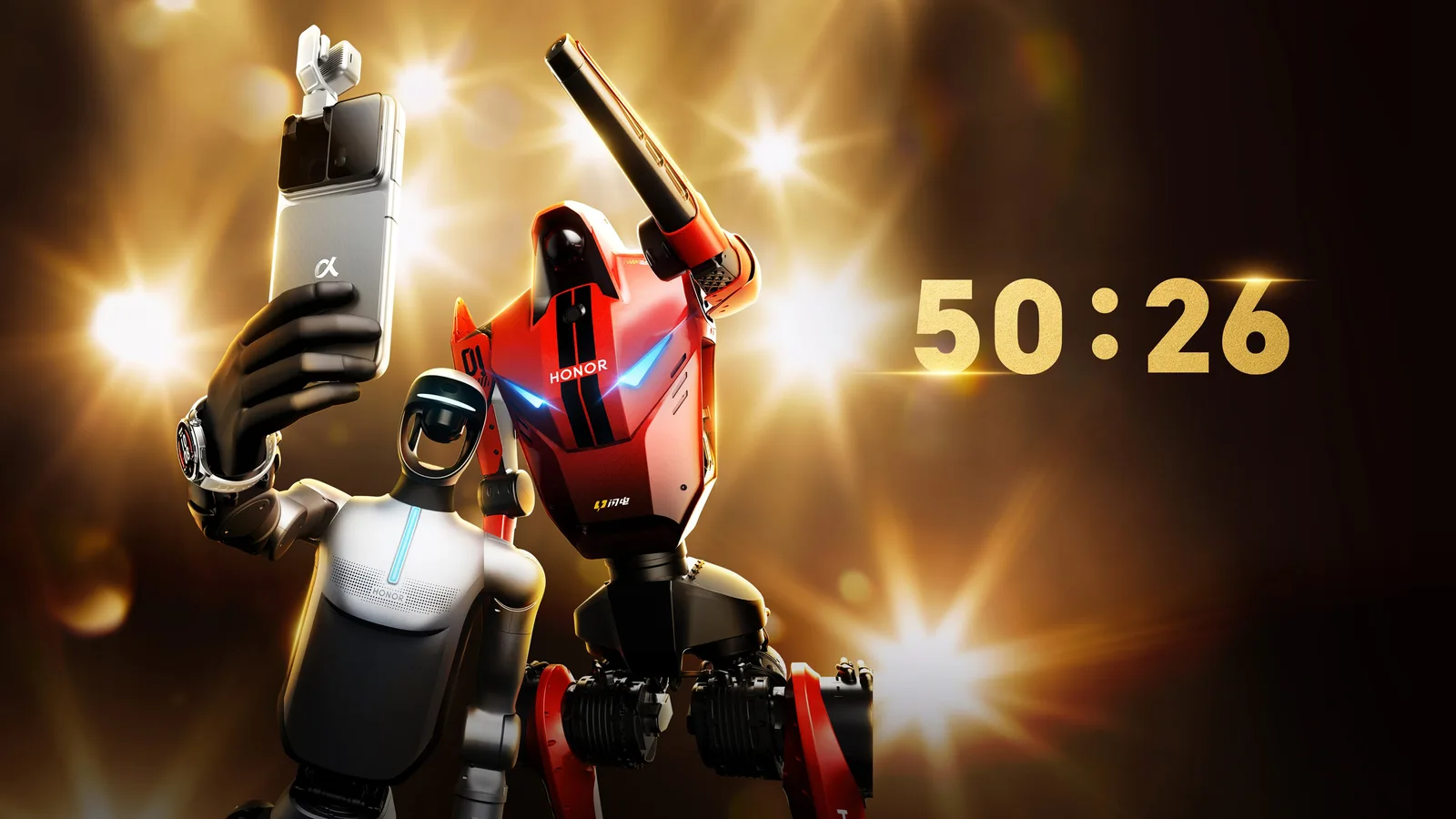
The race result backs up one part of that ambition: locomotion. AP reported that the winner from HONOR completed the 21 km course in 50:26, and WIRED noted a separate remotely controlled HONOR robot reportedly crossed in 48:19. Humanoids Daily's race roundup also framed the event as a major scale-up, with hundreds of robots tied to the broader event and a meaningful share of entrants using autonomous navigation.
But a race is still a race. It rewards speed, stability, thermal management, structural reliability, navigation on a known course, and the ability to keep moving when the public is watching. Those are hard problems. They are not the same problems a home robot faces when it has to pick up a sock, avoid a sleeping pet, hear a stop command, open a drawer, and recover from failure without turning the owner into a robotics technician.
Why doesn't a fast humanoid equal a home robot?
A fast humanoid tells us the legs are getting serious. A useful home humanoid needs a much larger stack.
The easiest mistake is to treat bipedal athletic performance as a proxy for general domestic usefulness. It is not. A half-marathon course removes many of the things that make homes hard: clutter, narrow furniture gaps, reflective floors, uneven rugs, children, pets, fragile objects, doors, cabinets, privacy settings, and conversations with half-spoken instructions.
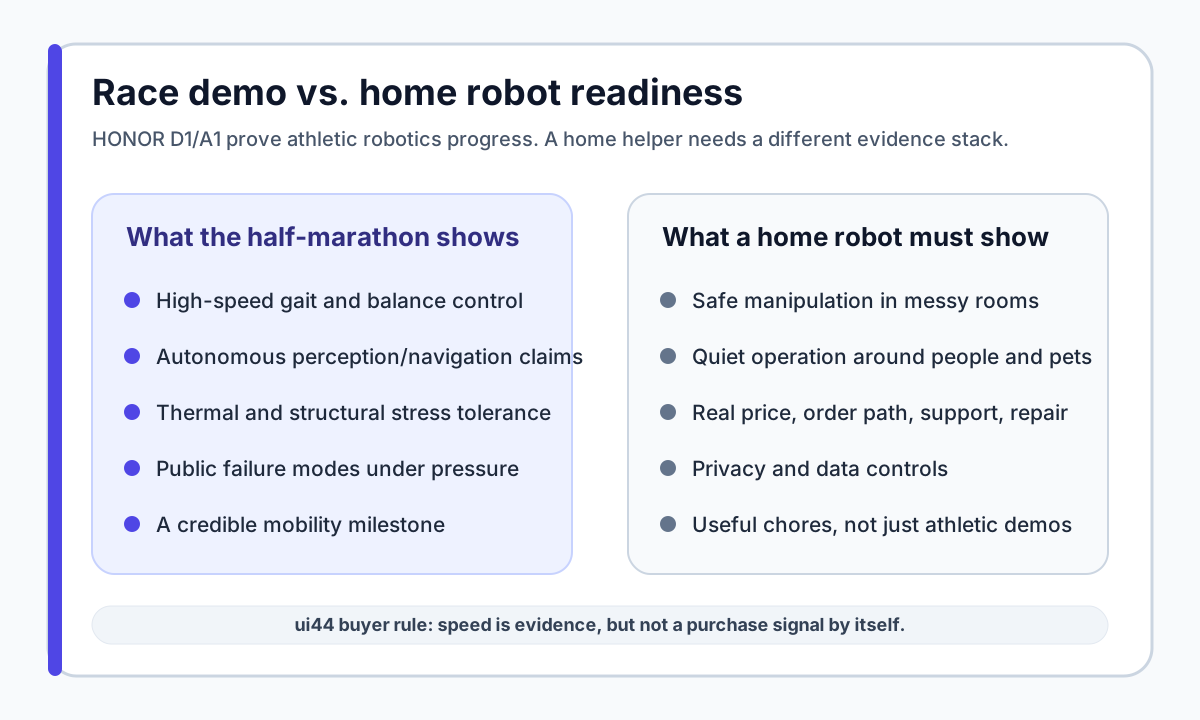
That difference shows up in the evidence we still do not have for HONOR D1 or A1. Public pages do not yet give buyers a price, household release window, battery runtime, arm payload, hand design, safety certification, warranty model, noise level, repair path, or privacy policy for home deployment. They do not show a full unedited household task like tidying a table, moving laundry, or fetching a real object from a cluttered shelf.
This is not a criticism of HONOR. It is the right standard for every humanoid company. Race evidence belongs in the mobility column. Home-readiness evidence belongs in the manipulation, safety, support, data, and price columns.
Which ui44 robots make the comparison clearer?
The useful way to read HONOR's progress is not "can it beat a human runner?" It is "what part of the home-robot stack has HONOR shown, and how does that compare with robots buyers can already evaluate?"
Here are the reference points from the ui44 database.
Robot in ui44
- Public status / price
- Pre-order, $20,000 early-adopter price
- What it proves better than a race
- A home-focused humanoid roadmap with soft 30 kg body, tactile skin, ~4 hours battery, and stated household-chore goals.
Robot in ui44
- Public status / price
- Available, $29,950 list price
- What it proves better than a race
- Real home-style mobile manipulation: 160 cm working height, 8-hour light-load runtime, self-charging, 2.5 kg extended / 4 kg retracted arm payload.
Robot in ui44
- Public status / price
- Active, no public consumer price
- What it proves better than a race
- Stronger manipulation and industrial-task evidence: 173 cm, 61 kg, ~5 hours battery, 20 kg payload, force sensors, tactile arrays, Helix VLA.
Robot in ui44
- Public status / price
- Available, from $13,500
- What it proves better than a race
- A compact developer humanoid with optional dexterous hands, ROS 2/SDK support, Wi-Fi 6, Bluetooth 5.2, and OTA upgrades.
Robot in ui44
- Public status / price
- Development, no pricing
- What it proves better than a race
- A rolling companion model: home navigation, projector, SmartThings, Gemini/Bixby, camera updates, and reminders.
Robot in ui44
- Public status / price
- Active, $1,599.99 invitation-only
- What it proves better than a race
- A constrained but real home robot use case: patrol, Visual ID, Alexa, Ring integration, and a 1080p periscope camera.
| Robot in ui44 | Public status / price | What it proves better than a race |
|---|---|---|
| 1X NEO | Pre-order, $20,000 early-adopter price | A home-focused humanoid roadmap with soft 30 kg body, tactile skin, ~4 hours battery, and stated household-chore goals. |
| Hello Robot Stretch 4 | Available, $29,950 list price | Real home-style mobile manipulation: 160 cm working height, 8-hour light-load runtime, self-charging, 2.5 kg extended / 4 kg retracted arm payload. |
| Figure 03 | Active, no public consumer price | Stronger manipulation and industrial-task evidence: 173 cm, 61 kg, ~5 hours battery, 20 kg payload, force sensors, tactile arrays, Helix VLA. |
| Unitree G1 | Available, from $13,500 | A compact developer humanoid with optional dexterous hands, ROS 2/SDK support, Wi-Fi 6, Bluetooth 5.2, and OTA upgrades. |
| Samsung Ballie | Development, no pricing | A rolling companion model: home navigation, projector, SmartThings, Gemini/Bixby, camera updates, and reminders. |
| Amazon Astro | Active, $1,599.99 invitation-only | A constrained but real home robot use case: patrol, Visual ID, Alexa, Ring integration, and a 1080p periscope camera. |

This comparison is why the HONOR story is exciting but not yet purchase-ready. NEO is expensive and early, but it is at least explicitly framed around home chores and safe human coexistence. Stretch 4 is not a mass-market consumer appliance, but it is available and built for real indoor manipulation. Astro and Ballie are much less physically capable, but they show how constrained home robots can still be useful when the use case is narrow: monitoring, reminders, smart-home control, projection, or companionship.
HONOR's D1 and A1 currently sit in a different category: athletic embodied-AI signals from a major consumer hardware company. That is valuable. It just does not answer the buyer's practical questions yet.
What would make an HONOR humanoid credible for homes?
For HONOR to move from "race-winning robotics signal" to "home robot to watch closely," five public proofs would matter.
1. A real household task demo. Not a stage dance, not a running clip, and not a single scripted handoff. Show D1 or A1 navigating a normal room, finding an object, manipulating it safely, and recovering when the first attempt fails.
2. Manipulation specs. Buyers need to know hand degrees of freedom, payload, grip force limits, tactile sensing, reach, tool compatibility, and whether the robot can handle soft or fragile objects. A humanoid with great legs and weak hands is not a home helper.
3. Safety behavior around people. HONOR's event page uses language around sturdy, stable, safe motion and human-robot harmony. For a home robot, that has to become concrete: speed limits indoors, emergency stop behavior, fall recovery, child/pet avoidance, and what happens when the robot is confused.
4. Data and voice boundaries. HONOR already sells phones, tablets, PCs, and connected devices. That ecosystem could make a robot smarter from the first interaction, as HONOR suggests. It also raises the normal home-robot privacy questions: what cameras and microphones record, what leaves the house, how long logs are retained, and whether remote support can see or control the robot.
5. Price, service, and support. A home robot is not just hardware. It is updates, batteries, calibration, parts, repairs, insurance questions, and the ability to keep working after a software change. Until HONOR gives buyers that model, D1 and A1 are technology signals rather than products.
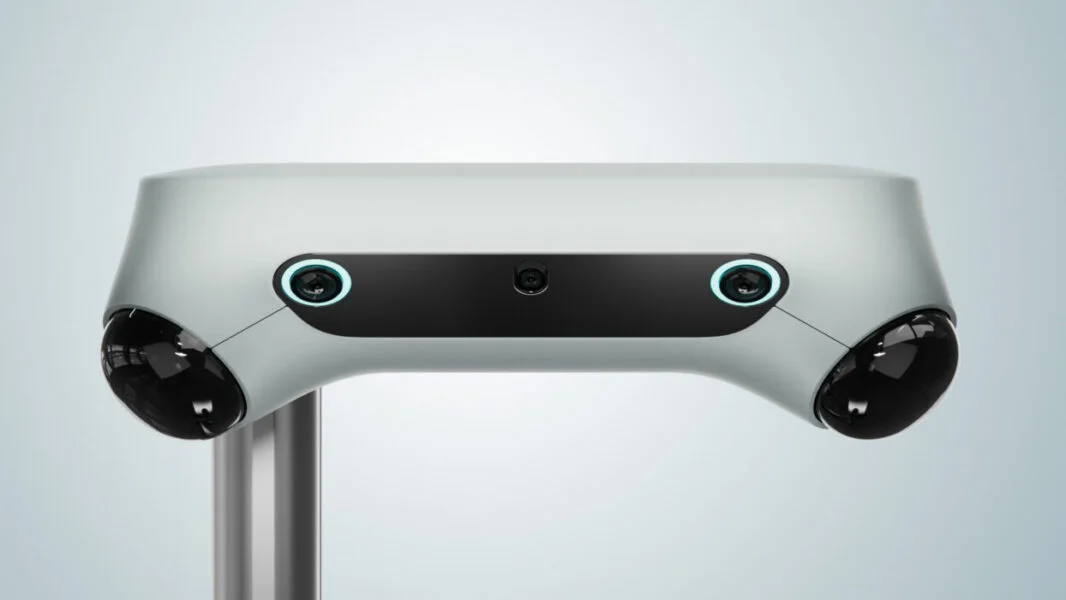
Stretch 4 is useful as a reality check here. It is slower and less spectacular than a racing biped, but it is built around the boring things homes actually need: reach, perception, self-charging, manipulation, indoor navigation, and a software stack researchers can inspect. That is the kind of evidence HONOR will need if it wants its humanoid story to become more than athletic branding.
Should buyers wait for HONOR or buy something else?
For most buyers, there is nothing to buy from HONOR yet. That makes the advice simple: watch HONOR, but compare actual needs against products with clearer availability.
If you want home monitoring and smart-home presence, Amazon Astro is the grounded reference because it has a real price, a known patrol/assistant use case, Visual ID, Ring integration, and Alexa. It is limited, but limited can be useful.
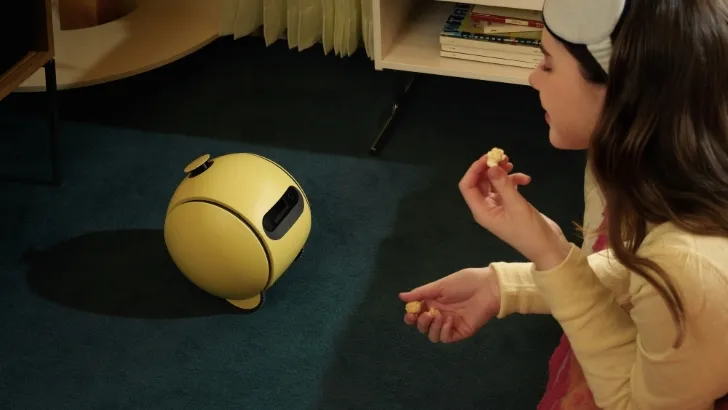
If you want a companion-style home AI, Samsung Ballie is the more relevant comparison than a race humanoid. Ballie is still delayed and unpriced, but its public feature set points toward projection, reminders, SmartThings, camera updates, and multimodal AI inside a home.
If you want physical household help, the realistic options are still early, expensive, or research-oriented. 1X NEO is the clearest home-humanoid preorder signal, while Hello Robot Stretch 4 is a more mature mobile-manipulator path for research, enterprise, and assistive pilot deployments. Unitree G1 is compelling if you are a developer, not someone who wants a turnkey home helper.
HONOR's advantage could eventually be ecosystem integration. A company that understands phones, cameras, voice, batteries, displays, and consumer support could make embodied AI feel less alien in the home. But that advantage only matters if the robot can do useful physical work safely and repeatedly.
What is the bottom line?
HONOR's humanoid race result is worth taking seriously. It shows that a major consumer electronics company can build or field humanoid hardware with credible high-speed mobility, public awards, autonomous-navigation claims, and a broader embodied-AI strategy.
It does not show that HONOR has a home robot ready for buyers.
The honest interpretation is balanced: D1 and A1 make HONOR more important in the home-robot conversation, especially because the company is already thinking about supportive companionship and ecosystem continuity. But the next proof needs to be quieter and more domestic. Show the robot working in a messy room. Show the hands. Show the safety model. Show the price. Show the service plan. Show what happens when it fails.
A robot that can run 21 km is impressive. A robot that can calmly help at home without creating new work for the owner is the harder product.
Frequently Asked Questions
Is the HONOR humanoid robot available to buy?
Not from the public sources checked for this article. HONOR has official pages
for Robotics D1 and A1, but they do not list consumer pricing, order timing, or
a household product package.
Did HONOR's humanoid really beat the human half-marathon record?
AP and WIRED reported that an HONOR-developed robot completed the 21 km Beijing
E-Town humanoid half-marathon in 50 minutes and 26 seconds, faster than the
men's human half-marathon world record of 57:20. That proves high-speed mobility
under event conditions, not full home readiness.
What are HONOR Robotics D1 and A1?
HONOR's official global event page names D1 and A1 as humanoid robots from the
2026 Humanoid Robot Half-Marathon. It says D1 won Best Design and A1 won Best
Gait, and describes capabilities around autonomous perception, navigation,
high-speed motion, tough-terrain traversal, spatial intelligence, voice
interaction, and agile human-robot interaction.
Which robot is closest to a real home helper today?
It depends on the job. For patrol and assistant functions, Amazon Astro is the
most concrete consumer reference. For a home-focused humanoid roadmap, 1X NEO is
the obvious preorder comparison. For manipulation research and assistive pilot
deployments, Hello Robot Stretch 4 is more practical than a race humanoid.
What should HONOR show next?
The most useful next demo would be an unedited household task: navigate a normal
room, understand a spoken instruction, pick up a non-staged object, handle a
minor failure, and explain what data is processed locally or remotely.
Sources & References
Related in the database
Use this article as a privacy verification workflow
Turn the article into a privacy verification pass grounded in the robots, manufacturers, and components it actually references.
HONOR Humanoid Robot: Race Winner or Home Helper? already points you toward 6 linked robots, 6 manufacturers, and 4 countries inside the ui44 database. That matters because strong buyer guidance is easier to apply when you can move immediately from a claim or warning into concrete product pages, manufacturer directories, component explainers, and country-level context instead of treating the article as an isolated opinion piece. The fastest next step is to turn the article into a shortlist workflow: open the linked robot pages, verify which specs are actually published for those models, then compare the surrounding manufacturer and component context before you decide whether the underlying claim changes your buying plan.
For this topic, the useful discipline is to separate the editorial lesson from the catalog evidence. The article gives you the framing, but the robot pages tell you what each product actually ships with today: sensor stack, connectivity methods, listed price, release timing, category, and support-relevant compatibility notes. The manufacturer pages then show whether you are looking at a one-off launch, a broader lineup pattern, or a company that spans multiple categories. That layered workflow reduces the risk of buying on a single marketing phrase or a single support FAQ.
Use the robot pages to confirm which products actually expose cameras, microphones, Wi-Fi, or voice systems, then use the manufacturer pages to decide how much of the privacy question seems product-specific versus brand-wide. On this route cluster, NEO, Ballie, and Astro form the fastest reality check. If you want a quick working shortlist, open Compare NEO, Ballie, and Astro next, then keep this article open as the reasoning layer while you compare structured data side by side.
Practical Takeaway
Every robot, manufacturer, category, component, and country reference below resolves to a real ui44 page, keeping the follow-up path grounded in database records rather than generic advice.
Suggested next steps in ui44
- Open NEO and note the listed sensors, connectivity methods, and voice stack before you interpret any policy claim.
- Cross-check the wider brand context on 1X Technologies so you can see whether the privacy question touches one model or a broader lineup.
- Use the linked component pages to confirm how common the relevant sensors and connectivity layers are across the database.
- Keep a short note of which policy layers you checked, which device features are actually present on the robot page, and which items still depend on region- or app-level confirmation.
- Finish with Compare NEO, Ballie, and Astro so the policy reading sits next to structured product data.
Robot profiles worth opening next
Use the linked product pages as the evidence layer
The linked robot pages are where this article becomes operational. Instead of asking whether the headline is interesting, use the robot entries to inspect the actual mix of sensors, connectivity options, batteries, pricing, release timing, and stated capabilities attached to the products mentioned in the article. That is the easiest way to see whether the warning or opportunity described here affects one product family, a specific design pattern, or an entire buying lane.
NEO
1X Technologies · Humanoid · Pre-order
NEO is tracked on ui44 as a pre-order humanoid robot from 1X Technologies. The database currently records a listed price of $20,000, a release date of 2025-10-28, ~4 hours battery life, Not disclosed charging time, and a published stack that includes RGB Cameras, Depth Sensors, and Tactile Skin plus Wi-Fi and Bluetooth.
For privacy-focused reading, this page matters because it shows the concrete device surface behind the policy discussion. Use it to verify whether NEO combines sensors and connectivity in a way that could change the in-home data footprint, and compare the listed capabilities such as Household Chores, Tidying Up, and Safe Human Interaction with any cloud, app, or voice layers.
Ballie is tracked on ui44 as a development companions robot from Samsung. The database currently records a listed price of Price TBA, a release date of TBD, Not officially disclosed battery life, Not officially disclosed charging time, and a published stack that includes Camera, Spatial Sensors, and Environmental Sensors plus Wi-Fi and SmartThings.
For privacy-focused reading, this page matters because it shows the concrete device surface behind the policy discussion. Use it to verify whether Ballie combines sensors and connectivity in a way that could change the in-home data footprint, and compare the listed capabilities such as Autonomous Home Navigation, Built-in Projector (Wall & Floor), and Smart Home Control via SmartThings with any cloud, app, or voice layers, including Bixby.
Astro is tracked on ui44 as a active security & patrol robot from Amazon. The database currently records a listed price of $1,599, a release date of 2021, Not officially disclosed battery life, Not officially disclosed charging time, and a published stack that includes 5MP Bezel Camera, 1080p Periscope Camera (132° FOV), and Infrared Vision plus Wi-Fi 802.11ac and Bluetooth.
For privacy-focused reading, this page matters because it shows the concrete device surface behind the policy discussion. Use it to verify whether Astro combines sensors and connectivity in a way that could change the in-home data footprint, and compare the listed capabilities such as Autonomous Home Patrol, Visual ID (face recognition), and Remote Home Monitoring with any cloud, app, or voice layers, including Amazon Alexa.
Stretch 4
Hello Robot · Home Assistants · Available
Stretch 4 is tracked on ui44 as a available home assistants robot from Hello Robot. The database currently records a listed price of $29,950, a release date of 2026-05-12, 8 hours (light CPU load) battery life, Not officially disclosed charging time, and a published stack that includes Wide-FOV depth sensing, High-resolution RGB cameras, and Calibrated RGB + depth perception plus its listed connectivity stack.
For privacy-focused reading, this page matters because it shows the concrete device surface behind the policy discussion. Use it to verify whether Stretch 4 combines sensors and connectivity in a way that could change the in-home data footprint, and compare the listed capabilities such as Mobile Manipulation, Omnidirectional Indoor Mobility, and Autonomous Mapping and Navigation with any cloud, app, or voice layers.
Figure 03 is tracked on ui44 as a active humanoid robot from Figure AI. The database currently records a listed price of Price TBA, a release date of 2025-10-09, ~5 hours battery life, Not disclosed charging time, and a published stack that includes Stereo Vision, Depth Cameras, and Force Sensors plus Wi-Fi and Bluetooth.
For privacy-focused reading, this page matters because it shows the concrete device surface behind the policy discussion. Use it to verify whether Figure 03 combines sensors and connectivity in a way that could change the in-home data footprint, and compare the listed capabilities such as Complex Manipulation, Warehouse Work, and Manufacturing Tasks with any cloud, app, or voice layers.
Manufacturer context behind the article
Check whether this is one product story or a broader company pattern
Manufacturer pages add the privacy context that individual product pages cannot show on their own. They help you check whether cameras, microphones, cloud accounts, app controls, and policy assumptions appear across a broader lineup or stay tied to one specific product story.
1X Technologies
ui44 currently tracks 2 robots from 1X Technologies across 1 category. The company is grouped under Norway, and the current catalog footprint on ui44 includes NEO, EVE.
That wider brand context matters because privacy questions rarely stop at one FAQ page. A manufacturer route helps you see whether the article is centered on one premium model or on a company that has several relevant products and therefore more than one place where the same policy or app assumptions might matter. The category mix here currently points toward Humanoid as the most useful next route if you want to see whether this article reflects a wider pattern inside the brand.
Samsung
ui44 currently tracks 2 robots from Samsung across 2 categorys. The company is grouped under South Korea, and the current catalog footprint on ui44 includes Ballie, Bespoke AI Jet Bot Steam Ultra.
That wider brand context matters because privacy questions rarely stop at one FAQ page. A manufacturer route helps you see whether the article is centered on one premium model or on a company that has several relevant products and therefore more than one place where the same policy or app assumptions might matter. The category mix here currently points toward Companions, Cleaning as the most useful next route if you want to see whether this article reflects a wider pattern inside the brand.
Amazon
ui44 currently tracks 1 robot from Amazon across 1 category. The company is grouped under USA, and the current catalog footprint on ui44 includes Astro.
That wider brand context matters because privacy questions rarely stop at one FAQ page. A manufacturer route helps you see whether the article is centered on one premium model or on a company that has several relevant products and therefore more than one place where the same policy or app assumptions might matter. The category mix here currently points toward Security & Patrol as the most useful next route if you want to see whether this article reflects a wider pattern inside the brand.
Hello Robot
ui44 currently tracks 2 robots from Hello Robot across 1 category. The company is grouped under USA, and the current catalog footprint on ui44 includes Stretch 3, Stretch 4.
That wider brand context matters because privacy questions rarely stop at one FAQ page. A manufacturer route helps you see whether the article is centered on one premium model or on a company that has several relevant products and therefore more than one place where the same policy or app assumptions might matter. The category mix here currently points toward Home Assistants as the most useful next route if you want to see whether this article reflects a wider pattern inside the brand.
Broaden the scan without leaving the database
Categories, components, and countries add the wider context
Category framing
Category pages are useful when the article touches a buying pattern that shows up across brands. A category route helps you confirm whether the linked products sit in a narrow niche or whether the same question should be tested across a larger field of alternatives.
Humanoid
The Humanoid category page currently groups 129 tracked robots from 92 manufacturers. ui44 describes this lane as: Full-size bipedal humanoid robots built to work alongside people — from factory floors to household tasks. Compare the cutting edge of humanoid robotics.
That makes the category route a practical follow-up when you want to check whether the products linked in this article are typical for the lane or whether they sit at one edge of the market. Useful starting examples currently include NEO, EVE, Mornine M1.
Companions
The Companions category page currently groups 53 tracked robots from 48 manufacturers. ui44 describes this lane as: Social robots, robot pets, and elderly-care companions designed for emotional connection and everyday support at home.
That makes the category route a practical follow-up when you want to check whether the products linked in this article are typical for the lane or whether they sit at one edge of the market. Useful starting examples currently include PARO, Abi, Next-Generation Companion Robot.
Country and ecosystem context
Country pages give extra context when support practices, launch sequencing, regulatory posture, or manufacturer mix matter. They are not a substitute for model-level verification, but they do help you see which ecosystems cluster together and which manufacturers sit in the same regional field when you broaden the search beyond the article headline.
Norway
The Norway route currently groups 2 tracked robots from 1 manufacturers in ui44. That gives you a useful regional lens when the article points toward support practices, launch sequencing, or brand clusters that may share similar ecosystem assumptions.
On the current route, manufacturers like 1X Technologies make the page a good way to broaden the scan without losing the regional context that often shapes availability, documentation style, and adjacent alternatives.
South Korea
The South Korea route currently groups 9 tracked robots from 7 manufacturers in ui44. That gives you a useful regional lens when the article points toward support practices, launch sequencing, or brand clusters that may share similar ecosystem assumptions.
On the current route, manufacturers like ROBOTIS, Samsung, GenON make the page a good way to broaden the scan without losing the regional context that often shapes availability, documentation style, and adjacent alternatives.
USA
The USA route currently groups 89 tracked robots from 69 manufacturers in ui44. That gives you a useful regional lens when the article points toward support practices, launch sequencing, or brand clusters that may share similar ecosystem assumptions.
On the current route, manufacturers like Faraday Future, iRobot, Boston Dynamics make the page a good way to broaden the scan without losing the regional context that often shapes availability, documentation style, and adjacent alternatives.
Questions to answer before you move from reading to buying
A follow-up FAQ built from the entities already linked in this article
Frequently Asked Questions
Which page should I open first after reading “HONOR Humanoid Robot: Race Winner or Home Helper?”?
Start with NEO. That gives you a concrete product anchor for the article’s main claim. From there, branch into the manufacturer and component pages so you can tell whether the article is describing one specific model, a repeated brand pattern, or a wider technology issue that affects multiple shortlist options.
How do the manufacturer pages change the buying decision?
1X Technologies help you zoom out from one article and one product. On ui44 they show lineup breadth, category spread, and the neighboring robots tied to the same company. That context is useful when you are deciding whether a risk belongs to a single model, whether it shows up across a brand’s portfolio, and whether you should keep looking at alternatives before committing.
When should I switch from reading to side-by-side comparison?
Move into Compare NEO, Ballie, and Astro as soon as you understand the article’s main warning or promise. The article explains what to watch for, but the compare view is where you can check whether price, status, battery life, connectivity, sensors, and category fit still make the robot a good match for your own home and budget.
Where to go next in ui44
Keep the research chain inside the database
If you want to keep going, these follow-on pages give you the cleanest expansion path from article to research session. Open the comparison route first if you are deciding between products today. Open the manufacturer, category, and component routes if you still need to understand the broader pattern behind the claim.
Written by
ui44 Team
Published May 17, 2026
Share this article
Open a plain share link on X or Bluesky. No embeds, no widgets, no cookie baggage.