A robot vacuum can be scheduled for noon. A lawn robot can run outside. A home humanoid is different. If it is meant to fetch objects, tidy rooms, respond to voice, patrol at night, or assist an older adult, it may be moving near people for hours. That makes sound less like a comfort detail and more like a home-readiness filter.

The reason this topic matters now is simple: 1X NEO is one of the first consumer-facing humanoids to make quiet operation part of the product story. 1X says NEO operates at a noise level quieter than a modern refrigerator. Heise, covering 1X's Hayward production ramp, reported an operating-noise claim of about 22 dB, explicitly noting that it was not dB(A).
That sounds impressive. It also raises the right buyer question: what would a useful, honest home-robot noise spec actually include?
How quiet does a home robot need to be?
There is no single magic number. The right threshold depends on the task, room, time of day, surface, and distance from people. A robot moving a cup at 11 p.m. should be judged differently from a robot vacuum running a turbo cleaning pass at 2 p.m.
A practical buyer framework looks like this:
Home context
Sleeping, nursery, night patrol
- Useful target
- Very quiet movement and alerts
- What to ask
- Can it move without waking people, pets, or a baby?
Home context
Remote work, calls, reading
- Useful target
- Background-friendly operation
- What to ask
- Can it work in the same room without dominating attention?
Home context
Active chores
- Useful target
- Appliance-level noise may be acceptable
- What to ask
- Can the loud parts be scheduled, paused, or moved to another room?
Home context
Error recovery
- Useful target
- Short sounds matter too
- What to ask
- Does it beep, grind, scrape, or call for help repeatedly?
| Home context | Useful target | What to ask |
|---|---|---|
| Sleeping, nursery, night patrol | Very quiet movement and alerts | Can it move without waking people, pets, or a baby? |
| Remote work, calls, reading | Background-friendly operation | Can it work in the same room without dominating attention? |
| Active chores | Appliance-level noise may be acceptable | Can the loud parts be scheduled, paused, or moved to another room? |
| Error recovery | Short sounds matter too | Does it beep, grind, scrape, or call for help repeatedly? |
That last row is easy to miss. A robot can advertise a low steady-state number and still be annoying if it makes sharp motor corrections, drags furniture, slams into thresholds, announces errors loudly, or spins fans up during heavy compute. For homes, the sound profile matters more than a single best-case number.
This is also why dB wording matters. The decibel scale is logarithmic, so small numerical changes can feel larger than they look. dB(A) is weighted to approximate human hearing sensitivity; a plain dB claim may not be comparable. Distance, height, room acoustics, floor type, payload, speed, and microphone placement all change the result. NIOSH uses 85 dBA averaged over an eight-hour workday as an occupational exposure limit, but home comfort is a much stricter problem than hearing safety.
What makes the 1X NEO quiet claim unusual?
Most humanoid marketing leads with hands, gait, AI models, or factory videos. 1X's quiet claim is unusual because it treats the home as an acoustic space, not just a demo stage.
In the ui44 database, NEO is listed as a $20,000 home-focused humanoid in pre-order status, with a 167 cm body, 30 kg weight, roughly 4 hours of battery life, RGB/depth sensing, tactile skin, microphone array, Wi-Fi, Bluetooth, and household-chore ambitions. The official NEO page emphasizes a soft body, tendon-driven actuators, gentle interaction, and quiet operation. Heise connects the reported 22 dB figure to 1X's in-house Tendo Drives, the company's tendon-driven actuator design.
That combination matters. Noise is not isolated from safety. A light robot with soft coverings, compliant actuation, and lower mechanical noise has a better shot at feeling normal around people than a heavier machine that sounds industrial whenever it bends down.
But buyers should not overread one claim. Before treating NEO as a proven quiet home robot, the missing details are important:
- Was the number measured while standing, walking, reaching, carrying, or doing a chore?
- At what distance and height was the microphone placed?
- Was it measured in dB, dB(A), or another weighting?
- Was the robot on carpet, hard floor, tile, or an acoustic test surface?
- Did the test include fan noise, speech output, remote-assistance sessions, and error recovery?
- Is there a separate maximum noise figure for heavy manipulation or fast motion?
A quiet claim is a good sign. A published test protocol would be much better.
The bigger problem: most humanoids do not publish noise at all
The more revealing comparison is not NEO versus a refrigerator. It is NEO versus every other humanoid that wants to be taken seriously around people.
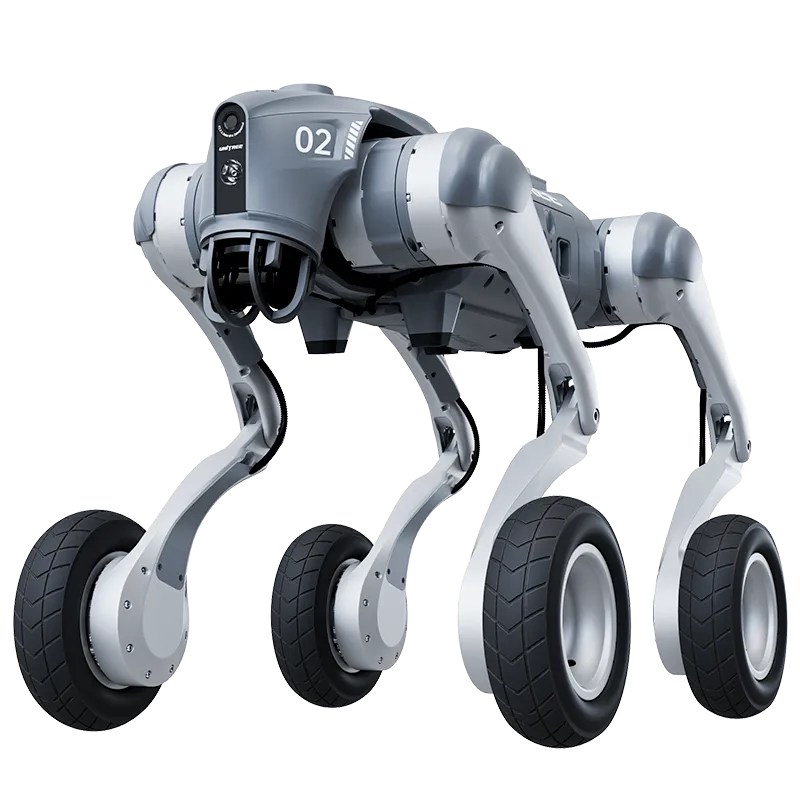
Unitree G1 is one of the most concrete humanoids ordinary buyers can actually evaluate. ui44 lists it as Available, starting at $13,500, with a 132 cm body, about 35 kg weight, roughly 2 hours of battery life, 23 degrees of freedom on the base model, optional EDU configurations, Wi-Fi 6, Bluetooth 5.2, a depth camera, 3D LiDAR, and a four-mic array. Unitree's official page also includes a blunt caution that users should keep a sufficient safe distance from the robot and understand humanoid limits before purchase.
What the public spec set does not give buyers is a comparable home-noise number. That does not make G1 a bad robot. It does mean a buyer cannot confidently answer basic lifestyle questions: can it move during a video call, in an apartment at night, near a nervous dog, or around someone who is sensitive to mechanical noise?
The same pattern appears across better-known humanoid names. Figure 03 is active but not consumer-priced; ui44 tracks it at 173 cm, 61 kg, about 5 hours of battery life, a 20 kg payload, and factory/residential service infrastructure signals from Figure's production updates. Tesla Optimus Gen 2 remains in development with a stated target around $30,000, a 173 cm, 57 kg body, and no official consumer availability. Apptronik Apollo and Agility Digit are enterprise-first humanoids with service, warehouse, manufacturing, and logistics positioning.
For all of them, noise is still either absent, hard to compare, or not central to the public spec sheet.
That gap is acceptable for a factory pilot. It is not acceptable for a robot that claims it will share a home.
Existing home robots show what disclosure should look like
Cleaning and lawn robots are not perfect analogies for humanoids, but they show something useful: when noise affects real owners, mature categories eventually publish numbers or modes.
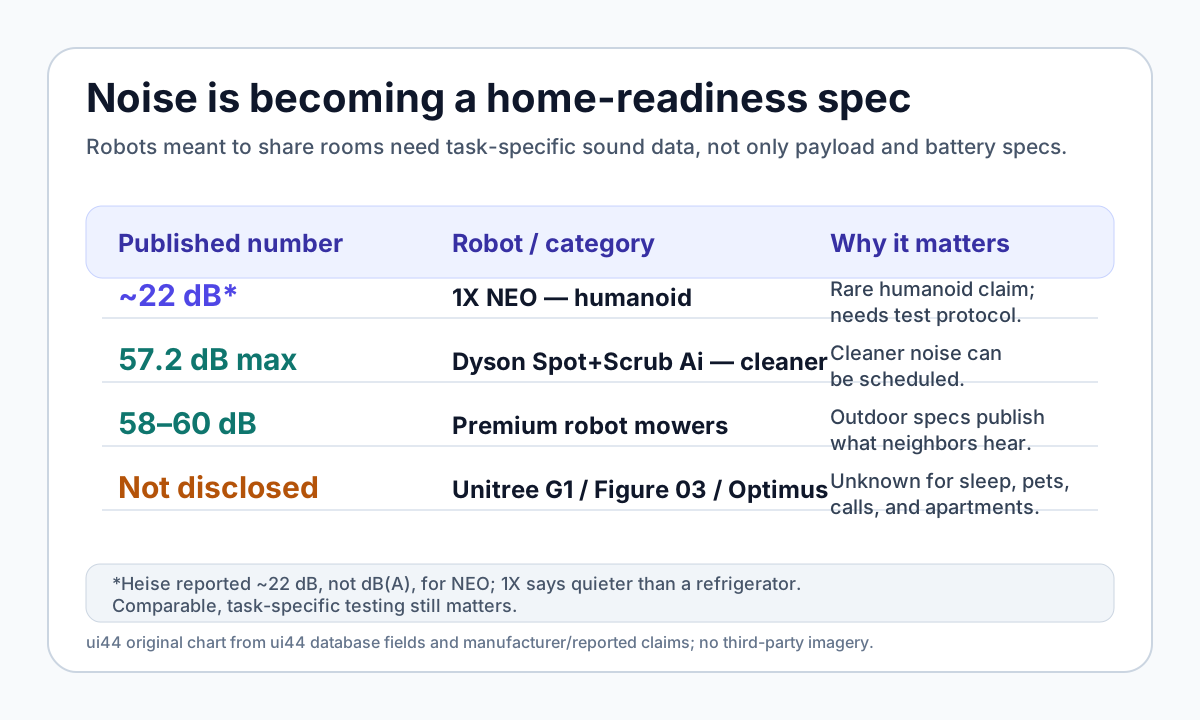
ui44 tracks Dyson Spot+Scrub Ai with 57.2 dB max quiet-operation language alongside its 18,000 Pa suction, AI stain detection, wet roller mop, and $1,199.99 price. Husqvarna Automower 450X NERA is tracked at 58 dB while handling large lawns, radar obstacle avoidance, optional EPOS wire-free navigation, and €4,999 reference pricing. Sunseeker S4 publishes ≤60 dB(A) on its official page while using LiDAR plus AI vision for wire-free mapping. Mammotion LUBA 2 AWD 5000 is described in ui44 as sub-60 dB while using RTK plus AI vision and all-wheel drive mowing.
Those are mostly appliance-like numbers. They do not mean those robots are silent. They mean buyers can set expectations. A 58 dB mower outside is different from a 58 dB humanoid walking through a nursery. A robot vacuum can be loud while cleaning because it is doing a loud task: suction, brushrolls, water pumps, mop scrubbing, and dock emptying. A humanoid fetching a glass should not sound like a vacuum.
The more subtle example is Narwal Flow 2. ui44 tracks it with a baby mode that can switch to ultra-quiet operation near cribs, plus toy recognition and pet-oriented behavior. Even without a published full sound table, that mode points in the right direction: quietness should be contextual. A robot should know when noise matters.
What a real home-humanoid noise spec should include
A useful home-humanoid spec sheet should not stop at one headline number. It should separate the robot's sound into operating states.
At minimum, buyers should ask for:
- Idle / standby noise. Does the robot have fan or coil noise while it is simply awake?
- Walking noise. How loud is slow indoor movement on hard floor, carpet, and thresholds?
- Arm movement noise. What happens while reaching into a shelf, lifting a cup, or closing a cabinet?
- Carrying-load noise. Does actuator noise increase when the robot carries 1 kg, 5 kg, or a near-limit payload?
- Fan and compute noise. Does vision-language-action inference, mapping, or remote-assistance video processing spin up audible cooling?
- Speech and alert volume. Can the robot whisper, use haptics/app alerts, or obey quiet hours?
- Error and recovery noise. Are failed grasps, stuck motions, and docking attempts sharp, repetitive, or manually adjustable?
- Maximum event noise. What is the loudest normal sound: a footstep, servo correction, gripper slip, fall arrest, dock contact, or emergency stop?
This is the same buyer logic ui44 already applies to payload, runtime, privacy, repair, and autonomy. A single top-line spec is not enough when the task changes the risk. A robot that is quiet while standing may be noisy when carrying a full laundry basket. A robot that is quiet on carpet may clack on tile. A robot that moves silently may still wake everyone with voice confirmations.
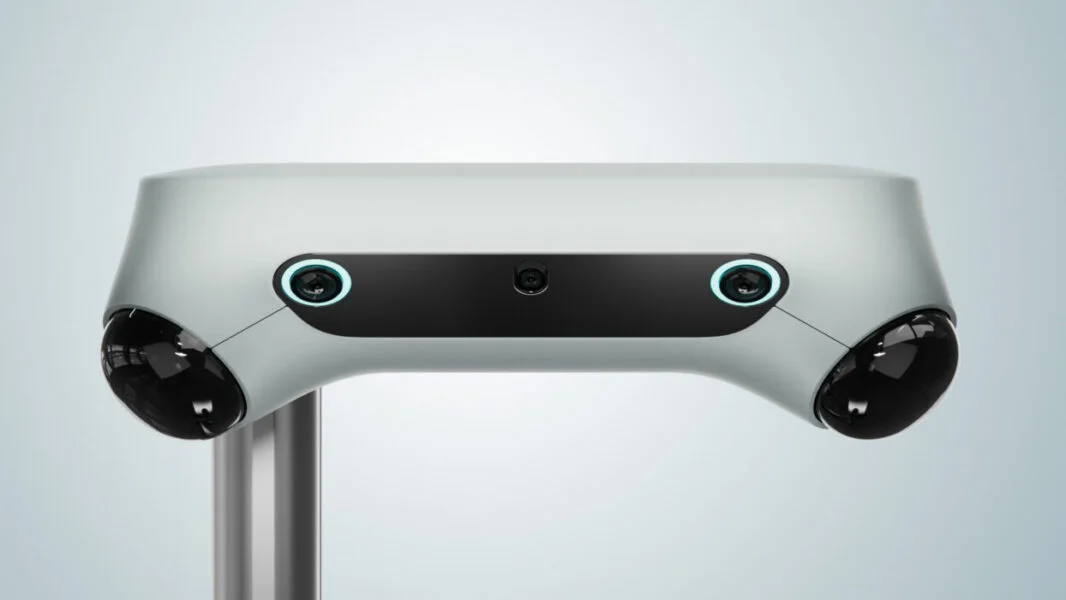
This is also where form factor matters. Hello Robot Stretch 4 is not a humanoid, but it is a useful comparison point because it is a real, available home/workplace mobile manipulator at $29,950, with an 8-hour light-load runtime, 160 cm working height, 45 cm footprint, self-charging, and a 2.5 kg extended / 4 kg retracted payload. A wheeled mobile manipulator may avoid footfall noise entirely, but it still needs motor, wheel, fan, and alert data if it will work around people.
The lesson is not that wheels are automatically quiet or legs are automatically loud. The lesson is that home robotics needs measurement by task.
The buyer checklist: quiet enough for which room?
What ui44 should track next
Noise should become a first-class field for home robots, but only if the data is honest. A future ui44 comparison should separate:
- disclosed noise number;
- dB or dB(A);
- measurement distance;
- tested task;
- floor or surface;
- quiet mode availability;
- max alert volume;
- dock noise;
- whether the claim is manufacturer-tested, independently tested, or reported by third-party coverage.
Until then, the absence of a noise number is itself a signal. A home robot that publishes price, height, payload, battery life, sensors, and AI stack but not sound has left out a spec that directly affects whether people can live with it.
The best reading of 1X NEO's quiet positioning is not "problem solved." It is "the right question is finally on the spec sheet." For home humanoids, that is a real step forward. Now the category needs comparable, task-specific proof.
If you are comparing robots today, use the ui44 compare tool to look at the basics first: status, price, height, weight, runtime, payload, sensors, and use case. Then add one more question that most spec sheets still dodge:
Can this robot do useful work in your home without making the home worse to live in?
Related in the database
Use this article as a privacy verification workflow
Turn the article into a privacy verification pass grounded in the robots, manufacturers, and components it actually references.
Home Robot Noise Specs: What Quiet Really Means already points you toward 12 linked robots, 12 manufacturers, and 5 countries inside the ui44 database. That matters because strong buyer guidance is easier to apply when you can move immediately from a claim or warning into concrete product pages, manufacturer directories, component explainers, and country-level context instead of treating the article as an isolated opinion piece. The fastest next step is to turn the article into a shortlist workflow: open the linked robot pages, verify which specs are actually published for those models, then compare the surrounding manufacturer and component context before you decide whether the underlying claim changes your buying plan.
For this topic, the useful discipline is to separate the editorial lesson from the catalog evidence. The article gives you the framing, but the robot pages tell you what each product actually ships with today: sensor stack, connectivity methods, listed price, release timing, category, and support-relevant compatibility notes. The manufacturer pages then show whether you are looking at a one-off launch, a broader lineup pattern, or a company that spans multiple categories. That layered workflow reduces the risk of buying on a single marketing phrase or a single support FAQ.
Use the robot pages to confirm which products actually expose cameras, microphones, Wi-Fi, or voice systems, then use the manufacturer pages to decide how much of the privacy question seems product-specific versus brand-wide. On this route cluster, NEO, G1, and Figure 03 form the fastest reality check. If you want a quick working shortlist, open Compare NEO, G1, and Figure 03 next, then keep this article open as the reasoning layer while you compare structured data side by side.
Practical Takeaway
Every robot, manufacturer, category, component, and country reference below resolves to a real ui44 page, keeping the follow-up path grounded in database records rather than generic advice.
Suggested next steps in ui44
- Open NEO and note the listed sensors, connectivity methods, and voice stack before you interpret any policy claim.
- Cross-check the wider brand context on 1X Technologies so you can see whether the privacy question touches one model or a broader lineup.
- Use the linked component pages to confirm how common the relevant sensors and connectivity layers are across the database.
- Keep a short note of which policy layers you checked, which device features are actually present on the robot page, and which items still depend on region- or app-level confirmation.
- Finish with Compare NEO, G1, and Figure 03 so the policy reading sits next to structured product data.
Robot profiles worth opening next
Use the linked product pages as the evidence layer
The linked robot pages are where this article becomes operational. Instead of asking whether the headline is interesting, use the robot entries to inspect the actual mix of sensors, connectivity options, batteries, pricing, release timing, and stated capabilities attached to the products mentioned in the article. That is the easiest way to see whether the warning or opportunity described here affects one product family, a specific design pattern, or an entire buying lane.
NEO
1X Technologies · Humanoid · Pre-order
NEO is tracked on ui44 as a pre-order humanoid robot from 1X Technologies. The database currently records a listed price of $20,000, a release date of 2025-10-28, ~4 hours battery life, Not disclosed charging time, and a published stack that includes RGB Cameras, Depth Sensors, and Tactile Skin plus Wi-Fi and Bluetooth.
For privacy-focused reading, this page matters because it shows the concrete device surface behind the policy discussion. Use it to verify whether NEO combines sensors and connectivity in a way that could change the in-home data footprint, and compare the listed capabilities such as Household Chores, Tidying Up, and Safe Human Interaction with any cloud, app, or voice layers.
G1 is tracked on ui44 as a available humanoid robot from Unitree. The database currently records a listed price of $13,500, a release date of 2024-05-13, ~2 hours battery life, Not disclosed charging time, and a published stack that includes Depth Camera, 3D LiDAR, and 4 Microphone Array plus Wi-Fi 6 and Bluetooth 5.2.
For privacy-focused reading, this page matters because it shows the concrete device surface behind the policy discussion. Use it to verify whether G1 combines sensors and connectivity in a way that could change the in-home data footprint, and compare the listed capabilities such as Bipedal Walking, Object Manipulation, and Dexterous Hands (optional Dex3-1) with any cloud, app, or voice layers.
Figure 03 is tracked on ui44 as a active humanoid robot from Figure AI. The database currently records a listed price of Price TBA, a release date of 2025-10-09, ~5 hours battery life, Not disclosed charging time, and a published stack that includes Stereo Vision, Depth Cameras, and Force Sensors plus Wi-Fi and Bluetooth.
For privacy-focused reading, this page matters because it shows the concrete device surface behind the policy discussion. Use it to verify whether Figure 03 combines sensors and connectivity in a way that could change the in-home data footprint, and compare the listed capabilities such as Complex Manipulation, Warehouse Work, and Manufacturing Tasks with any cloud, app, or voice layers.
Optimus Gen 2
Tesla · Humanoid · Development
Optimus Gen 2 is tracked on ui44 as a development humanoid robot from Tesla. The database currently records a listed price of Price TBA, a release date of 2023-12-13, Not officially disclosed battery life, Not officially disclosed charging time, and a published stack that includes Cameras, Force/Torque Sensors, and IMU plus Wi-Fi and Bluetooth.
For privacy-focused reading, this page matters because it shows the concrete device surface behind the policy discussion. Use it to verify whether Optimus Gen 2 combines sensors and connectivity in a way that could change the in-home data footprint, and compare the listed capabilities such as Bipedal Walking, Object Manipulation, and Factory Tasks with any cloud, app, or voice layers.
Apollo is tracked on ui44 as a active humanoid robot from Apptronik. The database currently records a listed price of Price TBA, a release date of TBD, ~4 hours battery life, Not disclosed charging time, and a published stack that includes Vision System, Force/Torque Sensors, and IMU plus Wi-Fi and Ethernet.
For privacy-focused reading, this page matters because it shows the concrete device surface behind the policy discussion. Use it to verify whether Apollo combines sensors and connectivity in a way that could change the in-home data footprint, and compare the listed capabilities such as Warehouse Operations, Manufacturing Tasks, and Heavy Payload (~25kg) with any cloud, app, or voice layers.
Manufacturer context behind the article
Check whether this is one product story or a broader company pattern
Manufacturer pages add the privacy context that individual product pages cannot show on their own. They help you check whether cameras, microphones, cloud accounts, app controls, and policy assumptions appear across a broader lineup or stay tied to one specific product story.
1X Technologies
ui44 currently tracks 2 robots from 1X Technologies across 1 category. The company is grouped under Norway, and the current catalog footprint on ui44 includes NEO, EVE.
That wider brand context matters because privacy questions rarely stop at one FAQ page. A manufacturer route helps you see whether the article is centered on one premium model or on a company that has several relevant products and therefore more than one place where the same policy or app assumptions might matter. The category mix here currently points toward Humanoid as the most useful next route if you want to see whether this article reflects a wider pattern inside the brand.
Unitree
ui44 currently tracks 2 robots from Unitree across 1 category. The company is grouped under China, and the current catalog footprint on ui44 includes H1, G1.
That wider brand context matters because privacy questions rarely stop at one FAQ page. A manufacturer route helps you see whether the article is centered on one premium model or on a company that has several relevant products and therefore more than one place where the same policy or app assumptions might matter. The category mix here currently points toward Humanoid as the most useful next route if you want to see whether this article reflects a wider pattern inside the brand.
Figure AI
ui44 currently tracks 2 robots from Figure AI across 1 category. The company is grouped under USA, and the current catalog footprint on ui44 includes Figure 03, Figure 02.
That wider brand context matters because privacy questions rarely stop at one FAQ page. A manufacturer route helps you see whether the article is centered on one premium model or on a company that has several relevant products and therefore more than one place where the same policy or app assumptions might matter. The category mix here currently points toward Humanoid as the most useful next route if you want to see whether this article reflects a wider pattern inside the brand.
Tesla
ui44 currently tracks 2 robots from Tesla across 1 category. The company is grouped under USA, and the current catalog footprint on ui44 includes Optimus Gen 2, Optimus Gen 1.
That wider brand context matters because privacy questions rarely stop at one FAQ page. A manufacturer route helps you see whether the article is centered on one premium model or on a company that has several relevant products and therefore more than one place where the same policy or app assumptions might matter. The category mix here currently points toward Humanoid as the most useful next route if you want to see whether this article reflects a wider pattern inside the brand.
Broaden the scan without leaving the database
Categories, components, and countries add the wider context
Category framing
Category pages are useful when the article touches a buying pattern that shows up across brands. A category route helps you confirm whether the linked products sit in a narrow niche or whether the same question should be tested across a larger field of alternatives.
Humanoid
The Humanoid category page currently groups 129 tracked robots from 92 manufacturers. ui44 describes this lane as: Full-size bipedal humanoid robots built to work alongside people — from factory floors to household tasks. Compare the cutting edge of humanoid robotics.
That makes the category route a practical follow-up when you want to check whether the products linked in this article are typical for the lane or whether they sit at one edge of the market. Useful starting examples currently include NEO, EVE, Mornine M1.
Cleaning
The Cleaning category page currently groups 62 tracked robots from 27 manufacturers. ui44 describes this lane as: Robot vacuums, mops, pool cleaners, and window cleaners — the workhorses of home automation that keep every surface spotless.
That makes the category route a practical follow-up when you want to check whether the products linked in this article are typical for the lane or whether they sit at one edge of the market. Useful starting examples currently include Scuba V3, EcoSurfer S2, Scuba V3 Ultra.
Country and ecosystem context
Country pages give extra context when support practices, launch sequencing, regulatory posture, or manufacturer mix matter. They are not a substitute for model-level verification, but they do help you see which ecosystems cluster together and which manufacturers sit in the same regional field when you broaden the search beyond the article headline.
Norway
The Norway route currently groups 2 tracked robots from 1 manufacturers in ui44. That gives you a useful regional lens when the article points toward support practices, launch sequencing, or brand clusters that may share similar ecosystem assumptions.
On the current route, manufacturers like 1X Technologies make the page a good way to broaden the scan without losing the regional context that often shapes availability, documentation style, and adjacent alternatives.
China
The China route currently groups 189 tracked robots from 87 manufacturers in ui44. That gives you a useful regional lens when the article points toward support practices, launch sequencing, or brand clusters that may share similar ecosystem assumptions.
On the current route, manufacturers like AGIBOT, Dreame, Unitree Robotics make the page a good way to broaden the scan without losing the regional context that often shapes availability, documentation style, and adjacent alternatives.
USA
The USA route currently groups 89 tracked robots from 69 manufacturers in ui44. That gives you a useful regional lens when the article points toward support practices, launch sequencing, or brand clusters that may share similar ecosystem assumptions.
On the current route, manufacturers like Faraday Future, iRobot, Boston Dynamics make the page a good way to broaden the scan without losing the regional context that often shapes availability, documentation style, and adjacent alternatives.
Questions to answer before you move from reading to buying
A follow-up FAQ built from the entities already linked in this article
Frequently Asked Questions
Which page should I open first after reading “Home Robot Noise Specs: What Quiet Really Means”?
Start with NEO. That gives you a concrete product anchor for the article’s main claim. From there, branch into the manufacturer and component pages so you can tell whether the article is describing one specific model, a repeated brand pattern, or a wider technology issue that affects multiple shortlist options.
How do the manufacturer pages change the buying decision?
1X Technologies help you zoom out from one article and one product. On ui44 they show lineup breadth, category spread, and the neighboring robots tied to the same company. That context is useful when you are deciding whether a risk belongs to a single model, whether it shows up across a brand’s portfolio, and whether you should keep looking at alternatives before committing.
When should I switch from reading to side-by-side comparison?
Move into Compare NEO, G1, and Figure 03 as soon as you understand the article’s main warning or promise. The article explains what to watch for, but the compare view is where you can check whether price, status, battery life, connectivity, sensors, and category fit still make the robot a good match for your own home and budget.
Where to go next in ui44
Keep the research chain inside the database
If you want to keep going, these follow-on pages give you the cleanest expansion path from article to research session. Open the comparison route first if you are deciding between products today. Open the manufacturer, category, and component routes if you still need to understand the broader pattern behind the claim.
Written by
ui44 Team
Published May 15, 2026
Share this article
Open a plain share link on X or Bluesky. No embeds, no widgets, no cookie baggage.