The long answer depends less on whether the robot looks friendly and more on four boring questions: how many watt-hours are in its lithium battery, whether the battery is removable, whether the robot fits carry-on dimensions, and whether the motors can be locked off so the machine cannot wake up in transit.
That makes this a buyer question, not just a travel hack. If you are buying a home humanoid, a robot dog, or a desktop companion for events, demos, school, or relocation, ask about transport before you put down a deposit.
Can you carry a humanoid robot onto a plane?
Usually, no. A humanoid robot has the wrong combination of mass, battery size, moving joints, sensors, and awkward dimensions.
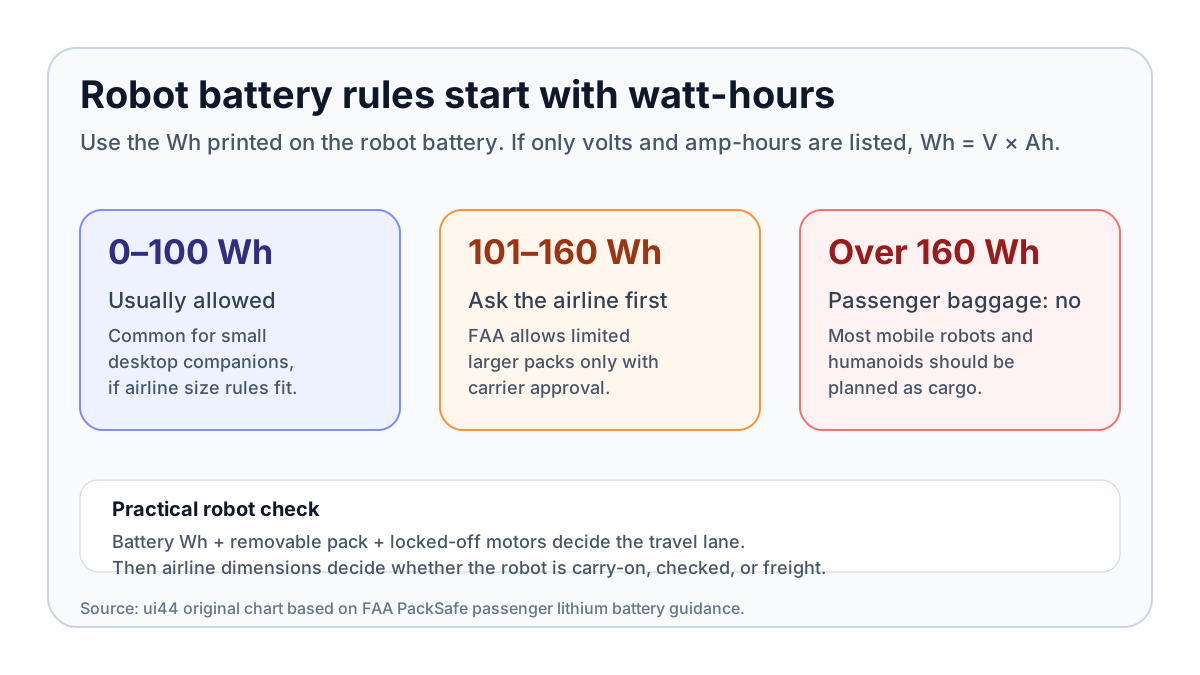
The FAA PackSafe passenger battery guidance is the most useful starting point for U.S. travel. It says rechargeable lithium batteries from 0-100 Wh are generally allowed on passenger aircraft for personal use. Batteries from 101-160 Wh require airline approval, and spare batteries in that larger range are limited. Rechargeable lithium batteries over 160 Wh are forbidden in airline passenger baggage.
Spare lithium batteries and power banks must ride in carry-on baggage, not checked baggage. Devices with batteries installed may be checked only when they are completely powered off and protected from accidental activation, while still meeting the applicable Wh limits. Damaged or recalled batteries should not fly unless made safe.
IATA's traveler guidance gives the same practical message: keep lithium-powered devices with you, protect loose batteries from short circuits, and check with the airline when a battery is over 100 Wh.
The robot-specific problem is that many serious robots use packs that are much larger than laptop batteries. Unitree's G1, for example, is a 35 kg humanoid with a quick-release 13-string lithium battery and 9000 mAh pack. Using the standard Wh formula from the FAA page, a 13-cell lithium-ion pack at nominal voltage would be roughly 430 Wh before even discussing the robot's 132 cm standing height. The marked battery label is what matters legally, but the direction is obvious: this is not normal passenger baggage.
What makes robots harder to fly with than laptops?
A robot is a powered machine, not a passive gadget. Even when its battery fits the rules, the rest of the design can still make airline travel messy.
First, robots move. Airlines and screeners care about accidental activation because a robot that wakes up in a bag can run motors, heat electronics, damage its own joints, or hit something around it. A proper transport mode should mechanically or electronically disable motion.
Second, robots have cameras, microphones, lidar, and sometimes LTE radios. These are not automatically forbidden, but they raise inspection and privacy questions. A security officer may want the robot powered on for inspection, while the battery rules may require the device to stay powered off once packed. Plan for that tension.
Third, robots are fragile. A humanoid's knee joint, depth camera, hand, or lidar window is not baggage-handler friendly. If a manufacturer does not provide a hard transport case, foam layout, joint-lock instructions, and battery isolation steps, assume you are improvising with an expensive machine.
Fourth, the useful robots are heavy. A 1.5 kg desktop kit and a 46 kg mobile manipulator are both "robots," but they do not belong in the same travel category.
Which ui44 robots are realistic travel candidates?
Here is the practical split from the ui44 database. Treat it as a planning guide, not legal clearance; the marked battery Wh, airline policy, route, and country rules always win.
Robot
- ui44 data point
- 28 cm, 1.5 kg, $299-$449 kit
- Travel read
- Best kind of robot to fly with: desktop-sized. Confirm the wireless model's battery Wh and carry it like a personal electronic device.
Robot
- ui44 data point
- 22 cm, 0.9 kg, 5-7 hours active use
- Travel read
- Plausible carry-on companion if packed powered off. Camera/microphone features may invite inspection, but the form factor is easy.
Robot
- ui44 data point
- 17.3 cm, 1.1 kg, 1.5 hours continuous play
- Travel read
- Plausible carry-on petbot. Ask for the marked battery Wh and keep the charging dock/cables organized.
Robot
- ui44 data point
- 29.3 cm, 2.2 kg, about 2 hours runtime
- Travel read
- Likely a carry-on-size robot dog, but protect joints and disable wireless/LTE features during travel.
Robot
- ui44 data point
- 43 cm, 4.6 kg, 30-45 minutes active
- Travel read
- Small enough to imagine carrying, but the nest/dock and regional service model make airline travel less casual.
Robot
- ui44 data point
- 44 cm, 9.35 kg, home patrol robot
- Travel read
- Not a great travel robot. It is bulky, camera-heavy, and built around home mapping, not mobile demo logistics.
Robot
- ui44 data point
- 15 kg quadruped, 8000 mAh or 15000 mAh battery options
- Travel read
- The body is portable by robot standards, but the battery class likely pushes it out of normal passenger-baggage territory. Plan freight unless the airline approves a documented pack.
Robot
- ui44 data point
- 90 cm, 20 kg, from $2,999
- Travel read
- A compact humanoid, but still a crate-and-freight robot for events or relocation.
Robot
- ui44 data point
- 123 cm, about 27-29 kg, about 1 hour runtime
- Travel read
- Cheaper than many humanoids, not easier to fly with. Use a transport case and cargo plan.
Robot
- ui44 data point
- 132 cm, 35 kg, about 2 hours runtime
- Travel read
- Passenger baggage is unrealistic; battery documentation and freight handling matter.
Robot
- ui44 data point
- 167 cm, 30 kg, about 4 hours runtime
- Travel read
- A home humanoid buyer should treat it like delivered equipment, not luggage.
Robot
- ui44 data point
- 160 cm, 46 kg or 33 kg with ballast removed for transport
- Travel read
- Hello Robot calls it transportable, but this means planned transport. It is a mobile manipulator, not carry-on.
| Robot | ui44 data point | Travel read |
|---|---|---|
| Reachy Mini | 28 cm, 1.5 kg, $299-$449 kit | Best kind of robot to fly with: desktop-sized. Confirm the wireless model's battery Wh and carry it like a personal electronic device. |
| Miko 3 | 22 cm, 0.9 kg, 5-7 hours active use | Plausible carry-on companion if packed powered off. Camera/microphone features may invite inspection, but the form factor is easy. |
| KEYi Loona | 17.3 cm, 1.1 kg, 1.5 hours continuous play | Plausible carry-on petbot. Ask for the marked battery Wh and keep the charging dock/cables organized. |
| Sony aibo | 29.3 cm, 2.2 kg, about 2 hours runtime | Likely a carry-on-size robot dog, but protect joints and disable wireless/LTE features during travel. |
| LOVOT | 43 cm, 4.6 kg, 30-45 minutes active | Small enough to imagine carrying, but the nest/dock and regional service model make airline travel less casual. |
| Amazon Astro | 44 cm, 9.35 kg, home patrol robot | Not a great travel robot. It is bulky, camera-heavy, and built around home mapping, not mobile demo logistics. |
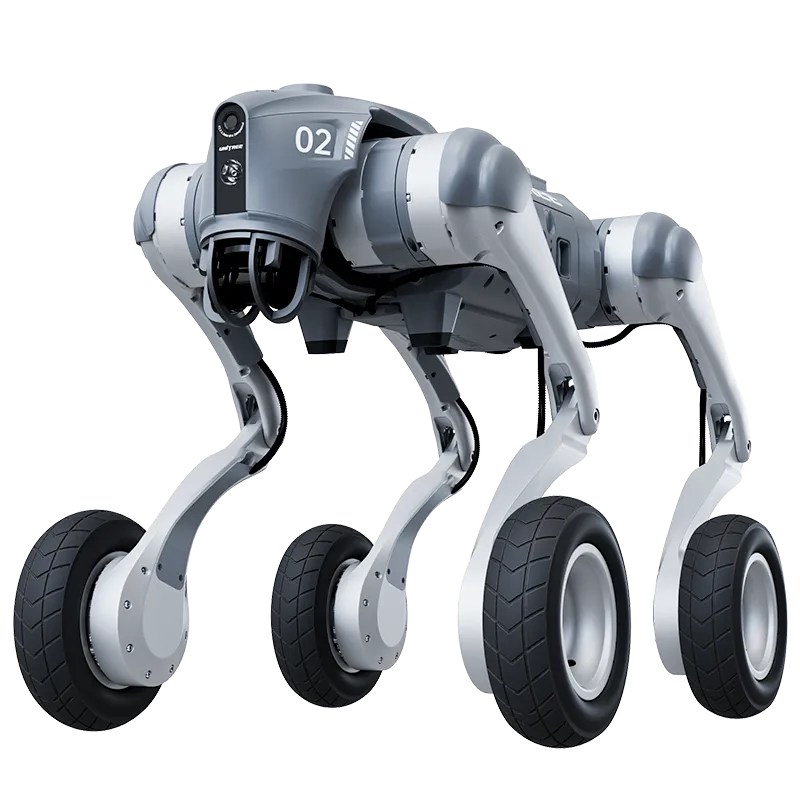
| Unitree Go2 | 15 kg quadruped, 8000 mAh or 15000 mAh battery options | The body is portable by robot standards, but the battery class likely pushes it out of normal passenger-baggage territory. Plan freight unless the airline approves a documented pack. |
| Rotaku Domo | 90 cm, 20 kg, from $2,999 | A compact humanoid, but still a crate-and-freight robot for events or relocation. |
| Unitree R1 | 123 cm, about 27-29 kg, about 1 hour runtime | Cheaper than many humanoids, not easier to fly with. Use a transport case and cargo plan. |
| Unitree G1 | 132 cm, 35 kg, about 2 hours runtime | Passenger baggage is unrealistic; battery documentation and freight handling matter. |
| 1X NEO | 167 cm, 30 kg, about 4 hours runtime | A home humanoid buyer should treat it like delivered equipment, not luggage. |
| Hello Robot Stretch 4 | 160 cm, 46 kg or 33 kg with ballast removed for transport | Hello Robot calls it transportable, but this means planned transport. It is a mobile manipulator, not carry-on. |

The pattern is clear: travel-friendly robots are usually small companions, education kits, or plush/stationary emotional robots. Robots that can manipulate objects, patrol spaces, or walk on legs are much harder to move legally and safely.
What should you ask before buying a travelable robot?
Ask these questions before the robot ships, not the night before a flight.
- What is the exact battery Wh rating? Do not accept only "mAh" unless voltage is also supplied. The FAA formula is Wh = V × Ah.
- Is the battery removable by the user? If yes, ask how to protect terminals and whether the robot can be transported without the pack installed.
- Is there a UN 38.3 lithium battery test summary? PHMSA notes that lithium battery manufacturers must make UN 38.3 test summaries available upon request for transport traceability.
- Does the robot have a transport mode? Motors, wheels, arms, and wake words should be disabled.
- Does the manufacturer sell a hard case? A humanoid without a joint-safe crate is not event-ready.
- What documents will a freight forwarder need? Ask for SDS/MSDS-style battery information, product dimensions, gross packed weight, and battery classification.
- Can the robot be insured in transit? A cheap flight becomes expensive if a $20,000 robot arrives with a cracked lidar or bent hand.
If the manufacturer cannot answer the battery questions, that is a product-readiness signal. It may still be a good robot, but it is not a robot you should casually fly with.
Should you check a robot, carry it on, or ship it?
Use this quick decision tree.
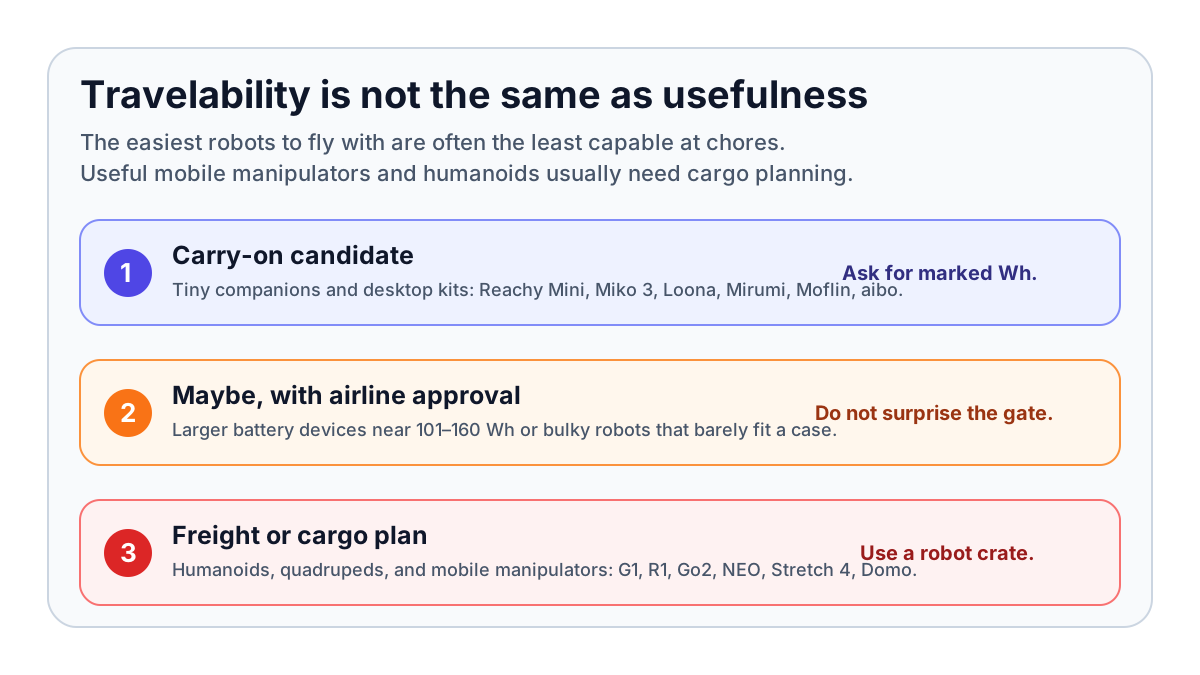
Carry-on candidate: the robot is small enough for the cabin, the lithium battery is 100 Wh or lower, the device can be completely powered off, and the airline accepts its size. Think Miko 3, Loona, Reachy Mini, or aibo.
Ask-the-airline case: the battery is 101-160 Wh, the robot has a removable pack, or the body barely fits a carry-on case. Get approval in writing if possible. Do not rely on a gate agent having seen your robot before.
Checked-bag edge case: the device's installed battery is within the allowed Wh range, the robot can be completely powered off, and the device is protected from activation and damage. This may work for robust small robots, but it is still risky for anything with delicate joints, cameras, or a dock.
Freight/cargo plan: the robot battery is over 160 Wh, the robot is too large or heavy for passenger baggage, the battery documentation is incomplete, or the unit is a humanoid, quadruped, or mobile manipulator. This is where most serious home robots land.
What about airline-specific robot bans?
If you see viral claims that a particular airline banned humanoid robots, treat them as a reason to verify, not as your source of truth. Airline help centers can be JavaScript-heavy, stale, or narrower than the headline. The durable rules are the same: check the airline's carry-on dimensions, checked-bag policy, lithium battery limits, dangerous-goods desk, and special-equipment process for the exact route.
The carrier can be stricter than the baseline rule. The TSA or local security authority can also require inspection. International trips add customs, export controls, radio approvals, and return-shipping risk. A robot with cameras, mapping, LTE, and cloud accounts is not just a suitcase.
For developers and exhibitors, the safest move is boring: contact the airline or freight forwarder early, provide the battery Wh and UN 38.3 summary, pack the robot in a rigid case, label accessories clearly, and bring a one-page inspection note explaining what the robot is, how it is powered off, and how the battery is isolated.

What is the buyer takeaway?
Do not judge air travel by robot category alone. Judge it by battery Wh, packed size, transport mode, and documentation.
A tiny social robot can be easier to fly with than a camera drone. A 20 kg compact humanoid can be cheaper than a laptop but still belong in freight. A 46 kg assistive mobile manipulator can be "transportable" because its ballast is removable, while still being absurd as passenger luggage.
So before buying a robot you hope to take to a demo, school, conference, or another country, add one line to your checklist: show me exactly how this robot travels.
That answer will tell you almost as much about product maturity as the demo video.
Related in the database
Use this article as a privacy verification workflow
Turn the article into a privacy verification pass grounded in the robots, manufacturers, and components it actually references.
Can You Fly With a Humanoid Robot? already points you toward 12 linked robots, 11 manufacturers, and 6 countries inside the ui44 database. That matters because strong buyer guidance is easier to apply when you can move immediately from a claim or warning into concrete product pages, manufacturer directories, component explainers, and country-level context instead of treating the article as an isolated opinion piece. The fastest next step is to turn the article into a shortlist workflow: open the linked robot pages, verify which specs are actually published for those models, then compare the surrounding manufacturer and component context before you decide whether the underlying claim changes your buying plan.
For this topic, the useful discipline is to separate the editorial lesson from the catalog evidence. The article gives you the framing, but the robot pages tell you what each product actually ships with today: sensor stack, connectivity methods, listed price, release timing, category, and support-relevant compatibility notes. The manufacturer pages then show whether you are looking at a one-off launch, a broader lineup pattern, or a company that spans multiple categories. That layered workflow reduces the risk of buying on a single marketing phrase or a single support FAQ.
Use the robot pages to confirm which products actually expose cameras, microphones, Wi-Fi, or voice systems, then use the manufacturer pages to decide how much of the privacy question seems product-specific versus brand-wide. On this route cluster, G1, Reachy Mini, and Miko 3 form the fastest reality check. If you want a quick working shortlist, open Compare G1, Reachy Mini, and Miko 3 next, then keep this article open as the reasoning layer while you compare structured data side by side.
Practical Takeaway
Every robot, manufacturer, category, component, and country reference below resolves to a real ui44 page, keeping the follow-up path grounded in database records rather than generic advice.
Suggested next steps in ui44
- Open G1 and note the listed sensors, connectivity methods, and voice stack before you interpret any policy claim.
- Cross-check the wider brand context on Unitree so you can see whether the privacy question touches one model or a broader lineup.
- Use the linked component pages to confirm how common the relevant sensors and connectivity layers are across the database.
- Keep a short note of which policy layers you checked, which device features are actually present on the robot page, and which items still depend on region- or app-level confirmation.
- Finish with Compare G1, Reachy Mini, and Miko 3 so the policy reading sits next to structured product data.
Robot profiles worth opening next
Use the linked product pages as the evidence layer
The linked robot pages are where this article becomes operational. Instead of asking whether the headline is interesting, use the robot entries to inspect the actual mix of sensors, connectivity options, batteries, pricing, release timing, and stated capabilities attached to the products mentioned in the article. That is the easiest way to see whether the warning or opportunity described here affects one product family, a specific design pattern, or an entire buying lane.
G1 is tracked on ui44 as a available humanoid robot from Unitree. The database currently records a listed price of $13,500, a release date of 2024-05-13, ~2 hours battery life, Not disclosed charging time, and a published stack that includes Depth Camera, 3D LiDAR, and 4 Microphone Array plus Wi-Fi 6 and Bluetooth 5.2.
For privacy-focused reading, this page matters because it shows the concrete device surface behind the policy discussion. Use it to verify whether G1 combines sensors and connectivity in a way that could change the in-home data footprint, and compare the listed capabilities such as Bipedal Walking, Object Manipulation, and Dexterous Hands (optional Dex3-1) with any cloud, app, or voice layers.
Reachy Mini
Pollen Robotics · Companions · Available
Reachy Mini is tracked on ui44 as a available companions robot from Pollen Robotics. The database currently records a listed price of $299, a release date of 2025-07, Not officially disclosed battery life, Not officially disclosed charging time, and a published stack that includes 120° 12 MP autofocus wide-angle camera, 4 PDM MEMS digital microphones, and 5 W speaker plus USB (Reachy Mini Lite via host computer) and Wi-Fi (wireless Reachy Mini).
For privacy-focused reading, this page matters because it shows the concrete device surface behind the policy discussion. Use it to verify whether Reachy Mini combines sensors and connectivity in a way that could change the in-home data footprint, and compare the listed capabilities such as 6-DoF head movement, Full body rotation, and Animated antennas for expressive interaction with any cloud, app, or voice layers.
Miko 3 is tracked on ui44 as a available companions robot from Miko. The database currently records a listed price of €269, a release date of 2021, 5–7 hours active use, up to 12 hours standby battery life, ~4 hours (15W USB-C adapter) charging time, and a published stack that includes Time-of-Flight Range Sensor, Odometric Sensors, and Dual MEMS Microphones plus Wi-Fi and Bluetooth.
For privacy-focused reading, this page matters because it shows the concrete device surface behind the policy discussion. Use it to verify whether Miko 3 combines sensors and connectivity in a way that could change the in-home data footprint, and compare the listed capabilities such as AI-Powered Conversations, Face Recognition, and Voice Recognition with any cloud, app, or voice layers.
Loona is tracked on ui44 as a available companions robot from KEYi Tech. The database currently records a listed price of $442, a release date of 2023, 2 hours continuous playtime; 1350 mAh, 11.1 V lithium-ion rechargeable battery battery life, Not officially disclosed charging time, and a published stack that includes 3D Time-of-Flight (ToF) Sensor, 720p RGB Camera, and Touch Sensor plus Wi-Fi (Dual-band 2.4G/5.8G, 802.11a/b/g/n) and USB Type-C (charging).
For privacy-focused reading, this page matters because it shows the concrete device surface behind the policy discussion. Use it to verify whether Loona combines sensors and connectivity in a way that could change the in-home data footprint, and compare the listed capabilities such as Face Recognition, Voice Commands, and Emotion Expression (LCD face) with any cloud, app, or voice layers.
aibo (ERS-1000)
Sony · Companions · Available
aibo (ERS-1000) is tracked on ui44 as a available companions robot from Sony. The database currently records a listed price of $3,200, a release date of 2018-01, ~2 hours battery life, ~3 hours charging time, and a published stack that includes Front Camera, SLAM Camera, and Time-of-Flight Sensor plus Wi-Fi 802.11 b/g/n (2.4GHz) and LTE.
For privacy-focused reading, this page matters because it shows the concrete device surface behind the policy discussion. Use it to verify whether aibo (ERS-1000) combines sensors and connectivity in a way that could change the in-home data footprint, and compare the listed capabilities such as Emotion Recognition, Face Recognition (up to 100 faces), and Voice Command Recognition (100+ commands) with any cloud, app, or voice layers.
Manufacturer context behind the article
Check whether this is one product story or a broader company pattern
Manufacturer pages add the privacy context that individual product pages cannot show on their own. They help you check whether cameras, microphones, cloud accounts, app controls, and policy assumptions appear across a broader lineup or stay tied to one specific product story.
Unitree
ui44 currently tracks 2 robots from Unitree across 1 category. The company is grouped under China, and the current catalog footprint on ui44 includes H1, G1.
That wider brand context matters because privacy questions rarely stop at one FAQ page. A manufacturer route helps you see whether the article is centered on one premium model or on a company that has several relevant products and therefore more than one place where the same policy or app assumptions might matter. The category mix here currently points toward Humanoid as the most useful next route if you want to see whether this article reflects a wider pattern inside the brand.
Pollen Robotics
ui44 currently tracks 2 robots from Pollen Robotics across 2 categorys. The company is grouped under France, and the current catalog footprint on ui44 includes Reachy 2, Reachy Mini.
That wider brand context matters because privacy questions rarely stop at one FAQ page. A manufacturer route helps you see whether the article is centered on one premium model or on a company that has several relevant products and therefore more than one place where the same policy or app assumptions might matter. The category mix here currently points toward Research, Companions as the most useful next route if you want to see whether this article reflects a wider pattern inside the brand.
Miko
ui44 currently tracks 2 robots from Miko across 1 category. The company is grouped under India, and the current catalog footprint on ui44 includes Miko 3, Miko Mini.
That wider brand context matters because privacy questions rarely stop at one FAQ page. A manufacturer route helps you see whether the article is centered on one premium model or on a company that has several relevant products and therefore more than one place where the same policy or app assumptions might matter. The category mix here currently points toward Companions as the most useful next route if you want to see whether this article reflects a wider pattern inside the brand.
KEYi Tech
ui44 currently tracks 2 robots from KEYi Tech across 1 category. The company is grouped under USA, and the current catalog footprint on ui44 includes Loona, Loona DeskMate.
That wider brand context matters because privacy questions rarely stop at one FAQ page. A manufacturer route helps you see whether the article is centered on one premium model or on a company that has several relevant products and therefore more than one place where the same policy or app assumptions might matter. The category mix here currently points toward Companions as the most useful next route if you want to see whether this article reflects a wider pattern inside the brand.
Broaden the scan without leaving the database
Categories, components, and countries add the wider context
Category framing
Category pages are useful when the article touches a buying pattern that shows up across brands. A category route helps you confirm whether the linked products sit in a narrow niche or whether the same question should be tested across a larger field of alternatives.
Humanoid
The Humanoid category page currently groups 129 tracked robots from 92 manufacturers. ui44 describes this lane as: Full-size bipedal humanoid robots built to work alongside people — from factory floors to household tasks. Compare the cutting edge of humanoid robotics.
That makes the category route a practical follow-up when you want to check whether the products linked in this article are typical for the lane or whether they sit at one edge of the market. Useful starting examples currently include NEO, EVE, Mornine M1.
Companions
The Companions category page currently groups 53 tracked robots from 48 manufacturers. ui44 describes this lane as: Social robots, robot pets, and elderly-care companions designed for emotional connection and everyday support at home.
That makes the category route a practical follow-up when you want to check whether the products linked in this article are typical for the lane or whether they sit at one edge of the market. Useful starting examples currently include PARO, Abi, Next-Generation Companion Robot.
Country and ecosystem context
Country pages give extra context when support practices, launch sequencing, regulatory posture, or manufacturer mix matter. They are not a substitute for model-level verification, but they do help you see which ecosystems cluster together and which manufacturers sit in the same regional field when you broaden the search beyond the article headline.
China
The China route currently groups 189 tracked robots from 87 manufacturers in ui44. That gives you a useful regional lens when the article points toward support practices, launch sequencing, or brand clusters that may share similar ecosystem assumptions.
On the current route, manufacturers like AGIBOT, Dreame, Unitree Robotics make the page a good way to broaden the scan without losing the regional context that often shapes availability, documentation style, and adjacent alternatives.
France
The France route currently groups 8 tracked robots from 7 manufacturers in ui44. That gives you a useful regional lens when the article points toward support practices, launch sequencing, or brand clusters that may share similar ecosystem assumptions.
On the current route, manufacturers like Pollen Robotics, Aldebaran / Maxtronics, Aldebaran Robotics make the page a good way to broaden the scan without losing the regional context that often shapes availability, documentation style, and adjacent alternatives.
India
The India route currently groups 6 tracked robots from 5 manufacturers in ui44. That gives you a useful regional lens when the article points toward support practices, launch sequencing, or brand clusters that may share similar ecosystem assumptions.
On the current route, manufacturers like Miko, Addverb Technologies, iHub Robotics make the page a good way to broaden the scan without losing the regional context that often shapes availability, documentation style, and adjacent alternatives.
Questions to answer before you move from reading to buying
A follow-up FAQ built from the entities already linked in this article
Frequently Asked Questions
Which page should I open first after reading “Can You Fly With a Humanoid Robot?”?
Start with G1. That gives you a concrete product anchor for the article’s main claim. From there, branch into the manufacturer and component pages so you can tell whether the article is describing one specific model, a repeated brand pattern, or a wider technology issue that affects multiple shortlist options.
How do the manufacturer pages change the buying decision?
Unitree help you zoom out from one article and one product. On ui44 they show lineup breadth, category spread, and the neighboring robots tied to the same company. That context is useful when you are deciding whether a risk belongs to a single model, whether it shows up across a brand’s portfolio, and whether you should keep looking at alternatives before committing.
When should I switch from reading to side-by-side comparison?
Move into Compare G1, Reachy Mini, and Miko 3 as soon as you understand the article’s main warning or promise. The article explains what to watch for, but the compare view is where you can check whether price, status, battery life, connectivity, sensors, and category fit still make the robot a good match for your own home and budget.
Where to go next in ui44
Keep the research chain inside the database
If you want to keep going, these follow-on pages give you the cleanest expansion path from article to research session. Open the comparison route first if you are deciding between products today. Open the manufacturer, category, and component routes if you still need to understand the broader pattern behind the claim.
Written by
ui44 Team
Published May 19, 2026
Share this article
Open a plain share link on X or Bluesky. No embeds, no widgets, no cookie baggage.