Article 20 min read 4,685 words

Beni Camera Robot: A Real Home Use Case?

Beni is not the home robot that folds laundry, unloads a dishwasher, or carries groceries upstairs. That matters, because judging every new robot by the humanoid-helper fantasy makes genuinely useful narrower robots look smaller than they are.

ui44 Team All articles

Mondo Robotics is positioning Beni as an all-terrain camera robot: a wheeled device that follows a person, films from low moving angles, captures 4K video, offers auto-editing, and can be driven with a motion controller. The company's official page lists a $499 founder price, a planned $799 retail price, a coming Kickstarter launch, 17.9 mph top speed, obstacle jumps up to 10 inches, quick-swap indoor and outdoor wheels, 1.5 hours per battery, Wi-Fi 6, Bluetooth 5.4, 32GB of internal storage, and a microSD slot.

That does not make Beni a general-purpose home robot. It does make it one of the clearer examples of a category that deserves a cleaner name: the home capture robot.
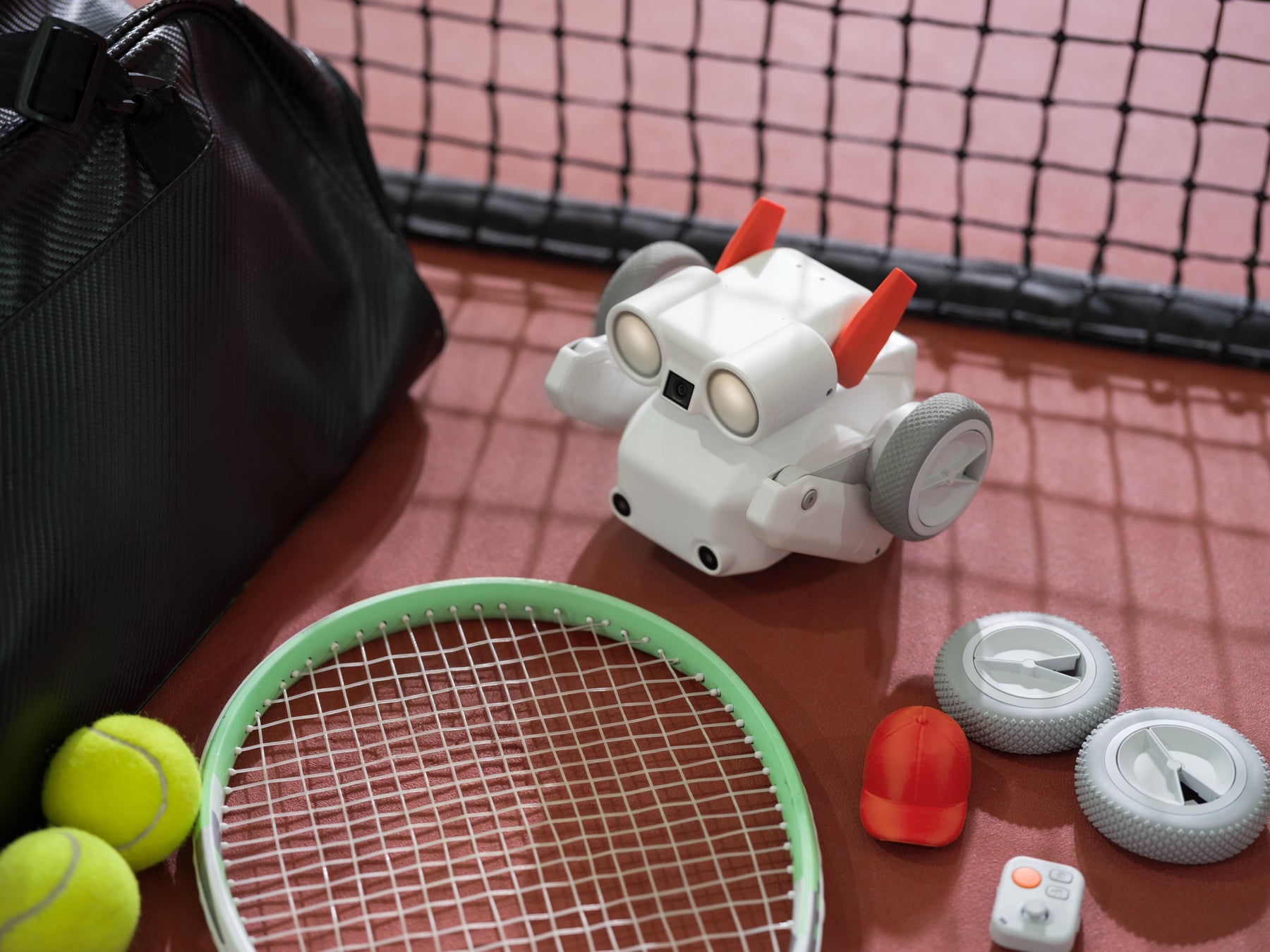
Beni camera robot beside tennis gear with indoor wheels and controller

The Short Version

If you are deciding whether Beni is interesting, start with the job rather than the shape.

Question

Is Beni a chore robot?

Practical answer
No. It has no arm, no gripper, and no household manipulation claim.

Question

Is Beni a robot pet?

Practical answer
Partly. The ears, colors, game mode, and sidekick framing are companion-like, but the core value is filming.

Question

Is Beni a security robot?

Practical answer
Not primarily. It can move and show a first-person view, but Amazon Astro is the cleaner comparison for patrol.

Question

Is Beni a camera accessory?

Practical answer
Yes, but with autonomous framing and mobility instead of a fixed tripod or handheld gimbal.

Question

Is the preorder risk real?

Practical answer
Yes. Mondo says Beni will ship through Kickstarter after campaign fulfillment, so buyers should treat it as a launch product, not an in-stock appliance.

For most households, Beni only makes sense if there is a recurring filming problem: kids' sports practice, skateboarding clips, pets, backyard play, family moments, training sessions, or creator footage where a low moving camera angle is actually useful.

If the main goal is companionship, a robot such as Loona, Sony aibo, Casio Moflin, or Miko 3 is a more direct comparison. If the goal is room-to-room presence and monitoring, Amazon Astro and Enabot EBO X are closer. Beni's best case is different: it follows the action and captures it.

What Does Beni Claim To Do?

Mondo's official Beni page makes four claims that matter for buyers.

First, Beni is built around video capture. The camera specs listed by Mondo are 4K at 30fps, 3K at 60fps, and 1080p at 100fps. That puts the product conversation closer to action cameras, gimbals, and robot dollies than to domestic helpers.

Second, it has onboard auto-follow. Mondo says Beni can track movement and keep the camera framed on the action, including shots from behind, the side, or an orbit angle. The company also says Beni does not need the internet to follow, film, or capture moments. That is a useful privacy and reliability distinction if the tracking really works locally.

Third, it is designed for mixed surfaces. The official page lists 17.9 mph top speed, obstacle jumps up to 10 inches, and quick-swap indoor and outdoor wheels. Those numbers are unusual for a home-adjacent companion product. They also explain the tennis court, skate, yard, and pet use cases better than a living-room-only robot would.

Fourth, Beni is trying to be playful. It has a game mode, customizable ears and accessories, a motion controller, and a direct "sidekick" message in the FAQ. That does not mean the product should be bought as a substitute for a companion robot. It means the company is trying to make a camera robot feel less like a tool and more like something people keep around.
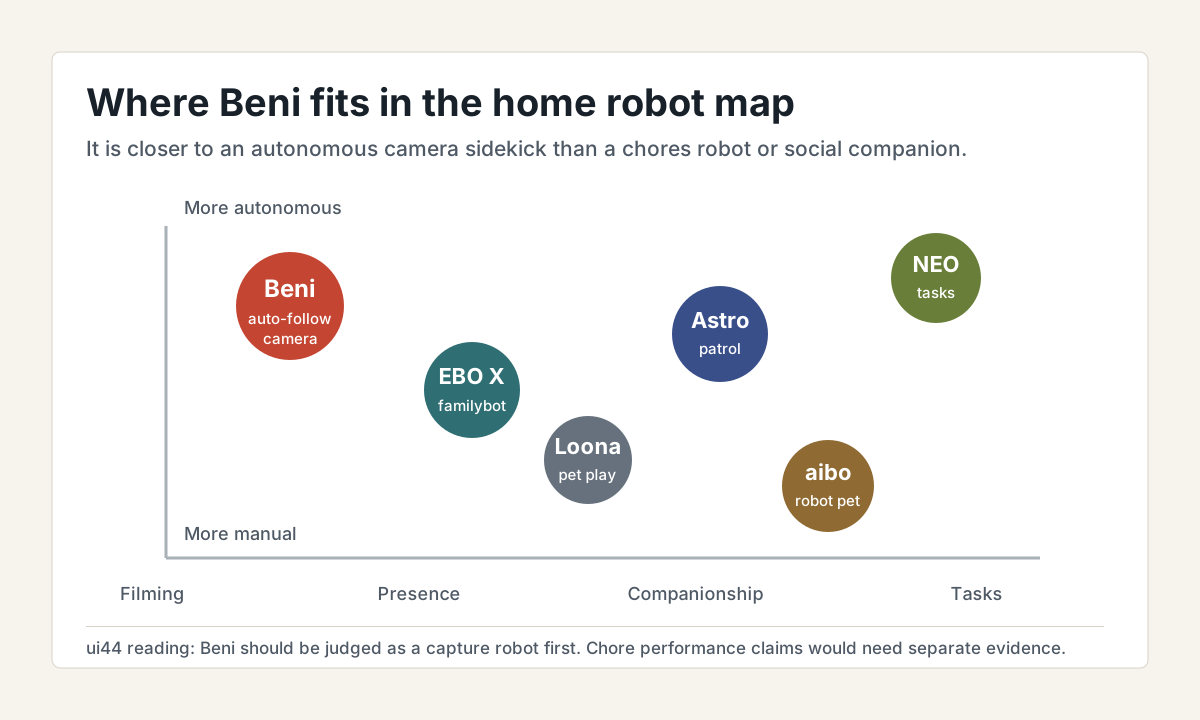
Beni camera robot comparison chart showing where it fits against Enabot EBO X, Loona, Amazon Astro, Sony aibo, and NEO
Scroll sideways to inspect the full chart.

The Real Home Use Case Is Not "Robot Helper"

The most honest description of Beni is "a mobile camera operator for everyday scenes." That sounds narrower than "home robot," but narrower can be better.

Most consumer robots that try to be everything end up being hard to judge. A humanoid with hands has to be safe, strong, reliable, affordable, and useful in cluttered homes. A social robot has to stay engaging after the first week. A patrol robot has to justify its place against cheap cameras and doorbells. A robot pet has to be charming enough that people accept the limitations.

Beni has a simpler question: can it get footage that is hard for a person, phone, tripod, or standard action camera to get?

That is a real problem in some homes. Parents cannot always film and participate at the same time. Pet owners want low-angle clips without crawling around. Amateur athletes want repeatable practice footage. Families want short highlight edits without turning every afternoon into a production task. Creators want moving shots that do not require a second person.

There is also a reason Beni's form factor is not a drone. Drones are loud, restricted, risky indoors, and not appropriate around many children or pets. A small ground robot has its own limitations, but it can be more socially acceptable in a driveway, a park, a court, a living room, or a backyard.

The key buyer test is frequency. If you would use Beni once for novelty and then put it on a shelf, it is an expensive toy. If you already capture the same kinds of moments every week, the value proposition gets more serious.

How Beni Compares With Nearby Robots

ui44 tracks home robots across companion, patrol, education, humanoid, and cleaning categories. Beni is not currently a typical match for any one bucket, so the comparison is about buyer intent.

Robot

Beni

ui44 category
Camera robot / preorder product
Price in ui44 database
$499 founder, $799 retail claimed by Mondo
Better if your goal is...
Auto-follow filming, moving low-angle video, play

Robot

Enabot EBO X

ui44 category
Companions
Price in ui44 database
$999
Better if your goal is...
Family presence, room-to-room video, companion features

Robot

Enabot EBO Max FamilyBot

ui44 category
Companions
Price in ui44 database
$549.99
Better if your goal is...
Lower-cost familybot style monitoring and interaction

Robot

Amazon Astro

ui44 category
Security & Patrol
Price in ui44 database
$1,599
Better if your goal is...
Home patrol, Alexa ecosystem presence, remote check-ins

Robot

KEYi Loona

ui44 category
Companions
Price in ui44 database
$409
Better if your goal is...
Expressive robot-pet play and personality

Robot

Sony aibo

ui44 category
Companions
Price in ui44 database
$2,899
Better if your goal is...
Premium robot pet behavior and long-running ecosystem

Robot

Casio Moflin

ui44 category
Companions
Price in ui44 database
$429
Better if your goal is...
Emotional companion object, not mobile filming

The price signal is important. Beni's founder price is close to Loona and Moflin, below Enabot EBO Max, and far below Astro or aibo. But prices do not compare cleanly across categories. A $409 robot pet and a $499 camera robot solve different problems.

The better comparison is against a kit of filming gear. A phone gimbal, action camera, tripod, and editing app can produce better footage in controlled conditions. Beni's pitch is convenience and motion: it can move by itself, frame the subject, and make the camera angle feel less static.

What To Verify Before Backing

Beni is still a launch product, and Mondo's own product reservation page says the $10 deposit applies to a Kickstarter order and that Beni will ship through Kickstarter after campaign fulfillment. That should change how buyers read the claims.

Before paying more than a refundable reservation, look for proof in five areas.

1. Follow Quality

Auto-follow is the core feature. Demos should show ordinary conditions, not just polished hero clips: changing direction, partial occlusion, people crossing paths, pets moving unpredictably, low light, uneven ground, and mixed indoor/outdoor transitions.

The question is not whether Beni can follow once. It is whether it follows smoothly enough that the footage is worth keeping.

2. Framing And Stabilization

A moving camera robot can produce more interesting shots, but it can also produce unusable footage if the camera bounces, hunts, tilts awkwardly, or frames the wrong subject. The official specs list the resolutions and frame rates; buyers still need sample clips that show stabilization, rolling movement, audio quality, and how much correction happens in auto-editing.

3. Surface Limits

The 17.9 mph top speed and 10-inch obstacle jump claim are attention-grabbing. For home buyers, the more useful evidence is boring: carpet, tile transitions, thresholds, patios, grass, gravel, sidewalks, and common bumps. Quick-swap wheels are promising only if swapping them is quick enough that people actually do it.

4. Battery Reality

Mondo lists 1.5 hours per battery and 4.5+ hours with three batteries. That can be enough for a session, but continuous filming, Wi-Fi, Bluetooth, tracking, and outdoor driving will all affect runtime. Buyers should wait for real-world numbers and replacement battery pricing.

5. Privacy And Storage

Mondo says Beni does not need the internet to follow, film, or capture footage, and that optional cloud features for auto-edited highlights run on AWS with end-to-end encryption. That is the right direction for a camera robot, but a home camera on wheels deserves careful questions: where clips are stored, how account access works, whether video can be deleted locally, and whether cloud upload is truly optional.
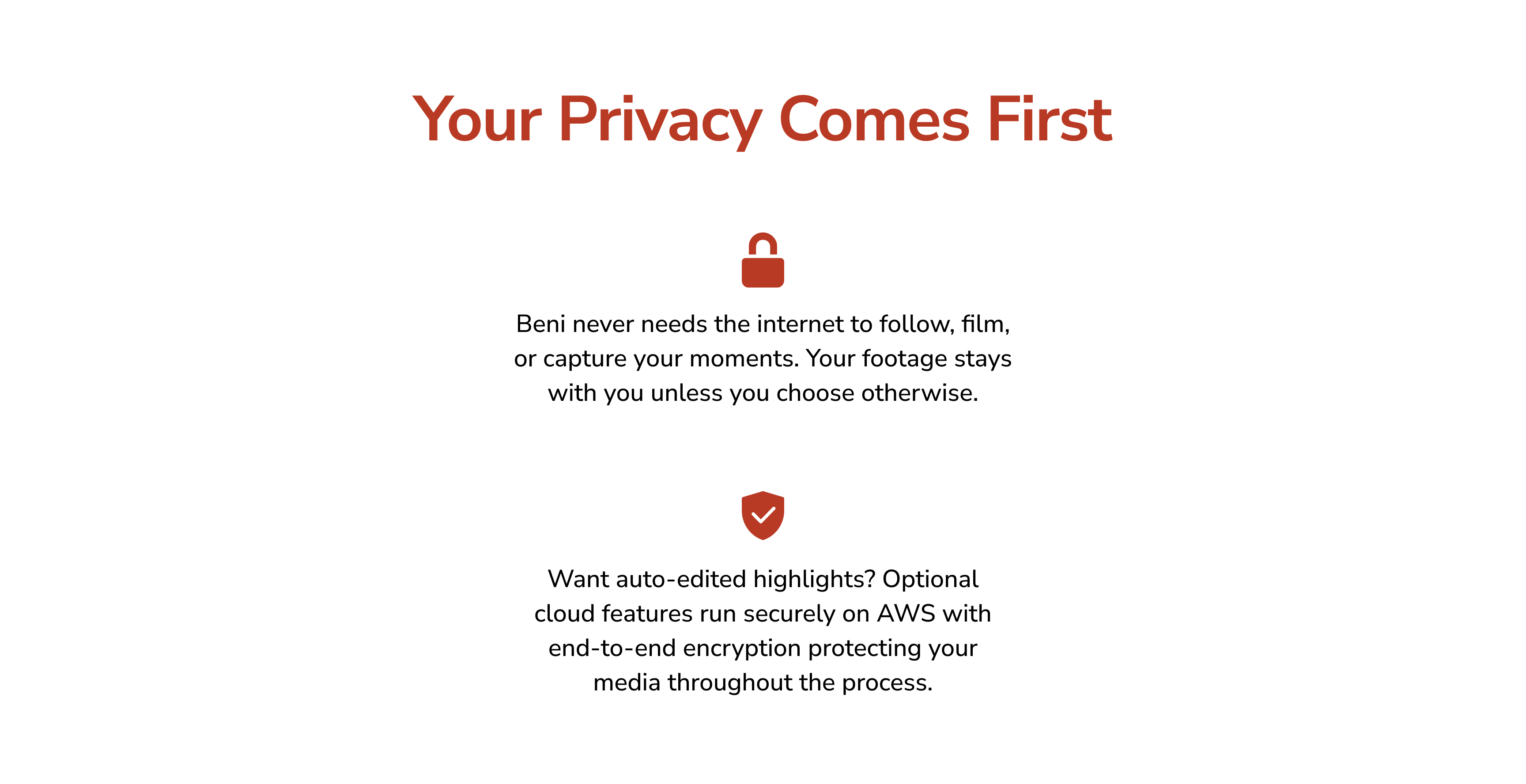
Mondo Robotics Beni privacy graphic explaining local capture and optional cloud auto-editing

Who Should Consider Beni

Beni is most interesting for households that already create visual memories or training clips and want a camera that participates without demanding another person behind it.

It is a plausible fit for parents who film backyard play or sports practice, pet owners who want low-angle chase footage, skaters and cyclists who want a rolling follow camera, and creators who want motion shots without hiring help. It may also appeal to families that like companion robots but want the product to do a practical job beyond expressions and voice chat.

It is a weaker fit for people who want a robot to help around the house. Beni has no listed arm, gripper, tray, vacuum, mop, navigation dock, home mapping system, or manipulation workflow. It should not be evaluated against a humanoid helper. It should be evaluated against the filming gear and companion robots it might replace.

It is also a weaker fit for people who mainly want security. A robot that can move and show a first-person view is not automatically a patrol robot. For that use case, Astro and EBO X have clearer product framing in the current home robot market.

The Motion Controller Matters More Than It Looks

One of the more practical details in Beni's pitch is the motion controller. Mondo says it can move Beni, make it jump, take a photo, and assist tracking performance.

That matters because full autonomy is not always the best interface. Sometimes the useful mode is supervised autonomy: the robot follows most of the time, but a person can quickly correct it when the scene changes. For family filming, that could be the difference between a product people trust and a product they stop using after missed shots.

The controller also gives Beni a second life as a toy. That is not a criticism. A home robot that only works in one perfect scenario is fragile as a purchase. A robot that can film, be driven, play a game, and entertain kids or guests has more paths to staying in use.
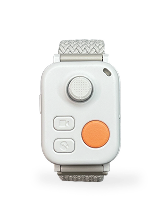
Beni camera robot motion controller for driving, jumping, and camera capture

Buying Advice

The right way to think about Beni is not "Is this the future of home robotics?" It is "Do I have a repeated filming job where a small autonomous ground camera is better than a phone?"

If the answer is no, wait. There will be more camera robots, follow-me devices, and AI filming tools. If the answer is yes, Beni is worth watching closely, but the Kickstarter path means buyers should demand ordinary unedited demonstrations before treating the specs as settled.

The strongest version of Beni is not a tiny humanoid replacement. It is a robot that makes a common household behavior easier: capturing moments while staying in them. That is a modest promise, but in home robotics, modest promises with clear use cases often age better than giant promises with no daily job.

Sources & References

Database context

Use this article as a privacy verification workflow

Turn the article into a real verification pass

Beni Camera Robot: A Real Home Use Case? already points you toward 7 linked robots, 6 manufacturers, and 4 countries inside the ui44 database. That matters because strong buyer guidance is easier to apply when you can move immediately from a claim or warning into concrete product pages, manufacturer directories, component explainers, and country-level context instead of treating the article as an isolated opinion piece. The fastest next step is to turn the article into a shortlist workflow: open the linked robot pages, verify which specs are actually published for those models, then compare the surrounding manufacturer and component context before you decide whether the underlying claim changes your buying plan.

For this topic, the useful discipline is to separate the editorial lesson from the catalog evidence. The article gives you the framing, but the robot pages tell you what each product actually ships with today: sensor stack, connectivity methods, listed price, release timing, category, and support-relevant compatibility notes. The manufacturer pages then show whether you are looking at a one-off launch, a broader lineup pattern, or a company that spans multiple categories. That layered workflow reduces the risk of buying on a single marketing phrase or a single support FAQ.

Use the robot pages to confirm which products actually expose cameras, microphones, Wi-Fi, or voice systems, then use the manufacturer pages to decide how much of the privacy question seems product-specific versus brand-wide. On this route cluster, Loona, aibo (ERS-1000), and Moflin form the fastest reality check. If you want a quick working shortlist, open Compare Loona, aibo (ERS-1000), and Moflin next, then keep this article open as the reasoning layer while you compare structured data side by side.

Practical Takeaway

Every robot, manufacturer, category, component, and country reference below resolves to a real ui44 page, keeping the follow-up path grounded in database records rather than generic advice.

Suggested next steps in ui44

  1. Open Loona and note the listed sensors, connectivity methods, and voice stack before you interpret any policy claim.
  2. Cross-check the wider brand context on KEYi Tech so you can see whether the privacy question touches one model or a broader lineup.
  3. Use the linked component pages to confirm how common the relevant sensors and connectivity layers are across the database.
  4. Keep a short note of which policy layers you checked, which device features are actually present on the robot page, and which items still depend on region- or app-level confirmation.
  5. Finish with Compare Loona, aibo (ERS-1000), and Moflin so the policy reading sits next to structured product data.

Database context

Robot profiles worth opening next

Use the linked product pages as the evidence layer

The linked robot pages are where this article becomes operational. Instead of asking whether the headline is interesting, use the robot entries to inspect the actual mix of sensors, connectivity options, batteries, pricing, release timing, and stated capabilities attached to the products mentioned in the article. That is the easiest way to see whether the warning or opportunity described here affects one product family, a specific design pattern, or an entire buying lane.

Loona

KEYi Tech · Companions · Available

$442

Loona is tracked on ui44 as a available companions robot from KEYi Tech. The database currently records a listed price of $442, a release date of 2023, 2 hours continuous playtime; 1350 mAh, 11.1 V lithium-ion rechargeable battery battery life, Not officially disclosed charging time, and a published stack that includes 3D Time-of-Flight (ToF) Sensor, 720p RGB Camera, and Touch Sensor plus Wi-Fi (Dual-band 2.4G/5.8G, 802.11a/b/g/n) and USB Type-C (charging).

For privacy-focused reading, this page matters because it shows the concrete device surface behind the policy discussion. Use it to verify whether Loona combines sensors and connectivity in a way that could change the in-home data footprint, and compare the listed capabilities such as Face Recognition, Voice Commands, and Emotion Expression (LCD face) with any cloud, app, or voice layers.

aibo (ERS-1000)

Sony · Companions · Available

$3,200

aibo (ERS-1000) is tracked on ui44 as a available companions robot from Sony. The database currently records a listed price of $3,200, a release date of 2018-01, ~2 hours battery life, ~3 hours charging time, and a published stack that includes Front Camera, SLAM Camera, and Time-of-Flight Sensor plus Wi-Fi 802.11 b/g/n (2.4GHz) and LTE.

For privacy-focused reading, this page matters because it shows the concrete device surface behind the policy discussion. Use it to verify whether aibo (ERS-1000) combines sensors and connectivity in a way that could change the in-home data footprint, and compare the listed capabilities such as Emotion Recognition, Face Recognition (up to 100 faces), and Voice Command Recognition (100+ commands) with any cloud, app, or voice layers.

Moflin

Casio · Companions · Available

$429

Moflin is tracked on ui44 as a available companions robot from Casio. The database currently records a listed price of $429, a release date of 2025-10-01, Up to 5 hours battery life, Approx. 3.5 hours charging time, and a published stack that includes Microphone, Illuminance sensor, and Touch sensors plus its listed connectivity stack.

For privacy-focused reading, this page matters because it shows the concrete device surface behind the policy discussion. Use it to verify whether Moflin combines sensors and connectivity in a way that could change the in-home data footprint, and compare the listed capabilities such as Emotional companionship, Touch response, and Voice recognition with any cloud, app, or voice layers.

Miko 3

Miko · Companions · Available

€269

Miko 3 is tracked on ui44 as a available companions robot from Miko. The database currently records a listed price of €269, a release date of 2021, 5–7 hours active use, up to 12 hours standby battery life, ~4 hours (15W USB-C adapter) charging time, and a published stack that includes Time-of-Flight Range Sensor, Odometric Sensors, and Dual MEMS Microphones plus Wi-Fi and Bluetooth.

For privacy-focused reading, this page matters because it shows the concrete device surface behind the policy discussion. Use it to verify whether Miko 3 combines sensors and connectivity in a way that could change the in-home data footprint, and compare the listed capabilities such as AI-Powered Conversations, Face Recognition, and Voice Recognition with any cloud, app, or voice layers.

Astro

Amazon · Security & Patrol · Active

$1,599

Astro is tracked on ui44 as a active security & patrol robot from Amazon. The database currently records a listed price of $1,599, a release date of 2021, Not officially disclosed battery life, Not officially disclosed charging time, and a published stack that includes 5MP Bezel Camera, 1080p Periscope Camera (132° FOV), and Infrared Vision plus Wi-Fi 802.11ac and Bluetooth.

For privacy-focused reading, this page matters because it shows the concrete device surface behind the policy discussion. Use it to verify whether Astro combines sensors and connectivity in a way that could change the in-home data footprint, and compare the listed capabilities such as Autonomous Home Patrol, Visual ID (face recognition), and Remote Home Monitoring with any cloud, app, or voice layers, including Amazon Alexa.

Database context

Manufacturer context behind the article

Check whether this is one product story or a broader company pattern

Manufacturer pages add the privacy context that individual product pages cannot show on their own. They help you check whether cameras, microphones, cloud accounts, app controls, and policy assumptions appear across a broader lineup or stay tied to one specific product story.

KEYi Tech

ui44 currently tracks 2 robots from KEYi Tech across 1 category. The company is grouped under USA, and the current catalog footprint on ui44 includes Loona, Loona DeskMate.

That wider brand context matters because privacy questions rarely stop at one FAQ page. A manufacturer route helps you see whether the article is centered on one premium model or on a company that has several relevant products and therefore more than one place where the same policy or app assumptions might matter. The category mix here currently points toward Companions as the most useful next route if you want to see whether this article reflects a wider pattern inside the brand.

Sony

ui44 currently tracks 2 robots from Sony across 2 categorys. The company is grouped under Japan, and the current catalog footprint on ui44 includes aibo (ERS-1000), QRIO.

That wider brand context matters because privacy questions rarely stop at one FAQ page. A manufacturer route helps you see whether the article is centered on one premium model or on a company that has several relevant products and therefore more than one place where the same policy or app assumptions might matter. The category mix here currently points toward Companions, Research as the most useful next route if you want to see whether this article reflects a wider pattern inside the brand.

Casio

ui44 currently tracks 1 robot from Casio across 1 category. The company is grouped under Japan, and the current catalog footprint on ui44 includes Moflin.

That wider brand context matters because privacy questions rarely stop at one FAQ page. A manufacturer route helps you see whether the article is centered on one premium model or on a company that has several relevant products and therefore more than one place where the same policy or app assumptions might matter. The category mix here currently points toward Companions as the most useful next route if you want to see whether this article reflects a wider pattern inside the brand.

Miko

ui44 currently tracks 2 robots from Miko across 1 category. The company is grouped under India, and the current catalog footprint on ui44 includes Miko 3, Miko Mini.

That wider brand context matters because privacy questions rarely stop at one FAQ page. A manufacturer route helps you see whether the article is centered on one premium model or on a company that has several relevant products and therefore more than one place where the same policy or app assumptions might matter. The category mix here currently points toward Companions as the most useful next route if you want to see whether this article reflects a wider pattern inside the brand.

Database context

Broaden the scan without leaving the database

Categories, components, and countries add the wider context

Category framing

Category pages are useful when the article touches a buying pattern that shows up across brands. A category route helps you confirm whether the linked products sit in a narrow niche or whether the same question should be tested across a larger field of alternatives.

Companions

The Companions category page currently groups 50 tracked robots from 45 manufacturers. ui44 describes this lane as: Social robots, robot pets, and elderly care companions designed for emotional connection and daily support.

That makes the category route a practical follow-up when you want to check whether the products linked in this article are typical for the lane or whether they sit at one edge of the market. Useful starting examples currently include PARO, Abi, Next-Generation Companion Robot.

Security & Patrol

The Security & Patrol category page currently groups 5 tracked robots from 5 manufacturers. ui44 describes this lane as: Surveillance and patrol robots that monitor homes, businesses, and perimeters autonomously.

That makes the category route a practical follow-up when you want to check whether the products linked in this article are typical for the lane or whether they sit at one edge of the market. Useful starting examples currently include Astro, Vision 60, K7 Autonomous Security Robot.

Country and ecosystem context

Country pages give extra context when support practices, launch sequencing, regulatory posture, or manufacturer mix matter. They are not a substitute for model-level verification, but they do help you see which ecosystems cluster together and which manufacturers sit in the same regional field when you broaden the search beyond the article headline.

USA

The USA route currently groups 79 tracked robots from 63 manufacturers in ui44. That gives you a useful regional lens when the article points toward support practices, launch sequencing, or brand clusters that may share similar ecosystem assumptions.

On the current route, manufacturers like iRobot, Boston Dynamics, Faraday Future make the page a good way to broaden the scan without losing the regional context that often shapes availability, documentation style, and adjacent alternatives.

Japan

The Japan route currently groups 24 tracked robots from 15 manufacturers in ui44. That gives you a useful regional lens when the article points toward support practices, launch sequencing, or brand clusters that may share similar ecosystem assumptions.

On the current route, manufacturers like AIST, SoftBank Robotics, Toyota make the page a good way to broaden the scan without losing the regional context that often shapes availability, documentation style, and adjacent alternatives.

India

The India route currently groups 6 tracked robots from 5 manufacturers in ui44. That gives you a useful regional lens when the article points toward support practices, launch sequencing, or brand clusters that may share similar ecosystem assumptions.

On the current route, manufacturers like Miko, Addverb Technologies, iHub Robotics make the page a good way to broaden the scan without losing the regional context that often shapes availability, documentation style, and adjacent alternatives.

Database context

Questions to answer before you move from reading to buying

A follow-up FAQ built from the entities already linked in this article

Frequently Asked Questions

Which page should I open first after reading “Beni Camera Robot: A Real Home Use Case?”?

Start with Loona. That gives you a concrete product anchor for the article’s main claim. From there, branch into the manufacturer and component pages so you can tell whether the article is describing one specific model, a repeated brand pattern, or a wider technology issue that affects multiple shortlist options.

How do the manufacturer pages change the buying decision?

KEYi Tech help you zoom out from one article and one product. On ui44 they show lineup breadth, category spread, and the neighboring robots tied to the same company. That context is useful when you are deciding whether a risk belongs to a single model, whether it shows up across a brand’s portfolio, and whether you should keep looking at alternatives before committing.

When should I switch from reading to side-by-side comparison?

Move into Compare Loona, aibo (ERS-1000), and Moflin as soon as you understand the article’s main warning or promise. The article explains what to watch for, but the compare view is where you can check whether price, status, battery life, connectivity, sensors, and category fit still make the robot a good match for your own home and budget.

Database context

Where to go next in ui44

Keep the research chain inside the database

If you want to keep going, these follow-on pages give you the cleanest expansion path from article to research session. Open the comparison route first if you are deciding between products today. Open the manufacturer, category, and component routes if you still need to understand the broader pattern behind the claim.

UT

Written by

ui44 Team

Published June 8, 2026

Share this article

Open a plain share link on X or Bluesky. No embeds, no widgets, no cookie baggage.

Explore the database

Go beyond the headlines

Compare specs, features, and prices across 100+ robots from leading manufacturers worldwide.