That is not consciousness. It does not mean the robot has feelings, intent, or a private inner life. It means the robot is less likely to copy a human motion blindly and more likely to ask, in software: "How can my body do the same useful thing safely?"

That distinction matters because the next wave of home robots is being sold on learning, adaptation, and general help. 1X NEO promises a home-focused humanoid that can learn chores over time. Weave Isaac 0 folds laundry with remote-assist backup and weekly model updates. Roborock Saros Z70 is already a consumer vacuum with a folding five-axis arm for moving small obstacles. The marketing language is getting broader. The buying questions need to get sharper.
What does "self-aware robot" mean here?
NPR's April 2026 story used the phrase "self-aware" while covering a Science Robotics paper from Sthithpragya Gupta, Durgesh Haribhau Salunkhe, and Aude Billard at EPFL. The paper title is the useful part: "Demonstrate once, execute on many: Kinematic intelligence for cross-robot skill transfer".
The Crossref abstract describes the core problem: learning from demonstration is supposed to let people teach robots by showing a motion instead of writing code, but many methods stay tied to the robot they were trained on. Change the link lengths, joint orientations, joint limits, or body layout, and the learned behavior may break. The proposed framework gives robots an internal model of joint limits, singularities, and connectivity, then builds those constraints into the control policy from the start.
In plain English: if a human tosses a ball into a container, a robot should not try to mimic the human shoulder, elbow, and wrist exactly. A single-arm robot on a base, a wheeled mobile manipulator, and a humanoid with two arms all have different bodies. Kinematic intelligence is about preserving the useful intent of the demonstration while changing the motion to fit each body.
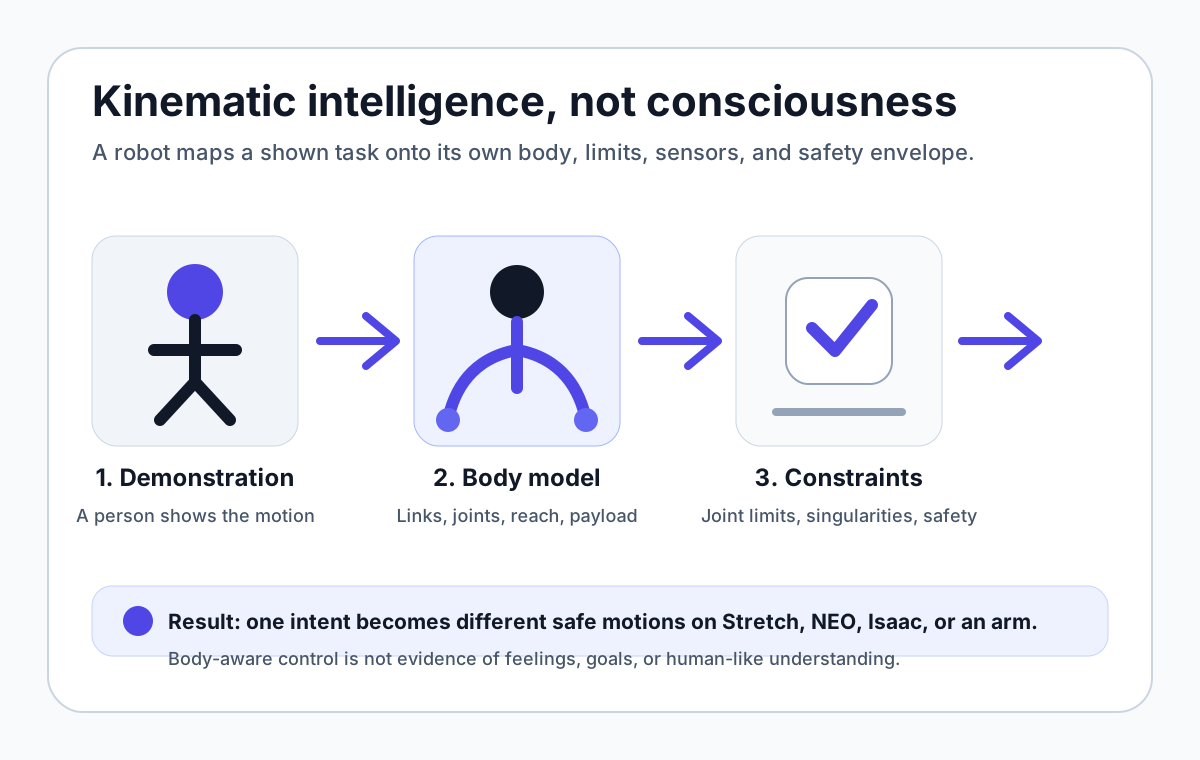
That is why the consciousness debate is a distraction for buyers. The practical question is not whether the robot "knows itself" like a person. It is whether the robot knows enough about its own mechanics to avoid impossible motions, adapt a skill to a new position, recover from small changes, and stay inside a safe operating envelope.
Why does kinematic intelligence matter at home?
Homes are hostile places for brittle robot skills. Counters are different heights. Laundry piles deform. Chairs move. Cabinet doors swing. A sock that looked simple in a demo is suddenly half under a bed, next to a cable, on dark flooring, beside a pet bowl.
The ui44 database now tracks over 240 robots, including over 60 humanoids and 12 home-assistant robots. The interesting shift is not just that more robots have legs, screens, or voice assistants. It is that more of them are being pitched as machines that can manipulate the physical home: fold, pick, tidy, retrieve, open, grasp, carry, or relocate objects.
That is where body awareness becomes a buyer issue. A robot that can only replay a lab motion is fragile. A robot that can adapt the same task to its own reach, payload, gripper geometry, and local obstacles is closer to a useful household assistant.
But "closer" is doing a lot of work. Kinematic intelligence helps with how a robot moves. It does not automatically solve what object it is looking at, why a person wants it moved, whether the object is safe to touch, or when the robot should stop and ask for help. A better body model is one piece of the home-robot stack, not the whole robot brain.
Which robots show the gap between demos and useful chores?
Here is the practical way to read the current market. Some robots are already useful within narrow boundaries. Some are research platforms. Some are home-facing preorders. None should be treated as a general-purpose household worker just because a headline says robots can learn by watching people.
Robot
- Current ui44 status
- Pre-order
- Body and price
- $20,000; 167 cm; 30 kg; roughly 4-hour battery
- Why it matters for kinematic intelligence
- A home-focused humanoid with tactile skin, RGB/depth sensors, gentle manipulation claims, and an Expert Mode where a 1X human can guide unfamiliar chores. The buyer question is how much autonomy exists today versus how much learning happens through human-in-the-loop help.
Robot
- Current ui44 status
- Active
- Body and price
- $24,950; 24.5 kg; 2-5 hour runtime; 2 kg payload
- Why it matters for kinematic intelligence
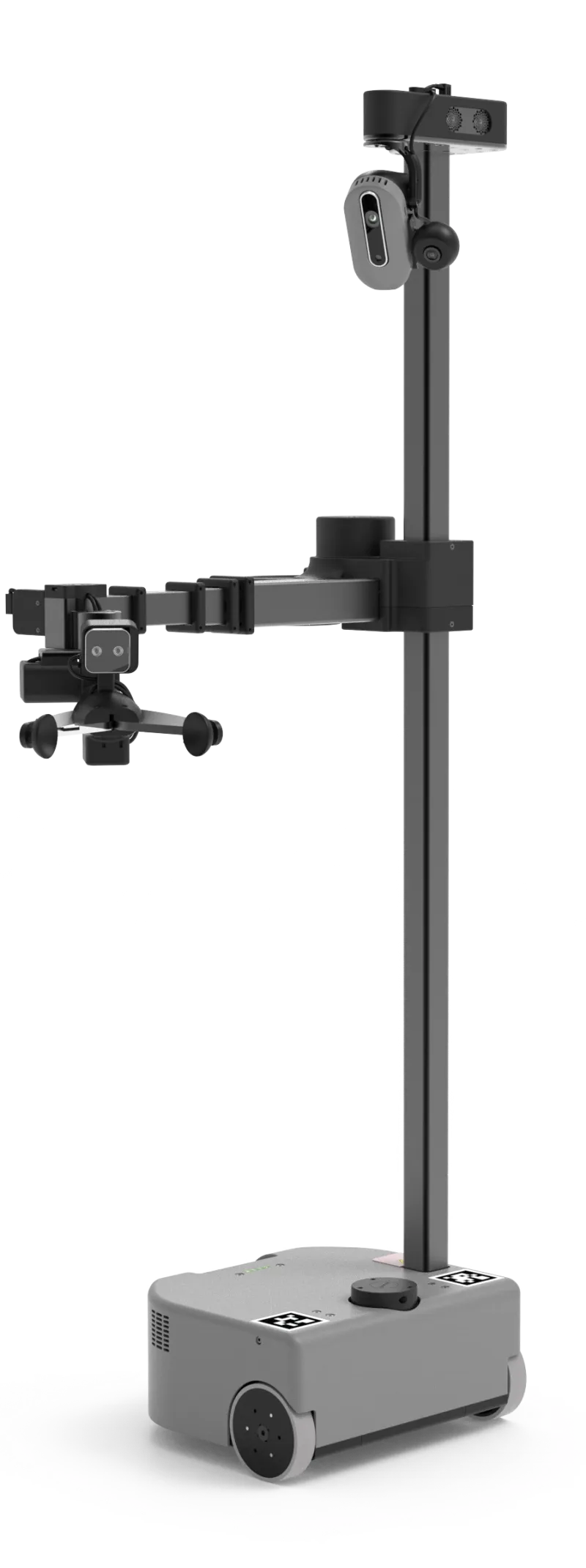
- A lightweight mobile manipulator designed around real homes, ROS 2, Python, web teleoperation, and embodied-AI research. It is a better mental model for near-term mobile manipulation than a movie-style humanoid.
Robot
- Current ui44 status
- Available
- Body and price
- $7,999 upfront or $450/mo; stationary; mains powered
- Why it matters for kinematic intelligence
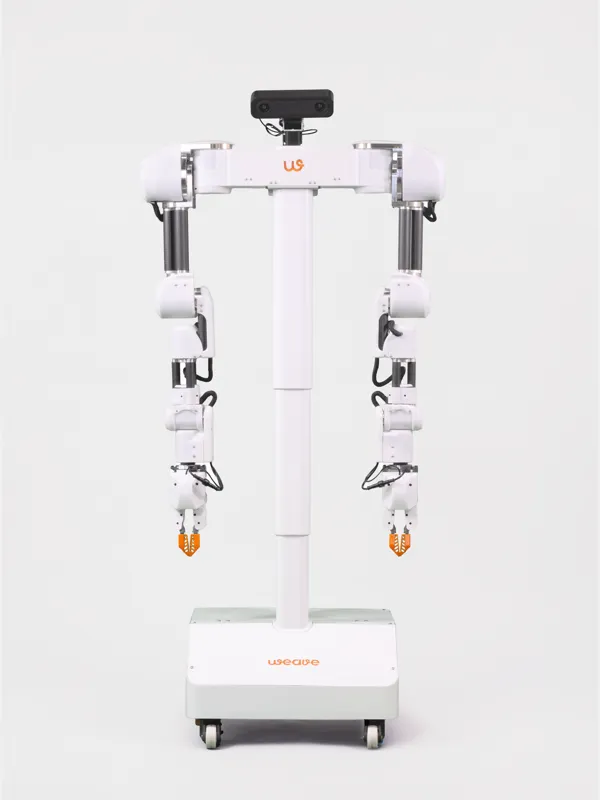
- A narrow home robot for laundry folding. It uses vision, proprioceptive sensing, remote assist, weekly model updates, and a 20-DoF mechanism. This is the kind of bounded task where body-aware control has a realistic path.
Robot
- Current ui44 status
- Available
- Body and price
- $1,299; 7.98 cm tall vacuum with a 5-axis OmniGrip arm
- Why it matters for kinematic intelligence
- A consumer robot with a manipulator, but within strict limits: socks, shoes, and small obstacle relocation so the vacuum can clean. It is not a general robot arm for the home.
Robot
- Current ui44 status
- Active
- Body and price
- No public price; 173 cm; 61 kg; 20 kg payload
- Why it matters for kinematic intelligence
- Officially positioned for home, commercial, and world-scale deployment, with Helix VLA, force sensors, tactile arrays, and learning-from-demonstration capabilities. BMW production pilots are underway, but no consumer purchase flow exists yet. Useful signal for where body-aware manipulation is heading.
Robot
- Current ui44 status
- Active research platform
- Body and price
- Not sold to consumers; 100.5-135 cm; about 37 kg; 1.2 kg payload
- Why it matters for kinematic intelligence
- A long-running home-assistance research platform for retrieving items from floors and shelves, voice-command support, and remote operation. It shows how hard useful home assistance has been even before the humanoid boom.
| Robot | Current ui44 status | Body and price | Why it matters for kinematic intelligence |
|---|---|---|---|
| 1X NEO | Pre-order | $20,000; 167 cm; 30 kg; roughly 4-hour battery | A home-focused humanoid with tactile skin, RGB/depth sensors, gentle manipulation claims, and an Expert Mode where a 1X human can guide unfamiliar chores. The buyer question is how much autonomy exists today versus how much learning happens through human-in-the-loop help. |
| Hello Robot Stretch 3 | Active | $24,950; 24.5 kg; 2-5 hour runtime; 2 kg payload | A lightweight mobile manipulator designed around real homes, ROS 2, Python, web teleoperation, and embodied-AI research. It is a better mental model for near-term mobile manipulation than a movie-style humanoid. |
| Weave Isaac 0 | Available | $7,999 upfront or $450/mo; stationary; mains powered | A narrow home robot for laundry folding. It uses vision, proprioceptive sensing, remote assist, weekly model updates, and a 20-DoF mechanism. This is the kind of bounded task where body-aware control has a realistic path. |
| Roborock Saros Z70 | Available | $1,299; 7.98 cm tall vacuum with a 5-axis OmniGrip arm | A consumer robot with a manipulator, but within strict limits: socks, shoes, and small obstacle relocation so the vacuum can clean. It is not a general robot arm for the home. |
| Figure 03 | Active | No public price; 173 cm; 61 kg; 20 kg payload | Officially positioned for home, commercial, and world-scale deployment, with Helix VLA, force sensors, tactile arrays, and learning-from-demonstration capabilities. BMW production pilots are underway, but no consumer purchase flow exists yet. Useful signal for where body-aware manipulation is heading. |
| Toyota Human Support Robot | Active research platform | Not sold to consumers; 100.5-135 cm; about 37 kg; 1.2 kg payload | A long-running home-assistance research platform for retrieving items from floors and shelves, voice-command support, and remote operation. It shows how hard useful home assistance has been even before the humanoid boom. |
The pattern is clear: the most credible near-term products are either narrow home appliances with one physical trick, like Saros Z70 and Isaac 0, or research and developer platforms like Stretch 3. The broad humanoid story is exciting, but it is still filtered through preorder programs, industrial pilots, remote assist, and carefully selected demos.
What does this mean for laundry, dishes, and bed-making?
Laundry is the perfect reality check. A towel, a T-shirt, and a pair of pants do not behave like rigid blocks. They fold, twist, hide their edges, and change shape when the robot touches them. Weave Isaac 0's value is not that it proves general household robots are solved. Its value is that it narrows the problem: one stationary robot, one high-friction chore category, known garment types, remote-assist fallback, and a clear 30-90 minute per-load expectation in the current ui44 record.
Dishes are harder in a different way. A dishwasher load requires object recognition, grasp planning, wet/slippery contact, force control, collision avoidance, and judgment about what belongs where. Bed-making adds large deformable textiles, wide reach, forceful tucking, and awkward geometry around a mattress. Kinematic intelligence helps a robot adapt its own arm motion, but it does not magically make soft objects easy.
This is why a demo of a robot learning a ball-tossing motion matters and still should not be overread. Cross-robot skill transfer is a valuable research step. A home chore is a full stack: perception, planning, grasping, compliant control, safety, recovery, user intent, and product reliability.
What should buyers ask before believing a learning claim?
When a home robot says it can learn, adapt, or become more capable over time, ask for specifics. Good claims are narrow enough to verify.
- What exactly can be taught? A new route? A new object category? A new grasp? A full chore sequence? "Learns your home" is not the same as "can be taught to fold a specific garment."
- Who provides the demonstration? The owner, a technician, a remote human operator, a manufacturer data-collection team, or a fleet-learning system all imply different privacy and labor trade-offs.
- Does the skill transfer across rooms or bodies? Kinematic intelligence is valuable because it aims to make skills less tied to one robot shape. Ask whether a taught motion survives a different counter height, object position, lighting condition, or end-effector.
- What happens when it fails? The best near-term home robots will have graceful failure modes: stop, ask, hand off to teleoperation, or skip the object. Silent improvisation is not always a feature.
- What data leaves the home? If learning uses video, remote assistance, or cloud model updates, the privacy story matters as much as the autonomy story.
- What physical limits are published? Payload, reach, speed, contact force, runtime, recovery behavior, and prohibited tasks are more useful than a vague claim that the robot is "safe."
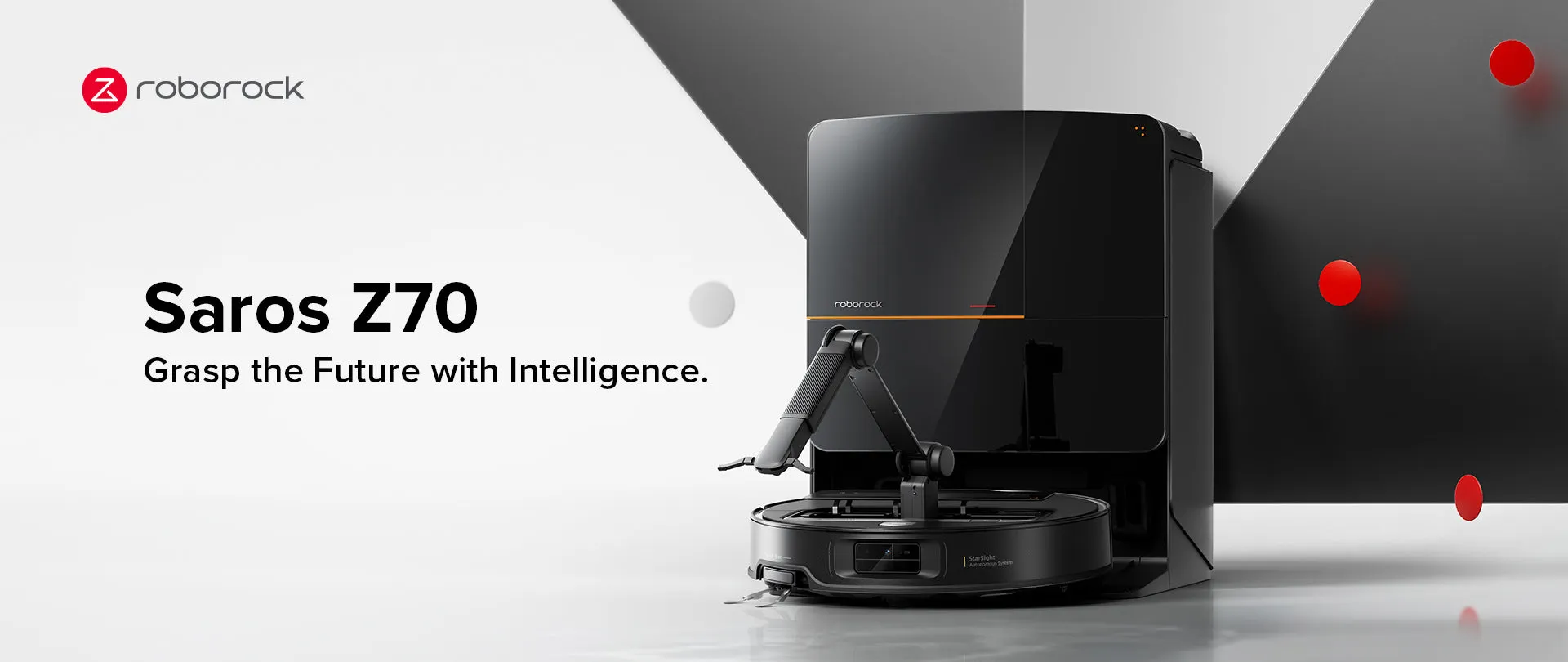
Saros Z70 is a good example of honest boundaries. It is not marketed as a humanoid helper. It is a robot vacuum with a specific manipulator use case: relocate small obstacles so cleaning can continue. That is exactly the kind of bounded physical autonomy buyers can evaluate.
Should you wait for a self-aware home robot?
No, not if "self-aware" is the reason. The term is too loaded. If you need a robot now, buy for the job that is already productized: vacuuming, mowing, simple companion presence, stationary laundry folding in supported regions, or a research/developer platform if you actually want to build.
If you are watching the next wave, kinematic intelligence is a useful signal. It points toward robots that can learn from fewer demonstrations, retarget motions across different bodies, and adapt to the messiness of real rooms. That is much more relevant than a chatbot attached to a body.
The practical forecast is this: the first useful home robots will not feel like fully self-aware roommates. They will feel like machines with better body sense, narrower task boundaries, clearer failure modes, and more human help behind the scenes than the marketing admits.
That is still progress. A robot that knows its own reach, payload, joints, and unsafe poses is a better housemate than one that only knows how to repeat a demo. Just do not confuse body awareness with consciousness, or a good research paper with a robot that can clean your whole kitchen.
Related in the database
Use this article as a privacy verification workflow
Turn the article into a privacy verification pass grounded in the robots, manufacturers, and components it actually references.
Self-Aware Robots? Kinematic Intelligence Explained already points you toward 6 linked robots, 6 manufacturers, and 5 countries inside the ui44 database. That matters because strong buyer guidance is easier to apply when you can move immediately from a claim or warning into concrete product pages, manufacturer directories, component explainers, and country-level context instead of treating the article as an isolated opinion piece. The fastest next step is to turn the article into a shortlist workflow: open the linked robot pages, verify which specs are actually published for those models, then compare the surrounding manufacturer and component context before you decide whether the underlying claim changes your buying plan.
For this topic, the useful discipline is to separate the editorial lesson from the catalog evidence. The article gives you the framing, but the robot pages tell you what each product actually ships with today: sensor stack, connectivity methods, listed price, release timing, category, and support-relevant compatibility notes. The manufacturer pages then show whether you are looking at a one-off launch, a broader lineup pattern, or a company that spans multiple categories. That layered workflow reduces the risk of buying on a single marketing phrase or a single support FAQ.
Use the robot pages to confirm which products actually expose cameras, microphones, Wi-Fi, or voice systems, then use the manufacturer pages to decide how much of the privacy question seems product-specific versus brand-wide. On this route cluster, NEO, Isaac 0, and Saros Z70 form the fastest reality check. If you want a quick working shortlist, open Compare NEO, Isaac 0, and Saros Z70 next, then keep this article open as the reasoning layer while you compare structured data side by side.
Practical Takeaway
Every robot, manufacturer, category, component, and country reference below resolves to a real ui44 page, keeping the follow-up path grounded in database records rather than generic advice.
Suggested next steps in ui44
- Open NEO and note the listed sensors, connectivity methods, and voice stack before you interpret any policy claim.
- Cross-check the wider brand context on 1X Technologies so you can see whether the privacy question touches one model or a broader lineup.
- Use the linked component pages to confirm how common the relevant sensors and connectivity layers are across the database.
- Keep a short note of which policy layers you checked, which device features are actually present on the robot page, and which items still depend on region- or app-level confirmation.
- Finish with Compare NEO, Isaac 0, and Saros Z70 so the policy reading sits next to structured product data.
Robot profiles worth opening next
Use the linked product pages as the evidence layer
The linked robot pages are where this article becomes operational. Instead of asking whether the headline is interesting, use the robot entries to inspect the actual mix of sensors, connectivity options, batteries, pricing, release timing, and stated capabilities attached to the products mentioned in the article. That is the easiest way to see whether the warning or opportunity described here affects one product family, a specific design pattern, or an entire buying lane.
NEO
1X Technologies · Humanoid · Pre-order
NEO is tracked on ui44 as a pre-order humanoid robot from 1X Technologies. The database currently records a listed price of $20,000, a release date of 2025-10-28, ~4 hours battery life, Not disclosed charging time, and a published stack that includes RGB Cameras, Depth Sensors, and Tactile Skin plus Wi-Fi and Bluetooth.
For privacy-focused reading, this page matters because it shows the concrete device surface behind the policy discussion. Use it to verify whether NEO combines sensors and connectivity in a way that could change the in-home data footprint, and compare the listed capabilities such as Household Chores, Tidying Up, and Safe Human Interaction with any cloud, app, or voice layers.
Isaac 0
Weave Robotics · Home Assistants · Available
Isaac 0 is tracked on ui44 as a available home assistants robot from Weave Robotics. The database currently records a listed price of $3,999, a release date of 2026-02, Mains powered (600W, 120V) battery life, N/A (plugged in) charging time, and a published stack that includes Vision System and Proprioceptive Sensors plus Wi-Fi 2.4GHz/5GHz and Ethernet.
For privacy-focused reading, this page matters because it shows the concrete device surface behind the policy discussion. Use it to verify whether Isaac 0 combines sensors and connectivity in a way that could change the in-home data footprint, and compare the listed capabilities such as Laundry Folding, T-shirts, Long Sleeves, Sweaters, and Pants and Towels with any cloud, app, or voice layers.
Saros Z70 is tracked on ui44 as a available cleaning robot from Roborock. The database currently records a listed price of $1,000, a release date of 2025-05, 6,400 mAh Li-ion; official FAQ says about 2h15+ vacuuming/mopping with the arm disabled, or about 2h10+ with the arm enabled while tidying 10 items (Mop Wash Frequency set to 15 minutes). battery life, 2.5-hour fast charging charging time, and a published stack that includes LiDAR (StarSight 2.0), 3D Structured Light, and RGB Camera plus Wi-Fi and Bluetooth.
For privacy-focused reading, this page matters because it shows the concrete device surface behind the policy discussion. Use it to verify whether Saros Z70 combines sensors and connectivity in a way that could change the in-home data footprint, and compare the listed capabilities such as OmniGrip 5-Axis Mechanical Arm, Object Pickup up to 300 g (socks, sandals, crumpled tissues, towels; more items planned via OTA), and Obstacle Relocation with any cloud, app, or voice layers, including Amazon Alexa and Google Assistant.
Stretch 3
Hello Robot · Home Assistants · Active
Stretch 3 is tracked on ui44 as a active home assistants robot from Hello Robot. The database currently records a listed price of $24,950, a release date of 2024, 2–5 hours battery life, Not disclosed charging time, and a published stack that includes Intel D405 RGBD Camera (gripper), Intel D435if RGBD Camera (head), and Wide-Angle RGB Camera (head) plus Wi-Fi 6E and Bluetooth.
For privacy-focused reading, this page matters because it shows the concrete device surface behind the policy discussion. Use it to verify whether Stretch 3 combines sensors and connectivity in a way that could change the in-home data footprint, and compare the listed capabilities such as Mobile Manipulation, Autonomous Navigation, and Teleoperation (Web / Gamepad / Dexterous) with any cloud, app, or voice layers.
Figure 03 is tracked on ui44 as a active humanoid robot from Figure AI. The database currently records a listed price of Price TBA, a release date of 2025-10-09, ~5 hours battery life, Not disclosed charging time, and a published stack that includes Stereo Vision, Depth Cameras, and Force Sensors plus Wi-Fi and Bluetooth.
For privacy-focused reading, this page matters because it shows the concrete device surface behind the policy discussion. Use it to verify whether Figure 03 combines sensors and connectivity in a way that could change the in-home data footprint, and compare the listed capabilities such as Complex Manipulation, Warehouse Work, and Manufacturing Tasks with any cloud, app, or voice layers.
Manufacturer context behind the article
Check whether this is one product story or a broader company pattern
Manufacturer pages add the privacy context that individual product pages cannot show on their own. They help you check whether cameras, microphones, cloud accounts, app controls, and policy assumptions appear across a broader lineup or stay tied to one specific product story.
1X Technologies
ui44 currently tracks 2 robots from 1X Technologies across 1 category. The company is grouped under Norway, and the current catalog footprint on ui44 includes NEO, EVE.
That wider brand context matters because privacy questions rarely stop at one FAQ page. A manufacturer route helps you see whether the article is centered on one premium model or on a company that has several relevant products and therefore more than one place where the same policy or app assumptions might matter. The category mix here currently points toward Humanoid as the most useful next route if you want to see whether this article reflects a wider pattern inside the brand.
Weave Robotics
ui44 currently tracks 2 robots from Weave Robotics across 1 category. The company is grouped under Denmark, and the current catalog footprint on ui44 includes Isaac 0, Isaac 1.
That wider brand context matters because privacy questions rarely stop at one FAQ page. A manufacturer route helps you see whether the article is centered on one premium model or on a company that has several relevant products and therefore more than one place where the same policy or app assumptions might matter. The category mix here currently points toward Home Assistants as the most useful next route if you want to see whether this article reflects a wider pattern inside the brand.
Roborock
ui44 currently tracks 6 robots from Roborock across 2 categorys. The company is grouped under China, and the current catalog footprint on ui44 includes Saros Z70, Saros Rover, Saros 20.
That wider brand context matters because privacy questions rarely stop at one FAQ page. A manufacturer route helps you see whether the article is centered on one premium model or on a company that has several relevant products and therefore more than one place where the same policy or app assumptions might matter. The category mix here currently points toward Cleaning, Lawn & Garden as the most useful next route if you want to see whether this article reflects a wider pattern inside the brand.
Hello Robot
ui44 currently tracks 2 robots from Hello Robot across 1 category. The company is grouped under USA, and the current catalog footprint on ui44 includes Stretch 3, Stretch 4.
That wider brand context matters because privacy questions rarely stop at one FAQ page. A manufacturer route helps you see whether the article is centered on one premium model or on a company that has several relevant products and therefore more than one place where the same policy or app assumptions might matter. The category mix here currently points toward Home Assistants as the most useful next route if you want to see whether this article reflects a wider pattern inside the brand.
Broaden the scan without leaving the database
Categories, components, and countries add the wider context
Category framing
Category pages are useful when the article touches a buying pattern that shows up across brands. A category route helps you confirm whether the linked products sit in a narrow niche or whether the same question should be tested across a larger field of alternatives.
Humanoid
The Humanoid category page currently groups 129 tracked robots from 92 manufacturers. ui44 describes this lane as: Full-size bipedal humanoid robots built to work alongside people — from factory floors to household tasks. Compare the cutting edge of humanoid robotics.
That makes the category route a practical follow-up when you want to check whether the products linked in this article are typical for the lane or whether they sit at one edge of the market. Useful starting examples currently include NEO, EVE, Mornine M1.
Home Assistants
The Home Assistants category page currently groups 16 tracked robots from 14 manufacturers. ui44 describes this lane as: Arm-based household helpers — laundry folders, kitchen robots, and mobile manipulators that take on hands-on physical tasks around the home.
That makes the category route a practical follow-up when you want to check whether the products linked in this article are typical for the lane or whether they sit at one edge of the market. Useful starting examples currently include Robody, Futuring 2 (F2), Stretch 3.
Country and ecosystem context
Country pages give extra context when support practices, launch sequencing, regulatory posture, or manufacturer mix matter. They are not a substitute for model-level verification, but they do help you see which ecosystems cluster together and which manufacturers sit in the same regional field when you broaden the search beyond the article headline.
Norway
The Norway route currently groups 2 tracked robots from 1 manufacturers in ui44. That gives you a useful regional lens when the article points toward support practices, launch sequencing, or brand clusters that may share similar ecosystem assumptions.
On the current route, manufacturers like 1X Technologies make the page a good way to broaden the scan without losing the regional context that often shapes availability, documentation style, and adjacent alternatives.
Denmark
The Denmark route currently groups 2 tracked robots from 1 manufacturers in ui44. That gives you a useful regional lens when the article points toward support practices, launch sequencing, or brand clusters that may share similar ecosystem assumptions.
On the current route, manufacturers like Weave Robotics make the page a good way to broaden the scan without losing the regional context that often shapes availability, documentation style, and adjacent alternatives.
China
The China route currently groups 189 tracked robots from 87 manufacturers in ui44. That gives you a useful regional lens when the article points toward support practices, launch sequencing, or brand clusters that may share similar ecosystem assumptions.
On the current route, manufacturers like AGIBOT, Dreame, Unitree Robotics make the page a good way to broaden the scan without losing the regional context that often shapes availability, documentation style, and adjacent alternatives.
Questions to answer before you move from reading to buying
A follow-up FAQ built from the entities already linked in this article
Frequently Asked Questions
Which page should I open first after reading “Self-Aware Robots? Kinematic Intelligence Explained”?
Start with NEO. That gives you a concrete product anchor for the article’s main claim. From there, branch into the manufacturer and component pages so you can tell whether the article is describing one specific model, a repeated brand pattern, or a wider technology issue that affects multiple shortlist options.
How do the manufacturer pages change the buying decision?
1X Technologies help you zoom out from one article and one product. On ui44 they show lineup breadth, category spread, and the neighboring robots tied to the same company. That context is useful when you are deciding whether a risk belongs to a single model, whether it shows up across a brand’s portfolio, and whether you should keep looking at alternatives before committing.
When should I switch from reading to side-by-side comparison?
Move into Compare NEO, Isaac 0, and Saros Z70 as soon as you understand the article’s main warning or promise. The article explains what to watch for, but the compare view is where you can check whether price, status, battery life, connectivity, sensors, and category fit still make the robot a good match for your own home and budget.
Where to go next in ui44
Keep the research chain inside the database
If you want to keep going, these follow-on pages give you the cleanest expansion path from article to research session. Open the comparison route first if you are deciding between products today. Open the manufacturer, category, and component routes if you still need to understand the broader pattern behind the claim.
Written by
ui44 Team
Published May 4, 2026
Share this article
Open a plain share link on X or Bluesky. No embeds, no widgets, no cookie baggage.