That conclusion comes from a University of Washington study, published by IEEE Spectrum, that surveyed 76 people in the U.S. and U.K. about humanoid robots in the home. The big takeaway was not "nobody wants humanoids." It was more practical than that: people were generally open to home humanoids in theory, but for most tasks they still trusted less intrusive robots more.
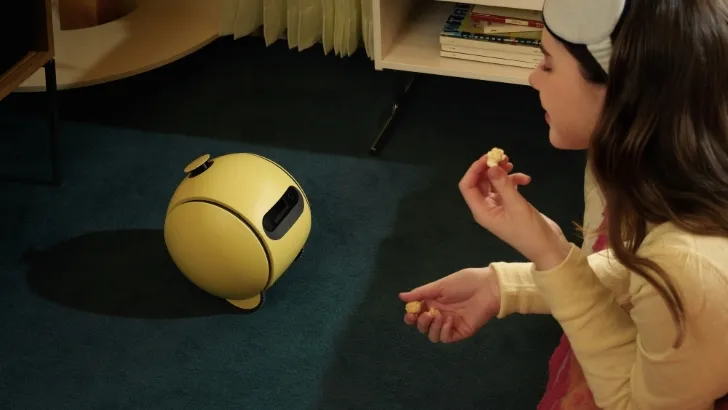
That gap matters because robot companies are racing toward the humanoid future. On ui44, we can compare that survey signal against real products in our database, from Samsung Ballie and LOVOT to 1X NEO, LG CLOiD, Figure 03, and Tesla Optimus Gen 2. The result is pretty consistent: the nearer a robot feels to a normal home, the more believable it becomes.
What did the humanoid robot home survey actually find?
The survey asked participants whether humanoid robots at home felt acceptable, which designs they preferred, and which robot they would choose for specific in-home tasks. The researchers also framed the scenarios optimistically: people were asked to assume the robots had passed safety testing, had regulatory approval, and would be covered by insurance.
Even with those generous assumptions, the pattern was clear.
- People generally preferred special-purpose robots over humanoids.
- They described smaller dedicated machines as safer, more private, and less intrusive.
- Humanoids got a better response when the task was awkward or harder to solve with a single-purpose machine, like dressing assistance or folding laundry.
- "Acceptable" did not mean "I want to buy one right now."
That last point is the most important one for buyers. The home robot market gets distorted when demo videos are treated like purchase intent. A person can say a humanoid seems fine in principle and still decide they would rather buy a rolling companion, a cleaning robot, or nothing at all.
The study also surfaced four very normal consumer concerns that show up again and again in home robotics.
Safety worries came first
Participants imagined robots tripping, tipping, malfunctioning, mishandling hot objects, or glitching near children or older adults. That is exactly the kind of anxiety a home buyer would have. A warehouse robot can be fenced off. A home robot shares your floor with pets, furniture, cords, and people who are not wearing safety gear.
Privacy was not abstract
Participants worried about cameras, cloud processing, and remote access. That lines up with a lot of current buyer hesitation around smart home devices in general. The more capable a robot becomes, the more it needs sensors. The more sensors it has, the more trust it needs to earn.
Space matters more than robot marketing admits
Homes are tight. A tall, body-sized machine is not just a gadget. It is another object that needs storage, charging space, safe movement paths, and social acceptance. A robot can look futuristic onstage and still feel ridiculous in a small apartment.
People want useful help, not robot ideology
Most buyers do not care whether a robot is humanoid for philosophical reasons. They care whether it solves a problem with minimal hassle. If a round, wheeled, or pet-like robot does the job with less friction, that usually wins.
Why do buyers prefer smaller robots?
Because small robots make narrower promises, and narrower promises are easier to trust.
A purpose-built robot tells you what it is for. A robot vacuum cleans floors. A companion bot keeps you company, monitors the home, or acts as a family interface. The buyer can understand the value quickly.
A humanoid makes a much bigger promise. It suggests general help, arms for many tasks, and the possibility of one robot replacing several devices. That is exciting, but it also raises the bar. People start asking tougher questions.
- Will it really work without supervision?
- Will it break things?
- Will it record too much?
- Will it feel creepy sitting in the room when nobody needs help?
- Is it worth taking up that much space for occasional chores?
That is why the survey's results feel so believable. Consumers usually adopt home technology in small, low-friction steps. They accepted robot vacuums because they clean one category of mess and largely stay out of the way. They may accept companion robots because those machines feel more like ambient helpers or social devices than all-purpose mechanical roommates.
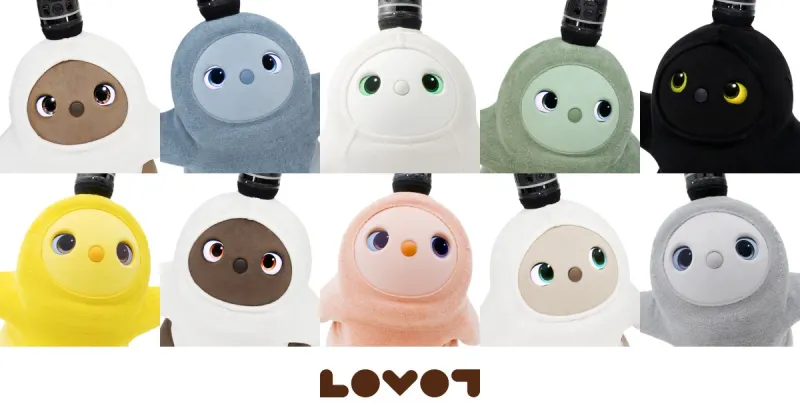
LOVOT is a good example. It is only 43 cm tall and weighs 4.6 kg in the current 3.0 model, according to ui44's database. It does not promise to fold laundry or carry groceries. It offers emotional companionship, touch response, person recognition, and a deliberately warm, non-threatening design. That makes it easier to evaluate on its own terms.
By contrast, a humanoid buyer has to believe the robot can navigate safely, manipulate well, stay balanced, handle edge cases, and justify its much higher cost. The survey suggests most consumers are not there yet.
Which real ui44 robots fit those preferences best?
Here is where the survey gets useful. Instead of talking about "the future" in the abstract, we can compare live products and active projects in ui44's database against what buyers actually said they want.
Robot
- Category
- Companion
- Price in ui44 DB
- No price announced
- Status
- Development
- Best read against the survey
- Strong fit for buyers who want light-touch help without a humanoid body
Robot
- Category
- Companion
- Price in ui44 DB
- ¥577,500 plus care plan
- Status
- Available
- Best read against the survey
- Strong fit for emotional comfort and low-threat design
Robot
- Category
- Humanoid
- Price in ui44 DB
- $20,000
- Status
- Pre-order
- Best read against the survey
- Best current test of whether consumers will accept a true home humanoid
Robot
- Category
- Home assistant
- Price in ui44 DB
- No price announced
- Status
- Development
- Best read against the survey
- Strong middle-ground concept, because it keeps arms but drops bipedal walking
Robot
- Category
- Humanoid
- Price in ui44 DB
- No price announced
- Status
- Active
- Best read against the survey
- Important robotics platform, but not a believable near-term home buy
Robot
- Category
- Humanoid
- Price in ui44 DB
- Targeted around $30,000
- Status
- Development
- Best read against the survey
- Huge long-term interest, weak short-term fit for current home comfort
| Robot | Category | Price in ui44 DB | Status | Best read against the survey |
|---|---|---|---|---|
| Samsung Ballie | Companion | No price announced | Development | Strong fit for buyers who want light-touch help without a humanoid body |
| LOVOT | Companion | ¥577,500 plus care plan | Available | Strong fit for emotional comfort and low-threat design |
| 1X NEO | Humanoid | $20,000 | Pre-order | Best current test of whether consumers will accept a true home humanoid |
| LG CLOiD | Home assistant | No price announced | Development | Strong middle-ground concept, because it keeps arms but drops bipedal walking |
| Figure 03 | Humanoid | No price announced | Active | Important robotics platform, but not a believable near-term home buy |
| Optimus Gen 2 | Humanoid | Targeted around $30,000 | Development | Huge long-term interest, weak short-term fit for current home comfort |
Best match for current buyer comfort: Samsung Ballie
Ballie is almost the anti-humanoid answer to the survey.
In ui44's database, Samsung positions Ballie as an AI home companion that rolls through the house, works with SmartThings, uses a built-in projector, sends pet or family video updates, and supports voice and conversational interaction. It is still in Development, with no confirmed price, and Samsung has repeatedly delayed it. Even so, the product concept itself matches the survey well.
Ballie feels proportionate to the job. It can help with reminders, home control, lightweight monitoring, and ambient assistance without asking buyers to accept a full-size robot body in the middle of the room. Its limits are obvious too. It cannot manipulate objects with arms, so it cannot do laundry, unload groceries, or tidy clutter physically. But the survey suggests many buyers would accept that trade.
Best match for companionship over labor: LOVOT
LOVOT is a reminder that not all home robot demand is about chores.
The current LOVOT 3.0 in ui44 starts at ¥577,500, requires a monthly care plan, and is already Available. It uses more than 50 sensors, full-body touch sensing, person recognition, autonomous navigation, and auto-charging behavior to act like a companion, not a utility machine.
That matters because the survey's core lesson is really about fit. A buyer may not want a humanoid that promises to do everything. They might still want a robot that offers comfort, presence, or family interaction. LOVOT proves there is room in the market for a robot that makes a smaller, clearer promise.
Best current test of the humanoid thesis: 1X NEO
If you want the strongest case for home humanoids, it is still 1X NEO.
In ui44's database, NEO is 167 cm tall, weighs 30 kg, is listed at $20,000 for early adopters, offers about 4 hours of battery life, and sits in Pre-order status. Its whole pitch is home use: household chores, tidying, gentle manipulation, and safe human interaction.
That is exactly why NEO matters. It is not mainly a factory robot trying to become a home robot later. It is the clearest direct bet that people will pay for a humanoid designed for domestic life.
But the survey suggests the bar will be high. NEO does not just need to be impressive. It needs to feel safer, less awkward, and more worth living with than smaller alternatives. At $20,000, it also needs to convince buyers that the added form factor really unlocks meaningful tasks, not just better marketing.
Best middle-ground concept: LG CLOiD
LG CLOiD may be the most underrated robot in this conversation.
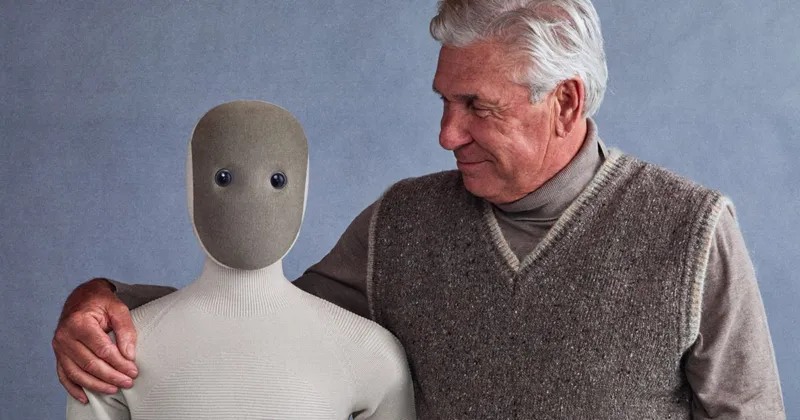
According to ui44's database, CLOiD combines a wheeled mobile base with two 7-DoF arms, five-fingered hands, and LG ThinQ integration. It is still in Development, with no announced price, but the concept is smart. CLOiD keeps the part buyers may eventually want, object manipulation, while dropping the most controversial part of humanoids for home use, full bipedal walking.
That design probably tracks the survey better than a classic humanoid does. Wheels are less theatrical than legs, but they are often more practical indoors. If buyers want a robot that can start laundry, move items, and help in kitchens or living rooms without trying to look like a person, CLOiD is closer to that middle ground.
Worst fit for today's home preferences: Figure 03 and Optimus Gen 2
This is not about engineering quality. It is about product fit.
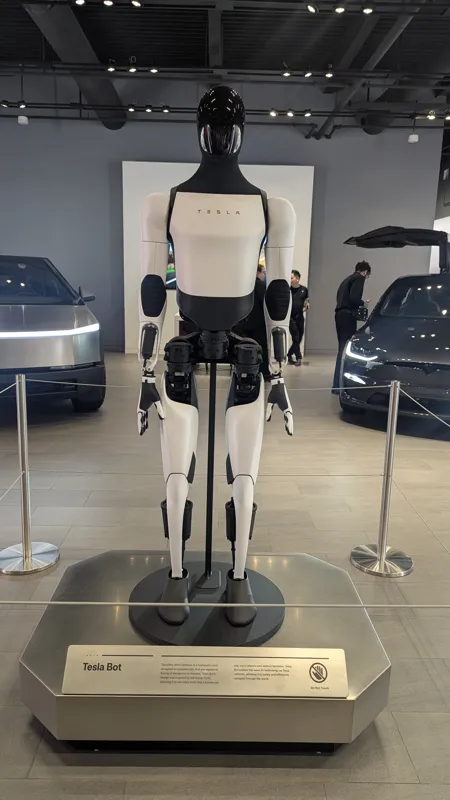
Figure 03 is 168 cm and 60 kg in ui44's database, with a stated ~5 hour battery life and no public consumer price. Optimus Gen 2 is 173 cm and 57 kg, also without an actual retail launch. Both are important reference points in the humanoid race. Both may shape the market later.
Right now, though, they fit investor imagination better than household comfort. They are large, ambitious, development-heavy platforms, and neither is a straightforward consumer purchase. For a buyer reading this survey and thinking, "What robot would I actually want in my home soon?", these are not the easiest answers.
That is the bigger lesson. Being a famous humanoid is not the same thing as feeling welcome in a normal home.
What should buyers take from the survey in 2026?
Three practical lessons stand out.
1. Buyers already want home robots, just not always humanoids
The home robot market is real. The survey does not say consumers are anti-robot. It says they are selective about form factor. That is healthier than blanket enthusiasm because it forces companies to justify why a humanoid body is necessary.
2. Manipulation is the real argument for humanoids
Where humanoids improved their case in the survey was on awkward tasks that smaller robots cannot solve easily. Folding clothes, dressing help, and mixed household chores are still the strongest reasons to want arms, reach, and more general movement.
That means the home humanoid market will probably be won or lost on a simple question: can the robot do enough real manipulation to justify the extra cost, space, and trust burden?
3. The best near-term winners may be hybrids
The survey's logic points toward a middle layer of home robots, not just a battle between tiny gadgets and full humanoids. Robots like Ballie, LOVOT, and CLOiD suggest that many buyers may prefer companions, hubs, or wheeled manipulators before they accept a general-purpose humanoid.
That is also why the ui44 compare tool matters. The market is not sorting into one obvious winner. It is sorting into different kinds of home robots for different comfort levels and use cases.
What should you watch next if you are shopping the category?
If you are trying to make sense of the home robot market, I would watch five things.
- Whether companion and home-assistant robots ship sooner than humanoid promises. Ballie and LOVOT are more aligned with current buyer comfort.
- Whether 1X NEO proves real household usefulness. It is the cleanest direct test of the home humanoid thesis.
- Whether LG turns CLOiD into a commercial product. A wheeled manipulator may fit homes better than a biped ever does.
- Whether privacy becomes a deciding filter. The survey makes it clear that cameras and remote access are emotional issues, not just spec-sheet details.
- Whether price collapses fast enough to change tolerance. A $20,000 humanoid is a curiosity. A much cheaper one becomes a different buying conversation.
If you want to go deeper, ui44 already has useful follow-on reads about humanoid robots that may actually ship in 2026, when humanoid robots could fall under $10,000, and the broader robot categories emerging across the home market.
Frequently Asked Questions
Does accepting a humanoid in a survey mean people are ready to buy one?
Not really. The survey showed that many people found home humanoids acceptable
under optimistic assumptions, but that is not the same as purchase intent.
Acceptable means a robot does not feel automatically out of bounds. Buying one
still requires trust in safety, privacy, reliability, price, and day-to-day
usefulness. That gap matters because robotics marketing often treats interest as
if it were demand. For most households in 2026, the better question is not
"Would I allow this robot in theory?" It is "Would I actually want this machine
in my home every day, at this price, with these tradeoffs?"
What kind of home robot feels easiest to trust right now?
Based on the survey pattern and the current ui44 database, the easiest robots to
trust are the ones with narrow jobs and obvious limits. A rolling companion like
Samsung Ballie, a social robot like
LOVOT, or even a home assistant concept like
LG CLOiD asks less of the buyer than a full
humanoid does. Those robots still raise real questions about privacy and
pricing, but they generally feel less intrusive and easier to place in a normal
home. That matches the study's broader signal that comfort rises when the robot
feels more purpose-built and less like an all-purpose mechanical roommate.
Should buyers wait for humanoids, or buy a smaller robot first?
For most people, the practical answer is to buy for the job you have now, not
for the robot future you imagine. If you mainly want companionship, light home
control, or a more ambient helper, today's smaller robots make more sense. If
you specifically need physical manipulation, like handling laundry or helping
with dressing, then humanoids remain the category to watch, but they are still
expensive and early. The safest approach is to compare what exists today, follow
pre-order claims carefully, and treat near-term humanoids as emerging products
rather than settled household appliances.
The bottom line
The humanoid robot home survey does not kill the dream of humanoids at home. It does something more useful. It shows that buyers want robots that feel proportionate to the task, safe in the room, and easy to trust.
Right now, that usually points to smaller or more specialized machines. Samsung Ballie and LOVOT fit that instinct better than a body-sized humanoid. 1X NEO is the strongest attempt to change that. LG CLOiD might be the compromise worth watching. Figure 03 and Optimus still look more like future signals than near-term home buys.
So yes, people want robots at home. They just do not automatically want the biggest, most human-shaped robot available. For the next few years, the winners may be the robots that feel less like science fiction and more like good household fit.
Written by
ui44 Team
Published April 13, 2026
Share this article
Open a plain share link on X or Bluesky. No embeds, no widgets, no cookie baggage.