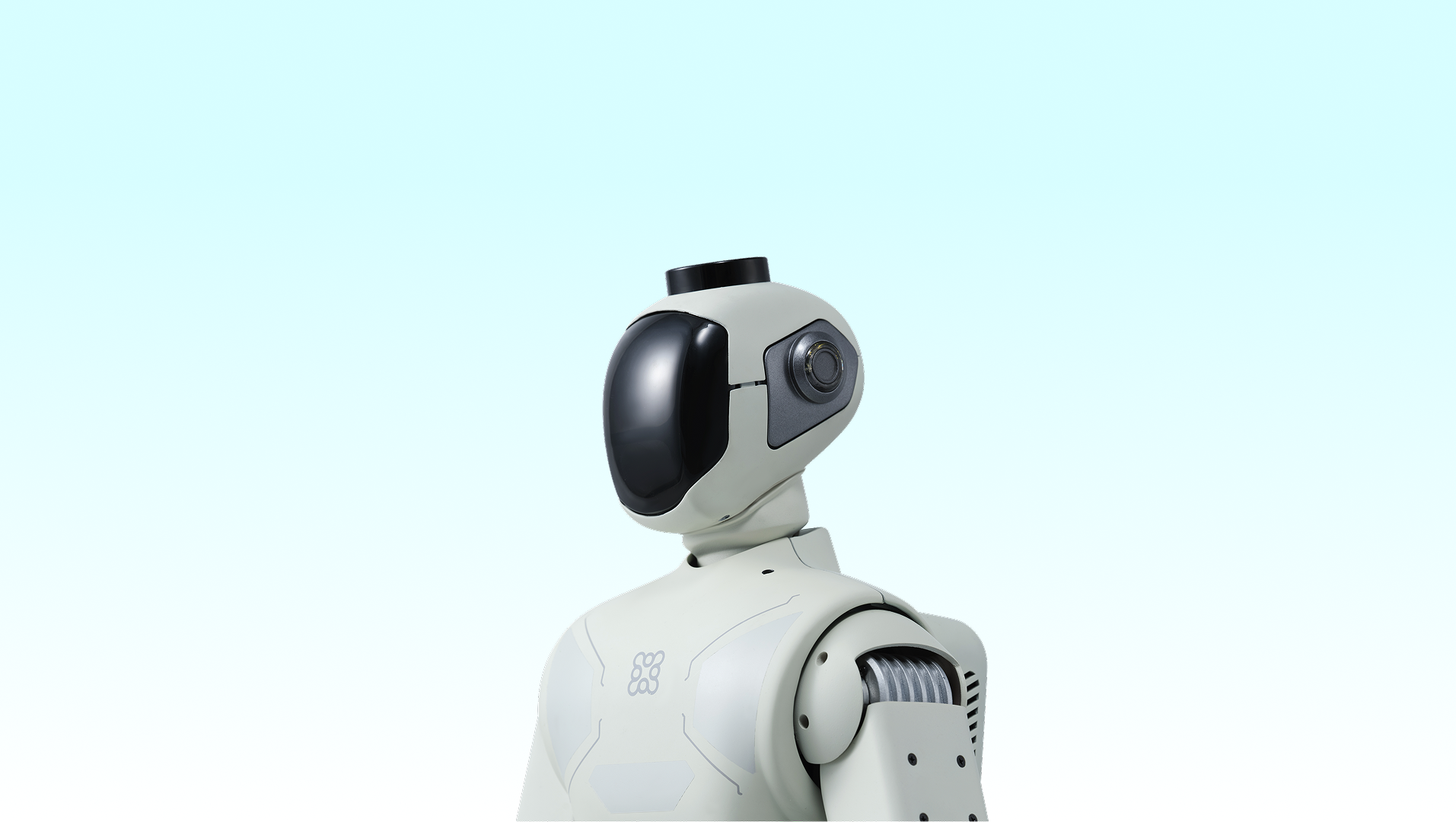
That is exactly why Zeroth Robotics' latest M1 claim is worth taking seriously, but not literally. Zeroth's official M1 page now lists scam prevention alongside gentle fall detection, mobile safety checks, alerts, remote interaction, pet monitoring, kid learning, and daily assistance. That is a meaningful signal: robot companies are moving from "friendly companion" toward household safety layer.
But a robot should not be treated like a financial guardian. The right buyer question is narrower: can the robot add enough friction, context, and caregiver escalation to make scams harder without turning the home into a surveillance system?
The short version: a home robot can help with scams if it behaves like a prompt, log, and escalation tool. It should not decide whether a transfer is allowed, accuse someone of being scammed, record every conversation by default, or replace a trusted human. The feature is only worth trusting if you can verify what it listens for, where the data goes, who receives alerts, and how the older adult can override or silence it.
What should a home robot scam-prevention feature actually do?
A good robot scam-prevention feature should translate basic fraud-safety advice into gentle household behavior.
The FTC's consumer guidance is simple and still the best baseline. Common scam patterns include someone pretending to be from a known organization, claiming there is a problem or prize, pressuring the person to act immediately, and demanding a specific payment method such as gift cards, crypto, wire transfer, or a payment app. The FTC's practical advice is just as clear: resist pressure, don't share personal or financial information with unexpected contacts, and stop to talk to someone trusted before acting.
A robot cannot verify every one of those facts. It may not know whether a bank call is real, whether a grandson is genuinely in trouble, or whether a message came from an official number. What it can do is notice a risk pattern and create a pause.
In practice, the useful version looks like this:
- The robot hears or is told phrases such as "gift card," "wire transfer," "crypto wallet," "do not tell anyone," "IRS," "bank fraud," or "urgent payment."
- It asks a neutral safety question: "Would you like to pause and call a trusted contact before sending money?"
- It can show or speak a short checklist based on official scam guidance.
- It can notify a pre-approved family member, caregiver, or support contact only when the user has opted into that escalation.
- It keeps a visible log of safety prompts so the older adult and caregiver can review what happened.
That is different from a robot saying, "This is a scam," or blocking a person's phone, banking app, or smart home controls. The first design adds friction. The second design takes authority. For home robots, especially robots used around older adults, that difference matters.
How Zeroth M1 fits the new senior-safety robot category
Zeroth M1 is an unusually direct example because Zeroth now uses the language buyers will search for. The official page says M1 delivers gentle fall detection, mobile safety checks, daily assistance, alerts, scam prevention, interactive learning for kids, pet behavior monitoring, and remote interaction.
ui44's database currently lists M1 as a $2,899 pre-order compact companion robot. The hardware is not a full-size humanoid. It is a 494 mm robot with a small bipedal body and a wheeled mobility base. Zeroth lists about 2 hours of endurance, 80% charging in 1 hour, 20 degrees of freedom, bipedal speed of 0.05 m/s, wheeled speed of 0.6 m/s, and autonomous following.
The sensor package is relevant to safety claims. M1 lists LDS LiDAR for whole-home mapping, an iTOF depth sensor for small household obstacles, a vision camera for recognition and avoidance, an IMU for posture and motion tracking, and a 3-microphone circular array with a 16-foot pickup range. That is enough hardware for presence, movement, voice interaction, reminders, and basic home context. It is not proof that the robot can reliably identify fraud.
Here is the honest read: M1 has the right interaction surface for scam prevention. It can be near the user, speak conversationally, move through parts of the home, and potentially contact family. But the product is still reservation-stage, and the scam-prevention claim is not yet backed by published accuracy data, false-positive rates, escalation examples, privacy documentation, or third-party testing.
That makes it a feature to verify, not a feature to assume.
Which home robots are relevant to scam prevention today?
Most robots in the ui44 database are not fraud tools. That is fine. The useful comparison is not "which robot detects scams best?" It is "which robot has the right mix of presence, communication, caregiver connection, and clear limits?"
Robot
- ui44 status and price signal
- Pre-order; $2,899 launch-price signal
- Why it matters for scam prevention
- Explicitly claims scam prevention, alerts, remote interaction, mobile safety checks, and a microphone/camera/sensor package
- The boundary buyers should remember
- Claim is unproven in public data; buyer must verify privacy, escalation, and false-positive handling
Robot
- ui44 status and price signal
- Available in the U.S.; $249 lease initiation plus subscription options from ui44's current pricing notes
- Why it matters for scam prevention
- Built around proactive older-adult engagement, reminders, video calling, and caregiver connection
- The boundary buyers should remember
- Stationary; not a financial monitor and not designed to patrol the home
Robot
- ui44 status and price signal
- Active invite product; $1,599.99 by invitation
- Why it matters for scam prevention
- Mobile patrol, Alexa, Visual ID, Ring integration, and remote monitoring show how a robot can create household context
- The boundary buyers should remember
- Security monitoring is not the same as scam analysis
Robot
- ui44 status and price signal
- Development; no price announced
- Why it matters for scam prevention
- Represents the likely future: multimodal smart-home companion with camera, projector, voice, and routine awareness
- The boundary buyers should remember
- Still not a shipping buyer option, and smart-home intelligence does not equal elder-fraud protection
Robot
- ui44 status and price signal
- PARO is institutional/clinical; LOVOT is available in Japan from ¥577,500 plus plan
- Why it matters for scam prevention
- Companionship can reduce isolation, which is one reason scam-prevention conversations matter
- The boundary buyers should remember
- Emotional support is not fraud detection; these should not be sold as financial-safety tools
| Robot | ui44 status and price signal | Why it matters for scam prevention | The boundary buyers should remember |
|---|---|---|---|
| Zeroth M1 | Pre-order; $2,899 launch-price signal | Explicitly claims scam prevention, alerts, remote interaction, mobile safety checks, and a microphone/camera/sensor package | Claim is unproven in public data; buyer must verify privacy, escalation, and false-positive handling |
| ElliQ 3 | Available in the U.S.; $249 lease initiation plus subscription options from ui44's current pricing notes | Built around proactive older-adult engagement, reminders, video calling, and caregiver connection | Stationary; not a financial monitor and not designed to patrol the home |
| Amazon Astro | Active invite product; $1,599.99 by invitation | Mobile patrol, Alexa, Visual ID, Ring integration, and remote monitoring show how a robot can create household context | Security monitoring is not the same as scam analysis |
| Samsung Ballie | Development; no price announced | Represents the likely future: multimodal smart-home companion with camera, projector, voice, and routine awareness | Still not a shipping buyer option, and smart-home intelligence does not equal elder-fraud protection |
| PARO / LOVOT | PARO is institutional/clinical; LOVOT is available in Japan from ¥577,500 plus plan | Companionship can reduce isolation, which is one reason scam-prevention conversations matter | Emotional support is not fraud detection; these should not be sold as financial-safety tools |
The table points to a practical answer. The best near-term feature is not a robot that tries to audit finances. It is a companion or home-monitoring robot that can interrupt high-pressure moments, make official guidance visible, and bring in a trusted person.
The buyer checklist: verify these controls before trusting alerts
- Prompt the user to pause.
- Offer FTC-style checklist guidance.
- Offer to call or message a trusted contact.
- If money was already sent, show next steps: contact the bank, protect credit,
What should a robot never do with scam prevention?
The strongest consumer-safety feature is restraint.
A home robot should not:
- make banking decisions for the user
- block payments unless a legally authorized caregiver system has been set up
- secretly record calls or room conversations
- contact caregivers without a visible policy, except under explicitly chosen emergency rules
- shame the user for being targeted
- imply that scams are easy to detect
- mix child monitoring, elder care, home security, and financial safety into one vague "guardian" mode without separate permissions
The emotional design matters too. Many scams work because they create panic, secrecy, or embarrassment. A robot that sounds accusatory can make that worse. The better design is calm and procedural: pause, verify, talk to someone, use an official number, and avoid irreversible payment methods.

How to choose if scam prevention is your priority
If you are buying for an older adult, start with the problem you are actually trying to solve.
If the main risk is isolation, missed routines, or a person who would benefit from proactive daily conversation, ElliQ 3 is the most direct reference point in the ui44 database. It is stationary, subscription-based, and built around older-adult engagement rather than mobility.
If the main risk is checking the house, seeing who is home, or making remote visits easier, Amazon Astro shows the patrol-and-camera path. That may be useful for caregiver reassurance, but it is not the same as fraud prevention.
If the main appeal is a compact embodied robot that explicitly claims fall detection, safety checks, family interaction, and scam prevention, Zeroth M1 is the one to watch. The reason to wait is also clear: it is still pre-order, and buyers need more detail on privacy, escalation, and test evidence.
If the person wants emotional comfort, PARO, LOVOT, and similar companion robots may be more appropriate than a surveillance-forward safety robot. Companionship can indirectly reduce scam vulnerability by making someone less isolated, but that is not the same as fraud detection.
For side-by-side specs, start with ui44's compare tool and include robots that match the person's real living situation. Price and form factor are only the first filters. For senior safety, the deeper filters are consent, caregiver workflow, subscription cost, mobility, privacy, and whether the robot can gracefully ask for help.
Bottom line: useful, but only with human escalation
Home robots can help stop scams at the margins. They can create a pause, repeat official guidance, make a trusted contact easier to reach, and keep a short record of suspicious moments. That is valuable because many scams succeed in the few minutes when a person is rushed, frightened, or isolated.
But the robot should not become the judge. The safest role is scam friction, not scam authority.
Zeroth M1's scam-prevention claim is important because it shows where the category is heading. Companion robots are no longer only trying to be cute, chatty, or emotionally present. They are being positioned as household safety interfaces. That can be genuinely helpful if the design respects privacy and agency.
Before trusting any senior-safety robot with fraud alerts, demand the boring details: trigger rules, data storage, caregiver permissions, opt-outs, false positive handling, and what happens after an alert. If the company cannot answer those questions plainly, treat the feature as marketing until proven otherwise.
Related in the database
Use this article as a privacy verification workflow
Turn the article into a privacy verification pass grounded in the robots, manufacturers, and components it actually references.
Can Home Robots Stop Scams? Senior Safety Checklist already points you toward 6 linked robots, 6 manufacturers, and 5 countries inside the ui44 database. That matters because strong buyer guidance is easier to apply when you can move immediately from a claim or warning into concrete product pages, manufacturer directories, component explainers, and country-level context instead of treating the article as an isolated opinion piece. The fastest next step is to turn the article into a shortlist workflow: open the linked robot pages, verify which specs are actually published for those models, then compare the surrounding manufacturer and component context before you decide whether the underlying claim changes your buying plan.
For this topic, the useful discipline is to separate the editorial lesson from the catalog evidence. The article gives you the framing, but the robot pages tell you what each product actually ships with today: sensor stack, connectivity methods, listed price, release timing, category, and support-relevant compatibility notes. The manufacturer pages then show whether you are looking at a one-off launch, a broader lineup pattern, or a company that spans multiple categories. That layered workflow reduces the risk of buying on a single marketing phrase or a single support FAQ.
Use the robot pages to confirm which products actually expose cameras, microphones, Wi-Fi, or voice systems, then use the manufacturer pages to decide how much of the privacy question seems product-specific versus brand-wide. On this route cluster, M1, ElliQ 3, and Astro form the fastest reality check. If you want a quick working shortlist, open Compare M1, ElliQ 3, and Astro next, then keep this article open as the reasoning layer while you compare structured data side by side.
Practical Takeaway
Every robot, manufacturer, category, component, and country reference below resolves to a real ui44 page, keeping the follow-up path grounded in database records rather than generic advice.
Suggested next steps in ui44
- Open M1 and note the listed sensors, connectivity methods, and voice stack before you interpret any policy claim.
- Cross-check the wider brand context on Zeroth Robotics so you can see whether the privacy question touches one model or a broader lineup.
- Use the linked component pages to confirm how common the relevant sensors and connectivity layers are across the database.
- Keep a short note of which policy layers you checked, which device features are actually present on the robot page, and which items still depend on region- or app-level confirmation.
- Finish with Compare M1, ElliQ 3, and Astro so the policy reading sits next to structured product data.
Robot profiles worth opening next
Use the linked product pages as the evidence layer
The linked robot pages are where this article becomes operational. Instead of asking whether the headline is interesting, use the robot entries to inspect the actual mix of sensors, connectivity options, batteries, pricing, release timing, and stated capabilities attached to the products mentioned in the article. That is the easiest way to see whether the warning or opportunity described here affects one product family, a specific design pattern, or an entire buying lane.
M1
Zeroth Robotics · Companions · Available
M1 is tracked on ui44 as a available companions robot from Zeroth Robotics. The database currently records a listed price of $2,499, a release date of 2026-01-04, ~2 hours battery life, 80% in 1 hour charging time, and a published stack that includes LDS LiDAR, iTOF depth sensor, and Vision camera plus its listed connectivity stack.
For privacy-focused reading, this page matters because it shows the concrete device surface behind the policy discussion. Use it to verify whether M1 combines sensors and connectivity in a way that could change the in-home data footprint, and compare the listed capabilities such as Home companionship, Gentle fall detection, and Mobile safety checks with any cloud, app, or voice layers.
ElliQ 3
Intuition Robotics · Companions · Available
ElliQ 3 is tracked on ui44 as a available companions robot from Intuition Robotics. The database currently records a listed price of Price TBA, a release date of 2024-01, Mains powered battery life, N/A (plugged in) charging time, and a published stack that includes 4-mic array, 12 MP camera for images, and 1080p HD video at 30 fps with 120° horizontal FoV plus Wi-Fi 802.11b/g/n/ac (2.4 GHz and 5 GHz) and Bluetooth 5+.
For privacy-focused reading, this page matters because it shows the concrete device surface behind the policy discussion. Use it to verify whether ElliQ 3 combines sensors and connectivity in a way that could change the in-home data footprint, and compare the listed capabilities such as Proactive Conversation, Medication Reminders, and Health & Pain Tracking with any cloud, app, or voice layers, including ElliQ Voice AI.
Astro is tracked on ui44 as a active security & patrol robot from Amazon. The database currently records a listed price of $1,599, a release date of 2021, Not officially disclosed battery life, Not officially disclosed charging time, and a published stack that includes 5MP Bezel Camera, 1080p Periscope Camera (132° FOV), and Infrared Vision plus Wi-Fi 802.11ac and Bluetooth.
For privacy-focused reading, this page matters because it shows the concrete device surface behind the policy discussion. Use it to verify whether Astro combines sensors and connectivity in a way that could change the in-home data footprint, and compare the listed capabilities such as Autonomous Home Patrol, Visual ID (face recognition), and Remote Home Monitoring with any cloud, app, or voice layers, including Amazon Alexa.
Ballie is tracked on ui44 as a development companions robot from Samsung. The database currently records a listed price of Price TBA, a release date of TBD, Not officially disclosed battery life, Not officially disclosed charging time, and a published stack that includes Camera, Spatial Sensors, and Environmental Sensors plus Wi-Fi and SmartThings.
For privacy-focused reading, this page matters because it shows the concrete device surface behind the policy discussion. Use it to verify whether Ballie combines sensors and connectivity in a way that could change the in-home data footprint, and compare the listed capabilities such as Autonomous Home Navigation, Built-in Projector (Wall & Floor), and Smart Home Control via SmartThings with any cloud, app, or voice layers, including Bixby.
PARO is tracked on ui44 as a active companions robot from AIST. The database currently records a listed price of Price TBA, a release date of 2003, Not officially disclosed battery life, Not officially disclosed charging time, and a published stack that includes Tactile sensors, Light sensor, and Audition (audio) sensor plus Not publicly detailed.
For privacy-focused reading, this page matters because it shows the concrete device surface behind the policy discussion. Use it to verify whether PARO combines sensors and connectivity in a way that could change the in-home data footprint, and compare the listed capabilities such as Therapeutic companionship, Responds to touch, voice direction, and handling, and Learns preferred user interactions with any cloud, app, or voice layers.
Manufacturer context behind the article
Check whether this is one product story or a broader company pattern
Manufacturer pages add the privacy context that individual product pages cannot show on their own. They help you check whether cameras, microphones, cloud accounts, app controls, and policy assumptions appear across a broader lineup or stay tied to one specific product story.
Zeroth Robotics
ui44 currently tracks 3 robots from Zeroth Robotics across 3 categorys. The company is grouped under China, and the current catalog footprint on ui44 includes W1, M1, Jupiter.
That wider brand context matters because privacy questions rarely stop at one FAQ page. A manufacturer route helps you see whether the article is centered on one premium model or on a company that has several relevant products and therefore more than one place where the same policy or app assumptions might matter. The category mix here currently points toward Home Assistants, Companions, Humanoid as the most useful next route if you want to see whether this article reflects a wider pattern inside the brand.
Intuition Robotics
ui44 currently tracks 1 robot from Intuition Robotics across 1 category. The company is grouped under Israel, and the current catalog footprint on ui44 includes ElliQ 3.
That wider brand context matters because privacy questions rarely stop at one FAQ page. A manufacturer route helps you see whether the article is centered on one premium model or on a company that has several relevant products and therefore more than one place where the same policy or app assumptions might matter. The category mix here currently points toward Companions as the most useful next route if you want to see whether this article reflects a wider pattern inside the brand.
Amazon
ui44 currently tracks 1 robot from Amazon across 1 category. The company is grouped under USA, and the current catalog footprint on ui44 includes Astro.
That wider brand context matters because privacy questions rarely stop at one FAQ page. A manufacturer route helps you see whether the article is centered on one premium model or on a company that has several relevant products and therefore more than one place where the same policy or app assumptions might matter. The category mix here currently points toward Security & Patrol as the most useful next route if you want to see whether this article reflects a wider pattern inside the brand.
Samsung
ui44 currently tracks 2 robots from Samsung across 2 categorys. The company is grouped under South Korea, and the current catalog footprint on ui44 includes Ballie, Bespoke AI Jet Bot Steam Ultra.
That wider brand context matters because privacy questions rarely stop at one FAQ page. A manufacturer route helps you see whether the article is centered on one premium model or on a company that has several relevant products and therefore more than one place where the same policy or app assumptions might matter. The category mix here currently points toward Companions, Cleaning as the most useful next route if you want to see whether this article reflects a wider pattern inside the brand.
Broaden the scan without leaving the database
Categories, components, and countries add the wider context
Category framing
Category pages are useful when the article touches a buying pattern that shows up across brands. A category route helps you confirm whether the linked products sit in a narrow niche or whether the same question should be tested across a larger field of alternatives.
Companions
The Companions category page currently groups 53 tracked robots from 48 manufacturers. ui44 describes this lane as: Social robots, robot pets, and elderly-care companions designed for emotional connection and everyday support at home.
That makes the category route a practical follow-up when you want to check whether the products linked in this article are typical for the lane or whether they sit at one edge of the market. Useful starting examples currently include PARO, Abi, Next-Generation Companion Robot.
Security & Patrol
The Security & Patrol category page currently groups 5 tracked robots from 5 manufacturers. ui44 describes this lane as: Autonomous surveillance and patrol robots that monitor homes, businesses, and perimeters — keeping watch without an operator on site.
That makes the category route a practical follow-up when you want to check whether the products linked in this article are typical for the lane or whether they sit at one edge of the market. Useful starting examples currently include Astro, Vision 60, K7 Autonomous Security Robot.
Country and ecosystem context
Country pages give extra context when support practices, launch sequencing, regulatory posture, or manufacturer mix matter. They are not a substitute for model-level verification, but they do help you see which ecosystems cluster together and which manufacturers sit in the same regional field when you broaden the search beyond the article headline.
China
The China route currently groups 189 tracked robots from 87 manufacturers in ui44. That gives you a useful regional lens when the article points toward support practices, launch sequencing, or brand clusters that may share similar ecosystem assumptions.
On the current route, manufacturers like AGIBOT, Dreame, Unitree Robotics make the page a good way to broaden the scan without losing the regional context that often shapes availability, documentation style, and adjacent alternatives.
Israel
The Israel route currently groups 5 tracked robots from 5 manufacturers in ui44. That gives you a useful regional lens when the article points toward support practices, launch sequencing, or brand clusters that may share similar ecosystem assumptions.
On the current route, manufacturers like Flytrex, Intuition Robotics, Maytronics make the page a good way to broaden the scan without losing the regional context that often shapes availability, documentation style, and adjacent alternatives.
USA
The USA route currently groups 89 tracked robots from 69 manufacturers in ui44. That gives you a useful regional lens when the article points toward support practices, launch sequencing, or brand clusters that may share similar ecosystem assumptions.
On the current route, manufacturers like Faraday Future, iRobot, Boston Dynamics make the page a good way to broaden the scan without losing the regional context that often shapes availability, documentation style, and adjacent alternatives.
Questions to answer before you move from reading to buying
A follow-up FAQ built from the entities already linked in this article
Frequently Asked Questions
Which page should I open first after reading “Can Home Robots Stop Scams? Senior Safety Checklist”?
Start with M1. That gives you a concrete product anchor for the article’s main claim. From there, branch into the manufacturer and component pages so you can tell whether the article is describing one specific model, a repeated brand pattern, or a wider technology issue that affects multiple shortlist options.
How do the manufacturer pages change the buying decision?
Zeroth Robotics help you zoom out from one article and one product. On ui44 they show lineup breadth, category spread, and the neighboring robots tied to the same company. That context is useful when you are deciding whether a risk belongs to a single model, whether it shows up across a brand’s portfolio, and whether you should keep looking at alternatives before committing.
When should I switch from reading to side-by-side comparison?
Move into Compare M1, ElliQ 3, and Astro as soon as you understand the article’s main warning or promise. The article explains what to watch for, but the compare view is where you can check whether price, status, battery life, connectivity, sensors, and category fit still make the robot a good match for your own home and budget.
Where to go next in ui44
Keep the research chain inside the database
If you want to keep going, these follow-on pages give you the cleanest expansion path from article to research session. Open the comparison route first if you are deciding between products today. Open the manufacturer, category, and component routes if you still need to understand the broader pattern behind the claim.
Written by
ui44 Team
Published May 14, 2026
Share this article
Open a plain share link on X or Bluesky. No embeds, no widgets, no cookie baggage.