Article 20 min read 4,638 words

Home Robot Safety: Why Useful Robots Say No

A useful home robot should not behave like a perfectly obedient appliance. If it has wheels, cameras, a gripper, or arms near people and pets, the safer answer is sometimes no: no to lifting something too heavy, no to grabbing a hot pan, no to handling liquids near electronics, no to squeezing through a pet's space, and no to guessing when the scene is ambiguous.

ui44 Team All articles

That sounds less exciting than a robot that follows every natural-language command. It is also closer to what real home robot safety will require. The next step for physical AI is not just understanding chores. It is knowing when a chore should be refused, replanned, slowed down, or handed to a human.

1X NEO home robot safety soft humanoid with sensors and gentle manipulation

Google DeepMind's Gemini Robotics-ER 1.6 makes this shift explicit. The model is built for embodied reasoning: pointing, spatial understanding, planning, success detection, instrument reading, and safety instruction following. In its own examples, a robot should reason through constraints like "don't handle liquids" or "don't pick up objects heavier than 20 kg." For a home buyer, that is the important part. Voice control is not enough unless the robot has a physical safety layer between the words and the motors.

What Does It Mean for a Robot to Say No?

A refusal layer is not just a chatbot safety filter pasted onto a robot. It has to understand the body it controls.

A phone can refuse to answer a dangerous question and nothing physical moves. A home robot is different. If it misreads a mug as empty, overestimates its grip, or misses a child stepping into the room, the error becomes motion. Good home robot safety therefore needs several checks before action:

  • Can this robot physically do the task? Payload, reach, gripper type, battery, balance, and floor conditions matter.
  • Is the object safe to manipulate? Liquids, glass, knives, hot dishes, cords, medication, and pet items need stricter rules than laundry.
  • Are people, pets, or fragile things nearby? The same arm motion can be harmless in an empty lab and risky in a kitchen.
  • Is the goal clear enough? "Clean this up" is not the same as "put the blue pen in the black holder."
  • Can the robot detect failure? If the task failed, it should retry safely, ask for help, or stop.

This is why the most credible home robots often look conservative. They limit what they claim, add teleoperation or human review, publish payload limits, and focus on narrow tasks before broad autonomy.

The ui44 Safety Snapshot

The ui44 database already shows why one safety policy cannot fit every robot. These products differ radically in price, body shape, arm strength, sensors, and what they are allowed to touch.

Robot

1X NEO

Public status / price
$20,000 early-adopter pre-order
Safety-relevant specs from ui44
167 cm, 30 kg, ~4 hours, RGB/depth sensors, tactile skin, soft body
What the robot should refuse first
Heavy lifts, uncertain kitchen hazards, anything outside guided home chores

Robot

Hello Robot Stretch 3

Public status / price
$24,950 active research/assistive platform
Safety-relevant specs from ui44
141 cm, 24.5 kg, 2-5 hours, RGB-D cameras, LiDAR, 2 kg payload
What the robot should refuse first
Items over its payload, unstable furniture pulls, unclear assistive-care motions

Robot

Weave Isaac 0

Public status / price
$7,999 or $450/month, available
Safety-relevant specs from ui44
Stationary mains-powered laundry robot, 20 DoF, vision and proprioceptive sensors
What the robot should refuse first
Non-laundry objects, tangled/unknown items, unsafe edge cases needing specialist help

Robot

Roborock Saros Z70

Public status / price
$1,299.99, available
Safety-relevant specs from ui44
5-axis OmniGrip arm, AI object recognition, 22,000 Pa suction, LiDAR/camera sensing
What the robot should refuse first
Heavy, sharp, liquid, pet, or unknown objects in the pickup zone

Robot

NEURA 4NE-1 Mini

Public status / price
€19,999/€29,999 pre-order
Safety-relevant specs from ui44
132 cm, 36 kg, ~2.5 hours, 3 kg payload, force/torque sensors, 3D vision
What the robot should refuse first
Loads above 3 kg, high-force contact, ambiguous home manipulation tasks

Robot

Apptronik Apollo

Public status / price
Enterprise, no public price
Safety-relevant specs from ui44
173 cm, 73 kg, ~4 hours, force/torque sensors, about 25 kg payload
What the robot should refuse first
Consumer-home chores until the deployment, supervision, and certification are proven

The pattern is not "more advanced robot equals fewer refusals." Often it is the opposite. A stronger robot needs a stricter policy because it can do more damage when it is wrong. A smaller desktop or laundry robot can be safer by having a narrower task boundary.
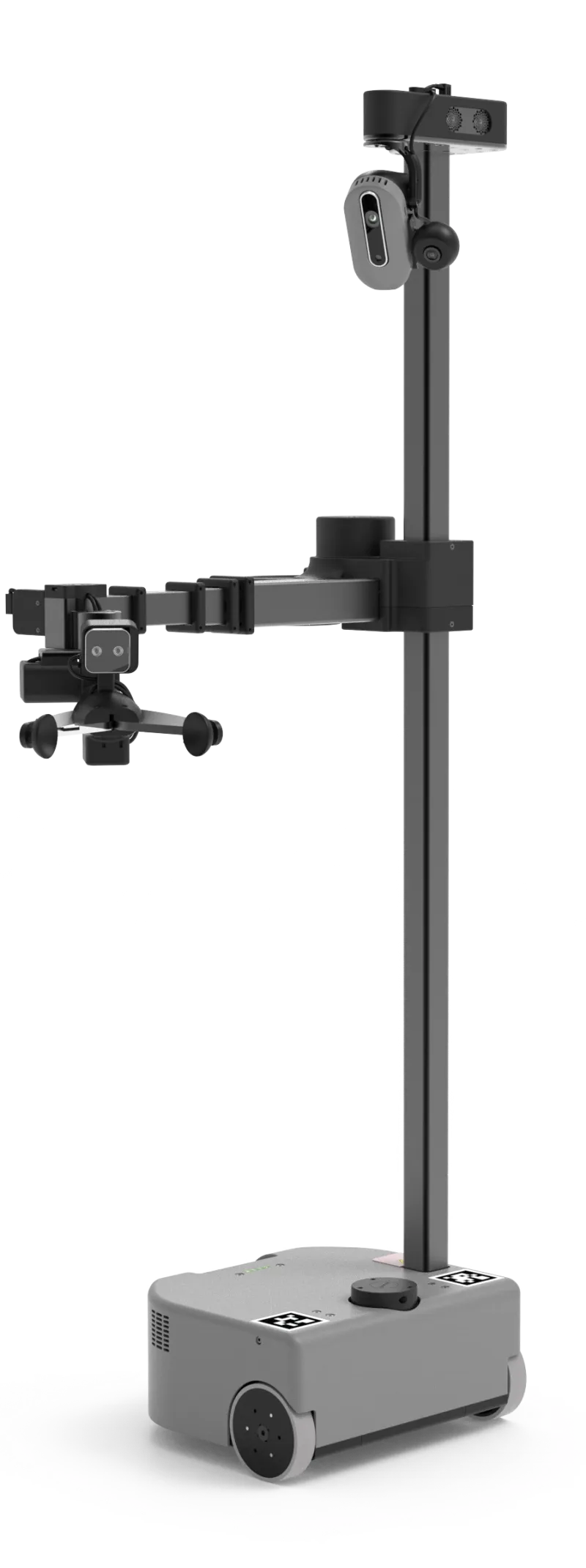
Hello Robot Stretch 3 mobile manipulator home robot safety payload limits

Why Safety Constraints Beat Vague Trust Claims

DeepMind's Robotics-ER 1.6 announcement is useful because it names concrete constraint types. The examples are plain: do not handle liquids; do not pick up objects heavier than a limit. The ASIMOV Benchmark v2 goes further by evaluating physical safety understanding with real-world injury narratives, operational constraints, and text/video scenarios that move from safe to unsafe states.

That is the right direction, but it does not make any home robot automatically safe. Benchmarks test pieces of the problem. A deployed robot still needs hardware limits, software policy, sensor redundancy, on-device fail-safes, human-supervision paths, and product-specific testing. A model that can explain why a hot cup is risky is not the same thing as a robot that can reliably detect heat, grip the cup, avoid a toddler, and set it down without spilling.

For buyers, the practical question is not "Does this robot use AI?" It is: What does the robot refuse to do, and how does it know?

Five Refusals Every Home Robot With Arms Should Support

1. Refuse weight and grip mismatches

Payload numbers are not marketing decoration. Stretch 3 is listed with a 2 kg payload. NEURA's 4NE-1 Mini is listed with a 3 kg payload. Apptronik Apollo is a much larger enterprise humanoid with roughly a 25 kg payload, but it is not a consumer home product. A safe home robot should know its own limit, estimate the object, and refuse the lift when the margin is too small.

This matters because homes are full of deceptive objects: a laundry basket may be light or overloaded; a plant pot may be heavier than it looks; a backpack may have a laptop inside. "Try anyway" is not a good default.

2. Refuse liquids, heat, sharp edges, and fragile objects

The most dangerous chores are often the ordinary ones. Carrying water near a power strip, moving a knife, grabbing a hot pan, or lifting a glass from a crowded counter can turn a small perception error into a real hazard.

Early home robots should treat these as special cases. The safe response may be "I can clear the dry items, but please handle the hot pan," or "I see liquid near electronics, so I am stopping." That is not weakness. It is the behavior you want from a machine with motors.

3. Refuse vague commands in cluttered spaces

"Put that away" is easy for a person because we infer context. A robot has to identify the object, infer the destination, plan the motion, and verify success. When the scene is cluttered, the robot should ask a question instead of guessing.

This is especially important for companion-style humanoids marketed around natural conversation. Natural language robot control is useful only when the robot can convert language into constrained, inspectable steps. We covered the broader question of robots adapting to messy real homes in our guide to robot improvisation, but safety is the part that should interrupt the command before motion starts.
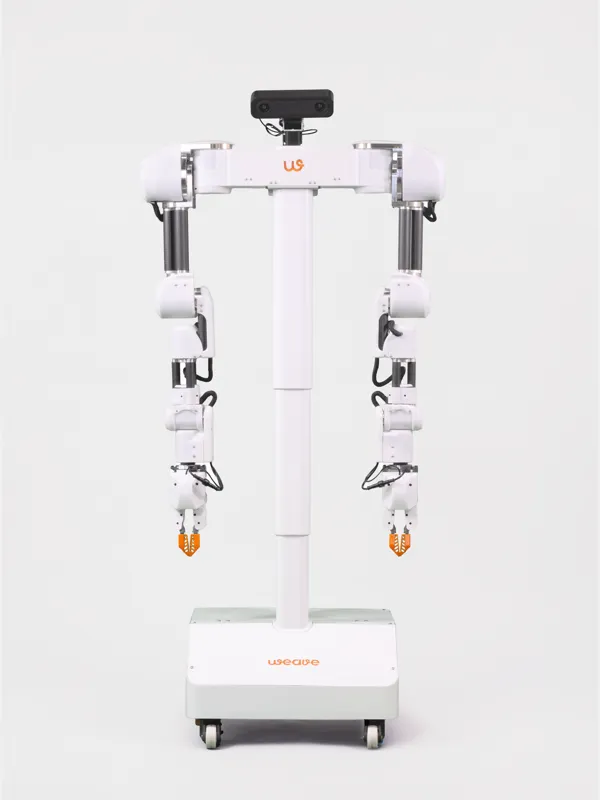
Weave Isaac 0 laundry folding robot shows narrow-task home robot safety boundaries

4. Refuse when people or pets enter the risk zone

A home is not a fenced industrial cell. People lean over counters, pets walk underfoot, children run through rooms, and visitors do unpredictable things. A home robot needs a moving safety envelope, not just a static map.

That is where body design and sensing matter. 1X NEO's soft-body positioning, NEURA's force/torque and human-detection sensors, and Stretch 3's lightweight mobile-manipulator design all point toward the same conclusion: the robot should slow, pause, or retreat when the nearby environment changes.

5. Refuse silent failure

The last refusal is the least obvious: a robot should refuse to pretend a failed task succeeded. If a sock falls out of the gripper, the plate was never put in the sink, or the drawer bounced back open, the robot needs success detection and a safe retry policy.

DeepMind highlights success detection as a core autonomy capability, and ui44 has a separate guide on how home robots know a chore is finished. The safety point is that repeated blind retries can be worse than a single failure. At some point the robot should stop, explain what happened, and ask for help.

The Best Near-Term Robots Will Be Boring in the Right Ways

The safest home robots in 2026 are likely to be narrow, supervised, or both. Weave Isaac 0 handles laundry in a stationary setup and can rely on remote specialist help when it gets stuck. Stretch 3 is a capable mobile manipulator, but it is sold as an open research and assistive platform rather than a magical consumer butler. Roborock's Saros Z70 brings an arm into a vacuum, yet the sane use case is moving small safe obstacles, not grabbing everything on the floor.
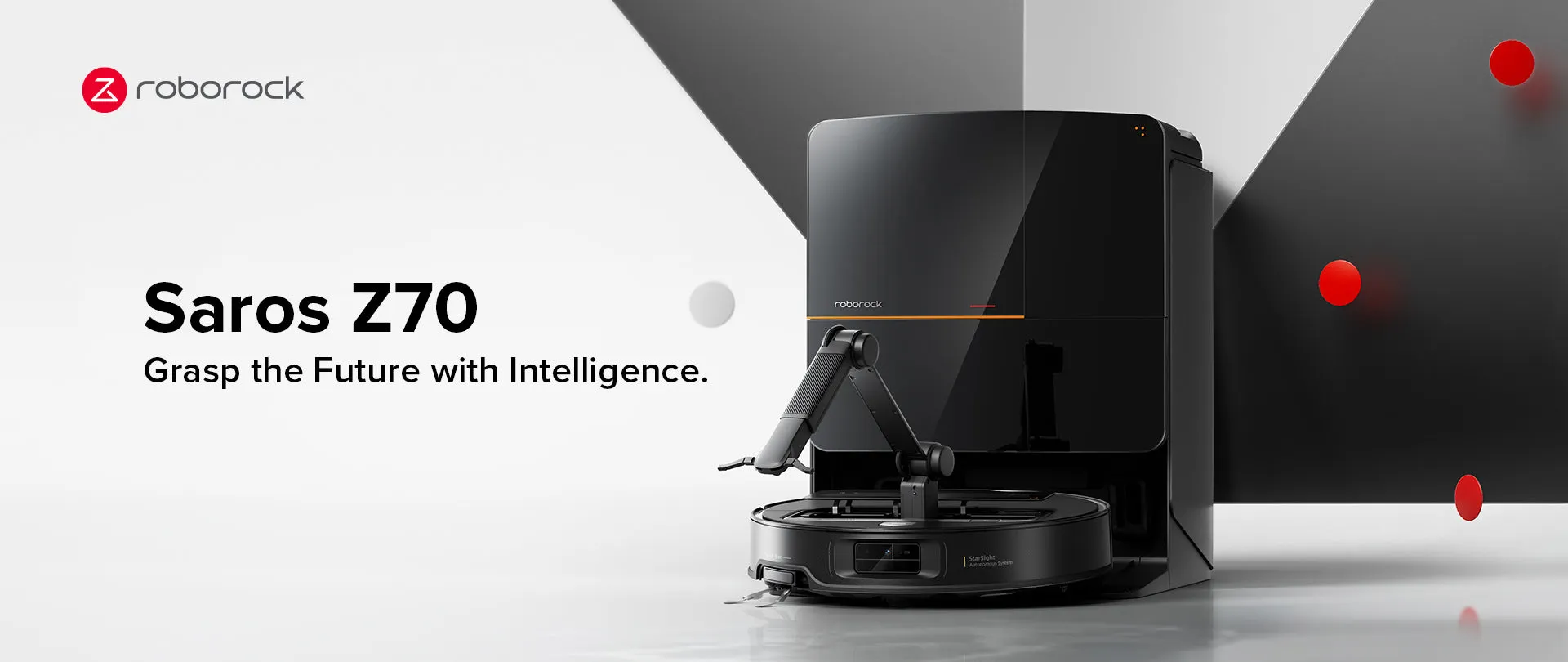
Roborock Saros Z70 home robot arm safety object pickup limits

That boringness is a feature. A narrow robot can have clearer rules. A laundry robot can refuse non-laundry. A vacuum arm can refuse unknown objects. An assistive manipulator can enforce payload limits. A humanoid with broad chores has to solve all of those cases at once.

The same logic applies to hardware. Soft arms, compliant joints, force sensors, and low effective mass help reduce injury risk; we covered that hardware side in our guide to soft arms and effective mass. But hardware alone is not enough. The robot also needs a policy that says, "Even if I can move, I should not move here."

What Buyers Should Ask Before Trusting a Robot Arm at Home

Before paying for a home robot with manipulation, ask questions that force the seller past vague AI language:

  1. What is the rated payload, and does the robot enforce it automatically? If the spec sheet says 2 kg or 3 kg, the software should not blindly attempt heavier items.
  2. Which object classes are blocked by default? Liquids, glass, knives, medicine, cords, pet bowls, hot cookware, and children’s items deserve clear policies.
  3. What happens when the robot is unsure? The answer should include asking, pausing, teleoperation, or handing off, not just "the AI learns."
  4. Can it see from more than one viewpoint? Wrist, head, depth, and overhead views reduce blind spots, though they raise privacy questions.
  5. Does it log or explain refusals? A home user needs to understand why the robot stopped.
  6. Is the autonomy local, remote-assisted, or both? Remote help can improve reliability, but it changes privacy, latency, and trust assumptions.

This is where ui44's database approach helps. Comparing robots only by price, height, or battery life misses the safety layer. A compare view that shows payload, sensors, AI stack, status, and use case is more useful than a single "smartest robot" ranking.
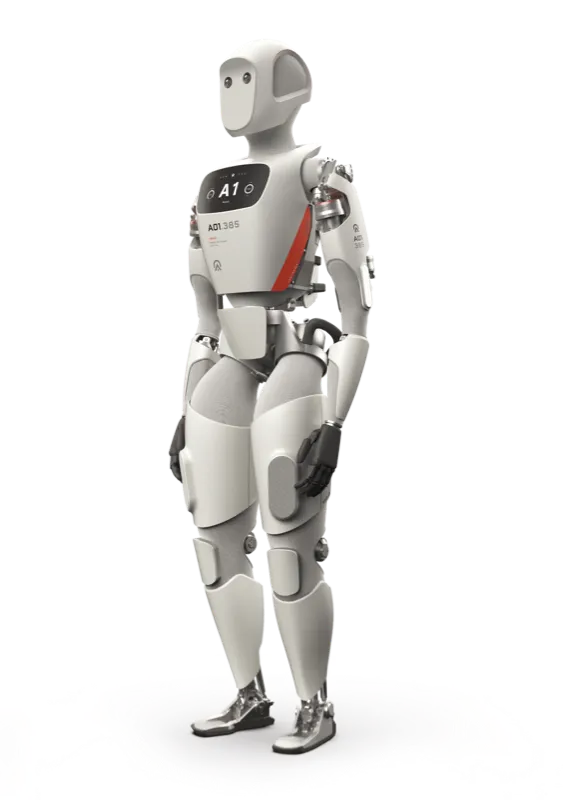
Apptronik Apollo enterprise humanoid robot shows why high payload needs stricter safety rules

Bottom Line: Obedience Is Not the Goal

The home robot that says yes to everything is the one to worry about. The better robot is the one that can explain its limits: "That is too heavy," "I see a liquid spill," "A pet is in the way," "I am not confident where this belongs," or "I failed twice and need help."

That may feel less futuristic than a demo where a humanoid smoothly completes a chore. But in real homes, restraint is part of usefulness. Physical AI becomes trustworthy when it combines language, vision, planning, hardware limits, and a clear permission to stop.

So when evaluating the next home humanoid, robot arm, or smart cleaner, do not just ask what it can do. Ask what it refuses to do. The answer will tell you more about its readiness for your home than any chore montage.

Database context

Use this article as a privacy verification workflow

Turn the article into a real verification pass

Home Robot Safety: Why Useful Robots Say No already points you toward 6 linked robots, 6 manufacturers, and 5 countries inside the ui44 database. That matters because strong buyer guidance is easier to apply when you can move immediately from a claim or warning into concrete product pages, manufacturer directories, component explainers, and country-level context instead of treating the article as an isolated opinion piece. The fastest next step is to turn the article into a shortlist workflow: open the linked robot pages, verify which specs are actually published for those models, then compare the surrounding manufacturer and component context before you decide whether the underlying claim changes your buying plan.

For this topic, the useful discipline is to separate the editorial lesson from the catalog evidence. The article gives you the framing, but the robot pages tell you what each product actually ships with today: sensor stack, connectivity methods, listed price, release timing, category, and support-relevant compatibility notes. The manufacturer pages then show whether you are looking at a one-off launch, a broader lineup pattern, or a company that spans multiple categories. That layered workflow reduces the risk of buying on a single marketing phrase or a single support FAQ.

Use the robot pages to confirm which products actually expose cameras, microphones, Wi-Fi, or voice systems, then use the manufacturer pages to decide how much of the privacy question seems product-specific versus brand-wide. On this route cluster, NEO, Stretch 3, and Isaac 0 form the fastest reality check. If you want a quick working shortlist, open Compare NEO, Stretch 3, and Isaac 0 next, then keep this article open as the reasoning layer while you compare structured data side by side.

Practical Takeaway

Every robot, manufacturer, category, component, and country reference below resolves to a real ui44 page, keeping the follow-up path grounded in database records rather than generic advice.

Suggested next steps in ui44

  1. Open NEO and note the listed sensors, connectivity methods, and voice stack before you interpret any policy claim.
  2. Cross-check the wider brand context on 1X Technologies so you can see whether the privacy question touches one model or a broader lineup.
  3. Use the linked component pages to confirm how common the relevant sensors and connectivity layers are across the database.
  4. Keep a short note of which policy layers you checked, which device features are actually present on the robot page, and which items still depend on region- or app-level confirmation.
  5. Finish with Compare NEO, Stretch 3, and Isaac 0 so the policy reading sits next to structured product data.

Database context

Robot profiles worth opening next

Use the linked product pages as the evidence layer

The linked robot pages are where this article becomes operational. Instead of asking whether the headline is interesting, use the robot entries to inspect the actual mix of sensors, connectivity options, batteries, pricing, release timing, and stated capabilities attached to the products mentioned in the article. That is the easiest way to see whether the warning or opportunity described here affects one product family, a specific design pattern, or an entire buying lane.

NEO

1X Technologies · Humanoid · Pre-order

$20,000

NEO is tracked on ui44 as a pre-order humanoid robot from 1X Technologies. The database currently records a listed price of $20,000, a release date of 2025-10-28, ~4 hours battery life, Not disclosed charging time, and a published stack that includes RGB Cameras, Depth Sensors, and Tactile Skin plus Wi-Fi and Bluetooth.

For privacy-focused reading, this page matters because it shows the concrete device surface behind the policy discussion. Use it to verify whether NEO combines sensors and connectivity in a way that could change the in-home data footprint, and compare the listed capabilities such as Household Chores, Tidying Up, and Safe Human Interaction with any cloud, app, or voice layers.

Stretch 3

Hello Robot · Home Assistants · Active

$24,950

Stretch 3 is tracked on ui44 as a active home assistants robot from Hello Robot. The database currently records a listed price of $24,950, a release date of 2024, 2–5 hours battery life, Not disclosed charging time, and a published stack that includes Intel D405 RGBD Camera (gripper), Intel D435if RGBD Camera (head), and Wide-Angle RGB Camera (head) plus Wi-Fi and Ethernet.

For privacy-focused reading, this page matters because it shows the concrete device surface behind the policy discussion. Use it to verify whether Stretch 3 combines sensors and connectivity in a way that could change the in-home data footprint, and compare the listed capabilities such as Mobile Manipulation, Autonomous Navigation, and Teleoperation (Web / Gamepad / Dexterous) with any cloud, app, or voice layers.

Isaac 0

Weave Robotics · Home Assistants · Available

$7,999

Isaac 0 is tracked on ui44 as a available home assistants robot from Weave Robotics. The database currently records a listed price of $7,999, a release date of 2026-02, Mains powered (600W, 120V) battery life, N/A (plugged in) charging time, and a published stack that includes Vision System and Proprioceptive Sensors plus Wi-Fi 2.4GHz/5GHz and Ethernet.

For privacy-focused reading, this page matters because it shows the concrete device surface behind the policy discussion. Use it to verify whether Isaac 0 combines sensors and connectivity in a way that could change the in-home data footprint, and compare the listed capabilities such as Laundry Folding, T-shirts, Long Sleeves, Sweaters, and Pants and Towels with any cloud, app, or voice layers.

Saros Z70

Roborock · Cleaning · Available

$1,299

Saros Z70 is tracked on ui44 as a available cleaning robot from Roborock. The database currently records a listed price of $1,299, a release date of 2025-05, 6400 mAh Li-ion (runtime varies by mode) battery life, Not officially disclosed charging time, and a published stack that includes LiDAR (StarSight 2.0), 3D Structured Light, and RGB Camera plus Wi-Fi and Bluetooth.

For privacy-focused reading, this page matters because it shows the concrete device surface behind the policy discussion. Use it to verify whether Saros Z70 combines sensors and connectivity in a way that could change the in-home data footprint, and compare the listed capabilities such as OmniGrip 5-Axis Mechanical Arm, Object Pickup (socks, shoes, small items), and Obstacle Relocation with any cloud, app, or voice layers, including Amazon Alexa and Google Assistant.

4NE-1 Mini

NEURA Robotics · Humanoid · Pre-order

€19.999

4NE-1 Mini is tracked on ui44 as a pre-order humanoid robot from NEURA Robotics. The database currently records a listed price of €19.999, a release date of 2026, ~2.5 hours battery life, Not disclosed charging time, and a published stack that includes Multi-camera Array, Force/Torque Sensors, and 3D Vision plus Wi-Fi 6 and Ethernet.

For privacy-focused reading, this page matters because it shows the concrete device surface behind the policy discussion. Use it to verify whether 4NE-1 Mini combines sensors and connectivity in a way that could change the in-home data footprint, and compare the listed capabilities such as 25 Degrees of Freedom, Autonomous Navigation, and Object Manipulation (Pro tier: 12-DOF dexterous hands) with any cloud, app, or voice layers, including Built-in Multi-language Voice Recognition.

Database context

Manufacturer context behind the article

Check whether this is one product story or a broader company pattern

Manufacturer pages add the privacy context that individual product pages cannot show on their own. They help you check whether cameras, microphones, cloud accounts, app controls, and policy assumptions appear across a broader lineup or stay tied to one specific product story.

1X Technologies

ui44 currently tracks 2 robots from 1X Technologies across 1 category. The company is grouped under Norway, and the current catalog footprint on ui44 includes NEO, EVE.

That wider brand context matters because privacy questions rarely stop at one FAQ page. A manufacturer route helps you see whether the article is centered on one premium model or on a company that has several relevant products and therefore more than one place where the same policy or app assumptions might matter. The category mix here currently points toward Humanoid as the most useful next route if you want to see whether this article reflects a wider pattern inside the brand.

Hello Robot

ui44 currently tracks 1 robot from Hello Robot across 1 category. The company is grouped under USA, and the current catalog footprint on ui44 includes Stretch 3.

That wider brand context matters because privacy questions rarely stop at one FAQ page. A manufacturer route helps you see whether the article is centered on one premium model or on a company that has several relevant products and therefore more than one place where the same policy or app assumptions might matter. The category mix here currently points toward Home Assistants as the most useful next route if you want to see whether this article reflects a wider pattern inside the brand.

Weave Robotics

ui44 currently tracks 1 robot from Weave Robotics across 1 category. The company is grouped under Denmark, and the current catalog footprint on ui44 includes Isaac 0.

That wider brand context matters because privacy questions rarely stop at one FAQ page. A manufacturer route helps you see whether the article is centered on one premium model or on a company that has several relevant products and therefore more than one place where the same policy or app assumptions might matter. The category mix here currently points toward Home Assistants as the most useful next route if you want to see whether this article reflects a wider pattern inside the brand.

Roborock

ui44 currently tracks 6 robots from Roborock across 2 categorys. The company is grouped under China, and the current catalog footprint on ui44 includes Saros Z70, Saros Rover, Saros 20.

That wider brand context matters because privacy questions rarely stop at one FAQ page. A manufacturer route helps you see whether the article is centered on one premium model or on a company that has several relevant products and therefore more than one place where the same policy or app assumptions might matter. The category mix here currently points toward Cleaning, Lawn & Garden as the most useful next route if you want to see whether this article reflects a wider pattern inside the brand.

Database context

Broaden the scan without leaving the database

Categories, components, and countries add the wider context

Category framing

Category pages are useful when the article touches a buying pattern that shows up across brands. A category route helps you confirm whether the linked products sit in a narrow niche or whether the same question should be tested across a larger field of alternatives.

Humanoid

The Humanoid category page currently groups 64 tracked robots from 46 manufacturers. ui44 describes this lane as: Full-size bipedal humanoid robots designed to work alongside humans. From factory floors to household tasks, these machines represent the cutting edge of robotics.

That makes the category route a practical follow-up when you want to check whether the products linked in this article are typical for the lane or whether they sit at one edge of the market. Useful starting examples currently include NEO, EVE, Mornine M1.

Home Assistants

The Home Assistants category page currently groups 12 tracked robots from 12 manufacturers. ui44 describes this lane as: Arm-based household helpers — laundry folders, kitchen robots, and mobile manipulators that handle physical tasks at home.

That makes the category route a practical follow-up when you want to check whether the products linked in this article are typical for the lane or whether they sit at one edge of the market. Useful starting examples currently include Robody, Futuring 2 (F2), Stretch 3.

Country and ecosystem context

Country pages give extra context when support practices, launch sequencing, regulatory posture, or manufacturer mix matter. They are not a substitute for model-level verification, but they do help you see which ecosystems cluster together and which manufacturers sit in the same regional field when you broaden the search beyond the article headline.

Norway

The Norway route currently groups 2 tracked robots from 1 manufacturers in ui44. That gives you a useful regional lens when the article points toward support practices, launch sequencing, or brand clusters that may share similar ecosystem assumptions.

On the current route, manufacturers like 1X Technologies make the page a good way to broaden the scan without losing the regional context that often shapes availability, documentation style, and adjacent alternatives.

USA

The USA route currently groups 16 tracked robots from 12 manufacturers in ui44. That gives you a useful regional lens when the article points toward support practices, launch sequencing, or brand clusters that may share similar ecosystem assumptions.

On the current route, manufacturers like Boston Dynamics, Figure AI, Tesla make the page a good way to broaden the scan without losing the regional context that often shapes availability, documentation style, and adjacent alternatives.

Denmark

The Denmark route currently groups 1 tracked robots from 1 manufacturers in ui44. That gives you a useful regional lens when the article points toward support practices, launch sequencing, or brand clusters that may share similar ecosystem assumptions.

On the current route, manufacturers like Weave Robotics make the page a good way to broaden the scan without losing the regional context that often shapes availability, documentation style, and adjacent alternatives.

Database context

Questions to answer before you move from reading to buying

A follow-up FAQ built from the entities already linked in this article

Frequently Asked Questions

Which page should I open first after reading “Home Robot Safety: Why Useful Robots Say No”?

Start with NEO. That gives you a concrete product anchor for the article’s main claim. From there, branch into the manufacturer and component pages so you can tell whether the article is describing one specific model, a repeated brand pattern, or a wider technology issue that affects multiple shortlist options.

How do the manufacturer pages change the buying decision?

1X Technologies help you zoom out from one article and one product. On ui44 they show lineup breadth, category spread, and the neighboring robots tied to the same company. That context is useful when you are deciding whether a risk belongs to a single model, whether it shows up across a brand’s portfolio, and whether you should keep looking at alternatives before committing.

When should I switch from reading to side-by-side comparison?

Move into Compare NEO, Stretch 3, and Isaac 0 as soon as you understand the article’s main warning or promise. The article explains what to watch for, but the compare view is where you can check whether price, status, battery life, connectivity, sensors, and category fit still make the robot a good match for your own home and budget.

Database context

Where to go next in ui44

Keep the research chain inside the database

If you want to keep going, these follow-on pages give you the cleanest expansion path from article to research session. Open the comparison route first if you are deciding between products today. Open the manufacturer, category, and component routes if you still need to understand the broader pattern behind the claim.

UT

Written by

ui44 Team

Published April 29, 2026

Share this article

Open a plain share link on X or Bluesky. No embeds, no widgets, no cookie baggage.

Explore the database

Go beyond the headlines

Compare specs, features, and prices across 100+ robots from leading manufacturers worldwide.