That is much harder than object recognition. The robot has to reason about occlusion: the normal household problem where the thing you want is partly or fully hidden behind mugs, books, laundry, cables, pantry boxes, toys, mail, or other clutter.
This is why "find my glasses" is a better home-robot benchmark than another walking demo. A robot that can search a shelf without knocking everything over needs perception, spatial memory, planning, manipulation, privacy controls, and failure recovery. The newest research around occluded object search shows why that stack is starting to matter, and the ui44 database helps separate robots that can merely see from robots that may someday search and retrieve.
What is occluded object search?
Occluded object search is the robotics problem of finding a target object when another object blocks the robot's direct view. In a home, that could mean a pill bottle behind cereal boxes, a wallet under a sweatshirt, a remote hidden between couch cushions, or a screwdriver behind other tools on a shelf.
The freshest signal here comes from a Soongsil University research team in South Korea. Korean outlet The Robot Newspaper reported that the team developed a deep-reinforcement-learning exploration framework for robots searching shelf objects hidden behind other objects. The paper, A study on deep reinforcement learning-based exploration intelligence for occluded object search, is listed by Crossref as a 2026 article in Engineering Applications of Artificial Intelligence with DOI 10.1016/j.engappai.2026.114954.
The interesting part is not just the acronym. The report says the system copies human search habits: first inspect where similar objects tend to cluster, then focus on areas where the target is likely to be hidden. Compared with previous state-of-the-art methods, the team reported more than 33% higher search success and more than 37% fewer search steps.
Those numbers should be read carefully. This is a research result, not a claim that a consumer robot can rummage through your medicine cabinet today. The research was framed around shelf search and future extensions to real robot systems and more complex environments. But it points at the exact gap home robots must close: a robot needs to decide where to look next, not merely label what is already visible.
Why is finding keys harder than recognizing keys?
Most home-robot demos still reward visibility. The robot sees a cup, the robot points at a cup, the robot maybe picks up the cup. Hidden-object search changes the task in five ways.
First, the robot needs scene memory. If it saw your keys on the entry table an hour ago, then the best search starts there. If it has no memory, it has to scan the whole home every time. Memory is powerful, but it also creates privacy questions: What rooms are recorded? How long are images kept? Can household members delete object history? Can guests opt out?
Second, the robot needs occlusion reasoning. A model has to infer that the missing item could be behind the mail pile, inside a bowl, under fabric, or just outside the current camera angle. That is a different skill from recognizing a fully visible object.
Third, the robot needs active viewpoint control. It may have to move around a chair, raise a camera, tilt a wrist, or inspect the shelf from the side. A fixed security camera can tell you what it sees. A mobile robot can choose a better view.
Fourth, the robot needs safe manipulation. Many hidden objects stay hidden until something else moves. That means the robot needs an arm or a tool, force limits, a model of what is fragile, and permission rules for what it may touch. Moving a cereal box is one thing. Moving medicine, knives, legal documents, or a child's toy is another.
Finally, the robot needs recovery behavior. It will search the wrong spot, move the wrong object, lose track of the target, or discover that the shelf is messier than expected. The useful test is not whether the robot succeeds once in a clean demo; it is whether it knows when to stop, ask for help, or leave the scene safer than it found it.
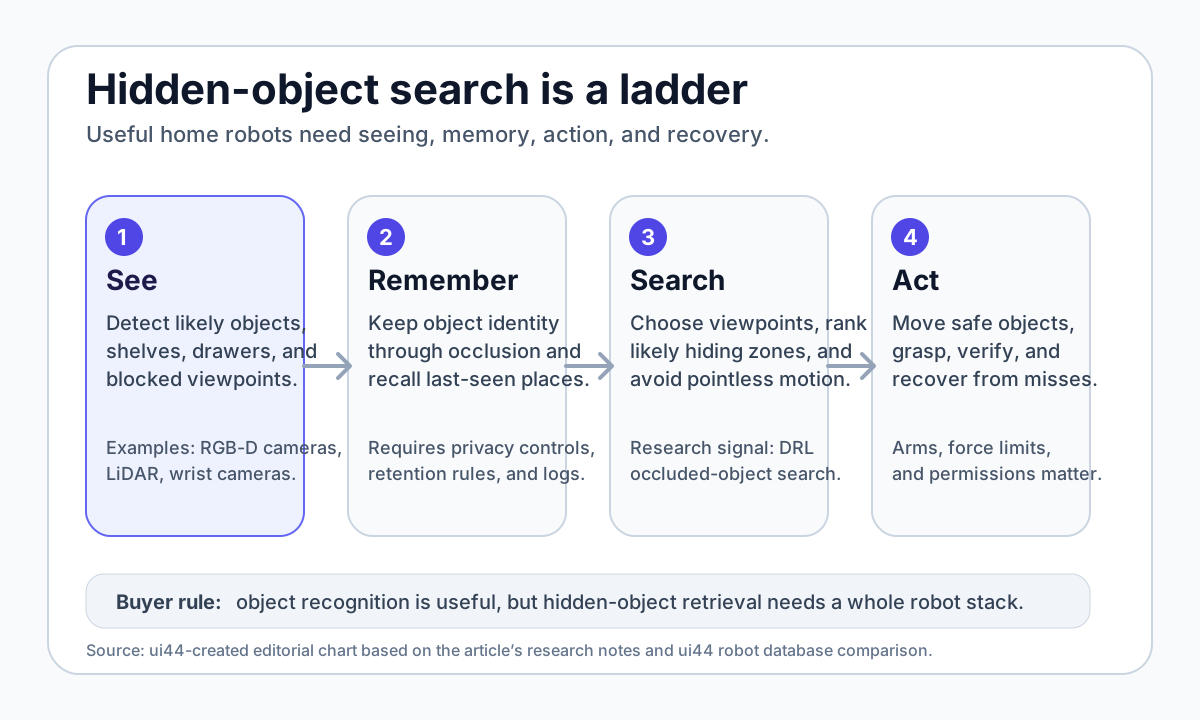
That ladder matters because many products advertise one rung as if it were the whole climb. A camera robot can see. A smart speaker can answer. A vacuum can map the floor. A humanoid can wave an arm. Hidden-object retrieval requires the pieces to work together.
Which home robots are closest today?
No robot in the ui44 database should be described as a general hidden-object retriever for ordinary homes. The useful comparison is more modest: which robots have pieces of the stack, and what is still missing?
Robot
- ui44 status / price
- Available; $29,950 list price
- Relevant hardware or claim
- 160 cm mobile manipulator, 45 cm footprint, self-charging, RGB/depth sensing, LiDAR, wrist depth camera, ROS 2/Python
- Hidden-object reality check
- Best real product here for search-and-retrieve experiments, but priced for research, enterprise, and assistive pilots
Robot
- ui44 status / price
- Pre-order; $20,000 early-adopter price
- Relevant hardware or claim
- 167 cm, 30 kg soft humanoid, RGB/depth sensors, tactile skin, about 4 hours runtime, household-chore positioning
- Hidden-object reality check
- Most home-focused humanoid, but buyers should demand proof before assuming it can search clutter autonomously
Robot
- ui44 status / price
- Development; product page metadata listed $9,999
- Relevant hardware or claim
- Wheeled home robot concept with cameras, depth sensing, tactile feedback, and OmniSense VLA claims
- Hidden-object reality check
- Interesting manipulation direction, but shipping timing and detailed specs remain limited
Robot
- ui44 status / price
- Active; no public price
- Relevant hardware or claim
- 173 cm, 61 kg humanoid, about 5 hours runtime, force sensors, tactile arrays, Helix VLA, 20 kg payload
- Hidden-object reality check
- Strong manipulation signal, but not a consumer home purchase today
Robot
- ui44 status / price
- Active; $1,599.99 invite-only price
- Relevant hardware or claim
- Mobile patrol robot with 1080p periscope camera, visual ID, Alexa, Ring integration, and room-to-room navigation
- Hidden-object reality check
- Useful for visible-item checking and patrol, but it has no arm and cannot move clutter
Robot
- ui44 status / price
- Development; no pricing announced
- Relevant hardware or claim
- Rolling AI companion with camera, spatial/environmental sensors, projector, SmartThings, Gemini, and Bixby
- Hidden-object reality check
- Potentially useful as a smart-home observer, but no confirmed shipping date, price, or manipulation capability
Robot
- ui44 status / price
- Available; from $699.99
- Relevant hardware or claim
- Modular mobile platform with D-ToF LiDAR, dual laser sensors, Matter via hub, and up to 8 kg payload
- Hidden-object reality check
- Can move accessories around a home, but it is mostly floor/platform automation rather than shelf search
| Robot | ui44 status / price | Relevant hardware or claim | Hidden-object reality check |
|---|---|---|---|
| Hello Robot Stretch 4 | Available; $29,950 list price | 160 cm mobile manipulator, 45 cm footprint, self-charging, RGB/depth sensing, LiDAR, wrist depth camera, ROS 2/Python | Best real product here for search-and-retrieve experiments, but priced for research, enterprise, and assistive pilots |
| 1X NEO | Pre-order; $20,000 early-adopter price | 167 cm, 30 kg soft humanoid, RGB/depth sensors, tactile skin, about 4 hours runtime, household-chore positioning | Most home-focused humanoid, but buyers should demand proof before assuming it can search clutter autonomously |
| SwitchBot onero H1 | Development; product page metadata listed $9,999 | Wheeled home robot concept with cameras, depth sensing, tactile feedback, and OmniSense VLA claims | Interesting manipulation direction, but shipping timing and detailed specs remain limited |
| Figure 03 | Active; no public price | 173 cm, 61 kg humanoid, about 5 hours runtime, force sensors, tactile arrays, Helix VLA, 20 kg payload | Strong manipulation signal, but not a consumer home purchase today |
| Amazon Astro | Active; $1,599.99 invite-only price | Mobile patrol robot with 1080p periscope camera, visual ID, Alexa, Ring integration, and room-to-room navigation | Useful for visible-item checking and patrol, but it has no arm and cannot move clutter |
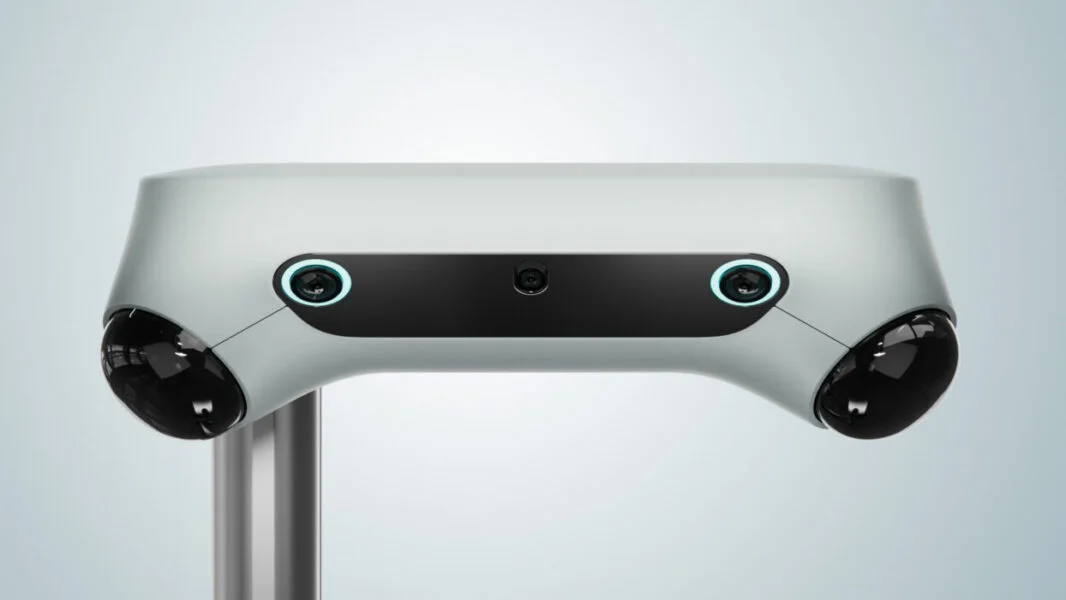
| Samsung Ballie | Development; no pricing announced | Rolling AI companion with camera, spatial/environmental sensors, projector, SmartThings, Gemini, and Bixby | Potentially useful as a smart-home observer, but no confirmed shipping date, price, or manipulation capability |
| SwitchBot K20+ Pro | Available; from $699.99 | Modular mobile platform with D-ToF LiDAR, dual laser sensors, Matter via hub, and up to 8 kg payload | Can move accessories around a home, but it is mostly floor/platform automation rather than shelf search |
The most important split is visible in the table. Amazon Astro, Samsung Ballie, and SwitchBot K20+ Pro are closer to mobile sensing or smart-home presence. Hello Robot Stretch 4, 1X NEO, SwitchBot onero H1, and Figure 03 are closer to the search-and-manipulate path. Those are different buying categories.

Stretch 4 is especially useful as a reality check. Its official page says the robot has open-source ROS 2 and Python support, self charging, reference demos for autonomy and embodied AI, 55 cm plus 6 cm wrist reach, 2.5 kg arm payload extended, 4 kg retracted, 46 kg total weight, 8 hours of light-load runtime, and VLM grasping demos. That is much more concrete than a vague "AI helper" claim. It still does not mean a nontechnical buyer gets a magic lost-item finder. It means the hardware ingredients for serious experimentation are present.
NEO is the more consumer-facing story. 1X describes NEO as a home robot for chores, with Expert Mode for chores the robot does not know yet and visual and spatial awareness for contextual help. That is relevant to hidden-object search, but it also raises a buyer question: if a robot needs a remote expert to handle unknown chores, how often will that happen when the task is "find this thing in a messy house"?
What should buyers ask before believing a lost-item claim?
If a company says its home robot can find things, ask for specifics. "It uses AI" is not enough.
Start with the easy version: Can it find a visible object in a known room? That is object search, but not occluded-object search. A camera-equipped robot may be able to tell you whether the remote is on the coffee table. It may even send a photo. That is useful, but it does not prove cabinet, drawer, shelf, or laundry-pile competence.
Then ask: Can it remember last-seen locations? A robot with long-horizon memory could say, "I last saw the keys on the entry table at 8:12." That might be more useful than a full search, but only if the privacy controls are clear. Buyers should look for retention settings, local processing options, guest controls, camera-off zones, and a way to inspect or delete object-memory logs.
Next ask: Can it search behind things without touching them? Sometimes the right answer is a better viewpoint: raise the camera, drive to the side, or use a wrist camera. This is where depth cameras, LiDAR, and active perception matter. It is also where the robot should admit uncertainty. "I cannot see behind the box" is better than a confident wrong answer.
Then ask: What is it allowed to move? A useful household robot needs a permission model. It might be allowed to move empty boxes, towels, dog toys, or sealed pantry items. It should probably ask before moving medicine, documents, sharp objects, breakables, valuables, cables, or anything near a child or pet. This is not just safety theater. Hidden-object search turns perception into physical action.
Finally ask: What happens after a failed search? Good products should report where they looked, what they could not inspect, and whether they need human help. A robot that quietly gives up is less useful than one that says, "I checked the entry table and sofa area, but the drawer is closed and I need permission to open it."
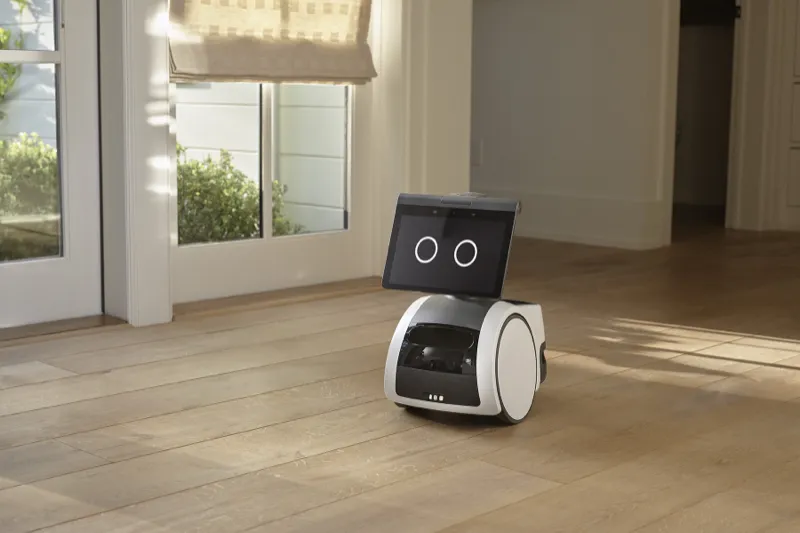
That is why a robot without an arm can still be useful. Astro-style mobile presence may help you inspect rooms remotely or confirm that an object is visible. But if the keys are under a jacket, behind a cereal box, or inside a closed drawer, the robot needs a higher rung on the ladder.
Where does video AI fit into object search?
Video models are becoming more relevant because homes are streams, not still photos. Perceptron's official Mk1 announcement describes a video and embodied-reasoning model that can track object identity through occlusion, reason across multiple camera streams, point to grasp affordances, and label task success or failure from video. VentureBeat's launch coverage framed the same direction around temporal continuity, physical reasoning, and maintaining identity through occlusions.
Those are vendor claims, so buyers should not treat them as independent proof of home-robot readiness. Still, the direction is important. A robot searching a messy shelf needs to know whether the blue cup it saw from one angle is the same blue cup now partly hidden from another angle. It needs to remember that a hand moved the mail stack, that the target never appeared, and that the next useful view is from the right side of the shelf.
Video reasoning can help with that. It can also help train the next robot policy: identify failed grasp attempts, mark when an object becomes occluded, and label which search steps wasted time. But an API model cannot replace the physical robot. The robot still needs cameras in the right places, safe motion, local latency, privacy controls, manipulation hardware, and a policy that turns "look behind the box" into a safe sequence of movements.
What is realistic in 2026?
For buyers, the near-term answer is layered.
A robot may soon help with visible-item search: drive to a room, inspect an area, and show you whether a visible object is there. This is the most plausible near-term feature for camera-equipped mobile robots and smart-home companions.
A more advanced robot may help with last-seen memory: "I last saw the medicine bottle on the kitchen counter." That is useful, but it is also the most privacy-sensitive version because it requires persistent visual memory of the home.
A research or assistive platform may help with guided retrieval: a caregiver or operator asks the robot to inspect a shelf, move a safe object, and bring back something light. Hello Robot Stretch 4 is the most concrete current database example because it is available, has an arm, has real sensing, and is explicitly built for home/workplace manipulation research and pilots.
A future home humanoid may eventually handle autonomous clutter search: infer where an object is likely hidden, move items safely, verify the target, retrieve it, and clean up the scene. That is the dream behind home humanoids like 1X NEO, but buyers should treat it as a milestone to verify, not a default feature to assume.
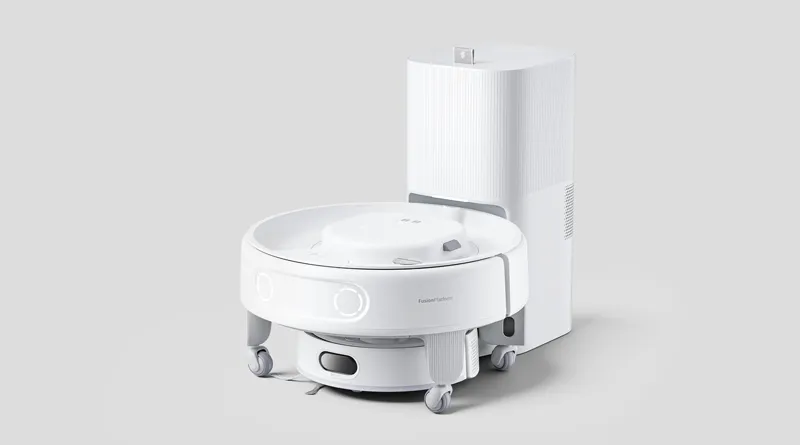
The practical dividing line is this: can the robot change the scene safely? If it cannot move anything, it can search only what is visible. If it can move things but cannot reason about permission, force, fragility, and recovery, it may create a bigger mess. If it can see, remember, search, act, and explain its limits, then hidden-object retrieval starts to become a real home-robot feature.
Bottom line: should you buy for hidden-object search?
Do not buy a home robot in 2026 solely because you hope it will find every lost object in your house. The capability is not there as a general consumer feature. Buy for the robot's proven jobs: monitoring, companionship, smart-home control, modular mobility, research manipulation, or a clearly defined assistive pilot.
But do track hidden-object search as a serious signal. It combines many of the skills that actually matter at home: object permanence, memory, active perception, safe manipulation, recovery, and honest uncertainty. The Soongsil University occluded-object-search research is exciting because it measures the right kind of problem. Perceptron-style video reasoning is relevant because it attacks object identity through time and occlusion. Robots like Stretch 4 and NEO are relevant because they bring the problem back into physical space.
The simple buyer test is this: ask the company to show the robot finding an item that is not visible at the start of the demo. Then ask how many attempts it took, what it was allowed to move, what it refused to touch, what it remembered, what data it saved, and what it did when the first search path failed.
That is where home robotics gets interesting. Not when a robot recognizes a cup on an empty table, but when it can say, "I think your keys are behind the mail stack; may I move it?"
Related in the database
Use this article as a privacy verification workflow
Turn the article into a privacy verification pass grounded in the robots, manufacturers, and components it actually references.
Can Home Robots Find Hidden Objects? already points you toward 7 linked robots, 6 manufacturers, and 3 countries inside the ui44 database. That matters because strong buyer guidance is easier to apply when you can move immediately from a claim or warning into concrete product pages, manufacturer directories, component explainers, and country-level context instead of treating the article as an isolated opinion piece. The fastest next step is to turn the article into a shortlist workflow: open the linked robot pages, verify which specs are actually published for those models, then compare the surrounding manufacturer and component context before you decide whether the underlying claim changes your buying plan.
For this topic, the useful discipline is to separate the editorial lesson from the catalog evidence. The article gives you the framing, but the robot pages tell you what each product actually ships with today: sensor stack, connectivity methods, listed price, release timing, category, and support-relevant compatibility notes. The manufacturer pages then show whether you are looking at a one-off launch, a broader lineup pattern, or a company that spans multiple categories. That layered workflow reduces the risk of buying on a single marketing phrase or a single support FAQ.
Use the robot pages to confirm which products actually expose cameras, microphones, Wi-Fi, or voice systems, then use the manufacturer pages to decide how much of the privacy question seems product-specific versus brand-wide. On this route cluster, Stretch 4, NEO, and onero H1 form the fastest reality check. If you want a quick working shortlist, open Compare Stretch 4, NEO, and onero H1 next, then keep this article open as the reasoning layer while you compare structured data side by side.
Practical Takeaway
Every robot, manufacturer, category, component, and country reference below resolves to a real ui44 page, keeping the follow-up path grounded in database records rather than generic advice.
Suggested next steps in ui44
- Open Stretch 4 and note the listed sensors, connectivity methods, and voice stack before you interpret any policy claim.
- Cross-check the wider brand context on Hello Robot so you can see whether the privacy question touches one model or a broader lineup.
- Use the linked component pages to confirm how common the relevant sensors and connectivity layers are across the database.
- Keep a short note of which policy layers you checked, which device features are actually present on the robot page, and which items still depend on region- or app-level confirmation.
- Finish with Compare Stretch 4, NEO, and onero H1 so the policy reading sits next to structured product data.
Robot profiles worth opening next
Use the linked product pages as the evidence layer
The linked robot pages are where this article becomes operational. Instead of asking whether the headline is interesting, use the robot entries to inspect the actual mix of sensors, connectivity options, batteries, pricing, release timing, and stated capabilities attached to the products mentioned in the article. That is the easiest way to see whether the warning or opportunity described here affects one product family, a specific design pattern, or an entire buying lane.
Stretch 4
Hello Robot · Home Assistants · Available
Stretch 4 is tracked on ui44 as a available home assistants robot from Hello Robot. The database currently records a listed price of $29,950, a release date of 2026-05-12, 8 hours (light CPU load) battery life, Not officially disclosed charging time, and a published stack that includes Wide-FOV depth sensing, High-resolution RGB cameras, and Calibrated RGB + depth perception plus its listed connectivity stack.
For privacy-focused reading, this page matters because it shows the concrete device surface behind the policy discussion. Use it to verify whether Stretch 4 combines sensors and connectivity in a way that could change the in-home data footprint, and compare the listed capabilities such as Mobile Manipulation, Omnidirectional Indoor Mobility, and Autonomous Mapping and Navigation with any cloud, app, or voice layers.
NEO
1X Technologies · Humanoid · Pre-order
NEO is tracked on ui44 as a pre-order humanoid robot from 1X Technologies. The database currently records a listed price of $20,000, a release date of 2025-10-28, ~4 hours battery life, Not disclosed charging time, and a published stack that includes RGB Cameras, Depth Sensors, and Tactile Skin plus Wi-Fi and Bluetooth.
For privacy-focused reading, this page matters because it shows the concrete device surface behind the policy discussion. Use it to verify whether NEO combines sensors and connectivity in a way that could change the in-home data footprint, and compare the listed capabilities such as Household Chores, Tidying Up, and Safe Human Interaction with any cloud, app, or voice layers.
onero H1 is tracked on ui44 as a development home assistants robot from SwitchBot. The database currently records a listed price of $9,999, a release date of 2026-01-04, Not officially disclosed battery life, Not officially disclosed charging time, and a published stack that includes Multiple cameras, Depth sensing, and Tactile feedback sensing plus its listed connectivity stack.
For privacy-focused reading, this page matters because it shows the concrete device surface behind the policy discussion. Use it to verify whether onero H1 combines sensors and connectivity in a way that could change the in-home data footprint, and compare the listed capabilities such as Indoor wheeled home navigation, Household object manipulation, and Grasping, pushing, opening, and organizing tasks with any cloud, app, or voice layers.
Figure 03 is tracked on ui44 as a active humanoid robot from Figure AI. The database currently records a listed price of Price TBA, a release date of 2025-10-09, ~5 hours battery life, Not disclosed charging time, and a published stack that includes Stereo Vision, Depth Cameras, and Force Sensors plus Wi-Fi and Bluetooth.
For privacy-focused reading, this page matters because it shows the concrete device surface behind the policy discussion. Use it to verify whether Figure 03 combines sensors and connectivity in a way that could change the in-home data footprint, and compare the listed capabilities such as Complex Manipulation, Warehouse Work, and Manufacturing Tasks with any cloud, app, or voice layers.
Astro is tracked on ui44 as a active security & patrol robot from Amazon. The database currently records a listed price of $1,599, a release date of 2021, Not officially disclosed battery life, Not officially disclosed charging time, and a published stack that includes 5MP Bezel Camera, 1080p Periscope Camera (132° FOV), and Infrared Vision plus Wi-Fi 802.11ac and Bluetooth.
For privacy-focused reading, this page matters because it shows the concrete device surface behind the policy discussion. Use it to verify whether Astro combines sensors and connectivity in a way that could change the in-home data footprint, and compare the listed capabilities such as Autonomous Home Patrol, Visual ID (face recognition), and Remote Home Monitoring with any cloud, app, or voice layers, including Amazon Alexa.
Manufacturer context behind the article
Check whether this is one product story or a broader company pattern
Manufacturer pages add the privacy context that individual product pages cannot show on their own. They help you check whether cameras, microphones, cloud accounts, app controls, and policy assumptions appear across a broader lineup or stay tied to one specific product story.
Hello Robot
ui44 currently tracks 2 robots from Hello Robot across 1 category. The company is grouped under USA, and the current catalog footprint on ui44 includes Stretch 3, Stretch 4.
That wider brand context matters because privacy questions rarely stop at one FAQ page. A manufacturer route helps you see whether the article is centered on one premium model or on a company that has several relevant products and therefore more than one place where the same policy or app assumptions might matter. The category mix here currently points toward Home Assistants as the most useful next route if you want to see whether this article reflects a wider pattern inside the brand.
1X Technologies
ui44 currently tracks 2 robots from 1X Technologies across 1 category. The company is grouped under Norway, and the current catalog footprint on ui44 includes NEO, EVE.
That wider brand context matters because privacy questions rarely stop at one FAQ page. A manufacturer route helps you see whether the article is centered on one premium model or on a company that has several relevant products and therefore more than one place where the same policy or app assumptions might matter. The category mix here currently points toward Humanoid as the most useful next route if you want to see whether this article reflects a wider pattern inside the brand.
SwitchBot
ui44 currently tracks 3 robots from SwitchBot across 3 categorys. The company is grouped under USA, and the current catalog footprint on ui44 includes K20+ Pro, onero H1, KATA Friends.
That wider brand context matters because privacy questions rarely stop at one FAQ page. A manufacturer route helps you see whether the article is centered on one premium model or on a company that has several relevant products and therefore more than one place where the same policy or app assumptions might matter. The category mix here currently points toward Cleaning, Home Assistants, Companions as the most useful next route if you want to see whether this article reflects a wider pattern inside the brand.
Figure AI
ui44 currently tracks 2 robots from Figure AI across 1 category. The company is grouped under USA, and the current catalog footprint on ui44 includes Figure 03, Figure 02.
That wider brand context matters because privacy questions rarely stop at one FAQ page. A manufacturer route helps you see whether the article is centered on one premium model or on a company that has several relevant products and therefore more than one place where the same policy or app assumptions might matter. The category mix here currently points toward Humanoid as the most useful next route if you want to see whether this article reflects a wider pattern inside the brand.
Broaden the scan without leaving the database
Categories, components, and countries add the wider context
Category framing
Category pages are useful when the article touches a buying pattern that shows up across brands. A category route helps you confirm whether the linked products sit in a narrow niche or whether the same question should be tested across a larger field of alternatives.
Home Assistants
The Home Assistants category page currently groups 16 tracked robots from 14 manufacturers. ui44 describes this lane as: Arm-based household helpers — laundry folders, kitchen robots, and mobile manipulators that take on hands-on physical tasks around the home.
That makes the category route a practical follow-up when you want to check whether the products linked in this article are typical for the lane or whether they sit at one edge of the market. Useful starting examples currently include Robody, Futuring 2 (F2), Stretch 3.
Humanoid
The Humanoid category page currently groups 129 tracked robots from 92 manufacturers. ui44 describes this lane as: Full-size bipedal humanoid robots built to work alongside people — from factory floors to household tasks. Compare the cutting edge of humanoid robotics.
That makes the category route a practical follow-up when you want to check whether the products linked in this article are typical for the lane or whether they sit at one edge of the market. Useful starting examples currently include NEO, EVE, Mornine M1.
Country and ecosystem context
Country pages give extra context when support practices, launch sequencing, regulatory posture, or manufacturer mix matter. They are not a substitute for model-level verification, but they do help you see which ecosystems cluster together and which manufacturers sit in the same regional field when you broaden the search beyond the article headline.
USA
The USA route currently groups 89 tracked robots from 69 manufacturers in ui44. That gives you a useful regional lens when the article points toward support practices, launch sequencing, or brand clusters that may share similar ecosystem assumptions.
On the current route, manufacturers like Faraday Future, iRobot, Boston Dynamics make the page a good way to broaden the scan without losing the regional context that often shapes availability, documentation style, and adjacent alternatives.
Norway
The Norway route currently groups 2 tracked robots from 1 manufacturers in ui44. That gives you a useful regional lens when the article points toward support practices, launch sequencing, or brand clusters that may share similar ecosystem assumptions.
On the current route, manufacturers like 1X Technologies make the page a good way to broaden the scan without losing the regional context that often shapes availability, documentation style, and adjacent alternatives.
South Korea
The South Korea route currently groups 9 tracked robots from 7 manufacturers in ui44. That gives you a useful regional lens when the article points toward support practices, launch sequencing, or brand clusters that may share similar ecosystem assumptions.
On the current route, manufacturers like ROBOTIS, Samsung, GenON make the page a good way to broaden the scan without losing the regional context that often shapes availability, documentation style, and adjacent alternatives.
Questions to answer before you move from reading to buying
A follow-up FAQ built from the entities already linked in this article
Frequently Asked Questions
Which page should I open first after reading “Can Home Robots Find Hidden Objects?”?
Start with Stretch 4. That gives you a concrete product anchor for the article’s main claim. From there, branch into the manufacturer and component pages so you can tell whether the article is describing one specific model, a repeated brand pattern, or a wider technology issue that affects multiple shortlist options.
How do the manufacturer pages change the buying decision?
Hello Robot help you zoom out from one article and one product. On ui44 they show lineup breadth, category spread, and the neighboring robots tied to the same company. That context is useful when you are deciding whether a risk belongs to a single model, whether it shows up across a brand’s portfolio, and whether you should keep looking at alternatives before committing.
When should I switch from reading to side-by-side comparison?
Move into Compare Stretch 4, NEO, and onero H1 as soon as you understand the article’s main warning or promise. The article explains what to watch for, but the compare view is where you can check whether price, status, battery life, connectivity, sensors, and category fit still make the robot a good match for your own home and budget.
Where to go next in ui44
Keep the research chain inside the database
If you want to keep going, these follow-on pages give you the cleanest expansion path from article to research session. Open the comparison route first if you are deciding between products today. Open the manufacturer, category, and component routes if you still need to understand the broader pattern behind the claim.
Written by
ui44 Team
Published May 18, 2026
Share this article
Open a plain share link on X or Bluesky. No embeds, no widgets, no cookie baggage.