The better question is not "Can this robot do the task?" It is: what exactly is the capability contract?
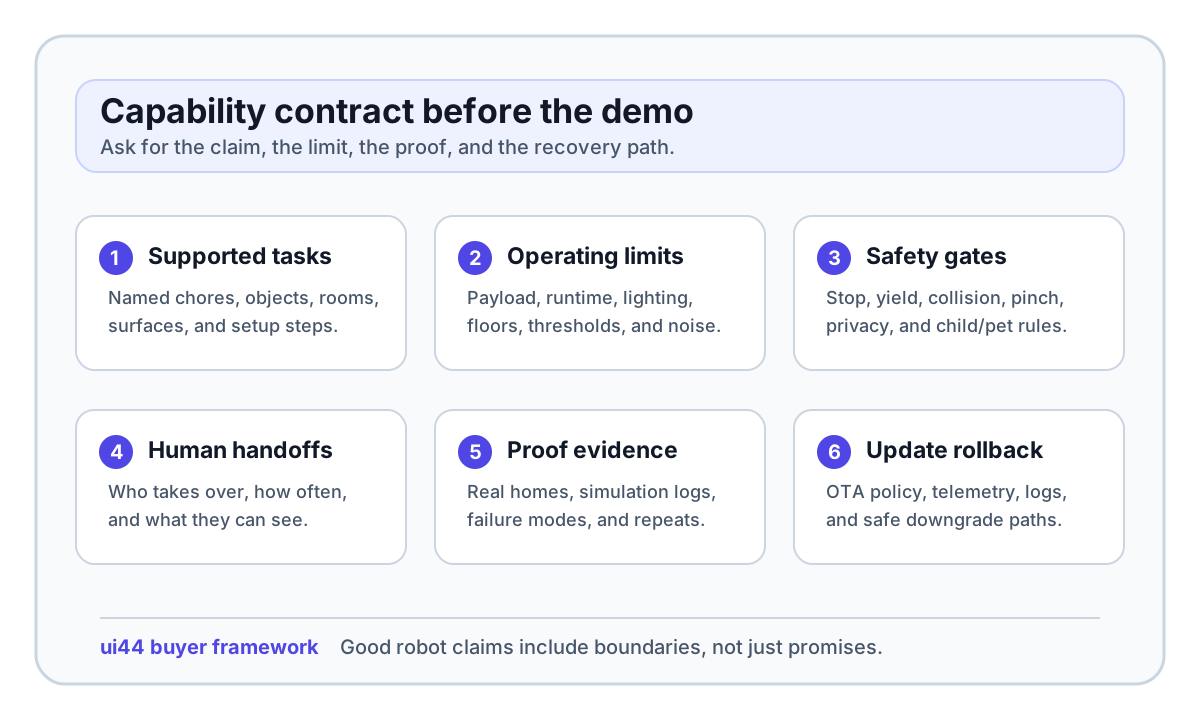

A capability contract is a plain-language version of what robotics deployment teams already need: supported tasks, operating limits, safety boundaries, data assumptions, human handoffs, update rules, and rollback paths. 10Things uses the term directly in its contract-first robotics workflow: define what the robot can and cannot do, validate behavior in simulation, set safety gates, then package telemetry, OTA updates, and rollback into deployment workflows. That framing is useful for home buyers because it turns vague demo language into questions a seller should be able to answer.
For ui44 readers, this is the checklist to use before paying a deposit on a home humanoid, mobile manipulator, companion robot, or modular smart-home robot.
What is a home robot capability contract?
A capability contract is a short, testable description of a robot's job. It should say four things:
- The task: what the robot is supposed to do.
- The conditions: where, when, and under what limits it can do it.
- The safety and privacy rules: what the robot must never do.
- The recovery path: what happens when autonomy fails.
That sounds obvious, but consumer robot marketing often skips the middle two. "Helps with chores" is not a contract. "Can carry a sealed 1 kg laundry basket from the bedroom to the washer on a mapped route, only while no child or pet is inside a 1 m safety zone, and asks for remote help after two failed grasps" is much closer.
The same idea already exists in safety standards. ISO 13482, the personal-care robot standard, covers mobile servant robots, physical assistant robots, and person carriers. It explicitly focuses on hazards, protective measures, and "information for use" when robots operate around people, domestic animals, and property. Buyers do not need to read the whole standard. They should, however, expect manufacturers to explain intended use and foreseeable limits instead of only showing best-case clips.
Why does this matter more for 2026 home robots?
Because the robots are finally capable enough to be confusing.
A robot vacuum has a narrow contract: clean floors, avoid cliffs, return to dock, empty or wash itself depending on the model. A home humanoid claims a much wider space: picking up objects, opening doors, carrying loads, interacting with people, using natural language, and learning new chores. That wider promise is where buyers get exposed.
The ui44 database shows the spread clearly:
Robot
- Public price/status
- $20,000, pre-order
- Useful contract question
- Which chores are autonomous on day one, and which require Expert Mode?
Robot
- Public price/status
- $29,950, available
- Useful contract question
- Which assistive tasks are supported by demos versus custom development?
Robot
- Public price/status
- $7,999 or $450/mo, available
- Useful contract question
- How often does laundry folding need remote human correction?
Robot
- Public price/status
- $699, available
- Useful contract question
- What can the 8 kg mobile base carry safely, and where should it not go?
Robot
- Public price/status
- $1,599.99 invitation model
- Useful contract question
- What patrol, recognition, and alert behavior happens locally or in the cloud?
Robot
- Public price/status
- $13,500+, available
- Useful contract question
- Is this a developer robot, or does the seller support home chores?
| Robot | Public price/status | Useful contract question |
|---|---|---|
| 1X NEO | $20,000, pre-order | Which chores are autonomous on day one, and which require Expert Mode? |
| Hello Robot Stretch 4 | $29,950, available | Which assistive tasks are supported by demos versus custom development? |
| Weave Isaac 0 | $7,999 or $450/mo, available | How often does laundry folding need remote human correction? |
| SwitchBot K20+ Pro | $699, available | What can the 8 kg mobile base carry safely, and where should it not go? |
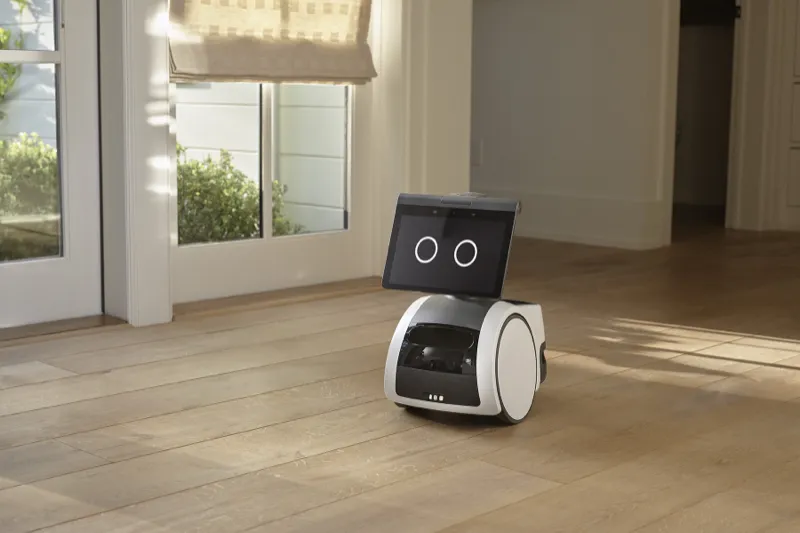
| Amazon Astro | $1,599.99 invitation model | What patrol, recognition, and alert behavior happens locally or in the cloud? |
| Unitree G1 | $13,500+, available | Is this a developer robot, or does the seller support home chores? |
These are not equivalent products. Amazon Astro is a mobile home patrol and Alexa screen with cameras, sensors, Visual ID, and Ring integration. Weave Isaac 0 is a stationary laundry robot with a narrow chore, a 30-90 minute per-load claim in the ui44 record, weekly AI model updates, and remote teleoperation assist when it gets stuck. Hello Robot Stretch 4 is a $29,950 open-source mobile manipulator with a 2.5 kg extended arm payload, 4 kg retracted payload, 8-hour light-load runtime, ROS 2/Python support, self charging, and reference autonomy demos. 1X NEO is a $20,000 home-focused humanoid preorder with soft body design, tactile skin, around 4 hours of battery life, and an official Expert Mode concept for chores it does not know yet.
The capability contract keeps those differences honest.
What should the supported-task section include?
Ask the seller for verbs, objects, rooms, and setup assumptions.
Bad answer: "The robot can help around the house."
Better answer: "It can patrol mapped indoor rooms, check live camera views, recognize known household members, and notify you about unrecognized people. It cannot climb stairs, open doors, or manipulate objects."
That better answer describes Amazon Astro-style value without pretending it is a butler. It is useful precisely because it is bounded.
For manipulators, the task list should be even more specific:
- Can it pick objects from the floor, table, shelf, or washer?
- What shapes and weights are supported?
- Does it handle deformable items like towels and clothes, or only rigid objects?
- Can it recover from a failed grasp without human help?
- Does the task work in any home, or only after a technician maps the space?
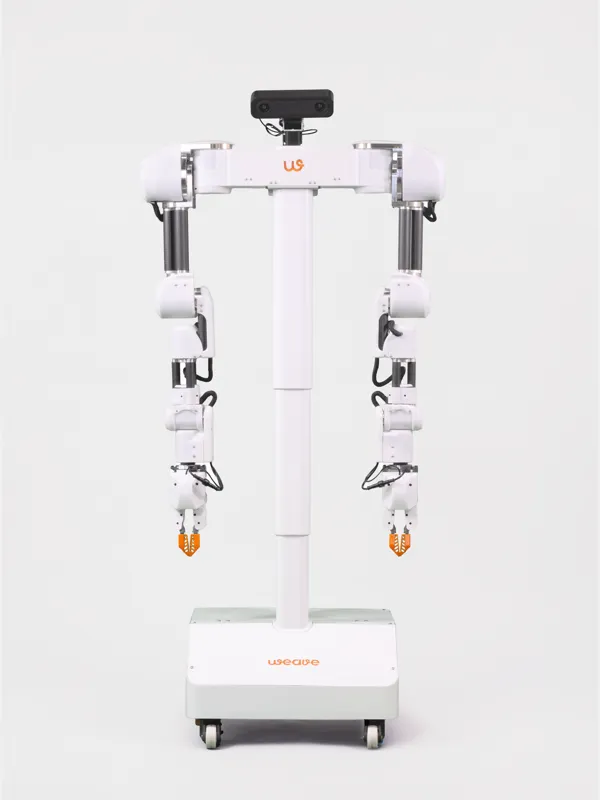
This is where narrow robots can beat general robots. Isaac 0's laundry-folding contract is easier to inspect than a broad humanoid chore promise. It has a known task, a known workspace, a mains-powered setup, and a declared human-assist model. That does not make it risk-free. It does make the claim easier to test.
What operating limits should buyers ask for?
A robot capability without limits is just advertising. Ask for a limit sheet.
For a home humanoid or mobile manipulator, the minimum useful fields are:
- Payload: maximum safe load by arm position, not just a heroic number.
- Runtime: active task time, idle time, and charging or battery-swap plan.
- Mobility: thresholds, rugs, stairs, slopes, wet floors, and tight spaces.
- Workspace: minimum lighting, room size, object contrast, and required maps.
- Noise: operating noise for normal motion, fans, and actuation.
- Network: what works offline, what requires cloud inference, and what fails when Wi-Fi drops.
The contrast between robots is important. Stretch 4 publishes concrete physical limits: 160 cm height, 45 cm diameter footprint, 55 cm plus 6 cm wrist reach, 2.5 kg payload with the arm extended, 4 kg retracted, and 46 kg total weight. That is not as exciting as a viral humanoid clip, but it is buyer-useful. Unitree G1 is more humanoid-looking and cheaper at $13,500+, but the ui44 record frames it as a research/development platform with a roughly 2 kg standard arm load, optional dexterous hands, around 2 hours of battery life, and no consumer chore support contract.
A buyer should treat both honestly: Stretch 4 has a clearer manipulator contract; G1 has a lower entry price for developers, not a finished home-service promise.
Which safety gates need to be explicit?
The safety section should describe stop conditions, not only safety language.
Ask for concrete gates:
- What happens if a child, pet, or guest enters the task zone?
- What force, speed, or torque limits apply near people?
- Can the robot detect a trapped cable, fabric snag, finger pinch, or falling object?
- Does it slow down, pause, back away, ask for help, or continue?
- How does the user emergency-stop it without finding an app?
- Does the robot keep operating if a camera is blocked or a depth sensor fails?
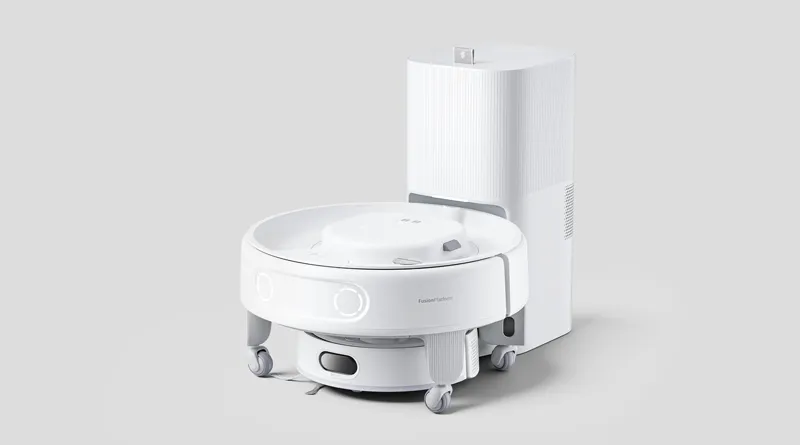
Even smaller robots need this discipline. The SwitchBot K20+ Pro is interesting because it makes existing devices mobile instead of promising a general humanoid. Its ui44 record lists a $699 base kit, D-ToF LiDAR, dual laser sensors, Matter support via SwitchBot Hub, and a FusionPlatform that can carry up to 8 kg. The contract question is not "Is 8 kg impressive?" It is "8 kg of what, attached how, moving through which rooms, with which no-go zones, and what happens if it tips, bumps a chair, or carries a camera into a private room?"
That is the kind of safety gate a buyer can actually evaluate.
How should human handoffs be disclosed?
Human help is not a failure. Hidden human help is the problem.
Many near-term home robots will use shared autonomy: the robot handles routine parts, and a human operator steps in when the task gets messy. That can be a good model for early adopters if it is disclosed clearly.
Ask these questions before buying:
- Who can take over: the manufacturer, a contractor, a caregiver, or only you?
- What can the remote helper see, hear, store, and replay?
- Is remote help included in the price, subscription-based, or billed per task?
- Can you approve each session, restrict rooms, or blur private areas?
- How often did handoffs occur in real homes during testing?
- Does the robot learn from handoffs, and can you delete that data?
1X NEO's official NEO page says the robot works autonomously by default, while Expert Mode lets a scheduled 1X Expert guide chores NEO does not know yet. That is exactly the kind of claim that needs a contract. The buyer should not stop at "remote help exists." They should ask when it triggers, what the expert can see, how sessions are authorized, and whether the autonomy improves afterward.
Weave's Isaac 0 raises similar but narrower questions. A remote specialist correcting a laundry-folding failure is less broad than a whole-home humanoid operator, but the privacy contract still matters because clothing, homes, and routines are personal data.
What proof counts before you trust the claim?
A capability contract should include evidence. Not just a polished video.
Useful evidence can include:
- repeat counts, not one-off demos;
- real-home trials, not only lab benches;
- simulation results for edge cases before hardware risk;
- failure-mode examples, not only successes;
- logs showing how often a task needed human help;
- before/after software version notes;
- third-party safety, warranty, or certification documents where relevant.
10Things' workflow is a good mental model here because it separates the promise from the proof loop: hardware understanding, capability contract, simulation evidence, validation gates, and deployment package. A consumer robot seller does not need to expose every internal engineering artifact, but a serious seller should be able to summarize the evidence behind each advertised behavior.
MenteeBot, for example, is exciting on paper: a 175 cm, 70 kg humanoid with a 25 kg carrying claim, 40 degrees of freedom, hot-swappable battery language, NeRF-based mapping, Sim2Real learning, and a 2028 target for commercialization after Mobileye's announced acquisition. That is not a reason to buy today; it is a reason to ask what proof will exist before a buyer lets a full-size robot move heavy objects in a home.
What should OTA, telemetry, and rollback cover?
Home robots will change after purchase. That is good when updates improve navigation, manipulation, voice understanding, and safety. It is risky when an update changes behavior without a clear rollback path.
The contract should answer:
- Are updates automatic, optional, or staged?
- Can safety-critical behavior be updated without explicit approval?
- What telemetry leaves the home, and how long is it retained?
- Can a failed update disable core functions?
- Is there a safe rollback if a new model performs worse?
- How long will the robot receive software and security updates?
This is one reason development-stage robots such as Samsung Ballie need extra skepticism. Ballie has an appealing smart-home contract on paper: Gemini plus Samsung models, SmartThings control, camera-based home monitoring, projection, personalization, and adaptive behavior. But ui44 lists no confirmed price, no confirmed shipping date, and multiple undisclosed hardware specs. A buyer cannot evaluate an OTA policy, privacy boundary, or service life until the product is actually available with terms.
A practical checklist before you pay a deposit
- Name three tasks. If the seller cannot name concrete supported tasks, the
- Ask for the operating envelope. Payload, runtime, lighting, floors,
- Find the stop rules. The robot should know when to pause, yield, ask for
- Interrogate remote help. Human handoffs need consent, privacy boundaries,
- Demand proof beyond video. Look for repeated trials, real-home evidence,
- Check update and rollback rights. A robot that learns over time also
- Compare against narrow alternatives. A single-purpose robot with a clear
Are capability contracts realistic for consumer buyers?
Yes, if buyers ask for them in plain language.
You do not need a legal document. You need a manufacturer or reseller to state: "This robot is supported for these tasks, in these conditions, with these safety rules, using this data, with this help path, and this update policy."
That standard would make home robot shopping less magical and more useful. It would also reward the companies doing the hard, unglamorous work: publishing limits, admitting handoffs, documenting safety gates, and separating prototypes from deployable systems.
The robots in the ui44 database are getting more interesting fast. 1X NEO, Stretch 4, Isaac 0, SwitchBot K20+ Pro, Amazon Astro, Unitree G1, MenteeBot, and Ballie all point toward different versions of the home robot future. The right buyer question is not which one has the flashiest demo. It is which one has the most honest contract.
Before you buy, ask for the contract. The answer will tell you more than the video.
Related in the database
Use this article as a privacy verification workflow
Turn the article into a privacy verification pass grounded in the robots, manufacturers, and components it actually references.
Home Robot Capability Contracts: Buyer Checklist already points you toward 8 linked robots, 8 manufacturers, and 6 countries inside the ui44 database. That matters because strong buyer guidance is easier to apply when you can move immediately from a claim or warning into concrete product pages, manufacturer directories, component explainers, and country-level context instead of treating the article as an isolated opinion piece. The fastest next step is to turn the article into a shortlist workflow: open the linked robot pages, verify which specs are actually published for those models, then compare the surrounding manufacturer and component context before you decide whether the underlying claim changes your buying plan.
For this topic, the useful discipline is to separate the editorial lesson from the catalog evidence. The article gives you the framing, but the robot pages tell you what each product actually ships with today: sensor stack, connectivity methods, listed price, release timing, category, and support-relevant compatibility notes. The manufacturer pages then show whether you are looking at a one-off launch, a broader lineup pattern, or a company that spans multiple categories. That layered workflow reduces the risk of buying on a single marketing phrase or a single support FAQ.
Use the robot pages to confirm which products actually expose cameras, microphones, Wi-Fi, or voice systems, then use the manufacturer pages to decide how much of the privacy question seems product-specific versus brand-wide. On this route cluster, NEO, Stretch 4, and Isaac 0 form the fastest reality check. If you want a quick working shortlist, open Compare NEO, Stretch 4, and Isaac 0 next, then keep this article open as the reasoning layer while you compare structured data side by side.
Practical Takeaway
Every robot, manufacturer, category, component, and country reference below resolves to a real ui44 page, keeping the follow-up path grounded in database records rather than generic advice.
Suggested next steps in ui44
- Open NEO and note the listed sensors, connectivity methods, and voice stack before you interpret any policy claim.
- Cross-check the wider brand context on 1X Technologies so you can see whether the privacy question touches one model or a broader lineup.
- Use the linked component pages to confirm how common the relevant sensors and connectivity layers are across the database.
- Keep a short note of which policy layers you checked, which device features are actually present on the robot page, and which items still depend on region- or app-level confirmation.
- Finish with Compare NEO, Stretch 4, and Isaac 0 so the policy reading sits next to structured product data.
Robot profiles worth opening next
Use the linked product pages as the evidence layer
The linked robot pages are where this article becomes operational. Instead of asking whether the headline is interesting, use the robot entries to inspect the actual mix of sensors, connectivity options, batteries, pricing, release timing, and stated capabilities attached to the products mentioned in the article. That is the easiest way to see whether the warning or opportunity described here affects one product family, a specific design pattern, or an entire buying lane.
NEO
1X Technologies · Humanoid · Pre-order
NEO is tracked on ui44 as a pre-order humanoid robot from 1X Technologies. The database currently records a listed price of $20,000, a release date of 2025-10-28, ~4 hours battery life, Not disclosed charging time, and a published stack that includes RGB Cameras, Depth Sensors, and Tactile Skin plus Wi-Fi and Bluetooth.
For privacy-focused reading, this page matters because it shows the concrete device surface behind the policy discussion. Use it to verify whether NEO combines sensors and connectivity in a way that could change the in-home data footprint, and compare the listed capabilities such as Household Chores, Tidying Up, and Safe Human Interaction with any cloud, app, or voice layers.
Stretch 4
Hello Robot · Home Assistants · Available
Stretch 4 is tracked on ui44 as a available home assistants robot from Hello Robot. The database currently records a listed price of $29,950, a release date of 2026-05-12, 8 hours (light CPU load) battery life, Not officially disclosed charging time, and a published stack that includes Wide-FOV depth sensing, High-resolution RGB cameras, and Calibrated RGB + depth perception plus its listed connectivity stack.
For privacy-focused reading, this page matters because it shows the concrete device surface behind the policy discussion. Use it to verify whether Stretch 4 combines sensors and connectivity in a way that could change the in-home data footprint, and compare the listed capabilities such as Mobile Manipulation, Omnidirectional Indoor Mobility, and Autonomous Mapping and Navigation with any cloud, app, or voice layers.
Isaac 0
Weave Robotics · Home Assistants · Available
Isaac 0 is tracked on ui44 as a available home assistants robot from Weave Robotics. The database currently records a listed price of $3,999, a release date of 2026-02, Mains powered (600W, 120V) battery life, N/A (plugged in) charging time, and a published stack that includes Vision System and Proprioceptive Sensors plus Wi-Fi 2.4GHz/5GHz and Ethernet.
For privacy-focused reading, this page matters because it shows the concrete device surface behind the policy discussion. Use it to verify whether Isaac 0 combines sensors and connectivity in a way that could change the in-home data footprint, and compare the listed capabilities such as Laundry Folding, T-shirts, Long Sleeves, Sweaters, and Pants and Towels with any cloud, app, or voice layers.
K20+ Pro is tracked on ui44 as a available cleaning robot from SwitchBot. The database currently records a listed price of $699, a release date of 2025-06, 3500 mAh battery capacity; runtime not officially disclosed battery life, About 4 hours charging time, and a published stack that includes DToF laser radar, Triple laser obstacle-avoidance sensors, and Cliff/fall-prevention sensors plus Wi-Fi (2.4GHz / 5GHz) and Bluetooth.
For privacy-focused reading, this page matters because it shows the concrete device surface behind the policy discussion. Use it to verify whether K20+ Pro combines sensors and connectivity in a way that could change the in-home data footprint, and compare the listed capabilities such as Robot Vacuum Cleaning, FusionPlatform Modular System (ClawLock attachment), and Smart Delivery (up to 8 kg payload) with any cloud, app, or voice layers, including Amazon Alexa and Google Assistant.
Astro is tracked on ui44 as a active security & patrol robot from Amazon. The database currently records a listed price of $1,599, a release date of 2021, Not officially disclosed battery life, Not officially disclosed charging time, and a published stack that includes 5MP Bezel Camera, 1080p Periscope Camera (132° FOV), and Infrared Vision plus Wi-Fi 802.11ac and Bluetooth.
For privacy-focused reading, this page matters because it shows the concrete device surface behind the policy discussion. Use it to verify whether Astro combines sensors and connectivity in a way that could change the in-home data footprint, and compare the listed capabilities such as Autonomous Home Patrol, Visual ID (face recognition), and Remote Home Monitoring with any cloud, app, or voice layers, including Amazon Alexa.
Manufacturer context behind the article
Check whether this is one product story or a broader company pattern
Manufacturer pages add the privacy context that individual product pages cannot show on their own. They help you check whether cameras, microphones, cloud accounts, app controls, and policy assumptions appear across a broader lineup or stay tied to one specific product story.
1X Technologies
ui44 currently tracks 2 robots from 1X Technologies across 1 category. The company is grouped under Norway, and the current catalog footprint on ui44 includes NEO, EVE.
That wider brand context matters because privacy questions rarely stop at one FAQ page. A manufacturer route helps you see whether the article is centered on one premium model or on a company that has several relevant products and therefore more than one place where the same policy or app assumptions might matter. The category mix here currently points toward Humanoid as the most useful next route if you want to see whether this article reflects a wider pattern inside the brand.
Hello Robot
ui44 currently tracks 2 robots from Hello Robot across 1 category. The company is grouped under USA, and the current catalog footprint on ui44 includes Stretch 3, Stretch 4.
That wider brand context matters because privacy questions rarely stop at one FAQ page. A manufacturer route helps you see whether the article is centered on one premium model or on a company that has several relevant products and therefore more than one place where the same policy or app assumptions might matter. The category mix here currently points toward Home Assistants as the most useful next route if you want to see whether this article reflects a wider pattern inside the brand.
Weave Robotics
ui44 currently tracks 2 robots from Weave Robotics across 1 category. The company is grouped under Denmark, and the current catalog footprint on ui44 includes Isaac 0, Isaac 1.
That wider brand context matters because privacy questions rarely stop at one FAQ page. A manufacturer route helps you see whether the article is centered on one premium model or on a company that has several relevant products and therefore more than one place where the same policy or app assumptions might matter. The category mix here currently points toward Home Assistants as the most useful next route if you want to see whether this article reflects a wider pattern inside the brand.
SwitchBot
ui44 currently tracks 3 robots from SwitchBot across 3 categorys. The company is grouped under USA, and the current catalog footprint on ui44 includes K20+ Pro, onero H1, KATA Friends.
That wider brand context matters because privacy questions rarely stop at one FAQ page. A manufacturer route helps you see whether the article is centered on one premium model or on a company that has several relevant products and therefore more than one place where the same policy or app assumptions might matter. The category mix here currently points toward Cleaning, Home Assistants, Companions as the most useful next route if you want to see whether this article reflects a wider pattern inside the brand.
Broaden the scan without leaving the database
Categories, components, and countries add the wider context
Category framing
Category pages are useful when the article touches a buying pattern that shows up across brands. A category route helps you confirm whether the linked products sit in a narrow niche or whether the same question should be tested across a larger field of alternatives.
Humanoid
The Humanoid category page currently groups 129 tracked robots from 92 manufacturers. ui44 describes this lane as: Full-size bipedal humanoid robots built to work alongside people — from factory floors to household tasks. Compare the cutting edge of humanoid robotics.
That makes the category route a practical follow-up when you want to check whether the products linked in this article are typical for the lane or whether they sit at one edge of the market. Useful starting examples currently include NEO, EVE, Mornine M1.
Home Assistants
The Home Assistants category page currently groups 16 tracked robots from 14 manufacturers. ui44 describes this lane as: Arm-based household helpers — laundry folders, kitchen robots, and mobile manipulators that take on hands-on physical tasks around the home.
That makes the category route a practical follow-up when you want to check whether the products linked in this article are typical for the lane or whether they sit at one edge of the market. Useful starting examples currently include Robody, Futuring 2 (F2), Stretch 3.
Country and ecosystem context
Country pages give extra context when support practices, launch sequencing, regulatory posture, or manufacturer mix matter. They are not a substitute for model-level verification, but they do help you see which ecosystems cluster together and which manufacturers sit in the same regional field when you broaden the search beyond the article headline.
Norway
The Norway route currently groups 2 tracked robots from 1 manufacturers in ui44. That gives you a useful regional lens when the article points toward support practices, launch sequencing, or brand clusters that may share similar ecosystem assumptions.
On the current route, manufacturers like 1X Technologies make the page a good way to broaden the scan without losing the regional context that often shapes availability, documentation style, and adjacent alternatives.
USA
The USA route currently groups 89 tracked robots from 69 manufacturers in ui44. That gives you a useful regional lens when the article points toward support practices, launch sequencing, or brand clusters that may share similar ecosystem assumptions.
On the current route, manufacturers like Faraday Future, iRobot, Boston Dynamics make the page a good way to broaden the scan without losing the regional context that often shapes availability, documentation style, and adjacent alternatives.
Denmark
The Denmark route currently groups 2 tracked robots from 1 manufacturers in ui44. That gives you a useful regional lens when the article points toward support practices, launch sequencing, or brand clusters that may share similar ecosystem assumptions.
On the current route, manufacturers like Weave Robotics make the page a good way to broaden the scan without losing the regional context that often shapes availability, documentation style, and adjacent alternatives.
Questions to answer before you move from reading to buying
A follow-up FAQ built from the entities already linked in this article
Frequently Asked Questions
Which page should I open first after reading “Home Robot Capability Contracts: Buyer Checklist”?
Start with NEO. That gives you a concrete product anchor for the article’s main claim. From there, branch into the manufacturer and component pages so you can tell whether the article is describing one specific model, a repeated brand pattern, or a wider technology issue that affects multiple shortlist options.
How do the manufacturer pages change the buying decision?
1X Technologies help you zoom out from one article and one product. On ui44 they show lineup breadth, category spread, and the neighboring robots tied to the same company. That context is useful when you are deciding whether a risk belongs to a single model, whether it shows up across a brand’s portfolio, and whether you should keep looking at alternatives before committing.
When should I switch from reading to side-by-side comparison?
Move into Compare NEO, Stretch 4, and Isaac 0 as soon as you understand the article’s main warning or promise. The article explains what to watch for, but the compare view is where you can check whether price, status, battery life, connectivity, sensors, and category fit still make the robot a good match for your own home and budget.
Where to go next in ui44
Keep the research chain inside the database
If you want to keep going, these follow-on pages give you the cleanest expansion path from article to research session. Open the comparison route first if you are deciding between products today. Open the manufacturer, category, and component routes if you still need to understand the broader pattern behind the claim.
Written by
ui44 Team
Published May 19, 2026
Share this article
Open a plain share link on X or Bluesky. No embeds, no widgets, no cookie baggage.