Starship Technologies says its sidewalk delivery fleet has now passed 10 million autonomous deliveries, with 3,000+ robots, 300+ locations in 8 countries, more than 22 million autonomous kilometres, and roughly 200 million road crossings. That is not a marketing demo. It is a rare example of physical AI operating at public scale.
For home robot buyers, the takeaway is not "buy a delivery robot." You cannot; Starship Delivery Robot is a service-based commercial platform, not a consumer product. The useful question is sharper: what did delivery robots need before autonomy became boring enough to scale, and how far are home robots from that standard?
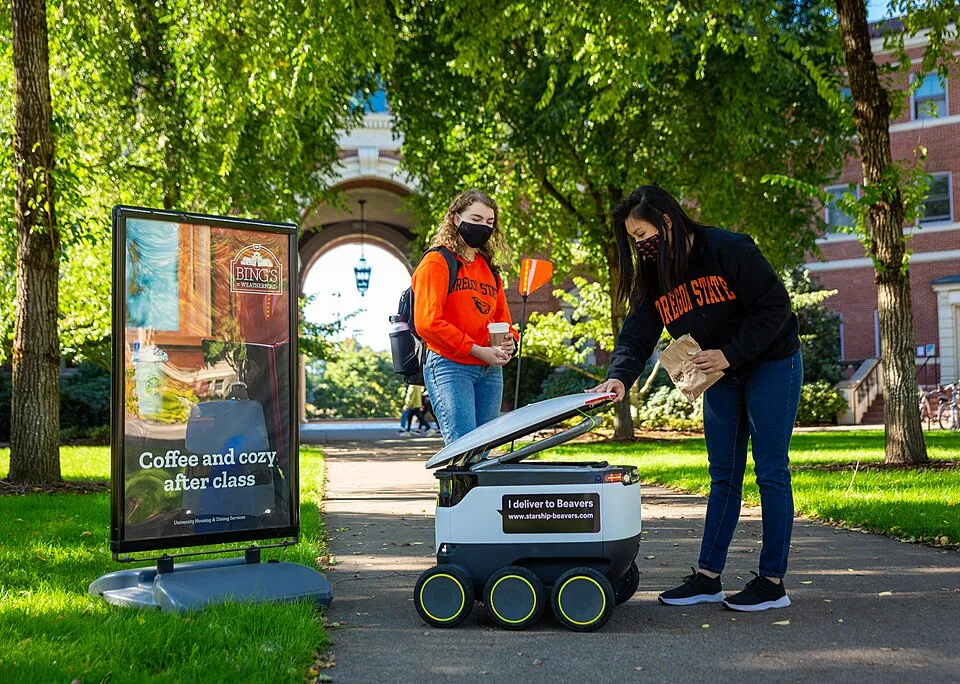
Delivery robots prove autonomy works best when the job is narrow
Starship's achievement is impressive because it is specific. The robot carries a small payload, drives at pedestrian speed, follows sidewalk-scale routes, opens for the right customer, and repeats the same kind of task thousands of times per day. ui44's database tracks it as a 25 kg six-wheeled robot with a 9 kg payload, about 18 hours of battery life, 6 km/h top speed, stereo cameras, time-of-flight cameras, GPS, ultrasonic sensors, radar, IMU, cellular connectivity, and remote-operator backup.
That is a lot of autonomy, but it is not general autonomy. It does not fold a shirt, decide whether a mug belongs in the dishwasher, identify a medicine bottle, or negotiate with a dog sleeping in the hallway. Its world is hard, but its business goal is narrow: move an item from point A to point B safely and cheaply.
Home robots usually start from the opposite promise. A humanoid video implies "it can help around the house," which sounds simple until you list the hidden subtasks: find the object, understand the room, choose a safe grasp, avoid breaking something sentimental, ask before entering a private room, recover when a drawer sticks, and know when not to continue.
That is why narrow home robots are more believable than general servants. Amazon Astro is not a housekeeper; it is a $1,599.99 invite-only wheeled patrol and Alexa/Ring monitoring robot. Weave Isaac 0 does not clean the whole house; it folds laundry in a stationary workflow for $7,999 upfront or $450/month, with remote specialist help when it gets stuck. These are less glamorous than a full humanoid, but their boundaries make them easier to trust.
The real moat is fleet learning, not a single impressive demo
The official Starship milestone matters because it contains operational scale: 22 million autonomous kilometres, 125,000+ road crossings per day, and a continuous learning loop from thousands of robots. Robotics & Automation News summarized the same announcement as a shift from pilot projects to sustained commercial deployment, not just a technical proof point.
That distinction is crucial for home robots. A lab demo can show one robot loading one dishwasher once. A product has to survive thousands of homes, each with different plates, cabinet handles, pets, lighting, Wi-Fi reliability, floor transitions, furniture, and family rules.
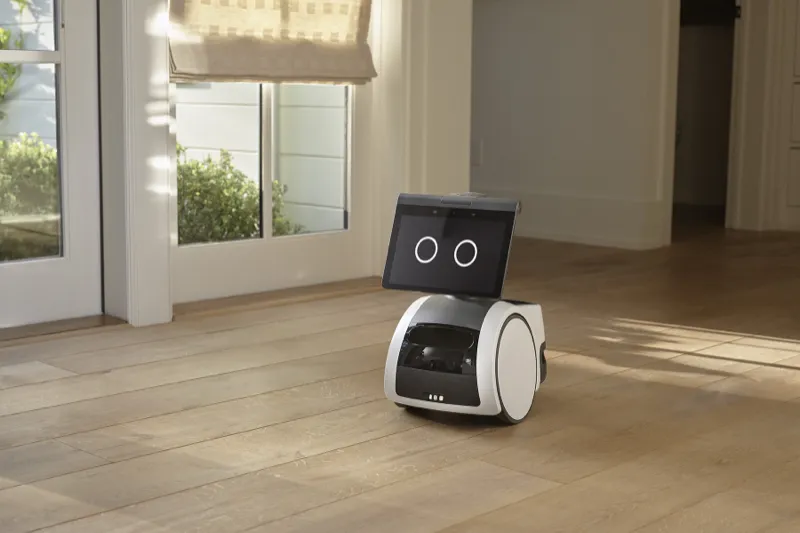
A home robot company needs the same kind of compounding loop Starship has, but with much harder data. Delivery robots learn from sidewalks, crossings, curb cuts, weather, and routing failures. Home robots have to learn from awkward, privacy-sensitive household moments: where the laundry basket lives, which cups are fragile, what a child left on the floor, and when a user meant "clean up" versus "leave this alone."
That is why the data pipeline behind a robot matters as much as the body. 1X NEO is tracked in ui44 as a $20,000 pre-order home-focused humanoid: 167 cm, 30 kg, about 4 hours of runtime, RGB and depth cameras, tactile skin, microphones, Wi-Fi/Bluetooth, and a soft body for human coexistence. Those are promising hardware choices. But the buyer question is not only "can it move?" It is "how many real homes have trained its recovery behavior, and what happens when the model is uncertain?"
Level 4 does not mean magic
Starship says its robots operate at Level 4 without active human supervision in dense urban environments and across weather conditions. That is a serious claim, and the fleet numbers make it more credible than a one-off demo. Still, Level 4 autonomy is always defined inside an operating domain.
For delivery, the domain can be described: sidewalks, campuses, selected cities, crossings, pedestrian speeds, known partners, mapped service areas, small cargo, and a company-operated fleet. For the home, the domain is fuzzier. A kitchen, bedroom, garage, bathroom, child's room, and garden are not one domain. They are several, each with different hazards and expectations.
That is the trap in home-robot marketing. If a robot can autonomously patrol a living room, that does not imply it can autonomously unload a dishwasher. If it can grasp a towel, that does not imply it should handle knives, medicine, valuables, pet bowls, or hot cookware. Buyers should ask vendors to define the robot's operating domain in plain language.
A useful phrasing is:
- Where can the robot operate without help?
- Which tasks are explicitly supported today?
- What objects are off-limits?
- How does the robot detect uncertainty?
- Does it stop, ask, teleoperate, or guess?
The last point is the most important. Guessing is fine for a chatbot. It is not fine for a 30 kg machine near glassware, stairs, pets, children, or an older adult who depends on it.
Regulation and social acceptance are part of the product
Starship's press release emphasizes approvals across eight countries and more than a decade of deployment. It also cites a 97% student approval rate on US campuses. Those details may sound like corporate bragging, but they point to a real autonomy lesson: public robots scale only when communities, regulators, partners, insurers, and users tolerate them.
Home robots will face the same issue in a more intimate setting. A robot in a campus quad is visible and avoidable. A robot in your home records, navigates, acts, and sometimes fails in private space. The permission model is harder.
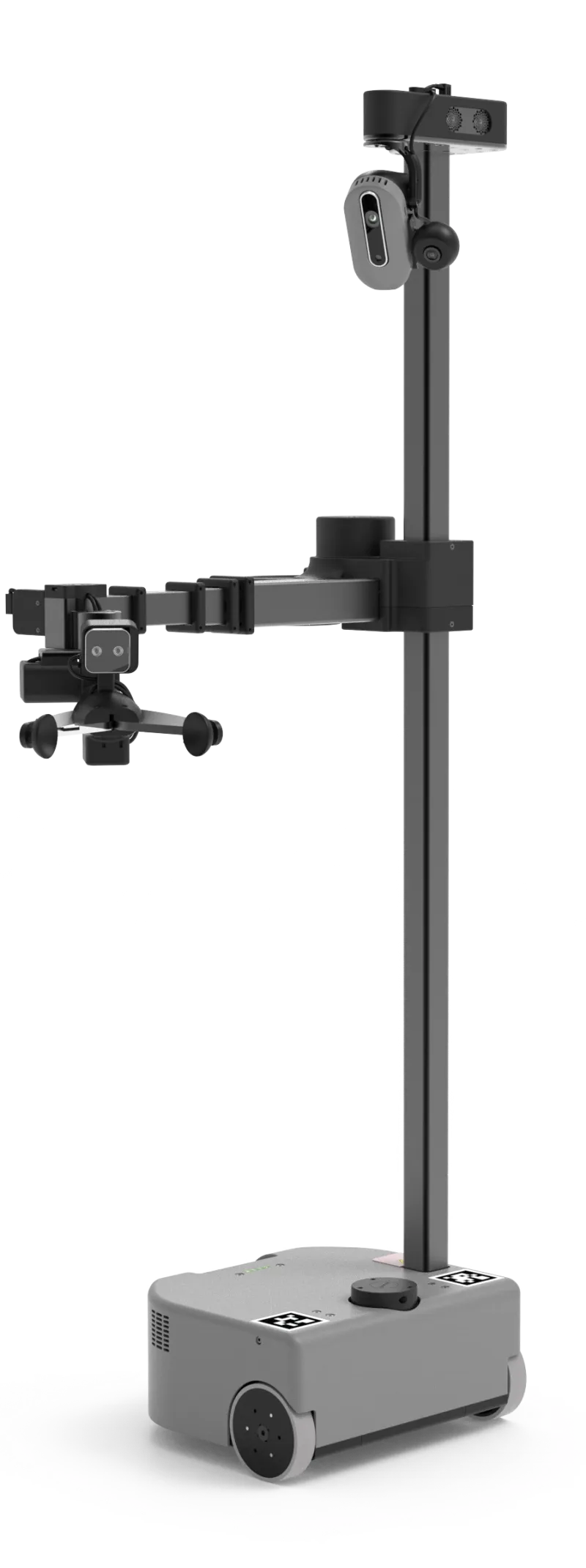
Hello Robot Stretch 3 is useful here because it shows a more honest path. ui44 tracks Stretch 3 as a $24,950 active mobile manipulator with a 24.5 kg body, 2–5 hours of battery life, a 2 kg payload, RGB-D cameras, LiDAR, microphone array, ROS 2 support, and web/gamepad teleoperation. It is not sold as a magical consumer servant. It is a research and assistive-care platform where autonomy, teleoperation, and human supervision are all part of the system.
That hybrid model may be closer to the next wave of useful home robots than the fully autonomous fantasy. Weave Isaac 0 already admits remote assistance as part of its laundry-folding workflow. Sunday Memo, still in development with no public price and a planned late-2026 Founding Family beta, is being positioned around real-home chore data for table clearing, dishwasher loading, laundry, coffee, and scheduling. The credible path is not pretending humans disappear from the loop. It is designing the loop so users know when and how help enters.
What do delivery economics teach home robots?
Starship's most buyer-relevant number may be economic, not technical. The company says autonomous delivery is already $3–4 cheaper than traditional rider delivery, with a long-term target of roughly $1 per drop, citing Reuters/Barclays market research. Whether those targets hold everywhere is an open question, but the frame is right: autonomy has to pay for its complexity.
Home robots often dodge that test. A $20,000 humanoid does not need to be perfect to be interesting, but it does need a believable value story. How many hours of work does it remove? Which work, exactly? Does it replace a service, reduce caregiver burden, improve safety, or mostly create novelty?
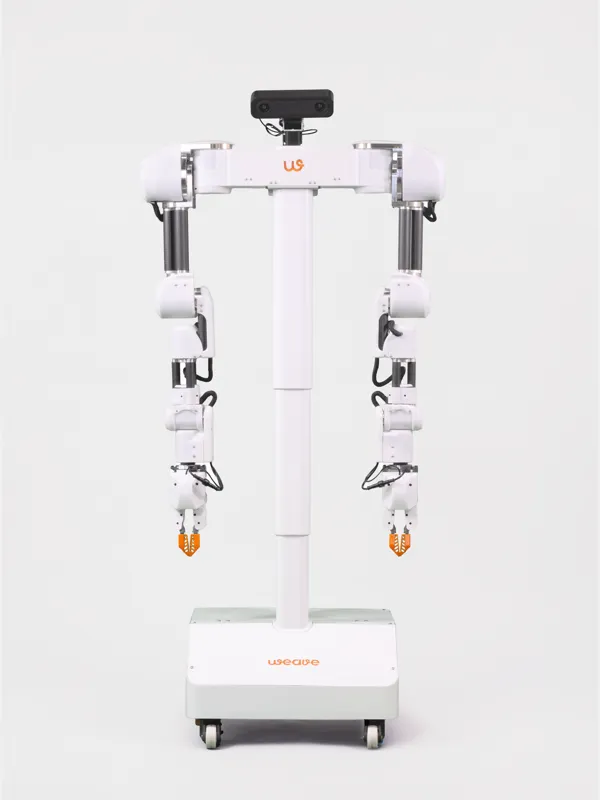
Isaac 0 is a good example because its promise is measurable: fold a load of laundry in 30–90 minutes, with remote specialist help when needed and weekly model updates. You can argue about whether $7,999 or $450/month makes sense, but the task, price, and support model are legible.
Samsung Ballie is less legible. ui44 tracks Ballie as a development-stage companion with no confirmed price or release date, Gemini and Samsung language-model integration, SmartThings control, camera and spatial sensing, personalized reminders, and repeated delays. It may become a useful rolling smart-home interface. But until Samsung states price, availability, supported tasks, privacy behavior, and failure handling, buyers should treat it as a category signal rather than a solved product.
What should home robots copy from delivery robots?
Delivery robots are not a blueprint for household chores, but they do reveal the standards home robots should meet before buyers trust big claims.
Lesson from scaled delivery robots
Start with a narrow, repeatable task
- What it means at home
- Avoid "does chores" unless the supported chores are named
- Robot examples to watch
- Weave Isaac 0 for laundry, Amazon Astro for patrol
Lesson from scaled delivery robots
Define the operating domain
- What it means at home
- Say which rooms, objects, lighting, pets, stairs, and floor types are supported
- Robot examples to watch
- 1X NEO, Sunday Memo, Ballie
Lesson from scaled delivery robots
Build a fleet learning loop
- What it means at home
- Show how real-world failures improve the system without abusing private data
- Robot examples to watch
- 1X NEO, Sunday Memo, Isaac 0
Lesson from scaled delivery robots
Design for recovery
- What it means at home
- Stop, ask, or call a human instead of improvising near hazards
- Robot examples to watch
- Stretch 3, Isaac 0
Lesson from scaled delivery robots
Prove social acceptance
- What it means at home
- Make privacy, consent, guest behavior, and opt-out controls obvious
- Robot examples to watch
- Astro, Ballie, future home humanoids
Lesson from scaled delivery robots
Make economics explicit
- What it means at home
- State the price, subscription, support cost, and hours saved
- Robot examples to watch
- Isaac 0, NEO, Astro
| Lesson from scaled delivery robots | What it means at home | Robot examples to watch |
|---|---|---|
| Start with a narrow, repeatable task | Avoid "does chores" unless the supported chores are named | Weave Isaac 0 for laundry, Amazon Astro for patrol |
| Define the operating domain | Say which rooms, objects, lighting, pets, stairs, and floor types are supported | 1X NEO, Sunday Memo, Ballie |
| Build a fleet learning loop | Show how real-world failures improve the system without abusing private data | 1X NEO, Sunday Memo, Isaac 0 |
| Design for recovery | Stop, ask, or call a human instead of improvising near hazards | Stretch 3, Isaac 0 |
| Prove social acceptance | Make privacy, consent, guest behavior, and opt-out controls obvious | Astro, Ballie, future home humanoids |
| Make economics explicit | State the price, subscription, support cost, and hours saved | Isaac 0, NEO, Astro |
The pattern is clear: useful robots scale when the task, environment, support model, and economics are constrained enough to measure. Delivery robots did not win by claiming they could do everything. They won by becoming very good at one valuable job.
How should buyers judge autonomy claims?
Before buying or pre-ordering a home robot because it claims advanced autonomy, ask six questions:
- What exact tasks are supported today, not promised later?
- How many real customer deployments has the company completed?
- What happens when the robot gets stuck?
- Is remote human assistance involved, and what can that human see?
- What data improves the model, and can you opt out?
- What price or subscription makes the robot worth keeping after the novelty fades?
Starship's 10 million deliveries do not mean a humanoid will clean your kitchen next year. They mean embodied autonomy can scale when the job is clear, the fleet is large, the environment is bounded, and the company has spent years solving operational details that never appear in a launch video.
That is the bar home robots now have to meet.

For buyers, the safest conclusion is not pessimism. It is discipline. Be excited about robots that learn from the real world. Be skeptical of robots that cannot name their limits. The first truly useful home robots may look less like a movie butler and more like Starship's playbook translated indoors: constrained service, constant learning, honest recovery, and proof at scale.
Related in the database
Use this article as a privacy verification workflow
Turn the article into a privacy verification pass grounded in the robots, manufacturers, and components it actually references.
Delivery Robots: Autonomy Lessons for Home Robots already points you toward 6 linked robots, 6 manufacturers, and 5 countries inside the ui44 database. That matters because strong buyer guidance is easier to apply when you can move immediately from a claim or warning into concrete product pages, manufacturer directories, component explainers, and country-level context instead of treating the article as an isolated opinion piece. The fastest next step is to turn the article into a shortlist workflow: open the linked robot pages, verify which specs are actually published for those models, then compare the surrounding manufacturer and component context before you decide whether the underlying claim changes your buying plan.
For this topic, the useful discipline is to separate the editorial lesson from the catalog evidence. The article gives you the framing, but the robot pages tell you what each product actually ships with today: sensor stack, connectivity methods, listed price, release timing, category, and support-relevant compatibility notes. The manufacturer pages then show whether you are looking at a one-off launch, a broader lineup pattern, or a company that spans multiple categories. That layered workflow reduces the risk of buying on a single marketing phrase or a single support FAQ.
Use the robot pages to confirm which products actually expose cameras, microphones, Wi-Fi, or voice systems, then use the manufacturer pages to decide how much of the privacy question seems product-specific versus brand-wide. On this route cluster, Starship Delivery Robot, Astro, and Isaac 0 form the fastest reality check. If you want a quick working shortlist, open Compare Starship Delivery Robot, Astro, and Isaac 0 next, then keep this article open as the reasoning layer while you compare structured data side by side.
Practical Takeaway
Every robot, manufacturer, category, component, and country reference below resolves to a real ui44 page, keeping the follow-up path grounded in database records rather than generic advice.
Suggested next steps in ui44
- Open Starship Delivery Robot and note the listed sensors, connectivity methods, and voice stack before you interpret any policy claim.
- Cross-check the wider brand context on Starship Technologies so you can see whether the privacy question touches one model or a broader lineup.
- Use the linked component pages to confirm how common the relevant sensors and connectivity layers are across the database.
- Keep a short note of which policy layers you checked, which device features are actually present on the robot page, and which items still depend on region- or app-level confirmation.
- Finish with Compare Starship Delivery Robot, Astro, and Isaac 0 so the policy reading sits next to structured product data.
Robot profiles worth opening next
Use the linked product pages as the evidence layer
The linked robot pages are where this article becomes operational. Instead of asking whether the headline is interesting, use the robot entries to inspect the actual mix of sensors, connectivity options, batteries, pricing, release timing, and stated capabilities attached to the products mentioned in the article. That is the easiest way to see whether the warning or opportunity described here affects one product family, a specific design pattern, or an entire buying lane.
Starship Delivery Robot
Starship Technologies · Commercial · Active
Starship Delivery Robot is tracked on ui44 as a active commercial robot from Starship Technologies. The database currently records a listed price of Price TBA, a release date of 2017, ~18 hours battery life, Not disclosed charging time, and a published stack that includes 12 cameras (including time-of-flight capabilities), Radar, and Ultrasonic sensors plus Wi-Fi and Cellular.
For privacy-focused reading, this page matters because it shows the concrete device surface behind the policy discussion. Use it to verify whether Starship Delivery Robot combines sensors and connectivity in a way that could change the in-home data footprint, and compare the listed capabilities such as Autonomous Sidewalk Navigation, Last-Mile Delivery (food, groceries, supplies), and Carries up to three shopping bags with any cloud, app, or voice layers, including Loudspeaker (optional voices, music).
Astro is tracked on ui44 as a active security & patrol robot from Amazon. The database currently records a listed price of $1,599, a release date of 2021, Not officially disclosed battery life, Not officially disclosed charging time, and a published stack that includes 5MP Bezel Camera, 1080p Periscope Camera (132° FOV), and Infrared Vision plus Wi-Fi 802.11ac and Bluetooth.
For privacy-focused reading, this page matters because it shows the concrete device surface behind the policy discussion. Use it to verify whether Astro combines sensors and connectivity in a way that could change the in-home data footprint, and compare the listed capabilities such as Autonomous Home Patrol, Visual ID (face recognition), and Remote Home Monitoring with any cloud, app, or voice layers, including Amazon Alexa.
Isaac 0
Weave Robotics · Home Assistants · Available
Isaac 0 is tracked on ui44 as a available home assistants robot from Weave Robotics. The database currently records a listed price of $3,999, a release date of 2026-02, Mains powered (600W, 120V) battery life, N/A (plugged in) charging time, and a published stack that includes Vision System and Proprioceptive Sensors plus Wi-Fi 2.4GHz/5GHz and Ethernet.
For privacy-focused reading, this page matters because it shows the concrete device surface behind the policy discussion. Use it to verify whether Isaac 0 combines sensors and connectivity in a way that could change the in-home data footprint, and compare the listed capabilities such as Laundry Folding, T-shirts, Long Sleeves, Sweaters, and Pants and Towels with any cloud, app, or voice layers.
NEO
1X Technologies · Humanoid · Pre-order
NEO is tracked on ui44 as a pre-order humanoid robot from 1X Technologies. The database currently records a listed price of $20,000, a release date of 2025-10-28, ~4 hours battery life, Not disclosed charging time, and a published stack that includes RGB Cameras, Depth Sensors, and Tactile Skin plus Wi-Fi and Bluetooth.
For privacy-focused reading, this page matters because it shows the concrete device surface behind the policy discussion. Use it to verify whether NEO combines sensors and connectivity in a way that could change the in-home data footprint, and compare the listed capabilities such as Household Chores, Tidying Up, and Safe Human Interaction with any cloud, app, or voice layers.
Stretch 3
Hello Robot · Home Assistants · Active
Stretch 3 is tracked on ui44 as a active home assistants robot from Hello Robot. The database currently records a listed price of $24,950, a release date of 2024, 2–5 hours battery life, Not disclosed charging time, and a published stack that includes Intel D405 RGBD Camera (gripper), Intel D435if RGBD Camera (head), and Wide-Angle RGB Camera (head) plus Wi-Fi 6E and Bluetooth.
For privacy-focused reading, this page matters because it shows the concrete device surface behind the policy discussion. Use it to verify whether Stretch 3 combines sensors and connectivity in a way that could change the in-home data footprint, and compare the listed capabilities such as Mobile Manipulation, Autonomous Navigation, and Teleoperation (Web / Gamepad / Dexterous) with any cloud, app, or voice layers.
Manufacturer context behind the article
Check whether this is one product story or a broader company pattern
Manufacturer pages add the privacy context that individual product pages cannot show on their own. They help you check whether cameras, microphones, cloud accounts, app controls, and policy assumptions appear across a broader lineup or stay tied to one specific product story.
Starship Technologies
ui44 currently tracks 1 robot from Starship Technologies across 1 category. The company is grouped under Estonia, and the current catalog footprint on ui44 includes Starship Delivery Robot.
That wider brand context matters because privacy questions rarely stop at one FAQ page. A manufacturer route helps you see whether the article is centered on one premium model or on a company that has several relevant products and therefore more than one place where the same policy or app assumptions might matter. The category mix here currently points toward Commercial as the most useful next route if you want to see whether this article reflects a wider pattern inside the brand.
Amazon
ui44 currently tracks 1 robot from Amazon across 1 category. The company is grouped under USA, and the current catalog footprint on ui44 includes Astro.
That wider brand context matters because privacy questions rarely stop at one FAQ page. A manufacturer route helps you see whether the article is centered on one premium model or on a company that has several relevant products and therefore more than one place where the same policy or app assumptions might matter. The category mix here currently points toward Security & Patrol as the most useful next route if you want to see whether this article reflects a wider pattern inside the brand.
Weave Robotics
ui44 currently tracks 2 robots from Weave Robotics across 1 category. The company is grouped under Denmark, and the current catalog footprint on ui44 includes Isaac 0, Isaac 1.
That wider brand context matters because privacy questions rarely stop at one FAQ page. A manufacturer route helps you see whether the article is centered on one premium model or on a company that has several relevant products and therefore more than one place where the same policy or app assumptions might matter. The category mix here currently points toward Home Assistants as the most useful next route if you want to see whether this article reflects a wider pattern inside the brand.
1X Technologies
ui44 currently tracks 2 robots from 1X Technologies across 1 category. The company is grouped under Norway, and the current catalog footprint on ui44 includes NEO, EVE.
That wider brand context matters because privacy questions rarely stop at one FAQ page. A manufacturer route helps you see whether the article is centered on one premium model or on a company that has several relevant products and therefore more than one place where the same policy or app assumptions might matter. The category mix here currently points toward Humanoid as the most useful next route if you want to see whether this article reflects a wider pattern inside the brand.
Broaden the scan without leaving the database
Categories, components, and countries add the wider context
Category framing
Category pages are useful when the article touches a buying pattern that shows up across brands. A category route helps you confirm whether the linked products sit in a narrow niche or whether the same question should be tested across a larger field of alternatives.
Commercial
The Commercial category page currently groups 44 tracked robots from 38 manufacturers. ui44 describes this lane as: Delivery robots, warehouse automation, and hospitality service bots — robots built for business and commercial operations.
That makes the category route a practical follow-up when you want to check whether the products linked in this article are typical for the lane or whether they sit at one edge of the market. Useful starting examples currently include G2 Air, aeo, Pepper.
Security & Patrol
The Security & Patrol category page currently groups 5 tracked robots from 5 manufacturers. ui44 describes this lane as: Autonomous surveillance and patrol robots that monitor homes, businesses, and perimeters — keeping watch without an operator on site.
That makes the category route a practical follow-up when you want to check whether the products linked in this article are typical for the lane or whether they sit at one edge of the market. Useful starting examples currently include Astro, Vision 60, K7 Autonomous Security Robot.
Country and ecosystem context
Country pages give extra context when support practices, launch sequencing, regulatory posture, or manufacturer mix matter. They are not a substitute for model-level verification, but they do help you see which ecosystems cluster together and which manufacturers sit in the same regional field when you broaden the search beyond the article headline.
Estonia
The Estonia route currently groups 1 tracked robots from 1 manufacturers in ui44. That gives you a useful regional lens when the article points toward support practices, launch sequencing, or brand clusters that may share similar ecosystem assumptions.
On the current route, manufacturers like Starship Technologies make the page a good way to broaden the scan without losing the regional context that often shapes availability, documentation style, and adjacent alternatives.
USA
The USA route currently groups 89 tracked robots from 69 manufacturers in ui44. That gives you a useful regional lens when the article points toward support practices, launch sequencing, or brand clusters that may share similar ecosystem assumptions.
On the current route, manufacturers like Faraday Future, iRobot, Boston Dynamics make the page a good way to broaden the scan without losing the regional context that often shapes availability, documentation style, and adjacent alternatives.
Denmark
The Denmark route currently groups 2 tracked robots from 1 manufacturers in ui44. That gives you a useful regional lens when the article points toward support practices, launch sequencing, or brand clusters that may share similar ecosystem assumptions.
On the current route, manufacturers like Weave Robotics make the page a good way to broaden the scan without losing the regional context that often shapes availability, documentation style, and adjacent alternatives.
Questions to answer before you move from reading to buying
A follow-up FAQ built from the entities already linked in this article
Frequently Asked Questions
Which page should I open first after reading “Delivery Robots: Autonomy Lessons for Home Robots”?
Start with Starship Delivery Robot. That gives you a concrete product anchor for the article’s main claim. From there, branch into the manufacturer and component pages so you can tell whether the article is describing one specific model, a repeated brand pattern, or a wider technology issue that affects multiple shortlist options.
How do the manufacturer pages change the buying decision?
Starship Technologies help you zoom out from one article and one product. On ui44 they show lineup breadth, category spread, and the neighboring robots tied to the same company. That context is useful when you are deciding whether a risk belongs to a single model, whether it shows up across a brand’s portfolio, and whether you should keep looking at alternatives before committing.
When should I switch from reading to side-by-side comparison?
Move into Compare Starship Delivery Robot, Astro, and Isaac 0 as soon as you understand the article’s main warning or promise. The article explains what to watch for, but the compare view is where you can check whether price, status, battery life, connectivity, sensors, and category fit still make the robot a good match for your own home and budget.
Where to go next in ui44
Keep the research chain inside the database
If you want to keep going, these follow-on pages give you the cleanest expansion path from article to research session. Open the comparison route first if you are deciding between products today. Open the manufacturer, category, and component routes if you still need to understand the broader pattern behind the claim.
Written by
ui44 Team
Published April 30, 2026
Share this article
Open a plain share link on X or Bluesky. No embeds, no widgets, no cookie baggage.