That is all still pre-product. There is no public spec sheet, no price, no launch date, no official render, and no chore list. But the rumored form factor is the useful part: what if the first broadly useful home robot is not shaped like a person?
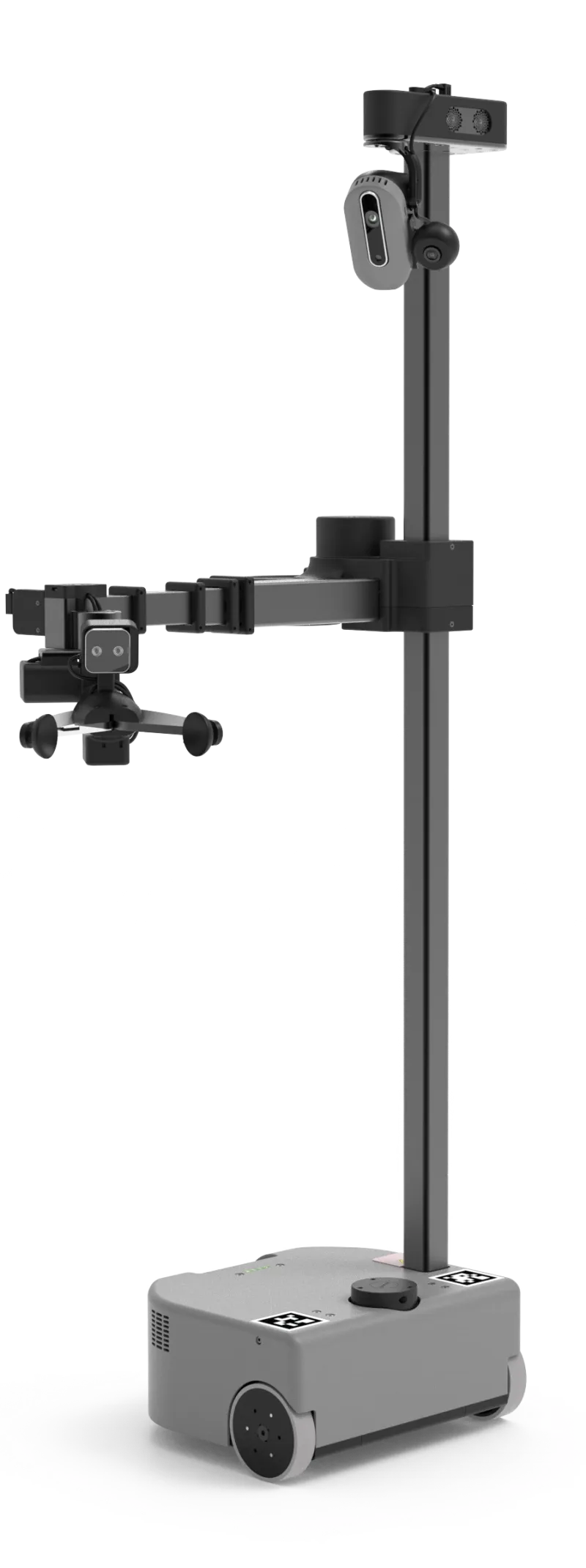
The short answer: yes, a non-humanoid home robot may reach useful chores before a full humanoid. Legs help in human spaces, but home chores also reward wheels, stability, low cost, soft contact, appliance integration, and narrow task scope. The real question is not whether a robot looks human. It is whether it can do a specific annoying job safely, repeatedly, and cheaply enough that a normal household would keep using it.
What Has The Bot Company Actually Announced?
The official announcement is intentionally broad. The Bot Company says it is a small team of engineers, designers, and operators from companies including Tesla, Cruise, OpenAI, Google, and Pixar. It says the goal is robots that do the "little things" that consume time and energy at home.
That language matters, but it should not be stretched too far. The company has not announced a robot name, dimensions, payload, autonomy stack, price, subscription model, safety design, privacy policy, manufacturing plan, or pilot customer program. ui44 does not currently list The Bot Company as a robot model because there is no public robot record to track yet.
The strongest sourced claim is narrower: The Robot Report says Reuters sources indicated the company is working on a non-humanoid robot with a base and grips. That would put it closer to a wheeled mobile manipulator than to a bipedal humanoid like 1X NEO or Unitree R1. If that direction is accurate, it is a practical bet, not a boring one.
Why Might a Non-Humanoid Robot Win First?
Homes are built for humans, so the humanoid argument is obvious. Stairs, door handles, counters, cabinets, laundry baskets, sofas, and appliances all assume a roughly human body. A robot with legs and arms can theoretically use that world without redesigning the house.
The problem is the word "theoretically." A humanoid also has to balance, avoid falling into people, manage high joints and moving limbs, handle pets and children, survive clutter, protect fingers, recover from mistakes, and do all of that without costing as much as a car. A full human-shaped body buys reach and generality, but it also buys mechanical complexity.
A non-humanoid robot can give up some generality to win earlier on the chores that matter. Wheels are efficient. A lower center of gravity is easier to make safe. A single arm, scoop, tray, or folding mechanism can be optimized for a specific task. The result may look less magical in a demo, but more credible in a kitchen, laundry room, or hallway.
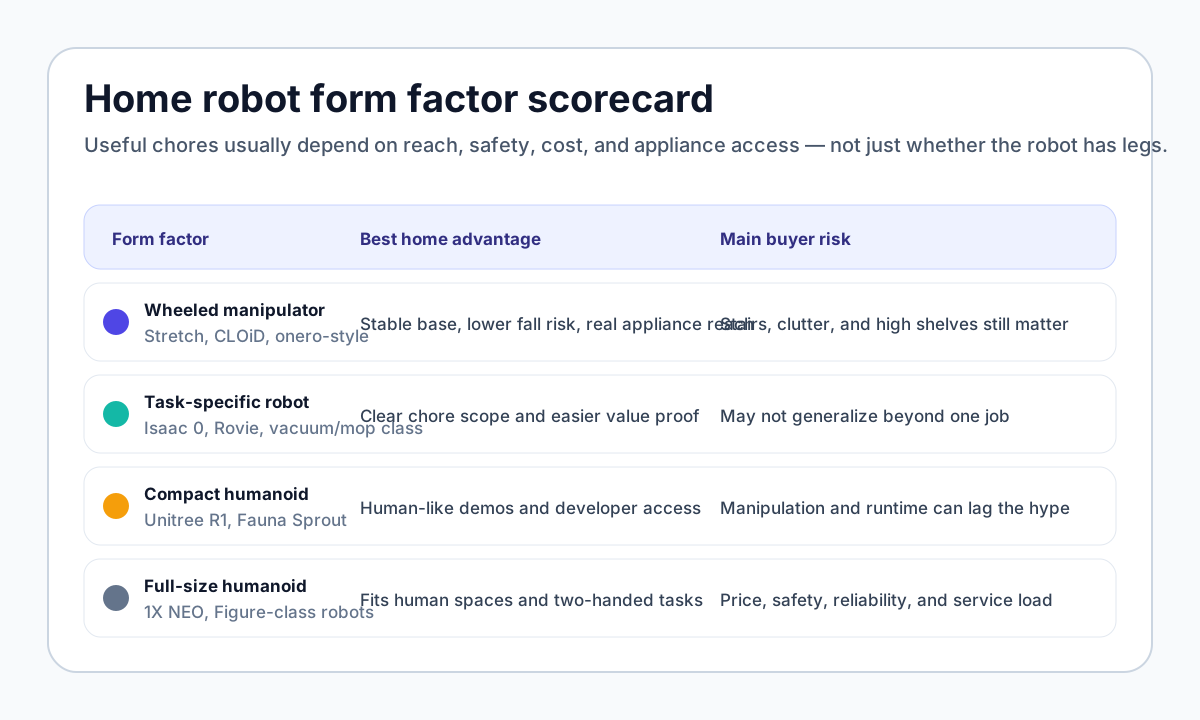
A useful home robot does not need to impersonate a person. It needs four things:
- Reach: can it get to the object without blocking the room?
- Manipulation: can it grasp, carry, open, fold, wipe, or scoop?
- Safety: what happens when it contacts a person, pet, chair, or cable?
- Serviceability: can a household maintain it without a robotics engineer?
Those requirements do not automatically favor humanoids. For many chores, a stable base plus a good end-effector may be enough.
What Does the ui44 Database Say About the Alternatives?
The clearest evidence comes from robots that already have public specifications. They are not all consumer-ready, but together they show why the first useful home helper could be a compromise shape.
Robot
- Form factor
- Wheeled mobile manipulator
- ui44 status
- Active
- Public price
- $24,950
- What it tells us
- A lightweight, home-sized robot can reach from floor to cabinet without legs.
Robot
- Form factor
- Stationary chore robot
- ui44 status
- Available
- Public price
- $7,999 or $450/mo
- What it tells us
- A narrow laundry job can ship before a universal housekeeper.
Robot
- Form factor
- Wheeled dual-arm home robot
- ui44 status
- Development
- Public price
- Not announced
- What it tells us
- Appliance integration may matter as much as body shape.
Robot
- Form factor
- Wheeled household robot
- ui44 status
- Development
- Public price
- $9,999 metadata
- What it tells us
- A smart-home brand is trying arms plus ecosystem control.
Robot
- Form factor
- Full-size humanoid
- ui44 status
- Pre-order
- Public price
- $20,000 early access
- What it tells us
- Human shape gives reach and presence, but needs expert fallback early.
Robot
- Form factor
- Compact humanoid
- ui44 status
- Pre-order
- Public price
- From $4,900
- What it tells us
- Low price lowers the barrier, but locomotion is not the same as chore utility.
| Robot | Form factor | ui44 status | Public price | What it tells us |
|---|---|---|---|---|
| Hello Robot Stretch 3 | Wheeled mobile manipulator | Active | $24,950 | A lightweight, home-sized robot can reach from floor to cabinet without legs. |
| Weave Isaac 0 | Stationary chore robot | Available | $7,999 or $450/mo | A narrow laundry job can ship before a universal housekeeper. |
| LG CLOiD | Wheeled dual-arm home robot | Development | Not announced | Appliance integration may matter as much as body shape. |
| SwitchBot onero H1 | Wheeled household robot | Development | $9,999 metadata | A smart-home brand is trying arms plus ecosystem control. |
| 1X NEO | Full-size humanoid | Pre-order | $20,000 early access | Human shape gives reach and presence, but needs expert fallback early. |
| Unitree R1 | Compact humanoid | Pre-order | From $4,900 | Low price lowers the barrier, but locomotion is not the same as chore utility. |
The contrast is important. Stretch 3 is not a mass-market appliance, but its spec sheet is grounded: 24.5 kg, 33 x 34 x 141 cm, 2 kg payload, 2-5 hours of runtime, ROS 2 and Python SDK support, web/gamepad/dexterous teleoperation, and a compact base intended for real homes. That is a credible body for research, assistive manipulation, and data collection.
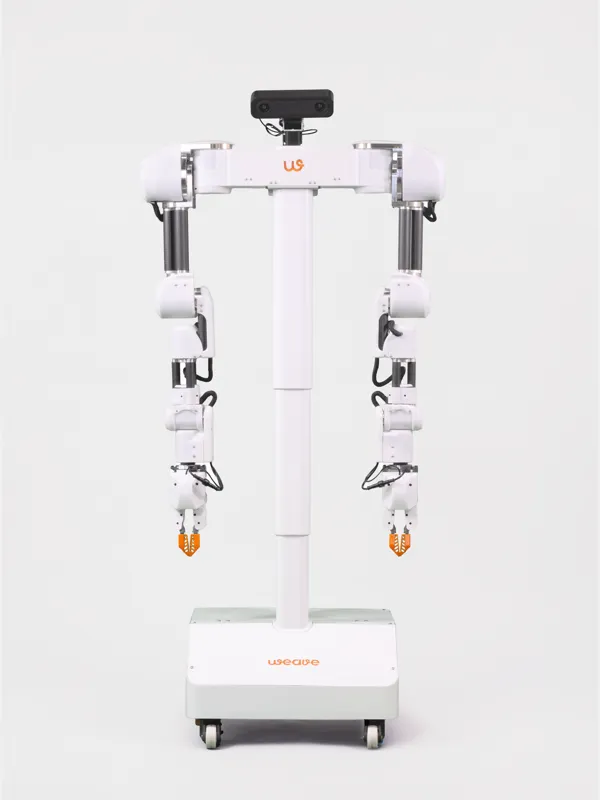
Weave Isaac 0 is the opposite kind of evidence. It does not try to walk around like a person. ui44 tracks it as a home laundry-folding robot priced at $7,999 or $450 per month, with 30-90 minute autonomous loads, weekly model updates, and remote teleoperation assist when it gets stuck. That is a much narrower promise, but it is also easier to explain to a buyer: put laundry in, get folded laundry out.
LG CLOiD and SwitchBot onero H1 point to another middle path: a wheeled robot with arms that works with the smart-home ecosystem around it. LG says CLOiD uses a wheeled base, a tilting torso, two seven-degree-of-freedom arms, five-finger hands, ThinQ integration, and Physical AI to coordinate appliance tasks such as retrieving food, starting laundry cycles, and folding or stacking garments. SwitchBot says onero H1 uses a wheeled body, household manipulation, and an on-device OmniSense vision-language-action model for grasping, pushing, opening, and organizing.
Those robots are not proof that the category is solved. They are development signals. But they make the non-humanoid thesis concrete: if the robot can roll, reach, grasp, and talk to appliances, it may not need knees.
Where Do Humanoids Still Have the Better Argument?
The humanoid argument is not hype by default. A human body plan is useful because the home is full of human assumptions. Cabinets are at arm height. Laundry machines have human-facing doors. Staircases exist. A two-arm robot can stabilize an object with one hand and manipulate it with the other.
1X NEO is the most buyer-facing example in the ui44 database. ui44 tracks it as a $20,000 pre-order humanoid with a 167 cm, 30 kg soft body, about four hours of battery life, RGB cameras, depth sensors, tactile skin, a microphone array, and household-chore positioning. The official order page now also presents a $499/month subscription option and explains Expert Mode for complex tasks the robot does not yet know.

That is a serious attempt at a residential humanoid. It also shows why the first wave needs caution. If a remote expert can help with difficult chores, the robot may be useful earlier, but buyers should understand the difference between pure autonomy, scheduled remote supervision, and training data collection inside the home.
Unitree R1 makes a different case. It is dramatically cheaper: ui44 tracks the R1 Air pre-sale from $4,900 and the standard R1 at $5,900. It is 123 cm tall, roughly 29 kg with battery, and has about one hour of mixed-activity battery life. That price is a milestone, but the product is still more convincing as a developer, education, and early-adopter humanoid than as a reliable chore machine. Running, recovering from pushes, and doing acrobatics do not automatically translate into unloading a dishwasher.
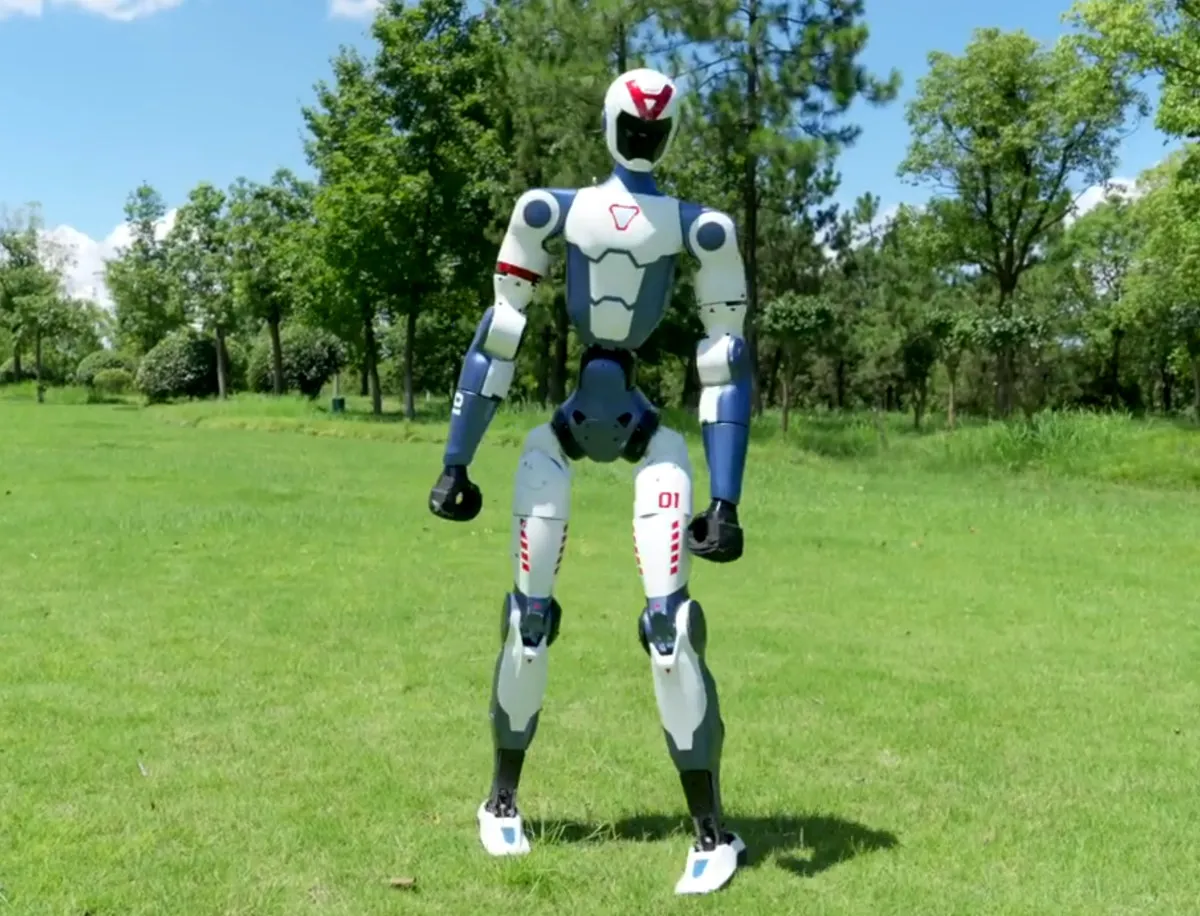
Humanoids probably win eventually on the broadest chore set. The question is whether they win first. If the first meaningful home robot use cases are folding laundry, moving clutter, carrying items, fetching from known locations, checking rooms, or operating connected appliances, wheels and task-specific hardware may be faster to ship.
What Chores Actually Favor a Non-Humanoid Design?
A non-humanoid home robot looks strongest when the chore has a constrained workspace and a clear success condition.
Laundry folding is the cleanest example. Isaac 0 can focus on garments, vision, fabric handling, a tabletop-like workspace, and human handoff. It does not need to climb stairs or open every possible drawer to create value.
Floor decluttering is another candidate. Clutterbot Rovie is not priced yet, but ui44 tracks it as a development-stage robot designed to spot toys and everyday clutter, scoop them up, and carry them to a designated container. A scoop-and-drop system is much less general than a humanoid hand, but for a family room it may be exactly the right amount of robot.
Item carrying favors a stable base. A robot that brings medication, water, laundry, or small packages across one floor needs navigation, payload, and reliability more than bipedal walking. This is where assistive mobile manipulators and tray-like helpers could matter before humanoids are affordable.
Appliance orchestration favors ecosystem access. LG's CLOiD concept is notable because the robot is not alone; it can coordinate with ThinQ appliances. A robot that knows the washer state, dryer state, oven state, or fridge contents may need less physical dexterity than a standalone humanoid trying to infer everything from cameras.
Home monitoring and reminders may not need arms at all. Samsung Ballie-style companions, mobile displays, and smart speakers with mobility can add value without becoming universal chore robots. That is not the same category as The Bot Company appears to be pursuing, but it reinforces the broader point: useful home robotics is not one body shape.
What Should Buyers Watch Before Taking The Bot Company Seriously?
The Bot Company has credible people and serious funding, but buyers should wait for product evidence. A helpful home robot is one of the hardest consumer products to ship because the robot must work around messy rooms, pets, children, privacy expectations, and low tolerance for failure.
Before treating it as more than a promising startup, watch for six concrete signals:
- A public robot body: wheels, arms, grips, sensors, dimensions, and weight.
- A chore list with boundaries: what it can do, what it cannot do, and what requires human setup.
- A safety case: speed limits, force limits, pinch protection, fall risk, emergency stop, and child/pet behavior.
- A privacy model: whether home video/audio leaves the house, who can view it, and how remote assistance works.
- A service model: repairs, consumables, battery replacement, and in-home support.
- A price that matches the chore: not every helpful robot needs to be cheap, but the job has to justify the bill.
The most encouraging future would not be a vague "general-purpose robot" launch. It would be a boringly specific one: a robot that handles three chores well, explains its limits clearly, and gets better through software without turning a home into a beta lab.
The Bottom Line
The Bot Company should be treated as a thesis, not a product. Its official site confirms the home-robot ambition and team/backer profile. Reporting suggests a non-humanoid direction. Nothing public yet proves the robot can perform a real chore, ship at scale, or justify a consumer price.
Still, the non-humanoid thesis is strong. The ui44 database already shows several reasons: Stretch 3 proves a compact mobile manipulator can fit real homes; Isaac 0 shows a narrow chore robot can be easier to sell than a universal one; LG CLOiD and SwitchBot onero H1 show why wheels plus arms plus smart-home integration are attractive; and humanoids like NEO and R1 show both the promise and the complexity of copying the human body.
If a home robot saves time every week, handles contact safely, respects privacy, and does not require a robotics hobbyist in the house, most buyers will not care whether it has legs. They will care whether the chore is actually done.
Related in the database
Use this article as a privacy verification workflow
Turn the article into a privacy verification pass grounded in the robots, manufacturers, and components it actually references.
The Bot Company: Do Home Robots Need Legs? already points you toward 7 linked robots, 7 manufacturers, and 6 countries inside the ui44 database. That matters because strong buyer guidance is easier to apply when you can move immediately from a claim or warning into concrete product pages, manufacturer directories, component explainers, and country-level context instead of treating the article as an isolated opinion piece. The fastest next step is to turn the article into a shortlist workflow: open the linked robot pages, verify which specs are actually published for those models, then compare the surrounding manufacturer and component context before you decide whether the underlying claim changes your buying plan.
For this topic, the useful discipline is to separate the editorial lesson from the catalog evidence. The article gives you the framing, but the robot pages tell you what each product actually ships with today: sensor stack, connectivity methods, listed price, release timing, category, and support-relevant compatibility notes. The manufacturer pages then show whether you are looking at a one-off launch, a broader lineup pattern, or a company that spans multiple categories. That layered workflow reduces the risk of buying on a single marketing phrase or a single support FAQ.
Use the robot pages to confirm which products actually expose cameras, microphones, Wi-Fi, or voice systems, then use the manufacturer pages to decide how much of the privacy question seems product-specific versus brand-wide. On this route cluster, Stretch 3, Isaac 0, and NEO form the fastest reality check. If you want a quick working shortlist, open Compare Stretch 3, Isaac 0, and NEO next, then keep this article open as the reasoning layer while you compare structured data side by side.
Practical Takeaway
Every robot, manufacturer, category, component, and country reference below resolves to a real ui44 page, keeping the follow-up path grounded in database records rather than generic advice.
Suggested next steps in ui44
- Open Stretch 3 and note the listed sensors, connectivity methods, and voice stack before you interpret any policy claim.
- Cross-check the wider brand context on Hello Robot so you can see whether the privacy question touches one model or a broader lineup.
- Use the linked component pages to confirm how common the relevant sensors and connectivity layers are across the database.
- Keep a short note of which policy layers you checked, which device features are actually present on the robot page, and which items still depend on region- or app-level confirmation.
- Finish with Compare Stretch 3, Isaac 0, and NEO so the policy reading sits next to structured product data.
Robot profiles worth opening next
Use the linked product pages as the evidence layer
The linked robot pages are where this article becomes operational. Instead of asking whether the headline is interesting, use the robot entries to inspect the actual mix of sensors, connectivity options, batteries, pricing, release timing, and stated capabilities attached to the products mentioned in the article. That is the easiest way to see whether the warning or opportunity described here affects one product family, a specific design pattern, or an entire buying lane.
Stretch 3
Hello Robot · Home Assistants · Active
Stretch 3 is tracked on ui44 as a active home assistants robot from Hello Robot. The database currently records a listed price of $24,950, a release date of 2024, 2–5 hours battery life, Not disclosed charging time, and a published stack that includes Intel D405 RGBD Camera (gripper), Intel D435if RGBD Camera (head), and Wide-Angle RGB Camera (head) plus Wi-Fi 6E and Bluetooth.
For privacy-focused reading, this page matters because it shows the concrete device surface behind the policy discussion. Use it to verify whether Stretch 3 combines sensors and connectivity in a way that could change the in-home data footprint, and compare the listed capabilities such as Mobile Manipulation, Autonomous Navigation, and Teleoperation (Web / Gamepad / Dexterous) with any cloud, app, or voice layers.
Isaac 0
Weave Robotics · Home Assistants · Available
Isaac 0 is tracked on ui44 as a available home assistants robot from Weave Robotics. The database currently records a listed price of $3,999, a release date of 2026-02, Mains powered (600W, 120V) battery life, N/A (plugged in) charging time, and a published stack that includes Vision System and Proprioceptive Sensors plus Wi-Fi 2.4GHz/5GHz and Ethernet.
For privacy-focused reading, this page matters because it shows the concrete device surface behind the policy discussion. Use it to verify whether Isaac 0 combines sensors and connectivity in a way that could change the in-home data footprint, and compare the listed capabilities such as Laundry Folding, T-shirts, Long Sleeves, Sweaters, and Pants and Towels with any cloud, app, or voice layers.
NEO
1X Technologies · Humanoid · Pre-order
NEO is tracked on ui44 as a pre-order humanoid robot from 1X Technologies. The database currently records a listed price of $20,000, a release date of 2025-10-28, ~4 hours battery life, Not disclosed charging time, and a published stack that includes RGB Cameras, Depth Sensors, and Tactile Skin plus Wi-Fi and Bluetooth.
For privacy-focused reading, this page matters because it shows the concrete device surface behind the policy discussion. Use it to verify whether NEO combines sensors and connectivity in a way that could change the in-home data footprint, and compare the listed capabilities such as Household Chores, Tidying Up, and Safe Human Interaction with any cloud, app, or voice layers.
R1
Unitree Robotics · Humanoid · Pre-order
R1 is tracked on ui44 as a pre-order humanoid robot from Unitree Robotics. The database currently records a listed price of $4,900, a release date of 2025, ~1 hour (mixed activity) battery life, Not officially disclosed charging time, and a published stack that includes Monocular camera (R1 Air); binocular camera (R1/R1 EDU), 4-Mic Array, and Dual 6-Axis IMU plus Wi-Fi 6 and Bluetooth 5.2.
For privacy-focused reading, this page matters because it shows the concrete device surface behind the policy discussion. Use it to verify whether R1 combines sensors and connectivity in a way that could change the in-home data footprint, and compare the listed capabilities such as Bipedal Walking & Running, Cartwheels & Handstands, and Push Recovery with any cloud, app, or voice layers, including UnifoLM (voice + image commands).
onero H1 is tracked on ui44 as a development home assistants robot from SwitchBot. The database currently records a listed price of $9,999, a release date of 2026-01-04, Not officially disclosed battery life, Not officially disclosed charging time, and a published stack that includes Multiple cameras, Depth sensing, and Tactile feedback sensing plus its listed connectivity stack.
For privacy-focused reading, this page matters because it shows the concrete device surface behind the policy discussion. Use it to verify whether onero H1 combines sensors and connectivity in a way that could change the in-home data footprint, and compare the listed capabilities such as Indoor wheeled home navigation, Household object manipulation, and Grasping, pushing, opening, and organizing tasks with any cloud, app, or voice layers.
Manufacturer context behind the article
Check whether this is one product story or a broader company pattern
Manufacturer pages add the privacy context that individual product pages cannot show on their own. They help you check whether cameras, microphones, cloud accounts, app controls, and policy assumptions appear across a broader lineup or stay tied to one specific product story.
Hello Robot
ui44 currently tracks 2 robots from Hello Robot across 1 category. The company is grouped under USA, and the current catalog footprint on ui44 includes Stretch 3, Stretch 4.
That wider brand context matters because privacy questions rarely stop at one FAQ page. A manufacturer route helps you see whether the article is centered on one premium model or on a company that has several relevant products and therefore more than one place where the same policy or app assumptions might matter. The category mix here currently points toward Home Assistants as the most useful next route if you want to see whether this article reflects a wider pattern inside the brand.
Weave Robotics
ui44 currently tracks 2 robots from Weave Robotics across 1 category. The company is grouped under Denmark, and the current catalog footprint on ui44 includes Isaac 0, Isaac 1.
That wider brand context matters because privacy questions rarely stop at one FAQ page. A manufacturer route helps you see whether the article is centered on one premium model or on a company that has several relevant products and therefore more than one place where the same policy or app assumptions might matter. The category mix here currently points toward Home Assistants as the most useful next route if you want to see whether this article reflects a wider pattern inside the brand.
1X Technologies
ui44 currently tracks 2 robots from 1X Technologies across 1 category. The company is grouped under Norway, and the current catalog footprint on ui44 includes NEO, EVE.
That wider brand context matters because privacy questions rarely stop at one FAQ page. A manufacturer route helps you see whether the article is centered on one premium model or on a company that has several relevant products and therefore more than one place where the same policy or app assumptions might matter. The category mix here currently points toward Humanoid as the most useful next route if you want to see whether this article reflects a wider pattern inside the brand.
Unitree Robotics
ui44 currently tracks 9 robots from Unitree Robotics across 3 categorys. The company is grouped under China, and the current catalog footprint on ui44 includes B2, B1, Go2.
That wider brand context matters because privacy questions rarely stop at one FAQ page. A manufacturer route helps you see whether the article is centered on one premium model or on a company that has several relevant products and therefore more than one place where the same policy or app assumptions might matter. The category mix here currently points toward Quadruped, Humanoid, Research as the most useful next route if you want to see whether this article reflects a wider pattern inside the brand.
Broaden the scan without leaving the database
Categories, components, and countries add the wider context
Category framing
Category pages are useful when the article touches a buying pattern that shows up across brands. A category route helps you confirm whether the linked products sit in a narrow niche or whether the same question should be tested across a larger field of alternatives.
Home Assistants
The Home Assistants category page currently groups 16 tracked robots from 14 manufacturers. ui44 describes this lane as: Arm-based household helpers — laundry folders, kitchen robots, and mobile manipulators that take on hands-on physical tasks around the home.
That makes the category route a practical follow-up when you want to check whether the products linked in this article are typical for the lane or whether they sit at one edge of the market. Useful starting examples currently include Robody, Futuring 2 (F2), Stretch 3.
Humanoid
The Humanoid category page currently groups 129 tracked robots from 92 manufacturers. ui44 describes this lane as: Full-size bipedal humanoid robots built to work alongside people — from factory floors to household tasks. Compare the cutting edge of humanoid robotics.
That makes the category route a practical follow-up when you want to check whether the products linked in this article are typical for the lane or whether they sit at one edge of the market. Useful starting examples currently include NEO, EVE, Mornine M1.
Country and ecosystem context
Country pages give extra context when support practices, launch sequencing, regulatory posture, or manufacturer mix matter. They are not a substitute for model-level verification, but they do help you see which ecosystems cluster together and which manufacturers sit in the same regional field when you broaden the search beyond the article headline.
USA
The USA route currently groups 89 tracked robots from 69 manufacturers in ui44. That gives you a useful regional lens when the article points toward support practices, launch sequencing, or brand clusters that may share similar ecosystem assumptions.
On the current route, manufacturers like Faraday Future, iRobot, Boston Dynamics make the page a good way to broaden the scan without losing the regional context that often shapes availability, documentation style, and adjacent alternatives.
Denmark
The Denmark route currently groups 2 tracked robots from 1 manufacturers in ui44. That gives you a useful regional lens when the article points toward support practices, launch sequencing, or brand clusters that may share similar ecosystem assumptions.
On the current route, manufacturers like Weave Robotics make the page a good way to broaden the scan without losing the regional context that often shapes availability, documentation style, and adjacent alternatives.
Norway
The Norway route currently groups 2 tracked robots from 1 manufacturers in ui44. That gives you a useful regional lens when the article points toward support practices, launch sequencing, or brand clusters that may share similar ecosystem assumptions.
On the current route, manufacturers like 1X Technologies make the page a good way to broaden the scan without losing the regional context that often shapes availability, documentation style, and adjacent alternatives.
Questions to answer before you move from reading to buying
A follow-up FAQ built from the entities already linked in this article
Frequently Asked Questions
Which page should I open first after reading “The Bot Company: Do Home Robots Need Legs?”?
Start with Stretch 3. That gives you a concrete product anchor for the article’s main claim. From there, branch into the manufacturer and component pages so you can tell whether the article is describing one specific model, a repeated brand pattern, or a wider technology issue that affects multiple shortlist options.
How do the manufacturer pages change the buying decision?
Hello Robot help you zoom out from one article and one product. On ui44 they show lineup breadth, category spread, and the neighboring robots tied to the same company. That context is useful when you are deciding whether a risk belongs to a single model, whether it shows up across a brand’s portfolio, and whether you should keep looking at alternatives before committing.
When should I switch from reading to side-by-side comparison?
Move into Compare Stretch 3, Isaac 0, and NEO as soon as you understand the article’s main warning or promise. The article explains what to watch for, but the compare view is where you can check whether price, status, battery life, connectivity, sensors, and category fit still make the robot a good match for your own home and budget.
Where to go next in ui44
Keep the research chain inside the database
If you want to keep going, these follow-on pages give you the cleanest expansion path from article to research session. Open the comparison route first if you are deciding between products today. Open the manufacturer, category, and component routes if you still need to understand the broader pattern behind the claim.
Written by
ui44 Team
Published April 29, 2026
Share this article
Open a plain share link on X or Bluesky. No embeds, no widgets, no cookie baggage.