Article 20 min read 4,573 words

Tesla Optimus: Production vs Home Availability

Tesla's latest Optimus update sounds huge: factory preparation in Fremont, a second-generation line planned for Texas, and Elon Musk telling investors that Optimus should start being useful "outside Tesla" next year. For a home-robot buyer, though, the important question is narrower: does that mean you can buy a Tesla humanoid robot for your house soon?

ui44 Team All articles

Not yet. The right reading of the Tesla Optimus production timeline is that Tesla is preparing manufacturing capacity before it has opened a consumer sales path. That is still important. It moves Optimus from demo theater toward a real industrial program. But "production" does not equal preorder, delivery, warranty, safe household autonomy, or a chore robot that can survive your kitchen.
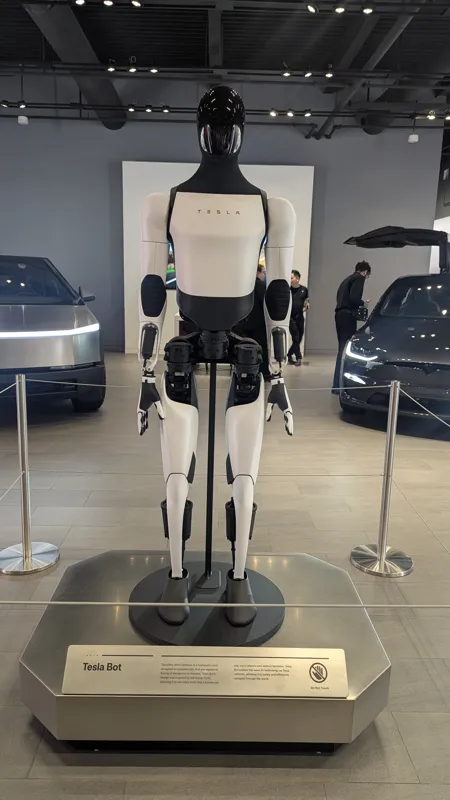
Tesla Optimus production timeline home robot guide showing Optimus Gen 2 humanoid robot

The practical takeaway: Optimus Gen 2 is one of the most important humanoid robots to watch, but it is still a development product in the ui44 database. If you are shopping today, you should compare Tesla's promise against robots with public price signals and clearer buying paths, including Unitree G1, 1X NEO, AGIBOT X2, NEURA 4NE-1 Mini, and Noetix Bumi.

What did Tesla actually say about Optimus production?

Tesla's April 22, 2026 Form 8-K points to the company's First Quarter 2026 Update as the official source. The update says Tesla made progress on Optimus "ahead of mass production" and lists robotics construction in both California and Texas. The manufacturing section is more specific: Tesla says preparations for its first large-scale Optimus factory will begin shortly in Q2, with a first-generation line designed for 1 million robots per year replacing the Model S and Model X lines in Fremont.

Tesla also says it is preparing Gigafactory Texas for a second-generation Optimus line designed for a long-term annual production capacity of 10 million robots. The outlook section adds that first-generation production lines for Optimus are being installed "in anticipation of volume production."

Those are capacity and infrastructure statements. They do not say that a home buyer can place an order. They do not list a consumer price. They do not define which tasks Optimus can perform without Tesla staff nearby. They do not publish battery runtime, service terms, warranty scope, home insurance guidance, child or pet safety certification, or a support model for ordinary households.

NPR's earnings coverage fills in the timeline claim from the investor call: Musk said Optimus would enter production this summer and start being useful "outside Tesla" next year. The same NPR story also noted a useful reality check: at Tesla's Los Angeles diner, where Optimus had appeared for earlier special occasions, the robot was absent on the day NPR visited and popcorn was handed out by a human.

That small anecdote matters because public usefulness is harder than factory capacity. A robot that can be assembled at scale is not automatically a robot that can work reliably in a restaurant, let alone a private home.
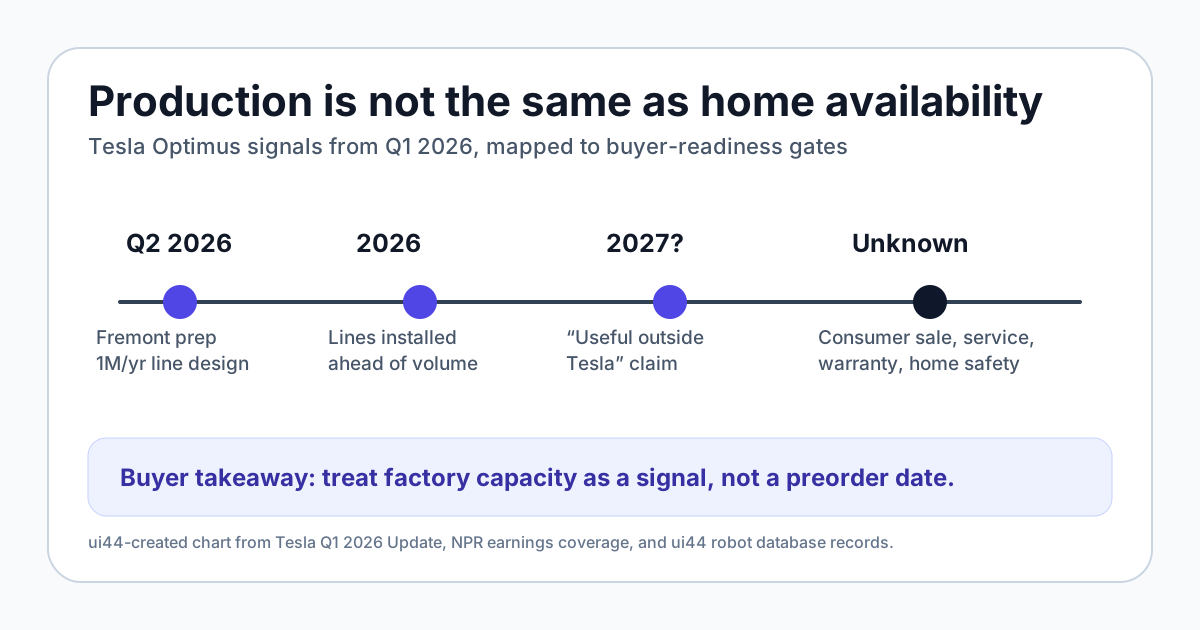
Tesla Optimus production timeline versus home robot availability in 2026 and 2027
Scroll sideways to inspect the full chart.

Does production mean you can buy Tesla Optimus?

No. Production is one gate. Home availability is several gates stacked together.

For cars, buyers are used to a familiar sequence: reveal, specs, production, configuration page, order, delivery, warranty, service network, resale market. Home humanoid robots need all of that plus harder robotics-specific proof. They need a defined operating environment, safe motion around people, reliable grasping, privacy controls for indoor cameras and microphones, a recovery plan when the AI gets stuck, and a clear answer to who is responsible when a 57 kg machine drops something or blocks a doorway.

The ui44 record for Optimus Gen 2 reflects the current buyer reality. It lists Optimus as Development, with no public sale price, no consumer pre-order, and a price note based on Musk's stated target of roughly $30,000. The available specs are meaningful but incomplete: 173 cm tall, 57 kg, 5 mph claimed max speed, cameras, force/torque sensors, IMU, touch sensors, Wi-Fi and Bluetooth, and Tesla-developed neural-network control. Battery life and charging time are not officially disclosed in the database.

That combination is exciting and limiting at the same time. A 173 cm biped with hands and Tesla-scale manufacturing ambition is a serious program. But a missing battery spec, missing order page, and missing support model are not small paperwork gaps. They are exactly the fields a home buyer needs before treating Optimus as a product.

A useful way to translate Tesla's statement is this:

Tesla signal

Fremont first-generation line planned for 1 million robots/year

What it means
Tesla is designing manufacturing around scale, not a lab batch
What it does not mean yet
You can order one

Tesla signal

Texas second-generation line planned for 10 million robots/year

What it means
Tesla wants Optimus to become a mass-market platform
What it does not mean yet
The home version exists

Tesla signal

"Useful outside Tesla" next year

What it means
Tesla expects external pilots or non-Tesla use cases
What it does not mean yet
General household autonomy is solved

Tesla signal

~$30,000 target price

What it means
Tesla has a cost ambition
What it does not mean yet
There is a public SKU, deposit, warranty, or delivery date

The gap between those columns is where most home-robot disappointment happens. It is also where the real work remains.

Which humanoids can buyers compare against Optimus today?

Tesla is not the only company trying to turn humanoids into products. The more useful comparison is not "who has the best demo?" but "who has a clearer buyer path, price signal, and operating scope?" On that test, several non-Tesla robots are easier to evaluate today even if they are less famous.

Unitree G1 is the cleanest price comparison. ui44 tracks it at $13,500, with a compact 132 cm, 35 kg body, roughly 2 hours of battery life, depth camera, 3D LiDAR, microphone array, optional dexterous hands, Unitree SDK, ROS 2 compatibility, and an Available status. That does not make it a home maid. It makes it a relatively accessible humanoid research and development platform.
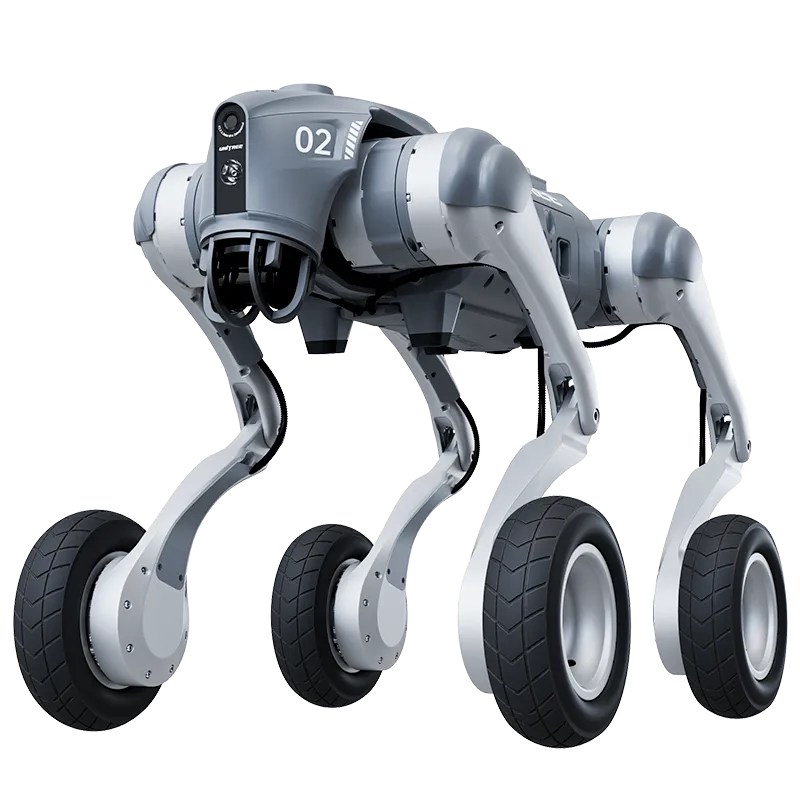
Unitree G1 humanoid robot comparison for Tesla Optimus production timeline buyers

1X NEO is more directly home-oriented. It is listed in ui44 at $20,000 for early adopters, with pre-orders opened in October 2025, a 167 cm body, unusually light 30 kg weight, roughly 4 hours of battery life, soft-body design, tactile skin, RGB and depth sensing, and app control. The important caveat is that a home-focused pre-order is still not the same thing as proven independent chore performance. NEO is closer to the home use case than most humanoids, but buyers should still ask how much is autonomous, how much is teleoperated, and what happens when the robot cannot complete a task.

AGIBOT X2 is the best compact buyable counterpoint to Optimus. ui44 tracks it at $24,240, Available, 131 cm tall, 35-39 kg depending on version, up to 1.8 m/s, roughly 2 hours walking time, and 3D LiDAR/RGB-D sensing on the Ultra version. Its payload note is the reality check: 3 kg max in specific postures, 1 kg across the full range. That is plenty for experiments and demos. It is not a grocery-hauling butler.

NEURA 4NE-1 Mini adds a European pre-order signal: €19,999 for Standard and €29,999 for Pro, with 132 cm height, 36 kg weight, about 2.5 hours of battery life, a 3 kg payload, multi-camera sensing, force/torque sensors, Python SDK, ROS 2, and a Pro tier that adds dexterous hands, teleoperation, and digital-twin access. Again, that reads more like a serious developer platform than a solved household worker.

Noetix Bumi is the outlier on price. At roughly $1,370, it is far cheaper than every full-size humanoid in this comparison, but it is also much smaller: 94 cm, 12 kg, 1-2 hours of battery life, and aimed at education, programming, dancing, voice interaction, and companion scenarios. It is interesting because it shows how quickly low-cost humanoid hardware is moving in China. It does not compete with Optimus on payload, reach, or likely task ambition.

Figure 03 belongs in the industrial comparison rather than the home shopping list. ui44 lists it as Active, not available for consumer purchase, with 168 cm height, 60 kg weight, about 5 hours of battery life, Helix VLA autonomy, and BMW production-evaluation context. Figure's path looks more like manufacturing deployment first, household later.
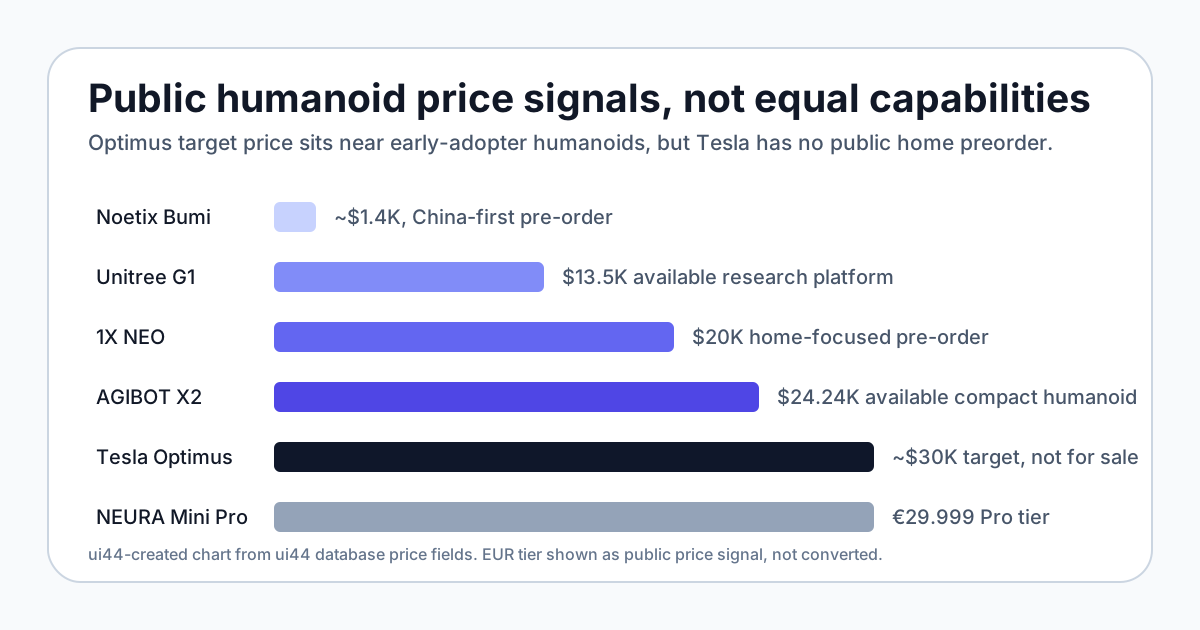
Tesla Optimus target price compared with buyable humanoid robots and home robot alternatives
Scroll sideways to inspect the full chart.

What should a home buyer watch before trusting the timeline?

The first thing to watch is not a slicker demo. It is a boring product page. A consumer-ready Optimus should have a clear SKU, base price, delivery region, deposit or order policy, warranty language, repair path, replacement-part model, software update policy, privacy policy for robot sensor data, and a plain list of supported tasks.

The second thing to watch is operating environment. Tesla factories are structured spaces. They have controlled lighting, known pathways, repeatable parts, trained staff, safety procedures, and internal engineering support. Homes are the opposite: pets, toys, stairs, spilled water, reflective appliances, children, guests, rugs, clutter, narrow bathrooms, and people who do not know how to supervise a robot.

That does not make the home impossible. It means the first useful Optimus jobs outside Tesla may be closer to controlled commercial sites than private houses: warehouses, factories, showrooms, restaurants, hospitality demos, logistics routes, or other environments where Tesla can define the task, train operators, and collect failure data.

The third thing to watch is autonomy disclosure. If Optimus performs a task, ask whether it is fully autonomous, supervised autonomy, scripted, teleoperated, or human-assisted. This distinction matters because a household robot that requires a remote operator may still be useful, but it raises privacy, labor, latency, liability, and subscription questions.

The fourth thing to watch is battery and duty cycle. Tesla has not officially disclosed Optimus Gen 2 battery life in the ui44 database. A home robot with hands can be impressive for a 10-minute demo and still fail as a product if it cannot work long enough, recharge predictably, or resume tasks after charging. By comparison, 1X NEO's public signal is roughly 4 hours, Unitree G1 and AGIBOT X2 are around 2 hours, and NEURA 4NE-1 Mini is around 2.5 hours.

1X NEO home-focused humanoid robot pre-order comparison for Tesla Optimus buyers

The fifth thing to watch is hand safety. Humanoids become useful when they touch the world: cups, laundry, cabinets, doorknobs, tools, pets, and people. That is also when they become risky. Payload numbers, compliance, tactile sensing, force limits, failure recovery, and child-safe behavior matter more than walking speed. Optimus has force/torque and touch-sensor signals in the database, but Tesla has not yet turned those into public consumer safety claims.

Is Tesla behind or ahead?

Both, depending on the metric.

Tesla may be ahead on manufacturing ambition. A first-generation line designed for 1 million robots per year and a Texas line designed for 10 million per year are far beyond the scale most humanoid companies are publicly describing. If Tesla can make the hardware reliable and lower cost through automotive-style manufacturing, Optimus could reset price expectations for the entire category.

Tesla is not ahead on consumer clarity. Unitree, AGIBOT, 1X, NEURA, and Noetix all give buyers more concrete price or pre-order signals today. Some are research platforms, some are early-adopter products, and some are China-first or enterprise-leaning. None is a perfect household worker. But they are easier to compare because the buyer can at least see a price, size, status, and intended use case.

Tesla's advantage is vertical integration: factories, AI compute, custom chips, robotaxi/FSD data infrastructure, and the ability to fund an extremely expensive ramp. Tesla's disadvantage is that Optimus is still wrapped in forecast language. Until Tesla publishes a consumer or commercial ordering path, every home-buyer interpretation should stay cautious.

So when can you buy Tesla Optimus?

The honest answer is: not yet, and Tesla's latest update does not change that. The Q1 2026 filing makes Optimus more real as a manufacturing program. NPR's call coverage gives the near-term claim: production this summer, useful outside Tesla next year. The Robot Report's reading of the same Tesla materials adds the scale context: Fremont first, Texas later, with extremely large capacity targets.

For home buyers, the most likely sequence is not "Optimus appears in factories, then everyone orders one for laundry." It is more likely:

  1. internal Tesla factory work and data collection;
  2. controlled non-Tesla pilots in commercial or partner environments;
  3. limited external deployments with trained operators and support contracts;
  4. only then, if safety, autonomy, service, and cost work, a consumer or prosumer sales path.

That is why Optimus should be watched closely but not shopped like a 2026 home appliance. If you want a humanoid platform now, look at the existing buyer paths in the ui44 humanoid category and use the compare tool to check size, price, status, battery life, and sensor packages. If you specifically want a Tesla home robot, the next meaningful signs are not another dancing video. They are a public order page, a service model, and evidence that Optimus can do useful work outside Tesla without turning every home into a test site.

Database context

Use this article as a setup-friction workflow

Turn the article into a real verification pass

Tesla Optimus: Production vs Home Availability already points you toward 7 linked robots, 7 manufacturers, and 4 countries inside the ui44 database. Treat those links as a first-day setup trail: open the robot pages, check what is actually published about charging, battery life, control method, app or OTA support, and recovery, then use the surrounding manufacturer and country context to judge whether the article describes a low-friction product path or a still-specialist deployment.

For setup topics, the useful discipline is to separate a polished demo from the work required after the box arrives. The article gives you the narrative, but the robot pages show the operational clues: dimensions, weight, battery runtime, charging time, controller support, listed availability, and the capabilities that might need supervision. Manufacturer pages then reveal whether the same setup assumptions repeat across a wider lineup.

Use the robot pages to verify what happens between delivery and the first useful task: size, weight, battery, charger or dock path, controller, app, OTA support, and recovery cues. On this route cluster, Optimus Gen 2, G1, and NEO form the fastest setup-friction reality check. If you want a quick working shortlist, open Compare Optimus Gen 2, G1, and NEO next, then keep this article open while you compare first-day setup evidence side by side.

Practical Takeaway

The links below stay tied to the robots, manufacturers, and countries actually referenced by this setup article, so the checklist remains grounded in published ui44 records rather than generic humanoid advice.

Suggested next steps in ui44

  1. Open Optimus Gen 2 and check the concrete first-day fields: box contents, charger or dock path, battery life, controller, app, OTA support, and recovery options.
  2. Use Tesla to see whether the company’s broader lineup looks appliance-like, developer-first, or still closer to a pilot deployment.
  3. Run Compare Optimus Gen 2, G1, and NEO with the article open and compare battery, size, weight, price path, status, and support cues side by side.
  4. Write down the first realistic task each robot can plausibly attempt on day one, then separate low-friction setup signals from impressive but still lab-style demos.

Database context

Robot profiles worth opening next

Use the linked product pages as the evidence layer

The linked robot pages are where this setup article becomes operational. Use the robot entries to inspect the actual mix of size, weight, battery runtime, charging path, control method, pricing, availability, and stated capabilities attached to the products mentioned in the article. That is the easiest way to see whether the first useful task looks appliance-like, developer-led, or still dependent on supervised experimentation.

Optimus Gen 2

Tesla · Humanoid · Development

Price TBA

Optimus Gen 2 is tracked on ui44 as a development humanoid robot from Tesla. The database currently records a listed price of Price TBA, a release date of TBD, Not officially disclosed battery life, Not officially disclosed charging time, and a published stack that includes Cameras, Force/Torque Sensors, and IMU plus Wi-Fi and Bluetooth.

For setup-friction reading, this page matters because it shows the physical and support burden behind the demo. Use it to verify whether Optimus Gen 2 has a credible day-one path across charging, control, recovery, battery limits, and listed capabilities such as Bipedal Walking, Object Manipulation, and Factory Tasks.

G1

Unitree · Humanoid · Available

$13,500

G1 is tracked on ui44 as a available humanoid robot from Unitree. The database currently records a listed price of $13,500, a release date of 2024, ~2 hours battery life, Not disclosed charging time, and a published stack that includes Depth Camera, 3D LiDAR, and 4 Microphone Array plus Wi-Fi 6 and Bluetooth 5.2.

For setup-friction reading, this page matters because it shows the physical and support burden behind the demo. Use it to verify whether G1 has a credible day-one path across charging, control, recovery, battery limits, and listed capabilities such as Bipedal Walking, Object Manipulation, and Dexterous Hands (optional Dex3-1).

NEO

1X Technologies · Humanoid · Pre-order

$20,000

NEO is tracked on ui44 as a pre-order humanoid robot from 1X Technologies. The database currently records a listed price of $20,000, a release date of 2025-10-28, ~4 hours battery life, Not disclosed charging time, and a published stack that includes RGB Cameras, Depth Sensors, and Tactile Skin plus Wi-Fi and Bluetooth.

For setup-friction reading, this page matters because it shows the physical and support burden behind the demo. Use it to verify whether NEO has a credible day-one path across charging, control, recovery, battery limits, and listed capabilities such as Household Chores, Tidying Up, and Safe Human Interaction.

X2

AGIBOT · Humanoid · Available

$24,240

X2 is tracked on ui44 as a available humanoid robot from AGIBOT. The database currently records a listed price of $24,240, a release date of 2025, ~2 hours at 0.5 m/s walking battery life, ~1.5 hours charging time, and a published stack that includes 3D LiDAR (Ultra), RGB-D Camera (Ultra), and RGB Cameras plus Wi-Fi and Bluetooth.

For setup-friction reading, this page matters because it shows the physical and support burden behind the demo. Use it to verify whether X2 has a credible day-one path across charging, control, recovery, battery limits, and listed capabilities such as Bipedal Walking, 25-30 DOF Articulation, and Object Manipulation (with OmniHand accessory).

4NE-1 Mini

NEURA Robotics · Humanoid · Pre-order

€19.999

4NE-1 Mini is tracked on ui44 as a pre-order humanoid robot from NEURA Robotics. The database currently records a listed price of €19.999, a release date of 2026, ~2.5 hours battery life, Not disclosed charging time, and a published stack that includes Multi-camera Array, Force/Torque Sensors, and 3D Vision plus Wi-Fi 6 and Ethernet.

For setup-friction reading, this page matters because it shows the physical and support burden behind the demo. Use it to verify whether 4NE-1 Mini has a credible day-one path across charging, control, recovery, battery limits, and listed capabilities such as 25 Degrees of Freedom, Autonomous Navigation, and Object Manipulation (Pro tier: 12-DOF dexterous hands), with voice support noted as Built-in Multi-language Voice Recognition.

Database context

Manufacturer context behind the article

Check whether this is one product story or a broader company pattern

Manufacturer pages add the setup context that individual product pages cannot show on their own. They help you check whether a brand repeats the same controller, battery, update, support, and availability patterns across multiple robots, or whether the article is really describing one early product path. That matters for humanoids because first-day friction usually comes from the surrounding ecosystem as much as from the robot itself.

Tesla

ui44 currently tracks 2 robots from Tesla across 1 category. The company is grouped under USA, and the current catalog footprint on ui44 includes Optimus Gen 2, Optimus Gen 1.

That wider brand context matters because setup friction is rarely just a box problem. A manufacturer route helps you see whether the company has repeated controller, battery, support, and update patterns across its lineup, or whether the article is really about one early product story. The category mix here currently points toward Humanoid as the most useful next route if you want to see whether this article reflects a wider pattern inside the brand.

Unitree

ui44 currently tracks 2 robots from Unitree across 1 category. The company is grouped under China, and the current catalog footprint on ui44 includes H1, G1.

That wider brand context matters because setup friction is rarely just a box problem. A manufacturer route helps you see whether the company has repeated controller, battery, support, and update patterns across its lineup, or whether the article is really about one early product story. The category mix here currently points toward Humanoid as the most useful next route if you want to see whether this article reflects a wider pattern inside the brand.

1X Technologies

ui44 currently tracks 2 robots from 1X Technologies across 1 category. The company is grouped under Norway, and the current catalog footprint on ui44 includes NEO, EVE.

That wider brand context matters because setup friction is rarely just a box problem. A manufacturer route helps you see whether the company has repeated controller, battery, support, and update patterns across its lineup, or whether the article is really about one early product story. The category mix here currently points toward Humanoid as the most useful next route if you want to see whether this article reflects a wider pattern inside the brand.

AGIBOT

ui44 currently tracks 6 robots from AGIBOT across 2 categorys. The company is grouped under China, and the current catalog footprint on ui44 includes A2 Ultra, X2, Expedition A3.

That wider brand context matters because setup friction is rarely just a box problem. A manufacturer route helps you see whether the company has repeated controller, battery, support, and update patterns across its lineup, or whether the article is really about one early product story. The category mix here currently points toward Humanoid, Quadruped as the most useful next route if you want to see whether this article reflects a wider pattern inside the brand.

Database context

Broaden the scan without leaving the database

Categories, components, and countries add the wider context

Category framing

Category pages are useful when the article touches a buying pattern that shows up across brands. A category route helps you confirm whether the linked products sit in a narrow niche or whether the same question should be tested across a larger field of alternatives.

Humanoid

The Humanoid category page currently groups 64 tracked robots from 46 manufacturers. ui44 describes this lane as: Full-size bipedal humanoid robots designed to work alongside humans. From factory floors to household tasks, these machines represent the cutting edge of robotics.

That makes the category route a practical follow-up when you want to check whether the products linked in this article are typical for the lane or whether they sit at one edge of the market. Useful starting examples currently include NEO, EVE, Mornine M1.

Country and ecosystem context

Country pages give extra context when support practices, launch sequencing, regulatory posture, or manufacturer mix matter. They are not a substitute for model-level verification, but they do help you see which ecosystems cluster together and which manufacturers sit in the same regional field when you broaden the search beyond the article headline.

USA

The USA route currently groups 16 tracked robots from 12 manufacturers in ui44. That gives you a useful regional lens when the article points toward support practices, launch sequencing, or brand clusters that may share similar ecosystem assumptions.

On the current route, manufacturers like Boston Dynamics, Figure AI, Tesla make the page a good way to broaden the scan without losing the regional context that often shapes availability, documentation style, and adjacent alternatives.

China

The China route currently groups 47 tracked robots from 14 manufacturers in ui44. That gives you a useful regional lens when the article points toward support practices, launch sequencing, or brand clusters that may share similar ecosystem assumptions.

On the current route, manufacturers like AGIBOT, Roborock, Unitree Robotics make the page a good way to broaden the scan without losing the regional context that often shapes availability, documentation style, and adjacent alternatives.

Norway

The Norway route currently groups 2 tracked robots from 1 manufacturers in ui44. That gives you a useful regional lens when the article points toward support practices, launch sequencing, or brand clusters that may share similar ecosystem assumptions.

On the current route, manufacturers like 1X Technologies make the page a good way to broaden the scan without losing the regional context that often shapes availability, documentation style, and adjacent alternatives.

Database context

Questions to answer before you move from reading to buying

A follow-up FAQ built from the entities already linked in this article

Frequently Asked Questions

Which page should I open first after reading “Tesla Optimus: Production vs Home Availability”?

Start with Optimus Gen 2. That gives you a concrete product anchor for the article’s main claim. From there, branch into the manufacturer and component pages so you can tell whether the article is describing one specific model, a repeated brand pattern, or a wider technology issue that affects multiple shortlist options.

How do the manufacturer pages change the buying decision?

Tesla help you zoom out from one article and one product. On ui44 they show lineup breadth, category spread, and the neighboring robots tied to the same company. That context is useful when you are deciding whether a risk belongs to a single model, whether it shows up across a brand’s portfolio, and whether you should keep looking at alternatives before committing.

When should I switch from reading to side-by-side comparison?

Move into Compare Optimus Gen 2, G1, and NEO as soon as you understand the article’s main warning or promise. The article explains what to watch for, but the compare view is where you can check whether price, status, battery life, connectivity, sensors, and category fit still make the robot a good match for your own home and budget.

Database context

Where to go next in ui44

Keep the research chain inside the database

If you want to keep going, these follow-on pages give you the cleanest expansion path from article to research session. Open the comparison route first if you are deciding between products today. Open the manufacturer, category, and component routes if you still need to understand the broader pattern behind the claim.

UT

Written by

ui44 Team

Published April 29, 2026

Share this article

Open a plain share link on X or Bluesky. No embeds, no widgets, no cookie baggage.

Explore the database

Go beyond the headlines

Compare specs, features, and prices across 100+ robots from leading manufacturers worldwide.