Article 22 min read 4,981 words

Robot Vacuum With Arm: Gimmick or Future?

A robot vacuum with arm is no longer a CES joke. The Roborock Saros Z70 is a real consumer product with a foldable five-axis OmniGrip arm, a current ui44-tracked price of $1,299.99, 22,000 Pa suction, a 7.98 cm body, StarSight 2.0 sensing, and a dock that still does the normal premium robot-vacuum chores.

ui44 Team All articles

That sounds like a category break. It also sounds like a trap if you expect a tiny claw to replace pre-cleaning. The honest answer is narrower: the Saros Z70 is an important first consumer manipulation robot, but the arm is not yet the main reason most people should buy it.
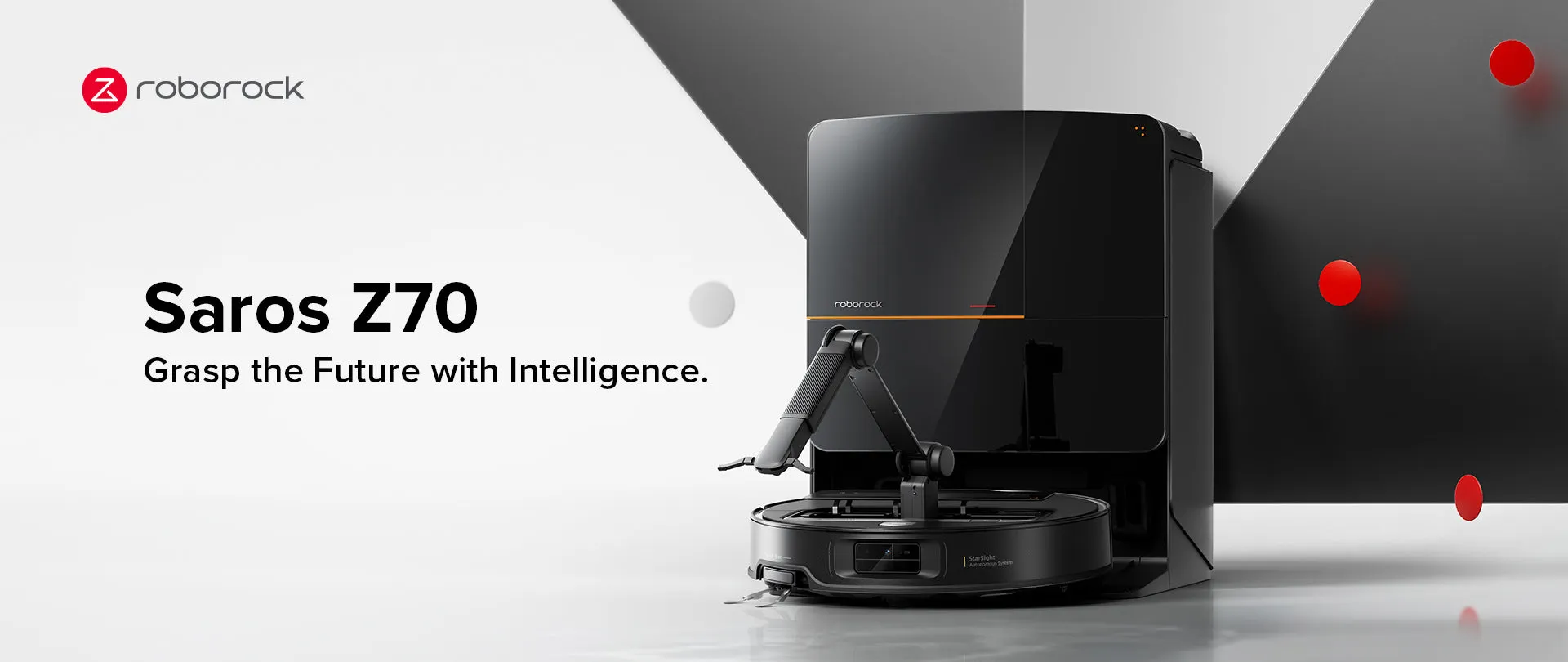
Roborock Saros Z70 robot vacuum with arm and OmniGrip object pickup hardware

The useful question is not “is the arm cool?” It is. The useful question is: does the arm solve a real floor problem often enough to justify the price, moving parts, and first-generation risk?

What does a robot vacuum with arm actually do?

Roborock’s official CES 2025 release describes the Saros Z70 as the first mass-produced robot vacuum with a foldable five-axis arm. The company says OmniGrip is designed to handle small items such as socks, small towels, tissue papers, and sandals under 300 g, then clean the floor that was blocked.

That is a very different promise from normal obstacle avoidance. A conventional premium robot sees a sock and drives around it. A robot vacuum with an arm has to:

  1. recognize the object accurately;
  2. decide it is safe to approach;
  3. line up the claw;
  4. lift without dragging, tearing, or hooking anything;
  5. carry the item to a defined drop zone;
  6. return and clean the exposed patch of floor.

Each step is a failure point. A good obstacle-avoidance robot only needs to avoid making the situation worse. A manipulation robot needs to improve the situation and then still be a good cleaner.
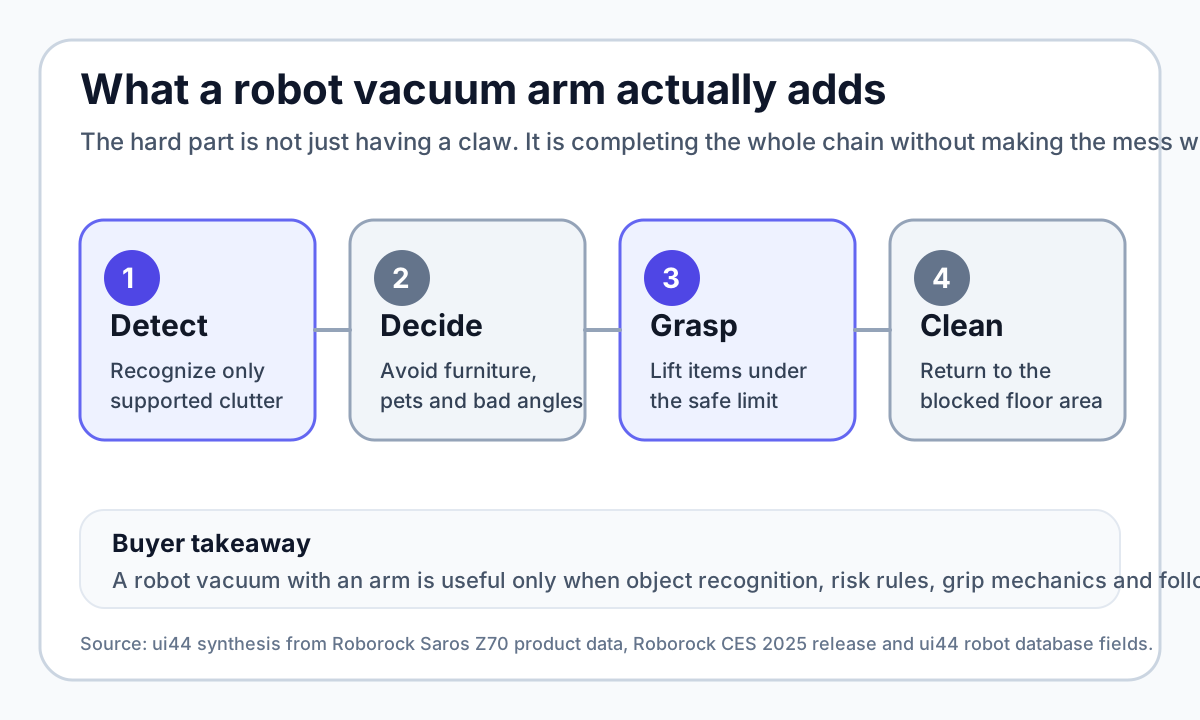
Robot vacuum with arm capability flow showing detect, decide, grasp, and clean steps

This is why the Z70 matters even if the arm is imperfect. It moves consumer cleaning robots from “navigate around the world” toward “change the world a little, then continue the job.” That is the same broad direction as home manipulators such as Hello Robot Stretch 3 and humanoids like 1X NEO, but the Z70 narrows the task to floor-level clutter instead of promising whole-home chores.

Where is the Saros Z70 genuinely strong?

The arm gets the headlines, but the underlying robot is not a gimmick shell. In the ui44 database, the Saros Z70 is tracked as an available Roborock cleaning robot with:

Saros Z70 data point ui44 tracked value
Current official price $1,299.99, listed against a $2,599 MSRP on Roborock US
Status Available
Release timing Shipping since May 2025
Arm OmniGrip five-axis mechanical arm
Object handling claim Socks, shoes, small items; official CES release says supported items under 300 g
Suction 22,000 Pa HyperForce
Body height 7.98 cm / 3.14 in
Battery 6,400 mAh Li-ion
Navigation and sensing StarSight 2.0, 3D structured light, RGB camera, LiDAR, cliff and wall sensors
Dock Multi-functional Dock 4.0 with auto dust emptying, mop washing and drying

That spec stack matters. A robot vacuum with arm would be much less interesting if the base cleaner were weak, tall, or constantly stuck. The Z70’s low body, camera-plus-LiDAR sensing, anti-tangle brushes, and self-maintaining dock put it in the modern flagship class before the claw comes out.

Independent hands-on reports also point in the same direction: the Saros Z70 can be an excellent navigator even when the arm misses. Wirecutter’s hands-on article was skeptical about pickup reliability, but it also called the navigation an obvious improvement and noted that the robot generally detected common obstacles precisely. Vacuum Wars gave the Z70 a “Most Innovative” award while still saying the arm worked only about half the time in its testing.

That combination is important. If the Z70 were bad at basic cleaning, the answer would be easy: skip it. Instead, the harder buyer question is whether a strong premium robot plus an experimental arm is better than a slightly cheaper or more powerful premium robot without one.

Where does OmniGrip still fall short?

The first limitation is object scope. Roborock’s official language is cautious: small towels, socks, tissue papers, and sandals under 300 g. Vacuum Wars reported that the system is limited to items Roborock trained it to recognize, and that unfamiliar objects simply were not picked up. Wirecutter’s home test was harsher: the Z70 picked up only about a quarter of ordinary floor items in one real household setup and struggled near furniture, dark rugs, and some approved items.

That is not a minor footnote. Real homes do not leave messes in neat demo lanes. Socks land near sofas. Dog toys sit by crates. Cables snake under desks. Slippers flip upside down. Children do not sort clutter into robot-friendly object classes.

The second limitation is risk management. If a sock is too close to a TV stand or toilet, a cautious robot may refuse to pick it up. That can feel frustrating, but it is also the right instinct. A five-axis arm on a mobile vacuum should be conservative around furniture, pets, cords, and tight spaces. A robot that grabs too boldly can damage itself, drag an object, snag a wire, or turn a simple obstacle into a stuck-robot incident.

The third limitation is durability. A normal robot vacuum already has brushes, mop pads, pumps, water tanks, filters, wheels, sensors, and a dock to maintain. Adding a folding mechanical arm means more motors, more joints, more crevices for grit, and more possible failure modes. That does not make the Z70 a bad product, but it changes the ownership question. You are not just buying a vacuum spec. You are buying a first-generation consumer manipulator.

How does Z70 compare with other premium robot vacuums?

If you strip away the arm, the Z70 is not automatically the spec winner. Other 2026 premium robots now push harder on suction, threshold crossing, mopping hardware, or price.
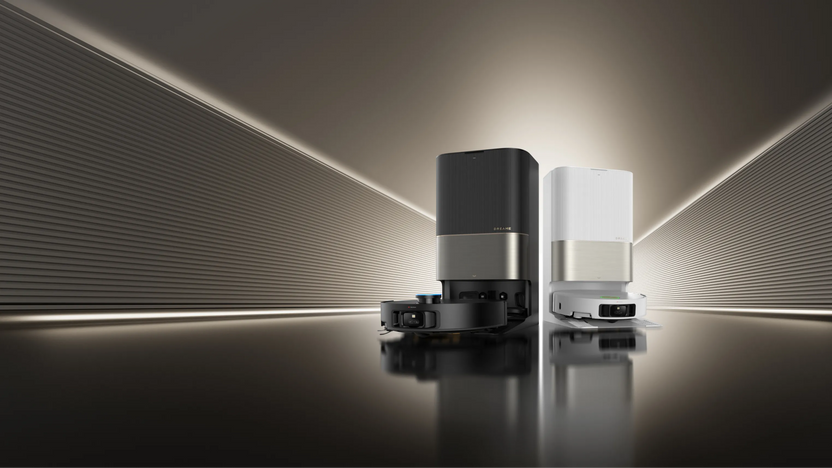
Dreame X50 Ultra robot vacuum as a non-arm alternative with retractable legs and high-end obstacle avoidance

Here is the practical comparison from the ui44 database:

Robot Current ui44 price/status Main hardware story Arm? Best buyer fit
Roborock Saros Z70 $1,299.99 / Available 22,000 Pa, 7.98 cm body, StarSight 2.0, OmniGrip arm Yes Early adopters who want floor-level object pickup
Roborock Saros 20 $1,599.99 / Available 36,000 Pa, 8.8 cm double-layer threshold crossing, 212°F dock cleaning No Buyers who want Roborock’s newest cleaning flagship, not manipulation
Dreame X50 Ultra $1,049.99 / Available 20,000 Pa, ProLeap legs for 6 cm thresholds, 8.9 cm low-clearance mode No Homes where thresholds and under-furniture reach matter more than pickup
Dreame X60 Max Ultra Complete $1,699.99 / Available 35,000 Pa, 8.8 cm threshold claim, 80-minute fast-charge claim No Buyers chasing raw 2026 cleaning specs and fast recharge
Ecovacs Deebot X8 Pro Omni $729 / Available 18,000 Pa, OZMO Roller, YIKO-GPT voice control, long low-power runtime No Buyers who want a cheaper flagship-class mop/vac combo

Two things jump out. First, the Z70 is not the most powerful vacuum in this set. The Saros 20 and Dreame X60 publish much higher suction numbers. Second, the Z70 is not the cheapest premium choice. The Ecovacs X8 Pro Omni is far less expensive in ui44’s current data.

So the Z70 has to be judged as a manipulation premium, not a pure cleaning-value purchase. If you do not care about the arm, the comparison gets much harder for Roborock.

Is the arm worth paying for?

For most buyers, not yet as a must-have feature. As a technology preview attached to a capable flagship robot, yes.

That sounds like a hedge, but it is the honest category state. The Saros Z70’s arm can be useful if your floor clutter matches the supported object classes and you are comfortable with training zones, app settings, and occasional misses. It can also be disappointing if you expect it to pick up a normal messy room the way a person would.
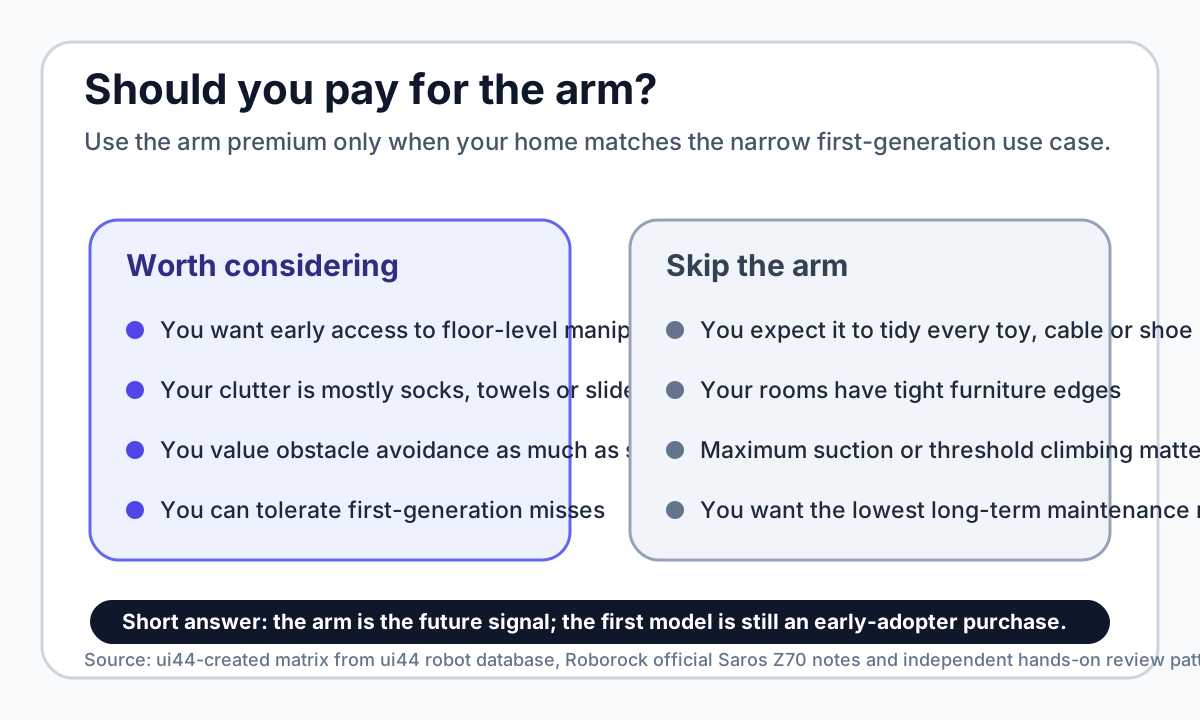
Robot vacuum with arm buying matrix showing when Roborock Saros Z70 OmniGrip is worth considering

Buy the arm if:

  • you are excited by first-generation home manipulation and accept that it will miss;
  • your recurring clutter is mostly socks, small towels, tissue, or slide-style footwear;
  • you want a low-profile flagship cleaner even when the arm is not used;
  • you like testing advanced app features and teaching zones;
  • you would rather pay extra for the category experiment than wait for generation two.

Skip the arm if:

  • you want broad toy, cable, pet-object, or laundry handling;
  • your clutter usually sits against furniture legs, under tables, or on dark rugs;
  • maximum suction, threshold crossing, or mopping performance matters more;
  • you want the simplest long-term maintenance path;
  • you are buying for a parent, renter, or low-maintenance household where reliability beats novelty.

That last point is important. A robot vacuum with arm is not automatically more “hands-free” than a normal robot. If the feature requires more app setup, more troubleshooting, or more attention to what it should not grab, the total household effort can stay the same.

Is this a gimmick or the future?

It is both, depending on the timeframe.

As a 2026 buying feature, the Z70 arm is partly a gimmick: eye-catching, expensive, narrow, and inconsistent in independent testing. Nobody should buy it because they believe it will eliminate pre-cleaning. Roborock’s own supported-object list is limited, and real homes are messier than product demos.

As a robotics direction, it is absolutely the future. The reason home robots feel underwhelming is that most of them still avoid objects instead of handling them. A vacuum that can move a sock is a tiny step, but it is a real step toward robots that manipulate the home environment instead of only mapping it.
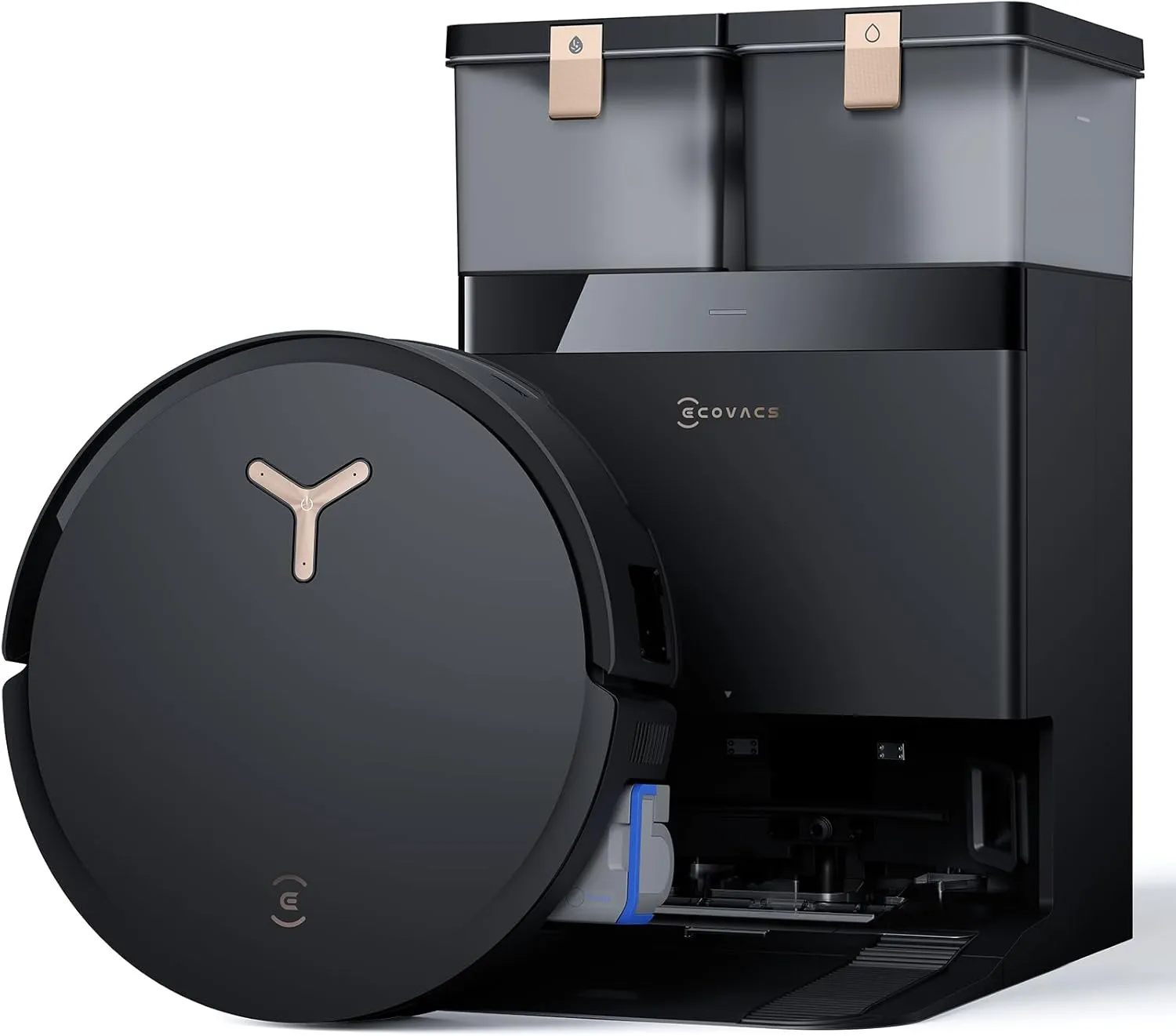
Ecovacs Deebot X8 Pro Omni robot vacuum, a cheaper flagship-class alternative without a robotic arm

The strongest version of this category may not look exactly like the Saros Z70. Future robots could use better grippers, softer end effectors, wider object libraries, user-trainable pickup targets, safer cable detection, and repairable modular arms. They may also split into two tracks: cleaning robots with small arms for floor clutter, and larger home assistants with arms for counters, shelves, doors, and laundry.

That is why it is useful to compare the Z70 with robots outside the vacuum aisle. Hello Robot Stretch 3 is a $24,950 open-source mobile manipulator with a telescoping arm, compliant gripper, 2 kg payload, and 2–5 hour runtime. It is not a normal consumer purchase, but it shows what a purpose-built home manipulation platform looks like. 1X NEO is a $20,000 pre-order humanoid with a soft body and a claimed home-chore focus, but it is far more ambitious and less proven as a household product.

The Saros Z70 sits between those worlds. It is much less capable than a dedicated mobile manipulator, but it is much more buyable. That is exactly why the product matters.

What should you ask before buying the Saros Z70?

Before paying the arm premium, answer these questions honestly:

  1. What floor clutter do I actually leave out? If it is mostly socks and small towels, the Z70 has a plausible use case. If it is cables, Lego, pet bowls, plush toys, or mixed children’s clutter, do not expect miracles.
  2. Where does clutter usually land? Objects near furniture, chair legs, pet crates, or toilets are harder and riskier than objects in open floor space.
  3. Would I still buy this robot if the arm only worked sometimes? If yes, the Z70’s core vacuum/mop/navigation package may still justify the purchase. If no, wait.
  4. Do I value innovation or predictable maintenance more? Early adopters may enjoy watching the category evolve. Low-maintenance buyers may not enjoy owning extra mechanics.
  5. What would I buy instead? Use the ui44 compare tool to put the arm next to suction, height, dock features, threshold claims, and price.

The short version: buy the Roborock Saros Z70 because you want the first credible consumer robot vacuum with arm, not because you want a robot that tidies your whole floor. It is a landmark product, but it is not a finished answer to household clutter.

For most homes, a strong conventional flagship from the cleaning robot category is still the safer purchase. For robot watchers, the Saros Z70 is more interesting than that: it is the point where robot vacuums stopped merely dodging socks and started trying, awkwardly but seriously, to pick them up.

Sources & References
  • Roborock official Saros Z70 product page: https://us.roborock.com/products/roborock-saros-z70
  • Roborock CES 2025 Saros Z70 release: https://www.prnewswire.com/apac/news-releases/rock-a-new-era-roborock-revolutionises-smart-home-cleaning-at-ces-2025-with-robotic-arm-equipped-saros-z70-302341181.html
  • Wirecutter Saros Z70 hands-on review: https://www.nytimes.com/wirecutter/reviews/roborock-saros-z70-review/
  • Vacuum Wars Saros Z70 review: https://vacuumwars.com/roborock-saros-z70-review/
  • ui44 robot database entries for Roborock Saros Z70, Roborock Saros 20, Dreame X50 Ultra, Dreame X60 Max Ultra Complete, Ecovacs Deebot X8 Pro Omni, Hello Robot Stretch 3, and 1X NEO.

Database context

Use this article as a privacy verification workflow

Turn the article into a real verification pass

Robot Vacuum With Arm: Gimmick or Future? already points you toward 7 linked robots, 5 manufacturers, and 3 countries inside the ui44 database. That matters because strong buyer guidance is easier to apply when you can move immediately from a claim or warning into concrete product pages, manufacturer directories, component explainers, and country-level context instead of treating the article as an isolated opinion piece. The fastest next step is to turn the article into a shortlist workflow: open the linked robot pages, verify which specs are actually published for those models, then compare the surrounding manufacturer and component context before you decide whether the underlying claim changes your buying plan.

For this topic, the useful discipline is to separate the editorial lesson from the catalog evidence. The article gives you the framing, but the robot pages tell you what each product actually ships with today: sensor stack, connectivity methods, listed price, release timing, category, and support-relevant compatibility notes. The manufacturer pages then show whether you are looking at a one-off launch, a broader lineup pattern, or a company that spans multiple categories. That layered workflow reduces the risk of buying on a single marketing phrase or a single support FAQ.

Use the robot pages to confirm which products actually expose cameras, microphones, Wi-Fi, or voice systems, then use the manufacturer pages to decide how much of the privacy question seems product-specific versus brand-wide. On this route cluster, Saros Z70, Stretch 3, and NEO form the fastest reality check. If you want a quick working shortlist, open Compare Saros Z70, Stretch 3, and NEO next, then keep this article open as the reasoning layer while you compare structured data side by side.

Practical Takeaway

Every robot, manufacturer, category, component, and country reference below resolves to a real ui44 page, keeping the follow-up path grounded in database records rather than generic advice.

Suggested next steps in ui44

  1. Open Saros Z70 and note the listed sensors, connectivity methods, and voice stack before you interpret any policy claim.
  2. Cross-check the wider brand context on Roborock so you can see whether the privacy question touches one model or a broader lineup.
  3. Use the linked component pages to confirm how common the relevant sensors and connectivity layers are across the database.
  4. Keep a short note of which policy layers you checked, which device features are actually present on the robot page, and which items still depend on region- or app-level confirmation.
  5. Finish with Compare Saros Z70, Stretch 3, and NEO so the policy reading sits next to structured product data.

Database context

Robot profiles worth opening next

Use the linked product pages as the evidence layer

The linked robot pages are where this article becomes operational. Instead of asking whether the headline is interesting, use the robot entries to inspect the actual mix of sensors, connectivity options, batteries, pricing, release timing, and stated capabilities attached to the products mentioned in the article. That is the easiest way to see whether the warning or opportunity described here affects one product family, a specific design pattern, or an entire buying lane.

Saros Z70

Roborock · Cleaning · Available

$1,299

Saros Z70 is tracked on ui44 as a available cleaning robot from Roborock. The database currently records a listed price of $1,299, a release date of 2025-05, 6400 mAh Li-ion (runtime varies by mode) battery life, Not officially disclosed charging time, and a published stack that includes LiDAR (StarSight 2.0), 3D Structured Light, and RGB Camera plus Wi-Fi and Bluetooth.

For privacy-focused reading, this page matters because it shows the concrete device surface behind the policy discussion. Use it to verify whether Saros Z70 combines sensors and connectivity in a way that could change the in-home data footprint, and compare the listed capabilities such as OmniGrip 5-Axis Mechanical Arm, Object Pickup (socks, shoes, small items), and Obstacle Relocation with any cloud, app, or voice layers, including Amazon Alexa and Google Assistant.

Stretch 3

Hello Robot · Home Assistants · Active

$24,950

Stretch 3 is tracked on ui44 as a active home assistants robot from Hello Robot. The database currently records a listed price of $24,950, a release date of 2024, 2–5 hours battery life, Not disclosed charging time, and a published stack that includes Intel D405 RGBD Camera (gripper), Intel D435if RGBD Camera (head), and Wide-Angle RGB Camera (head) plus Wi-Fi and Ethernet.

For privacy-focused reading, this page matters because it shows the concrete device surface behind the policy discussion. Use it to verify whether Stretch 3 combines sensors and connectivity in a way that could change the in-home data footprint, and compare the listed capabilities such as Mobile Manipulation, Autonomous Navigation, and Teleoperation (Web / Gamepad / Dexterous) with any cloud, app, or voice layers.

NEO

1X Technologies · Humanoid · Pre-order

$20,000

NEO is tracked on ui44 as a pre-order humanoid robot from 1X Technologies. The database currently records a listed price of $20,000, a release date of 2025-10-28, ~4 hours battery life, Not disclosed charging time, and a published stack that includes RGB Cameras, Depth Sensors, and Tactile Skin plus Wi-Fi and Bluetooth.

For privacy-focused reading, this page matters because it shows the concrete device surface behind the policy discussion. Use it to verify whether NEO combines sensors and connectivity in a way that could change the in-home data footprint, and compare the listed capabilities such as Household Chores, Tidying Up, and Safe Human Interaction with any cloud, app, or voice layers.

Saros 20

Roborock · Cleaning · Available

$1,600

Saros 20 is tracked on ui44 as a available cleaning robot from Roborock. The database currently records a listed price of $1,600, a release date of 2026-03, Up to 190 minutes battery life, Not officially disclosed charging time, and a published stack that includes Embedded 3D ToF LiDAR (StarSight 2.0), VertiBeam Lateral Obstacle Avoidance, and RGB Camera plus Wi-Fi and Bluetooth.

For privacy-focused reading, this page matters because it shows the concrete device surface behind the policy discussion. Use it to verify whether Saros 20 combines sensors and connectivity in a way that could change the in-home data footprint, and compare the listed capabilities such as 36,000 Pa HyperForce Suction, AdaptiLift Chassis 3.0 (wheel lifting + climbing arm), and Double-Layer Threshold Crossing (up to ~3.46 in / 8.8 cm) with any cloud, app, or voice layers, including Amazon Alexa and Google Assistant.

X50 Ultra

Dreame · Cleaning · Available

$1,050

X50 Ultra is tracked on ui44 as a available cleaning robot from Dreame. The database currently records a listed price of $1,050, a release date of 2025-02, 6,400 mAh battery; up to 220 minutes in Quiet Mode / 205 m² (2,207.85 ft²) per charge battery life, Not officially disclosed charging time, and a published stack that includes LiDAR (VersaLift motorized retractable), 3D Structured Light, and RGB Camera plus Wi-Fi (2.4GHz only).

For privacy-focused reading, this page matters because it shows the concrete device surface behind the policy discussion. Use it to verify whether X50 Ultra combines sensors and connectivity in a way that could change the in-home data footprint, and compare the listed capabilities such as ProLeap Retractable Legs (climb 6cm thresholds), VersaLift Motorized LiDAR (clean under 8.9cm furniture), and 20,000 Pa HyperForce Suction with any cloud, app, or voice layers, including Amazon Alexa and Google Assistant.

Database context

Manufacturer context behind the article

Check whether this is one product story or a broader company pattern

Manufacturer pages add the market context that individual product pages cannot show on their own. They help you check whether the article is centered on a brand with a deep lineup, whether that brand spans several categories, and how much of its ui44 footprint depends on one flagship model versus a broader product strategy. That matters for topics like privacy, warranty terms, setup friction, and launch promises because the surrounding lineup often reveals whether a pattern is isolated or systemic.

Roborock

ui44 currently tracks 6 robots from Roborock across 2 categorys. The company is grouped under China, and the current catalog footprint on ui44 includes Saros Z70, Saros Rover, Saros 20.

That wider brand context matters because privacy questions rarely stop at one FAQ page. A manufacturer route helps you see whether the article is centered on one premium model or on a company that has several relevant products and therefore more than one place where the same policy or app assumptions might matter. The category mix here currently points toward Cleaning, Lawn & Garden as the most useful next route if you want to see whether this article reflects a wider pattern inside the brand.

Hello Robot

ui44 currently tracks 1 robot from Hello Robot across 1 category. The company is grouped under USA, and the current catalog footprint on ui44 includes Stretch 3.

That wider brand context matters because privacy questions rarely stop at one FAQ page. A manufacturer route helps you see whether the article is centered on one premium model or on a company that has several relevant products and therefore more than one place where the same policy or app assumptions might matter. The category mix here currently points toward Home Assistants as the most useful next route if you want to see whether this article reflects a wider pattern inside the brand.

1X Technologies

ui44 currently tracks 2 robots from 1X Technologies across 1 category. The company is grouped under Norway, and the current catalog footprint on ui44 includes NEO, EVE.

That wider brand context matters because privacy questions rarely stop at one FAQ page. A manufacturer route helps you see whether the article is centered on one premium model or on a company that has several relevant products and therefore more than one place where the same policy or app assumptions might matter. The category mix here currently points toward Humanoid as the most useful next route if you want to see whether this article reflects a wider pattern inside the brand.

Dreame

ui44 currently tracks 3 robots from Dreame across 2 categorys. The company is grouped under Unknown, and the current catalog footprint on ui44 includes X50 Ultra, A3 AWD Pro, X60 Max Ultra Complete.

That wider brand context matters because privacy questions rarely stop at one FAQ page. A manufacturer route helps you see whether the article is centered on one premium model or on a company that has several relevant products and therefore more than one place where the same policy or app assumptions might matter. The category mix here currently points toward Cleaning, Lawn & Garden as the most useful next route if you want to see whether this article reflects a wider pattern inside the brand.

Database context

Broaden the scan without leaving the database

Categories, components, and countries add the wider context

Category framing

Category pages are useful when the article touches a buying pattern that shows up across brands. A category route helps you confirm whether the linked products sit in a narrow niche or whether the same question should be tested across a larger field of alternatives.

Cleaning

The Cleaning category page currently groups 44 tracked robots from 22 manufacturers. ui44 describes this lane as: Robot vacuums, mops, pool cleaners, and window cleaners. The workhorses of home automation that keep your spaces spotless.

That makes the category route a practical follow-up when you want to check whether the products linked in this article are typical for the lane or whether they sit at one edge of the market. Useful starting examples currently include Scuba V3, AquaSense X, Sora 70.

Home Assistants

The Home Assistants category page currently groups 12 tracked robots from 12 manufacturers. ui44 describes this lane as: Arm-based household helpers — laundry folders, kitchen robots, and mobile manipulators that handle physical tasks at home.

That makes the category route a practical follow-up when you want to check whether the products linked in this article are typical for the lane or whether they sit at one edge of the market. Useful starting examples currently include Robody, Futuring 2 (F2), Stretch 3.

Country and ecosystem context

Country pages give extra context when support practices, launch sequencing, regulatory posture, or manufacturer mix matter. They are not a substitute for model-level verification, but they do help you see which ecosystems cluster together and which manufacturers sit in the same regional field when you broaden the search beyond the article headline.

China

The China route currently groups 47 tracked robots from 14 manufacturers in ui44. That gives you a useful regional lens when the article points toward support practices, launch sequencing, or brand clusters that may share similar ecosystem assumptions.

On the current route, manufacturers like AGIBOT, Roborock, Unitree Robotics make the page a good way to broaden the scan without losing the regional context that often shapes availability, documentation style, and adjacent alternatives.

USA

The USA route currently groups 16 tracked robots from 12 manufacturers in ui44. That gives you a useful regional lens when the article points toward support practices, launch sequencing, or brand clusters that may share similar ecosystem assumptions.

On the current route, manufacturers like Boston Dynamics, Figure AI, Tesla make the page a good way to broaden the scan without losing the regional context that often shapes availability, documentation style, and adjacent alternatives.

Norway

The Norway route currently groups 2 tracked robots from 1 manufacturers in ui44. That gives you a useful regional lens when the article points toward support practices, launch sequencing, or brand clusters that may share similar ecosystem assumptions.

On the current route, manufacturers like 1X Technologies make the page a good way to broaden the scan without losing the regional context that often shapes availability, documentation style, and adjacent alternatives.

Database context

Questions to answer before you move from reading to buying

A follow-up FAQ built from the entities already linked in this article

Frequently Asked Questions

Which page should I open first after reading “Robot Vacuum With Arm: Gimmick or Future?”?

Start with Saros Z70. That gives you a concrete product anchor for the article’s main claim. From there, branch into the manufacturer and component pages so you can tell whether the article is describing one specific model, a repeated brand pattern, or a wider technology issue that affects multiple shortlist options.

How do the manufacturer pages change the buying decision?

Roborock help you zoom out from one article and one product. On ui44 they show lineup breadth, category spread, and the neighboring robots tied to the same company. That context is useful when you are deciding whether a risk belongs to a single model, whether it shows up across a brand’s portfolio, and whether you should keep looking at alternatives before committing.

When should I switch from reading to side-by-side comparison?

Move into Compare Saros Z70, Stretch 3, and NEO as soon as you understand the article’s main warning or promise. The article explains what to watch for, but the compare view is where you can check whether price, status, battery life, connectivity, sensors, and category fit still make the robot a good match for your own home and budget.

Database context

Where to go next in ui44

Keep the research chain inside the database

If you want to keep going, these follow-on pages give you the cleanest expansion path from article to research session. Open the comparison route first if you are deciding between products today. Open the manufacturer, category, and component routes if you still need to understand the broader pattern behind the claim.

UT

Written by

ui44 Team

Published April 27, 2026

Share this article

Open a plain share link on X or Bluesky. No embeds, no widgets, no cookie baggage.

Explore the database

Go beyond the headlines

Compare specs, features, and prices across 100+ robots from leading manufacturers worldwide.