It also makes the buyer question sharper. If Maxtronics can combine NAO's familiar body with embedded AI, new four-finger hands, richer sensing, and easier charging, NAO7 could become a more useful education and care platform. If those features remain vague, it is just another charming humanoid with a refreshed spec sheet.
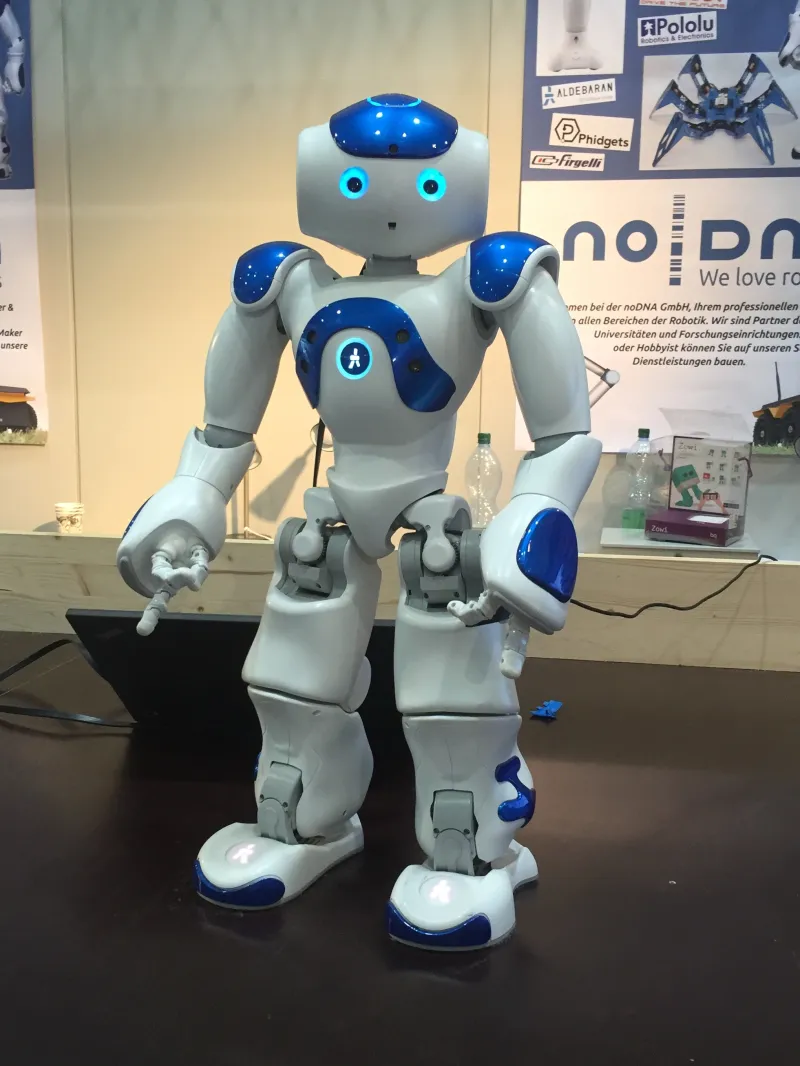
The short version: NAO7 looks most promising as a supervised social humanoid for education, therapy support, and care routines, not as a general-purpose home robot. The home angle is still worth watching because the features Maxtronics is previewing are exactly the features future companion robots need: on-body AI, readable interaction state, safer sensing, and gestures that make conversation feel less like a smart speaker on legs.
What is NAO7 actually promising?
Maxtronics' NAO7 project page says the robot is currently under development and previews five hardware changes: new four-finger hands with pointing ability, an optimized head with new sensors and capabilities, a torso button that includes a touchscreen, a new battery for long autonomy and easy charging, and new time-of-flight sensors in the tibia. Maxtronics has not published final NAO7 runtime or a verified battery-life improvement over NAO6. The same page adds "embedded AI and many other features to come."
The company's IROS 2025 update gives the broader frame. It says Maxvision Technology Corp. acquired Aldebaran's core assets in July 2025, then created Maxtronics Robotics SAS in France on August 28, 2025 to continue NAO development, sales, and customer support. It also says NAO7 has entered full development and is intended to deliver a smoother, more expressive, and adaptable interactive experience through enhanced hardware, an upgraded sensor array, and improved AI algorithms.
That is a meaningful set of claims, but it is still a preview. Maxtronics has not published a final NAO7 price, release date, shipping region, battery runtime, processor, AI model stack, privacy policy, or supported home-care workflows. Until those details arrive, buyers should treat NAO7 as a serious platform signal rather than a product recommendation.
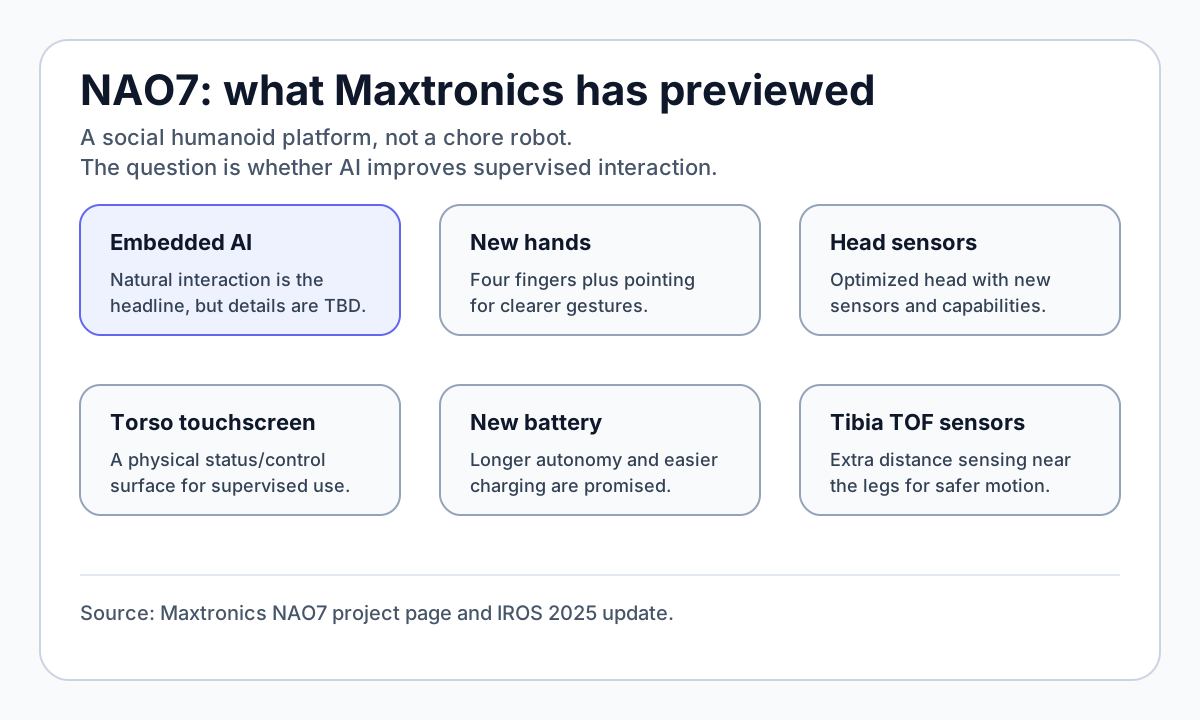
The most practical feature may be the least flashy one: pointing. Social humanoids are often judged by conversation, but physical communication matters. A robot that can point, look, gesture, pause, and show status on a torso screen is easier for a teacher, therapist, or caregiver to supervise than a voice-only assistant. The new tibia time-of-flight sensors also suggest Maxtronics is paying attention to near-body safety and navigation, which matters in classrooms and care rooms full of chairs, bags, feet, and unpredictable movement.
Why does NAO still matter after Pepper and newer companions?
NAO matters because it has already survived the hardest part of social robotics: repeated real-world deployment. In the ui44 database, NAO6 is a 58 cm, 5.6 kg humanoid with 25 degrees of freedom, two HD cameras, four directional microphones, ultrasonic sensors, an inertial measurement unit, foot force sensors, bumpers, tactile sensors, Wi-Fi, Ethernet, Bluetooth, NAOqi, Choregraphe, and Python/ROS compatibility. Distributor pricing we track is $16,990, which places it far above consumer toys but below many research humanoids.
Maxtronics positions NAO6 for education, research, healthcare, and elderly environments. The official NAO6 page repeats the core hardware story: 58 cm tall, 25 degrees of freedom, cameras, microphones, tactile sensors, sonars, and an IMU. The company page adds the broader installed-base claim: NAO was industrialized at scale with more than 20,000 units deployed worldwide, while Pepper reached more than 17,000 units and Plato more than 3,000.
That gives NAO a different kind of credibility from many 2026 humanoid announcements. It is not being introduced as a future household butler. It is being revived as a known interaction platform with a support ecosystem, software tools, and user communities that already understand its limits.
The cautionary comparison is Pepper. Pepper is larger at 120 cm and 29.6 kg, has a 10.1-inch display, cameras, depth sensing, microphones, touch sensors, sonars, lasers, and about 12 hours of shop-use battery life. But Pepper's history also shows that social presence alone does not guarantee long-term utility. A social robot needs a narrow job, a support contract, measurable outcomes, and software that keeps improving after the first demo.
How does NAO6 compare with today's social robots?
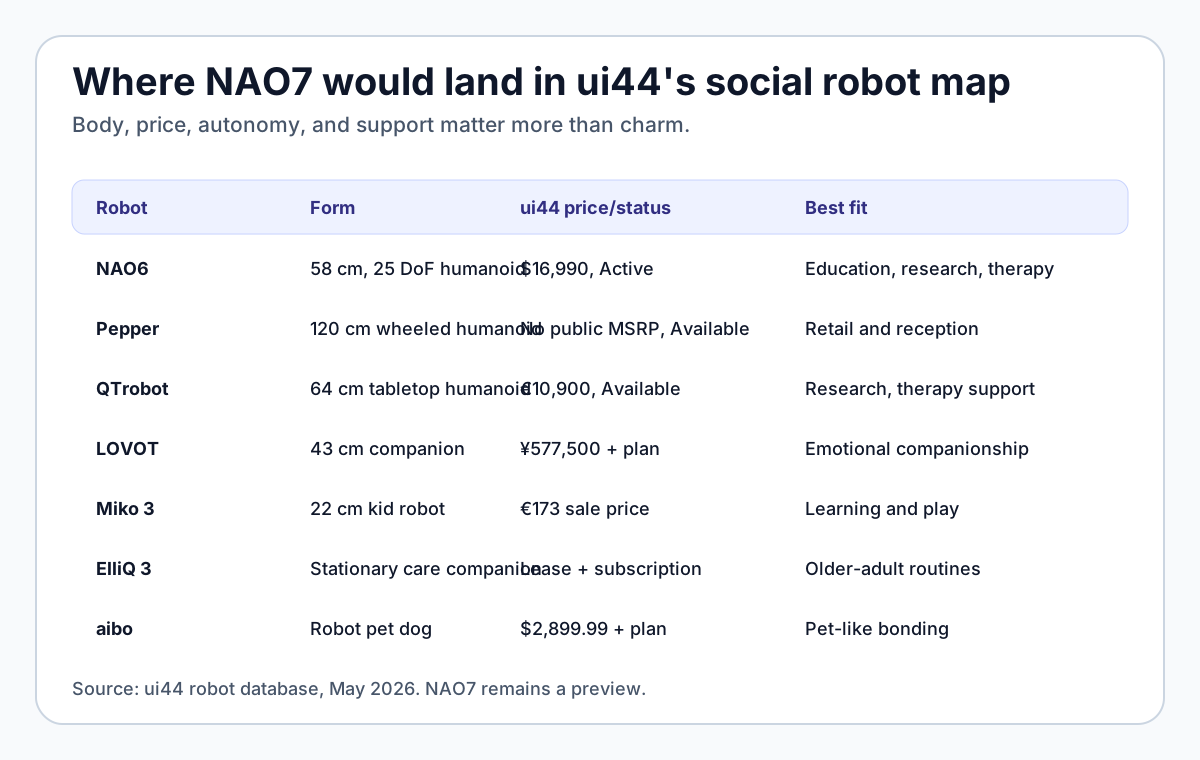
ui44 tracks social robots across several shapes: humanoids, tabletop therapy platforms, pet-like companions, kid-focused learning robots, and stationary elder-care companions. NAO7 will not compete with all of them directly, but the comparison helps define what buyers should expect.
Robot
- ui44 database snapshot
- 58 cm, 5.6 kg, 25 DoF, $16,990 distributor pricing, active status
- What it teaches NAO7
- A small humanoid can be deployable when software tools and education support exist.
Robot
- ui44 database snapshot
- 120 cm, 29.6 kg, touchscreen, ~12h shop-use battery, no current public MSRP
- What it teaches NAO7
- Social robots need measurable jobs, not just a charismatic body.
Robot
- ui44 database snapshot
- 64 cm tabletop humanoid, €10,900 ex. VAT, ROS and research workflows
- What it teaches NAO7
- Therapy and research buyers value programmability and repeatable interaction.
Robot
- ui44 database snapshot
- Stationary older-adult companion with lease/subscription pricing
- What it teaches NAO7
- Care robots succeed when they own narrow routines like reminders and check-ins.
Robot
- ui44 database snapshot
- ¥577,500 LOVOT 3.0 plus monthly care plan, emotional companion
- What it teaches NAO7
- Companion robots can sell honestly as emotional products when expectations are clear.
Robot
- ui44 database snapshot
- €173 sale price, kid-focused AI companion with parent controls
- What it teaches NAO7
- Social AI needs age-specific guardrails, not just conversation.
Robot
- ui44 database snapshot
- $2,899.99 robot dog, face recognition, voice commands, self-charging
- What it teaches NAO7
- Personality can be durable when the robot is sold as a pet-like companion.
| Robot | ui44 database snapshot | What it teaches NAO7 |
|---|---|---|
| NAO6 | 58 cm, 5.6 kg, 25 DoF, $16,990 distributor pricing, active status | A small humanoid can be deployable when software tools and education support exist. |
| Pepper | 120 cm, 29.6 kg, touchscreen, ~12h shop-use battery, no current public MSRP | Social robots need measurable jobs, not just a charismatic body. |
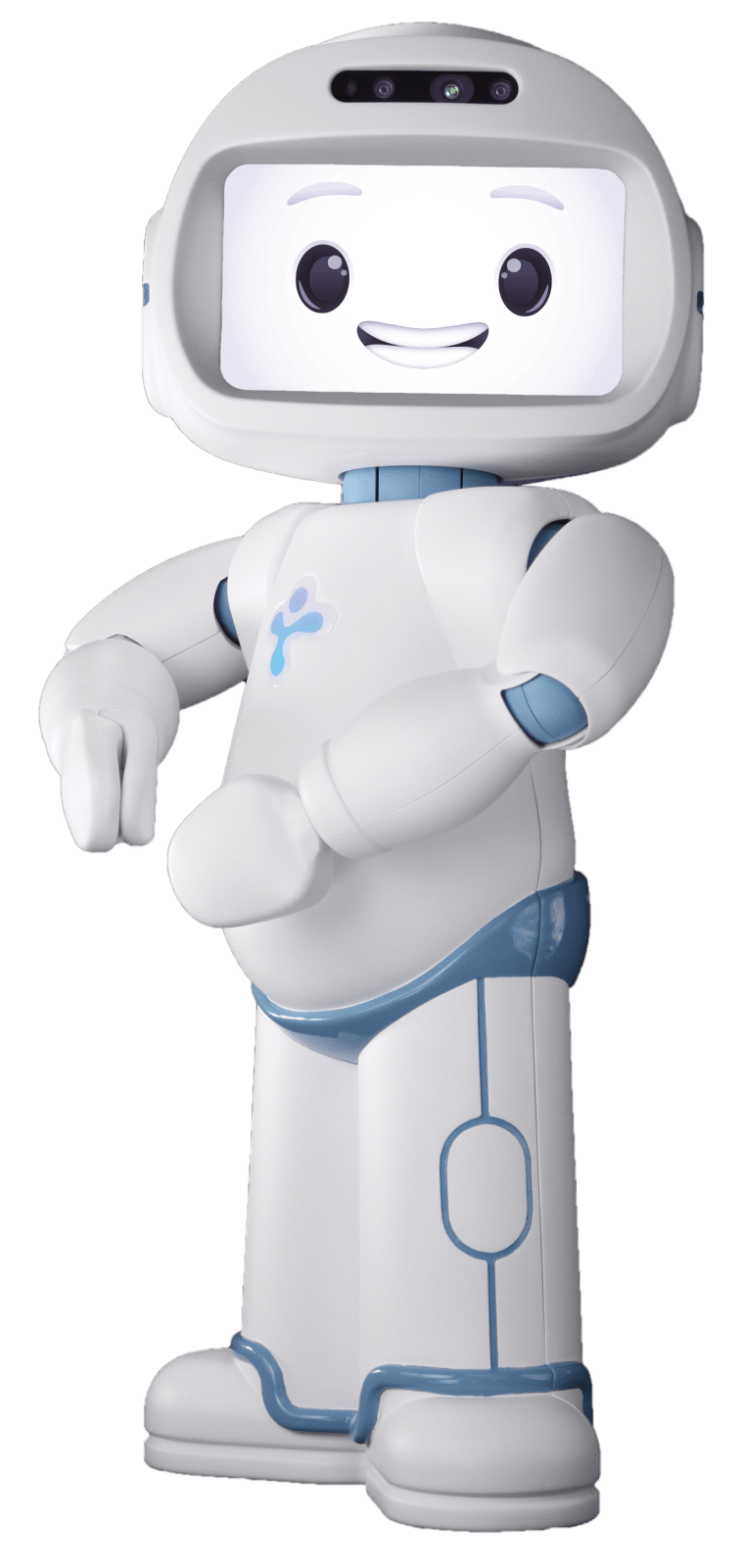
| QTrobot | 64 cm tabletop humanoid, €10,900 ex. VAT, ROS and research workflows | Therapy and research buyers value programmability and repeatable interaction. |
| ElliQ 3 | Stationary older-adult companion with lease/subscription pricing | Care robots succeed when they own narrow routines like reminders and check-ins. |
| LOVOT | ¥577,500 LOVOT 3.0 plus monthly care plan, emotional companion | Companion robots can sell honestly as emotional products when expectations are clear. |
| Miko 3 | €173 sale price, kid-focused AI companion with parent controls | Social AI needs age-specific guardrails, not just conversation. |
| aibo | $2,899.99 robot dog, face recognition, voice commands, self-charging | Personality can be durable when the robot is sold as a pet-like companion. |
This is why NAO7's exact positioning matters. If it is priced and supported like NAO6, it will remain mostly institutional: schools, research groups, hospitals, therapy providers, museums, and care organizations. If Maxtronics eventually creates a lower-friction care package with privacy controls, remote support, and service continuity, it could become relevant to affluent households or elder-care facilities. Those are not the same market.
What would embedded AI actually change?
For NAO, embedded AI only matters if it changes the workflow. NAO6 already supports speech, motion, sensors, SDKs, and low-code programming. Maxtronics also promotes NAO Activities, a no-code education product that lets teachers create activities from curriculum content using generative AI. The official NAO Activities page says it includes a ChatGPT license within an annual Maxtronics services subscription, supports printed QR-code activity starts, and is meant for games, conversations, and role plays.
That is a useful clue. The next leap is not "NAO can chat." The next leap is: can NAO adapt a lesson, remember a student's context safely, demonstrate an exercise, guide a routine, escalate when confused, and let a human supervisor audit what happened?
In healthcare, Maxtronics already frames NAO around physical-therapy demonstrations, pediatric distraction and reassurance, nursing-home social/cognitive/physical stimulation, and autism-therapy interactions. The DREAM project page describes a supervised autonomy model for autism therapy: the robot should be autonomous enough to reduce therapist workload, while remaining under therapist control. That is exactly the balance home-care robots will need.
The hard part is privacy. A social humanoid with embedded AI may hear children's voices, observe faces, infer emotional state, remember routines, and generate personalized speech. That can be valuable in a clinic or classroom, but only with clear consent, retention settings, administrator controls, and human review. For home use, the bar is even higher because family life is less structured than a school session.
Is NAO7 a home robot or a supervised care platform?
Right now, NAO7 looks much more like a supervised platform than a consumer home robot. That is not a weakness. It may be the responsible path.
Homes are messy. People ask ambiguous questions, children interrupt routines, pets get in the way, Wi-Fi fails, subscriptions lapse, and family members disagree about what a robot should remember. A 58 cm social humanoid also cannot do the physical chores buyers associate with humanoid hype. There is no evidence that NAO7 will fold laundry, load a dishwasher, carry groceries, or provide hands-on elder assistance.
Where NAO7 could make sense first is in structured environments. In a classroom, the robot can run a lesson or role-play. In a therapy session, it can repeat predictable prompts and gestures. In a nursing home, it can lead a memory game, light movement routine, or group activity. In a pediatric setting, it can distract and reassure. Those are real jobs, but they are not autonomous household labor.
This distinction is important for buyers. A social humanoid can be useful without being a home butler. The question is whether the robot has a supported routine that justifies its cost and supervision burden. If a household wants companionship, LOVOT, aibo, or ElliQ 3 may be more honest matches. If a school or clinic wants a programmable embodied social agent, NAO7's heritage matters more.
What should buyers ask before taking NAO7 seriously?
The right way to evaluate NAO7 is to ask for boring proof. Embedded AI is a feature label; deployment details are the product.
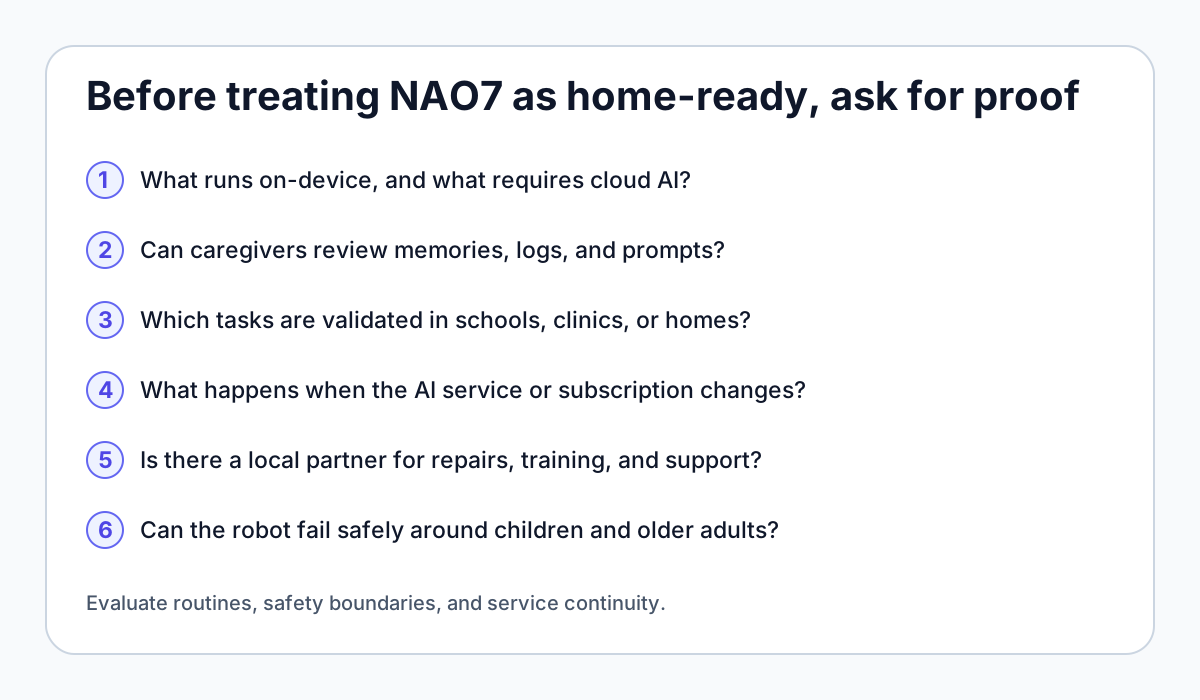
Start with these questions:
- What runs locally? Ask which speech, vision, memory, and safety functions run on the robot versus in cloud services.
- What does the robot remember? A social robot's value often depends on memory, but memory needs user controls, deletion, and audit logs.
- What is the validated routine? "Companion" is vague. Lesson delivery, therapy prompts, movement coaching, visitor greeting, or care check-ins are more measurable.
- Who supervises failures? In child, elder-care, and healthcare contexts, the robot should have clear human handoff paths.
- What is the support model? NAO's old strength was ecosystem support. NAO7 will need regional service, training, spare parts, and software updates.
- What is the total cost? NAO6 is tracked at $16,990 distributor pricing. If NAO7 adds AI services, subscriptions and support may matter as much as hardware.
- What changed from NAO6? Four-finger hands, new sensors, a touchscreen, battery changes, and AI are promising, but buyers should ask for final specs and demonstrations.
If Maxtronics can answer those questions clearly, NAO7 could become one of the more credible social-humanoid updates of the current cycle. If not, it will remain a strong brand story waiting for product proof.
Bottom line: should home-robot buyers care about NAO7?
Yes, but with the right expectations. NAO7 is not evidence that general-purpose home humanoids are suddenly ready. It is evidence that the social-robot category is being rebuilt around AI, service continuity, and supervised human-facing jobs.
That is a healthier direction than pretending every humanoid will become a chore robot. NAO's best historical use cases were education, research, therapy support, and social engagement. NAO7 should be judged by whether embedded AI makes those uses more reliable, safer, and easier to supervise.
For now, the most honest buyer takeaway is simple: watch NAO7 if you care about social robots, care robots, or AI embodied in a friendly humanoid form. Do not treat it as a household helper until Maxtronics publishes final specs, pricing, privacy terms, support plans, and real deployment evidence.
Related in the database
Use this article as a privacy verification workflow
Turn the article into a privacy verification pass grounded in the robots, manufacturers, and components it actually references.
NAO7 Robot: Social Humanoid AI Comeback? already points you toward 7 linked robots, 7 manufacturers, and 5 countries inside the ui44 database. That matters because strong buyer guidance is easier to apply when you can move immediately from a claim or warning into concrete product pages, manufacturer directories, component explainers, and country-level context instead of treating the article as an isolated opinion piece. The fastest next step is to turn the article into a shortlist workflow: open the linked robot pages, verify which specs are actually published for those models, then compare the surrounding manufacturer and component context before you decide whether the underlying claim changes your buying plan.
For this topic, the useful discipline is to separate the editorial lesson from the catalog evidence. The article gives you the framing, but the robot pages tell you what each product actually ships with today: sensor stack, connectivity methods, listed price, release timing, category, and support-relevant compatibility notes. The manufacturer pages then show whether you are looking at a one-off launch, a broader lineup pattern, or a company that spans multiple categories. That layered workflow reduces the risk of buying on a single marketing phrase or a single support FAQ.
Use the robot pages to confirm which products actually expose cameras, microphones, Wi-Fi, or voice systems, then use the manufacturer pages to decide how much of the privacy question seems product-specific versus brand-wide. On this route cluster, NAO6, Pepper, and QTrobot form the fastest reality check. If you want a quick working shortlist, open Compare NAO6, Pepper, and QTrobot next, then keep this article open as the reasoning layer while you compare structured data side by side.
Practical Takeaway
Every robot, manufacturer, category, component, and country reference below resolves to a real ui44 page, keeping the follow-up path grounded in database records rather than generic advice.
Suggested next steps in ui44
- Open NAO6 and note the listed sensors, connectivity methods, and voice stack before you interpret any policy claim.
- Cross-check the wider brand context on Aldebaran / Maxtronics so you can see whether the privacy question touches one model or a broader lineup.
- Use the linked component pages to confirm how common the relevant sensors and connectivity layers are across the database.
- Keep a short note of which policy layers you checked, which device features are actually present on the robot page, and which items still depend on region- or app-level confirmation.
- Finish with Compare NAO6, Pepper, and QTrobot so the policy reading sits next to structured product data.
Robot profiles worth opening next
Use the linked product pages as the evidence layer
The linked robot pages are where this article becomes operational. Instead of asking whether the headline is interesting, use the robot entries to inspect the actual mix of sensors, connectivity options, batteries, pricing, release timing, and stated capabilities attached to the products mentioned in the article. That is the easiest way to see whether the warning or opportunity described here affects one product family, a specific design pattern, or an entire buying lane.
NAO6
Aldebaran / Maxtronics · Research · Active
NAO6 is tracked on ui44 as a active research robot from Aldebaran / Maxtronics. The database currently records a listed price of $16,990, a release date of 2018, 45 minutes to 2 hours battery life, ~2 hours charging time, and a published stack that includes 2 HD Cameras (forehead + mouth), 4 Directional Microphones, and 2 Ultrasonic Sensors plus Wi-Fi (802.11a/b/g/n) and Ethernet.
For privacy-focused reading, this page matters because it shows the concrete device surface behind the policy discussion. Use it to verify whether NAO6 combines sensors and connectivity in a way that could change the in-home data footprint, and compare the listed capabilities such as 25 Degrees of Freedom, Bipedal Walking, and Facial Recognition with any cloud, app, or voice layers, including Multilingual Text-to-Speech (2 speakers).
Pepper
Aldebaran Robotics · Commercial · Available
Pepper is tracked on ui44 as a available commercial robot from Aldebaran Robotics. The database currently records a listed price of Price TBA, a release date of 2014-06, ~12 hours (shop use) battery life, ~8 hours 20 minutes charging time, and a published stack that includes RGB Camera ×2 (forehead + mouth), 3D Depth Sensor, and Microphone ×4 plus Wi-Fi 802.11 a/b/g/n (2.4/5 GHz) and Ethernet.
For privacy-focused reading, this page matters because it shows the concrete device surface behind the policy discussion. Use it to verify whether Pepper combines sensors and connectivity in a way that could change the in-home data footprint, and compare the listed capabilities such as Emotion Recognition, Facial Expression Analysis, and Natural Conversation with any cloud, app, or voice layers, including Multilingual Speech Recognition & Synthesis.
QTrobot is tracked on ui44 as a available research robot from LuxAI. The database currently records a listed price of €10,900, a release date of 2017, External power supply; optional battery/runtime not publicly disclosed battery life, N/A (external power supply; charging details not published) charging time, and a published stack that includes Intel RealSense depth camera (D455 in LuxAI docs), ReSpeaker microphone array, and Motor rotary encoder feedback (position, speed, overload, temperature) plus Wi-Fi and Ethernet.
For privacy-focused reading, this page matters because it shows the concrete device surface behind the policy discussion. Use it to verify whether QTrobot combines sensors and connectivity in a way that could change the in-home data footprint, and compare the listed capabilities such as Facial-expression based interaction, Upper-body gesture control, and Text-to-speech and audio playback with any cloud, app, or voice layers.
ElliQ 3
Intuition Robotics · Companions · Available
ElliQ 3 is tracked on ui44 as a available companions robot from Intuition Robotics. The database currently records a listed price of Price TBA, a release date of 2024-01, Mains powered battery life, N/A (plugged in) charging time, and a published stack that includes 4-mic array, 12 MP camera for images, and 1080p HD video at 30 fps with 120° horizontal FoV plus Wi-Fi 802.11b/g/n/ac (2.4 GHz and 5 GHz) and Bluetooth 5+.
For privacy-focused reading, this page matters because it shows the concrete device surface behind the policy discussion. Use it to verify whether ElliQ 3 combines sensors and connectivity in a way that could change the in-home data footprint, and compare the listed capabilities such as Proactive Conversation, Medication Reminders, and Health & Pain Tracking with any cloud, app, or voice layers, including ElliQ Voice AI.
LOVOT is tracked on ui44 as a available companions robot from GROOVE X. The database currently records a listed price of ¥577,500, a release date of 2019, 30-45 minutes active, then returns to nest battery life, 15-30 minutes (on charging nest) charging time, and a published stack that includes Horn Top Camera (half-sphere), Horn Front Camera, and Depth Camera plus Wi-Fi and Bluetooth.
For privacy-focused reading, this page matters because it shows the concrete device surface behind the policy discussion. Use it to verify whether LOVOT combines sensors and connectivity in a way that could change the in-home data footprint, and compare the listed capabilities such as Emotional Companionship, Person Recognition, and Touch Response (full body sensors) with any cloud, app, or voice layers.
Manufacturer context behind the article
Check whether this is one product story or a broader company pattern
Manufacturer pages add the privacy context that individual product pages cannot show on their own. They help you check whether cameras, microphones, cloud accounts, app controls, and policy assumptions appear across a broader lineup or stay tied to one specific product story.
Aldebaran / Maxtronics
ui44 currently tracks 1 robot from Aldebaran / Maxtronics across 1 category. The company is grouped under France, and the current catalog footprint on ui44 includes NAO6.
That wider brand context matters because privacy questions rarely stop at one FAQ page. A manufacturer route helps you see whether the article is centered on one premium model or on a company that has several relevant products and therefore more than one place where the same policy or app assumptions might matter. The category mix here currently points toward Research as the most useful next route if you want to see whether this article reflects a wider pattern inside the brand.
Aldebaran Robotics
ui44 currently tracks 1 robot from Aldebaran Robotics across 1 category. The company is grouped under France, and the current catalog footprint on ui44 includes Pepper.
That wider brand context matters because privacy questions rarely stop at one FAQ page. A manufacturer route helps you see whether the article is centered on one premium model or on a company that has several relevant products and therefore more than one place where the same policy or app assumptions might matter. The category mix here currently points toward Commercial as the most useful next route if you want to see whether this article reflects a wider pattern inside the brand.
LuxAI
ui44 currently tracks 1 robot from LuxAI across 1 category. The company is grouped under Luxembourg, and the current catalog footprint on ui44 includes QTrobot.
That wider brand context matters because privacy questions rarely stop at one FAQ page. A manufacturer route helps you see whether the article is centered on one premium model or on a company that has several relevant products and therefore more than one place where the same policy or app assumptions might matter. The category mix here currently points toward Research as the most useful next route if you want to see whether this article reflects a wider pattern inside the brand.
Intuition Robotics
ui44 currently tracks 1 robot from Intuition Robotics across 1 category. The company is grouped under Israel, and the current catalog footprint on ui44 includes ElliQ 3.
That wider brand context matters because privacy questions rarely stop at one FAQ page. A manufacturer route helps you see whether the article is centered on one premium model or on a company that has several relevant products and therefore more than one place where the same policy or app assumptions might matter. The category mix here currently points toward Companions as the most useful next route if you want to see whether this article reflects a wider pattern inside the brand.
Broaden the scan without leaving the database
Categories, components, and countries add the wider context
Category framing
Category pages are useful when the article touches a buying pattern that shows up across brands. A category route helps you confirm whether the linked products sit in a narrow niche or whether the same question should be tested across a larger field of alternatives.
Research
The Research category page currently groups 49 tracked robots from 39 manufacturers. ui44 describes this lane as: Academic and research robotics platforms pushing the boundaries of what machines can learn and do in the lab and beyond.
That makes the category route a practical follow-up when you want to check whether the products linked in this article are typical for the lane or whether they sit at one edge of the market. Useful starting examples currently include HRP-4C, HRP-5P, NAO6.
Commercial
The Commercial category page currently groups 44 tracked robots from 38 manufacturers. ui44 describes this lane as: Delivery robots, warehouse automation, and hospitality service bots — robots built for business and commercial operations.
That makes the category route a practical follow-up when you want to check whether the products linked in this article are typical for the lane or whether they sit at one edge of the market. Useful starting examples currently include G2 Air, aeo, Pepper.
Country and ecosystem context
Country pages give extra context when support practices, launch sequencing, regulatory posture, or manufacturer mix matter. They are not a substitute for model-level verification, but they do help you see which ecosystems cluster together and which manufacturers sit in the same regional field when you broaden the search beyond the article headline.
France
The France route currently groups 8 tracked robots from 7 manufacturers in ui44. That gives you a useful regional lens when the article points toward support practices, launch sequencing, or brand clusters that may share similar ecosystem assumptions.
On the current route, manufacturers like Pollen Robotics, Aldebaran / Maxtronics, Aldebaran Robotics make the page a good way to broaden the scan without losing the regional context that often shapes availability, documentation style, and adjacent alternatives.
Luxembourg
The Luxembourg route currently groups 1 tracked robots from 1 manufacturers in ui44. That gives you a useful regional lens when the article points toward support practices, launch sequencing, or brand clusters that may share similar ecosystem assumptions.
On the current route, manufacturers like LuxAI make the page a good way to broaden the scan without losing the regional context that often shapes availability, documentation style, and adjacent alternatives.
Israel
The Israel route currently groups 5 tracked robots from 5 manufacturers in ui44. That gives you a useful regional lens when the article points toward support practices, launch sequencing, or brand clusters that may share similar ecosystem assumptions.
On the current route, manufacturers like Flytrex, Intuition Robotics, Maytronics make the page a good way to broaden the scan without losing the regional context that often shapes availability, documentation style, and adjacent alternatives.
Questions to answer before you move from reading to buying
A follow-up FAQ built from the entities already linked in this article
Frequently Asked Questions
Which page should I open first after reading “NAO7 Robot: Social Humanoid AI Comeback?”?
Start with NAO6. That gives you a concrete product anchor for the article’s main claim. From there, branch into the manufacturer and component pages so you can tell whether the article is describing one specific model, a repeated brand pattern, or a wider technology issue that affects multiple shortlist options.
How do the manufacturer pages change the buying decision?
Aldebaran / Maxtronics help you zoom out from one article and one product. On ui44 they show lineup breadth, category spread, and the neighboring robots tied to the same company. That context is useful when you are deciding whether a risk belongs to a single model, whether it shows up across a brand’s portfolio, and whether you should keep looking at alternatives before committing.
When should I switch from reading to side-by-side comparison?
Move into Compare NAO6, Pepper, and QTrobot as soon as you understand the article’s main warning or promise. The article explains what to watch for, but the compare view is where you can check whether price, status, battery life, connectivity, sensors, and category fit still make the robot a good match for your own home and budget.
Where to go next in ui44
Keep the research chain inside the database
If you want to keep going, these follow-on pages give you the cleanest expansion path from article to research session. Open the comparison route first if you are deciding between products today. Open the manufacturer, category, and component routes if you still need to understand the broader pattern behind the claim.
Written by
ui44 Team
Published May 24, 2026
Share this article
Open a plain share link on X or Bluesky. No embeds, no widgets, no cookie baggage.