That combination is why it is worth watching. The home-robot market already has mobile cameras, child-focused learning companions, robotic pets, and older-adult companions. Q is trying to pull several of those jobs into one approachable Japanese family robot. The important question is whether Living Robot can turn the prototype story into a reliable product before its stated general-sale target.
What is MechatroMate Q supposed to do?
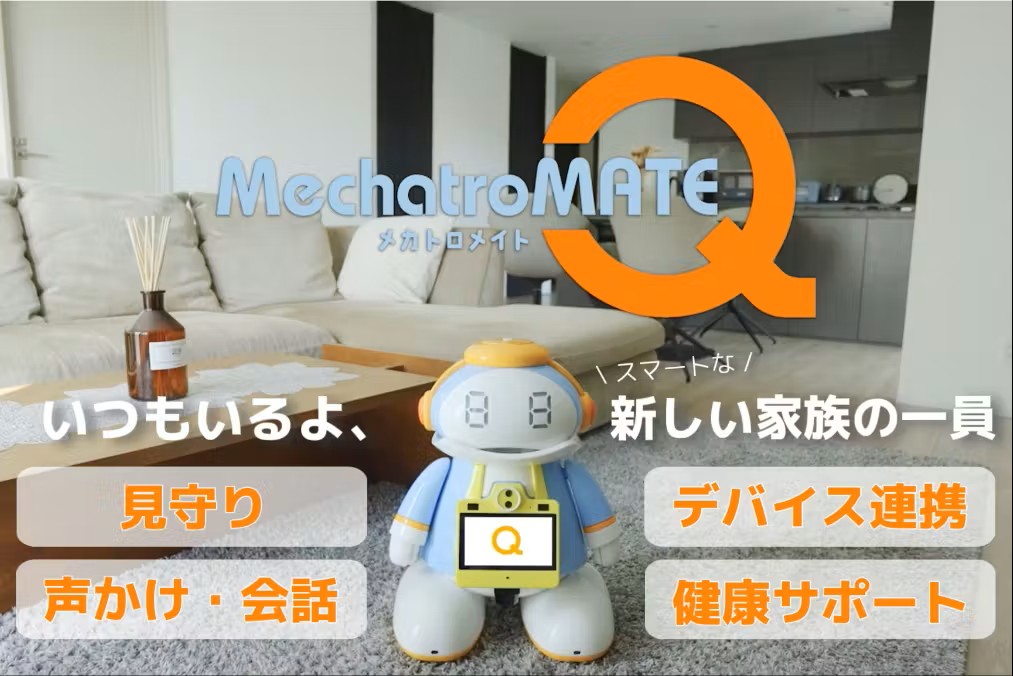
Living Robot's March 2026 crowdfunding announcement says Q-chan is being developed for mass production and is meant to move autonomously inside the home. The company lists family monitoring, conversation, learning support, appliance coordination, and health support as target roles.
The Campfire project page adds more concrete use cases. Q is pitched as a robot that can look for a family member at home, use a built-in camera, support video calls, and help reduce the "they should be home, but they are not answering" anxiety that drives many families toward indoor cameras. It also connects the story back to Living Robot's earlier educational robot, Aruku MechatroWeGo, which gives the company a real background in small approachable robots rather than only a concept render.
There are two buyer-relevant details in the source material. First, this is still a development and production-funding story, not a finished retail launch. Second, the project is explicitly about getting a home partner robot into ordinary households, not building a lab demo for robotics insiders.
Why the CES 2026 demo matters
Living Robot says it demonstrated MechatroMate Q at CES 2026 in Las Vegas inside the JAPAN TECH pavilion. The company says the booth introduced Q's functions and use cases, and that overseas business discussions moved forward during the show. More importantly for buyers, the same CES announcement says Living Robot is aiming for general sales in 2027.
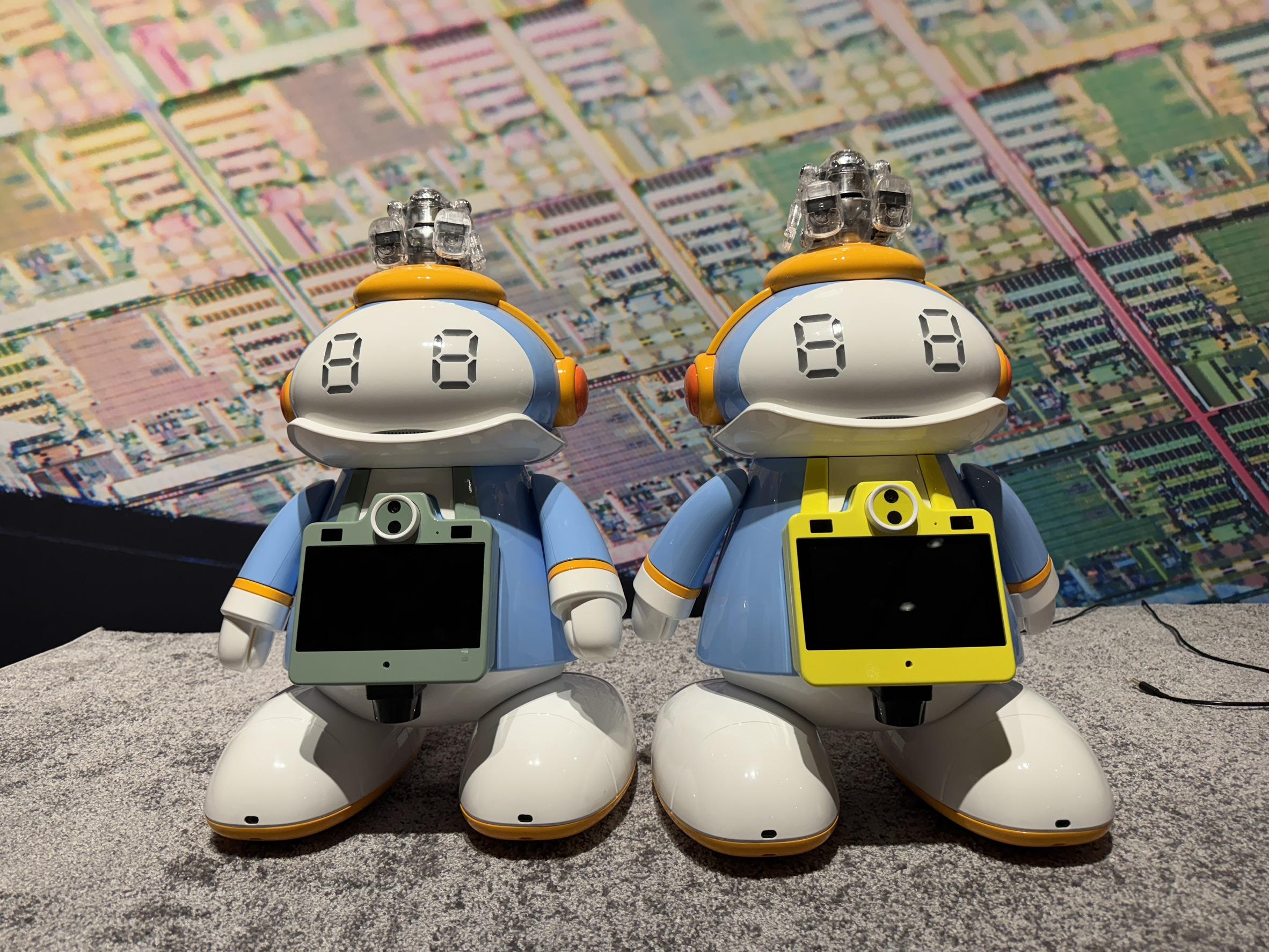
CES does not make a product real by itself. It does tell us that Q is being positioned publicly to partners, press, and potential distributors. For a family robot, that matters because the product has to work as hardware, software, cloud service, support channel, and trust product at the same time. A home robot that watches family members and joins conversations has a much higher bar than a toy that performs a few scripted routines.
If Q reaches buyers in 2027, the product will have to answer basic questions that are still open today: final price, battery life, docking behavior, supported languages, privacy controls, supported appliances, warranty, replacement parts, and whether the most useful AI features require a subscription.
The crowdfunding result is the warning sign
The Campfire campaign is useful because it gives a demand signal, not just a feature list. The project opened on March 13, 2026 and closed on May 31, 2026. It raised 100,000 yen from 12 supporters against a 3,000,000 yen goal, or about 3 percent of target.
That does not mean Q is dead. Campfire also notes an all-in format for the rewards, and the company can still continue development through partners, internal funding, grants, or later campaigns. But for a buyer, the result should change the tone from "coming soon" to "watch the milestones."
The sensible read is: Q is an interesting prototype with a credible maker behind it, but it has not yet proven retail demand, production readiness, or buyer economics. That is very different from a product you can compare by price and order today.
How Q compares with robots you can already price
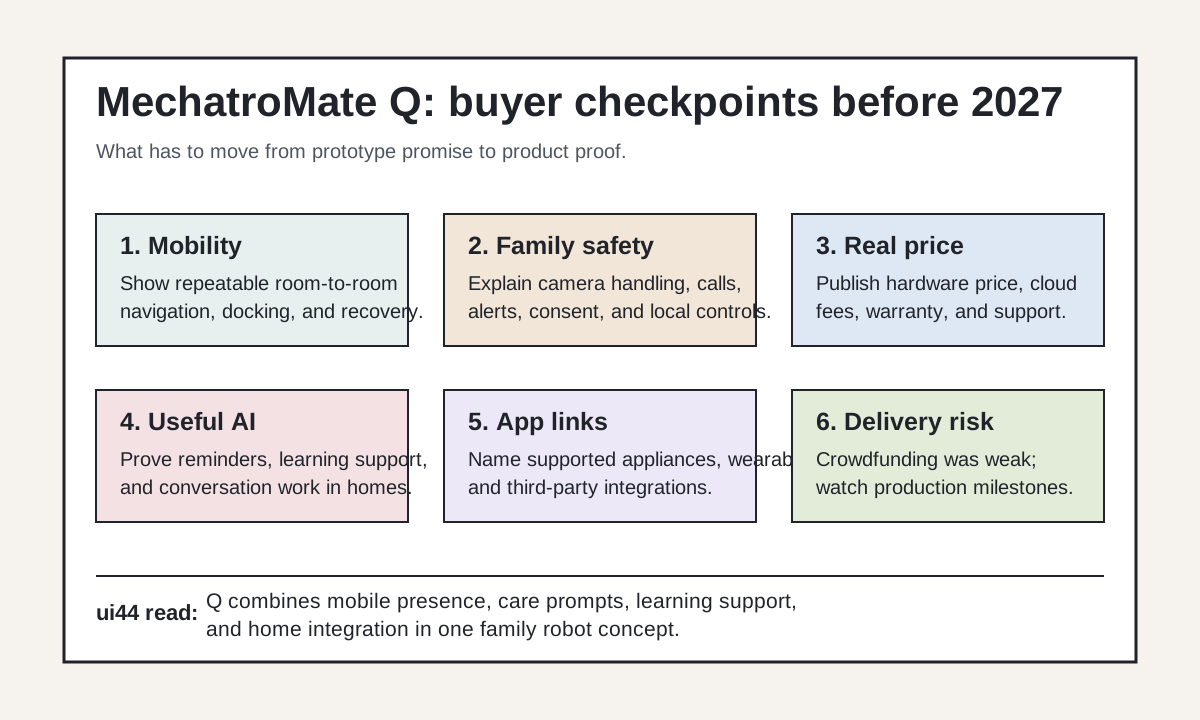
Q's pitch overlaps with several different home-robot categories in the ui44 database. That is what makes it interesting, but also what makes it hard.
Robot
- Current buyer role
- Mobile family monitoring and communication
- ui44 database signal
- Listed at $999, with GPT-4o mini voice interaction, V-SLAM navigation, 4K stabilized camera, night vision, and Alexa-based assistant features
- What Q would need to prove
- Better family interaction than a mobile camera, plus dependable autonomous movement
Robot
- Current buyer role
- Lower-cost mobile family and pet awareness
- ui44 database signal
- Listed at $599.99, with 4K camera, V-SLAM, person and pet detection, reminders, patrols, and auto recharge
- What Q would need to prove
- A stronger companion layer, not just patrol and alerts
Robot
- Current buyer role
- Child-focused learning companion
- ui44 database signal
- Listed at EUR 269 in current official product data, with a touchscreen face, voice and face recognition, parental controls, STEM games, and subscription content
- What Q would need to prove
- Learning help that is useful without becoming another screen subscription
Robot
- Current buyer role
- Older-adult companionship and wellness routines
- ui44 database signal
- Leased with a $249 initiation fee plus monthly membership options; designed around proactive conversation, reminders, wellness, and video calling
- What Q would need to prove
- Similar care usefulness while also moving safely around the home
Robot
- Current buyer role
- Premium emotional robotic pet
- ui44 database signal
- Listed at $3,199.99 with OLED eyes, 22 axes of movement, face recognition, voice commands, LTE, and a cloud plan
- What Q would need to prove
- Emotional appeal at a much clearer family-utility price
Robot
- Current buyer role
- Expressive wheeled petbot
- ui44 database signal
- Listed at $442 for the official bundle, with a camera, ToF sensor, microphones, face recognition, games, Blockly programming, and remote monitoring
- What Q would need to prove
- More practical family care value than a playful companion
| Robot | Current buyer role | ui44 database signal | What Q would need to prove |
|---|---|---|---|
| Enabot EBO X | Mobile family monitoring and communication | Listed at $999, with GPT-4o mini voice interaction, V-SLAM navigation, 4K stabilized camera, night vision, and Alexa-based assistant features | Better family interaction than a mobile camera, plus dependable autonomous movement |
| Enabot EBO Max | Lower-cost mobile family and pet awareness | Listed at $599.99, with 4K camera, V-SLAM, person and pet detection, reminders, patrols, and auto recharge | A stronger companion layer, not just patrol and alerts |
| Miko 3 | Child-focused learning companion | Listed at EUR 269 in current official product data, with a touchscreen face, voice and face recognition, parental controls, STEM games, and subscription content | Learning help that is useful without becoming another screen subscription |
| ElliQ 3 | Older-adult companionship and wellness routines | Leased with a $249 initiation fee plus monthly membership options; designed around proactive conversation, reminders, wellness, and video calling | Similar care usefulness while also moving safely around the home |
| aibo (ERS-1000) | Premium emotional robotic pet | Listed at $3,199.99 with OLED eyes, 22 axes of movement, face recognition, voice commands, LTE, and a cloud plan | Emotional appeal at a much clearer family-utility price |
| Loona | Expressive wheeled petbot | Listed at $442 for the official bundle, with a camera, ToF sensor, microphones, face recognition, games, Blockly programming, and remote monitoring | More practical family care value than a playful companion |
The pattern is clear: single-purpose family robots are already real. EBO is stronger as a mobile home camera and family monitor. Miko is stronger as a child learning robot. ElliQ is stronger as a care routine product for older adults. aibo is stronger as a premium emotional pet. Q's opportunity is to combine some of these roles in a form that feels less like surveillance hardware and more like a shared family member.
The risk is that "does everything" can become "does nothing well." A real buyer will not forgive poor navigation because the robot can chat, or weak reminders because it has a cute body. Q has to prove the basics first.
The most interesting part is mobility plus social purpose
Many AI companion devices are socially expressive but physically passive. They sit on a counter, desk, or bedside table. That can be fine for conversation, reminders, and wellness routines, but it limits what they can do when the person is in another room.
Q is more ambitious because it is explicitly meant to move through the home. That changes the product from "talk to the device when nearby" to "the robot can go where family life is happening." If the navigation works, Q could check whether a person is in the living room, support a video call from the kitchen, or move into a child's study area for learning support.
That is also where safety and privacy get harder. A mobile robot with a camera needs clear household rules: who can call in, when recording happens, whether the camera is visibly active, how maps are stored, and what happens when children or older adults do not want to be watched. Q cannot hide behind toy-like styling if it becomes a mobile family camera.
Scratch-style programmability is a useful clue
Living Robot describes a Scratch-style customization angle, which fits its background with Aruku MechatroWeGo in education. For a family robot, programmability can be more than a hobby feature. It can let a child build a simple routine, let a parent set a custom greeting, or let a household experiment with robot behavior without waiting for a vendor update.
That said, programmability only matters if the base robot is dependable. Buyers should separate two things:
- Can the robot navigate, dock, call, alert, and converse reliably out of the box?
- Can the family safely customize behavior after those basics work?
The second point is a bonus. The first one is the product.
What to watch before calling Q ready
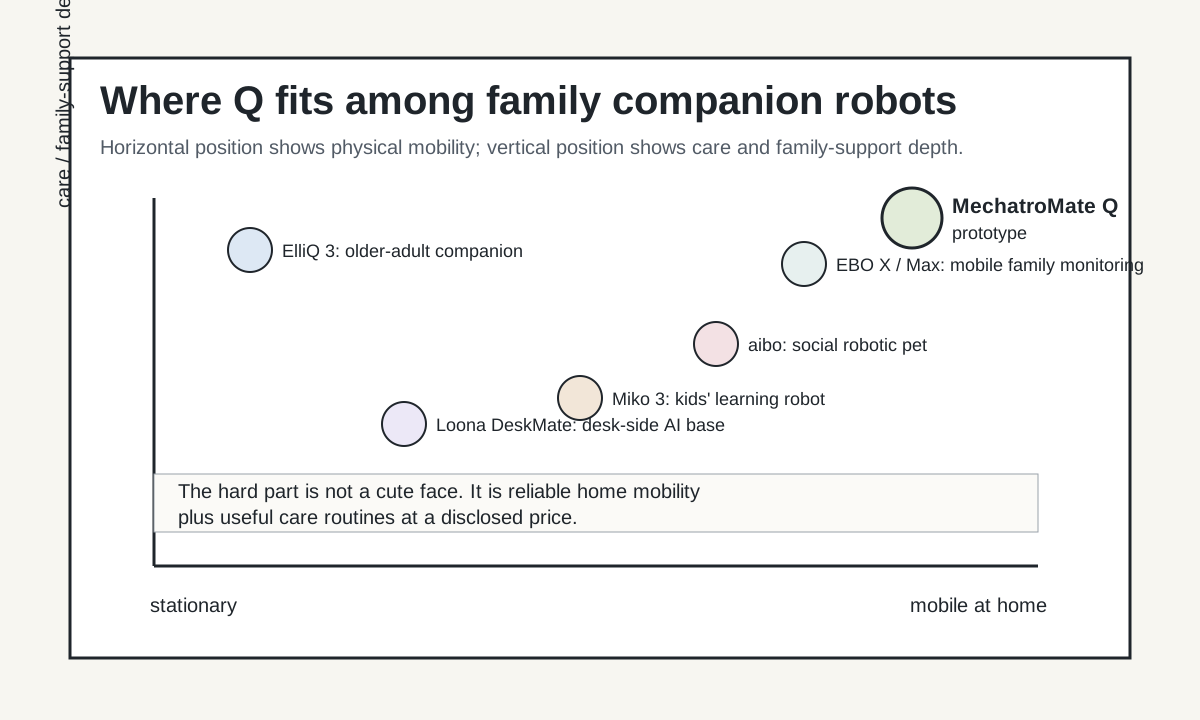
Before treating MechatroMate Q as a near-term buying option, watch for six concrete signals.
First, Living Robot needs to show repeated home navigation, not just stage movement. Multi-room mobility, floor transitions, docking, obstacle recovery, and low-light behavior matter more than a choreographed demo.
Second, the company needs to publish final pricing. The comparable market spans from EUR 269 for Miko 3 to $599.99 for EBO Max, $999 for EBO X, and $3,199.99 for aibo. Q does not have to be cheapest, but it needs a clear reason to sit wherever it lands.
Third, Q needs a privacy model. A family robot that can search for people, use a camera, and support video calls should explain local processing, cloud processing, user permissions, logs, deletion, and remote access in plain language.
Fourth, Living Robot should name the actual integrations. "Appliance linkage" and "health support" are useful only when buyers know which appliances, wearables, services, or phone platforms are supported.
Fifth, the company needs to show support infrastructure. Replacement batteries, wheels, sensors, repair handling, app longevity, and cloud-service commitments are boring details, but they decide whether a family robot survives beyond novelty.
Sixth, the 2027 general-sale target needs visible milestones: pilot homes, final hardware, certification, production partners, and a retail channel.
Bottom line
MechatroMate Q is one of the more interesting family-robot prototypes out of Japan because its target is not a narrow gadget role. It is trying to be a moving home partner: part family monitor, part conversation companion, part learning helper, part care prompt, and part programmable robot.
For ui44 readers, the right stance is curiosity with discipline. Q is not yet a robot to budget for like EBO Max, EBO X, Miko 3, ElliQ 3, or aibo. It is a product to track.
If Living Robot can prove home mobility, privacy, pricing, integrations, and support before the 2027 sales target, Q could become a meaningful entry in the family companion category. If those details stay vague, it will remain a charming prototype with a good story but too much buyer risk.
Related in the database
Use this article as a privacy verification workflow
Turn the article into a privacy verification pass grounded in the robots, manufacturers, and components it actually references.
MechatroMate Q: Japan's Moving Family AI Robot already points you toward 7 linked robots, 5 manufacturers, and 5 countries inside the ui44 database. That matters because strong buyer guidance is easier to apply when you can move immediately from a claim or warning into concrete product pages, manufacturer directories, component explainers, and country-level context instead of treating the article as an isolated opinion piece. The fastest next step is to turn the article into a shortlist workflow: open the linked robot pages, verify which specs are actually published for those models, then compare the surrounding manufacturer and component context before you decide whether the underlying claim changes your buying plan.
For this topic, the useful discipline is to separate the editorial lesson from the catalog evidence. The article gives you the framing, but the robot pages tell you what each product actually ships with today: sensor stack, connectivity methods, listed price, release timing, category, and support-relevant compatibility notes. The manufacturer pages then show whether you are looking at a one-off launch, a broader lineup pattern, or a company that spans multiple categories. That layered workflow reduces the risk of buying on a single marketing phrase or a single support FAQ.
Use the robot pages to confirm which products actually expose cameras, microphones, Wi-Fi, or voice systems, then use the manufacturer pages to decide how much of the privacy question seems product-specific versus brand-wide. On this route cluster, EBO X, EBO Max FamilyBot, and Loona form the fastest reality check. If you want a quick working shortlist, open Compare EBO X, EBO Max FamilyBot, and Loona next, then keep this article open as the reasoning layer while you compare structured data side by side.
Practical Takeaway
Every robot, manufacturer, category, component, and country reference below resolves to a real ui44 page, keeping the follow-up path grounded in database records rather than generic advice.
Suggested next steps in ui44
- Open EBO X and note the listed sensors, connectivity methods, and voice stack before you interpret any policy claim.
- Cross-check the wider brand context on Enabot so you can see whether the privacy question touches one model or a broader lineup.
- Use the linked component pages to confirm how common the relevant sensors and connectivity layers are across the database.
- Keep a short note of which policy layers you checked, which device features are actually present on the robot page, and which items still depend on region- or app-level confirmation.
- Finish with Compare EBO X, EBO Max FamilyBot, and Loona so the policy reading sits next to structured product data.
Robot profiles worth opening next
Use the linked product pages as the evidence layer
The linked robot pages are where this article becomes operational. Instead of asking whether the headline is interesting, use the robot entries to inspect the actual mix of sensors, connectivity options, batteries, pricing, release timing, and stated capabilities attached to the products mentioned in the article. That is the easiest way to see whether the warning or opportunity described here affects one product family, a specific design pattern, or an entire buying lane.
EBO X is tracked on ui44 as a available companions robot from Enabot. The database currently records a listed price of $999, a release date of 2023-05, 2-3 hours battery life, 2 hours charging time, and a published stack that includes 4K one-axis stabilized camera, 8MP ultra-low-light sensor, and 106° camera FOV plus 2.4GHz Wi-Fi and 5GHz Wi-Fi.
For privacy-focused reading, this page matters because it shows the concrete device surface behind the policy discussion. Use it to verify whether EBO X combines sensors and connectivity in a way that could change the in-home data footprint, and compare the listed capabilities such as Autonomous home patrol, Two-way video communication, and AI voice interactions with any cloud, app, or voice layers, including Amazon Alexa.
EBO Max FamilyBot
Enabot · Companions · Available
EBO Max FamilyBot is tracked on ui44 as a available companions robot from Enabot. The database currently records a listed price of $600, a release date of 2026-03, Standby: 6 hours; video recording: 4 hours; continuous movement: 3 hours battery life, 3–4 hours charging time, and a published stack that includes 4K 8MP 131° ultra-wide camera, V-SLAM visual navigation, and 4-mic array with AI noise cancellation / 360° sound localization plus 2.4GHz Wi-Fi and 5GHz Wi-Fi.
For privacy-focused reading, this page matters because it shows the concrete device surface behind the policy discussion. Use it to verify whether EBO Max FamilyBot combines sensors and connectivity in a way that could change the in-home data footprint, and compare the listed capabilities such as V-SLAM autonomous navigation and mapping, Multi-point spatial memory for scheduled patrols, and Two-way 4K video communication with any cloud, app, or voice layers.
Loona is tracked on ui44 as a available companions robot from KEYi Tech. The database currently records a listed price of $442, a release date of 2023, 2 hours continuous playtime; 1350 mAh, 11.1 V lithium-ion rechargeable battery battery life, Not officially disclosed charging time, and a published stack that includes 3D Time-of-Flight (ToF) Sensor, 720p RGB Camera, and Touch Sensor plus Wi-Fi (Dual-band 2.4G/5.8G, 802.11a/b/g/n) and USB Type-C (charging).
For privacy-focused reading, this page matters because it shows the concrete device surface behind the policy discussion. Use it to verify whether Loona combines sensors and connectivity in a way that could change the in-home data footprint, and compare the listed capabilities such as Face Recognition, Voice Commands, and Emotion Expression (LCD face) with any cloud, app, or voice layers.
Loona DeskMate
KEYi Tech · Companions · Pre-order
Loona DeskMate is tracked on ui44 as a pre-order companions robot from KEYi Tech. The database currently records a listed price of $219, a release date of 2026-01, Not applicable (desktop dock / powered charging hub) battery life, Not applicable charging time, and a published stack that includes Docked iPhone camera and microphones, Audio-visual multimodal perception, and Gesture and attention tracking plus MagSafe / magnetic iPhone dock and 3× USB-C ports.
For privacy-focused reading, this page matters because it shows the concrete device surface behind the policy discussion. Use it to verify whether Loona DeskMate combines sensors and connectivity in a way that could change the in-home data footprint, and compare the listed capabilities such as Screen-Aware AI Assistant, Voice Interaction, and Gesture Interaction with any cloud, app, or voice layers.
Miko 3 is tracked on ui44 as a available companions robot from Miko. The database currently records a listed price of €269, a release date of 2021, 5–7 hours active use, up to 12 hours standby battery life, ~4 hours (15W USB-C adapter) charging time, and a published stack that includes Time-of-Flight Range Sensor, Odometric Sensors, and Dual MEMS Microphones plus Wi-Fi and Bluetooth.
For privacy-focused reading, this page matters because it shows the concrete device surface behind the policy discussion. Use it to verify whether Miko 3 combines sensors and connectivity in a way that could change the in-home data footprint, and compare the listed capabilities such as AI-Powered Conversations, Face Recognition, and Voice Recognition with any cloud, app, or voice layers.
Manufacturer context behind the article
Check whether this is one product story or a broader company pattern
Manufacturer pages add the privacy context that individual product pages cannot show on their own. They help you check whether cameras, microphones, cloud accounts, app controls, and policy assumptions appear across a broader lineup or stay tied to one specific product story.
Enabot
ui44 currently tracks 3 robots from Enabot across 1 category. The company is grouped under China, and the current catalog footprint on ui44 includes EBO X, EBO Max FamilyBot, EBO Mini Sport FamilyBot.
That wider brand context matters because privacy questions rarely stop at one FAQ page. A manufacturer route helps you see whether the article is centered on one premium model or on a company that has several relevant products and therefore more than one place where the same policy or app assumptions might matter. The category mix here currently points toward Companions as the most useful next route if you want to see whether this article reflects a wider pattern inside the brand.
KEYi Tech
ui44 currently tracks 2 robots from KEYi Tech across 1 category. The company is grouped under USA, and the current catalog footprint on ui44 includes Loona, Loona DeskMate.
That wider brand context matters because privacy questions rarely stop at one FAQ page. A manufacturer route helps you see whether the article is centered on one premium model or on a company that has several relevant products and therefore more than one place where the same policy or app assumptions might matter. The category mix here currently points toward Companions as the most useful next route if you want to see whether this article reflects a wider pattern inside the brand.
Miko
ui44 currently tracks 2 robots from Miko across 1 category. The company is grouped under India, and the current catalog footprint on ui44 includes Miko 3, Miko Mini.
That wider brand context matters because privacy questions rarely stop at one FAQ page. A manufacturer route helps you see whether the article is centered on one premium model or on a company that has several relevant products and therefore more than one place where the same policy or app assumptions might matter. The category mix here currently points toward Companions as the most useful next route if you want to see whether this article reflects a wider pattern inside the brand.
Intuition Robotics
ui44 currently tracks 1 robot from Intuition Robotics across 1 category. The company is grouped under Israel, and the current catalog footprint on ui44 includes ElliQ 3.
That wider brand context matters because privacy questions rarely stop at one FAQ page. A manufacturer route helps you see whether the article is centered on one premium model or on a company that has several relevant products and therefore more than one place where the same policy or app assumptions might matter. The category mix here currently points toward Companions as the most useful next route if you want to see whether this article reflects a wider pattern inside the brand.
Broaden the scan without leaving the database
Categories, components, and countries add the wider context
Category framing
Category pages are useful when the article touches a buying pattern that shows up across brands. A category route helps you confirm whether the linked products sit in a narrow niche or whether the same question should be tested across a larger field of alternatives.
Companions
The Companions category page currently groups 53 tracked robots from 48 manufacturers. ui44 describes this lane as: Social robots, robot pets, and elderly-care companions designed for emotional connection and everyday support at home.
That makes the category route a practical follow-up when you want to check whether the products linked in this article are typical for the lane or whether they sit at one edge of the market. Useful starting examples currently include PARO, Abi, Next-Generation Companion Robot.
Country and ecosystem context
Country pages give extra context when support practices, launch sequencing, regulatory posture, or manufacturer mix matter. They are not a substitute for model-level verification, but they do help you see which ecosystems cluster together and which manufacturers sit in the same regional field when you broaden the search beyond the article headline.
China
The China route currently groups 189 tracked robots from 87 manufacturers in ui44. That gives you a useful regional lens when the article points toward support practices, launch sequencing, or brand clusters that may share similar ecosystem assumptions.
On the current route, manufacturers like AGIBOT, Dreame, Unitree Robotics make the page a good way to broaden the scan without losing the regional context that often shapes availability, documentation style, and adjacent alternatives.
USA
The USA route currently groups 89 tracked robots from 69 manufacturers in ui44. That gives you a useful regional lens when the article points toward support practices, launch sequencing, or brand clusters that may share similar ecosystem assumptions.
On the current route, manufacturers like Faraday Future, iRobot, Boston Dynamics make the page a good way to broaden the scan without losing the regional context that often shapes availability, documentation style, and adjacent alternatives.
India
The India route currently groups 6 tracked robots from 5 manufacturers in ui44. That gives you a useful regional lens when the article points toward support practices, launch sequencing, or brand clusters that may share similar ecosystem assumptions.
On the current route, manufacturers like Miko, Addverb Technologies, iHub Robotics make the page a good way to broaden the scan without losing the regional context that often shapes availability, documentation style, and adjacent alternatives.
Questions to answer before you move from reading to buying
A follow-up FAQ built from the entities already linked in this article
Frequently Asked Questions
Which page should I open first after reading “MechatroMate Q: Japan's Moving Family AI Robot”?
Start with EBO X. That gives you a concrete product anchor for the article’s main claim. From there, branch into the manufacturer and component pages so you can tell whether the article is describing one specific model, a repeated brand pattern, or a wider technology issue that affects multiple shortlist options.
How do the manufacturer pages change the buying decision?
Enabot help you zoom out from one article and one product. On ui44 they show lineup breadth, category spread, and the neighboring robots tied to the same company. That context is useful when you are deciding whether a risk belongs to a single model, whether it shows up across a brand’s portfolio, and whether you should keep looking at alternatives before committing.
When should I switch from reading to side-by-side comparison?
Move into Compare EBO X, EBO Max FamilyBot, and Loona as soon as you understand the article’s main warning or promise. The article explains what to watch for, but the compare view is where you can check whether price, status, battery life, connectivity, sensors, and category fit still make the robot a good match for your own home and budget.
Where to go next in ui44
Keep the research chain inside the database
If you want to keep going, these follow-on pages give you the cleanest expansion path from article to research session. Open the comparison route first if you are deciding between products today. Open the manufacturer, category, and component routes if you still need to understand the broader pattern behind the claim.
Written by
ui44 Team
Published July 8, 2026
Share this article
Open a plain share link on X or Bluesky. No embeds, no widgets, no cookie baggage.