According to The Korea Herald, the science ministry is funding a ₩50.4 billion program, roughly $33.5 million, through 2030 under the K-Moonshot initiative. The project is led by KIST, includes LG Electronics, WIRobotics, universities, and LG AI Research, and is supposed to test humanoids in hospitals and nursing facilities before anyone should expect a normal consumer product.
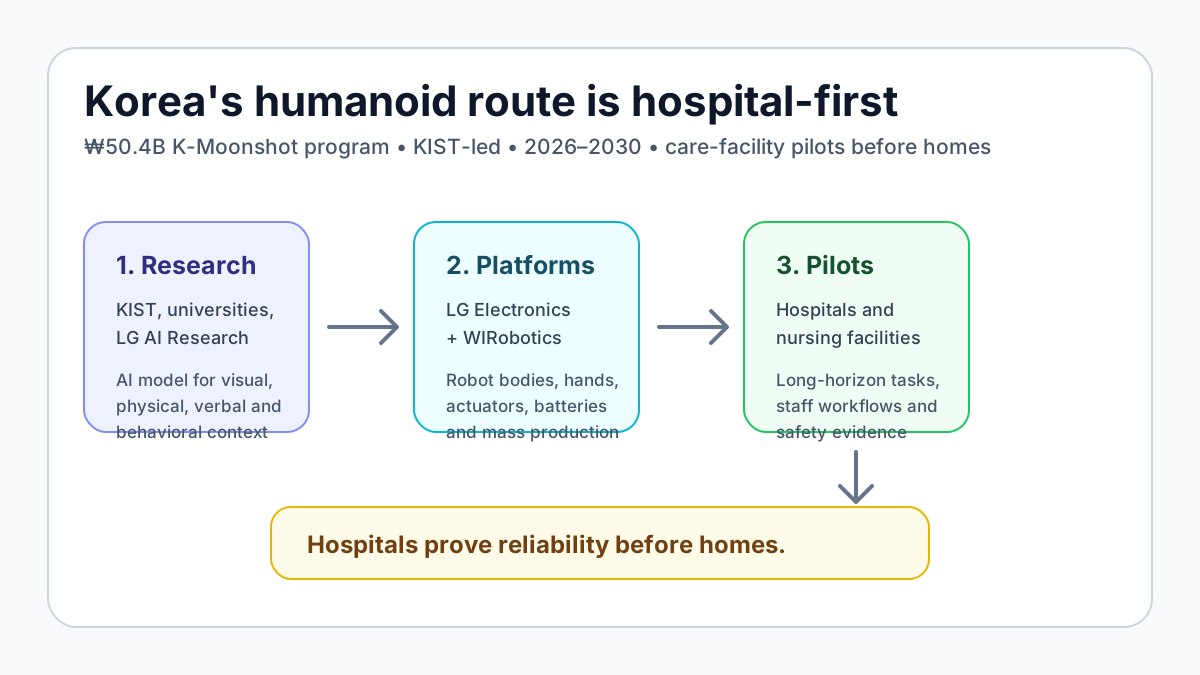
That hospital-first detail matters. It says Korea is not just chasing a viral humanoid demo. It is asking whether a robot can handle long-horizon, human-support work in controlled care settings before it is trusted in a private home. For buyers, that is the right order.
What Korea is actually funding
The K-Moonshot humanoid project is not a single product announcement. It is a platform program.
The Korea Herald reports that LG Electronics and WIRobotics will develop advanced robot platforms and humanoid models that can be produced at mass scale. Research groups, including universities and LG AI Research, will work on an AI model that understands visual, physical, verbal, and behavioral information. LG Energy Solution solid-state batteries are slated for use in the robots. The validation sites are hospitals and nursing facilities, where long-term and complex human-support tasks can be evaluated.
That mix is important because useful home robots need more than one breakthrough. They need:
- a body that is safe around people;
- hands and arms that can manipulate real objects;
- batteries that do not make runtime useless;
- perception and language models that understand context;
- a service network that can repair expensive machines;
- and real deployment data, not just launch videos.
The ui44 robot database already shows why those layers rarely arrive together. LG CLOiD has the clearest home-appliance angle: a wheeled home robot with two 7-DoF arms, five independently actuated fingers on each hand, LG ThinQ integration, and a Physical AI stack that LG describes as combining VLM, VLA, and voice-based generative AI. But CLOiD is still listed as Development, with no public price or retail launch date.
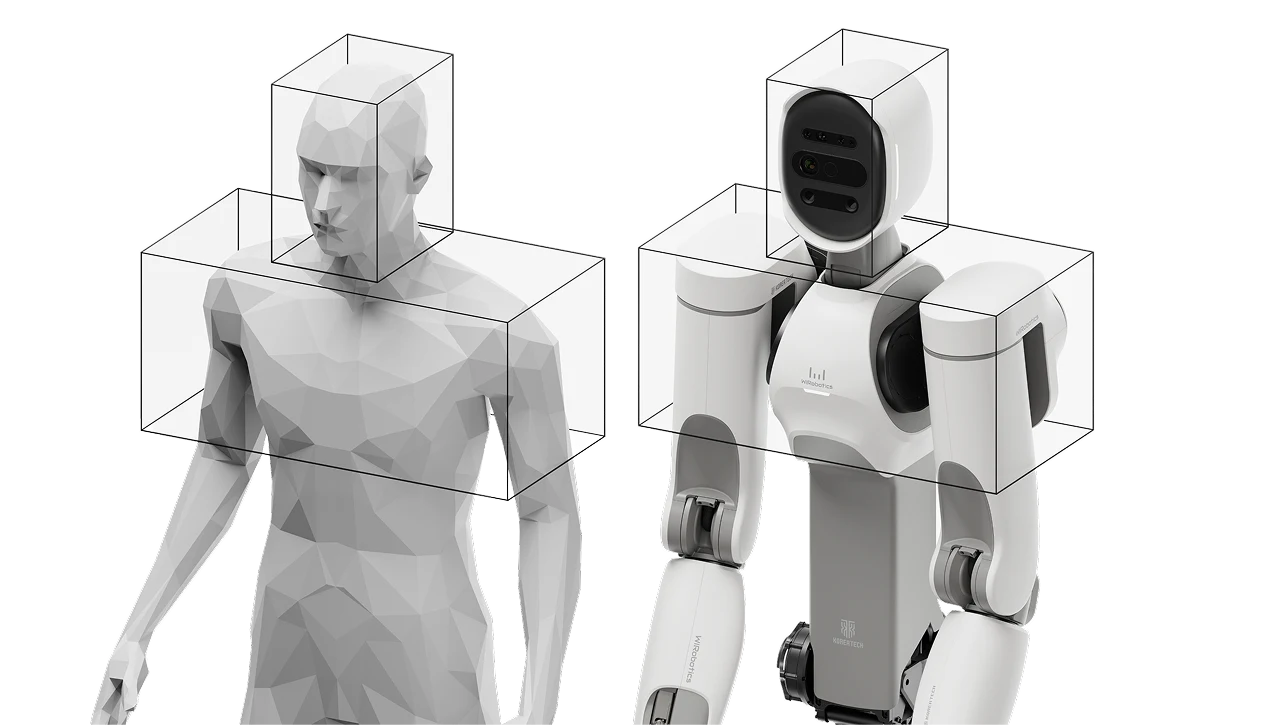
WIRobotics ALLEX attacks a different part of the stack: physical interaction. ALLEX is a waist-up humanoid platform with 15-DOF compliant hands, low-friction backdrivable arms, and force response across arms, fingers, and waist. WIRobotics says it can respond to forces as small as 100 gf, deliver 40 N fingertip force, and handle more than 3 kg with one hand across its workspace. That is exactly the sort of manipulation work a care robot needs before it can safely help with meals, bedding, drawers, or patient support.
Why hospitals may come before homes
Hospitals and nursing facilities are not easy environments. They are full of people, narrow spaces, privacy rules, carts, beds, and fragile situations. But they are still more measurable than private homes.
A care facility can define a task: deliver supplies, move linens, fetch a tray, support a telepresence workflow, clean a limited area, or assist a staff member under supervision. It can track hours, interventions, blocked paths, battery swaps, near misses, and maintenance calls. It has staff who can stop the robot when something goes wrong. It has a procurement process and a reason to pay for service.
A home is less forgiving in a different way. It has pets, toys, children, visitors, dark hallways, clutter, loose cables, emotional expectations, and no technician on site. A buyer does not want to debug a humanoid because it misunderstood a medicine cabinet, dropped a cup, or got confused by a family routine.
That is why the Korea plan is more credible because it starts outside the home. If a KIST/LG/WIRobotics platform can run for months in care facilities, with published safety and reliability data, then home buyers learn something real. If it only produces a polished video, buyers learn almost nothing.
The Korean stack: appliances, force control, factories, and research
Korea's advantage is not that every company is building the same humanoid. It is that several pieces of the robot stack already exist in adjacent industries.
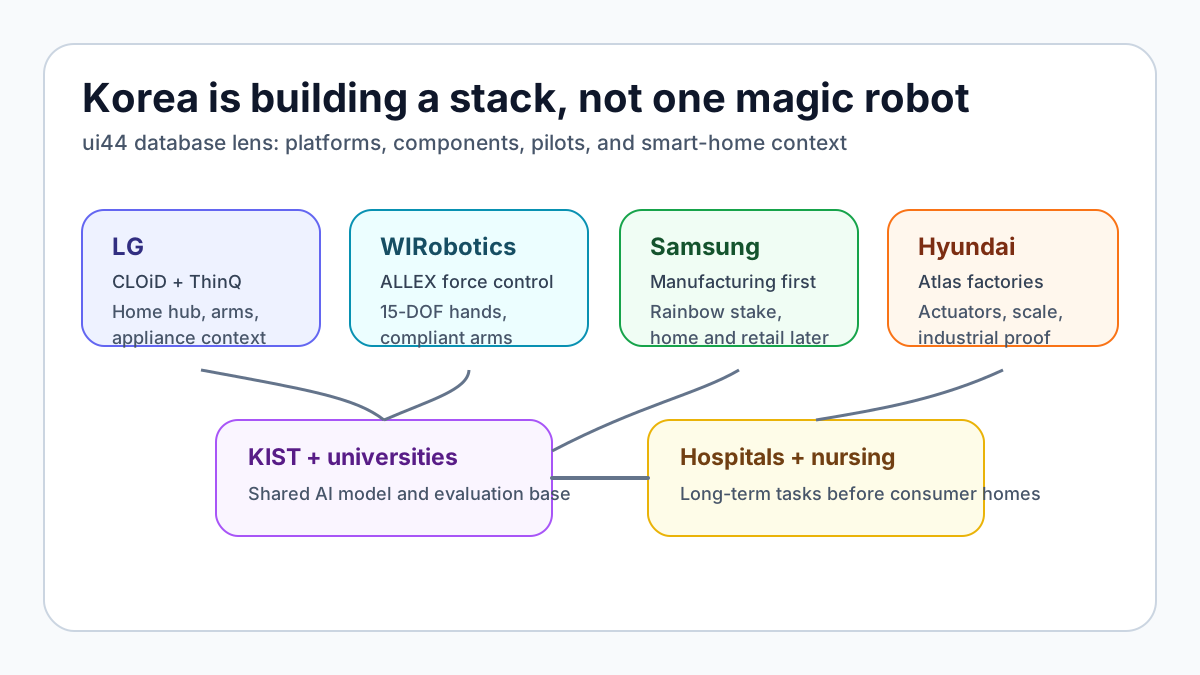
LG brings appliance context. A home robot that knows the washer state, fridge zones, oven status, and air quality has a much easier job than a humanoid guessing everything from camera footage. CLOiD's ThinQ integration is still not a product promise, but it is a plausible route to making home chores less ambiguous.
WIRobotics brings compliant manipulation. ALLEX is not a consumer robot, and it has no public price, battery life, or retail timeline. But its emphasis on force response is the right direction for home and care work. A robot hand that can only pose for a demo is not enough; it has to know when it is pushing too hard.
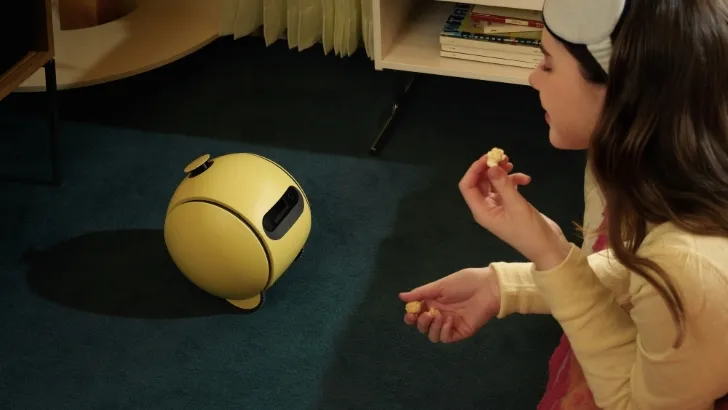
Samsung brings scale and a split strategy. Korea Herald reporting on Samsung's robotics recruitment says the company is building internal robotics capabilities after becoming the largest shareholder in Rainbow Robotics. Samsung's CFO said the company plans to develop manufacturing robots first and later expand into home and retail. That is a sober timeline. In the ui44 database, Samsung Ballie is still a Development companion robot with no confirmed price or release date, which is a useful reminder that Samsung's home-robot path has already taken longer than early CES expectations.
Hyundai brings the industrial deployment lesson through Boston Dynamics. Korea Herald reports that Hyundai Motor Group plans to deploy more than 25,000 Atlas humanoids across vehicle manufacturing operations, starting with Hyundai's Georgia metaplant in 2028 and Kia's Georgia plant in 2029, and to manufacture key actuators in the US. The report also cites industry estimates that early Atlas production may cost around $130,000-$140,000 per unit, falling toward $30,000 after cumulative production exceeds 50,000 units.
Those numbers are not a home price forecast. They are a reminder that humanoids get cheaper through volume, but volume usually starts where expensive robots can earn money. The Atlas Electric record in ui44 lists a 190 cm, 90 kg enterprise humanoid with 56 degrees of freedom, a 50 kg instant lift claim, roughly four hours of battery life, IP67 rating, and no public consumer price. That is a factory machine, not a home helper.
KAIST adds research depth. DRC-HUBO+ is not a modern home product, but it shows Korea's long-running humanoid base: a 175 cm, 80 kg research robot that won the DARPA Robotics Challenge with wheeled-kneeling locomotion, stairs, doors, valve turning, power-tool operation, and vehicle driving. A national platform program can build on that research history, but it still has to pass the boring product tests: uptime, safety, cost, and service.
The actuator story is the cost story
One Korea Herald report after CES 2026 framed actuators as the gateway to humanoid commercialization. That is not hype. Actuators are the motors, reducers, drivers, and joints that let robots move. They are also expensive.
The article cited industry estimates that actuators can account for 60-70% of humanoid manufacturing cost, depending on configuration. A simple-gripper humanoid might use around 50 actuators, while a robot with a 20-axis hand can require up to 90.
LG announced its Axium actuator brand, aiming for commercial launch in 2027. LG says it already manufactures more than 41 million motors annually for appliances. Hyundai Mobis is preparing actuator capacity for Atlas. Samsung Electro-Mechanics has invested in ultracompact motor technology.
This matters for home buyers because price drops will probably not come from one clever AI model. They will come from boring supply-chain repetition: more motors, better reducers, fewer custom machined parts, safer batteries, simpler service, and software that can reuse skills across a fleet.
A buyer checklist for Korea's humanoid program
Should home-robot buyers care now?
Yes, but not because a Korean humanoid is about to show up at retail.
The Korea AI humanoid program matters because it joins several credible paths into one national strategy: LG's appliance and motor base, WIRobotics' force-control manipulation work, Samsung's manufacturing-first robotics plan, Hyundai's factory-scale Atlas deployment, and KIST's research coordination. That is more serious than a startup teaser video.
It also reinforces a pattern across the ui44 database: useful home robots are likely to arrive through adjacent markets first. Hospitals, factories, research labs, assisted-living pilots, and smart-home ecosystems create the data and service infrastructure that private homes cannot provide on day one.
For now, the honest answer is simple. Korea's AI humanoid push is not a reason to wait on buying today's practical robots. It is a reason to watch care-facility pilots closely. If those robots can safely do useful work for nurses, caregivers, and patients under real operating constraints, then the home version becomes more believable.
Until then, treat every "home humanoid" claim as a roadmap, not a product.
Related in the database
Use this article as a privacy verification workflow
Turn the article into a privacy verification pass grounded in the robots, manufacturers, and components it actually references.
Korea’s AI Humanoid Program: Hospitals First already points you toward 5 linked robots, 5 manufacturers, and 2 countries inside the ui44 database. That matters because strong buyer guidance is easier to apply when you can move immediately from a claim or warning into concrete product pages, manufacturer directories, component explainers, and country-level context instead of treating the article as an isolated opinion piece. The fastest next step is to turn the article into a shortlist workflow: open the linked robot pages, verify which specs are actually published for those models, then compare the surrounding manufacturer and component context before you decide whether the underlying claim changes your buying plan.
For this topic, the useful discipline is to separate the editorial lesson from the catalog evidence. The article gives you the framing, but the robot pages tell you what each product actually ships with today: sensor stack, connectivity methods, listed price, release timing, category, and support-relevant compatibility notes. The manufacturer pages then show whether you are looking at a one-off launch, a broader lineup pattern, or a company that spans multiple categories. That layered workflow reduces the risk of buying on a single marketing phrase or a single support FAQ.
Use the robot pages to confirm which products actually expose cameras, microphones, Wi-Fi, or voice systems, then use the manufacturer pages to decide how much of the privacy question seems product-specific versus brand-wide. On this route cluster, CLOiD, ALLEX, and Ballie form the fastest reality check. If you want a quick working shortlist, open Compare CLOiD, ALLEX, and Ballie next, then keep this article open as the reasoning layer while you compare structured data side by side.
Practical Takeaway
Every robot, manufacturer, category, component, and country reference below resolves to a real ui44 page, keeping the follow-up path grounded in database records rather than generic advice.
Suggested next steps in ui44
- Open CLOiD and note the listed sensors, connectivity methods, and voice stack before you interpret any policy claim.
- Cross-check the wider brand context on LG Electronics so you can see whether the privacy question touches one model or a broader lineup.
- Use the linked component pages to confirm how common the relevant sensors and connectivity layers are across the database.
- Keep a short note of which policy layers you checked, which device features are actually present on the robot page, and which items still depend on region- or app-level confirmation.
- Finish with Compare CLOiD, ALLEX, and Ballie so the policy reading sits next to structured product data.
Robot profiles worth opening next
Use the linked product pages as the evidence layer
The linked robot pages are where this article becomes operational. Instead of asking whether the headline is interesting, use the robot entries to inspect the actual mix of sensors, connectivity options, batteries, pricing, release timing, and stated capabilities attached to the products mentioned in the article. That is the easiest way to see whether the warning or opportunity described here affects one product family, a specific design pattern, or an entire buying lane.
CLOiD
LG Electronics · Home Assistants · Development
CLOiD is tracked on ui44 as a development home assistants robot from LG Electronics. The database currently records a listed price of Price TBA, a release date of 2026-01-04, Not officially disclosed battery life, Not officially disclosed charging time, and a published stack that includes Cameras and Various onboard sensors plus LG ThinQ and ThinQ ON.
For privacy-focused reading, this page matters because it shows the concrete device surface behind the policy discussion. Use it to verify whether CLOiD combines sensors and connectivity in a way that could change the in-home data footprint, and compare the listed capabilities such as Autonomous indoor wheeled navigation, Dual-arm household manipulation, and Appliance coordination via LG ThinQ with any cloud, app, or voice layers.
ALLEX
WIRobotics · Humanoid · Development
ALLEX is tracked on ui44 as a development humanoid robot from WIRobotics. The database currently records a listed price of Price TBA, a release date of 2025-08-18, Not officially disclosed battery life, Not officially disclosed charging time, and a published stack that includes Force, contact, and impact response via inherent compliance, Whole-body force response across arms, fingers, and waist without force sensors, and Official visual sensor suite not disclosed plus Not officially disclosed.
For privacy-focused reading, this page matters because it shows the concrete device surface behind the policy discussion. Use it to verify whether ALLEX combines sensors and connectivity in a way that could change the in-home data footprint, and compare the listed capabilities such as Waist-up humanoid manipulation, 15-DOF compliant robotic hands, and Human-like force response without tactile sensors with any cloud, app, or voice layers.
Ballie is tracked on ui44 as a development companions robot from Samsung. The database currently records a listed price of Price TBA, a release date of TBD, Not officially disclosed battery life, Not officially disclosed charging time, and a published stack that includes Camera, Spatial Sensors, and Environmental Sensors plus Wi-Fi and SmartThings.
For privacy-focused reading, this page matters because it shows the concrete device surface behind the policy discussion. Use it to verify whether Ballie combines sensors and connectivity in a way that could change the in-home data footprint, and compare the listed capabilities such as Autonomous Home Navigation, Built-in Projector (Wall & Floor), and Smart Home Control via SmartThings with any cloud, app, or voice layers, including Bixby.
Atlas (Electric)
Boston Dynamics · Humanoid · Active
Atlas (Electric) is tracked on ui44 as a active humanoid robot from Boston Dynamics. The database currently records a listed price of Price TBA, a release date of 2026, ~4 hours battery life, Not disclosed charging time, and a published stack that includes 360° camera view and Tactile plus Wi-Fi and Ethernet.
For privacy-focused reading, this page matters because it shows the concrete device surface behind the policy discussion. Use it to verify whether Atlas (Electric) combines sensors and connectivity in a way that could change the in-home data footprint, and compare the listed capabilities such as Heavy Lifting (50kg Instant, 30kg Sustained), Precise Manipulation, and Dynamic Recovery with any cloud, app, or voice layers.
DRC-HUBO+ is tracked on ui44 as a prototype research robot from KAIST. The database currently records a listed price of Price TBA, a release date of 2015, ~60 min (task-dependent) battery life, Not disclosed charging time, and a published stack that includes Stereo Cameras, LIDAR, and IMU plus Wireless (tethered control link for DRC).
For privacy-focused reading, this page matters because it shows the concrete device surface behind the policy discussion. Use it to verify whether DRC-HUBO+ combines sensors and connectivity in a way that could change the in-home data footprint, and compare the listed capabilities such as Bipedal Walking, Wheeled Locomotion (knee wheels), and Walking-to-Wheeled Transformation with any cloud, app, or voice layers.
Manufacturer context behind the article
Check whether this is one product story or a broader company pattern
Manufacturer pages add the privacy context that individual product pages cannot show on their own. They help you check whether cameras, microphones, cloud accounts, app controls, and policy assumptions appear across a broader lineup or stay tied to one specific product story.
LG Electronics
ui44 currently tracks 1 robot from LG Electronics across 1 category. The company is grouped under South Korea, and the current catalog footprint on ui44 includes CLOiD.
That wider brand context matters because privacy questions rarely stop at one FAQ page. A manufacturer route helps you see whether the article is centered on one premium model or on a company that has several relevant products and therefore more than one place where the same policy or app assumptions might matter. The category mix here currently points toward Home Assistants as the most useful next route if you want to see whether this article reflects a wider pattern inside the brand.
WIRobotics
ui44 currently tracks 1 robot from WIRobotics across 1 category. The company is grouped under South Korea, and the current catalog footprint on ui44 includes ALLEX.
That wider brand context matters because privacy questions rarely stop at one FAQ page. A manufacturer route helps you see whether the article is centered on one premium model or on a company that has several relevant products and therefore more than one place where the same policy or app assumptions might matter. The category mix here currently points toward Humanoid as the most useful next route if you want to see whether this article reflects a wider pattern inside the brand.
Samsung
ui44 currently tracks 2 robots from Samsung across 2 categorys. The company is grouped under South Korea, and the current catalog footprint on ui44 includes Ballie, Bespoke AI Jet Bot Steam Ultra.
That wider brand context matters because privacy questions rarely stop at one FAQ page. A manufacturer route helps you see whether the article is centered on one premium model or on a company that has several relevant products and therefore more than one place where the same policy or app assumptions might matter. The category mix here currently points toward Companions, Cleaning as the most useful next route if you want to see whether this article reflects a wider pattern inside the brand.
Boston Dynamics
ui44 currently tracks 3 robots from Boston Dynamics across 2 categorys. The company is grouped under USA, and the current catalog footprint on ui44 includes Atlas (Electric), Spot, Stretch.
That wider brand context matters because privacy questions rarely stop at one FAQ page. A manufacturer route helps you see whether the article is centered on one premium model or on a company that has several relevant products and therefore more than one place where the same policy or app assumptions might matter. The category mix here currently points toward Humanoid, Commercial as the most useful next route if you want to see whether this article reflects a wider pattern inside the brand.
Broaden the scan without leaving the database
Categories, components, and countries add the wider context
Category framing
Category pages are useful when the article touches a buying pattern that shows up across brands. A category route helps you confirm whether the linked products sit in a narrow niche or whether the same question should be tested across a larger field of alternatives.
Home Assistants
The Home Assistants category page currently groups 16 tracked robots from 14 manufacturers. ui44 describes this lane as: Arm-based household helpers — laundry folders, kitchen robots, and mobile manipulators that take on hands-on physical tasks around the home.
That makes the category route a practical follow-up when you want to check whether the products linked in this article are typical for the lane or whether they sit at one edge of the market. Useful starting examples currently include Robody, Futuring 2 (F2), Stretch 3.
Humanoid
The Humanoid category page currently groups 129 tracked robots from 92 manufacturers. ui44 describes this lane as: Full-size bipedal humanoid robots built to work alongside people — from factory floors to household tasks. Compare the cutting edge of humanoid robotics.
That makes the category route a practical follow-up when you want to check whether the products linked in this article are typical for the lane or whether they sit at one edge of the market. Useful starting examples currently include NEO, EVE, Mornine M1.
Country and ecosystem context
Country pages give extra context when support practices, launch sequencing, regulatory posture, or manufacturer mix matter. They are not a substitute for model-level verification, but they do help you see which ecosystems cluster together and which manufacturers sit in the same regional field when you broaden the search beyond the article headline.
South Korea
The South Korea route currently groups 9 tracked robots from 7 manufacturers in ui44. That gives you a useful regional lens when the article points toward support practices, launch sequencing, or brand clusters that may share similar ecosystem assumptions.
On the current route, manufacturers like ROBOTIS, Samsung, GenON make the page a good way to broaden the scan without losing the regional context that often shapes availability, documentation style, and adjacent alternatives.
USA
The USA route currently groups 89 tracked robots from 69 manufacturers in ui44. That gives you a useful regional lens when the article points toward support practices, launch sequencing, or brand clusters that may share similar ecosystem assumptions.
On the current route, manufacturers like Faraday Future, iRobot, Boston Dynamics make the page a good way to broaden the scan without losing the regional context that often shapes availability, documentation style, and adjacent alternatives.
Questions to answer before you move from reading to buying
A follow-up FAQ built from the entities already linked in this article
Frequently Asked Questions
Which page should I open first after reading “Korea’s AI Humanoid Program: Hospitals First”?
Start with CLOiD. That gives you a concrete product anchor for the article’s main claim. From there, branch into the manufacturer and component pages so you can tell whether the article is describing one specific model, a repeated brand pattern, or a wider technology issue that affects multiple shortlist options.
How do the manufacturer pages change the buying decision?
LG Electronics help you zoom out from one article and one product. On ui44 they show lineup breadth, category spread, and the neighboring robots tied to the same company. That context is useful when you are deciding whether a risk belongs to a single model, whether it shows up across a brand’s portfolio, and whether you should keep looking at alternatives before committing.
When should I switch from reading to side-by-side comparison?
Move into Compare CLOiD, ALLEX, and Ballie as soon as you understand the article’s main warning or promise. The article explains what to watch for, but the compare view is where you can check whether price, status, battery life, connectivity, sensors, and category fit still make the robot a good match for your own home and budget.
Where to go next in ui44
Keep the research chain inside the database
If you want to keep going, these follow-on pages give you the cleanest expansion path from article to research session. Open the comparison route first if you are deciding between products today. Open the manufacturer, category, and component routes if you still need to understand the broader pattern behind the claim.
Written by
ui44 Team
Published May 28, 2026
Share this article
Open a plain share link on X or Bluesky. No embeds, no widgets, no cookie baggage.