That is why independent humanoid robot safety ratings now feel inevitable. Not because every home robot is dangerous. Because a 30 kg machine with cameras, motors, hands, balance control, remote assistance, and over-the-air updates is not the same product category as a smart speaker or a robot vacuum.
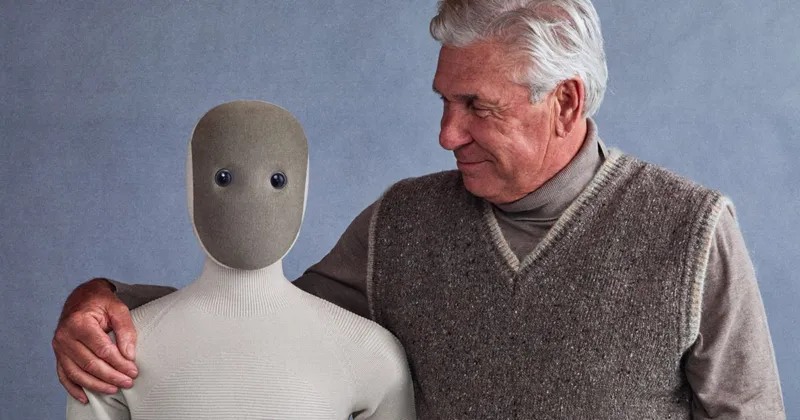
The short version: before humanoids become normal home products, buyers should expect a safety label that says more than "CE" or "FCC." A useful label would say who tested the robot, what body configuration was tested, what household scenarios were covered, when a human operator can intervene, and what the robot is not allowed to do.
Why do humanoid robots need safety ratings now?
The timing matters because prices are falling faster than trust infrastructure is forming. The ui44 database now tracks 253 robots, including 68 humanoids. Some are enterprise machines. Some are research platforms. A few are explicitly pointed toward homes, education, elder care, or consumer preorders.
That mix is confusing for buyers. Unitree G1 is listed in our database as an available $13,500 humanoid: 132 cm tall, 35 kg, roughly two hours of battery life, depth camera, 3D LiDAR, microphones, and optional dexterous hands. Noetix Bumi pushes the price floor much lower at about $1,370 in China, with a 94 cm, 12 kg body aimed at education and home companionship. 1X NEO goes the other direction: a $20,000 home-focused preorder robot with a 167 cm, 30 kg body, tactile skin, RGB/depth sensors, and gentle-manipulation claims.
Those are radically different machines, but the public evidence is not yet easy to compare. In the current ui44 database, only 7 of 68 humanoid records list any certification field at all. That does not prove the others are uncertified; manufacturers may have private test reports, regional compliance files, or certifications not visible in public marketing. But it does show the buyer problem: the evidence is rarely presented in a standardized, comparable way.
Japan's Play Robotics is an early sign that the gap is becoming visible. Its Humanoid Lab says it will collect and study humanoid robots from around the world and neutrally evaluate safety, performance, and deployment suitability. Its deployment-support page emphasizes site interviews, risk assessment, safety design, robot selection, implementation, and operational improvement. RobotStart's Japanese coverage reports that Play Robotics plans a humanoid safety-verification lab in 2026 and frames the company around the gap between fast humanoid adoption and still-emerging humanoid-specific safety standards.
That is exactly the missing middle: not another demo video, and not a full legal regime by itself, but comparable evidence that a buyer, insurer, building manager, school, or family can understand.
What safety standards already exist?
There are robot safety standards, but they do not collapse neatly into a single consumer-friendly humanoid label.
ISO 13482 is the important starting point for personal care robots. ISO describes it as covering inherently safe design, protective measures, and information for use for mobile servant robots, physical assistant robots, and person carrier robots. It also says the standard covers human-robot physical contact applications and hazards involving intended users, domestic animals, and property when the robot is properly installed, maintained, and used as intended.
That sounds close to the home-robot problem, and it is. But humanoids stretch the question. A general-purpose biped with arms may be a servant robot in one moment, a physical assistant in another, a companion in another, and a remotely assisted mobile sensor platform in another. The same hardware may move through a kitchen, hallway, bedroom, garage, and front door. A buyer needs to know the deployment envelope, not just the category name.
Industrial robot standards are also not enough. ISO's 2025 page for ISO 10218-1 says the industrial-robot standard is not applicable to consumer products, service robots where the public can have access, healthcare robots, medical robots, or robots lifting or transporting people. That exclusion is useful: it reminds us not to borrow an industrial safety assumption and pretend it automatically covers a humanoid in a home.
RobotStart's report also notes that a humanoid-specific standard, ISO 25785, is still under development. Until that kind of work matures into widely used public certification, independent ratings can fill a practical evidence gap.
What should an independent humanoid robot rating test?
A good rating should not be a vague five-star trust badge. It should be a tested claim about the conditions under which a robot is safe enough to operate.
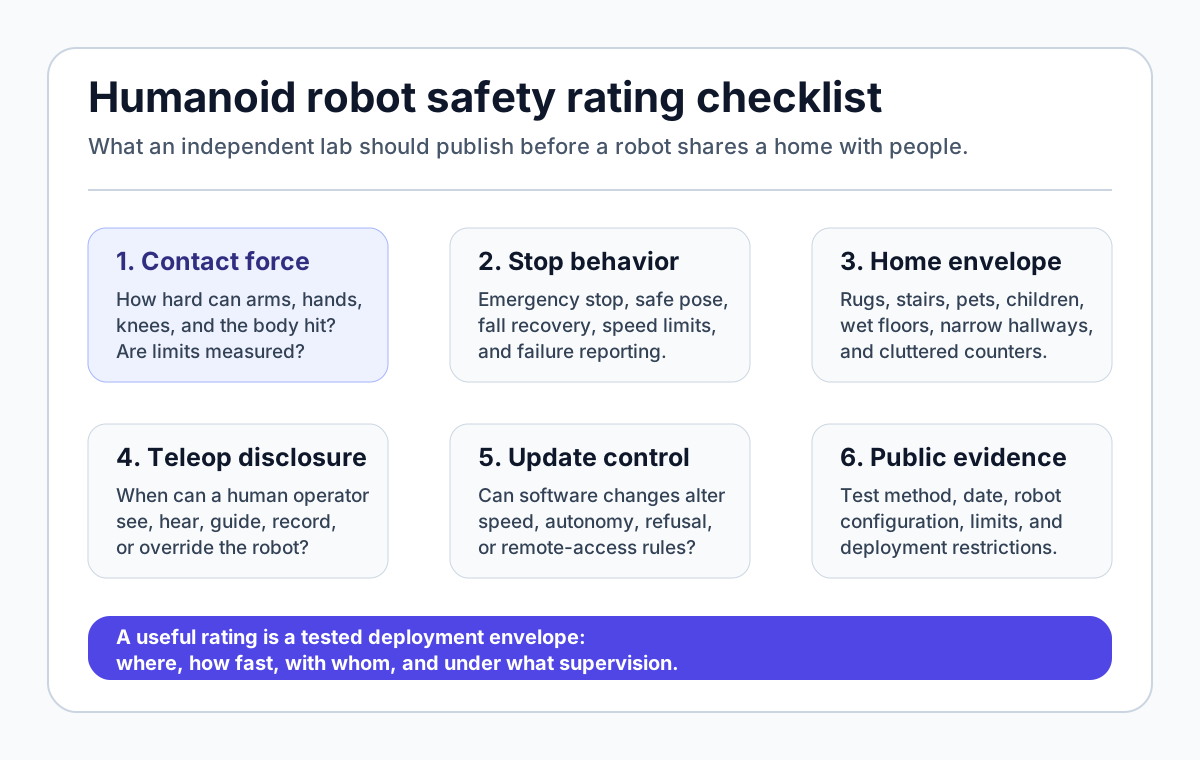
The useful questions are concrete:
- Who tested the robot? Manufacturer self-test, distributor demo, customer pilot, accredited lab, insurer, university lab, or independent commercial evaluator are not the same thing.
- Which configuration was tested? A humanoid can change hands, payload, batteries, software version, autonomy mode, teleoperation settings, speed limits, and sensor packages.
- What contact forces were measured? Arms, fingers, elbows, knees, body shell, and falls create different risk profiles. Soft coverings help, but measured force and impact evidence matter more than adjectives.
- How does the robot stop? Emergency stop, remote stop, local stop, voice stop, fall detection, safe pose, and loss-of-network behavior should all be documented.
- What home scenarios were included? Rugs, stairs, pets, children, mirrors, glass doors, wet floors, cluttered counters, narrow hallways, and dropped objects are ordinary home conditions, not edge cases.
- When can a human operator see or guide the robot? Teleoperation and expert-assist modes can improve safety, but they are also privacy and consent questions.
- Can software updates change the risk profile? A robot that receives OTA updates needs changelogs for speed, autonomy, refusal rules, remote access, perception, and manipulation behavior.
That last point is easy to underestimate. A traditional appliance does not wake up with a new grasping policy. A physical AI robot can. A safety rating should therefore include the tested software version and a rule for what happens after a major update.
What does the ui44 database reveal about today's robots?
The database pattern is not "humanoids are unsafe." It is more precise: buyers can see impressive body specs, but they usually cannot see comparable safety test evidence.
Robot
- Public status / price in ui44
- $20,000 preorder
- Safety-relevant specs
- 167 cm, 30 kg, ~4 hours, RGB/depth sensors, tactile skin
- What a rating should clarify
- Contact-force limits, teleoperation disclosure, home task boundaries
Robot
- Public status / price in ui44
- $13,500 available
- Safety-relevant specs
- 132 cm, 35 kg, ~2 hours, depth camera, 3D LiDAR, optional dexterous hands
- What a rating should clarify
- Fall recovery, speed limits, child/pet proximity, research-vs-home use
Robot
- Public status / price in ui44
- About $1,370 preorder in China
- Safety-relevant specs
- 94 cm, 12 kg, 1-2 hours, IMU and joint encoders
- What a rating should clarify
- Education/home supervision rules, pinch points, battery and fall behavior
Robot
- Public status / price in ui44
- Inquiry-only active platform
- Safety-relevant specs
- 118 cm, 30 kg, 23-41 DoF, self-recovery, 130 N·m peak joint torque
- What a rating should clarify
- Lab/competition envelope, safe demos, user training, uncontrolled-space limits
Robot
- Public status / price in ui44
- No public price; not consumer
- Safety-relevant specs
- 173 cm, 61 kg, ~5 hours, 20 kg payload, force sensors, tactile arrays
- What a rating should clarify
- Whether industrial deployment evidence transfers to homes
Robot
- Public status / price in ui44
- No public price
- Safety-relevant specs
- 165 cm, 71 kg, ~3 hours, 31 distributed pressure sensors, force/torque sensors
- What a rating should clarify
- Care-setting interaction limits, single-hand load limits, body-contact testing
Robot
- Public status / price in ui44
- Development; no price
- Safety-relevant specs
- 140-175 cm variable posture, up to 6 hours, vision-based autonomy
- What a rating should clarify
- Wheel-leg posture risks, elder-care claims, patrol/inspection boundaries
| Robot | Public status / price in ui44 | Safety-relevant specs | What a rating should clarify |
|---|---|---|---|
| 1X NEO | $20,000 preorder | 167 cm, 30 kg, ~4 hours, RGB/depth sensors, tactile skin | Contact-force limits, teleoperation disclosure, home task boundaries |
| Unitree G1 | $13,500 available | 132 cm, 35 kg, ~2 hours, depth camera, 3D LiDAR, optional dexterous hands | Fall recovery, speed limits, child/pet proximity, research-vs-home use |
| Noetix Bumi | About $1,370 preorder in China | 94 cm, 12 kg, 1-2 hours, IMU and joint encoders | Education/home supervision rules, pinch points, battery and fall behavior |
| Booster T1 | Inquiry-only active platform | 118 cm, 30 kg, 23-41 DoF, self-recovery, 130 N·m peak joint torque | Lab/competition envelope, safe demos, user training, uncontrolled-space limits |
| Figure 03 | No public price; not consumer | 173 cm, 61 kg, ~5 hours, 20 kg payload, force sensors, tactile arrays | Whether industrial deployment evidence transfers to homes |
| Fourier GR-3 | No public price | 165 cm, 71 kg, ~3 hours, 31 distributed pressure sensors, force/torque sensors | Care-setting interaction limits, single-hand load limits, body-contact testing |
| GAC GoMate | Development; no price | 140-175 cm variable posture, up to 6 hours, vision-based autonomy | Wheel-leg posture risks, elder-care claims, patrol/inspection boundaries |
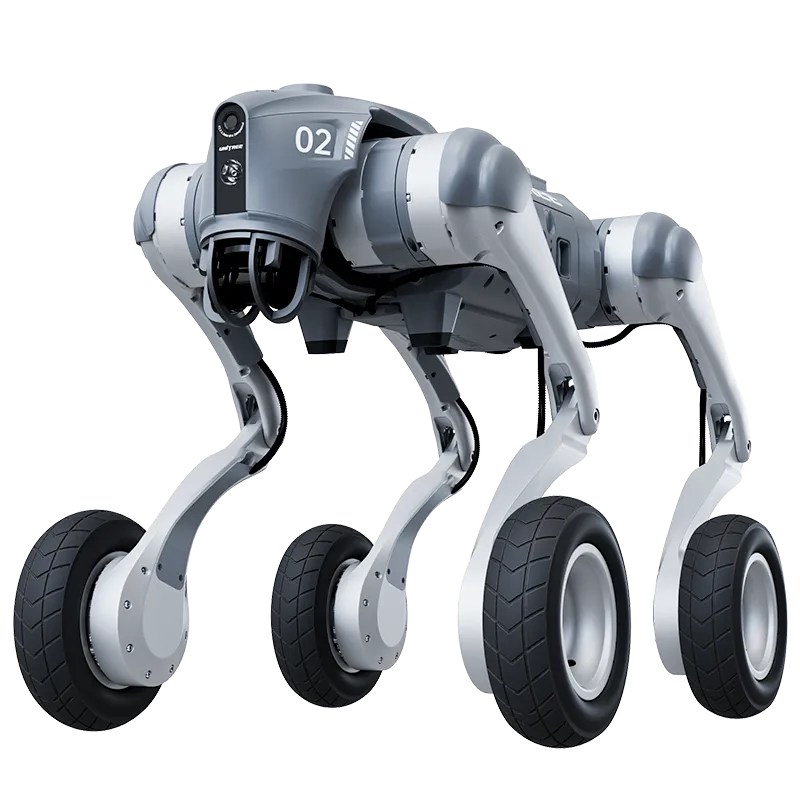
The table shows why a generic "humanoid safety" label would be too blunt. A 12 kg education robot, a 35 kg research humanoid, a 61 kg industrial humanoid with a 20 kg payload, and a 71 kg care-oriented robot should not be judged by the same yes/no question. The rating should describe the tested envelope.
A buyer-friendly version might look like this:
- Home supervised: tested in realistic home scenes, but only with an adult present and published task limits.
- Home restricted: safe for specific rooms, speeds, payloads, or chores; unsafe or untested outside that envelope.
- Lab / developer only: suitable for controlled spaces, trained operators, and demos, not ordinary homes.
- Evidence incomplete: impressive specs, but no independent public test result that a buyer can evaluate.
That kind of label would help without pretending one lab can guarantee every future behavior.
Are manufacturer demos enough evidence?
No. Demos are useful signals, but they are not safety ratings.
A good demo can show balance, manipulation, recovery, and task ambition. It can also hide the parts a buyer needs most: number of takes, speed limits, remote assistance, environmental setup, excluded failures, software version, operator training, and whether the robot was tested around people who were not briefed in advance.
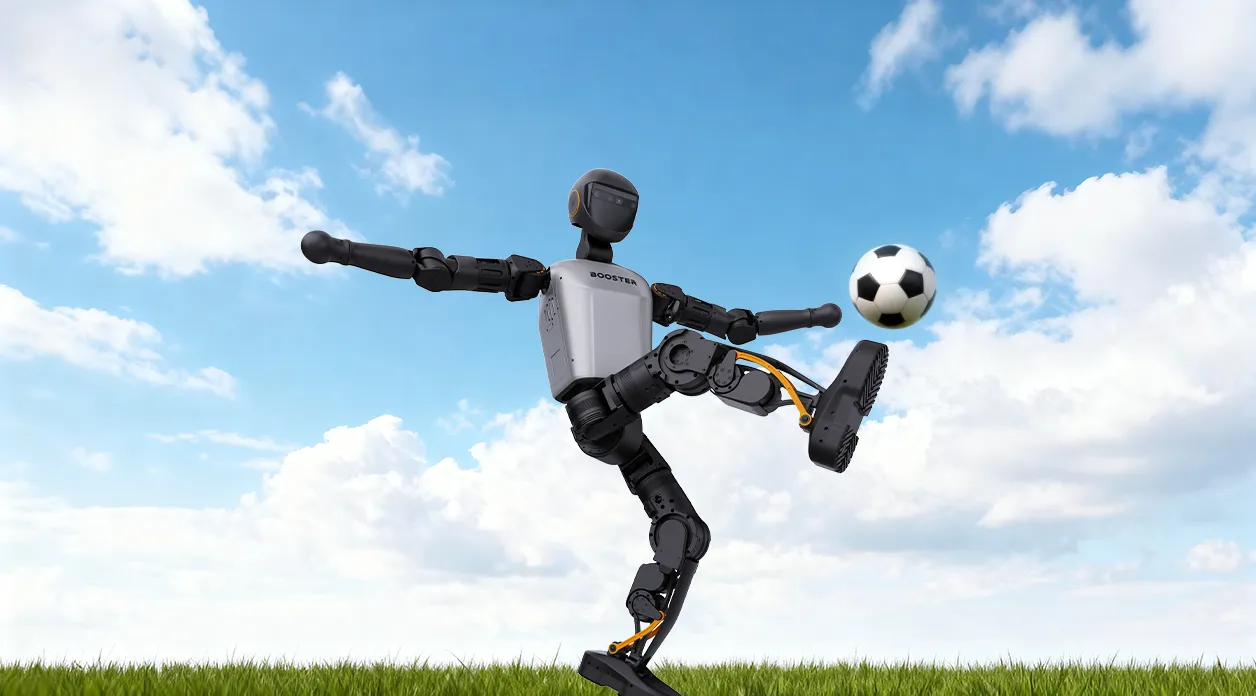
This is especially important for robots with strong joints or broad developer access. Booster T1, for example, is a serious research and competition platform in our database: 118 cm, 30 kg, 23-41 degrees of freedom depending on configuration, ROS 2 support, SDK access, and self-recovery from prone to standing. Those are exactly the traits that make it interesting to labs. They are also exactly why a consumer-style safety claim would need to be specific about trained operators, speed limits, and allowed environments.
The same logic applies to home-focused robots. 1X NEO's soft body and tactile skin are relevant safety signals. They are not substitutes for a test report that says how hard the robot can contact a person, what happens after a fall, what tasks are blocked, and when a remote human can intervene.
We covered the command-refusal side of this in our guide to home robot safety constraints. Independent ratings are the other half of the same issue: if a robot says it will refuse unsafe actions, someone should test the physical behavior behind the promise.
What should buyers ask before bringing a humanoid home?
If you are evaluating a humanoid or humanoid-like home robot in 2026, ask for answers in writing. A serious seller should be able to explain the limits without turning everything into hype.
Use this checklist:
- Has an independent party tested this robot, or only the manufacturer?
- What exact model, software version, hand option, battery, and autonomy mode were tested?
- Is the robot approved for unsupervised operation, supervised operation only, or demos only?
- What is the maximum allowed payload in the tested home configuration?
- What happens when Wi-Fi drops, the app disconnects, or cloud services fail?
- Can a human operator see camera feeds, listen through microphones, speak through the robot, or take control?
- How are emergency stop, voice stop, app stop, and physical stop handled?
- What rooms, flooring, lighting, stairs, rugs, pets, children, and objects were excluded from testing?
- Are contact-force, pinch-point, and fall-risk tests published or available under NDA?
- Do software updates require retesting before new autonomy or speed limits are enabled?
- What insurance, warranty, return, and liability terms apply if the robot damages property or injures someone?
- What tasks is the robot explicitly designed to refuse?
If the answer is "trust the demo," wait. A missing answer is not proof the robot is bad, but it is a real buying risk.
What would a good safety label look like?
The best near-term label would be boring on purpose. It would not say "safe humanoid robot." It would say something like:
Tested robot: Unitree G1 standard configuration, software version X, indoor
supervised operation, walking speed capped at Y, no stair use, no lifting over
Z kg, no unsupervised child/pet operation, teleoperation disabled during test,
emergency stop verified, fall-recovery test passed in defined conditions,
household clutter test partially passed, kitchen manipulation not approved.
That is less marketable than a shiny badge. It is much more useful.
For ui44, the important shift is from product category to deployment envelope. A robot can be impressive, affordable, and still not home-rated. Another robot can be less exciting, narrower, and safer because it does fewer things in a more controlled way.
Independent test labs like Play Robotics' planned Humanoid Lab will not solve every policy question. They can, however, make the evidence visible. That is the first step toward a market where buyers compare not just height, price, payload, and battery life, but also the safety proof behind those specs.
Bottom line
Humanoid robots do need independent safety ratings before they become normal home products. Not because standards work should stop, and not because every robot needs the same test. They need ratings because buyers need a practical way to separate a controlled demo from a tested home deployment.
The safest 2026 buying stance is simple: treat humanoid robot specs as the starting point, not the proof. Price, height, payload, sensors, and battery life matter. But for a machine that can move around people and touch the world, the more important question is: who tested the limits, and what exactly did the robot pass?
Related in the database
Use this article as a privacy verification workflow
Turn the article into a privacy verification pass grounded in the robots, manufacturers, and components it actually references.
Do Humanoid Robots Need Safety Ratings? already points you toward 7 linked robots, 7 manufacturers, and 3 countries inside the ui44 database. That matters because strong buyer guidance is easier to apply when you can move immediately from a claim or warning into concrete product pages, manufacturer directories, component explainers, and country-level context instead of treating the article as an isolated opinion piece. The fastest next step is to turn the article into a shortlist workflow: open the linked robot pages, verify which specs are actually published for those models, then compare the surrounding manufacturer and component context before you decide whether the underlying claim changes your buying plan.
For this topic, the useful discipline is to separate the editorial lesson from the catalog evidence. The article gives you the framing, but the robot pages tell you what each product actually ships with today: sensor stack, connectivity methods, listed price, release timing, category, and support-relevant compatibility notes. The manufacturer pages then show whether you are looking at a one-off launch, a broader lineup pattern, or a company that spans multiple categories. That layered workflow reduces the risk of buying on a single marketing phrase or a single support FAQ.
Use the robot pages to confirm which products actually expose cameras, microphones, Wi-Fi, or voice systems, then use the manufacturer pages to decide how much of the privacy question seems product-specific versus brand-wide. On this route cluster, G1, Bumi, and NEO form the fastest reality check. If you want a quick working shortlist, open Compare G1, Bumi, and NEO next, then keep this article open as the reasoning layer while you compare structured data side by side.
Practical Takeaway
Every robot, manufacturer, category, component, and country reference below resolves to a real ui44 page, keeping the follow-up path grounded in database records rather than generic advice.
Suggested next steps in ui44
- Open G1 and note the listed sensors, connectivity methods, and voice stack before you interpret any policy claim.
- Cross-check the wider brand context on Unitree so you can see whether the privacy question touches one model or a broader lineup.
- Use the linked component pages to confirm how common the relevant sensors and connectivity layers are across the database.
- Keep a short note of which policy layers you checked, which device features are actually present on the robot page, and which items still depend on region- or app-level confirmation.
- Finish with Compare G1, Bumi, and NEO so the policy reading sits next to structured product data.
Robot profiles worth opening next
Use the linked product pages as the evidence layer
The linked robot pages are where this article becomes operational. Instead of asking whether the headline is interesting, use the robot entries to inspect the actual mix of sensors, connectivity options, batteries, pricing, release timing, and stated capabilities attached to the products mentioned in the article. That is the easiest way to see whether the warning or opportunity described here affects one product family, a specific design pattern, or an entire buying lane.
G1 is tracked on ui44 as a available humanoid robot from Unitree. The database currently records a listed price of $13,500, a release date of 2024-05-13, ~2 hours battery life, Not disclosed charging time, and a published stack that includes Depth Camera, 3D LiDAR, and 4 Microphone Array plus Wi-Fi 6 and Bluetooth 5.2.
For privacy-focused reading, this page matters because it shows the concrete device surface behind the policy discussion. Use it to verify whether G1 combines sensors and connectivity in a way that could change the in-home data footprint, and compare the listed capabilities such as Bipedal Walking, Object Manipulation, and Dexterous Hands (optional Dex3-1) with any cloud, app, or voice layers.
Bumi
Noetix Robotics · Humanoid · Active
Bumi is tracked on ui44 as a active humanoid robot from Noetix Robotics. The database currently records a listed price of $1,370, a release date of 2025-10, 2–3 hours (48 V, 3.5 Ah smart battery) battery life, Not officially disclosed charging time, and a published stack that includes Camera and IMU plus Wi-Fi and Bluetooth.
For privacy-focused reading, this page matters because it shows the concrete device surface behind the policy discussion. Use it to verify whether Bumi combines sensors and connectivity in a way that could change the in-home data footprint, and compare the listed capabilities such as Bipedal Walking, Running, and Dancing with any cloud, app, or voice layers, including Voice interaction (proprietary).
NEO
1X Technologies · Humanoid · Pre-order
NEO is tracked on ui44 as a pre-order humanoid robot from 1X Technologies. The database currently records a listed price of $20,000, a release date of 2025-10-28, ~4 hours battery life, Not disclosed charging time, and a published stack that includes RGB Cameras, Depth Sensors, and Tactile Skin plus Wi-Fi and Bluetooth.
For privacy-focused reading, this page matters because it shows the concrete device surface behind the policy discussion. Use it to verify whether NEO combines sensors and connectivity in a way that could change the in-home data footprint, and compare the listed capabilities such as Household Chores, Tidying Up, and Safe Human Interaction with any cloud, app, or voice layers.
Booster T1
Booster Robotics · Humanoid · Active
Booster T1 is tracked on ui44 as a active humanoid robot from Booster Robotics. The database currently records a listed price of Price TBA, a release date of 2024, 2 hours walking, 4 hours standing battery life, Not disclosed charging time, and a published stack that includes Intel RealSense D455 RGBD Depth Camera, 9-axis IMU, and Circular 6-Mic Array plus Wi-Fi 6 and Bluetooth 5.2.
For privacy-focused reading, this page matters because it shows the concrete device surface behind the policy discussion. Use it to verify whether Booster T1 combines sensors and connectivity in a way that could change the in-home data footprint, and compare the listed capabilities such as 23-41 Degrees of Freedom (version-dependent), Bipedal Walking & Running, and Self-Recovery (prone to standing) with any cloud, app, or voice layers.
Figure 03 is tracked on ui44 as a active humanoid robot from Figure AI. The database currently records a listed price of Price TBA, a release date of 2025-10-09, ~5 hours battery life, Not disclosed charging time, and a published stack that includes Stereo Vision, Depth Cameras, and Force Sensors plus Wi-Fi and Bluetooth.
For privacy-focused reading, this page matters because it shows the concrete device surface behind the policy discussion. Use it to verify whether Figure 03 combines sensors and connectivity in a way that could change the in-home data footprint, and compare the listed capabilities such as Complex Manipulation, Warehouse Work, and Manufacturing Tasks with any cloud, app, or voice layers.
Manufacturer context behind the article
Check whether this is one product story or a broader company pattern
Manufacturer pages add the privacy context that individual product pages cannot show on their own. They help you check whether cameras, microphones, cloud accounts, app controls, and policy assumptions appear across a broader lineup or stay tied to one specific product story.
Unitree
ui44 currently tracks 2 robots from Unitree across 1 category. The company is grouped under China, and the current catalog footprint on ui44 includes H1, G1.
That wider brand context matters because privacy questions rarely stop at one FAQ page. A manufacturer route helps you see whether the article is centered on one premium model or on a company that has several relevant products and therefore more than one place where the same policy or app assumptions might matter. The category mix here currently points toward Humanoid as the most useful next route if you want to see whether this article reflects a wider pattern inside the brand.
Noetix Robotics
ui44 currently tracks 3 robots from Noetix Robotics across 2 categorys. The company is grouped under China, and the current catalog footprint on ui44 includes Hobbs W1, Bumi, N2 (OpenHarmony Edition).
That wider brand context matters because privacy questions rarely stop at one FAQ page. A manufacturer route helps you see whether the article is centered on one premium model or on a company that has several relevant products and therefore more than one place where the same policy or app assumptions might matter. The category mix here currently points toward Commercial, Humanoid as the most useful next route if you want to see whether this article reflects a wider pattern inside the brand.
1X Technologies
ui44 currently tracks 2 robots from 1X Technologies across 1 category. The company is grouped under Norway, and the current catalog footprint on ui44 includes NEO, EVE.
That wider brand context matters because privacy questions rarely stop at one FAQ page. A manufacturer route helps you see whether the article is centered on one premium model or on a company that has several relevant products and therefore more than one place where the same policy or app assumptions might matter. The category mix here currently points toward Humanoid as the most useful next route if you want to see whether this article reflects a wider pattern inside the brand.
Booster Robotics
ui44 currently tracks 3 robots from Booster Robotics across 1 category. The company is grouped under China, and the current catalog footprint on ui44 includes Booster K1, Booster T2, Booster T1.
That wider brand context matters because privacy questions rarely stop at one FAQ page. A manufacturer route helps you see whether the article is centered on one premium model or on a company that has several relevant products and therefore more than one place where the same policy or app assumptions might matter. The category mix here currently points toward Humanoid as the most useful next route if you want to see whether this article reflects a wider pattern inside the brand.
Broaden the scan without leaving the database
Categories, components, and countries add the wider context
Category framing
Category pages are useful when the article touches a buying pattern that shows up across brands. A category route helps you confirm whether the linked products sit in a narrow niche or whether the same question should be tested across a larger field of alternatives.
Humanoid
The Humanoid category page currently groups 129 tracked robots from 92 manufacturers. ui44 describes this lane as: Full-size bipedal humanoid robots built to work alongside people — from factory floors to household tasks. Compare the cutting edge of humanoid robotics.
That makes the category route a practical follow-up when you want to check whether the products linked in this article are typical for the lane or whether they sit at one edge of the market. Useful starting examples currently include NEO, EVE, Mornine M1.
Country and ecosystem context
Country pages give extra context when support practices, launch sequencing, regulatory posture, or manufacturer mix matter. They are not a substitute for model-level verification, but they do help you see which ecosystems cluster together and which manufacturers sit in the same regional field when you broaden the search beyond the article headline.
China
The China route currently groups 189 tracked robots from 87 manufacturers in ui44. That gives you a useful regional lens when the article points toward support practices, launch sequencing, or brand clusters that may share similar ecosystem assumptions.
On the current route, manufacturers like AGIBOT, Dreame, Unitree Robotics make the page a good way to broaden the scan without losing the regional context that often shapes availability, documentation style, and adjacent alternatives.
Norway
The Norway route currently groups 2 tracked robots from 1 manufacturers in ui44. That gives you a useful regional lens when the article points toward support practices, launch sequencing, or brand clusters that may share similar ecosystem assumptions.
On the current route, manufacturers like 1X Technologies make the page a good way to broaden the scan without losing the regional context that often shapes availability, documentation style, and adjacent alternatives.
USA
The USA route currently groups 89 tracked robots from 69 manufacturers in ui44. That gives you a useful regional lens when the article points toward support practices, launch sequencing, or brand clusters that may share similar ecosystem assumptions.
On the current route, manufacturers like Faraday Future, iRobot, Boston Dynamics make the page a good way to broaden the scan without losing the regional context that often shapes availability, documentation style, and adjacent alternatives.
Questions to answer before you move from reading to buying
A follow-up FAQ built from the entities already linked in this article
Frequently Asked Questions
Which page should I open first after reading “Do Humanoid Robots Need Safety Ratings?”?
Start with G1. That gives you a concrete product anchor for the article’s main claim. From there, branch into the manufacturer and component pages so you can tell whether the article is describing one specific model, a repeated brand pattern, or a wider technology issue that affects multiple shortlist options.
How do the manufacturer pages change the buying decision?
Unitree help you zoom out from one article and one product. On ui44 they show lineup breadth, category spread, and the neighboring robots tied to the same company. That context is useful when you are deciding whether a risk belongs to a single model, whether it shows up across a brand’s portfolio, and whether you should keep looking at alternatives before committing.
When should I switch from reading to side-by-side comparison?
Move into Compare G1, Bumi, and NEO as soon as you understand the article’s main warning or promise. The article explains what to watch for, but the compare view is where you can check whether price, status, battery life, connectivity, sensors, and category fit still make the robot a good match for your own home and budget.
Where to go next in ui44
Keep the research chain inside the database
If you want to keep going, these follow-on pages give you the cleanest expansion path from article to research session. Open the comparison route first if you are deciding between products today. Open the manufacturer, category, and component routes if you still need to understand the broader pattern behind the claim.
Written by
ui44 Team
Published May 2, 2026
Share this article
Open a plain share link on X or Bluesky. No embeds, no widgets, no cookie baggage.