A first-person chore video can show where a human looks, which hand reaches first, where a towel is gripped before folding, how the body moves around a chair, and when a task is actually finished. That is much closer to the view a mobile humanoid or arm-equipped home robot needs than a polished third-person demo clip.

The short answer: first-person video is becoming one of the most promising ways to scale home robot training data, but it is not enough by itself. A buyer should treat it as evidence that a company understands the data bottleneck, not as proof that the robot can safely do laundry, dishes, watering, and tidying in your specific home.
Why is first-person video different from ordinary robot data?
Traditional robot training data is expensive because the robot usually has to be in the loop. Someone teleoperates the robot, records joint positions, camera feeds, gripper actions, failures, and corrections, then repeats the same task many times. That is useful data, but it is slow to collect and tied to one robot body.
First-person human video tries to break that dependency. A person wears glasses, a chest camera, or another egocentric camera while doing real work. The data may not include robot joint angles, but it captures something robot-only data often misses: natural task structure.
That matters for chores because chores are not just object recognition. Folding a shirt means finding the collar, sleeves, fabric tension, and final shape. Washing dishes means sequencing dirty dishes, sink access, water, soap, fragile objects, and drying space. Tidying a room means deciding what belongs where. A robot needs more than a visual label for “towel” or “plate.” It needs examples of action over time.
Georgia Tech's EgoMimic work is a good example of why roboticists care about this angle. The team described a framework that lets robots learn from egocentric videos of everyday activities such as folding a shirt, putting a toy in a bowl, and placing groceries into a bag. The Georgia Tech write-up says the robot's task performance improved by as much as 400% across several tasks using about 90 minutes of recorded footage, while still needing robot-side adaptation.
That last clause is the important buyer translation: first-person video helps, but a robot still needs a bridge from human hands to robot hands.
What are companies actually collecting?
The scale is starting to look less like a lab demo and more like a data supply chain. Ego4D, the public egocentric video project, reports 3,670 hours of daily-life activity video from 923 participants across 74 locations and nine countries. Ego-Exo4D expands the idea with synchronized first-person and third-person views, 740 camera wearers, 1,286.3 hours of skilled-activity video, and Project Aria glasses for egocentric capture.
Those datasets are not a finished home robot product. They are proof that the field is moving toward large, diverse first-person data rather than one-off demo clips.
NVIDIA's EgoScale research makes the robotics case more directly. NVIDIA says the system pretrains a vision-language-action model on 20,854 hours of action-labeled egocentric human video, then uses a smaller aligned human-robot training step to adapt the representation to real robot sensing and control. In NVIDIA's summary, that recipe improved average success rate by 54% over a no-pretraining baseline using a 22-DoF robotic hand and transferred to lower-DoF hands too.
1X is now making a similar argument from the product side. Its 1XWM write-up says NEO's world-model backbone was mid-trained on 900 hours of egocentric human video, fine-tuned on 70 hours of NEO robot data, and paired with an inverse-dynamics model trained on 400 hours of robot data. 1X also admits the hard part: generated rollouts can look plausible while missing depth, geometry, contact, or task completion. In the same post, the company says dexterous tasks such as pouring and drawing remain challenging.
Figure is treating real estate as data infrastructure. Its Brookfield partnership announcement says Brookfield manages more than 100,000 residential units, 500 million square feet of office space, and 160 million square feet of logistics space, and that Figure is using human video capture across those environments to train Helix. That does not make Figure 03 a consumer product, but it shows why home-like spaces are becoming strategically valuable.
Generalist AI goes even bigger, claiming GEN-0 is trained on more than 270,000 hours of real-world manipulation trajectories across homes, warehouses, and workplaces, growing by 10,000 hours per week. Treat that as a company claim, not an independent buyer guarantee. Still, the direction is clear: the race is moving from beautiful demo videos toward massive physical-interaction datasets.
That is the pattern buyers should remember:
- Big human video pretraining teaches visual action structure.
- Aligned human-robot data teaches the model how a robot body can execute those actions.
- Robot-specific practice still determines whether the product works in a real kitchen, laundry room, or living room.
A Korean JoongAng excerpt syndicated by RLWRLD shows how concrete this is becoming for household tasks. It describes a data-collection project in which SuperbAI rented 50 homes for nearly half a year, repeated 50 chore scenarios two to three times, and collected about 1.08 million frames with a chest camera plus three surrounding cameras. The examples were not abstract benchmark tasks: folding laundry, washing dishes, watering plants, and ironing.
That is exactly the kind of data a home robot company would want. It is also the kind of data that should make buyers ask privacy questions immediately.

Which robots make this question urgent?
The first-person video question matters most for robots with arms, hands, and claims about real household work. A robot vacuum needs maps, obstacle avoidance, and cleaning coverage. A humanoid or mobile manipulator needs all of that plus body control, grasping, tool use, human fallback, and task judgment.
Robot
- ui44 database snapshot
- $20,000 early-adopter pre-order; 167 cm; 30 kg; about 4 hours battery; home-focused humanoid
- Why training data matters
- 1X's own NEO page says Expert Mode can guide chores NEO does not know, helping it learn while getting the job done. Buyers need to know what is autonomous, what is guided, and what data is retained.
Robot
- ui44 database snapshot
- Active humanoid; no public price; about 173 cm; 61 kg; roughly 5 hours battery; Helix VLA
- Why training data matters
- Figure's living-room tidy demo shows how much data is needed for spraying, wiping, tossing pillows, manipulating bins, using a remote, and moving through narrow furniture gaps.
Robot
- ui44 database snapshot
- $29,950; available; 160 cm; 46 kg; 8-hour light-load runtime; 2.5 kg extended / 4 kg retracted payload
- Why training data matters
- Stretch 4 is a practical data-collection and manipulation platform with ROS 2/Python support, not a magic consumer butler. It shows the research/assistive path.
Robot
- ui44 database snapshot
- $13,500 starting price; available; 132 cm; 35 kg; about 2 hours battery; optional dexterous hands
- Why training data matters
- Affordable humanoid hardware does not automatically mean chore competence. The data and software stack still decide what it can safely do.
Robot
- ui44 database snapshot
- CNY 36,000 starting price; pre-order; claimed >8h high-intensity work; 21 DoF; 3 kg end-effector payload
- Why training data matters
- A home-service robot with folding, appliance, childcare, pet-care, and elder-companionship claims needs evidence that those chores were learned across varied homes, not just staged scenes.
Robot
- ui44 database snapshot
- €690/month service-plan waitlist; 1.65 m; 60 kg; 6h battery; 1.5 kg per arm; hybrid AI plus VR teleoperation
- Why training data matters
- Human-in-the-loop care robots make the privacy and autonomy boundary explicit: who is watching, who is acting, and what data remains?
Robot
- ui44 database snapshot
- Development status; estimated future target around $30,000; 173 cm; 57 kg
- Why training data matters
- A future mass-market humanoid would need huge amounts of task data, but buyers should separate roadmap ambition from verified home autonomy.
| Robot | ui44 database snapshot | Why training data matters |
|---|---|---|
| 1X NEO | $20,000 early-adopter pre-order; 167 cm; 30 kg; about 4 hours battery; home-focused humanoid | 1X's own NEO page says Expert Mode can guide chores NEO does not know, helping it learn while getting the job done. Buyers need to know what is autonomous, what is guided, and what data is retained. |
| Figure 03 | Active humanoid; no public price; about 173 cm; 61 kg; roughly 5 hours battery; Helix VLA | Figure's living-room tidy demo shows how much data is needed for spraying, wiping, tossing pillows, manipulating bins, using a remote, and moving through narrow furniture gaps. |
| Hello Robot Stretch 4 | $29,950; available; 160 cm; 46 kg; 8-hour light-load runtime; 2.5 kg extended / 4 kg retracted payload | Stretch 4 is a practical data-collection and manipulation platform with ROS 2/Python support, not a magic consumer butler. It shows the research/assistive path. |
| Unitree G1 | $13,500 starting price; available; 132 cm; 35 kg; about 2 hours battery; optional dexterous hands | Affordable humanoid hardware does not automatically mean chore competence. The data and software stack still decide what it can safely do. |
| Futuring 2 (F2) | CNY 36,000 starting price; pre-order; claimed >8h high-intensity work; 21 DoF; 3 kg end-effector payload | A home-service robot with folding, appliance, childcare, pet-care, and elder-companionship claims needs evidence that those chores were learned across varied homes, not just staged scenes. |
| Robody | €690/month service-plan waitlist; 1.65 m; 60 kg; 6h battery; 1.5 kg per arm; hybrid AI plus VR teleoperation | Human-in-the-loop care robots make the privacy and autonomy boundary explicit: who is watching, who is acting, and what data remains? |
| Tesla Optimus Gen 2 | Development status; estimated future target around $30,000; 173 cm; 57 kg | A future mass-market humanoid would need huge amounts of task data, but buyers should separate roadmap ambition from verified home autonomy. |
1X NEO is the clearest consumer-facing example in the ui44 database. It is explicitly positioned for household chores, and the official page says that for chores it does not know, a user can schedule a 1X Expert to guide it. That is not a small detail. It means the product story already includes a human-data loop.
Figure 03 is different. It is not for consumer purchase, but Figure's Helix demos are useful because they show what a credible chore demo must cover. Figure says its Helix 02 living-room tidy work learned new behaviors by adding data rather than special-case engineering. The demo task list includes spray-bottle use, forceful wiping, flexible towels, bimanual bin handling, pillow tossing, remote-control button pressing, and tight-space walking while manipulating objects.
That is the bar. A home robot that only shows one clean pick-and-place clip is not demonstrating chore competence.
What first-person video still cannot teach
First-person video is rich, but it has blind spots.
It does not directly tell a robot how much force to apply to a glass, whether a cheap drawer slide is about to jam, or what a safe recovery should look like when a child steps into the workspace. It does not tell a 35 kg humanoid how to shift weight on a slippery floor. It does not make a two-finger gripper equivalent to a human hand.
This is why NVIDIA's EgoScale recipe includes a human-robot adaptation stage, not just raw human video. It is also why a platform like Hello Robot Stretch 4 is valuable in a different way. Stretch 4 is not shaped like a human, but it is available, open, and built around real mobile manipulation. Its ui44 record lists self-charging, 3D SLAM, VLM grasping demos, data collection tools, an 8-hour light-load runtime, and arm payload ratings of 2.5 kg extended or 4 kg retracted. Those concrete robot limits matter more than a vague claim that a model has seen many videos.
For buyers, the limit is simple: a company can have excellent first-person training data and still ship a robot that needs supervision, remote help, or a restricted chore list. Good data improves the odds. It does not remove the need for safety testing, clear permissions, and honest scope.
What privacy questions should buyers ask?
First-person video can be more sensitive than ordinary robot telemetry. It may capture cabinets, mail, medicine bottles, children's rooms, computer screens, family routines, and the faces or voices of people who did not buy the robot.
Ego4D is useful here because it treats privacy as a first-class problem. The project says its partners developed privacy and ethics policies, collected consent or release forms, and de-identified the majority of videos before release. Ego-Exo4D similarly emphasizes formal participant consent and closed environments for skilled-activity capture.
A consumer robot company should be able to answer the same basic questions in plain language:
- Who recorded the training data? Paid workers, beta customers, employees, synthetic scenes, or public datasets?
- Who consented? Only the camera wearer, or everyone visible in the home?
- What is retained? Raw video, extracted hand poses, object labels, audio, maps, failed attempts, or remote-operator sessions?
- Can users opt out? Is chore data used only for that household, or for the global model?
- How is human fallback labeled? Can you tell which actions were autonomous and which were guided by a remote expert?
- Can data be deleted when the robot is sold? This matters for expensive humanoids and assistive robots that may move between homes.
This is not anti-robot. It is pro-trust. A home robot that learns from intimate household behavior needs stronger data boundaries than a camera doorbell or a phone app.
What should buyers ask before trusting a chore-learning claim?
Use first-person video claims as a starting point, not the conclusion. The better question is whether the data story connects to the robot you can actually buy.
Ask these five questions before treating a chore demo as meaningful:
- Was the demo autonomous, teleoperated, or mixed? A guided run can be useful training data, but it is not the same as independent competence.
- How many homes did the robot or data pipeline see? One staged apartment is not enough for messy real-world layouts.
- Does the company report failures? Dropped objects, retries, stuck states, and human interventions are more useful than a perfect highlight reel.
- Does the robot body match the training data? Human first-person video must transfer to a specific hand, arm reach, payload, camera position, and base.
- What is the safe fallback? If the robot cannot fold a towel, does it stop, ask, schedule remote help, or improvise near fragile objects?
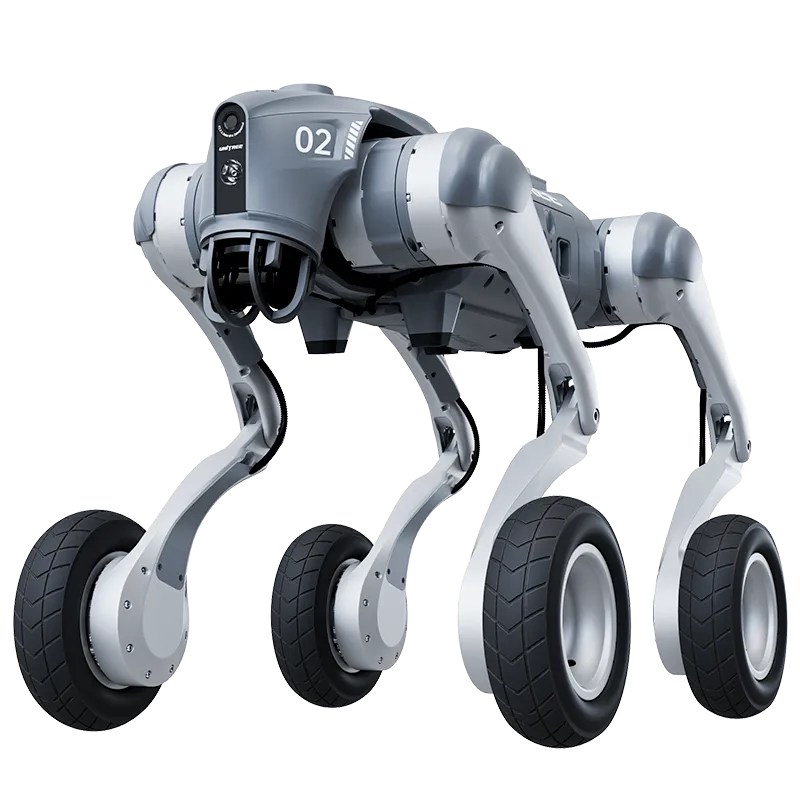
Unitree G1 is a good reminder that hardware availability is not the same as household readiness. It starts at $13,500, is compact for a humanoid at 132 cm and 35 kg, and offers optional dexterous hands and developer features. That makes it interesting. It does not make it a laundry robot.
Futuring 2 (F2) makes the buyer question even sharper because it is explicitly aimed at household help: toy and clothing tidying, appliance operation, tea and water delivery, pet support, medication reminders, and elder companionship. ui44 lists it as a CNY 36,000 pre-order with a 3 kg end-effector payload and claimed high-intensity work time above eight hours. A robot with that scope needs more than an impressive spec sheet. It needs proof that its training data covers messy, ordinary homes.
Robody shows a more honest near-term model. It is a home-care robotic avatar with hybrid AI and VR teleoperation, not a claim of full independence. At €690/month on the waitlist service plan, the central buyer question is not only “can it do the task?” but “when a person helps remotely, what exactly can they see and control?”
The same is true in the other direction. 1X NEO is explicitly a home humanoid, but its Expert Mode language means buyers should expect a learning curve and ask exactly how human guidance works. Figure 03 shows impressive data-driven progress, but ui44 lists it as not available for consumer purchase. Hello Robot Stretch 4 is available, but it is priced and positioned as a research, enterprise, and assistive platform.
That is the honest state of home robot chore learning in 2026: promising data, interesting hardware, and very few finished consumer answers.
Bottom line: first-person video is a clue, not a guarantee
Home robots probably do need some form of first-person or human-perspective data to become genuinely useful at chores. It is one of the few scalable ways to show robots how everyday tasks unfold from the actor's point of view.
But a credible home robot does not get a pass just because it has watched people fold shirts. It still needs robot-specific practice, transparent human fallback, privacy-safe data collection, and clear limits on what it can do today.
For buyers, the best signal is not the size of the video dataset by itself. It is whether the company can connect that dataset to a specific robot, a specific chore list, a specific privacy policy, and a specific answer when the robot gets stuck in your home.
Related in the database
Use this article as a privacy verification workflow
Turn the article into a privacy verification pass grounded in the robots, manufacturers, and components it actually references.
Do Home Robots Need First-Person Training Data? already points you toward 7 linked robots, 7 manufacturers, and 4 countries inside the ui44 database. That matters because strong buyer guidance is easier to apply when you can move immediately from a claim or warning into concrete product pages, manufacturer directories, component explainers, and country-level context instead of treating the article as an isolated opinion piece. The fastest next step is to turn the article into a shortlist workflow: open the linked robot pages, verify which specs are actually published for those models, then compare the surrounding manufacturer and component context before you decide whether the underlying claim changes your buying plan.
For this topic, the useful discipline is to separate the editorial lesson from the catalog evidence. The article gives you the framing, but the robot pages tell you what each product actually ships with today: sensor stack, connectivity methods, listed price, release timing, category, and support-relevant compatibility notes. The manufacturer pages then show whether you are looking at a one-off launch, a broader lineup pattern, or a company that spans multiple categories. That layered workflow reduces the risk of buying on a single marketing phrase or a single support FAQ.
Use the robot pages to confirm which products actually expose cameras, microphones, Wi-Fi, or voice systems, then use the manufacturer pages to decide how much of the privacy question seems product-specific versus brand-wide. On this route cluster, Figure 03, NEO, and Stretch 4 form the fastest reality check. If you want a quick working shortlist, open Compare Figure 03, NEO, and Stretch 4 next, then keep this article open as the reasoning layer while you compare structured data side by side.
Practical Takeaway
Every robot, manufacturer, category, component, and country reference below resolves to a real ui44 page, keeping the follow-up path grounded in database records rather than generic advice.
Suggested next steps in ui44
- Open Figure 03 and note the listed sensors, connectivity methods, and voice stack before you interpret any policy claim.
- Cross-check the wider brand context on Figure AI so you can see whether the privacy question touches one model or a broader lineup.
- Use the linked component pages to confirm how common the relevant sensors and connectivity layers are across the database.
- Keep a short note of which policy layers you checked, which device features are actually present on the robot page, and which items still depend on region- or app-level confirmation.
- Finish with Compare Figure 03, NEO, and Stretch 4 so the policy reading sits next to structured product data.
Robot profiles worth opening next
Use the linked product pages as the evidence layer
The linked robot pages are where this article becomes operational. Instead of asking whether the headline is interesting, use the robot entries to inspect the actual mix of sensors, connectivity options, batteries, pricing, release timing, and stated capabilities attached to the products mentioned in the article. That is the easiest way to see whether the warning or opportunity described here affects one product family, a specific design pattern, or an entire buying lane.
Figure 03 is tracked on ui44 as a active humanoid robot from Figure AI. The database currently records a listed price of Price TBA, a release date of 2025-10-09, ~5 hours battery life, Not disclosed charging time, and a published stack that includes Stereo Vision, Depth Cameras, and Force Sensors plus Wi-Fi and Bluetooth.
For privacy-focused reading, this page matters because it shows the concrete device surface behind the policy discussion. Use it to verify whether Figure 03 combines sensors and connectivity in a way that could change the in-home data footprint, and compare the listed capabilities such as Complex Manipulation, Warehouse Work, and Manufacturing Tasks with any cloud, app, or voice layers.
NEO
1X Technologies · Humanoid · Pre-order
NEO is tracked on ui44 as a pre-order humanoid robot from 1X Technologies. The database currently records a listed price of $20,000, a release date of 2025-10-28, ~4 hours battery life, Not disclosed charging time, and a published stack that includes RGB Cameras, Depth Sensors, and Tactile Skin plus Wi-Fi and Bluetooth.
For privacy-focused reading, this page matters because it shows the concrete device surface behind the policy discussion. Use it to verify whether NEO combines sensors and connectivity in a way that could change the in-home data footprint, and compare the listed capabilities such as Household Chores, Tidying Up, and Safe Human Interaction with any cloud, app, or voice layers.
Stretch 4
Hello Robot · Home Assistants · Available
Stretch 4 is tracked on ui44 as a available home assistants robot from Hello Robot. The database currently records a listed price of $29,950, a release date of 2026-05-12, 8 hours (light CPU load) battery life, Not officially disclosed charging time, and a published stack that includes Wide-FOV depth sensing, High-resolution RGB cameras, and Calibrated RGB + depth perception plus its listed connectivity stack.
For privacy-focused reading, this page matters because it shows the concrete device surface behind the policy discussion. Use it to verify whether Stretch 4 combines sensors and connectivity in a way that could change the in-home data footprint, and compare the listed capabilities such as Mobile Manipulation, Omnidirectional Indoor Mobility, and Autonomous Mapping and Navigation with any cloud, app, or voice layers.
G1 is tracked on ui44 as a available humanoid robot from Unitree. The database currently records a listed price of $13,500, a release date of 2024-05-13, ~2 hours battery life, Not disclosed charging time, and a published stack that includes Depth Camera, 3D LiDAR, and 4 Microphone Array plus Wi-Fi 6 and Bluetooth 5.2.
For privacy-focused reading, this page matters because it shows the concrete device surface behind the policy discussion. Use it to verify whether G1 combines sensors and connectivity in a way that could change the in-home data footprint, and compare the listed capabilities such as Bipedal Walking, Object Manipulation, and Dexterous Hands (optional Dex3-1) with any cloud, app, or voice layers.
Futuring 2 (F2)
Futuring Robot · Home Assistants · Pre-order
Futuring 2 (F2) is tracked on ui44 as a pre-order home assistants robot from Futuring Robot. The database currently records a listed price of ¥36,000, a release date of 2026-04-09, High-intensity work: >8h; standby: >24h battery life, Not officially disclosed charging time, and a published stack that includes 24 sensors, 360° omnidirectional sensing system, and Multimodal perception system plus Not officially disclosed.
For privacy-focused reading, this page matters because it shows the concrete device surface behind the policy discussion. Use it to verify whether Futuring 2 (F2) combines sensors and connectivity in a way that could change the in-home data footprint, and compare the listed capabilities such as Dual-arm household manipulation, Toy and clothing tidying, and Appliance operation assistance with any cloud, app, or voice layers.
Manufacturer context behind the article
Check whether this is one product story or a broader company pattern
Manufacturer pages add the privacy context that individual product pages cannot show on their own. They help you check whether cameras, microphones, cloud accounts, app controls, and policy assumptions appear across a broader lineup or stay tied to one specific product story.
Figure AI
ui44 currently tracks 2 robots from Figure AI across 1 category. The company is grouped under USA, and the current catalog footprint on ui44 includes Figure 03, Figure 02.
That wider brand context matters because privacy questions rarely stop at one FAQ page. A manufacturer route helps you see whether the article is centered on one premium model or on a company that has several relevant products and therefore more than one place where the same policy or app assumptions might matter. The category mix here currently points toward Humanoid as the most useful next route if you want to see whether this article reflects a wider pattern inside the brand.
1X Technologies
ui44 currently tracks 2 robots from 1X Technologies across 1 category. The company is grouped under Norway, and the current catalog footprint on ui44 includes NEO, EVE.
That wider brand context matters because privacy questions rarely stop at one FAQ page. A manufacturer route helps you see whether the article is centered on one premium model or on a company that has several relevant products and therefore more than one place where the same policy or app assumptions might matter. The category mix here currently points toward Humanoid as the most useful next route if you want to see whether this article reflects a wider pattern inside the brand.
Hello Robot
ui44 currently tracks 2 robots from Hello Robot across 1 category. The company is grouped under USA, and the current catalog footprint on ui44 includes Stretch 3, Stretch 4.
That wider brand context matters because privacy questions rarely stop at one FAQ page. A manufacturer route helps you see whether the article is centered on one premium model or on a company that has several relevant products and therefore more than one place where the same policy or app assumptions might matter. The category mix here currently points toward Home Assistants as the most useful next route if you want to see whether this article reflects a wider pattern inside the brand.
Unitree
ui44 currently tracks 2 robots from Unitree across 1 category. The company is grouped under China, and the current catalog footprint on ui44 includes H1, G1.
That wider brand context matters because privacy questions rarely stop at one FAQ page. A manufacturer route helps you see whether the article is centered on one premium model or on a company that has several relevant products and therefore more than one place where the same policy or app assumptions might matter. The category mix here currently points toward Humanoid as the most useful next route if you want to see whether this article reflects a wider pattern inside the brand.
Broaden the scan without leaving the database
Categories, components, and countries add the wider context
Category framing
Category pages are useful when the article touches a buying pattern that shows up across brands. A category route helps you confirm whether the linked products sit in a narrow niche or whether the same question should be tested across a larger field of alternatives.
Humanoid
The Humanoid category page currently groups 129 tracked robots from 92 manufacturers. ui44 describes this lane as: Full-size bipedal humanoid robots built to work alongside people — from factory floors to household tasks. Compare the cutting edge of humanoid robotics.
That makes the category route a practical follow-up when you want to check whether the products linked in this article are typical for the lane or whether they sit at one edge of the market. Useful starting examples currently include NEO, EVE, Mornine M1.
Home Assistants
The Home Assistants category page currently groups 16 tracked robots from 14 manufacturers. ui44 describes this lane as: Arm-based household helpers — laundry folders, kitchen robots, and mobile manipulators that take on hands-on physical tasks around the home.
That makes the category route a practical follow-up when you want to check whether the products linked in this article are typical for the lane or whether they sit at one edge of the market. Useful starting examples currently include Robody, Futuring 2 (F2), Stretch 3.
Country and ecosystem context
Country pages give extra context when support practices, launch sequencing, regulatory posture, or manufacturer mix matter. They are not a substitute for model-level verification, but they do help you see which ecosystems cluster together and which manufacturers sit in the same regional field when you broaden the search beyond the article headline.
USA
The USA route currently groups 89 tracked robots from 69 manufacturers in ui44. That gives you a useful regional lens when the article points toward support practices, launch sequencing, or brand clusters that may share similar ecosystem assumptions.
On the current route, manufacturers like Faraday Future, iRobot, Boston Dynamics make the page a good way to broaden the scan without losing the regional context that often shapes availability, documentation style, and adjacent alternatives.
Norway
The Norway route currently groups 2 tracked robots from 1 manufacturers in ui44. That gives you a useful regional lens when the article points toward support practices, launch sequencing, or brand clusters that may share similar ecosystem assumptions.
On the current route, manufacturers like 1X Technologies make the page a good way to broaden the scan without losing the regional context that often shapes availability, documentation style, and adjacent alternatives.
China
The China route currently groups 189 tracked robots from 87 manufacturers in ui44. That gives you a useful regional lens when the article points toward support practices, launch sequencing, or brand clusters that may share similar ecosystem assumptions.
On the current route, manufacturers like AGIBOT, Dreame, Unitree Robotics make the page a good way to broaden the scan without losing the regional context that often shapes availability, documentation style, and adjacent alternatives.
Questions to answer before you move from reading to buying
A follow-up FAQ built from the entities already linked in this article
Frequently Asked Questions
Which page should I open first after reading “Do Home Robots Need First-Person Training Data?”?
Start with Figure 03. That gives you a concrete product anchor for the article’s main claim. From there, branch into the manufacturer and component pages so you can tell whether the article is describing one specific model, a repeated brand pattern, or a wider technology issue that affects multiple shortlist options.
How do the manufacturer pages change the buying decision?
Figure AI help you zoom out from one article and one product. On ui44 they show lineup breadth, category spread, and the neighboring robots tied to the same company. That context is useful when you are deciding whether a risk belongs to a single model, whether it shows up across a brand’s portfolio, and whether you should keep looking at alternatives before committing.
When should I switch from reading to side-by-side comparison?
Move into Compare Figure 03, NEO, and Stretch 4 as soon as you understand the article’s main warning or promise. The article explains what to watch for, but the compare view is where you can check whether price, status, battery life, connectivity, sensors, and category fit still make the robot a good match for your own home and budget.
Where to go next in ui44
Keep the research chain inside the database
If you want to keep going, these follow-on pages give you the cleanest expansion path from article to research session. Open the comparison route first if you are deciding between products today. Open the manufacturer, category, and component routes if you still need to understand the broader pattern behind the claim.
Written by
ui44 Team
Published May 17, 2026
Share this article
Open a plain share link on X or Bluesky. No embeds, no widgets, no cookie baggage.