That does not mean your homeowners insurance automatically has a clean answer when something breaks.
The useful way to think about the problem is simple: insurance for damage to your robot is usually a personal-property question. Damage by your robot is a liability, warranty, cyber, supervision, and product-defect question all at once. Before you bring a $1,300 robot arm, an $8,000 laundry robot, or a $20,000 home humanoid into the house, you want that distinction in writing.

The Core Question: Damage TO vs Damage BY Your Robot
Start with the difference your insurer will care about.
Damage to the robot means the robot itself is stolen, burned in a fire, or damaged by a covered event. The Insurance Information Institute describes homeowners insurance as a package policy that covers property and liability, and it says personal belongings are generally covered for theft or destruction by covered perils such as fire or wind. That is the bucket a home robot most likely falls into as a valuable personal item.
There are still limits. A high-value robot may exceed default personal-property sub-limits or require scheduling, the same way valuable jewelry or art may need a floater or endorsement. If you buy a 1X NEO at ui44's recorded $20,000 early-adopter price, do not assume it is treated like a normal laptop. Ask whether it needs to be listed separately on the policy.
Damage by the robot is the harder part. If a robot knocks over a guest, scratches a neighbor's car, pinches a child's finger, drops a heavy object, or causes a water leak, the claim is not just "my thing broke." It becomes a question of who caused the damage and whether your policy excludes the specific risk.
That is why a generic answer like "homeowners insurance covers personal liability" is not enough. Standard liability language may help when a household member or pet injures someone, but autonomous and semi-autonomous robots create new facts: software updates, sensor failure, remote operation, manufacturer instructions, cyber intrusion, and whether the owner ignored warnings.
Which Home Robots Create Real Insurance Questions?
ui44 is not tracking imaginary future helpers here. The insurance question comes from robots that already have meaningful mass, motion, arms, autonomy claims, or remote-assistance workflows.
Robot
- ui44 status and price
- Pre-order; ui44 records $20,000 early-adopter pricing and the official page currently advertises a $200 deposit
- Specs that matter for risk
- 167 cm, 30 kg, soft body, household chores, Expert Mode for chores it does not know
- Insurance question to ask
- Is damage during guided or assisted operation treated differently from fully autonomous operation?
Robot
- ui44 status and price
- Available; starts at $13,500 before tax and shipping
- Specs that matter for risk
- 132 cm, about 35 kg, 23-43 DOF, optional dexterous hands, about 2 hours battery life
- Insurance question to ask
- Does my policy exclude injury or damage from a powerful motorized device inside the home?
Robot
- ui44 status and price
- Pre-order; R1 Air from $4,900, standard R1 from $5,900
- Specs that matter for risk
- About 123 cm, about 29 kg, 20-26 DOF, about 1 hour battery life
- Insurance question to ask
- Does a lower-price humanoid still need the same liability review as a larger model?
Robot
- ui44 status and price
- Available in limited early home deployment; $7,999 upfront or $450/month in ui44 data
- Specs that matter for risk
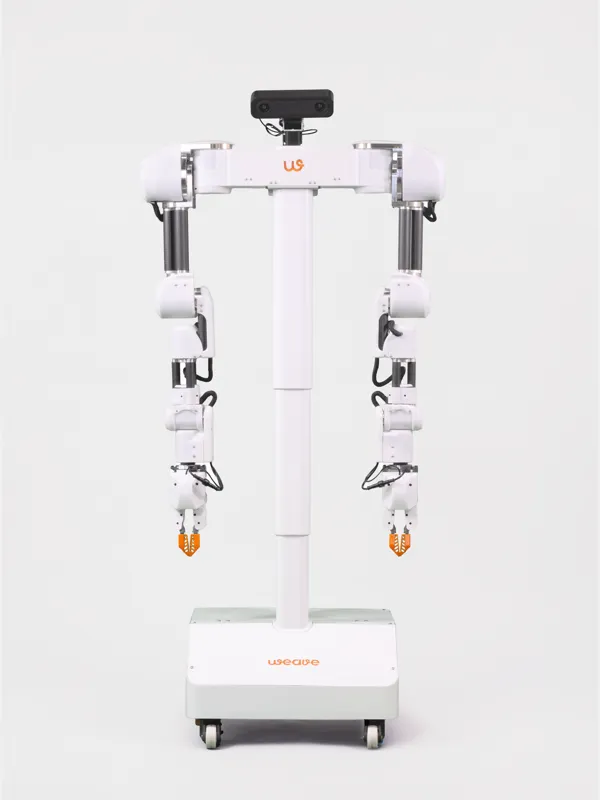
- Stationary laundry-folding robot, regular outlet, 30-90 minutes per load, remote correction when stuck
- Insurance question to ask
- Who is responsible if a remote correction, fabric jam, or installation issue causes damage?
Robot
- ui44 status and price
- Available; $1,299.99 current official price in ui44 data
- Specs that matter for risk
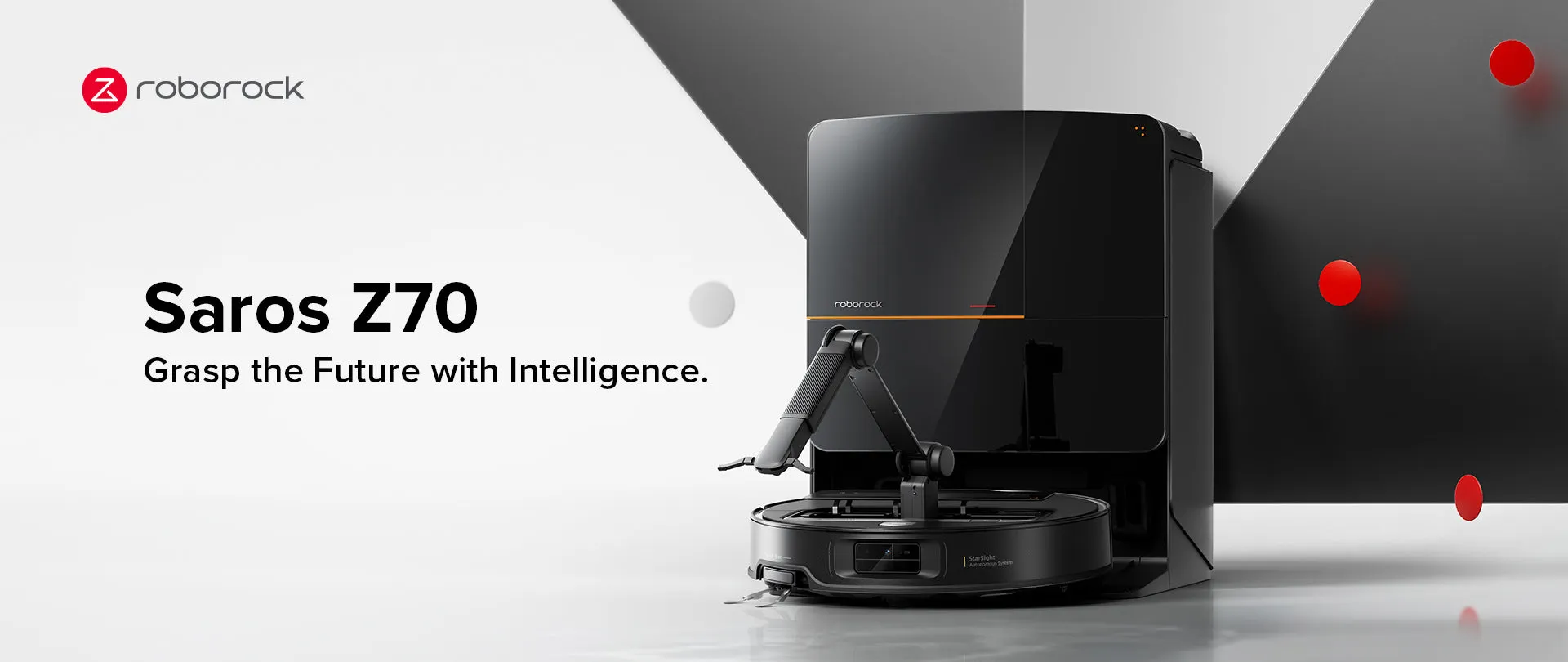
- Robot vacuum with OmniGrip 5-axis mechanical arm and AI object recognition
- Insurance question to ask
- Is a robot vacuum with an arm still treated as an appliance, or as a device that manipulates property?
| Robot | ui44 status and price | Specs that matter for risk | Insurance question to ask |
|---|---|---|---|
| 1X NEO | Pre-order; ui44 records $20,000 early-adopter pricing and the official page currently advertises a $200 deposit | 167 cm, 30 kg, soft body, household chores, Expert Mode for chores it does not know | Is damage during guided or assisted operation treated differently from fully autonomous operation? |
| Unitree G1 | Available; starts at $13,500 before tax and shipping | 132 cm, about 35 kg, 23-43 DOF, optional dexterous hands, about 2 hours battery life | Does my policy exclude injury or damage from a powerful motorized device inside the home? |
| Unitree R1 | Pre-order; R1 Air from $4,900, standard R1 from $5,900 | About 123 cm, about 29 kg, 20-26 DOF, about 1 hour battery life | Does a lower-price humanoid still need the same liability review as a larger model? |
| Weave Isaac 0 | Available in limited early home deployment; $7,999 upfront or $450/month in ui44 data | Stationary laundry-folding robot, regular outlet, 30-90 minutes per load, remote correction when stuck | Who is responsible if a remote correction, fabric jam, or installation issue causes damage? |
| Roborock Saros Z70 | Available; $1,299.99 current official price in ui44 data | Robot vacuum with OmniGrip 5-axis mechanical arm and AI object recognition | Is a robot vacuum with an arm still treated as an appliance, or as a device that manipulates property? |
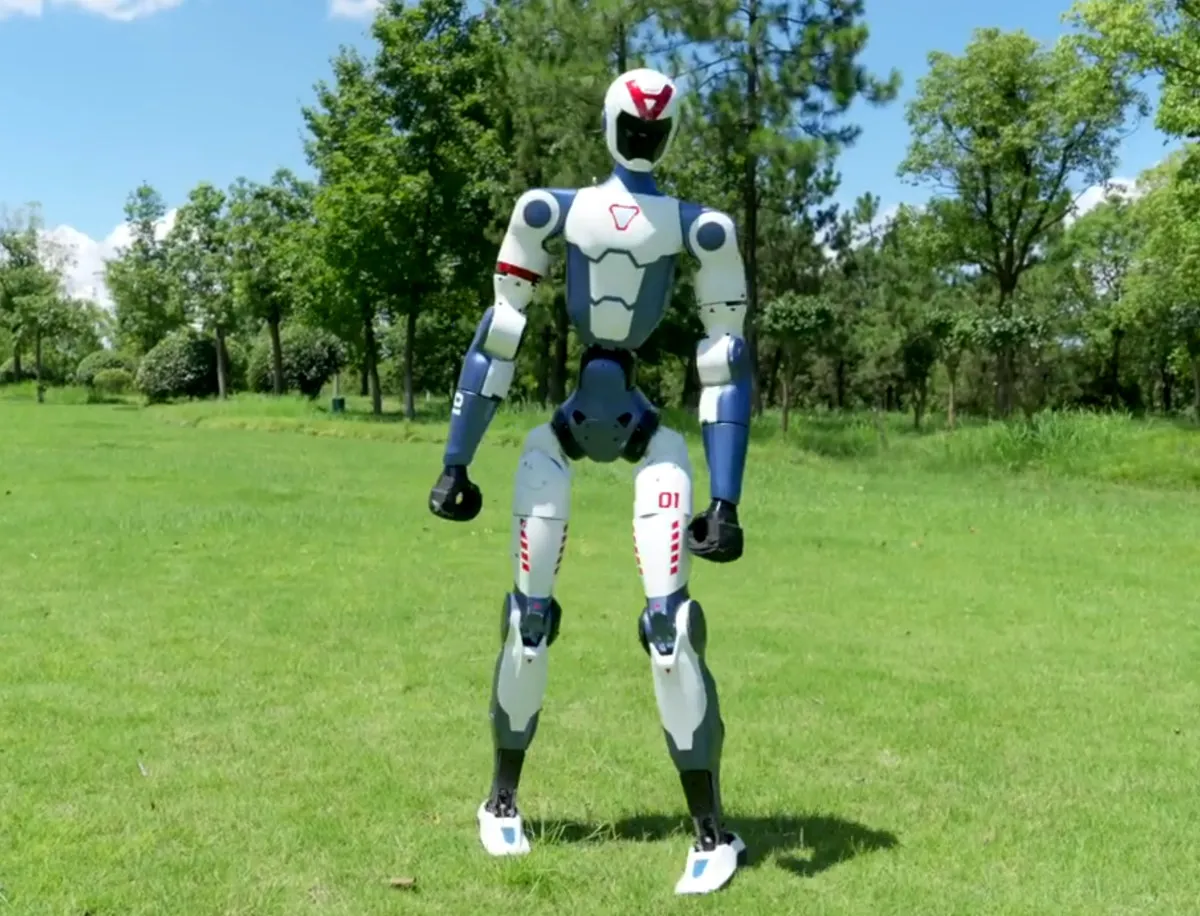
Two details are easy to miss. First, the risk is not only price. A $4,900 pre-order humanoid can still weigh about 29 kg. Second, manufacturer safety language matters. Unitree's own G1 and R1 pages warn that humanoid robots have a complex structure, powerful output, and should be operated with safe distance and caution. That warning is not just legal boilerplate; it is exactly the kind of fact an insurer or claims adjuster may look at after an incident.
What Standard Homeowners Insurance Probably Handles
For most buyers, the first layer is still ordinary homeowners or renters insurance. The important word is ordinary. It may help with familiar losses, but it was not written specifically for home humanoids.
Likely to Be Straightforward
Theft of the robot. A robot is personal property. If it is stolen, the claim looks closer to a stolen computer, camera, or appliance than to an injury claim. The practical issue is the dollar limit: ask whether a $7,999 Isaac 0 or $20,000 NEO needs to be scheduled.
Damage to the robot from a covered peril. Fire, lightning, vandalism, or another listed peril may be covered if the same event would have covered other personal property. Poor maintenance, routine wear, or mechanical breakdown is a different matter.
Some third-party injury or property claims. The Insurance Information Institute says homeowners liability coverage generally applies to bodily injury or property damage policyholders or family members cause to other people, up to the policy limit. That is a useful starting point if your robot injures a guest or damages a neighbor's property.
Likely to Be Unclear
Damage to your own property caused by your own robot. If the robot drops a plate, chips a countertop, or scratches your floor, do not assume the policy will pay. Some policies cover accidental direct physical loss broadly; others rely on named perils, exclusions, deductibles, or maintenance language. Ask for the specific policy section that would respond.
Off-premises use. A humanoid that carries groceries outside, walks through a shared hallway, or rides in an elevator creates a different fact pattern than a stationary robot in your laundry room. Verisk has explicitly flagged autonomous home robots operating outside the home as a concern for accidents involving neighbors, pets, or vehicles.
Business or income use. If you use the robot for paid tasks, rental property support, content production, daycare, or a side business, personal coverage may not be the right bucket. Verisk also calls out home companion robots used in a home daycare setting as a risk that can create additional exposure.
Cyber-linked physical damage. Verisk highlights cyberattack and battery-fire risk as emerging concerns around home robotics. If a connected robot is compromised, unlocks a door, damages property, or exposes private camera data, your homeowners policy, cyber rider, manufacturer's warranty, and the robot's terms of service may all point at different parts of the problem.
Do Specialized Home Robot Insurance Policies Exist?
Not in the clean, standardized way car insurance does.
You may see articles or brokers talking about robot body coverage, cyber coverage, public liability, or algorithmic liability. Those are useful risk categories, but ui44 would not treat public premium tables for consumer humanoids as reliable unless they come from an actual insurer, policy form, or quote. As of April 2026, the safe buyer assumption is: robot coverage is case-by-case, not a mature consumer product category.
The insurance industry is clearly paying attention. EY describes autonomy, agentic AI, driverless vehicles, and humanoid robots as technologies that will transform insurance products and operations, while also pointing to cybersecurity and uncertain regulatory requirements as board-level concerns. That is a signal that insurers see the issue. It is not the same as a ready-made policy you can buy in two clicks.
For a home robot buyer, the practical coverage conversation has six buckets:
- Scheduled personal property for the robot's purchase value.
- Personal liability limits for injury or property damage to other people.
- Umbrella liability if the robot is expensive, heavy, mobile, or used near guests.
- Cyber coverage for data breach, account takeover, or connected-device incidents.
- Business-use coverage if the robot helps with paid work or a rental property.
- Manufacturer warranty and service terms for defects, software updates, remote assistance, and misuse exclusions.
That list is less exciting than a made-up product name, but it is more useful. When you call an agent, you want them to map your robot to actual policy language, not to a generic "AI insurance" headline.
Who Is Liable If the Robot Causes Damage?
There is no single universal answer. The best question is: who had control at the moment something went wrong?
Manual or Remote-Control Operation
If you are directly controlling the robot, expect the owner/operator argument to be strong. The robot is acting more like a tool under your control. Personal liability may still respond, but your insurer can ask whether the use violated a policy exclusion, local rule, manufacturer warning, or safe-operation guidance.
Remote Assistance or Expert Mode
This is where new home robots get interesting. 1X says NEO works autonomously by default, but for chores it does not know, owners can schedule a 1X Expert to guide it. Weave says Isaac 0 can run autonomously as much as possible, but a Weave specialist can briefly sub in remotely for difficult garments or mistakes.
Those details matter. If a robot causes damage during a guided session, the fact pattern could involve the owner, the remote operator, the manufacturer, the software, and the home environment. That does not mean the manufacturer is automatically liable. It means you should preserve logs, support tickets, update history, and any proof of who was operating the robot.
Autonomous Operation
Autonomy makes liability less settled, not more settled. Jones Day's 2025 white paper on autonomous vehicles describes a shift in civil-liability exposure toward technology providers, component suppliers, and manufacturers as automated driving systems take over more of the task. That is an automotive analysis, not a home-robot rule, but the analogy is useful: as software makes more decisions, product defects, algorithmic defects, cybersecurity, and owner duties all become part of the liability conversation.
For home robots, that means a claim may turn on questions such as:
- Was the robot operating within the manufacturer's approved use?
- Did the owner supervise it as instructed?
- Was the robot modified, jailbroken, or used with unsupported attachments?
- Did a software update change behavior?
- Did cameras, LiDAR, tactile sensors, or network connectivity fail?
- Was there a remote operator or support session involved?
That is a long way from "my appliance scratched the wall."
A Buyer Checklist Before the Robot Arrives
Do this before unboxing, not after the first incident.
1. Send Your Agent the Exact Robot Page
Do not say "I bought a robot." Send the exact model and specs. For example: "Unitree G1, about 35 kg, bipedal humanoid, optional dexterous hands, available for $13,500 before tax and shipping." A vague smart-home description will not force a useful policy answer.
2. Ask for Written Answers to Five Questions
- Is the robot covered as personal property if stolen or damaged by a covered peril?
- Does it need to be scheduled because of its value?
- Does personal liability apply if the robot injures a guest or damages a neighbor's property?
- Are there exclusions for motorized devices, autonomous devices, business use, unmanned vehicles, drones, or remote-controlled equipment that could apply?
- Does off-premises use change the answer?
3. Raise the Liability Conversation Early
If your robot weighs 30 kg, has arms, or operates around guests, ask about higher liability limits and an umbrella policy. Even if a final claim is unlikely, the cost of defending a serious injury claim can matter as much as the damage itself.
4. Keep a Robot Incident File
Save purchase receipts, serial numbers, warranty terms, setup screenshots, maintenance history, firmware-update dates, support chats, and operating-mode logs. If something happens, this file helps separate user error, product defect, remote operation, cyber compromise, and normal wear.
5. Treat Remote Assistance as a Coverage Question
A robot that can be guided by a company specialist is not automatically bad; it may make the robot safer and more useful. But it changes the claims story. Ask whether your insurer wants to know when third-party remote operation is part of the product.
Frequently Asked Questions
Does homeowners insurance cover a humanoid robot?
It may cover the robot as personal property for covered losses such as theft or
fire, but that does not automatically answer liability for damage caused by the
robot. Ask your insurer about both sides separately.
Should I schedule a home robot as valuable property?
If the robot costs several thousand dollars, yes, ask. A scheduled endorsement
or floater is common for valuables that exceed ordinary limits. It is better to
get a written no than to discover a sub-limit after the robot is stolen.
Is a robot vacuum with an arm different from a normal robot vacuum?
For insurance purposes, it might be. The
Roborock Saros Z70 turns a cleaning robot into a
small manipulation robot. That does not make it a humanoid, but it does mean the
device can intentionally move objects rather than only bump around them.
Are robot manufacturers liable when something goes wrong?
Sometimes they could be, especially if a hardware defect, software defect,
misleading instruction, or remote-operation issue caused the damage. But the
owner may still have duties to supervise, maintain, update, and use the robot as
instructed. Liability is fact-specific.
What is the safest answer before buying?
Get the robot's value scheduled if needed, raise liability limits if the robot
is mobile or heavy, add cyber coverage if available, and keep written proof that
your insurer reviewed the exact model.
The Bottom Line
Home robot insurance in 2026 is less about buying a neat new product and more about closing gaps in existing coverage. The robot itself may be property. The harm it causes may be liability. Its software may create a cyber issue. Its warranty may cover defects but not your home environment. Its remote-assistance feature may be useful, but it may also change who controlled the robot when the incident happened.
That sounds annoying. It is also solvable.
Before buying a 1X NEO, Unitree G1, Unitree R1, Weave Isaac 0, or Roborock Saros Z70, spend one hour with your insurance agent and the manufacturer's official specs. Ask for written answers. Then save the policy language with your robot records.
The robots are coming home. Your insurance should know exactly which one is standing in the hallway.
_Looking for the right robot for your home? Compare specs, prices, and capabilities across our full robot database, or browse by category to find robots that fit your needs and budget._
Written by
ui44 Team
Published April 25, 2026
Share this article
Open a plain share link on X or Bluesky. No embeds, no widgets, no cookie baggage.