That is why the interesting buyer question is not "Which humanoid can cook dinner?" It is which robots have enough reach, control, safety evidence, and human oversight to help with eating without taking agency away from the user.
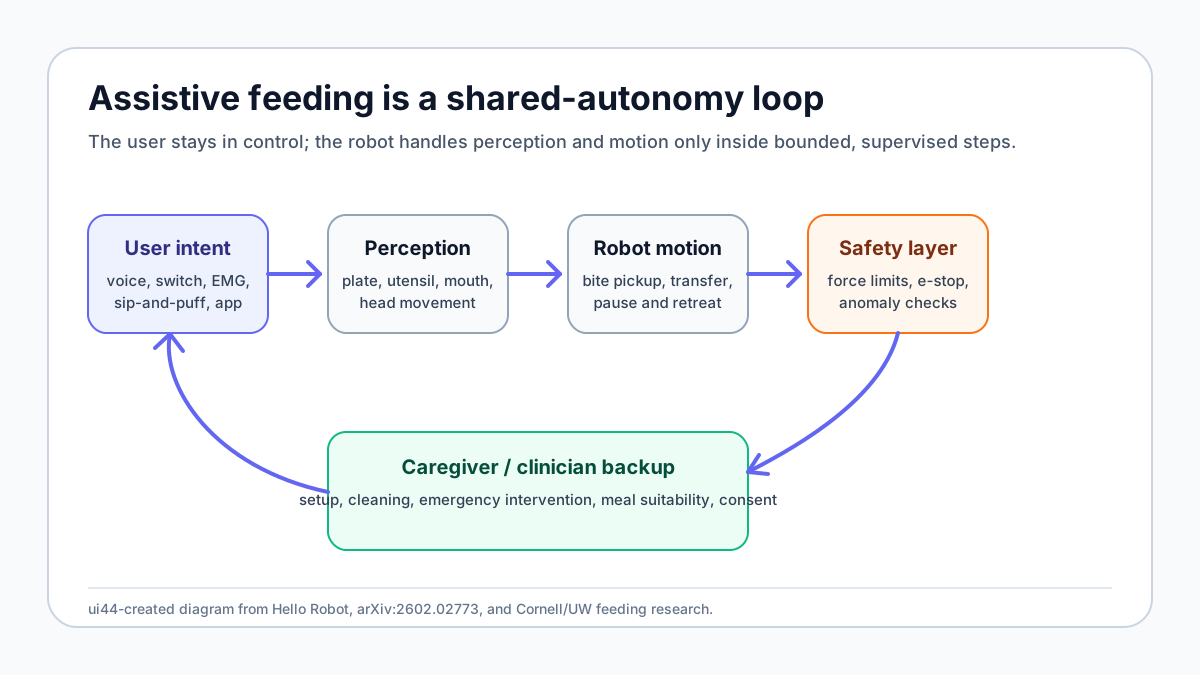
The short answer is: yes, a home robot can help with parts of eating today, but only in carefully bounded assistive setups. For most households, this is still a pilot, research, or clinician-supported category — not a plug-and-play kitchen appliance.
Why is robot-assisted feeding so hard?
Feeding combines three difficult robot problems at once.
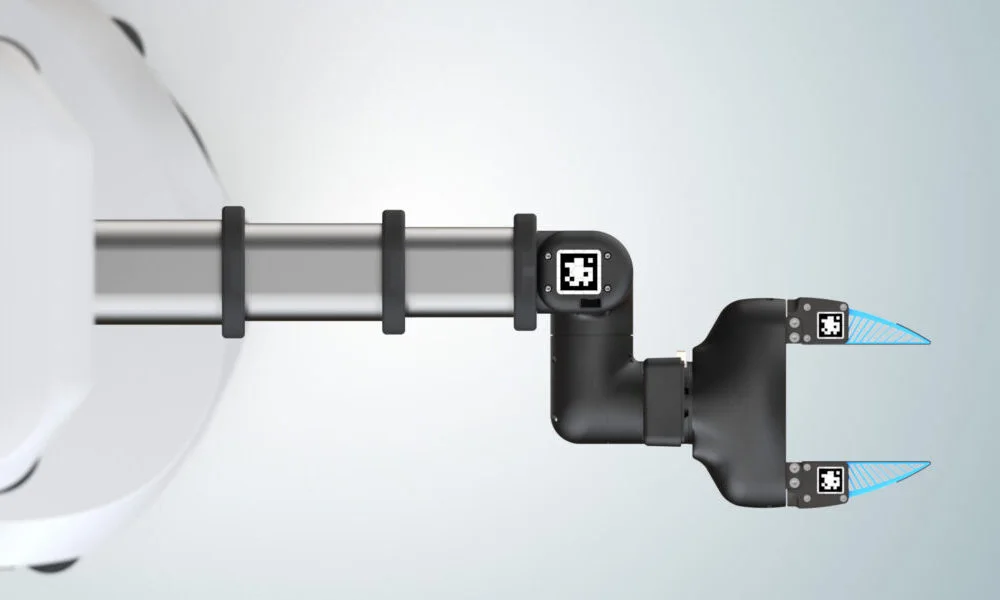
First, the robot has to identify and pick up food. A grape, noodle, slice of apple, spoonful of yogurt, and piece of toast all behave differently. A rigid industrial gripper is the wrong mental model. Real feeding systems use utensils, soft tips, force sensing, or specialized end effectors because the robot is handling food, not bolts.
Second, the robot has to transfer the bite near the mouth. Cornell's robot-assisted feeding team has called the final few centimeters especially challenging. Their 2024 work describes people with severe mobility limitations who may have small mouth openings, involuntary movements, or specific preferences for where a bite should be placed. Cornell reported a study in which the system fed 13 people across a lab, a medical center, and a home, but the point is not that feeding is "solved." The point is that serious systems treat the mouth transfer as a separate safety problem, not a generic pick-and-place motion.
Third, the user must remain in control. The best feeding-assistance research emphasizes pause, cancel, speed control, bite selection, and alternative access methods. A robot that feeds someone too quickly, chooses bites without consent, or makes it hard to stop is not assistive. It is stressful.
That is where shared autonomy matters. The user gives intent and approval; the robot uses perception, planning, and compliant control to perform the parts that are physically difficult.
What does real-world evidence show?
The strongest current evidence is not coming from glossy humanoid launch videos. It is coming from assistive robotics teams that test with actual users.
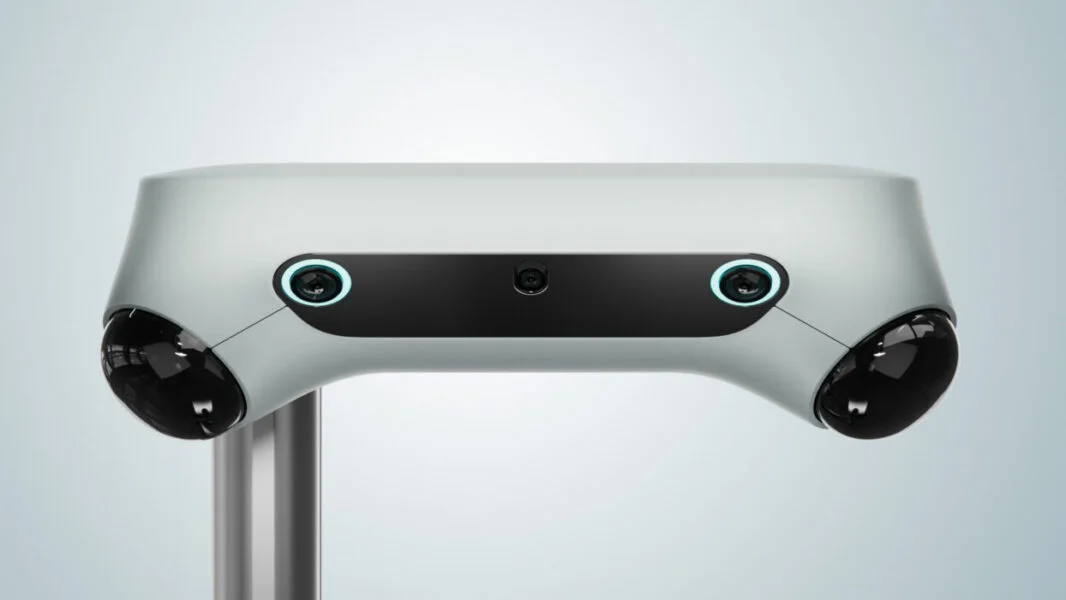
Hello Robot's official People Story describes a Stretch user working with the company on a feeding protocol: the robot identifies individual food pieces on a plate, picks them up with a spring-loaded fork, and brings them to the user's face. The same story describes drinking assistance, possible toothbrush help, and future medication-delivery routines. That is not a retail feature list, but it is exactly the kind of grounded task definition buyers should look for.
A 2026 CMU arXiv paper adds another useful signal. It describes a 12-day in-home study where a user with quadriplegia controlled a mobile manipulator through bimanual high-density EMG sleeves. The system combined residual neuromotor signals with shared autonomy — vision, language, and motion planning — so the user could perform daily tasks in a real home. Again, the lesson is not "buy this tomorrow." The lesson is that the interface matters as much as the arm.
Cornell and University of Washington work on robot-assisted feeding makes the same point from a different direction. Their portable feeding system uses a web app, wheelchair-powered hardware, force checks, mouth perception, emergency intervention, and user-configurable control. The paper notes that at least 1.8 million people in the United States require help eating. That demand is real, but safe feeding requires a full system around the robot.
Which robots in the ui44 database are closest?
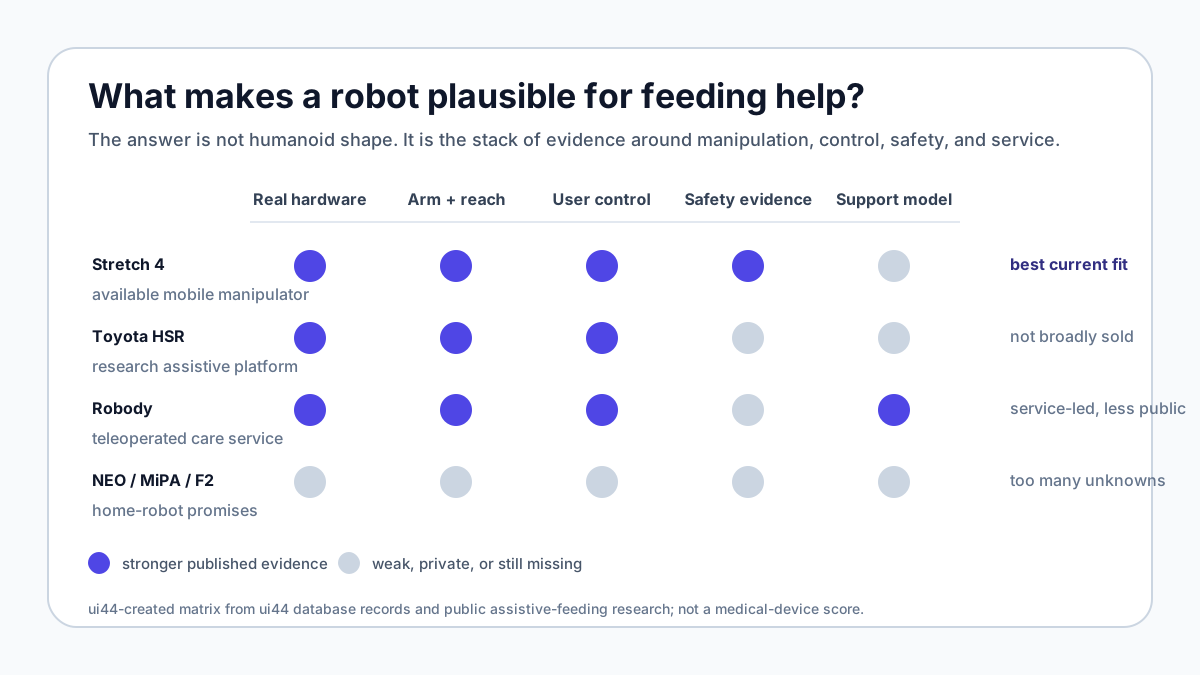
The closest robots are not necessarily the most humanoid robots. They are the ones with a mobile base, a useful arm, transparent specs, and some path toward user-supervised manipulation.
Robot in ui44
- Assistive-feeding relevance
- Available now at $29,950; 160 cm tall; 45 cm footprint; self-charging; 8-hour light-load runtime; 55 cm + 6 cm wrist reach; 2.5 kg extended / 4 kg retracted payload.
- Buyer reality check
- Best current fit for pilot feeding, drinking, and daily-object work, but still a developer/assistive platform rather than a certified consumer feeding appliance.
Robot in ui44
- Assistive-feeding relevance
- $24,950; 141 cm tall; 24.5 kg; 2-5 hour runtime; 2 kg payload; large research community and web/gamepad teleoperation.
- Buyer reality check
- Proven research line, but less capable than Stretch 4 and not turnkey for clinical feeding.
Robot in ui44
- Assistive-feeding relevance
- Compact home-assistance manipulator; 100.5-135 cm height; 37 kg; voice command and remote operation; 1.2 kg payload for small objects.
- Buyer reality check
- Strong historical assistive concept, but a research/partner platform, not a retail option.
Robot in ui44
- Assistive-feeding relevance
- Home-care avatar with VR telepresence, medication reminders, fetching, meal-prep assistance, self-docking, and 1.5 kg per-arm payload.
- Buyer reality check
- Interesting service model, but public feeding-specific evidence and availability remain less transparent.
Robot in ui44
- Assistive-feeding relevance
- Home-focused humanoid preorder at $20,000; 167 cm, 30 kg, about 4-hour battery, soft body, tactile skin.
- Buyer reality check
- Shape is promising, but public feeding evidence, service workflow, and end-effector details are not enough for buyer trust yet.
Robot in ui44
NEURA MiPA and Futuring 2
- Assistive-feeding relevance
- Both are household-service concepts with item transport, serving, elder-care, or meal-prep claims. Futuring 2 lists a 3 kg end-effector payload and force-control claims.
- Buyer reality check
- Useful to watch, but delivery regions, support, and feeding-specific validation are still unclear.
| Robot in ui44 | Assistive-feeding relevance | Buyer reality check |
|---|---|---|
| Hello Robot Stretch 4 | Available now at $29,950; 160 cm tall; 45 cm footprint; self-charging; 8-hour light-load runtime; 55 cm + 6 cm wrist reach; 2.5 kg extended / 4 kg retracted payload. | Best current fit for pilot feeding, drinking, and daily-object work, but still a developer/assistive platform rather than a certified consumer feeding appliance. |
| Hello Robot Stretch 3 | $24,950; 141 cm tall; 24.5 kg; 2-5 hour runtime; 2 kg payload; large research community and web/gamepad teleoperation. | Proven research line, but less capable than Stretch 4 and not turnkey for clinical feeding. |
| Toyota Human Support Robot | Compact home-assistance manipulator; 100.5-135 cm height; 37 kg; voice command and remote operation; 1.2 kg payload for small objects. | Strong historical assistive concept, but a research/partner platform, not a retail option. |
| Devanthro Robody | Home-care avatar with VR telepresence, medication reminders, fetching, meal-prep assistance, self-docking, and 1.5 kg per-arm payload. | Interesting service model, but public feeding-specific evidence and availability remain less transparent. |
| 1X NEO | Home-focused humanoid preorder at $20,000; 167 cm, 30 kg, about 4-hour battery, soft body, tactile skin. | Shape is promising, but public feeding evidence, service workflow, and end-effector details are not enough for buyer trust yet. |
| NEURA MiPA and Futuring 2 | Both are household-service concepts with item transport, serving, elder-care, or meal-prep claims. Futuring 2 lists a 3 kg end-effector payload and force-control claims. | Useful to watch, but delivery regions, support, and feeding-specific validation are still unclear. |
For eating assistance, Stretch 4 has the cleanest current case because it narrows the problem. It does not need to walk like a person. It needs to navigate an accessible room, reach a plate or tray, handle a utensil, pause reliably, and stay out of trouble near a user's face.
What should buyers ask before trusting a robot with food?
A feeding robot should be judged like assistive technology, not like a gadget. The safest checklist starts with the task and the person, then works backward to the hardware.
1. Who is controlling each bite?\ Ask whether the user chooses bites, approves transfer, controls speed, pauses motion, and can cancel without relying on a caregiver. Voice-only control is not enough for everyone. Some users need switch access, head controls, EMG, sip-and-puff, a tablet interface, or caregiver-assisted setup.
2. What happens if the user moves unexpectedly?\ The robot needs a safe response to coughing, spasms, head movement, fatigue, dropped food, or a changed seating position. A demo that assumes a still person is not enough.
3. Is the utensil designed to fail safely?\ Look for soft materials, force limits, weak links, torque limits, and clear cleaning procedures. A robot arm near the mouth is only as safe as its utensil, force sensing, and emergency-stop design.
4. Does the robot fit the actual room?\ A wheeled manipulator may work better in an accessible single-floor layout than a bipedal humanoid. Measure the table height, wheelchair position, turning space, charging location, and whether the robot can reach from plate to mouth without awkward repositioning.
5. Who maintains the system?\ Feeding assistance involves calibration, software updates, cleaning, battery health, spare utensils, caregiver training, and liability. If the vendor cannot explain support in plain language, the robot is not ready for unsupervised daily use.
Is a humanoid better for feeding?
Not automatically.
A humanoid shape helps when the robot must use human spaces, human tools, and human social expectations. But feeding is not a broad household demo. It is a high-risk close-contact task. A 30 kg humanoid like 1X NEO, a care-centric platform like Fourier GR-3, or a household concept like LG CLOiD may eventually become useful here, but the buyer proof needs to be specific.
The important questions are boring and concrete:
- Can the robot stop safely when the utensil touches a lip, tooth, hand, sleeve, or wheelchair tray?
- Can it recognize when a bite is too large, slippery, hot, or unsuitable?
- Can the user reject a bite without speaking?
- Can a caregiver clean the food-contact parts quickly?
- Is there a documented support plan if the robot drifts out of calibration?
Until those answers are public, humanoid shape is mostly a promise. For near-term feeding help, a constrained mobile manipulator may be more credible than a more human-looking robot with less safety evidence.
The practical verdict
A home robot can help with eating, but the path is narrow. The useful version is not a robot butler. It is a carefully configured assistive system: a stable base, a reachable arm, a safe utensil, real-time perception, user-controlled shared autonomy, caregiver backup, and a support model that treats eating as a safety-critical activity.
Hello Robot Stretch 4 is the clearest robot in the ui44 database for that direction because it is available, priced, open, self-charging, and explicitly designed for real homes and assistive pilots. It is still expensive and technical. It should not be sold mentally as a finished consumer feeding robot.
For buyers and care teams, the best next step is not to ask "Can this robot feed me?" Ask a sharper question: which exact meal task can it make more independent, who stays in control, and what happens when the bite, body, or room does not match the demo?
Related in the database
Use this article as a privacy verification workflow
Turn the article into a privacy verification pass grounded in the robots, manufacturers, and components it actually references.
Assistive Feeding Robots: Can Home Robots Help? already points you toward 9 linked robots, 8 manufacturers, and 6 countries inside the ui44 database. That matters because strong buyer guidance is easier to apply when you can move immediately from a claim or warning into concrete product pages, manufacturer directories, component explainers, and country-level context instead of treating the article as an isolated opinion piece. The fastest next step is to turn the article into a shortlist workflow: open the linked robot pages, verify which specs are actually published for those models, then compare the surrounding manufacturer and component context before you decide whether the underlying claim changes your buying plan.
For this topic, the useful discipline is to separate the editorial lesson from the catalog evidence. The article gives you the framing, but the robot pages tell you what each product actually ships with today: sensor stack, connectivity methods, listed price, release timing, category, and support-relevant compatibility notes. The manufacturer pages then show whether you are looking at a one-off launch, a broader lineup pattern, or a company that spans multiple categories. That layered workflow reduces the risk of buying on a single marketing phrase or a single support FAQ.
Use the robot pages to confirm which products actually expose cameras, microphones, Wi-Fi, or voice systems, then use the manufacturer pages to decide how much of the privacy question seems product-specific versus brand-wide. On this route cluster, Stretch 4, Stretch 3, and Human Support Robot (HSR) form the fastest reality check. If you want a quick working shortlist, open Compare Stretch 4, Stretch 3, and Human Support Robot (HSR) next, then keep this article open as the reasoning layer while you compare structured data side by side.
Practical Takeaway
Every robot, manufacturer, category, component, and country reference below resolves to a real ui44 page, keeping the follow-up path grounded in database records rather than generic advice.
Suggested next steps in ui44
- Open Stretch 4 and note the listed sensors, connectivity methods, and voice stack before you interpret any policy claim.
- Cross-check the wider brand context on Hello Robot so you can see whether the privacy question touches one model or a broader lineup.
- Use the linked component pages to confirm how common the relevant sensors and connectivity layers are across the database.
- Keep a short note of which policy layers you checked, which device features are actually present on the robot page, and which items still depend on region- or app-level confirmation.
- Finish with Compare Stretch 4, Stretch 3, and Human Support Robot (HSR) so the policy reading sits next to structured product data.
Robot profiles worth opening next
Use the linked product pages as the evidence layer
The linked robot pages are where this article becomes operational. Instead of asking whether the headline is interesting, use the robot entries to inspect the actual mix of sensors, connectivity options, batteries, pricing, release timing, and stated capabilities attached to the products mentioned in the article. That is the easiest way to see whether the warning or opportunity described here affects one product family, a specific design pattern, or an entire buying lane.
Stretch 4
Hello Robot · Home Assistants · Available
Stretch 4 is tracked on ui44 as a available home assistants robot from Hello Robot. The database currently records a listed price of $29,950, a release date of 2026-05-12, 8 hours (light CPU load) battery life, Not officially disclosed charging time, and a published stack that includes Wide-FOV depth sensing, High-resolution RGB cameras, and Calibrated RGB + depth perception plus its listed connectivity stack.
For privacy-focused reading, this page matters because it shows the concrete device surface behind the policy discussion. Use it to verify whether Stretch 4 combines sensors and connectivity in a way that could change the in-home data footprint, and compare the listed capabilities such as Mobile Manipulation, Omnidirectional Indoor Mobility, and Autonomous Mapping and Navigation with any cloud, app, or voice layers.
Stretch 3
Hello Robot · Home Assistants · Active
Stretch 3 is tracked on ui44 as a active home assistants robot from Hello Robot. The database currently records a listed price of $24,950, a release date of 2024, 2–5 hours battery life, Not disclosed charging time, and a published stack that includes Intel D405 RGBD Camera (gripper), Intel D435if RGBD Camera (head), and Wide-Angle RGB Camera (head) plus Wi-Fi 6E and Bluetooth.
For privacy-focused reading, this page matters because it shows the concrete device surface behind the policy discussion. Use it to verify whether Stretch 3 combines sensors and connectivity in a way that could change the in-home data footprint, and compare the listed capabilities such as Mobile Manipulation, Autonomous Navigation, and Teleoperation (Web / Gamepad / Dexterous) with any cloud, app, or voice layers.
Human Support Robot (HSR)
Toyota · Home Assistants · Active
Human Support Robot (HSR) is tracked on ui44 as a active home assistants robot from Toyota. The database currently records a listed price of Price TBA, a release date of 2012, Not disclosed battery life, Not disclosed charging time, and a published stack that includes its published sensor stack plus Remote operation support (real-time face/voice relay).
For privacy-focused reading, this page matters because it shows the concrete device surface behind the policy discussion. Use it to verify whether Human Support Robot (HSR) combines sensors and connectivity in a way that could change the in-home data footprint, and compare the listed capabilities such as Pick up objects from floor, Retrieve items from shelves, and Remote teleoperation by family/caregivers with any cloud, app, or voice layers, including Voice-command operation support.
Robody is tracked on ui44 as a pre-order home assistants robot from Devanthro. The database currently records a listed price of Price TBA, a release date of 2024-11, 6 hours battery life, Self-docking; full charge time not officially disclosed charging time, and a published stack that includes 4K fisheye RGB cameras, mm-wave radar, and Stereo microphones plus 5G and Wi-Fi 6.
For privacy-focused reading, this page matters because it shows the concrete device surface behind the policy discussion. Use it to verify whether Robody combines sensors and connectivity in a way that could change the in-home data footprint, and compare the listed capabilities such as VR telepresence for family members and caregivers, Medication reminders, and Meal preparation assistance with any cloud, app, or voice layers.
NEO
1X Technologies · Humanoid · Pre-order
NEO is tracked on ui44 as a pre-order humanoid robot from 1X Technologies. The database currently records a listed price of $20,000, a release date of 2025-10-28, ~4 hours battery life, Not disclosed charging time, and a published stack that includes RGB Cameras, Depth Sensors, and Tactile Skin plus Wi-Fi and Bluetooth.
For privacy-focused reading, this page matters because it shows the concrete device surface behind the policy discussion. Use it to verify whether NEO combines sensors and connectivity in a way that could change the in-home data footprint, and compare the listed capabilities such as Household Chores, Tidying Up, and Safe Human Interaction with any cloud, app, or voice layers.
Manufacturer context behind the article
Check whether this is one product story or a broader company pattern
Manufacturer pages add the privacy context that individual product pages cannot show on their own. They help you check whether cameras, microphones, cloud accounts, app controls, and policy assumptions appear across a broader lineup or stay tied to one specific product story.
Hello Robot
ui44 currently tracks 2 robots from Hello Robot across 1 category. The company is grouped under USA, and the current catalog footprint on ui44 includes Stretch 3, Stretch 4.
That wider brand context matters because privacy questions rarely stop at one FAQ page. A manufacturer route helps you see whether the article is centered on one premium model or on a company that has several relevant products and therefore more than one place where the same policy or app assumptions might matter. The category mix here currently points toward Home Assistants as the most useful next route if you want to see whether this article reflects a wider pattern inside the brand.
Toyota
ui44 currently tracks 3 robots from Toyota across 2 categorys. The company is grouped under Japan, and the current catalog footprint on ui44 includes Human Support Robot (HSR), T-HR3, CUE7.
That wider brand context matters because privacy questions rarely stop at one FAQ page. A manufacturer route helps you see whether the article is centered on one premium model or on a company that has several relevant products and therefore more than one place where the same policy or app assumptions might matter. The category mix here currently points toward Home Assistants, Humanoid as the most useful next route if you want to see whether this article reflects a wider pattern inside the brand.
Devanthro
ui44 currently tracks 1 robot from Devanthro across 1 category. The company is grouped under Germany, and the current catalog footprint on ui44 includes Robody.
That wider brand context matters because privacy questions rarely stop at one FAQ page. A manufacturer route helps you see whether the article is centered on one premium model or on a company that has several relevant products and therefore more than one place where the same policy or app assumptions might matter. The category mix here currently points toward Home Assistants as the most useful next route if you want to see whether this article reflects a wider pattern inside the brand.
1X Technologies
ui44 currently tracks 2 robots from 1X Technologies across 1 category. The company is grouped under Norway, and the current catalog footprint on ui44 includes NEO, EVE.
That wider brand context matters because privacy questions rarely stop at one FAQ page. A manufacturer route helps you see whether the article is centered on one premium model or on a company that has several relevant products and therefore more than one place where the same policy or app assumptions might matter. The category mix here currently points toward Humanoid as the most useful next route if you want to see whether this article reflects a wider pattern inside the brand.
Broaden the scan without leaving the database
Categories, components, and countries add the wider context
Category framing
Category pages are useful when the article touches a buying pattern that shows up across brands. A category route helps you confirm whether the linked products sit in a narrow niche or whether the same question should be tested across a larger field of alternatives.
Home Assistants
The Home Assistants category page currently groups 16 tracked robots from 14 manufacturers. ui44 describes this lane as: Arm-based household helpers — laundry folders, kitchen robots, and mobile manipulators that take on hands-on physical tasks around the home.
That makes the category route a practical follow-up when you want to check whether the products linked in this article are typical for the lane or whether they sit at one edge of the market. Useful starting examples currently include Robody, Futuring 2 (F2), Stretch 3.
Humanoid
The Humanoid category page currently groups 129 tracked robots from 92 manufacturers. ui44 describes this lane as: Full-size bipedal humanoid robots built to work alongside people — from factory floors to household tasks. Compare the cutting edge of humanoid robotics.
That makes the category route a practical follow-up when you want to check whether the products linked in this article are typical for the lane or whether they sit at one edge of the market. Useful starting examples currently include NEO, EVE, Mornine M1.
Country and ecosystem context
Country pages give extra context when support practices, launch sequencing, regulatory posture, or manufacturer mix matter. They are not a substitute for model-level verification, but they do help you see which ecosystems cluster together and which manufacturers sit in the same regional field when you broaden the search beyond the article headline.
USA
The USA route currently groups 89 tracked robots from 69 manufacturers in ui44. That gives you a useful regional lens when the article points toward support practices, launch sequencing, or brand clusters that may share similar ecosystem assumptions.
On the current route, manufacturers like Faraday Future, iRobot, Boston Dynamics make the page a good way to broaden the scan without losing the regional context that often shapes availability, documentation style, and adjacent alternatives.
Japan
The Japan route currently groups 26 tracked robots from 17 manufacturers in ui44. That gives you a useful regional lens when the article points toward support practices, launch sequencing, or brand clusters that may share similar ecosystem assumptions.
On the current route, manufacturers like AIST, SoftBank Robotics, Toyota make the page a good way to broaden the scan without losing the regional context that often shapes availability, documentation style, and adjacent alternatives.
Germany
The Germany route currently groups 13 tracked robots from 9 manufacturers in ui44. That gives you a useful regional lens when the article points toward support practices, launch sequencing, or brand clusters that may share similar ecosystem assumptions.
On the current route, manufacturers like NEURA Robotics, Bosch, Agile Robots make the page a good way to broaden the scan without losing the regional context that often shapes availability, documentation style, and adjacent alternatives.
Questions to answer before you move from reading to buying
A follow-up FAQ built from the entities already linked in this article
Frequently Asked Questions
Which page should I open first after reading “Assistive Feeding Robots: Can Home Robots Help?”?
Start with Stretch 4. That gives you a concrete product anchor for the article’s main claim. From there, branch into the manufacturer and component pages so you can tell whether the article is describing one specific model, a repeated brand pattern, or a wider technology issue that affects multiple shortlist options.
How do the manufacturer pages change the buying decision?
Hello Robot help you zoom out from one article and one product. On ui44 they show lineup breadth, category spread, and the neighboring robots tied to the same company. That context is useful when you are deciding whether a risk belongs to a single model, whether it shows up across a brand’s portfolio, and whether you should keep looking at alternatives before committing.
When should I switch from reading to side-by-side comparison?
Move into Compare Stretch 4, Stretch 3, and Human Support Robot (HSR) as soon as you understand the article’s main warning or promise. The article explains what to watch for, but the compare view is where you can check whether price, status, battery life, connectivity, sensors, and category fit still make the robot a good match for your own home and budget.
Where to go next in ui44
Keep the research chain inside the database
If you want to keep going, these follow-on pages give you the cleanest expansion path from article to research session. Open the comparison route first if you are deciding between products today. Open the manufacturer, category, and component routes if you still need to understand the broader pattern behind the claim.
Written by
ui44 Team
Published May 24, 2026
Share this article
Open a plain share link on X or Bluesky. No embeds, no widgets, no cookie baggage.