This ui44 review is based on Intuition Robotics' public product information, New York State Office for the Aging program data, third-party hands-on reporting, and the current ui44 robot database. It is not a long-term clinical test. The practical answer is nuanced: ElliQ 3 looks useful for conversation, reminders, wellness nudges, video contact, and caregiver visibility. It is not a nurse, emergency robot, fall detector, or physical assistant.
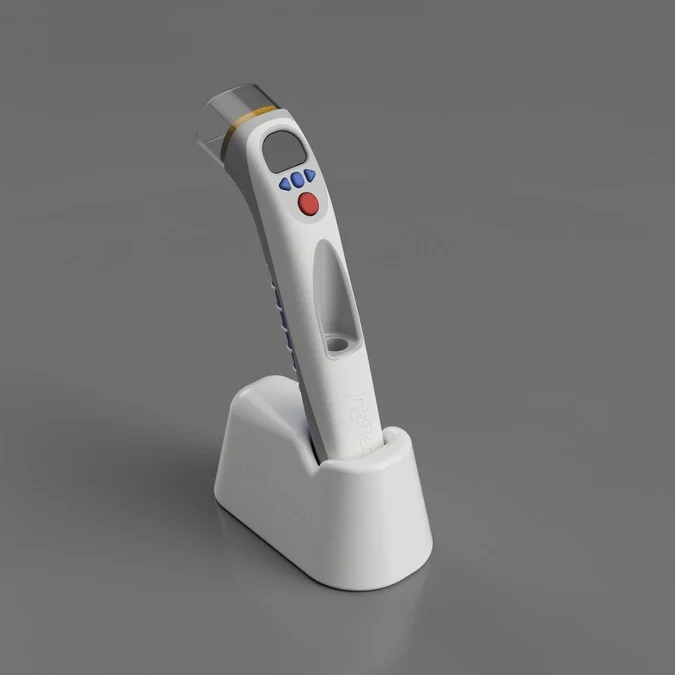
The best way to judge ElliQ is not "is it human enough?" It is: does the older adult want this kind of daily presence, and does the household need reminders and connection more than physical help?
What does ElliQ 3 actually do?
ElliQ 3 is a stationary tabletop companion robot with a separate touchscreen, far-field microphones, a front camera, Wi-Fi, Bluetooth, and Intuition Robotics' own voice AI. ui44 records it as an available companion robot released in January 2024, with a roughly 25 cm tabletop body, about 1.3 kg weight, and mains-powered operation. In plain English: it sits in one room, talks, moves its head, lights up, displays choices on screen, and tries to start useful interactions without waiting for a wake word every time.
That proactivity is the whole product. On the official ElliQ site, Intuition Robotics emphasizes medication reminders, health and pain tracking, wellness programs, exercise suggestions, photo and message sharing, video calling, music, trivia, virtual tours, community activities such as bingo, and personalized conversation. Its parent company site describes a Relationship Orchestrator that uses context, multimodality, goals, personalization, and proactive timing to decide when to engage.
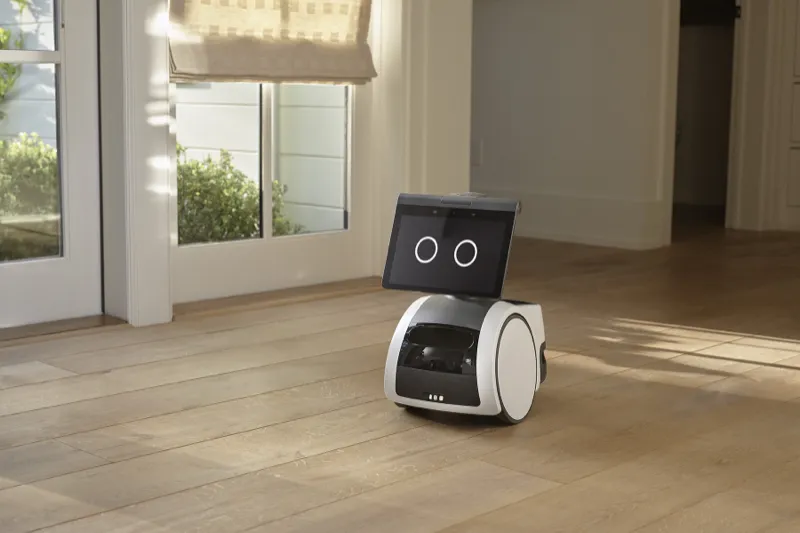
For a buyer, the important distinction is that ElliQ is not a mobile robot like Amazon Astro, not a soft therapeutic pet like PARO, and not a humanoid helper. It is closer to a senior-focused smart display with a robot-like social presence, long-term memory, and a care workflow wrapped around it.
That sounds less futuristic, but it may be the point. A robot that reliably asks how someone slept, offers a breathing exercise, starts a video call, and reminds them about medication can be more useful today than a humanoid that looks impressive but cannot safely handle a normal kitchen.
Does ElliQ 3 help with loneliness?
There is better evidence around ElliQ than around most consumer companion robots, but it still needs careful reading. The New York State Office for the Aging says its ElliQ initiative includes approximately 900 units for older adults in the community. NYSOFA reports that users interact with ElliQ more than 30 times per day, six days a week, and that more than 75% of interactions relate to social, physical, or mental well-being. Its program page also cites a 2023 report showing a 95% reduction in loneliness among participating older adults using the platform.
A 2024 paper indexed on PubMed, "ElliQ, an AI-Driven Social Robot to Alleviate Loneliness," describes ElliQ as a consumer robot with voice, sounds, lights, buttons, and a touchscreen for conversation, music, video calls, well-being assessments, stress reduction, cognitive games, and health reminders. The paper says ElliQ was deployed by 15 government agencies in the United States and that early real-world use suggests high engagement and potential quality-of-life benefits.
That is promising, but not the same as an independent randomized clinical trial proving that every buyer will benefit. The PubMed record discloses that Intuition Robotics employees and the company's CEO are among the authors. WIRED's hands-on review also captured both sides well: ElliQ can be charming, memorable, and genuinely useful for some routines, but it can also be annoying, slow to respond, occasionally infantilizing, and dependent on internet connectivity.
So the honest conclusion is this: ElliQ has unusually strong deployment data for a companion robot, especially compared with concept bots. But loneliness is personal. A robot can lower friction for interaction and routines. It cannot manufacture family connection, medical judgment, or consent.

What does ElliQ 3 cost?
ElliQ is leased rather than sold as a simple one-time gadget. On the current official ElliQ membership page, the lease initiation fee is $249 one time. The membership options are $59/month monthly, $49/month on the annual plan, or $39/month on the 24-month plan before taxes, discounts, or caregiver add-ons. The site shows the annual first-year subtotal as $837 ($249 initiation plus 12 × $49). A second year on the annual plan would add about $588, making a simple two-year annual-plan example about $1,425 before taxes or changes in pricing.
That price should be compared with services, not just hardware. ElliQ is selling the leased device, the voice experience, content, caregiver tools, updates, and support. If it replaces nothing, it is expensive. If it helps an older adult actually maintain routines, speak to family more often, and engage in wellness activities, it may be easier to justify than another unused tablet.
The subscription also changes the risk calculation. ElliQ's membership page says after a 12-month commitment, membership automatically continues for another 12 months and can be canceled anytime; ElliQ is leased only for the duration of a valid paid membership. Before buying, ask what happens if the older adult stops liking it after two months. What happens to reminders and video calling if the subscription ends? Who owns the setup account? Who receives caregiver updates? These questions matter more for ElliQ than for a one-time-purchase toy robot because the value depends on an ongoing relationship service.
The other cost is attention. ElliQ is designed to speak up. That can be supportive for someone who wants company. It can feel intrusive for someone who values quiet, privacy, or control. Treat the first month less like buying an appliance and more like trying a care routine.
How does ElliQ compare with other companion robots?
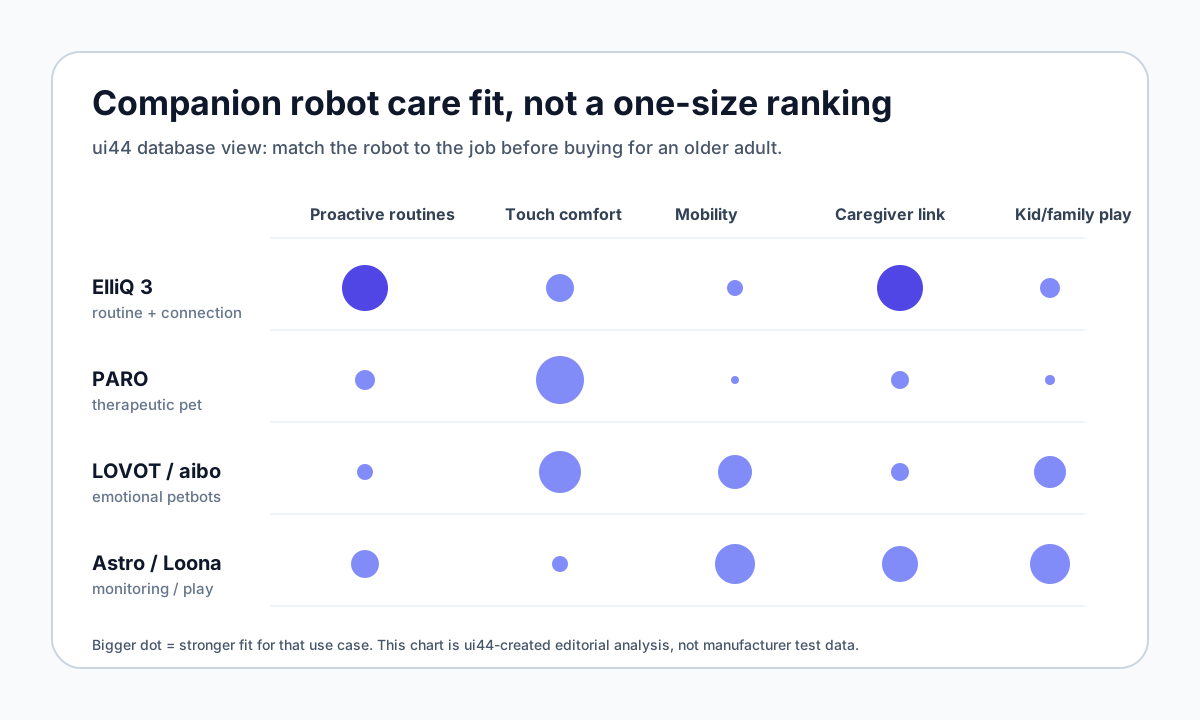
The companion category is messy because products solve very different jobs. A good ElliQ alternative depends on what problem you are actually trying to solve.
Robot
- Specs and pricing snapshot
- Available; $249 lease initiation + $59/mo monthly, $49/mo annual, or $39/mo 24-month membership; tabletop; medication reminders, wellness programs, video calling, health/pain tracking
- Best fit
- Older adults who want proactive conversation, reminders, and caregiver connection
- Main limitation
- No mobility, no physical assistance, subscription-dependent
Robot
- Specs and pricing snapshot
- Active therapeutic baby seal robot; FDA Class II medical device in the US; tactile, light, audio, temperature, posture sensors
- Best fit
- Dementia care and calming touch interaction in care settings
- Main limitation
- Institutional pricing, narrow interaction model, not a general AI assistant
Robot
- Specs and pricing snapshot
- ¥577,500 in Japan plus care plan from ¥9,900/mo; 43 cm, 4.6 kg, 30-45 min active battery, 50+ sensors
- Best fit
- Emotional pet-like companionship and owner recognition
- Main limitation
- Japan-focused pricing and subscription; no care workflow like ElliQ
Robot
- Specs and pricing snapshot
- $2,899.99 US MSRP plus subscription; 29.3 cm, 2.2 kg, ~2 hr battery, 22 axes, face recognition up to 100 faces
- Best fit
- Robotic pet experience with long-running brand support
- Main limitation
- Expensive; more pet than elder-care platform
Robot
- Specs and pricing snapshot
- About $499 bundle; 17.3 cm, 1.1 kg, 720p camera, ToF sensor, ChatGPT-4o integration
- Best fit
- Family play, kids, coding, lightweight companionship
- Main limitation
- Not senior-specific and not built around care programs
Robot
- Specs and pricing snapshot
- $1,599.99 invite pricing; 44 cm, 9.35 kg, Alexa, Visual ID, Ring integration, home patrol
- Best fit
- Remote monitoring and mobile video presence
- Main limitation
- More surveillance/security than companionship; stairs remain a boundary
| Robot | Specs and pricing snapshot | Best fit | Main limitation |
|---|---|---|---|
| ElliQ 3 | Available; $249 lease initiation + $59/mo monthly, $49/mo annual, or $39/mo 24-month membership; tabletop; medication reminders, wellness programs, video calling, health/pain tracking | Older adults who want proactive conversation, reminders, and caregiver connection | No mobility, no physical assistance, subscription-dependent |
| PARO | Active therapeutic baby seal robot; FDA Class II medical device in the US; tactile, light, audio, temperature, posture sensors | Dementia care and calming touch interaction in care settings | Institutional pricing, narrow interaction model, not a general AI assistant |
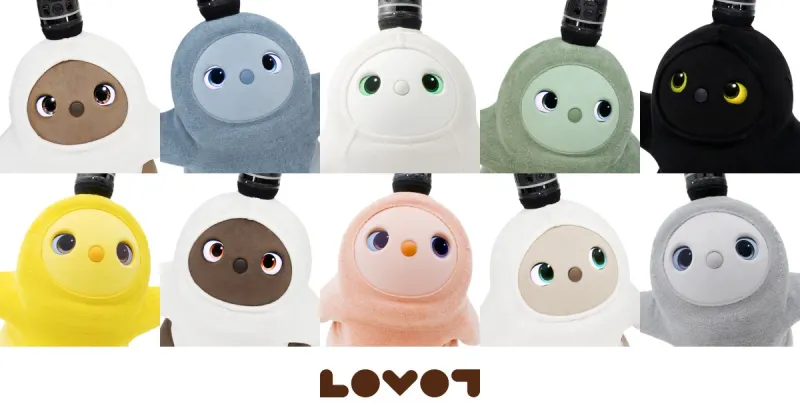
| LOVOT | ¥577,500 in Japan plus care plan from ¥9,900/mo; 43 cm, 4.6 kg, 30-45 min active battery, 50+ sensors | Emotional pet-like companionship and owner recognition | Japan-focused pricing and subscription; no care workflow like ElliQ |
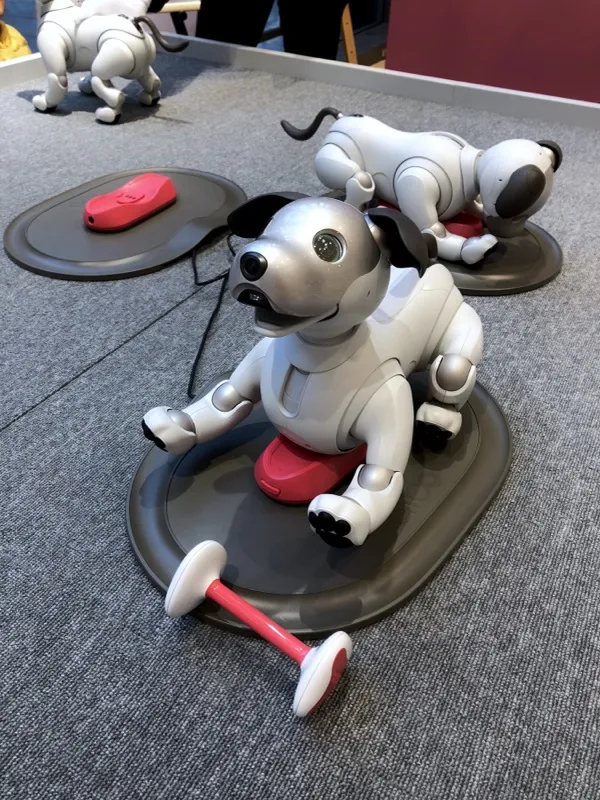
| Sony aibo | $2,899.99 US MSRP plus subscription; 29.3 cm, 2.2 kg, ~2 hr battery, 22 axes, face recognition up to 100 faces | Robotic pet experience with long-running brand support | Expensive; more pet than elder-care platform |
| Loona | About $499 bundle; 17.3 cm, 1.1 kg, 720p camera, ToF sensor, ChatGPT-4o integration | Family play, kids, coding, lightweight companionship | Not senior-specific and not built around care programs |
| Amazon Astro | $1,599.99 invite pricing; 44 cm, 9.35 kg, Alexa, Visual ID, Ring integration, home patrol | Remote monitoring and mobile video presence | More surveillance/security than companionship; stairs remain a boundary |
This is why a generic "best companion robot" ranking can mislead buyers. ElliQ is not trying to be the cutest, fastest, or most mobile robot. Its real bet is that older adults may benefit from a device that initiates contact, remembers preferences, nudges healthy habits, and gives trusted contacts a softer way to stay involved.
Who is ElliQ 3 best for?
ElliQ makes the most sense for an older adult who lives alone or spends long stretches alone, is comfortable talking to devices, wants reminders or structured wellness prompts, and has at least one caregiver or family contact who will participate in setup and follow-through. It is also more plausible when the home already has reliable Wi-Fi and the user is not deeply resistant to AI or cameras.
It is a weaker fit when the main need is physical help. If the person needs help standing up, carrying laundry, fetching objects, detecting falls across the house, or navigating stairs, ElliQ does not solve that. It may complement human care, home modifications, medical alert systems, or a mobile telepresence robot, but it cannot replace them.
It is also a poor fit if the older adult feels monitored rather than supported. WIRED's review notes that ElliQ asks permission before notifying contacts in some health-related scenarios, which is the right direction. But consent is not just a feature toggle. The person using ElliQ should understand what it does, who can contact them, what information family members may see, and how to mute or stop it.
A useful purchase conversation sounds like this: "Would you like a device that checks in, reminds you of things, offers activities, and makes it easier to call us?" A bad purchase conversation sounds like: "We bought you a robot so we can worry less."
What privacy questions should families ask first?
Any companion robot for older adults sits in a sensitive place: the kitchen table, bedroom, or living room of someone who may already feel watched by care systems. ElliQ's value depends on personalization, memory, conversation, video calling, and caregiver connection. Those are exactly the features that require trust.
Before installing ElliQ, families should decide five things in writing, even informally:
- Who controls the account? The older adult should not lose control to a relative unless they explicitly want that.
- Who can receive updates? Caregiver dashboards are useful only when the user understands and approves the flow.
- What counts as private? A robot that remembers preferences should not become a family interrogation tool.
- How is it muted? The physical button and screen controls matter because the user needs an immediate off-ramp.
- What is the backup plan? If Wi-Fi fails, the subscription lapses, or ElliQ stops being welcome, routines should not disappear.
This is not a reason to reject ElliQ. It is a reason to treat it as care technology, not a novelty gift. A robot that encourages medication reminders or wellness check-ins should be introduced with the same seriousness as a medical alert pendant, shared calendar, or remote patient-monitoring tool.
Should you buy ElliQ 3 for an older adult?
Consider ElliQ 3 if the goal is daily engagement, reminders, easy family contact, and gentle wellness coaching for someone who wants that kind of presence. It is one of the rare companion robots with real deployment history, a senior-specific interaction model, and an explicit care workflow.
Do not buy it as a substitute for human visits, home health care, emergency response, mobility support, or physical assistance. Do not buy it secretly or frame it as a surveillance device. And do not assume that "lonely" automatically means "wants a robot." Some people will find ElliQ delightful. Others will find it patronizing.
A sensible trial plan is simple:
- Start with one clear job: medication prompts, daily check-ins, video calls, or wellness activities.
- Give the user full control over volume, timing, contacts, and muting.
- Review after 30 days: are interactions welcome, ignored, or annoying?
- Compare actual use with cost: $39-$59/month after the $249 lease initiation needs real engagement.
- Keep human contact on the calendar. ElliQ should add touchpoints, not excuse fewer visits.
Bottom line
ElliQ 3 is not the home robot that does chores. It is the home robot that tries to make care routines feel conversational. That makes it narrower than the humanoid future people imagine, but more real than most of that future today.
For older adults who want proactive company, reminders, activities, and easier family contact, ElliQ is one of the most credible companion robots in the ui44 database. For buyers who need lifting, walking support, fall response, or clinical care, it is the wrong tool. The right expectation is not "robot caregiver." It is a social routine layer that may help the right person feel more supported at home.
Related in the database
Use this article as a privacy verification workflow
Turn the article into a privacy verification pass grounded in the robots, manufacturers, and components it actually references.
ElliQ 3 Review: Can a Robot Help Seniors? already points you toward 6 linked robots, 6 manufacturers, and 3 countries inside the ui44 database. That matters because strong buyer guidance is easier to apply when you can move immediately from a claim or warning into concrete product pages, manufacturer directories, component explainers, and country-level context instead of treating the article as an isolated opinion piece. The fastest next step is to turn the article into a shortlist workflow: open the linked robot pages, verify which specs are actually published for those models, then compare the surrounding manufacturer and component context before you decide whether the underlying claim changes your buying plan.
For this topic, the useful discipline is to separate the editorial lesson from the catalog evidence. The article gives you the framing, but the robot pages tell you what each product actually ships with today: sensor stack, connectivity methods, listed price, release timing, category, and support-relevant compatibility notes. The manufacturer pages then show whether you are looking at a one-off launch, a broader lineup pattern, or a company that spans multiple categories. That layered workflow reduces the risk of buying on a single marketing phrase or a single support FAQ.
Use the robot pages to confirm which products actually expose cameras, microphones, Wi-Fi, or voice systems, then use the manufacturer pages to decide how much of the privacy question seems product-specific versus brand-wide. On this route cluster, ElliQ 3, Astro, and PARO form the fastest reality check. If you want a quick working shortlist, open Compare ElliQ 3, Astro, and PARO next, then keep this article open as the reasoning layer while you compare structured data side by side.
Practical Takeaway
Every robot, manufacturer, category, component, and country reference below resolves to a real ui44 page, keeping the follow-up path grounded in database records rather than generic advice.
Suggested next steps in ui44
- Open ElliQ 3 and note the listed sensors, connectivity methods, and voice stack before you interpret any policy claim.
- Cross-check the wider brand context on Intuition Robotics so you can see whether the privacy question touches one model or a broader lineup.
- Use the linked component pages to confirm how common the relevant sensors and connectivity layers are across the database.
- Keep a short note of which policy layers you checked, which device features are actually present on the robot page, and which items still depend on region- or app-level confirmation.
- Finish with Compare ElliQ 3, Astro, and PARO so the policy reading sits next to structured product data.
Robot profiles worth opening next
Use the linked product pages as the evidence layer
The linked robot pages are where this article becomes operational. Instead of asking whether the headline is interesting, use the robot entries to inspect the actual mix of sensors, connectivity options, batteries, pricing, release timing, and stated capabilities attached to the products mentioned in the article. That is the easiest way to see whether the warning or opportunity described here affects one product family, a specific design pattern, or an entire buying lane.
ElliQ 3
Intuition Robotics · Companions · Available
ElliQ 3 is tracked on ui44 as a available companions robot from Intuition Robotics. The database currently records a listed price of Price TBA, a release date of 2024-01, Mains powered battery life, N/A (plugged in) charging time, and a published stack that includes 4-mic array, 12 MP camera for images, and 1080p HD video at 30 fps with 120° horizontal FoV plus Wi-Fi 802.11b/g/n/ac (2.4 GHz and 5 GHz) and Bluetooth 5+.
For privacy-focused reading, this page matters because it shows the concrete device surface behind the policy discussion. Use it to verify whether ElliQ 3 combines sensors and connectivity in a way that could change the in-home data footprint, and compare the listed capabilities such as Proactive Conversation, Medication Reminders, and Health & Pain Tracking with any cloud, app, or voice layers, including ElliQ Voice AI.
Astro is tracked on ui44 as a active security & patrol robot from Amazon. The database currently records a listed price of $1,599, a release date of 2021, Not officially disclosed battery life, Not officially disclosed charging time, and a published stack that includes 5MP Bezel Camera, 1080p Periscope Camera (132° FOV), and Infrared Vision plus Wi-Fi 802.11ac and Bluetooth.
For privacy-focused reading, this page matters because it shows the concrete device surface behind the policy discussion. Use it to verify whether Astro combines sensors and connectivity in a way that could change the in-home data footprint, and compare the listed capabilities such as Autonomous Home Patrol, Visual ID (face recognition), and Remote Home Monitoring with any cloud, app, or voice layers, including Amazon Alexa.
PARO is tracked on ui44 as a active companions robot from AIST. The database currently records a listed price of Price TBA, a release date of 2003, Not officially disclosed battery life, Not officially disclosed charging time, and a published stack that includes Tactile sensors, Light sensor, and Audition (audio) sensor plus Not publicly detailed.
For privacy-focused reading, this page matters because it shows the concrete device surface behind the policy discussion. Use it to verify whether PARO combines sensors and connectivity in a way that could change the in-home data footprint, and compare the listed capabilities such as Therapeutic companionship, Responds to touch, voice direction, and handling, and Learns preferred user interactions with any cloud, app, or voice layers.
LOVOT is tracked on ui44 as a available companions robot from GROOVE X. The database currently records a listed price of ¥577,500, a release date of 2019, 30-45 minutes active, then returns to nest battery life, 15-30 minutes (on charging nest) charging time, and a published stack that includes Horn Top Camera (half-sphere), Horn Front Camera, and Depth Camera plus Wi-Fi and Bluetooth.
For privacy-focused reading, this page matters because it shows the concrete device surface behind the policy discussion. Use it to verify whether LOVOT combines sensors and connectivity in a way that could change the in-home data footprint, and compare the listed capabilities such as Emotional Companionship, Person Recognition, and Touch Response (full body sensors) with any cloud, app, or voice layers.
aibo (ERS-1000)
Sony · Companions · Available
aibo (ERS-1000) is tracked on ui44 as a available companions robot from Sony. The database currently records a listed price of $3,200, a release date of 2018-01, ~2 hours battery life, ~3 hours charging time, and a published stack that includes Front Camera, SLAM Camera, and Time-of-Flight Sensor plus Wi-Fi 802.11 b/g/n (2.4GHz) and LTE.
For privacy-focused reading, this page matters because it shows the concrete device surface behind the policy discussion. Use it to verify whether aibo (ERS-1000) combines sensors and connectivity in a way that could change the in-home data footprint, and compare the listed capabilities such as Emotion Recognition, Face Recognition (up to 100 faces), and Voice Command Recognition (100+ commands) with any cloud, app, or voice layers.
Manufacturer context behind the article
Check whether this is one product story or a broader company pattern
Manufacturer pages add the privacy context that individual product pages cannot show on their own. They help you check whether cameras, microphones, cloud accounts, app controls, and policy assumptions appear across a broader lineup or stay tied to one specific product story.
Intuition Robotics
ui44 currently tracks 1 robot from Intuition Robotics across 1 category. The company is grouped under Israel, and the current catalog footprint on ui44 includes ElliQ 3.
That wider brand context matters because privacy questions rarely stop at one FAQ page. A manufacturer route helps you see whether the article is centered on one premium model or on a company that has several relevant products and therefore more than one place where the same policy or app assumptions might matter. The category mix here currently points toward Companions as the most useful next route if you want to see whether this article reflects a wider pattern inside the brand.
Amazon
ui44 currently tracks 1 robot from Amazon across 1 category. The company is grouped under USA, and the current catalog footprint on ui44 includes Astro.
That wider brand context matters because privacy questions rarely stop at one FAQ page. A manufacturer route helps you see whether the article is centered on one premium model or on a company that has several relevant products and therefore more than one place where the same policy or app assumptions might matter. The category mix here currently points toward Security & Patrol as the most useful next route if you want to see whether this article reflects a wider pattern inside the brand.
AIST
ui44 currently tracks 3 robots from AIST across 2 categorys. The company is grouped under Japan, and the current catalog footprint on ui44 includes HRP-4C, HRP-5P, PARO.
That wider brand context matters because privacy questions rarely stop at one FAQ page. A manufacturer route helps you see whether the article is centered on one premium model or on a company that has several relevant products and therefore more than one place where the same policy or app assumptions might matter. The category mix here currently points toward Research, Companions as the most useful next route if you want to see whether this article reflects a wider pattern inside the brand.
GROOVE X
ui44 currently tracks 1 robot from GROOVE X across 1 category. The company is grouped under Japan, and the current catalog footprint on ui44 includes LOVOT.
That wider brand context matters because privacy questions rarely stop at one FAQ page. A manufacturer route helps you see whether the article is centered on one premium model or on a company that has several relevant products and therefore more than one place where the same policy or app assumptions might matter. The category mix here currently points toward Companions as the most useful next route if you want to see whether this article reflects a wider pattern inside the brand.
Broaden the scan without leaving the database
Categories, components, and countries add the wider context
Category framing
Category pages are useful when the article touches a buying pattern that shows up across brands. A category route helps you confirm whether the linked products sit in a narrow niche or whether the same question should be tested across a larger field of alternatives.
Companions
The Companions category page currently groups 53 tracked robots from 48 manufacturers. ui44 describes this lane as: Social robots, robot pets, and elderly-care companions designed for emotional connection and everyday support at home.
That makes the category route a practical follow-up when you want to check whether the products linked in this article are typical for the lane or whether they sit at one edge of the market. Useful starting examples currently include PARO, Abi, Next-Generation Companion Robot.
Security & Patrol
The Security & Patrol category page currently groups 5 tracked robots from 5 manufacturers. ui44 describes this lane as: Autonomous surveillance and patrol robots that monitor homes, businesses, and perimeters — keeping watch without an operator on site.
That makes the category route a practical follow-up when you want to check whether the products linked in this article are typical for the lane or whether they sit at one edge of the market. Useful starting examples currently include Astro, Vision 60, K7 Autonomous Security Robot.
Country and ecosystem context
Country pages give extra context when support practices, launch sequencing, regulatory posture, or manufacturer mix matter. They are not a substitute for model-level verification, but they do help you see which ecosystems cluster together and which manufacturers sit in the same regional field when you broaden the search beyond the article headline.
Israel
The Israel route currently groups 5 tracked robots from 5 manufacturers in ui44. That gives you a useful regional lens when the article points toward support practices, launch sequencing, or brand clusters that may share similar ecosystem assumptions.
On the current route, manufacturers like Flytrex, Intuition Robotics, Maytronics make the page a good way to broaden the scan without losing the regional context that often shapes availability, documentation style, and adjacent alternatives.
USA
The USA route currently groups 89 tracked robots from 69 manufacturers in ui44. That gives you a useful regional lens when the article points toward support practices, launch sequencing, or brand clusters that may share similar ecosystem assumptions.
On the current route, manufacturers like Faraday Future, iRobot, Boston Dynamics make the page a good way to broaden the scan without losing the regional context that often shapes availability, documentation style, and adjacent alternatives.
Japan
The Japan route currently groups 26 tracked robots from 17 manufacturers in ui44. That gives you a useful regional lens when the article points toward support practices, launch sequencing, or brand clusters that may share similar ecosystem assumptions.
On the current route, manufacturers like AIST, SoftBank Robotics, Toyota make the page a good way to broaden the scan without losing the regional context that often shapes availability, documentation style, and adjacent alternatives.
Questions to answer before you move from reading to buying
A follow-up FAQ built from the entities already linked in this article
Frequently Asked Questions
Which page should I open first after reading “ElliQ 3 Review: Can a Robot Help Seniors?”?
Start with ElliQ 3. That gives you a concrete product anchor for the article’s main claim. From there, branch into the manufacturer and component pages so you can tell whether the article is describing one specific model, a repeated brand pattern, or a wider technology issue that affects multiple shortlist options.
How do the manufacturer pages change the buying decision?
Intuition Robotics help you zoom out from one article and one product. On ui44 they show lineup breadth, category spread, and the neighboring robots tied to the same company. That context is useful when you are deciding whether a risk belongs to a single model, whether it shows up across a brand’s portfolio, and whether you should keep looking at alternatives before committing.
When should I switch from reading to side-by-side comparison?
Move into Compare ElliQ 3, Astro, and PARO as soon as you understand the article’s main warning or promise. The article explains what to watch for, but the compare view is where you can check whether price, status, battery life, connectivity, sensors, and category fit still make the robot a good match for your own home and budget.
Where to go next in ui44
Keep the research chain inside the database
If you want to keep going, these follow-on pages give you the cleanest expansion path from article to research session. Open the comparison route first if you are deciding between products today. Open the manufacturer, category, and component routes if you still need to understand the broader pattern behind the claim.
Written by
ui44 Team
Published May 2, 2026
Share this article
Open a plain share link on X or Bluesky. No embeds, no widgets, no cookie baggage.