GROOVE X just gave the industry a useful case study. In Japan, the company opened a limited program to move part of a retired store LOVOT "ghost" into a newly purchased LOVOT 3.0 Colors unit. The official wording is careful: some identity traits can move, but private memories are deleted for personal-information and security reasons.
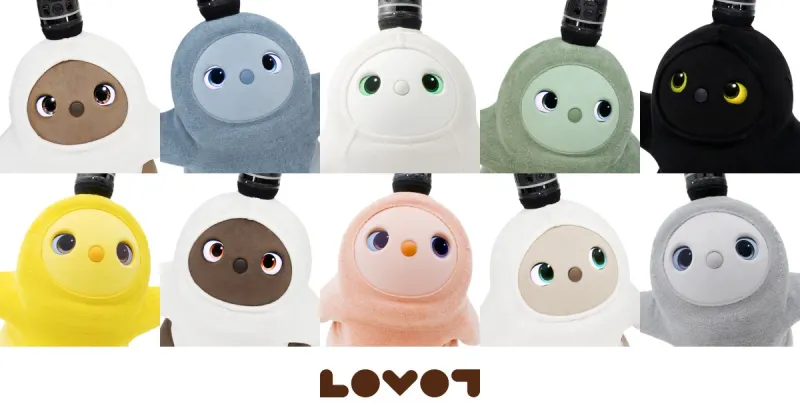
That distinction is the whole story. The future of social home robots will not be decided only by cameras, microphones, wheels, or LLMs. It will also be decided by identity policy: what a company treats as a transferable personality, what it treats as private memory, who gets to consent, and whether the owner can understand the rules before forming an attachment.
Can a companion robot keep its personality after replacement?
Sometimes, partly. But buyers should assume that a robot's personality, memory, and body are three different things until the manufacturer proves otherwise.
LOVOT's Japanese "ghost" transfer program is narrow, but it is unusually clear. GROOVE X says selected store LOVOT 3.0 Colors robots can pass on part of their ghost to a new LOVOT. The transferable pieces include things like eyes, voice, name, birthday, and temperament. The original demo body is not transferred. The program also does not copy one robot into many bodies: GROOVE X says a LOVOT "ghost" is operated as a one-of-a-kind concept, so it is not split or duplicated. One store LOVOT can be assigned to one winning buyer and one new LOVOT.
The important non-transfer is memory. GROOVE X says memories are deleted for personal-information and security protection. The company also warns that relationship patterns that depend on a living environment, such as how the robot gets attached to particular people, will grow again after delivery. In other words: the new robot may arrive with familiar identity traits, but not with a full record of its previous life.
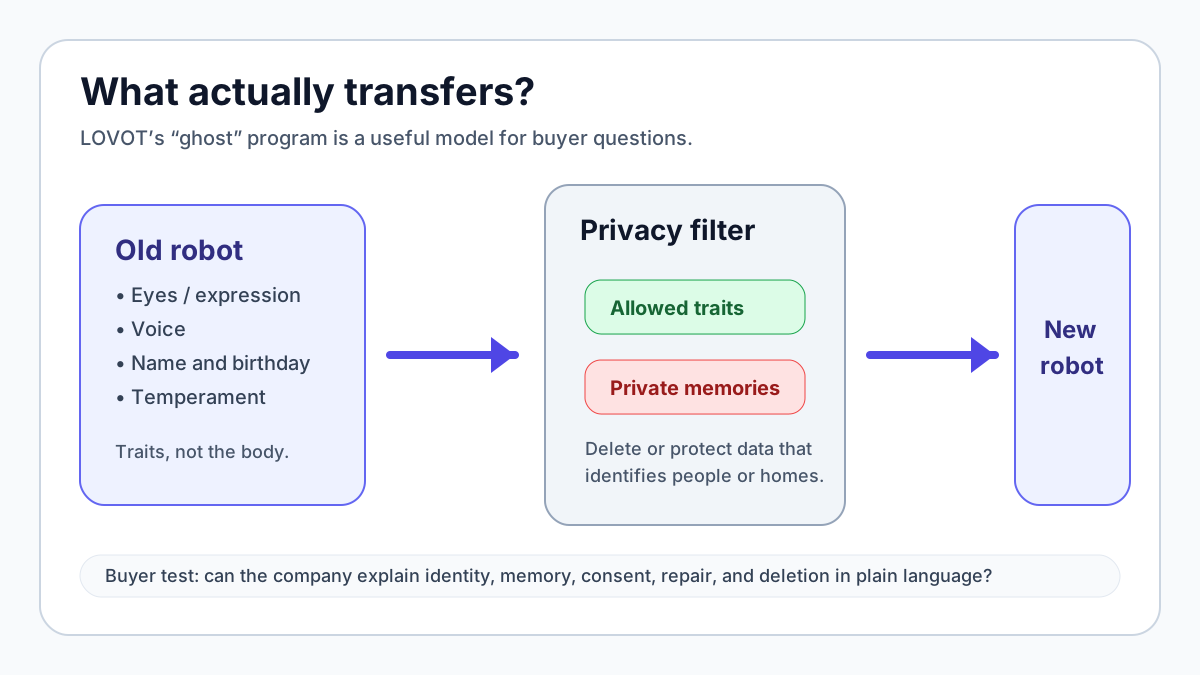
That is a healthy boundary. A home companion robot can contain photos, room maps, diaries, voice patterns, health-related interactions, and names of people in the home. Treating all of that as "personality" would be convenient for marketing, but terrible for privacy. Treating it as a mix of portable traits and protected memories is more honest.
Why LOVOT is the right robot to teach this lesson
LOVOT is designed around attachment rather than chores. ui44's database lists it as a 43 cm, 4.6 kg Japanese companion robot with more than 50 sensors, autonomous navigation, room mapping, full-body touch response, person recognition, OLED eyes, a warm body, and a charging nest. It costs ¥577,500 for LOVOT 3.0 in Japan, with a required care plan starting from ¥9,900 per month.
Those specs matter because LOVOT is not a screen with a face. It moves through a home, maps rooms, responds to touch, recognizes people, and develops behavior over time. GROOVE X's English site says the goal is not efficiency but creating a robot that makes people happy. Its newer Japanese fall-watch feature goes even further: GROOVE X says more than 18,000 LOVOTs were living in Japanese homes and facilities as of December 2025, and LOVOT 3.0 can be configured to notice a person lying down, speak nearby, and notify family.
That is why identity continuity matters. If a social robot is only a gadget, replacement is a warranty event. If a social robot becomes part of a household routine, replacement can feel like losing a relationship and receiving a new device with the same shell.
This is also why companion robots need a different buyer checklist from robot vacuums or smart speakers. Nobody expects a dishwasher to remember them. A companion robot is explicitly sold as something that grows with you.
What should transfer: traits, preferences, or memories?
The cleanest framework is to separate four layers.
Layer
Appearance identity
- Examples
- Name, eyes, voice, birthday, clothing profile
- Should it transfer?
- Often yes, if the owner asks
- Buyer concern
- Could feel fake if copied to many bodies
Layer
Behavioral style
- Examples
- Temperament, greeting style, favorite reactions
- Should it transfer?
- Maybe, with consent
- Buyer concern
- Hard to prove what is learned vs scripted
Layer
Preferences
- Examples
- Favorite music, routine reminders, app settings
- Should it transfer?
- Usually yes
- Buyer concern
- May expose private habits
Layer
Personal memory
- Examples
- Photos, room maps, diaries, health notes, guest data
- Should it transfer?
- Only with strong consent; often delete
- Buyer concern
- Highest privacy and emotional risk
| Layer | Examples | Should it transfer? | Buyer concern |
|---|---|---|---|
| Appearance identity | Name, eyes, voice, birthday, clothing profile | Often yes, if the owner asks | Could feel fake if copied to many bodies |
| Behavioral style | Temperament, greeting style, favorite reactions | Maybe, with consent | Hard to prove what is learned vs scripted |
| Preferences | Favorite music, routine reminders, app settings | Usually yes | May expose private habits |
| Personal memory | Photos, room maps, diaries, health notes, guest data | Only with strong consent; often delete | Highest privacy and emotional risk |
LOVOT's program is conservative: it moves the first layers and deletes memories. That may disappoint people who want a full continuation, but it avoids a worse problem: silently carrying store, family, or care-setting records into another home.
For buyers, the question is not "does the robot have personality?" The question is: where is that personality stored, how is it backed up, and who can move or delete it?
If a companion robot company cannot answer that plainly, treat "develops a unique personality" as entertainment language rather than a durable product promise.
The same question applies to ElliQ, Moflin, PARO, and Familiar
LOVOT is the cleanest current case study, but the issue is broader.
ElliQ 3 is a stationary companion robot for older adults, not a pet-like mobile robot. ui44 lists it as a U.S.-only English-language companion with a 12 MP camera, 1080p video, four-microphone array, 8-inch touchscreen, health and pain tracking, medication reminders, video calling, memory recording, and a caregiver dashboard. Official membership pricing includes a $249 lease initiation fee plus subscription options such as $49/month or annual plans.
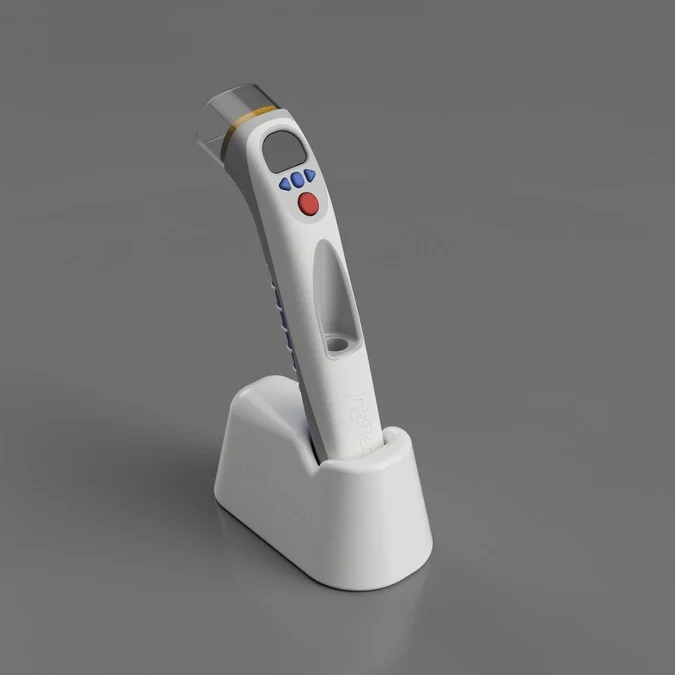
For ElliQ, the replacement question is less about eyes and more about continuity of care. What happens to medication routines, wellness history, family contacts, recorded memories, and relationship context if the hardware is replaced or the subscription ends? Because ElliQ is aimed at older adults and caregivers, the consent model matters as much as the feature list: the person living with the robot, the family member paying, and the caregiver checking in may not be the same person.
Casio Moflin raises a smaller but very pure version of the same issue. ui44 lists Moflin as a $429 palm-sized companion with touch, voice, light, and motion sensors, up to 5 hours of battery life, a charging bed, and emotional AI with more than 4 million possible emotional profiles. Casio says Moflin recognizes its owner's voice and grows attached over time. If that emotional profile cannot move to replacement hardware, buyers should know that before a child, older adult, or anxious owner bonds with it.
PARO is older, simpler, and more clinical, but it shows the same theme from the care side. The therapeutic seal robot responds to touch, voice, handling, light, temperature, and posture. It is not sold as a cloud AI friend, yet it is used precisely because people form calming routines around it. If a care home rotates units, sends one for service, or replaces a worn robot, staff should think about continuity from the resident's point of view, not only asset management.
Familiar, the upcoming quadruped companion from iRobot co-founder Colin Angle's new company, may make this question even sharper. ui44 lists Familiar as a planned 2027 companion with a small-dog form, 23 degrees of freedom, touch-sensitive exterior, on-device multimodal AI, no screen, no voice, and an evolving personality. That sounds privacy-friendly because processing is local. It also means buyers should ask a very practical question: if the personality lives on-device, can it be repaired, transferred, backed up, or intentionally erased?
The buyer checklist for robot memory transfer
The red flags
Be careful when a companion robot company uses emotional language but avoids operational details. The biggest red flags are:
- personality claims with no explanation of where behavior is stored;
- cloud dependence without an offline mode or export plan;
- camera, microphone, health, or diary features with unclear deletion controls;
- replacement programs that copy identity without explaining consent;
- care-oriented features where the purchaser controls data about another person;
- no clear support path for batteries, moving parts, clothing, docks, or sensors.
The emotional pitch can still be legitimate. LOVOT, ElliQ, Moflin, PARO, and Familiar all point to a real demand: people want robots that feel present, not just useful. The risk is that the more a robot feels present, the easier it is for buyers to overlook boring but important lifecycle terms.
Bottom line: personality is now part of the spec sheet
The LOVOT ghost-transfer program is small, Japan-only, and limited to a handful of store LOVOT 3.0 Colors units. It is not a universal model for every companion robot. But it gives buyers the right mental model.
A companion robot can have a body, a service plan, a learned behavioral style, and a private memory record. Those are not the same thing. The company should say which parts are portable, which parts are deleted, and which parts stay locked to the original hardware or account.
For now, LOVOT's conservative approach is a good sign: move a few identity traits, protect private memories, and avoid duplicating a supposedly unique "ghost." That may be less magical than a full personality backup. It is also more respectful of the people who lived around the robot.
If you are comparing companion robots, do not stop at price, sensors, or cuteness. Use ui44's robot comparison tool, check each robot's support model, and ask the identity questions early. The best companion robot is not just the one that bonds with you. It is the one that can explain what happens to that bond when the hardware changes.
Related in the database
Use this article as a privacy verification workflow
Turn the article into a privacy verification pass grounded in the robots, manufacturers, and components it actually references.
Companion Robot Personality Transfer: Buyer Questions already points you toward 5 linked robots, 5 manufacturers, and 3 countries inside the ui44 database. That matters because strong buyer guidance is easier to apply when you can move immediately from a claim or warning into concrete product pages, manufacturer directories, component explainers, and country-level context instead of treating the article as an isolated opinion piece. The fastest next step is to turn the article into a shortlist workflow: open the linked robot pages, verify which specs are actually published for those models, then compare the surrounding manufacturer and component context before you decide whether the underlying claim changes your buying plan.
For this topic, the useful discipline is to separate the editorial lesson from the catalog evidence. The article gives you the framing, but the robot pages tell you what each product actually ships with today: sensor stack, connectivity methods, listed price, release timing, category, and support-relevant compatibility notes. The manufacturer pages then show whether you are looking at a one-off launch, a broader lineup pattern, or a company that spans multiple categories. That layered workflow reduces the risk of buying on a single marketing phrase or a single support FAQ.
Use the robot pages to confirm which products actually expose cameras, microphones, Wi-Fi, or voice systems, then use the manufacturer pages to decide how much of the privacy question seems product-specific versus brand-wide. On this route cluster, LOVOT, ElliQ 3, and Moflin form the fastest reality check. If you want a quick working shortlist, open Compare LOVOT, ElliQ 3, and Moflin next, then keep this article open as the reasoning layer while you compare structured data side by side.
Practical Takeaway
Every robot, manufacturer, category, component, and country reference below resolves to a real ui44 page, keeping the follow-up path grounded in database records rather than generic advice.
Suggested next steps in ui44
- Open LOVOT and note the listed sensors, connectivity methods, and voice stack before you interpret any policy claim.
- Cross-check the wider brand context on GROOVE X so you can see whether the privacy question touches one model or a broader lineup.
- Use the linked component pages to confirm how common the relevant sensors and connectivity layers are across the database.
- Keep a short note of which policy layers you checked, which device features are actually present on the robot page, and which items still depend on region- or app-level confirmation.
- Finish with Compare LOVOT, ElliQ 3, and Moflin so the policy reading sits next to structured product data.
Robot profiles worth opening next
Use the linked product pages as the evidence layer
The linked robot pages are where this article becomes operational. Instead of asking whether the headline is interesting, use the robot entries to inspect the actual mix of sensors, connectivity options, batteries, pricing, release timing, and stated capabilities attached to the products mentioned in the article. That is the easiest way to see whether the warning or opportunity described here affects one product family, a specific design pattern, or an entire buying lane.
LOVOT is tracked on ui44 as a available companions robot from GROOVE X. The database currently records a listed price of ¥577,500, a release date of 2019, 30-45 minutes active, then returns to nest battery life, 15-30 minutes (on charging nest) charging time, and a published stack that includes Horn Top Camera (half-sphere), Horn Front Camera, and Depth Camera plus Wi-Fi and Bluetooth.
For privacy-focused reading, this page matters because it shows the concrete device surface behind the policy discussion. Use it to verify whether LOVOT combines sensors and connectivity in a way that could change the in-home data footprint, and compare the listed capabilities such as Emotional Companionship, Person Recognition, and Touch Response (full body sensors) with any cloud, app, or voice layers.
ElliQ 3
Intuition Robotics · Companions · Available
ElliQ 3 is tracked on ui44 as a available companions robot from Intuition Robotics. The database currently records a listed price of Price TBA, a release date of 2024-01, Mains powered battery life, N/A (plugged in) charging time, and a published stack that includes 4-mic array, 12 MP camera for images, and 1080p HD video at 30 fps with 120° horizontal FoV plus Wi-Fi 802.11b/g/n/ac (2.4 GHz and 5 GHz) and Bluetooth 5+.
For privacy-focused reading, this page matters because it shows the concrete device surface behind the policy discussion. Use it to verify whether ElliQ 3 combines sensors and connectivity in a way that could change the in-home data footprint, and compare the listed capabilities such as Proactive Conversation, Medication Reminders, and Health & Pain Tracking with any cloud, app, or voice layers, including ElliQ Voice AI.
Moflin is tracked on ui44 as a available companions robot from Casio. The database currently records a listed price of $429, a release date of 2025-10-01, Up to 5 hours battery life, Approx. 3.5 hours charging time, and a published stack that includes Microphone, Illuminance sensor, and Touch sensors plus its listed connectivity stack.
For privacy-focused reading, this page matters because it shows the concrete device surface behind the policy discussion. Use it to verify whether Moflin combines sensors and connectivity in a way that could change the in-home data footprint, and compare the listed capabilities such as Emotional companionship, Touch response, and Voice recognition with any cloud, app, or voice layers.
Familiar
Familiar Machines & Magic · Quadruped · Development
Familiar is tracked on ui44 as a development quadruped robot from Familiar Machines & Magic. The database currently records a listed price of Price TBA, a release date of 2027, Not disclosed battery life, Not disclosed charging time, and a published stack that includes Vision (facial expression and gesture recognition), Audio (tone of voice analysis), and Touch-sensitive exterior (3D-knitted fuzzy covering) plus Not disclosed.
For privacy-focused reading, this page matters because it shows the concrete device surface behind the policy discussion. Use it to verify whether Familiar combines sensors and connectivity in a way that could change the in-home data footprint, and compare the listed capabilities such as Quadruped Walking (23 DOF), Autonomous Navigation, and Emotional Intelligence (EQ over IQ) with any cloud, app, or voice layers.
PARO is tracked on ui44 as a active companions robot from AIST. The database currently records a listed price of Price TBA, a release date of 2003, Not officially disclosed battery life, Not officially disclosed charging time, and a published stack that includes Tactile sensors, Light sensor, and Audition (audio) sensor plus Not publicly detailed.
For privacy-focused reading, this page matters because it shows the concrete device surface behind the policy discussion. Use it to verify whether PARO combines sensors and connectivity in a way that could change the in-home data footprint, and compare the listed capabilities such as Therapeutic companionship, Responds to touch, voice direction, and handling, and Learns preferred user interactions with any cloud, app, or voice layers.
Manufacturer context behind the article
Check whether this is one product story or a broader company pattern
Manufacturer pages add the privacy context that individual product pages cannot show on their own. They help you check whether cameras, microphones, cloud accounts, app controls, and policy assumptions appear across a broader lineup or stay tied to one specific product story.
GROOVE X
ui44 currently tracks 1 robot from GROOVE X across 1 category. The company is grouped under Japan, and the current catalog footprint on ui44 includes LOVOT.
That wider brand context matters because privacy questions rarely stop at one FAQ page. A manufacturer route helps you see whether the article is centered on one premium model or on a company that has several relevant products and therefore more than one place where the same policy or app assumptions might matter. The category mix here currently points toward Companions as the most useful next route if you want to see whether this article reflects a wider pattern inside the brand.
Intuition Robotics
ui44 currently tracks 1 robot from Intuition Robotics across 1 category. The company is grouped under Israel, and the current catalog footprint on ui44 includes ElliQ 3.
That wider brand context matters because privacy questions rarely stop at one FAQ page. A manufacturer route helps you see whether the article is centered on one premium model or on a company that has several relevant products and therefore more than one place where the same policy or app assumptions might matter. The category mix here currently points toward Companions as the most useful next route if you want to see whether this article reflects a wider pattern inside the brand.
Casio
ui44 currently tracks 1 robot from Casio across 1 category. The company is grouped under Japan, and the current catalog footprint on ui44 includes Moflin.
That wider brand context matters because privacy questions rarely stop at one FAQ page. A manufacturer route helps you see whether the article is centered on one premium model or on a company that has several relevant products and therefore more than one place where the same policy or app assumptions might matter. The category mix here currently points toward Companions as the most useful next route if you want to see whether this article reflects a wider pattern inside the brand.
Familiar Machines & Magic
ui44 currently tracks 1 robot from Familiar Machines & Magic across 1 category. The company is grouped under USA, and the current catalog footprint on ui44 includes Familiar.
That wider brand context matters because privacy questions rarely stop at one FAQ page. A manufacturer route helps you see whether the article is centered on one premium model or on a company that has several relevant products and therefore more than one place where the same policy or app assumptions might matter. The category mix here currently points toward Quadruped as the most useful next route if you want to see whether this article reflects a wider pattern inside the brand.
Broaden the scan without leaving the database
Categories, components, and countries add the wider context
Category framing
Category pages are useful when the article touches a buying pattern that shows up across brands. A category route helps you confirm whether the linked products sit in a narrow niche or whether the same question should be tested across a larger field of alternatives.
Companions
The Companions category page currently groups 53 tracked robots from 48 manufacturers. ui44 describes this lane as: Social robots, robot pets, and elderly-care companions designed for emotional connection and everyday support at home.
That makes the category route a practical follow-up when you want to check whether the products linked in this article are typical for the lane or whether they sit at one edge of the market. Useful starting examples currently include PARO, Abi, Next-Generation Companion Robot.
Quadruped
The Quadruped category page currently groups 25 tracked robots from 16 manufacturers. ui44 describes this lane as: Four-legged robot dogs and quadrupeds built for rough terrain, inspection, and exploration — going where wheels can't.
That makes the category route a practical follow-up when you want to check whether the products linked in this article are typical for the lane or whether they sit at one edge of the market. Useful starting examples currently include Argos X1, D1 Pro, D2 Max.
Country and ecosystem context
Country pages give extra context when support practices, launch sequencing, regulatory posture, or manufacturer mix matter. They are not a substitute for model-level verification, but they do help you see which ecosystems cluster together and which manufacturers sit in the same regional field when you broaden the search beyond the article headline.
Japan
The Japan route currently groups 26 tracked robots from 17 manufacturers in ui44. That gives you a useful regional lens when the article points toward support practices, launch sequencing, or brand clusters that may share similar ecosystem assumptions.
On the current route, manufacturers like AIST, SoftBank Robotics, Toyota make the page a good way to broaden the scan without losing the regional context that often shapes availability, documentation style, and adjacent alternatives.
Israel
The Israel route currently groups 5 tracked robots from 5 manufacturers in ui44. That gives you a useful regional lens when the article points toward support practices, launch sequencing, or brand clusters that may share similar ecosystem assumptions.
On the current route, manufacturers like Flytrex, Intuition Robotics, Maytronics make the page a good way to broaden the scan without losing the regional context that often shapes availability, documentation style, and adjacent alternatives.
USA
The USA route currently groups 89 tracked robots from 69 manufacturers in ui44. That gives you a useful regional lens when the article points toward support practices, launch sequencing, or brand clusters that may share similar ecosystem assumptions.
On the current route, manufacturers like Faraday Future, iRobot, Boston Dynamics make the page a good way to broaden the scan without losing the regional context that often shapes availability, documentation style, and adjacent alternatives.
Questions to answer before you move from reading to buying
A follow-up FAQ built from the entities already linked in this article
Frequently Asked Questions
Which page should I open first after reading “Companion Robot Personality Transfer: Buyer Questions”?
Start with LOVOT. That gives you a concrete product anchor for the article’s main claim. From there, branch into the manufacturer and component pages so you can tell whether the article is describing one specific model, a repeated brand pattern, or a wider technology issue that affects multiple shortlist options.
How do the manufacturer pages change the buying decision?
GROOVE X help you zoom out from one article and one product. On ui44 they show lineup breadth, category spread, and the neighboring robots tied to the same company. That context is useful when you are deciding whether a risk belongs to a single model, whether it shows up across a brand’s portfolio, and whether you should keep looking at alternatives before committing.
When should I switch from reading to side-by-side comparison?
Move into Compare LOVOT, ElliQ 3, and Moflin as soon as you understand the article’s main warning or promise. The article explains what to watch for, but the compare view is where you can check whether price, status, battery life, connectivity, sensors, and category fit still make the robot a good match for your own home and budget.
Where to go next in ui44
Keep the research chain inside the database
If you want to keep going, these follow-on pages give you the cleanest expansion path from article to research session. Open the comparison route first if you are deciding between products today. Open the manufacturer, category, and component routes if you still need to understand the broader pattern behind the claim.
Written by
ui44 Team
Published May 8, 2026
Share this article
Open a plain share link on X or Bluesky. No embeds, no widgets, no cookie baggage.