Article 21 min read 4,788 words

Lume Robot Lamp: Can Furniture Do Chores?

The Lume robot lamp is one of the more interesting home-robot ideas of 2026 because it does not start with a humanoid body, a rolling screen, or a vacuum dock. Syncere is pitching Lume as a sculptural floor lamp that hides a robotic arm, then unfolds to handle soft-material chores such as folding laundry, making a bed, resetting pillows, and simple pick-and-place tidying.

ui44 Team All articles

That is a genuinely smart angle. Most home robots fail because they demand floor space, look strange, and still cannot do enough physical work. Lume flips the pitch: if a robot spends most of its life waiting, maybe it should look like furniture while it waits.
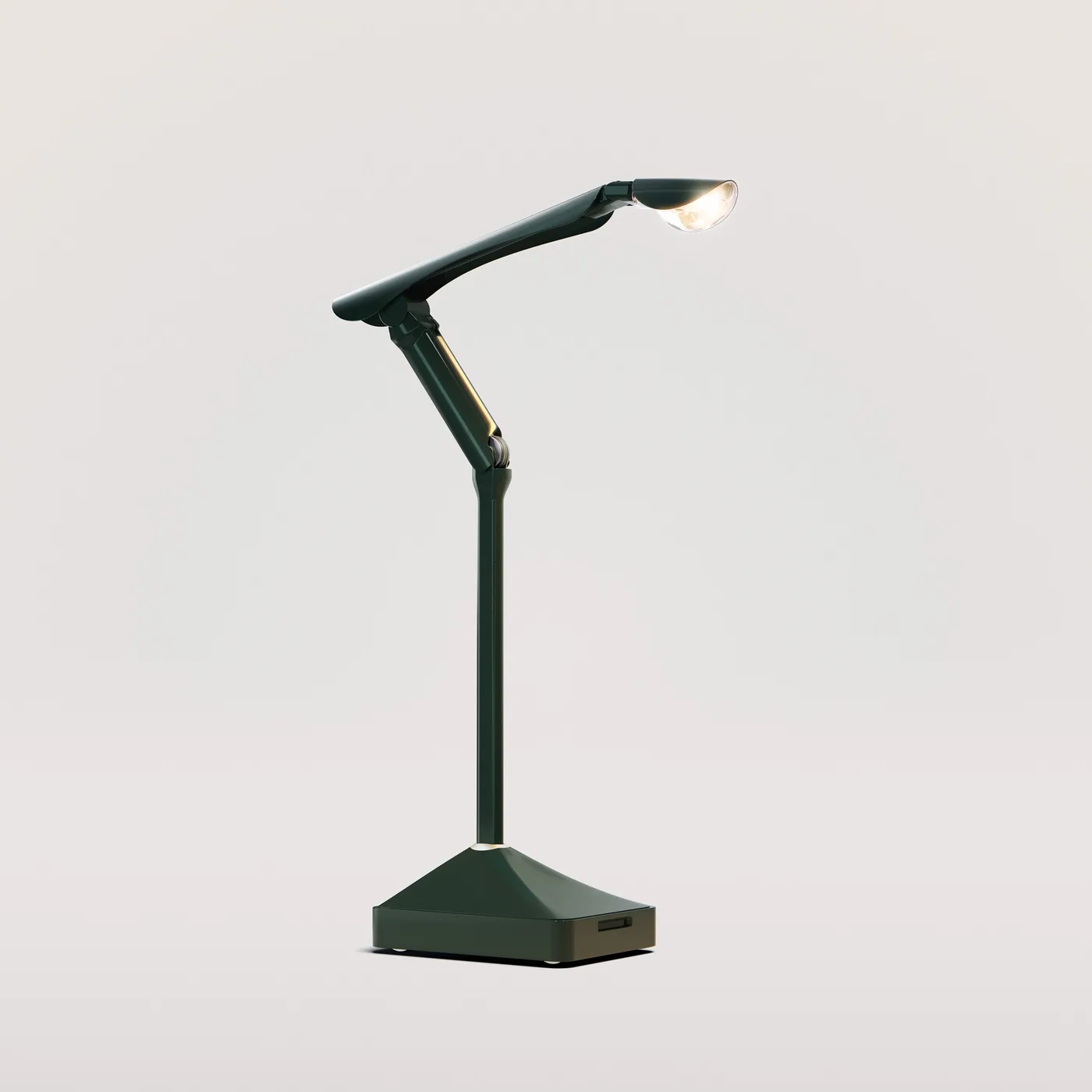
Syncere Lume robot lamp folded into a sculptural floor lamp for home robotics buyers evaluating furniture robots

The short version: Lume is worth watching because furniture-first robots may be a practical path into homes. But it is also a pre-order product with several missing specifications, no widely available independent long-term testing, and a chore list that depends on extremely hard manipulation. Treat it as an early adopter bet, not a proven laundry appliance.

What does the Lume robot lamp actually claim to do?

Syncere's official product page describes Lume as a floor lamp that can transform into a robot when needed. The company says the lamp provides focus and ambient lighting, uses ClearTouch technology that combines vision, manipulation, and light, and learns user preferences through a Personalization Band onboarding process.

The chore claims are more ambitious than the lamp shape suggests. Syncere says Lume can handle soft-material tasks such as making the bed, folding laundry, resetting pillows, and simple one-arm pick-and-place tidying. It also sells a two-unit "Duet" configuration, which the company says can handle more advanced chores faster and better, especially laundry folding.

In the ui44 database, Syncere Lume is listed as a pre-order home assistant with a single-unit price of $1,499, a $2,499 two-unit Duet bundle, and a $149 fully refundable deposit. The official page says first-batch shipping is in 8-12 weeks. Lume's folded dimensions are 11 × 15 × 45 inches / 27.9 × 38.1 × 114.3 cm, roughly floor-lamp sized.

Those numbers make Lume unusual. It is far cheaper than current full-body home humanoid pre-orders, but it is also much less general. It is not meant to walk through the house, climb stairs, carry heavy objects, or inspect every room. Its promise is narrower: put the robot where soft chores happen, then let it work in that local area.

Why hide a home robot inside furniture?

The furniture idea is not just a design flourish. It addresses three home-robot problems at once.

First, idle time. A factory robot can justify a dedicated footprint because it works all day. A home robot will often sit unused for hours. If it looks like a normal lamp while idle, it is easier to accept in a bedroom or living room.

Second, trust. People are more likely to tolerate a quiet object that stays in one area than a large mobile machine moving around unpredictably. A lamp robot can be staged near a bed, laundry basket, couch, or side table instead of roaming the entire home.

Third, mechanical scope. Soft-material chores usually happen in predictable zones: a bed, a sofa, a laundry-folding surface, a chair, or a nightstand. A stationary or semi-stationary arm does not need to solve whole-home navigation before it can attempt a useful task.

Syncere Lume furniture robot shown in a living-room setting where a lamp-like home robot can stay useful while idle

That is the strongest argument for Lume. It does not try to be a person-shaped generalist. It picks a home object people already make room for, then adds manipulation. If the arm, perception, and safety systems are good enough, the product could be useful even without whole-home autonomy.

The weakness is the same narrowness. A lamp can only reach the area around it. It will not collect laundry from a hamper in another room, decide what belongs in which drawer, or recover gracefully if a sleeve falls off the work surface. A furniture robot needs the user to set up the scene more carefully than a true mobile helper would.

How does Lume compare with other home robots with arms?

The best way to understand Lume is not to compare it with a normal floor lamp. Compare it with the other approaches to physical home robotics.
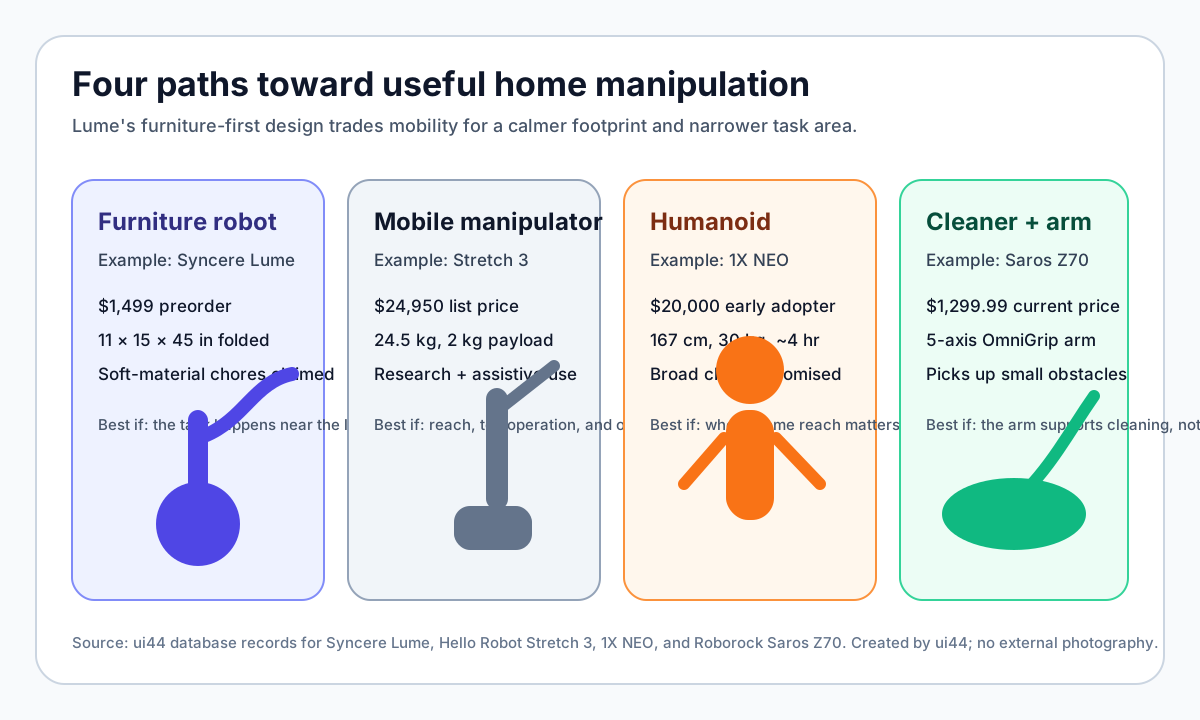
ui44 comparison chart showing Lume robot lamp, Stretch 3 mobile manipulator, 1X NEO humanoid, and Roborock Saros Z70 cleaner with an arm
Robot approach ui44 example What it is good at Main buyer risk
Furniture robot Syncere Lume Local soft-material chores without a scary footprint Pre-order maturity, missing specs, limited reach
Wheeled home assistant SwitchBot onero H1 Broader room-to-room task demos with arms High implied price and limited public specs
Mobile manipulator Stretch 3 Real home research, teleoperation, assistive tasks $24,950 research-platform pricing
Home humanoid 1X NEO Whole-home reach and general task promise $20,000 early-adopter pricing and autonomy risk
Cleaner with arm Roborock Saros Z70 Small-object pickup as part of floor cleaning The arm is task-specific, not a housework generalist

This table shows why Lume is interesting. It is not the most capable robot in the database, but it may have one of the lowest-friction forms. A full-size humanoid such as 1X NEO is designed to work across a home, but ui44 lists it at $20,000 for early adopters, with a 167 cm, 30 kg body and roughly 4 hours of battery life. That is a much bigger commitment than a lamp-shaped product.

Stretch 3 is more grounded as hardware. Hello Robot lists it at $24,950, with a 24.5 kg body, 33 × 34 × 141 cm footprint, 2 kg payload, and 2-5 hour runtime. It is one of the clearest examples of a real indoor mobile manipulator, but it is primarily a research and assistive robotics platform, not a consumer furniture purchase.

Roborock's Saros Z70 proves another path: add a small arm to a product people already buy. ui44 lists the Saros Z70 at $1,299.99, with a five-axis OmniGrip arm and 22,000 Pa suction. But its arm exists to move socks, shoes, and small obstacles so the vacuum can clean. It is not trying to make a bed.

Is laundry folding a realistic first chore?

Laundry folding is a tempting demo because everyone understands it, but it is also a hard robotics problem. Clothes deform, hide edges, bunch up, slip, and change shape depending on fabric, size, thickness, and dryness. A towel is easier than a fitted sheet. A T-shirt is easier on a clear table than mixed laundry on a bed. A pair of socks is not the same task as folding pants.

That does not mean Lume's pitch is impossible. It means buyers should separate three levels of evidence:

  1. Scripted demo: the robot completes a carefully prepared fold under ideal conditions.
  2. Repeatable task mode: the robot handles a limited set of garments or bed-reset actions when the setup is consistent.
  3. Appliance reliability: the robot works day after day with normal household variation and minimal rescue.

A publishable consumer product needs to move from level one toward level three. The official page says Lume can handle soft-material chores today and will gain more capabilities through software updates. For buyers, the key question is not whether a demo fold exists. It is how many garment types, bed sizes, lighting conditions, and failure cases the robot can handle before a human has to step in.
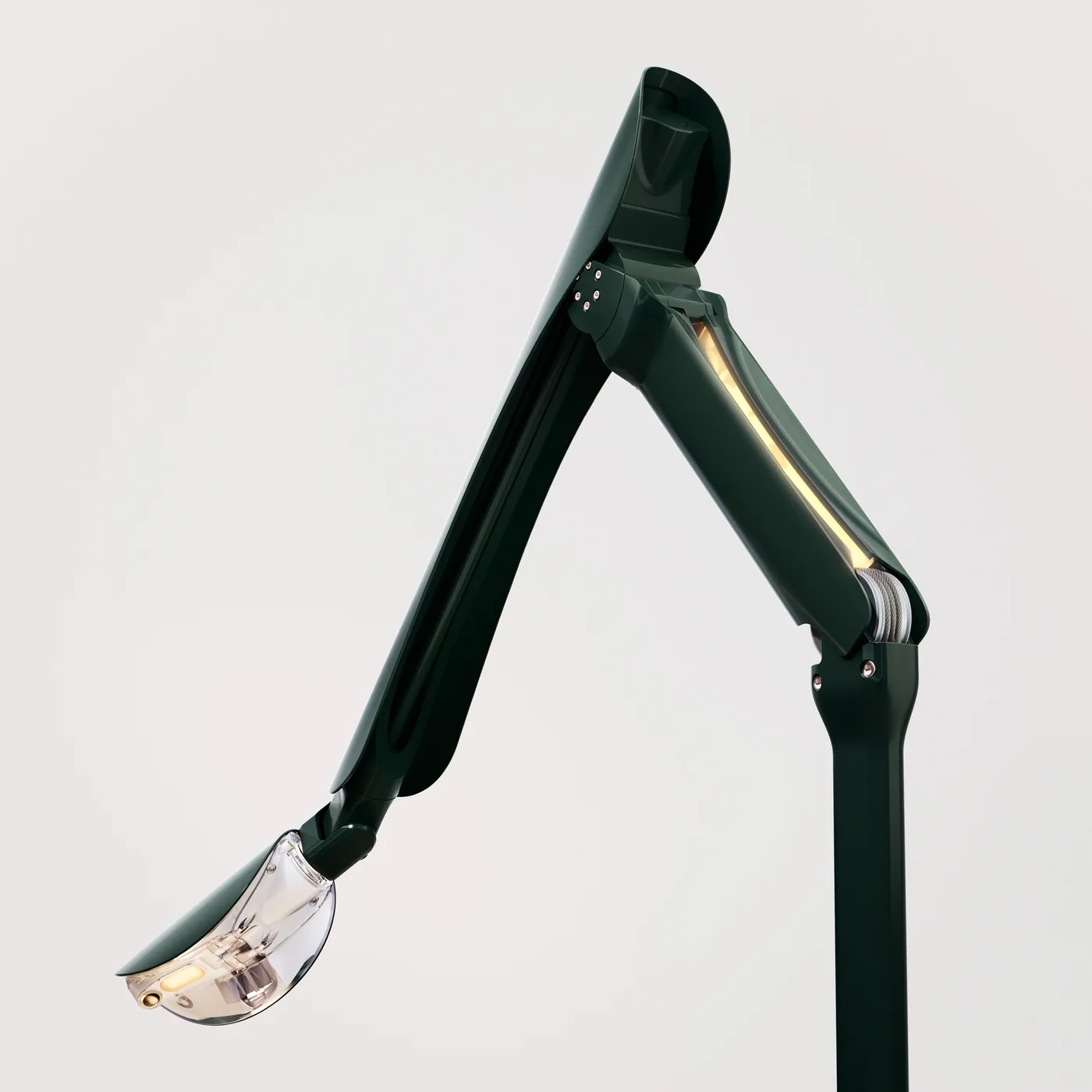
Syncere Lume robotic arm detail showing the hidden manipulation hardware behind the lamp-style home robot concept

This is where Lume's shape may help. A lamp near a bed can focus on a constrained workspace. It does not need to walk to the laundry room. It does not need to identify every drawer. A two-Lume setup could also solve some bimanual problems that one arm struggles with. But the same constraint means the human still has to bring the chore to the robot or place the robot exactly where the chore happens.

What important specs are still missing?

The current ui44 record for Lume has several "not officially disclosed" fields. That is normal for a very new pre-order product, but it matters because physical home robots fail on practical details, not just big claims.

The most important missing specs are:

  • Weight: tells you whether the lamp is easy to move, tip-resistant, and safe if bumped.
  • Battery life or power requirement: tells you whether Lume is meant to work unplugged, plugged in, or docked near an outlet.
  • Charging time: matters if chores take multiple sessions.
  • Payload and grip force: tells you what the arm can safely lift, pinch, or pull.
  • Workspace radius: tells you how much of a bed, couch, or table it can actually reach.
  • Safety certifications: especially important for a moving arm in bedrooms and living rooms.
  • Noise: a chore robot that sounds industrial will not feel like furniture for long.
  • Service plan: spare parts, warranty terms, repair process, and software support matter more than launch-day aesthetics.

Syncere does say early first-batch buyers get lifetime software updates and a lifetime warranty, and the product page lists a 365-day return policy for items returned in original condition. Those are useful signals. They do not replace hard robot specs.

Who should consider a Lume preorder?

Lume makes the most sense for early adopters who want to support a new form factor and understand the difference between a demo-capable robot and a finished appliance. The most promising households are probably not the ones expecting a general maid. They are the ones with a specific local task: resetting pillows, arranging throws, helping with a repeatable bed routine, or experimenting with folding in a controlled area.

It may also appeal to people who would never allow a full-size humanoid or wheeled robot into a bedroom. A floor lamp is socially easier. If Lume can do even a few reliable chores while looking like a normal object the rest of the day, that is a meaningful design win.

It is not the right bet if you need guaranteed assistance now, if the chore has medical or accessibility consequences, or if you expect broad whole-home autonomy. In those cases, a more mature assistive platform such as Stretch 3, a narrow shipped product, or human help is more realistic.
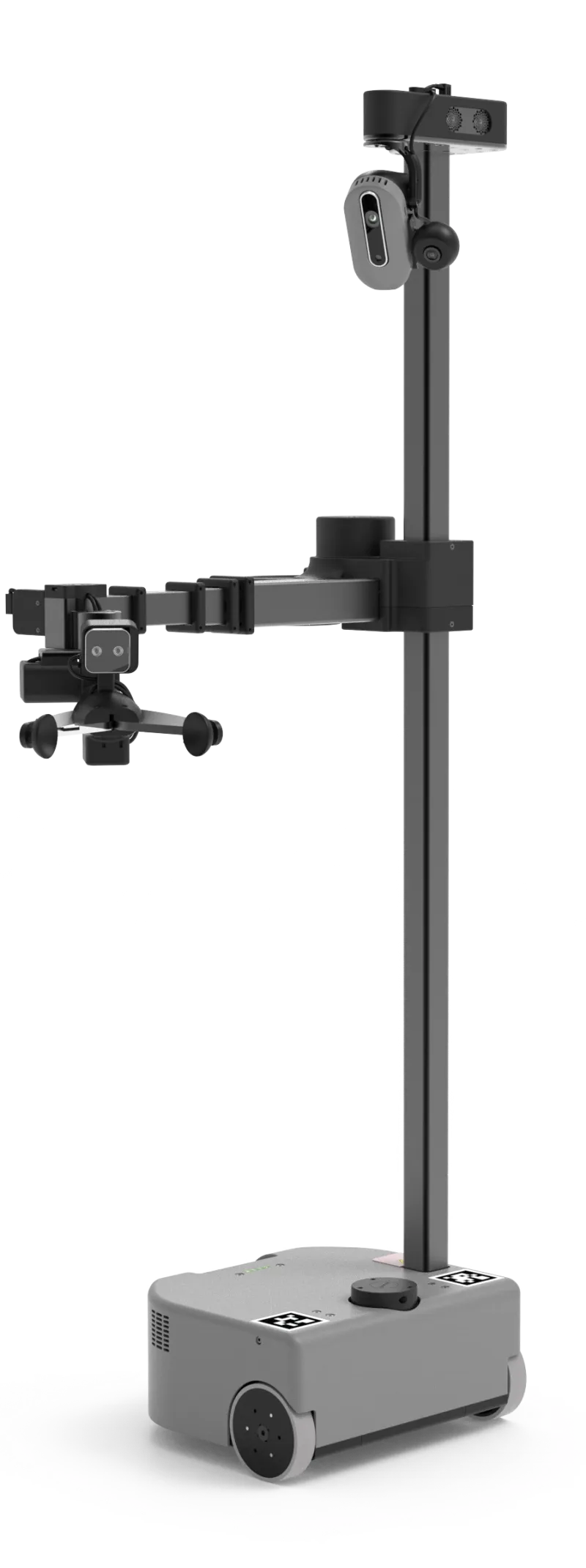
Hello Robot Stretch 3 mobile manipulator shows the more explicit research-platform path to home robot arms and assistive manipulation

The practical preorder checklist is simple:

  • Ask for unedited videos of the exact chore you care about.
  • Ask whether one Lume or two are required for that chore.
  • Ask what happens when fabric falls outside the workspace.
  • Ask whether it needs to be plugged in during chores.
  • Ask what surfaces, bed heights, and lighting conditions are supported.
  • Ask how returns work after real household testing.
  • Ask what parts are user-serviceable.
  • Ask whether future chore capabilities require a subscription.

Those questions are not hostile. They are what turn a beautiful robotics concept into a buyable home product.

What should buyers compare Lume against?

If your goal is actual home manipulation, compare Lume with three categories.

First, compare it with narrow shipped automation. A robot vacuum with a small arm like the Saros Z70 is less magical, but it is already a product category buyers understand. It solves a smaller problem: moving light obstacles so floor cleaning can continue. That is not laundry folding, but it is a clearer shipped value proposition.
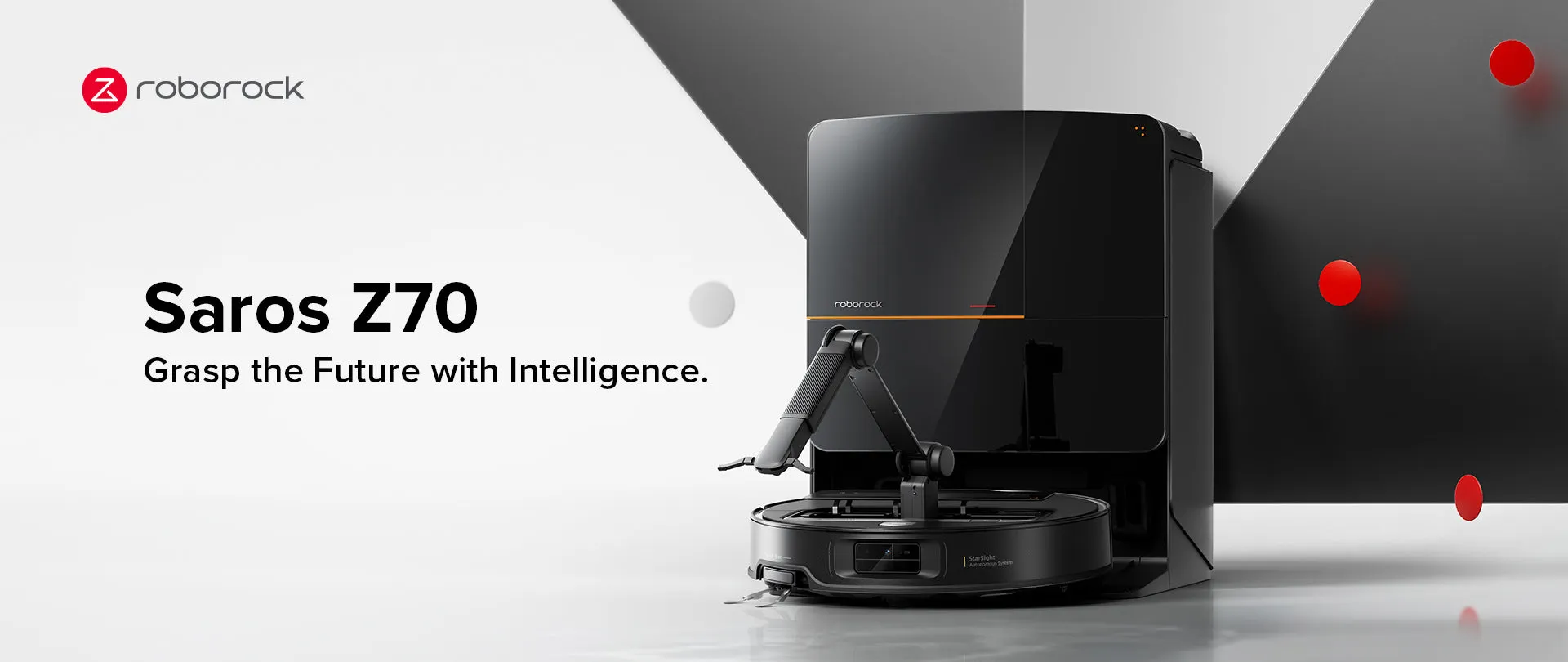
Roborock Saros Z70 robot vacuum with OmniGrip mechanical arm illustrates the narrower shipped path for home robots with small manipulators

Second, compare it with mobile manipulation platforms. Stretch 3 is expensive, but it shows what a purpose-built indoor arm platform looks like when reach, teleoperation, sensors, and open software are the priority. If Lume ships, its advantage will be price and domestic fit, not research flexibility.

Third, compare it with whole-home humanoids and assistants. 1X NEO, SwitchBot onero H1, and Samsung Ballie represent broader visions: a robot that moves through the home, understands context, and performs or coordinates many kinds of help. But they also bring larger bodies, higher prices, more unsolved autonomy, or delayed availability. Lume is more modest in body, but not necessarily simpler in the chores it claims.

Is the Lume robot lamp the future of home robots?

Maybe not the whole future, but it is a future worth taking seriously. The first useful home robots may not look like people. They may look like furniture, appliances, lamps, carts, cleaners, or other objects that already belong in a room.

Lume's best idea is not "a robot that folds laundry." It is "a robot that has a reason to exist when it is not working." That matters because domestic robots must share space with people, pets, guests, furniture, and routines. A product that fits into the home while idle starts with an advantage.

The hard part is proving the work. Folding laundry, making beds, and handling soft household materials are much harder than a polished product page can make them look. Until independent household tests exist, Lume should be evaluated as a promising pre-order concept with unusually strong industrial design, not as a solved chore robot.

If Syncere can ship reliable local manipulation in a lamp-sized package, the Lume robot lamp could become one of the clearest examples of a non-humanoid home robot that earns its place. If the chores stay demo-only, it will still be a useful lesson: home robots need to be good housemates before they can become household help.

Database context

Use this article as a setup-friction workflow

Turn the article into a real verification pass

Lume Robot Lamp: Can Furniture Do Chores? already points you toward 5 linked robots, 5 manufacturers, and 3 countries inside the ui44 database. Treat those links as a first-day setup trail: open the robot pages, check what is actually published about charging, battery life, control method, app or OTA support, and recovery, then use the surrounding manufacturer and country context to judge whether the article describes a low-friction product path or a still-specialist deployment.

For setup topics, the useful discipline is to separate a polished demo from the work required after the box arrives. The article gives you the narrative, but the robot pages show the operational clues: dimensions, weight, battery runtime, charging time, controller support, listed availability, and the capabilities that might need supervision. Manufacturer pages then reveal whether the same setup assumptions repeat across a wider lineup.

Use the robot pages to verify what happens between delivery and the first useful task: size, weight, battery, charger or dock path, controller, app, OTA support, and recovery cues. On this route cluster, Lume, onero H1, and Stretch 3 form the fastest setup-friction reality check. If you want a quick working shortlist, open Compare Lume, onero H1, and Stretch 3 next, then keep this article open while you compare first-day setup evidence side by side.

Practical Takeaway

The links below stay tied to the robots, manufacturers, and countries actually referenced by this setup article, so the checklist remains grounded in published ui44 records rather than generic humanoid advice.

Suggested next steps in ui44

  1. Open Lume and check the concrete first-day fields: box contents, charger or dock path, battery life, controller, app, OTA support, and recovery options.
  2. Use Syncere to see whether the company’s broader lineup looks appliance-like, developer-first, or still closer to a pilot deployment.
  3. Run Compare Lume, onero H1, and Stretch 3 with the article open and compare battery, size, weight, price path, status, and support cues side by side.
  4. Write down the first realistic task each robot can plausibly attempt on day one, then separate low-friction setup signals from impressive but still lab-style demos.

Database context

Robot profiles worth opening next

Use the linked product pages as the evidence layer

The linked robot pages are where this setup article becomes operational. Use the robot entries to inspect the actual mix of size, weight, battery runtime, charging path, control method, pricing, availability, and stated capabilities attached to the products mentioned in the article. That is the easiest way to see whether the first useful task looks appliance-like, developer-led, or still dependent on supervised experimentation.

Lume

Syncere · Home Assistants · Pre-order

$1,499

Lume is tracked on ui44 as a pre-order home assistants robot from Syncere. The database currently records a listed price of $1,499, a release date of 2026-04-15, Not officially disclosed battery life, Not officially disclosed charging time, and a published stack that includes Vision system (officially referenced as part of ClearTouch) plus its listed connectivity stack.

For setup-friction reading, this page matters because it shows the physical and support burden behind the demo. Use it to verify whether Lume has a credible day-one path across charging, control, recovery, battery limits, and listed capabilities such as Laundry folding, Bed making, and Pillow resetting.

onero H1

SwitchBot · Home Assistants · Development

$9,999

onero H1 is tracked on ui44 as a development home assistants robot from SwitchBot. The database currently records a listed price of $9,999, a release date of 2026-01-04, Not officially disclosed battery life, Not officially disclosed charging time, and a published stack that includes Multiple cameras, Depth sensing, and Tactile feedback sensing plus its listed connectivity stack.

For setup-friction reading, this page matters because it shows the physical and support burden behind the demo. Use it to verify whether onero H1 has a credible day-one path across charging, control, recovery, battery limits, and listed capabilities such as Indoor wheeled home navigation, Household object manipulation, and Grasping, pushing, opening, and organizing tasks.

Stretch 3

Hello Robot · Home Assistants · Active

$24,950

Stretch 3 is tracked on ui44 as a active home assistants robot from Hello Robot. The database currently records a listed price of $24,950, a release date of 2024, 2–5 hours battery life, Not disclosed charging time, and a published stack that includes Intel D405 RGBD Camera (gripper), Intel D435if RGBD Camera (head), and Wide-Angle RGB Camera (head) plus Wi-Fi and Ethernet.

For setup-friction reading, this page matters because it shows the physical and support burden behind the demo. Use it to verify whether Stretch 3 has a credible day-one path across charging, control, recovery, battery limits, and listed capabilities such as Mobile Manipulation, Autonomous Navigation, and Teleoperation (Web / Gamepad / Dexterous).

NEO

1X Technologies · Humanoid · Pre-order

$20,000

NEO is tracked on ui44 as a pre-order humanoid robot from 1X Technologies. The database currently records a listed price of $20,000, a release date of 2025-10-28, ~4 hours battery life, Not disclosed charging time, and a published stack that includes RGB Cameras, Depth Sensors, and Tactile Skin plus Wi-Fi and Bluetooth.

For setup-friction reading, this page matters because it shows the physical and support burden behind the demo. Use it to verify whether NEO has a credible day-one path across charging, control, recovery, battery limits, and listed capabilities such as Household Chores, Tidying Up, and Safe Human Interaction.

Saros Z70

Roborock · Cleaning · Available

$1,299

Saros Z70 is tracked on ui44 as a available cleaning robot from Roborock. The database currently records a listed price of $1,299, a release date of 2025-05, 6400 mAh Li-ion (runtime varies by mode) battery life, Not officially disclosed charging time, and a published stack that includes LiDAR (StarSight 2.0), 3D Structured Light, and RGB Camera plus Wi-Fi and Bluetooth.

For setup-friction reading, this page matters because it shows the physical and support burden behind the demo. Use it to verify whether Saros Z70 has a credible day-one path across charging, control, recovery, battery limits, and listed capabilities such as OmniGrip 5-Axis Mechanical Arm, Object Pickup (socks, shoes, small items), and Obstacle Relocation, with voice support noted as Amazon Alexa and Google Assistant.

Database context

Manufacturer context behind the article

Check whether this is one product story or a broader company pattern

Manufacturer pages add the setup context that individual product pages cannot show on their own. They help you check whether a brand repeats the same controller, battery, update, support, and availability patterns across multiple robots, or whether the article is really describing one early product path. That matters for humanoids because first-day friction usually comes from the surrounding ecosystem as much as from the robot itself.

Syncere

ui44 currently tracks 1 robot from Syncere across 1 category. The company is grouped under Unknown, and the current catalog footprint on ui44 includes Lume.

That wider brand context matters because setup friction is rarely just a box problem. A manufacturer route helps you see whether the company has repeated controller, battery, support, and update patterns across its lineup, or whether the article is really about one early product story. The category mix here currently points toward Home Assistants as the most useful next route if you want to see whether this article reflects a wider pattern inside the brand.

SwitchBot

ui44 currently tracks 2 robots from SwitchBot across 2 categorys. The company is grouped under Unknown, and the current catalog footprint on ui44 includes K20+ Pro, onero H1.

That wider brand context matters because setup friction is rarely just a box problem. A manufacturer route helps you see whether the company has repeated controller, battery, support, and update patterns across its lineup, or whether the article is really about one early product story. The category mix here currently points toward Cleaning, Home Assistants as the most useful next route if you want to see whether this article reflects a wider pattern inside the brand.

Hello Robot

ui44 currently tracks 1 robot from Hello Robot across 1 category. The company is grouped under USA, and the current catalog footprint on ui44 includes Stretch 3.

That wider brand context matters because setup friction is rarely just a box problem. A manufacturer route helps you see whether the company has repeated controller, battery, support, and update patterns across its lineup, or whether the article is really about one early product story. The category mix here currently points toward Home Assistants as the most useful next route if you want to see whether this article reflects a wider pattern inside the brand.

1X Technologies

ui44 currently tracks 2 robots from 1X Technologies across 1 category. The company is grouped under Norway, and the current catalog footprint on ui44 includes NEO, EVE.

That wider brand context matters because setup friction is rarely just a box problem. A manufacturer route helps you see whether the company has repeated controller, battery, support, and update patterns across its lineup, or whether the article is really about one early product story. The category mix here currently points toward Humanoid as the most useful next route if you want to see whether this article reflects a wider pattern inside the brand.

Database context

Broaden the scan without leaving the database

Categories, components, and countries add the wider context

Category framing

Category pages are useful when the article touches a buying pattern that shows up across brands. A category route helps you confirm whether the linked products sit in a narrow niche or whether the same question should be tested across a larger field of alternatives.

Home Assistants

The Home Assistants category page currently groups 12 tracked robots from 12 manufacturers. ui44 describes this lane as: Arm-based household helpers — laundry folders, kitchen robots, and mobile manipulators that handle physical tasks at home.

That makes the category route a practical follow-up when you want to check whether the products linked in this article are typical for the lane or whether they sit at one edge of the market. Useful starting examples currently include Robody, Futuring 2 (F2), Stretch 3.

Humanoid

The Humanoid category page currently groups 62 tracked robots from 45 manufacturers. ui44 describes this lane as: Full-size bipedal humanoid robots designed to work alongside humans. From factory floors to household tasks, these machines represent the cutting edge of robotics.

That makes the category route a practical follow-up when you want to check whether the products linked in this article are typical for the lane or whether they sit at one edge of the market. Useful starting examples currently include NEO, EVE, Mornine M1.

Country and ecosystem context

Country pages give extra context when support practices, launch sequencing, regulatory posture, or manufacturer mix matter. They are not a substitute for model-level verification, but they do help you see which ecosystems cluster together and which manufacturers sit in the same regional field when you broaden the search beyond the article headline.

USA

The USA route currently groups 16 tracked robots from 12 manufacturers in ui44. That gives you a useful regional lens when the article points toward support practices, launch sequencing, or brand clusters that may share similar ecosystem assumptions.

On the current route, manufacturers like Boston Dynamics, Figure AI, Tesla make the page a good way to broaden the scan without losing the regional context that often shapes availability, documentation style, and adjacent alternatives.

Norway

The Norway route currently groups 2 tracked robots from 1 manufacturers in ui44. That gives you a useful regional lens when the article points toward support practices, launch sequencing, or brand clusters that may share similar ecosystem assumptions.

On the current route, manufacturers like 1X Technologies make the page a good way to broaden the scan without losing the regional context that often shapes availability, documentation style, and adjacent alternatives.

China

The China route currently groups 47 tracked robots from 14 manufacturers in ui44. That gives you a useful regional lens when the article points toward support practices, launch sequencing, or brand clusters that may share similar ecosystem assumptions.

On the current route, manufacturers like AGIBOT, Roborock, Unitree Robotics make the page a good way to broaden the scan without losing the regional context that often shapes availability, documentation style, and adjacent alternatives.

Database context

Questions to answer before you move from reading to buying

A follow-up FAQ built from the entities already linked in this article

Frequently Asked Questions

Which page should I open first after reading “Lume Robot Lamp: Can Furniture Do Chores?”?

Start with Lume. That gives you a concrete product anchor for the article’s main claim. From there, branch into the manufacturer and component pages so you can tell whether the article is describing one specific model, a repeated brand pattern, or a wider technology issue that affects multiple shortlist options.

How do the manufacturer pages change the buying decision?

Syncere help you zoom out from one article and one product. On ui44 they show lineup breadth, category spread, and the neighboring robots tied to the same company. That context is useful when you are deciding whether a risk belongs to a single model, whether it shows up across a brand’s portfolio, and whether you should keep looking at alternatives before committing.

When should I switch from reading to side-by-side comparison?

Move into Compare Lume, onero H1, and Stretch 3 as soon as you understand the article’s main warning or promise. The article explains what to watch for, but the compare view is where you can check whether price, status, battery life, connectivity, sensors, and category fit still make the robot a good match for your own home and budget.

Database context

Where to go next in ui44

Keep the research chain inside the database

If you want to keep going, these follow-on pages give you the cleanest expansion path from article to research session. Open the comparison route first if you are deciding between products today. Open the manufacturer, category, and component routes if you still need to understand the broader pattern behind the claim.

UT

Written by

ui44 Team

Published April 27, 2026

Share this article

Open a plain share link on X or Bluesky. No embeds, no widgets, no cookie baggage.

Explore the database

Go beyond the headlines

Compare specs, features, and prices across 100+ robots from leading manufacturers worldwide.