That sounds bureaucratic. For home robot buyers, it is practical. A serious robot is not a toaster. It is a moving computer with batteries, cameras, motors, software updates, possible cloud services, and sometimes arms powerful enough to carry real objects. If you are spending $13,500, $20,000, or $29,950 on a robot, you should want more than a receipt.
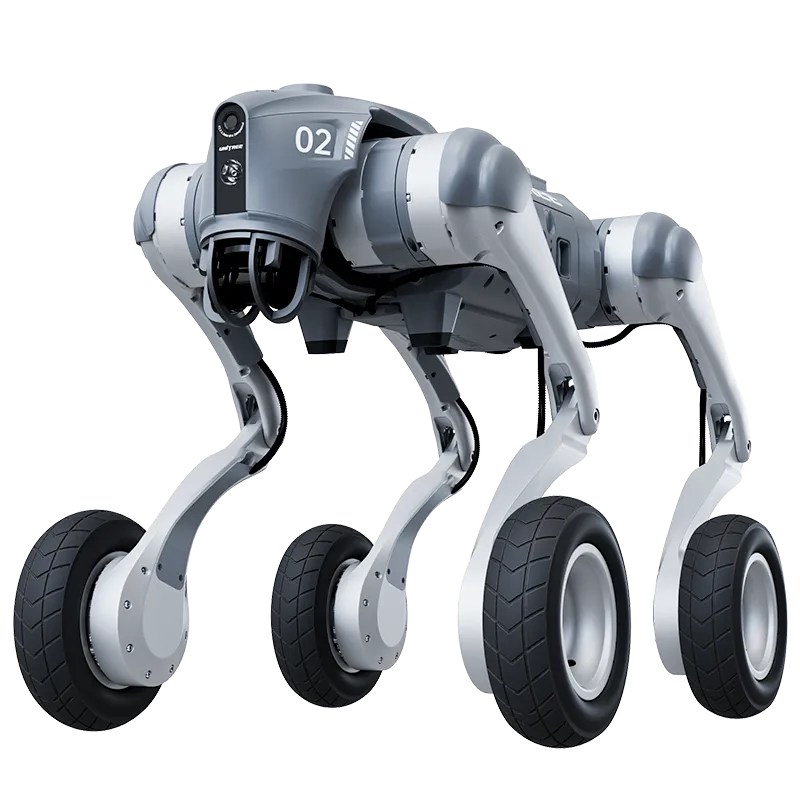
The short version: home robots may eventually need something closer to a car's service book than a gadget warranty page. The Hubei pilot is not a global rule, and it does not mean every future companion robot will carry a government passport. But it points at the right buyer question: what records should move with the robot for its whole life?
What is China's humanoid robot ID pilot?
China Daily reported that the Hubei Humanoid Robot Innovation Center in Wuhan is testing unique ID numbers for humanoid robots. The article says the code has 29 numerals and English letters and identifies brand nationality, company, product model, serial number, manufacturer, hardware parameters, intelligence level, and factory filing records.
The important part is not the length of the code. It is what the code can point to.
According to the report, the linked management platform can expose equipment maintenance records, application scenarios, joint wear and tear, battery status, and operational accuracy. If a robot breaks down, operators can inspect logs and maintenance records through the ID to locate faults, decide liability, and carry out repairs faster. A future user could also review performance and service records before reusing or reselling the robot.
That is a big claim, so keep the scope narrow. This is a Hubei-led pilot, not a finished international standard. China Daily says official numbering will begin after relevant national standards are released. The first enterprises named are mostly industrial-chain companies, and one participating company described its robots as used in industrial manufacturing, commercial services, and demonstration training.
Still, the direction is obvious. Expensive physical robots are becoming long-lived assets. Long-lived assets need records.
Why a home robot ID is not the same as a serial number
A serial number says, "this is the unit." A useful robot passport says, "this is what happened to the unit."
That difference matters because home robots age in ways ordinary electronics do not. Batteries lose capacity. Joint modules wear. Grippers drift out of calibration. Wheels and feet collect impacts. Sensors get scratched, replaced, or recalibrated. Software updates can change what the robot is allowed to do. Teleoperation, autonomy settings, and cloud services can alter the practical risk profile without changing the shell of the machine.
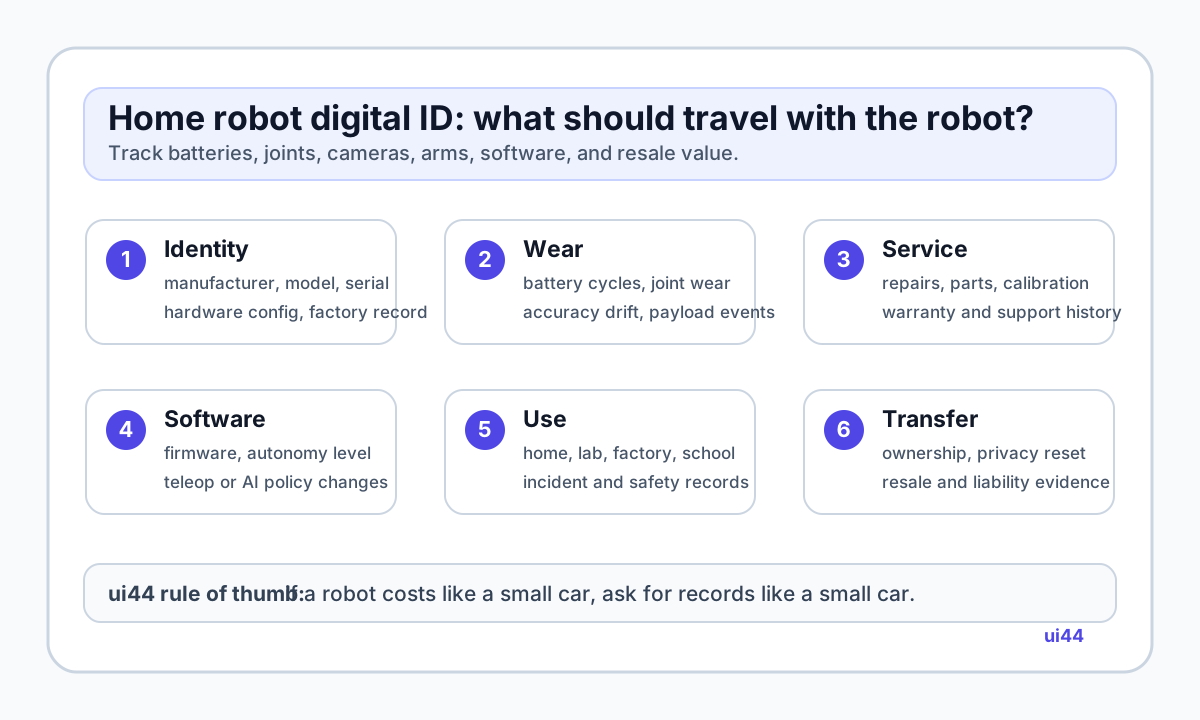
A buyer-facing digital ID should not expose private household video or personal logs. That would be a privacy failure. It should expose the non-sensitive facts that affect safety, warranty, repair, and value:
- exact model and configuration
- battery health and replacement history
- actuator or joint service history
- gripper, hand, or arm calibration records
- software and autonomy-mode version history
- warranty status and whether support transfers
- safety incidents, falls, overloads, or water damage
- ownership transfer and factory reset status
- whether the robot was used in a lab, school, demo floor, factory, or home
That is less glamorous than a robot learning to fold laundry. It may be more important when you are deciding whether to buy one used.
The ui44 database view: which robots make records matter?
The need for lifecycle records rises with three things: price, physical risk, and repair complexity. A tiny toy robot can fail without becoming a major asset problem. A humanoid or mobile manipulator is different.
Robot in ui44
- Current buyer-relevant facts
- Available from $13,500; 132 cm, 35 kg; about 2 hours battery; standard and EDU variants with different developer capabilities
- Why a digital ID would help
- Buyers need to know exact edition, optional hands, developer access, battery history, and whether the robot was used for high-impact demos.
Robot in ui44
- Current buyer-relevant facts
- $20,000 early-adopter preorder; 167 cm, 30 kg; about 4 hours battery; soft home-focused body
- Why a digital ID would help
- A home humanoid should make ownership transfer, privacy reset, maintenance, and service eligibility clear before it enters another household.
Robot in ui44
- Current buyer-relevant facts
- $29,950 available mobile manipulator; 160 cm, 46 kg; 8-hour light-load runtime; self-charging; 2.5 kg extended / 4 kg retracted payload
- Why a digital ID would help
- Assistive and research deployments need transparent arm, gripper, battery, calibration, and service records.
Robot in ui44
- Current buyer-relevant facts
- ¥577,500 for LOVOT 3.0 in Japan; required monthly care plan from ¥9,900/mo; 30-45 minutes active runtime
- Why a digital ID would help
- Companion robots depend on care plans, battery/nest health, sensor condition, app support, and ownership transfer.
Robot in ui44
- Current buyer-relevant facts
- Chinese Basic Edition starts at ¥180,000; 173 cm, 75-85 kg; 4-5 hours battery; quick-release battery packs
- Why a digital ID would help
- Full-size humanoids need battery-pack tracking, edition verification, actuator service, and deployment-history records.
| Robot in ui44 | Current buyer-relevant facts | Why a digital ID would help |
|---|---|---|
| Unitree G1 | Available from $13,500; 132 cm, 35 kg; about 2 hours battery; standard and EDU variants with different developer capabilities | Buyers need to know exact edition, optional hands, developer access, battery history, and whether the robot was used for high-impact demos. |
| 1X NEO | $20,000 early-adopter preorder; 167 cm, 30 kg; about 4 hours battery; soft home-focused body | A home humanoid should make ownership transfer, privacy reset, maintenance, and service eligibility clear before it enters another household. |
| Hello Robot Stretch 4 | $29,950 available mobile manipulator; 160 cm, 46 kg; 8-hour light-load runtime; self-charging; 2.5 kg extended / 4 kg retracted payload | Assistive and research deployments need transparent arm, gripper, battery, calibration, and service records. |
| LOVOT | ¥577,500 for LOVOT 3.0 in Japan; required monthly care plan from ¥9,900/mo; 30-45 minutes active runtime | Companion robots depend on care plans, battery/nest health, sensor condition, app support, and ownership transfer. |
| EngineAI T800 | Chinese Basic Edition starts at ¥180,000; 173 cm, 75-85 kg; 4-5 hours battery; quick-release battery packs | Full-size humanoids need battery-pack tracking, edition verification, actuator service, and deployment-history records. |
None of these examples proves that home robot passports are inevitable. They do show why the question is moving from theory to buyer checklist. A robot with a battery, arm, cameras, and cloud account is not just a product. It is a history.
What should buyers ask before buying a used or transferred robot?
A used home robot listing should eventually feel more like a used EV listing than a used smart speaker listing. The buyer should not have to guess whether the robot has spent 300 hours gently mapping a living room or 3,000 hours getting knocked over in a robotics lab.
Start with these questions.
1. Is the model and configuration verifiable?
For Unitree G1, the difference between a basic buyer-facing unit and an EDU configuration is not cosmetic. ui44 tracks G1 as a compact humanoid with optional dexterous hands and EDU support for higher degrees of freedom, NVIDIA Jetson Orin computing, and full secondary development capabilities. If a seller says "G1 with developer access," the robot's identity record should prove the actual configuration.
The same logic applies to EngineAI T800. A full-size humanoid family with different editions, perception stacks, compute options, and hand capabilities needs edition-level traceability. A model name alone is too coarse.
2. What is the battery story?
Battery runtime is already a buyer question. Battery history is the next one.
1X NEO is listed in ui44 with about four hours of battery life. Hello Robot Stretch 4 lists eight hours under light CPU load. LOVOT runs for roughly 30-45 minutes before it returns to its nest. Those numbers describe expected behavior, not the condition of a specific used unit.
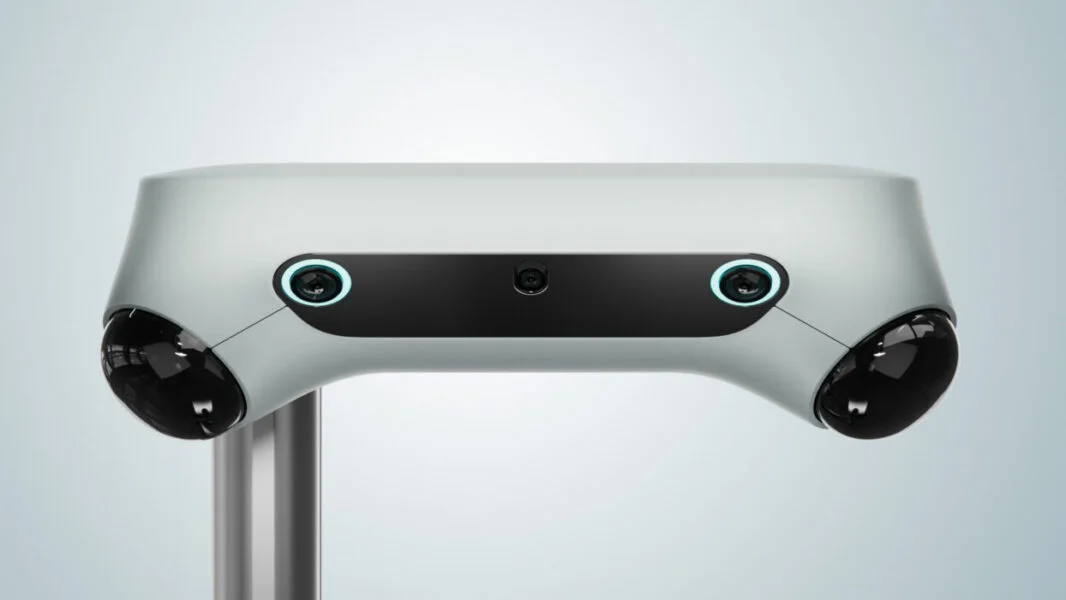
A digital ID should make it easier to ask: How many charge cycles? Any battery replacements? Any swelling, overheating, or deep-discharge incidents? Are battery packs original, factory-authorized, or third-party? Does the manufacturer still support replacements?
3. Has the robot's body been stressed?
Humanoids are often marketed through dramatic demos: running, falling, boxing, kicking, dancing, lifting, recovering, and balancing. Those videos can be useful proof of control systems. They also hide a lifecycle question: what did those demos do to the hardware?
A future robot passport should track joint modules, falls, overloads, repairs, calibration events, and any component replacement that affects safety. A 35 kg humanoid that has mostly stood in a showroom is not the same asset as a 35 kg humanoid that has been repeatedly used for aggressive locomotion testing.
For mobile manipulators, the key record may be arm health instead of leg health. Stretch 4's 2.5 kg extended and 4 kg retracted payload ratings are useful only if the arm, gripper, base, sensors, and calibration remain within spec.
4. Did the software change the robot's permissions?
Home robots are increasingly software-defined. A firmware update can improve navigation, add a cloud feature, change teleoperation policy, alter privacy settings, or remove a capability. A robot ID that tracks hardware but ignores software history would miss half the story.
This is especially important for robots that connect to smart homes or use remote assistance. A buyer should know whether the robot has been factory reset, whether prior accounts were removed, whether map data was deleted, whether remote access keys were revoked, and whether the current firmware is still eligible for support.
The record should not reveal the previous owner's private household details. It should prove that private data was cleared and that the robot is running a known, supported software state.
Is this really about regulation, or about resale value?
It is both.
China Daily frames the Hubei effort around traceability, accountability, standardization, data security, operational safety, and liability. That makes sense for a fast-growing humanoid industry. The same report cites industry data saying global humanoid robot shipments reached about 17,000 units in 2025, with China accounting for 14,400 units and more than 140 manufacturers. When a market grows that quickly, fragmented records become a real problem.
For households, the immediate value is simpler: avoid buying a mystery machine.

Imagine a future listing for a used home humanoid:
- "Only 40 hours of use" — verified or guessed?
- "Battery is good" — measured how?
- "Never fell" — logged where?
- "Factory reset" — did it remove maps, faces, voice history, and remote access?
- "Still under warranty" — does the warranty transfer to the next owner?
- "Developer edition" — which compute, hands, sensors, and software license?
A proper digital ID does not make the robot safe by itself. It makes the claims auditable.
What a good home robot passport should not include
The risky version of a robot ID is a permanent surveillance file.
A home robot may have cameras, microphones, maps, object memories, voice logs, and records of where people live. Those details should not follow the robot into a resale transaction. A lifecycle record should separate machine health from private household data.
Good: battery health, firmware version, repair history, calibration status, component replacement, support eligibility, verified factory reset.
Bad: household floor plans, faces, voice recordings, daily routines, object inventory, children's names, caregiver notes, or private teleoperation video.
That line should be non-negotiable. Buyers need trust in the machine, not access to the previous household.
The near-term checklist for buyers
- Does the manufacturer provide a serial-number lookup or service portal?
- Does warranty coverage transfer if the robot is sold?
- Are battery replacements documented and available?
- Does the app show runtime, battery health, or maintenance events?
- Can maps, accounts, faces, voices, and cloud permissions be fully reset?
- Are firmware versions and autonomy-mode changes visible to the owner?
- Is there an official repair path, or only remote troubleshooting?
- Ask for the original invoice and exact configuration.
- Ask for battery/runtime evidence, not just a claim.
- Ask for repair receipts and replacement-part history.
- Ask whether it was used in a home, lab, school, showroom, or factory.
- Confirm that all previous accounts and private data were removed.
- Confirm whether manufacturer support still applies after resale.
- If the robot has arms or legs, ask about falls, overloads, and calibration.
So, will home robots need digital ID numbers?
Probably not in one universal format soon. The Hubei pilot is a regional Chinese traceability project waiting on national standards. Europe, the United States, Japan, and Korea may approach the same problem through different mixes of product safety, warranty law, data protection, insurance, and manufacturer service portals.
But the underlying need is real. The more home robots look like durable machines instead of disposable gadgets, the more buyers will need durable records.
For today's buyer, the practical lesson is not "wait for robot passports." It is this: do not buy an expensive robot unless you can verify its identity, configuration, support status, battery condition, software state, and repair history.
A good home robot digital ID should make that easy. Until then, the checklist is your passport.
Related in the database
Use this article as a privacy verification workflow
Turn the article into a privacy verification pass grounded in the robots, manufacturers, and components it actually references.
Home Robot Digital IDs: Buyer Checklist already points you toward 5 linked robots, 5 manufacturers, and 4 countries inside the ui44 database. That matters because strong buyer guidance is easier to apply when you can move immediately from a claim or warning into concrete product pages, manufacturer directories, component explainers, and country-level context instead of treating the article as an isolated opinion piece. The fastest next step is to turn the article into a shortlist workflow: open the linked robot pages, verify which specs are actually published for those models, then compare the surrounding manufacturer and component context before you decide whether the underlying claim changes your buying plan.
For this topic, the useful discipline is to separate the editorial lesson from the catalog evidence. The article gives you the framing, but the robot pages tell you what each product actually ships with today: sensor stack, connectivity methods, listed price, release timing, category, and support-relevant compatibility notes. The manufacturer pages then show whether you are looking at a one-off launch, a broader lineup pattern, or a company that spans multiple categories. That layered workflow reduces the risk of buying on a single marketing phrase or a single support FAQ.
Use the robot pages to confirm which products actually expose cameras, microphones, Wi-Fi, or voice systems, then use the manufacturer pages to decide how much of the privacy question seems product-specific versus brand-wide. On this route cluster, G1, NEO, and Stretch 4 form the fastest reality check. If you want a quick working shortlist, open Compare G1, NEO, and Stretch 4 next, then keep this article open as the reasoning layer while you compare structured data side by side.
Practical Takeaway
Every robot, manufacturer, category, component, and country reference below resolves to a real ui44 page, keeping the follow-up path grounded in database records rather than generic advice.
Suggested next steps in ui44
- Open G1 and note the listed sensors, connectivity methods, and voice stack before you interpret any policy claim.
- Cross-check the wider brand context on Unitree so you can see whether the privacy question touches one model or a broader lineup.
- Use the linked component pages to confirm how common the relevant sensors and connectivity layers are across the database.
- Keep a short note of which policy layers you checked, which device features are actually present on the robot page, and which items still depend on region- or app-level confirmation.
- Finish with Compare G1, NEO, and Stretch 4 so the policy reading sits next to structured product data.
Robot profiles worth opening next
Use the linked product pages as the evidence layer
The linked robot pages are where this article becomes operational. Instead of asking whether the headline is interesting, use the robot entries to inspect the actual mix of sensors, connectivity options, batteries, pricing, release timing, and stated capabilities attached to the products mentioned in the article. That is the easiest way to see whether the warning or opportunity described here affects one product family, a specific design pattern, or an entire buying lane.
G1 is tracked on ui44 as a available humanoid robot from Unitree. The database currently records a listed price of $13,500, a release date of 2024-05-13, ~2 hours battery life, Not disclosed charging time, and a published stack that includes Depth Camera, 3D LiDAR, and 4 Microphone Array plus Wi-Fi 6 and Bluetooth 5.2.
For privacy-focused reading, this page matters because it shows the concrete device surface behind the policy discussion. Use it to verify whether G1 combines sensors and connectivity in a way that could change the in-home data footprint, and compare the listed capabilities such as Bipedal Walking, Object Manipulation, and Dexterous Hands (optional Dex3-1) with any cloud, app, or voice layers.
NEO
1X Technologies · Humanoid · Pre-order
NEO is tracked on ui44 as a pre-order humanoid robot from 1X Technologies. The database currently records a listed price of $20,000, a release date of 2025-10-28, ~4 hours battery life, Not disclosed charging time, and a published stack that includes RGB Cameras, Depth Sensors, and Tactile Skin plus Wi-Fi and Bluetooth.
For privacy-focused reading, this page matters because it shows the concrete device surface behind the policy discussion. Use it to verify whether NEO combines sensors and connectivity in a way that could change the in-home data footprint, and compare the listed capabilities such as Household Chores, Tidying Up, and Safe Human Interaction with any cloud, app, or voice layers.
Stretch 4
Hello Robot · Home Assistants · Available
Stretch 4 is tracked on ui44 as a available home assistants robot from Hello Robot. The database currently records a listed price of $29,950, a release date of 2026-05-12, 8 hours (light CPU load) battery life, Not officially disclosed charging time, and a published stack that includes Wide-FOV depth sensing, High-resolution RGB cameras, and Calibrated RGB + depth perception plus its listed connectivity stack.
For privacy-focused reading, this page matters because it shows the concrete device surface behind the policy discussion. Use it to verify whether Stretch 4 combines sensors and connectivity in a way that could change the in-home data footprint, and compare the listed capabilities such as Mobile Manipulation, Omnidirectional Indoor Mobility, and Autonomous Mapping and Navigation with any cloud, app, or voice layers.
LOVOT is tracked on ui44 as a available companions robot from GROOVE X. The database currently records a listed price of ¥577,500, a release date of 2019, 30-45 minutes active, then returns to nest battery life, 15-30 minutes (on charging nest) charging time, and a published stack that includes Horn Top Camera (half-sphere), Horn Front Camera, and Depth Camera plus Wi-Fi and Bluetooth.
For privacy-focused reading, this page matters because it shows the concrete device surface behind the policy discussion. Use it to verify whether LOVOT combines sensors and connectivity in a way that could change the in-home data footprint, and compare the listed capabilities such as Emotional Companionship, Person Recognition, and Touch Response (full body sensors) with any cloud, app, or voice layers.
T800 is tracked on ui44 as a pre-order humanoid robot from EngineAI. The database currently records a listed price of ¥180,000, a release date of 2025-12-08, 4-5 hours battery life, 2.5 hours (ternary lithium) or 3 hours (solid-state) charging time, and a published stack that includes Intel depth camera (Basic edition), Stereo vision + LiDAR perception system (Open Source/Pro/Max editions), and Tactile sensing in dexterous hands (Pro/Max editions) plus Wi-Fi and Bluetooth.
For privacy-focused reading, this page matters because it shows the concrete device surface behind the policy discussion. Use it to verify whether T800 combines sensors and connectivity in a way that could change the in-home data footprint, and compare the listed capabilities such as Bipedal locomotion, High-dynamic full-body motion, and Obstacle avoidance and path planning with any cloud, app, or voice layers.
Manufacturer context behind the article
Check whether this is one product story or a broader company pattern
Manufacturer pages add the privacy context that individual product pages cannot show on their own. They help you check whether cameras, microphones, cloud accounts, app controls, and policy assumptions appear across a broader lineup or stay tied to one specific product story.
Unitree
ui44 currently tracks 2 robots from Unitree across 1 category. The company is grouped under China, and the current catalog footprint on ui44 includes H1, G1.
That wider brand context matters because privacy questions rarely stop at one FAQ page. A manufacturer route helps you see whether the article is centered on one premium model or on a company that has several relevant products and therefore more than one place where the same policy or app assumptions might matter. The category mix here currently points toward Humanoid as the most useful next route if you want to see whether this article reflects a wider pattern inside the brand.
1X Technologies
ui44 currently tracks 2 robots from 1X Technologies across 1 category. The company is grouped under Norway, and the current catalog footprint on ui44 includes NEO, EVE.
That wider brand context matters because privacy questions rarely stop at one FAQ page. A manufacturer route helps you see whether the article is centered on one premium model or on a company that has several relevant products and therefore more than one place where the same policy or app assumptions might matter. The category mix here currently points toward Humanoid as the most useful next route if you want to see whether this article reflects a wider pattern inside the brand.
Hello Robot
ui44 currently tracks 2 robots from Hello Robot across 1 category. The company is grouped under USA, and the current catalog footprint on ui44 includes Stretch 3, Stretch 4.
That wider brand context matters because privacy questions rarely stop at one FAQ page. A manufacturer route helps you see whether the article is centered on one premium model or on a company that has several relevant products and therefore more than one place where the same policy or app assumptions might matter. The category mix here currently points toward Home Assistants as the most useful next route if you want to see whether this article reflects a wider pattern inside the brand.
GROOVE X
ui44 currently tracks 1 robot from GROOVE X across 1 category. The company is grouped under Japan, and the current catalog footprint on ui44 includes LOVOT.
That wider brand context matters because privacy questions rarely stop at one FAQ page. A manufacturer route helps you see whether the article is centered on one premium model or on a company that has several relevant products and therefore more than one place where the same policy or app assumptions might matter. The category mix here currently points toward Companions as the most useful next route if you want to see whether this article reflects a wider pattern inside the brand.
Broaden the scan without leaving the database
Categories, components, and countries add the wider context
Category framing
Category pages are useful when the article touches a buying pattern that shows up across brands. A category route helps you confirm whether the linked products sit in a narrow niche or whether the same question should be tested across a larger field of alternatives.
Humanoid
The Humanoid category page currently groups 129 tracked robots from 92 manufacturers. ui44 describes this lane as: Full-size bipedal humanoid robots built to work alongside people — from factory floors to household tasks. Compare the cutting edge of humanoid robotics.
That makes the category route a practical follow-up when you want to check whether the products linked in this article are typical for the lane or whether they sit at one edge of the market. Useful starting examples currently include NEO, EVE, Mornine M1.
Home Assistants
The Home Assistants category page currently groups 16 tracked robots from 14 manufacturers. ui44 describes this lane as: Arm-based household helpers — laundry folders, kitchen robots, and mobile manipulators that take on hands-on physical tasks around the home.
That makes the category route a practical follow-up when you want to check whether the products linked in this article are typical for the lane or whether they sit at one edge of the market. Useful starting examples currently include Robody, Futuring 2 (F2), Stretch 3.
Country and ecosystem context
Country pages give extra context when support practices, launch sequencing, regulatory posture, or manufacturer mix matter. They are not a substitute for model-level verification, but they do help you see which ecosystems cluster together and which manufacturers sit in the same regional field when you broaden the search beyond the article headline.
China
The China route currently groups 189 tracked robots from 87 manufacturers in ui44. That gives you a useful regional lens when the article points toward support practices, launch sequencing, or brand clusters that may share similar ecosystem assumptions.
On the current route, manufacturers like AGIBOT, Dreame, Unitree Robotics make the page a good way to broaden the scan without losing the regional context that often shapes availability, documentation style, and adjacent alternatives.
Norway
The Norway route currently groups 2 tracked robots from 1 manufacturers in ui44. That gives you a useful regional lens when the article points toward support practices, launch sequencing, or brand clusters that may share similar ecosystem assumptions.
On the current route, manufacturers like 1X Technologies make the page a good way to broaden the scan without losing the regional context that often shapes availability, documentation style, and adjacent alternatives.
USA
The USA route currently groups 89 tracked robots from 69 manufacturers in ui44. That gives you a useful regional lens when the article points toward support practices, launch sequencing, or brand clusters that may share similar ecosystem assumptions.
On the current route, manufacturers like Faraday Future, iRobot, Boston Dynamics make the page a good way to broaden the scan without losing the regional context that often shapes availability, documentation style, and adjacent alternatives.
Questions to answer before you move from reading to buying
A follow-up FAQ built from the entities already linked in this article
Frequently Asked Questions
Which page should I open first after reading “Home Robot Digital IDs: Buyer Checklist”?
Start with G1. That gives you a concrete product anchor for the article’s main claim. From there, branch into the manufacturer and component pages so you can tell whether the article is describing one specific model, a repeated brand pattern, or a wider technology issue that affects multiple shortlist options.
How do the manufacturer pages change the buying decision?
Unitree help you zoom out from one article and one product. On ui44 they show lineup breadth, category spread, and the neighboring robots tied to the same company. That context is useful when you are deciding whether a risk belongs to a single model, whether it shows up across a brand’s portfolio, and whether you should keep looking at alternatives before committing.
When should I switch from reading to side-by-side comparison?
Move into Compare G1, NEO, and Stretch 4 as soon as you understand the article’s main warning or promise. The article explains what to watch for, but the compare view is where you can check whether price, status, battery life, connectivity, sensors, and category fit still make the robot a good match for your own home and budget.
Where to go next in ui44
Keep the research chain inside the database
If you want to keep going, these follow-on pages give you the cleanest expansion path from article to research session. Open the comparison route first if you are deciding between products today. Open the manufacturer, category, and component routes if you still need to understand the broader pattern behind the claim.
Written by
ui44 Team
Published May 17, 2026
Share this article
Open a plain share link on X or Bluesky. No embeds, no widgets, no cookie baggage.