1X Technologies calls it the NEO Factory. At 58,000 square feet with over 200 employees, it's the first vertically integrated humanoid robot manufacturing facility in the United States. And if 1X delivers on its promises, some of the NEOs rolling off this line will be in customers' homes before the year is out.

What Does "Vertically Integrated" Actually Mean?
Most robot companies design a product, then outsource the building. They buy motors from one supplier, batteries from another, sensors from a third, and assemble everything in a contract manufacturer's facility — often in China or Southeast Asia. That's how phones, laptops, and most consumer electronics work.
1X is doing something different. At the Hayward factory, the company builds the critical components in-house:
- Motors (Revo2): Started from a spool of copper, wound into coils, fabricated into stators, and assembled into tendon-driven actuators. 1X has manufactured 17,000 motors since production began.
- Batteries: Aerospace-grade cells with a proprietary Battery Management System sampling at 100 Hz — roughly 100× faster than typical commercial packs. The welding line completes a weld every 500 milliseconds.
- Tendons: Custom-braided from proprietary materials using a decade of materials science R&D.
- Hands: 22-degree-of-freedom hands manufactured on a dedicated production line, with integrated tactile sensing and molded soft "flesh" over structural components.
- Sensors and electronics: Custom motor electronics, stereo fisheye cameras, beam-forming microphones, and Inertial Measurement Units (IMUs) mounted on in-house racks.
The reason this matters isn't just manufacturing coolness. Vertical integration gives 1X three real advantages:
- Faster iteration. When you control the motor design and the motor manufacturing and the motor electronics, you can improve the whole stack in days instead of negotiating with suppliers for months.
- Cost control. Middlemen margins disappear. 1X's VP of Manufacturing, Vikram Kothari (previously at SpaceX overseeing Dragon and Starship programs), explicitly positions this as "the lowest-cost hardware" approach.
- Supply chain resilience. In a geopolitical environment where Chinese-made robotics components face potential U.S. import restrictions, building motors and batteries in California is a strategic hedge.
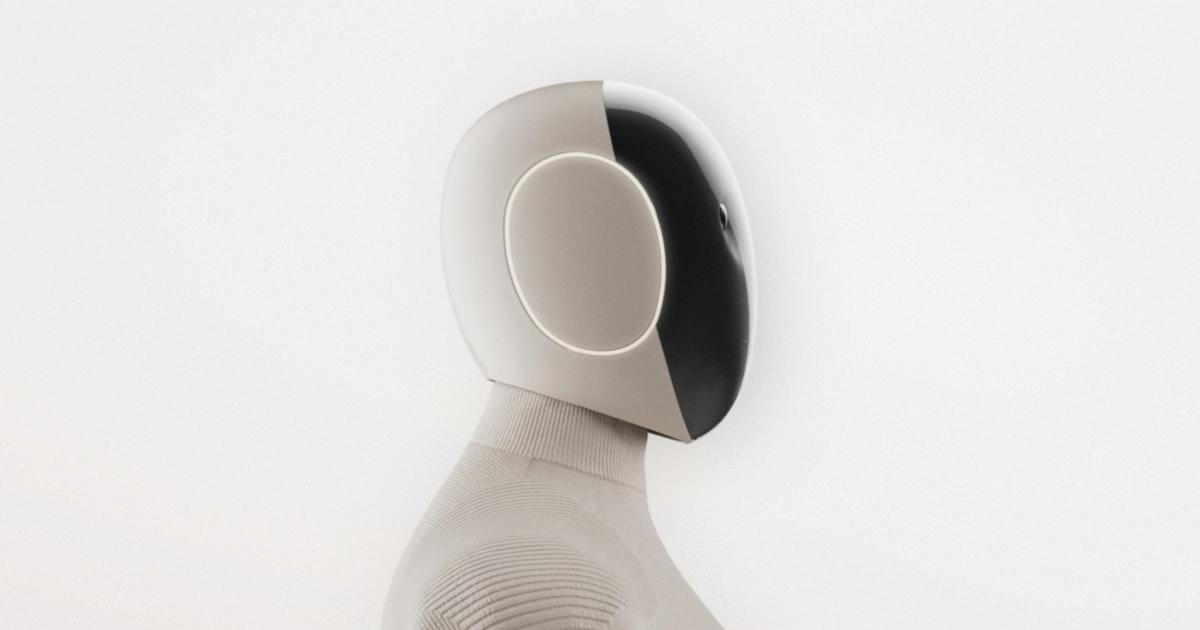
The Numbers: What 1X Is Actually Promising
Let's separate the milestone from the marketing. Here's what's confirmed:
Metric
Factory size
- Claimed
- 58,000 sq ft
- Source
- 1X official announcement
Metric
Employees
- Claimed
- 200+
- Source
- 1X official announcement
Metric
First-year production capacity
- Claimed
- 10,000 NEOs
- Source
- 1X official; sold out in 5 days
Metric
Target annual capacity (end 2027)
- Claimed
- 100,000+ units
- Source
- 1X roadmap
Metric
Factory setup time
- Claimed
- ~3 months (permits to operation)
- Source
- 1X CEO statement
Metric
NEO price
- Claimed
- $20,000 purchase or $499/month subscription
- Source
- 1X website
Metric
Motors produced so far
- Claimed
- 17,000
- Source
- 1X factory page
Metric
NPI iteration speed
- Claimed
- First NEO: 1 year CAD-to-walking; latest: 1 month
- Source
- 1X factory page
| Metric | Claimed | Source |
|---|---|---|
| Factory size | 58,000 sq ft | 1X official announcement |
| Employees | 200+ | 1X official announcement |
| First-year production capacity | 10,000 NEOs | 1X official; sold out in 5 days |
| Target annual capacity (end 2027) | 100,000+ units | 1X roadmap |
| Factory setup time | ~3 months (permits to operation) | 1X CEO statement |
| NEO price | $20,000 purchase or $499/month subscription | 1X website |
| Motors produced so far | 17,000 | 1X factory page |
| NPI iteration speed | First NEO: 1 year CAD-to-walking; latest: 1 month | 1X factory page |
The 10,000-unit first-year capacity is notable because all of it sold out within five days of pre-orders opening on October 28, 2025. That's real demand — though at $200 refundable deposits, not all pre-order holders will necessarily convert to full purchases.
The 100,000-unit target for end of 2027 is aspirational. 1X says a second factory in San Carlos is planned to come online later in 2026 to help reach that number. But scaling from 10,000 to 100,000 in under two years would be an extraordinary manufacturing ramp, even with vertical integration.
NEO's Specs From Our Database
Here's what the 1X NEO looks like on paper, based on our database:
- Height: 167 cm (5'6")
- Weight: 30 kg (66 lbs)
- Battery life: ~4 hours
- Max speed: ~4 mph
- AI: 1X Embodied Intelligence with proprietary world model (called "Redwood" by third-party sources)
- Sensors: RGB cameras, depth sensors, tactile skin, microphone array
- Status: Pre-order; first shipments planned for 2026
The 30 kg weight is remarkably light for a humanoid — most competitors are 50+ kg. 1X achieves this through its tendon-driven actuation system, which replaces heavy traditional actuators with lightweight cables and compact Revo2 motors. The trade-off is that tendon systems are harder to manufacture at scale, which is exactly why 1X needs a dedicated factory.
From CAD to Walking in One Month
One detail from the factory tour deserves more attention: 1X's New Product Introduction (NPI) line has compressed the time from CAD design to a walking prototype from one year (for the very first NEO) to one month (for the latest revision).
This acceleration comes from co-locating hardware design engineers with manufacturing engineers next to the Machine Park. Designers can go from releasing a CAD file to holding a physical part in hours, test it, find problems, and iterate — all before committing to mass production.
Why this matters for buyers: if you pre-order a NEO, the robot that arrives at your door may be a significantly improved version compared to what existed when you placed the deposit. Rapid iteration cuts both ways — it means better products, but it also means the specifications and capabilities could shift between pre-order and delivery.
"Robots Building Robots": What's Actually Happening on the Line
The headline "robots building robots" is partially true. NEO units are already working on the factory floor, performing tasks like carrying parts, stocking bins, and handling logistics. But this isn't yet a fully autonomous robot-assembled production line. The assembly process still relies heavily on human workers using intelligent tooling and progressive bring-up verification.
What's more accurate is: 1X is using its own products as factory tools while simultaneously manufacturing them. It's a bootstrapping approach — the first NEOs help make the next NEOs, and each generation of improvements makes the factory more efficient.
The assembly line itself is designed around continuous flow rather than traditional departmental batches. Each station receives pre-kitted modules. Functionality is added progressively with in-line verification at every step. Every build is digitally traceable down to individual components and torque values.
The Privacy Question: Expert Mode in Context
No honest article about 1X can ignore the Expert Mode controversy. When NEO encounters a task it can't handle autonomously, a trained 1X operator can remotely take control — seeing through NEO's cameras and guiding it using VR equipment. 1X CEO Bernt Børnich has been blunt: "If you buy this product, it is because you're OK with that social contract."
The factory opening doesn't change the privacy calculus, but it does shift the timeline context. 1X claims full autonomy (no human operators) could arrive sometime in 2026, with 80–90% autonomy by 2027 and 95%+ by 2028. Those are claims, not guarantees. But the vertical integration approach means 1X controls both the hardware and the AI stack — they're not waiting on a third-party model provider to solve the autonomy problem.
For buyers weighing the decision today, the question is whether you're comfortable with the current limited autonomous capability and the Expert Mode privacy trade-off, in exchange for being among the first to own a home humanoid.
How Does 1X Compare to the Competition?
The humanoid robot space is getting crowded. Here's how 1X's factory approach stacks up against companies also pursuing home or near-home deployment:
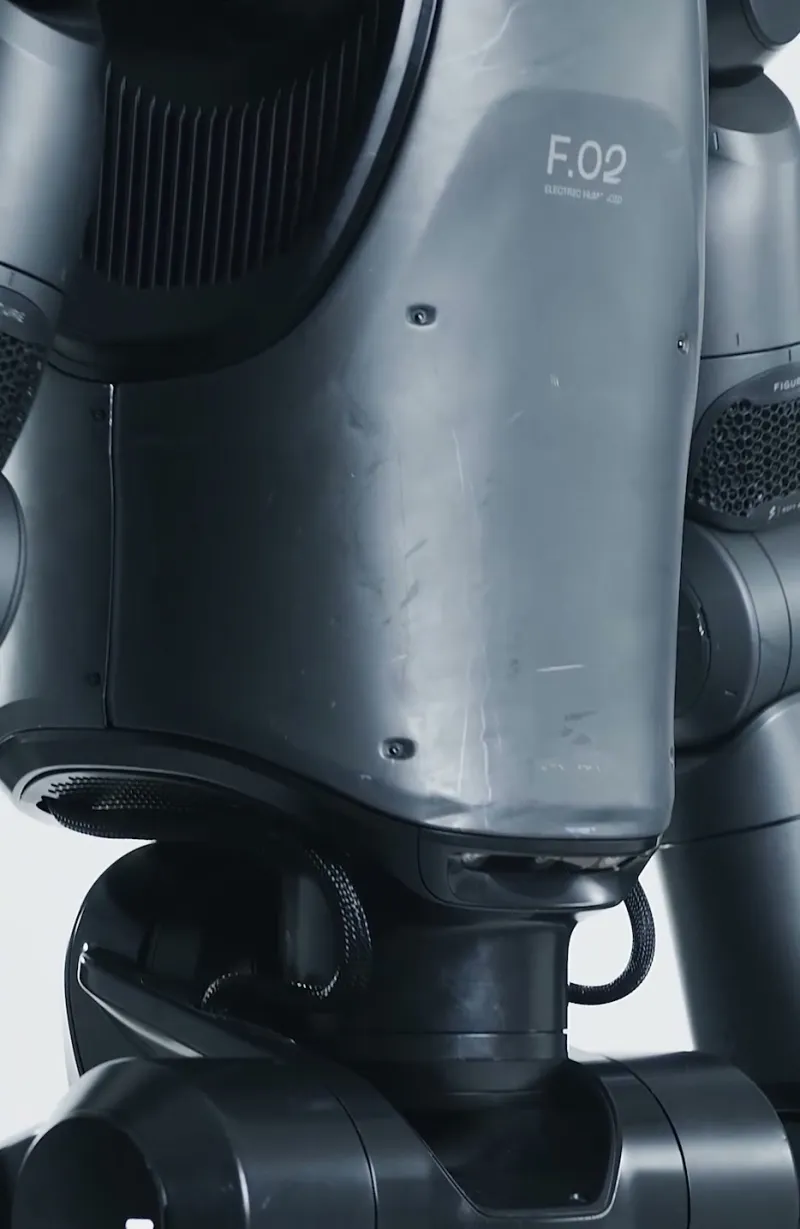
Figure AI has been doubling production for three consecutive months and recently demonstrated its Helix 02 loading a dishwasher. Figure's focus is commercial deployment first (BMW, commercial kitchens), homes later. They build in the U.S. but rely on a more traditional supply chain.
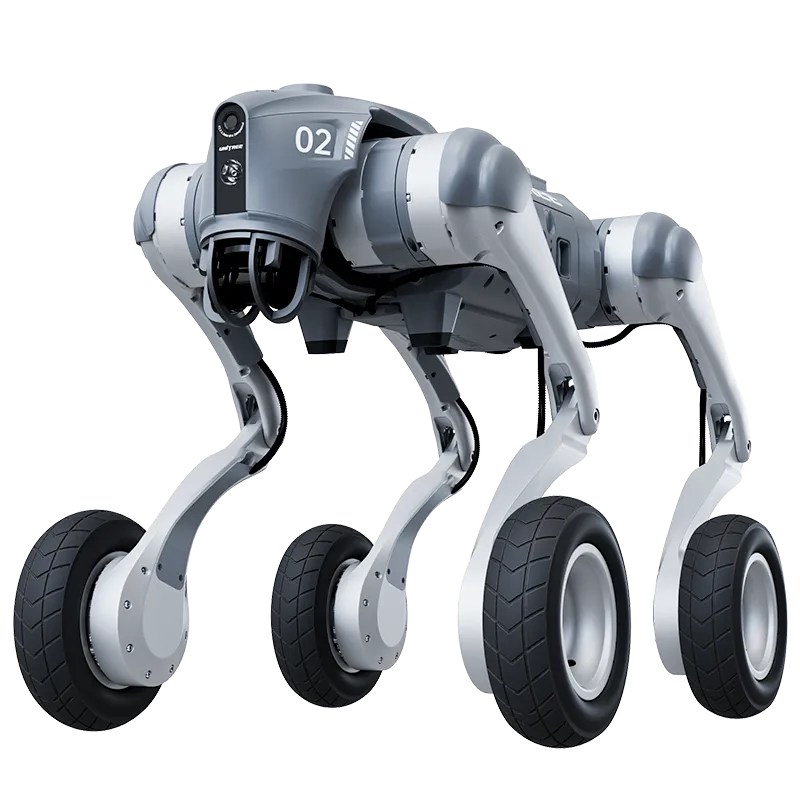
Unitree is selling the G1 humanoid directly (we covered the AliExpress buying experience) and just opened its first retail store. But Unitree manufactures primarily in China, using a more traditional supply chain model. Their pricing is more aggressive but they lack the vertical integration 1X claims.
Tesla Optimus targets a sub-$20,000 price point but remains primarily a factory tool within Tesla's own facilities, with production timelines that keep shifting outward.
Zeroth M1 is available for pre-order at $2,899 as a sub-$3,000 humanoid — a very different price tier with correspondingly different capabilities.
1X's unique position is the combination of vertical integration, U.S.-based manufacturing, and a direct-to-consumer home robot focus. No other company is doing all three simultaneously.
When Will You Actually Get One?
Here's the honest timeline, based on what 1X has said publicly:
- Some NEOs will ship in 2026. 1X has promised this repeatedly and the factory is now producing units. Current production goes to R&D testing and internal home testing first.
- The 10,000-unit first run is sold out. If you didn't pre-order in October 2025, you're in the waitlist queue.
- San Carlos factory coming online later in 2026 should expand capacity, but 1X hasn't given a specific date for when waitlist orders ship.
- $499/month subscription option may open up additional availability beyond the early access purchases.
The three-month factory build-out is encouraging — it shows 1X can execute on infrastructure quickly. But manufacturing the first 100 robots is a very different challenge from manufacturing the 10,000th. The reliability lab has already accumulated 20 million+ test cycles, which suggests serious stress testing, but real-world home use will surface issues no lab can predict.
What This Means for Home Robotics
The NEO Factory is significant not because of what it produces today, but because of the manufacturing precedent it sets. If 1X can actually scale from 10,000 to 100,000 units while maintaining quality control, it proves that humanoid robots can be manufactured like consumer electronics — not hand-assembled lab prototypes.
The "robots building robots" milestone, even in its current partial form, is the beginning of a compounding loop. Every NEO that works on the factory floor generates training data, improves processes, and helps build the next one faster. If this works, the cost per unit drops with each production run.
For anyone tracking when humanoid robots become real consumer products rather than perpetual demos, a factory in Hayward, California that's actually winding copper into motors and shipping finished robots is a more meaningful milestone than another trade-show video.
The robots are being built. Now we find out if they work.
_Data in this article comes from 1X Technologies' official factory announcement, our 1X NEO database entry, and independent reporting from Hoodline, Bloomberg, and GlobeNewswire. Specifications and timelines are based on manufacturer claims and may change. Last verified May 4, 2026._
Related in the database
Use this article as a privacy verification workflow
Turn the article into a privacy verification pass grounded in the robots, manufacturers, and components it actually references.
Inside 1X's NEO Factory: Robots Building Robots in Hayward already points you toward 3 linked robots, 2 manufacturers, and 2 countries inside the ui44 database. That matters because strong buyer guidance is easier to apply when you can move immediately from a claim or warning into concrete product pages, manufacturer directories, component explainers, and country-level context instead of treating the article as an isolated opinion piece. The fastest next step is to turn the article into a shortlist workflow: open the linked robot pages, verify which specs are actually published for those models, then compare the surrounding manufacturer and component context before you decide whether the underlying claim changes your buying plan.
For this topic, the useful discipline is to separate the editorial lesson from the catalog evidence. The article gives you the framing, but the robot pages tell you what each product actually ships with today: sensor stack, connectivity methods, listed price, release timing, category, and support-relevant compatibility notes. The manufacturer pages then show whether you are looking at a one-off launch, a broader lineup pattern, or a company that spans multiple categories. That layered workflow reduces the risk of buying on a single marketing phrase or a single support FAQ.
Use the robot pages to confirm which products actually expose cameras, microphones, Wi-Fi, or voice systems, then use the manufacturer pages to decide how much of the privacy question seems product-specific versus brand-wide. On this route cluster, NEO, EVE, and G1 form the fastest reality check. If you want a quick working shortlist, open Compare NEO, EVE, and G1 next, then keep this article open as the reasoning layer while you compare structured data side by side.
Practical Takeaway
Every robot, manufacturer, category, component, and country reference below resolves to a real ui44 page, keeping the follow-up path grounded in database records rather than generic advice.
Suggested next steps in ui44
- Open NEO and note the listed sensors, connectivity methods, and voice stack before you interpret any policy claim.
- Cross-check the wider brand context on 1X Technologies so you can see whether the privacy question touches one model or a broader lineup.
- Use the linked component pages to confirm how common the relevant sensors and connectivity layers are across the database.
- Keep a short note of which policy layers you checked, which device features are actually present on the robot page, and which items still depend on region- or app-level confirmation.
- Finish with Compare NEO, EVE, and G1 so the policy reading sits next to structured product data.
Robot profiles worth opening next
Use the linked product pages as the evidence layer
The linked robot pages are where this article becomes operational. Instead of asking whether the headline is interesting, use the robot entries to inspect the actual mix of sensors, connectivity options, batteries, pricing, release timing, and stated capabilities attached to the products mentioned in the article. That is the easiest way to see whether the warning or opportunity described here affects one product family, a specific design pattern, or an entire buying lane.
NEO
1X Technologies · Humanoid · Pre-order
NEO is tracked on ui44 as a pre-order humanoid robot from 1X Technologies. The database currently records a listed price of $20,000, a release date of 2025-10-28, ~4 hours battery life, Not disclosed charging time, and a published stack that includes RGB Cameras, Depth Sensors, and Tactile Skin plus Wi-Fi and Bluetooth.
For privacy-focused reading, this page matters because it shows the concrete device surface behind the policy discussion. Use it to verify whether NEO combines sensors and connectivity in a way that could change the in-home data footprint, and compare the listed capabilities such as Household Chores, Tidying Up, and Safe Human Interaction with any cloud, app, or voice layers.
EVE
1X Technologies · Humanoid · Active
EVE is tracked on ui44 as a active humanoid robot from 1X Technologies. The database currently records a listed price of Price TBA, a release date of 2018, 4-6 hours battery life, Not disclosed charging time, and a published stack that includes High-Resolution HDR Camera (Front x2), Rear Camera, and Panoramic View System plus Wi-Fi and Bluetooth.
For privacy-focused reading, this page matters because it shows the concrete device surface behind the policy discussion. Use it to verify whether EVE combines sensors and connectivity in a way that could change the in-home data footprint, and compare the listed capabilities such as 25 Degrees of Freedom, Dual-Wheel Self-Balancing Mobility, and Dual-Arm Manipulation (heavy and fragile items) with any cloud, app, or voice layers.
G1 is tracked on ui44 as a available humanoid robot from Unitree. The database currently records a listed price of $13,500, a release date of 2024-05-13, ~2 hours battery life, Not disclosed charging time, and a published stack that includes Depth Camera, 3D LiDAR, and 4 Microphone Array plus Wi-Fi 6 and Bluetooth 5.2.
For privacy-focused reading, this page matters because it shows the concrete device surface behind the policy discussion. Use it to verify whether G1 combines sensors and connectivity in a way that could change the in-home data footprint, and compare the listed capabilities such as Bipedal Walking, Object Manipulation, and Dexterous Hands (optional Dex3-1) with any cloud, app, or voice layers.
Manufacturer context behind the article
Check whether this is one product story or a broader company pattern
Manufacturer pages add the privacy context that individual product pages cannot show on their own. They help you check whether cameras, microphones, cloud accounts, app controls, and policy assumptions appear across a broader lineup or stay tied to one specific product story.
1X Technologies
ui44 currently tracks 2 robots from 1X Technologies across 1 category. The company is grouped under Norway, and the current catalog footprint on ui44 includes NEO, EVE.
That wider brand context matters because privacy questions rarely stop at one FAQ page. A manufacturer route helps you see whether the article is centered on one premium model or on a company that has several relevant products and therefore more than one place where the same policy or app assumptions might matter. The category mix here currently points toward Humanoid as the most useful next route if you want to see whether this article reflects a wider pattern inside the brand.
Unitree
ui44 currently tracks 2 robots from Unitree across 1 category. The company is grouped under China, and the current catalog footprint on ui44 includes H1, G1.
That wider brand context matters because privacy questions rarely stop at one FAQ page. A manufacturer route helps you see whether the article is centered on one premium model or on a company that has several relevant products and therefore more than one place where the same policy or app assumptions might matter. The category mix here currently points toward Humanoid as the most useful next route if you want to see whether this article reflects a wider pattern inside the brand.
Broaden the scan without leaving the database
Categories, components, and countries add the wider context
Category framing
Category pages are useful when the article touches a buying pattern that shows up across brands. A category route helps you confirm whether the linked products sit in a narrow niche or whether the same question should be tested across a larger field of alternatives.
Humanoid
The Humanoid category page currently groups 129 tracked robots from 92 manufacturers. ui44 describes this lane as: Full-size bipedal humanoid robots built to work alongside people — from factory floors to household tasks. Compare the cutting edge of humanoid robotics.
That makes the category route a practical follow-up when you want to check whether the products linked in this article are typical for the lane or whether they sit at one edge of the market. Useful starting examples currently include NEO, EVE, Mornine M1.
Country and ecosystem context
Country pages give extra context when support practices, launch sequencing, regulatory posture, or manufacturer mix matter. They are not a substitute for model-level verification, but they do help you see which ecosystems cluster together and which manufacturers sit in the same regional field when you broaden the search beyond the article headline.
Norway
The Norway route currently groups 2 tracked robots from 1 manufacturers in ui44. That gives you a useful regional lens when the article points toward support practices, launch sequencing, or brand clusters that may share similar ecosystem assumptions.
On the current route, manufacturers like 1X Technologies make the page a good way to broaden the scan without losing the regional context that often shapes availability, documentation style, and adjacent alternatives.
China
The China route currently groups 189 tracked robots from 87 manufacturers in ui44. That gives you a useful regional lens when the article points toward support practices, launch sequencing, or brand clusters that may share similar ecosystem assumptions.
On the current route, manufacturers like AGIBOT, Dreame, Unitree Robotics make the page a good way to broaden the scan without losing the regional context that often shapes availability, documentation style, and adjacent alternatives.
Questions to answer before you move from reading to buying
A follow-up FAQ built from the entities already linked in this article
Frequently Asked Questions
Which page should I open first after reading “Inside 1X's NEO Factory: Robots Building Robots in Hayward”?
Start with NEO. That gives you a concrete product anchor for the article’s main claim. From there, branch into the manufacturer and component pages so you can tell whether the article is describing one specific model, a repeated brand pattern, or a wider technology issue that affects multiple shortlist options.
How do the manufacturer pages change the buying decision?
1X Technologies help you zoom out from one article and one product. On ui44 they show lineup breadth, category spread, and the neighboring robots tied to the same company. That context is useful when you are deciding whether a risk belongs to a single model, whether it shows up across a brand’s portfolio, and whether you should keep looking at alternatives before committing.
When should I switch from reading to side-by-side comparison?
Move into Compare NEO, EVE, and G1 as soon as you understand the article’s main warning or promise. The article explains what to watch for, but the compare view is where you can check whether price, status, battery life, connectivity, sensors, and category fit still make the robot a good match for your own home and budget.
Where to go next in ui44
Keep the research chain inside the database
If you want to keep going, these follow-on pages give you the cleanest expansion path from article to research session. Open the comparison route first if you are deciding between products today. Open the manufacturer, category, and component routes if you still need to understand the broader pattern behind the claim.
Written by
ui44 Team
Published May 4, 2026
Share this article
Open a plain share link on X or Bluesky. No embeds, no widgets, no cookie baggage.