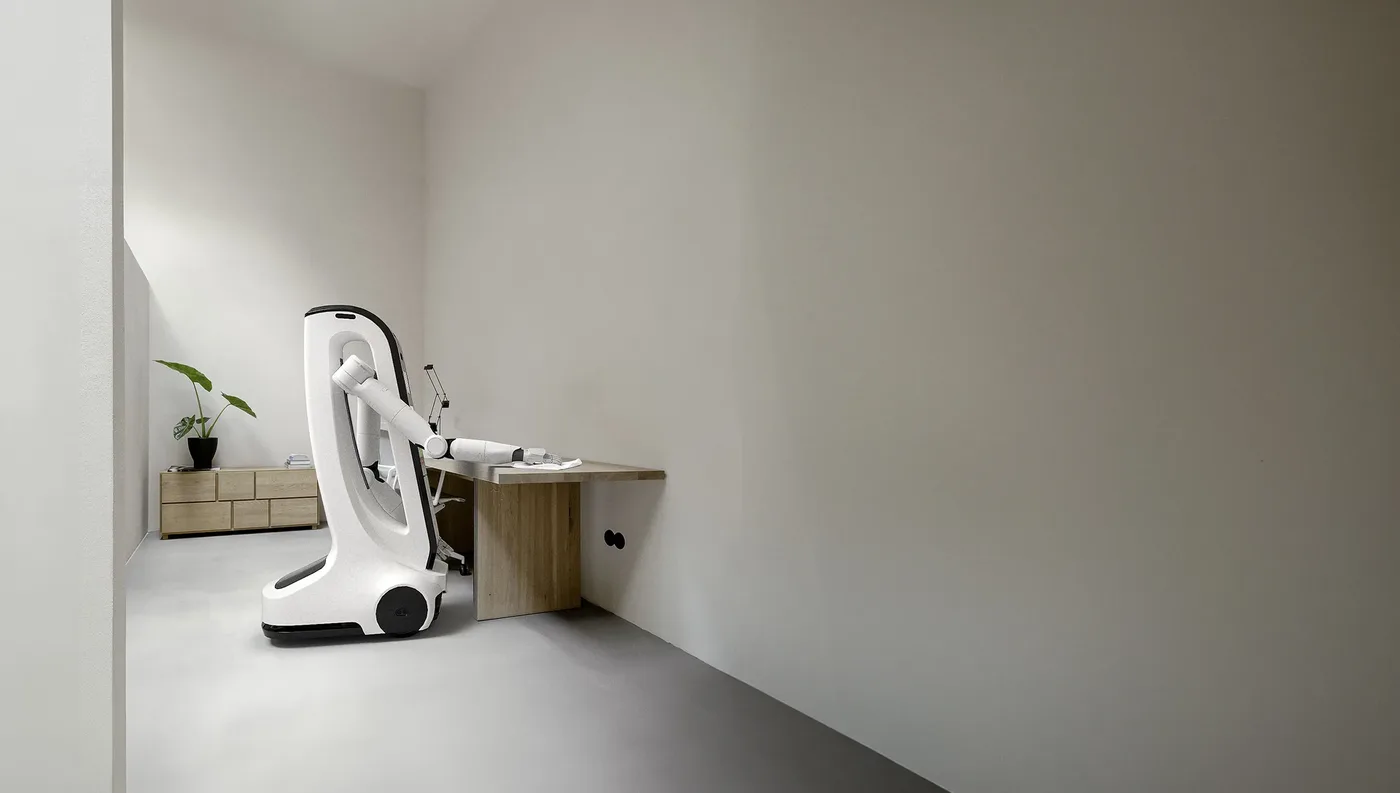
The simple question is not whether MiPA looks as futuristic as a humanoid. It is whether a wheeled, modular robot can solve enough home problems sooner than a full human-shaped machine. On the data we have today, that is a serious possibility.
Is MiPA more realistic than a home humanoid?
For most homes, a wheeled robot starts with two advantages: stability and cost. It does not need to balance on legs, recover from falls, climb every threshold, or route power through human-like hips, knees, ankles, and feet. That does not make MiPA easy. It still has to navigate around people, pets, furniture, doorways, shoes, reflective surfaces, and messy kitchens. But its mechanical ambition is narrower than a walking humanoid's.
NEURA's public MiPA materials describe a robot built around SLAM-based mapping, LiDAR, AI-driven planning, Wi-Fi, Bluetooth, cameras, infrared, ultrasonic sensing, webcams, and environmental sensors. The German product page says MiPA can recognize people up to three meters away and react for safe shared use. The reservation page adds touch, display, microphone, speakers, LEDs, and a projector for human-robot interaction.
Those are home-relevant choices. A robot that can follow, display information, carry a shelf, and speak naturally may be useful before it can fold laundry or load a dishwasher. The buyer risk is that NEURA has not yet published the basics that decide real daily utility: battery life, charging behavior, payload, speed, noise, delivery timing, warranty terms, and examples of unscripted home use.
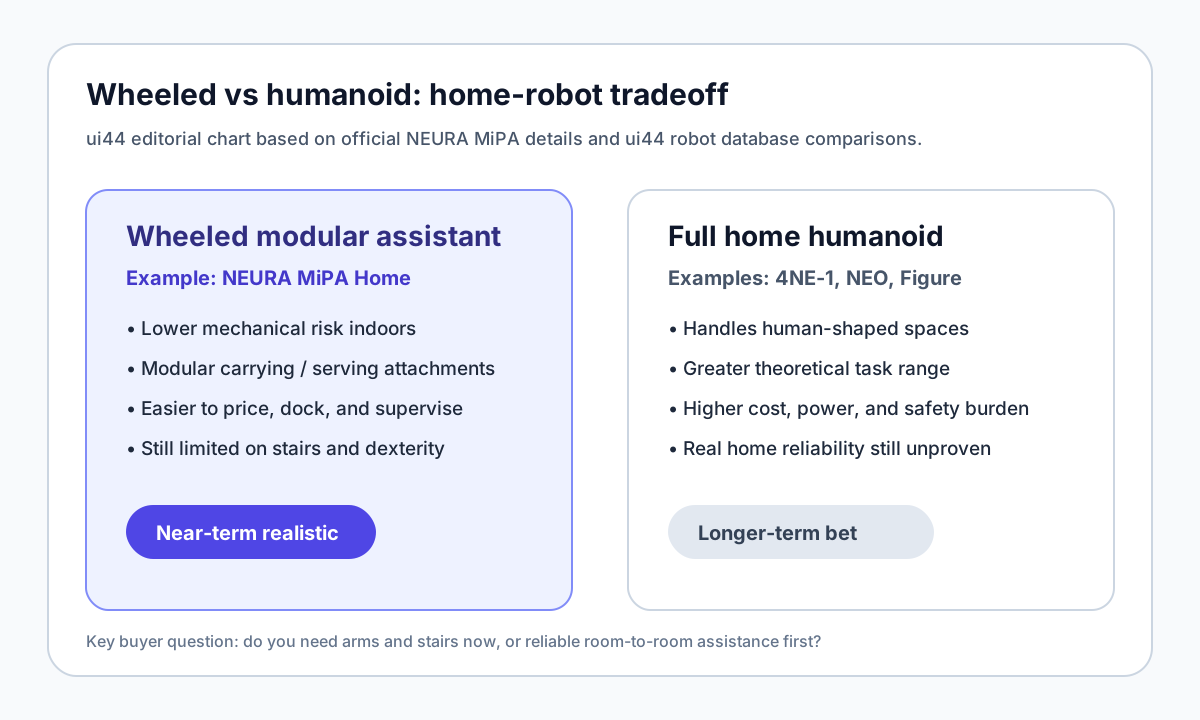
So MiPA is not a solved product. It is a more believable form factor for the first wave of practical home assistants.
What does NEURA actually promise for MiPA Home?
The official reservation page lists MiPA Home as an introductory private-household model at €9,999. The same page names these core features:
MiPA Home detail
Price
- What NEURA currently says
- €9,999, with a €100 refundable reservation fee
- Why it matters for buyers
- Expensive, but far below many full humanoid prices
MiPA Home detail
Use cases
- What NEURA currently says
- Home, elderly care, hospitality, workplace, kitchen and dining, healthcare
- Why it matters for buyers
- NEURA is aiming beyond a single toy-like companion role
MiPA Home detail
Manipulation
- What NEURA currently says
- 16 DoF with modular attachments
- Why it matters for buyers
- The attachments are the real work tools, not human-like hands
MiPA Home detail
Attachments
- What NEURA currently says
- Backpack, shelf, table, hook, clip system, tool change
- Why it matters for buyers
- More credible for transport and serving than dexterous chores
MiPA Home detail
Interaction
- What NEURA currently says
- Touch, display, microphone, speakers, LEDs, projector
- Why it matters for buyers
- A screen-and-voice interface is practical for home routines
MiPA Home detail
Awareness
- What NEURA currently says
- Temperature, humidity, pressure, air quality sensors
- Why it matters for buyers
- Environmental context could support care and smart-home workflows
MiPA Home detail
Platform
- What NEURA currently says
- Neuraverse integration; open platform/API framing on product page
- Why it matters for buyers
- NEURA is selling a robot plus a developer ecosystem
| MiPA Home detail | What NEURA currently says | Why it matters for buyers |
|---|---|---|
| Price | €9,999, with a €100 refundable reservation fee | Expensive, but far below many full humanoid prices |
| Use cases | Home, elderly care, hospitality, workplace, kitchen and dining, healthcare | NEURA is aiming beyond a single toy-like companion role |
| Manipulation | 16 DoF with modular attachments | The attachments are the real work tools, not human-like hands |
| Attachments | Backpack, shelf, table, hook, clip system, tool change | More credible for transport and serving than dexterous chores |
| Interaction | Touch, display, microphone, speakers, LEDs, projector | A screen-and-voice interface is practical for home routines |
| Awareness | Temperature, humidity, pressure, air quality sensors | Environmental context could support care and smart-home workflows |
| Platform | Neuraverse integration; open platform/API framing on product page | NEURA is selling a robot plus a developer ecosystem |
The phrase "16 DoF" needs careful interpretation. It does not mean MiPA has a pair of human-like hands with 16 finger joints. NEURA presents the capability in the context of modular attachments: a shelf, table, hook, backpack, clip system, and tool-change setup. That points toward transport, presentation, light service, and configurable work aids.
That is less exciting than a humanoid hand. It may also be more honest. A home robot that reliably brings medicine from one room to another, carries snacks, acts as a movable video-call interface, reminds someone about a routine, or serves as a smart-home front end could justify itself sooner than a biped that technically has hands but cannot be trusted alone.
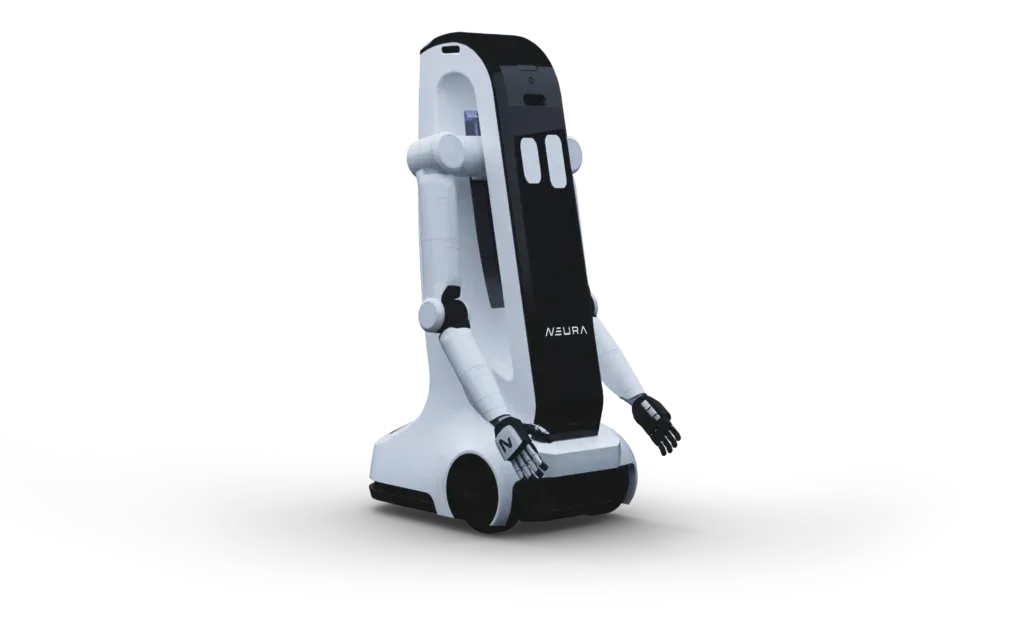
The strongest version of MiPA is not "cheap humanoid." It is a home robot that accepts the limits of wheels and turns modularity into a feature.
How does MiPA compare with NEURA's own humanoids?
The comparison gets sharper when MiPA sits next to NEURA's humanoid line in the ui44 database.
NEURA 4NE-1 is the ambitious flagship: ui44 records an official reservation estimate of €98,000 per unit for small quantities, a 180 cm height, 80 kg weight, roughly two hours of battery life, 15 kg payload, 25 degrees of freedom, 360-degree perception, force/torque sensors, sensor skin, voice recognition, and listed chores such as carrying, tidying, food prep, and ironing. It is a fascinating robot, but it is not priced like a normal household purchase.
NEURA 4NE-1 Mini is closer in price, but still more expensive than MiPA. ui44 records a €19,999 Standard tier and a €29,999 Pro tier, 132 cm height, 36 kg weight, about 2.5 hours of battery life, 25 DoF, 3 kg payload, Wi-Fi 6, Ethernet, Python SDK, ROS 2, NEURA Sync, and Pro-tier 12-DoF dexterous hands. It is aimed at education, research, interaction, and manipulation rather than ordinary buyers who only want a helper at home.

MiPA is the opposite bet. It gives up legs. It gives up the full humanoid form. It probably gives up dexterous manipulation unless a specific attachment handles the job. In return, it lands at roughly one-tenth of the 4NE-1 reservation estimate and about half the entry price of 4NE-1 Mini.
That tradeoff is not a downgrade if the task is room-to-room assistance. In many homes, wheels plus a tray are more useful than knees plus uncertainty.
What does the wider ui44 database say?
The broader database points in the same direction: near-term home robots succeed when they narrow the job.
Robot
- Current ui44 status and price
- Official reservation page: €9,999; not yet a ui44 robot profile
- What it teaches about MiPA
- Wheeled modular helper, not a bipedal humanoid
Robot
- Current ui44 status and price
- Pre-order; estimated €98,000; 180 cm / 80 kg; ~2 hours
- What it teaches about MiPA
- Full humanoid capability is expensive and power-hungry
Robot
- Current ui44 status and price
- Pre-order; €19,999 Standard / €29,999 Pro; 132 cm / 36 kg; ~2.5 hours
- What it teaches about MiPA
- Smaller humanoids still cost more than MiPA and target developers first
Robot
- Current ui44 status and price
- Pre-order; $20,000; 167 cm / 30 kg; ~4 hours
- What it teaches about MiPA
- A home humanoid can be consumer-facing, but still asks buyers to accept early-adopter risk
Robot
- Current ui44 status and price
- Active; $24,950; 24.5 kg; 2-5 hours; 2 kg payload
- What it teaches about MiPA
- A wheeled arm is credible for research and assistive care because it is purpose-built
Robot
- Current ui44 status and price
- Active; $1,599.99 invite pricing; Alexa/Ring/Visual ID
- What it teaches about MiPA
- A useful home robot can be a mobile interface without arms
Robot
- Current ui44 status and price
- Development; no price or launch date
- What it teaches about MiPA
- Companion robots can stay stuck in demo mode without retail specifics
Robot
- Current ui44 status and price
- Available; $7,999 or $450/month; 30-90 min per laundry load
- What it teaches about MiPA
- A single-task home robot may be more shippable than a general one
| Robot | Current ui44 status and price | What it teaches about MiPA |
|---|---|---|
| NEURA MiPA Home | Official reservation page: €9,999; not yet a ui44 robot profile | Wheeled modular helper, not a bipedal humanoid |
| NEURA 4NE-1 | Pre-order; estimated €98,000; 180 cm / 80 kg; ~2 hours | Full humanoid capability is expensive and power-hungry |
| NEURA 4NE-1 Mini | Pre-order; €19,999 Standard / €29,999 Pro; 132 cm / 36 kg; ~2.5 hours | Smaller humanoids still cost more than MiPA and target developers first |
| 1X NEO | Pre-order; $20,000; 167 cm / 30 kg; ~4 hours | A home humanoid can be consumer-facing, but still asks buyers to accept early-adopter risk |
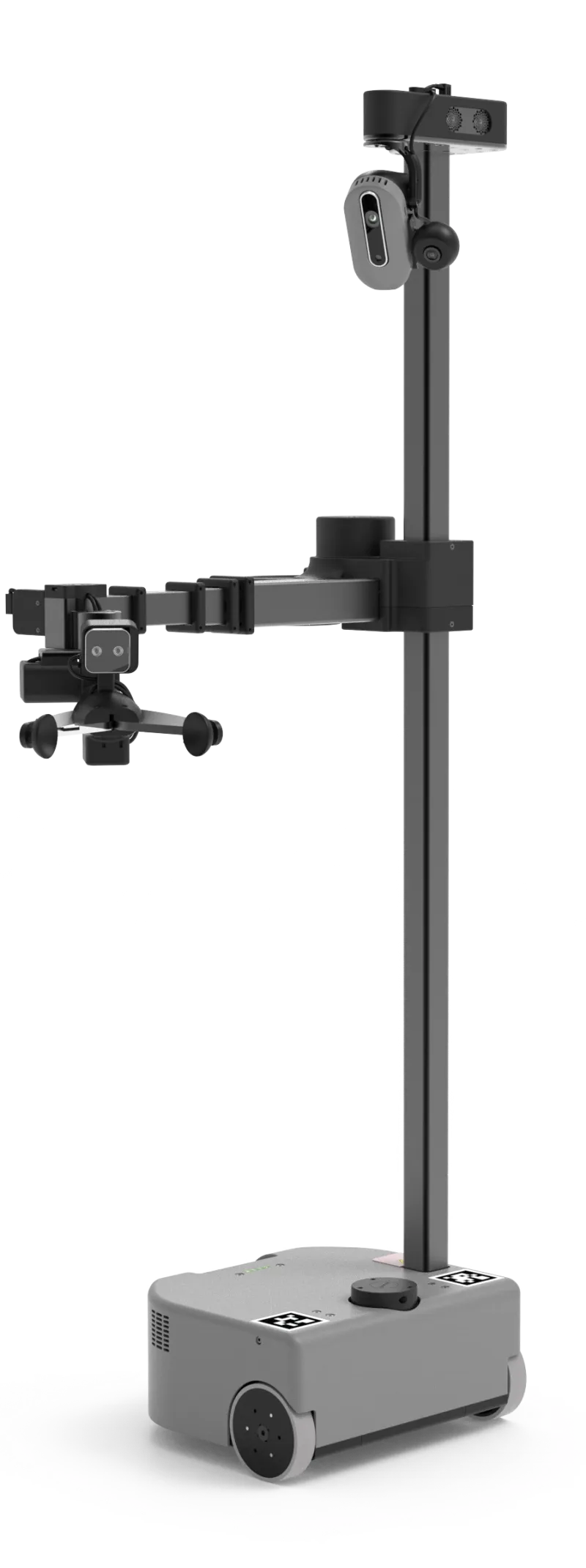
| Hello Robot Stretch 3 | Active; $24,950; 24.5 kg; 2-5 hours; 2 kg payload | A wheeled arm is credible for research and assistive care because it is purpose-built |
| Amazon Astro | Active; $1,599.99 invite pricing; Alexa/Ring/Visual ID | A useful home robot can be a mobile interface without arms |
| Samsung Ballie | Development; no price or launch date | Companion robots can stay stuck in demo mode without retail specifics |
| Weave Isaac 0 | Available; $7,999 or $450/month; 30-90 min per laundry load | A single-task home robot may be more shippable than a general one |
That table is the most important buying lesson. The robots closest to usefulness are not always the most human-like. Amazon Astro patrols, video-calls, follows, and integrates with Alexa and Ring. Weave Isaac 0 stays in one place and folds laundry with remote-assist fallback. Hello Robot Stretch 3 is a serious wheeled mobile manipulator, but it is a research and assistive-care platform, not a plug-and-play consumer appliance.
MiPA sits between those categories. It is more physically useful than a screen on wheels if the attachments work. It is less flexible than a humanoid if a chore requires hands, stairs, or arbitrary tool use. That middle ground is exactly why it deserves attention.
Where MiPA could make sense at home
The best early MiPA use cases are the ones that avoid heavy dexterity.
A wheeled assistant could carry items between rooms, serve as a moving shelf, bring a video call to someone who does not want to manage a tablet, guide a visitor, remind an older adult about a medication routine, monitor air quality, or provide a local interface for smart-home scenes. In a kitchen, the realistic job is not chopping vegetables. It is moving lightweight items, displaying a recipe, timing steps, and coordinating appliances.
Elder care is the more serious angle. A robot that can move through the home, recognize people nearby, project or display prompts, and support voice interaction could be useful if it is reliable, private enough, and easy for caregivers to configure. The key word is "if." Care settings punish flaky robots. A missed reminder, failed dock, blocked hallway, or confusing interaction can turn a helper into another thing a caregiver has to manage.
Hospitality and workplace deployments may come first for the same reason robot chefs and delivery bots often start outside private homes: the environment can be standardized, staff can supervise, and the robot can run repeatable loops. If MiPA proves itself in semi-controlled settings, the home version becomes more credible.
What should buyers be skeptical about?
MiPA still has open questions that matter more than the renderings.
First, NEURA has not published a full home spec sheet. Price and reservation terms are useful, but battery life, payload per attachment, dock behavior, stair and threshold limits, cleaning/maintenance, warranty, support regions, app details, and delivery timing are what turn a reservation into a purchase decision.
Second, Neuraverse is both a strength and a question. NEURA's April 2026 AWS partnership frames Neuraverse as cloud infrastructure for Physical AI training, real-time data processing, and connected fleet data exchange. Its Dassault Systèmes partnership frames virtual twins and real-world learning as a closed loop for robot skills. That strategy could help MiPA improve faster than a standalone gadget. It also means buyers should ask what data leaves the home, what can run locally, how opt-outs work, and whether core functions survive a cloud outage.
Third, modular attachments are only valuable if the ecosystem ships. A shelf and hook are easy to understand. A tool-change ecosystem is harder. Buyers should wait for videos showing normal homes, normal clutter, real docking, failed-task recovery, caregiver setup, and attachment swaps by ordinary people.
Finally, MiPA is not a staircase robot. If your home has split levels, narrow stairs, thick thresholds, or rugs that trap small wheels, a wheeled helper has limits a humanoid is meant to overcome. A humanoid also has limits, of course: fall risk, higher cost, shorter tested reliability, and more complex safety certification.

Who should watch MiPA closely?
MiPA is worth tracking if you want a near-term home assistant but do not need a human-shaped robot. It is especially relevant for:
- households that want room-to-room transport and reminders more than dexterous chores;
- caregivers comparing mobile companion robots with aging-in-place tools;
- smart-home users who want a moving interface rather than another wall screen;
- robotics developers looking for an open platform closer to home use than an industrial arm;
- buyers who find humanoids fascinating but cannot justify €20,000-€98,000 early pricing.
It is not the right mental model for someone expecting a robot maid. There is no public evidence yet that MiPA can clean bathrooms, load dishwashers, climb stairs, make beds, or safely improvise with every object in a normal household. If those are your buying requirements, even the humanoid category is still early.
The better framing is: MiPA could become the practical middle layer between Amazon Astro-style mobile presence and 1X NEO-style humanoid ambition.
Bottom line
NEURA MiPA Home is compelling because it lowers the ambition to something a home robot might actually do soon. At €9,999, it is still an expensive early-adopter reservation, not a mass-market appliance. But compared with NEURA's own €98,000 4NE-1 estimate, the €19,999-plus 4NE-1 Mini, and the $20,000 1X NEO, MiPA's wheeled modular design looks like a serious attempt to make home assistance less fantastical.
The catch is evidence. The official MiPA pages show a plausible form factor, useful attachments, Neuraverse integration, and a real price. They do not yet show enough real home performance data to recommend a reservation for most buyers.
If NEURA can prove reliable navigation, docking, privacy controls, useful attachments, and caregiver-friendly setup, MiPA may matter more to the home robot market than another walking demo. The first useful home robot assistant may not look like a person. It may look like a stable platform that carries the right things to the right room without making life harder.
Related in the database
Use this article as a privacy verification workflow
Turn the article into a privacy verification pass grounded in the robots, manufacturers, and components it actually references.
NEURA MiPA: A €9,999 Humanoid Alternative? already points you toward 7 linked robots, 6 manufacturers, and 5 countries inside the ui44 database. That matters because strong buyer guidance is easier to apply when you can move immediately from a claim or warning into concrete product pages, manufacturer directories, component explainers, and country-level context instead of treating the article as an isolated opinion piece. The fastest next step is to turn the article into a shortlist workflow: open the linked robot pages, verify which specs are actually published for those models, then compare the surrounding manufacturer and component context before you decide whether the underlying claim changes your buying plan.
For this topic, the useful discipline is to separate the editorial lesson from the catalog evidence. The article gives you the framing, but the robot pages tell you what each product actually ships with today: sensor stack, connectivity methods, listed price, release timing, category, and support-relevant compatibility notes. The manufacturer pages then show whether you are looking at a one-off launch, a broader lineup pattern, or a company that spans multiple categories. That layered workflow reduces the risk of buying on a single marketing phrase or a single support FAQ.
Use the robot pages to confirm which products actually expose cameras, microphones, Wi-Fi, or voice systems, then use the manufacturer pages to decide how much of the privacy question seems product-specific versus brand-wide. On this route cluster, 4NE-1, 4NE-1 Mini, and NEO form the fastest reality check. If you want a quick working shortlist, open Compare 4NE-1, 4NE-1 Mini, and NEO next, then keep this article open as the reasoning layer while you compare structured data side by side.
Practical Takeaway
Every robot, manufacturer, category, component, and country reference below resolves to a real ui44 page, keeping the follow-up path grounded in database records rather than generic advice.
Suggested next steps in ui44
- Open 4NE-1 and note the listed sensors, connectivity methods, and voice stack before you interpret any policy claim.
- Cross-check the wider brand context on NEURA Robotics so you can see whether the privacy question touches one model or a broader lineup.
- Use the linked component pages to confirm how common the relevant sensors and connectivity layers are across the database.
- Keep a short note of which policy layers you checked, which device features are actually present on the robot page, and which items still depend on region- or app-level confirmation.
- Finish with Compare 4NE-1, 4NE-1 Mini, and NEO so the policy reading sits next to structured product data.
Robot profiles worth opening next
Use the linked product pages as the evidence layer
The linked robot pages are where this article becomes operational. Instead of asking whether the headline is interesting, use the robot entries to inspect the actual mix of sensors, connectivity options, batteries, pricing, release timing, and stated capabilities attached to the products mentioned in the article. That is the easiest way to see whether the warning or opportunity described here affects one product family, a specific design pattern, or an entire buying lane.
4NE-1
NEURA Robotics · Humanoid · Pre-order
4NE-1 is tracked on ui44 as a pre-order humanoid robot from NEURA Robotics. The database currently records a listed price of €98,000, a release date of 2024, ~2 hours battery life, Not disclosed charging time, and a published stack that includes 3D Vision (360°), Force/Torque Sensors (all joints), and Sensor Skin plus Wi-Fi 6 and Ethernet.
For privacy-focused reading, this page matters because it shows the concrete device surface behind the policy discussion. Use it to verify whether 4NE-1 combines sensors and connectivity in a way that could change the in-home data footprint, and compare the listed capabilities such as 25 Degrees of Freedom, Autonomous Navigation, and Object Manipulation with any cloud, app, or voice layers, including Built-in Voice Recognition.
4NE-1 Mini
NEURA Robotics · Humanoid · Pre-order
4NE-1 Mini is tracked on ui44 as a pre-order humanoid robot from NEURA Robotics. The database currently records a listed price of €19,999, a release date of 2026-01-05, ~2.5 hours battery life, Not disclosed charging time, and a published stack that includes Multi-camera Array, Force/Torque Sensors, and 3D Vision plus Wi-Fi 6 and Gigabit Ethernet.
For privacy-focused reading, this page matters because it shows the concrete device surface behind the policy discussion. Use it to verify whether 4NE-1 Mini combines sensors and connectivity in a way that could change the in-home data footprint, and compare the listed capabilities such as 25 Degrees of Freedom, Autonomous Navigation, and Object Manipulation (Pro tier: 12-DOF dexterous hands) with any cloud, app, or voice layers, including Built-in Multi-language Voice Recognition.
NEO
1X Technologies · Humanoid · Pre-order
NEO is tracked on ui44 as a pre-order humanoid robot from 1X Technologies. The database currently records a listed price of $20,000, a release date of 2025-10-28, ~4 hours battery life, Not disclosed charging time, and a published stack that includes RGB Cameras, Depth Sensors, and Tactile Skin plus Wi-Fi and Bluetooth.
For privacy-focused reading, this page matters because it shows the concrete device surface behind the policy discussion. Use it to verify whether NEO combines sensors and connectivity in a way that could change the in-home data footprint, and compare the listed capabilities such as Household Chores, Tidying Up, and Safe Human Interaction with any cloud, app, or voice layers.
Stretch 3
Hello Robot · Home Assistants · Active
Stretch 3 is tracked on ui44 as a active home assistants robot from Hello Robot. The database currently records a listed price of $24,950, a release date of 2024, 2–5 hours battery life, Not disclosed charging time, and a published stack that includes Intel D405 RGBD Camera (gripper), Intel D435if RGBD Camera (head), and Wide-Angle RGB Camera (head) plus Wi-Fi 6E and Bluetooth.
For privacy-focused reading, this page matters because it shows the concrete device surface behind the policy discussion. Use it to verify whether Stretch 3 combines sensors and connectivity in a way that could change the in-home data footprint, and compare the listed capabilities such as Mobile Manipulation, Autonomous Navigation, and Teleoperation (Web / Gamepad / Dexterous) with any cloud, app, or voice layers.
Astro is tracked on ui44 as a active security & patrol robot from Amazon. The database currently records a listed price of $1,599, a release date of 2021, Not officially disclosed battery life, Not officially disclosed charging time, and a published stack that includes 5MP Bezel Camera, 1080p Periscope Camera (132° FOV), and Infrared Vision plus Wi-Fi 802.11ac and Bluetooth.
For privacy-focused reading, this page matters because it shows the concrete device surface behind the policy discussion. Use it to verify whether Astro combines sensors and connectivity in a way that could change the in-home data footprint, and compare the listed capabilities such as Autonomous Home Patrol, Visual ID (face recognition), and Remote Home Monitoring with any cloud, app, or voice layers, including Amazon Alexa.
Manufacturer context behind the article
Check whether this is one product story or a broader company pattern
Manufacturer pages add the privacy context that individual product pages cannot show on their own. They help you check whether cameras, microphones, cloud accounts, app controls, and policy assumptions appear across a broader lineup or stay tied to one specific product story.
NEURA Robotics
ui44 currently tracks 4 robots from NEURA Robotics across 3 categorys. The company is grouped under Germany, and the current catalog footprint on ui44 includes 4NE-1, 4NE-1 Mini, MiPA.
That wider brand context matters because privacy questions rarely stop at one FAQ page. A manufacturer route helps you see whether the article is centered on one premium model or on a company that has several relevant products and therefore more than one place where the same policy or app assumptions might matter. The category mix here currently points toward Humanoid, Home Assistants, Quadruped as the most useful next route if you want to see whether this article reflects a wider pattern inside the brand.
1X Technologies
ui44 currently tracks 2 robots from 1X Technologies across 1 category. The company is grouped under Norway, and the current catalog footprint on ui44 includes NEO, EVE.
That wider brand context matters because privacy questions rarely stop at one FAQ page. A manufacturer route helps you see whether the article is centered on one premium model or on a company that has several relevant products and therefore more than one place where the same policy or app assumptions might matter. The category mix here currently points toward Humanoid as the most useful next route if you want to see whether this article reflects a wider pattern inside the brand.
Hello Robot
ui44 currently tracks 2 robots from Hello Robot across 1 category. The company is grouped under USA, and the current catalog footprint on ui44 includes Stretch 3, Stretch 4.
That wider brand context matters because privacy questions rarely stop at one FAQ page. A manufacturer route helps you see whether the article is centered on one premium model or on a company that has several relevant products and therefore more than one place where the same policy or app assumptions might matter. The category mix here currently points toward Home Assistants as the most useful next route if you want to see whether this article reflects a wider pattern inside the brand.
Amazon
ui44 currently tracks 1 robot from Amazon across 1 category. The company is grouped under USA, and the current catalog footprint on ui44 includes Astro.
That wider brand context matters because privacy questions rarely stop at one FAQ page. A manufacturer route helps you see whether the article is centered on one premium model or on a company that has several relevant products and therefore more than one place where the same policy or app assumptions might matter. The category mix here currently points toward Security & Patrol as the most useful next route if you want to see whether this article reflects a wider pattern inside the brand.
Broaden the scan without leaving the database
Categories, components, and countries add the wider context
Category framing
Category pages are useful when the article touches a buying pattern that shows up across brands. A category route helps you confirm whether the linked products sit in a narrow niche or whether the same question should be tested across a larger field of alternatives.
Humanoid
The Humanoid category page currently groups 129 tracked robots from 92 manufacturers. ui44 describes this lane as: Full-size bipedal humanoid robots built to work alongside people — from factory floors to household tasks. Compare the cutting edge of humanoid robotics.
That makes the category route a practical follow-up when you want to check whether the products linked in this article are typical for the lane or whether they sit at one edge of the market. Useful starting examples currently include NEO, EVE, Mornine M1.
Home Assistants
The Home Assistants category page currently groups 16 tracked robots from 14 manufacturers. ui44 describes this lane as: Arm-based household helpers — laundry folders, kitchen robots, and mobile manipulators that take on hands-on physical tasks around the home.
That makes the category route a practical follow-up when you want to check whether the products linked in this article are typical for the lane or whether they sit at one edge of the market. Useful starting examples currently include Robody, Futuring 2 (F2), Stretch 3.
Country and ecosystem context
Country pages give extra context when support practices, launch sequencing, regulatory posture, or manufacturer mix matter. They are not a substitute for model-level verification, but they do help you see which ecosystems cluster together and which manufacturers sit in the same regional field when you broaden the search beyond the article headline.
Germany
The Germany route currently groups 13 tracked robots from 9 manufacturers in ui44. That gives you a useful regional lens when the article points toward support practices, launch sequencing, or brand clusters that may share similar ecosystem assumptions.
On the current route, manufacturers like NEURA Robotics, Bosch, Agile Robots make the page a good way to broaden the scan without losing the regional context that often shapes availability, documentation style, and adjacent alternatives.
Norway
The Norway route currently groups 2 tracked robots from 1 manufacturers in ui44. That gives you a useful regional lens when the article points toward support practices, launch sequencing, or brand clusters that may share similar ecosystem assumptions.
On the current route, manufacturers like 1X Technologies make the page a good way to broaden the scan without losing the regional context that often shapes availability, documentation style, and adjacent alternatives.
USA
The USA route currently groups 89 tracked robots from 69 manufacturers in ui44. That gives you a useful regional lens when the article points toward support practices, launch sequencing, or brand clusters that may share similar ecosystem assumptions.
On the current route, manufacturers like Faraday Future, iRobot, Boston Dynamics make the page a good way to broaden the scan without losing the regional context that often shapes availability, documentation style, and adjacent alternatives.
Questions to answer before you move from reading to buying
A follow-up FAQ built from the entities already linked in this article
Frequently Asked Questions
Which page should I open first after reading “NEURA MiPA: A €9,999 Humanoid Alternative?”?
Start with 4NE-1. That gives you a concrete product anchor for the article’s main claim. From there, branch into the manufacturer and component pages so you can tell whether the article is describing one specific model, a repeated brand pattern, or a wider technology issue that affects multiple shortlist options.
How do the manufacturer pages change the buying decision?
NEURA Robotics help you zoom out from one article and one product. On ui44 they show lineup breadth, category spread, and the neighboring robots tied to the same company. That context is useful when you are deciding whether a risk belongs to a single model, whether it shows up across a brand’s portfolio, and whether you should keep looking at alternatives before committing.
When should I switch from reading to side-by-side comparison?
Move into Compare 4NE-1, 4NE-1 Mini, and NEO as soon as you understand the article’s main warning or promise. The article explains what to watch for, but the compare view is where you can check whether price, status, battery life, connectivity, sensors, and category fit still make the robot a good match for your own home and budget.
Where to go next in ui44
Keep the research chain inside the database
If you want to keep going, these follow-on pages give you the cleanest expansion path from article to research session. Open the comparison route first if you are deciding between products today. Open the manufacturer, category, and component routes if you still need to understand the broader pattern behind the claim.
Written by
ui44 Team
Published May 1, 2026
Share this article
Open a plain share link on X or Bluesky. No embeds, no widgets, no cookie baggage.