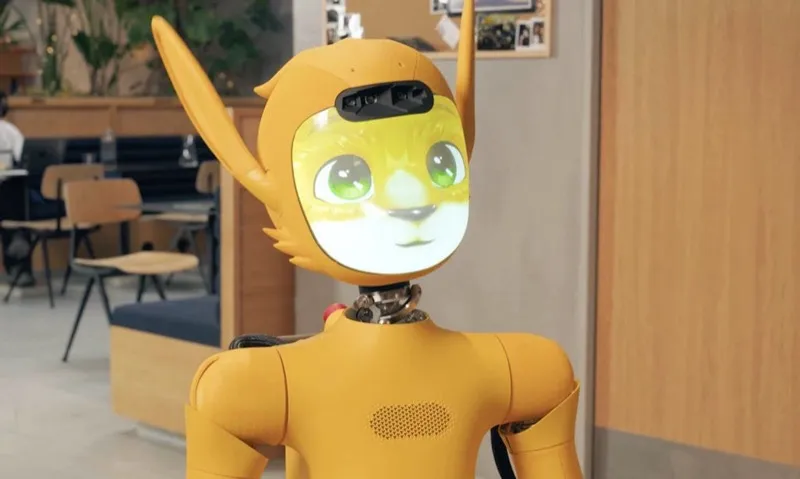
That does not mean a private household can click checkout and put one in the living room next week. The realistic interpretation is more interesting: Mirokaï is becoming an organization-first service robot for healthcare, senior living, retail, events, hotels, restaurants, airports, and other human-facing spaces. For home-robot buyers, that matters because it shows what a near-term social humanoid may look like before the category reaches ordinary consumer retail.
What changed in June 2026?
Planète Robots reported on June 24, 2026 that Enchanted Tools had unveiled the official commercial version of the Mirokaï robots at its Paris Urban Factory on June 16. The report frames it as the next stage after the Urban Factory opening in late 2024, the Mirokaï Explorer Suite milestone in spring 2025, and the setup of an industrial production line in early 2026.
The official Enchanted Tools site now uses similarly concrete language. It describes Mirokaï as "ready to work with you," says first commercial deployments are open, and lists target sectors including hospitals and clinics, nursing homes, supported living, retail, hotels and restaurants, and airports. The product page also presents a request-a-demo and buy path rather than only a research-contact path.
For buyers, the phrase "commercial deployment" is doing a lot of work. It means the robot is being positioned for paying organizations and real venues. It does not automatically mean public MSRP, self-service ordering, household warranty coverage, national service networks, or unsupervised consumer use.
Buyer status at a glance
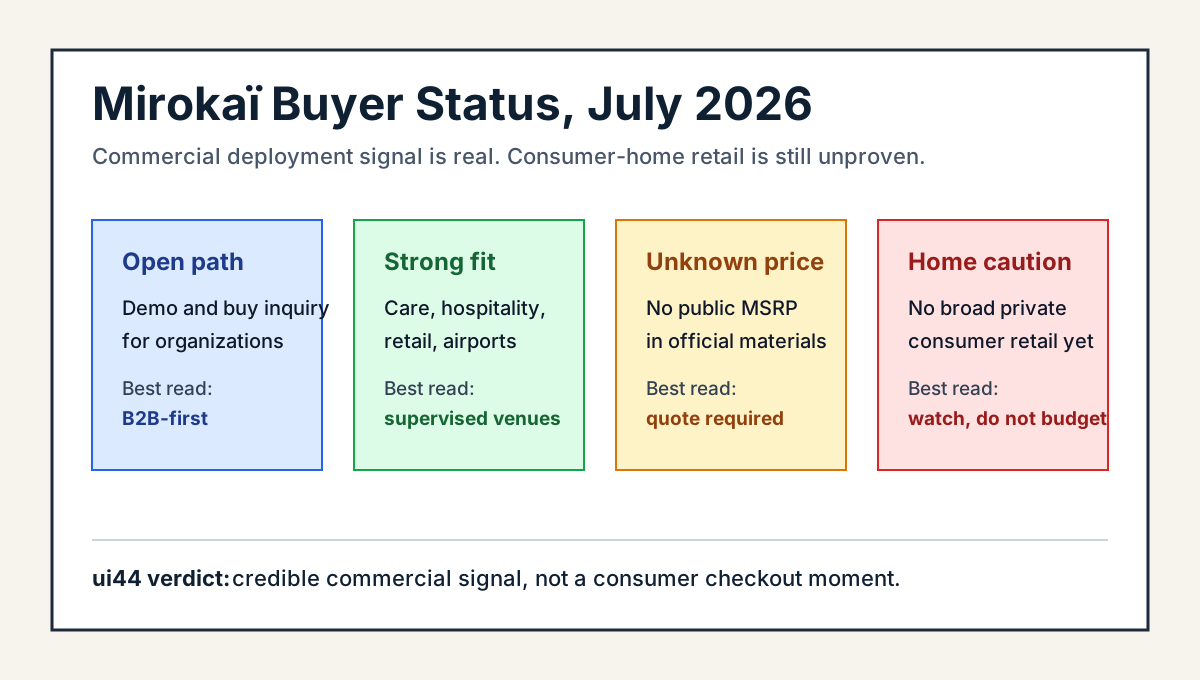
Here is the practical read:
Question
Can organizations inquire about Mirokaï?
- Best current answer
- Yes. Enchanted Tools presents first commercial deployments and a buy path.
Question
Is it a normal consumer home robot?
- Best current answer
- No public evidence of broad private-home retail yet. Treat it as B2B-first.
Question
Is the price public?
- Best current answer
- No. In the ui44 database, Mirokaï has no official public list price and is sold through inquiry or partnership flow.
Question
What makes it different from older reception robots?
- Best current answer
- It combines expressive character design, autonomous navigation, arms, object handling, and multi-LLM conversation.
Question
Who should watch it most closely?
- Best current answer
- Senior-living operators, clinics, hospitality groups, airport service teams, museums, retail pilots, and home-robot buyers tracking the future of social assistive robots.
| Question | Best current answer |
|---|---|
| Can organizations inquire about Mirokaï? | Yes. Enchanted Tools presents first commercial deployments and a buy path. |
| Is it a normal consumer home robot? | No public evidence of broad private-home retail yet. Treat it as B2B-first. |
| Is the price public? | No. In the ui44 database, Mirokaï has no official public list price and is sold through inquiry or partnership flow. |
| What makes it different from older reception robots? | It combines expressive character design, autonomous navigation, arms, object handling, and multi-LLM conversation. |
| Who should watch it most closely? | Senior-living operators, clinics, hospitality groups, airport service teams, museums, retail pilots, and home-robot buyers tracking the future of social assistive robots. |
The short version: Mirokaï is buy-curious for institutions, not buy-now for the average household.
The ui44 database view
Mirokaï is listed in the ui44 database as an active commercial robot from Enchanted Tools. Its public specs are unusually complete for a social service robot:
Mirokaï data point
Height
- ui44 database value
- 123 cm, about 4 ft
Mirokaï data point
Weight
- ui44 database value
- About 26 kg, or 57 lb
Mirokaï data point
Battery life
- ui44 database value
- About 4 hours
Mirokaï data point
Max speed
- ui44 database value
- 3.2 km/h, about 2.0 mph
Mirokaï data point
Locomotion
- ui44 database value
- Omnidirectional rolling-globe base
Mirokaï data point
Arms
- ui44 database value
- Torque-controlled arms, 26 degrees of freedom total
Mirokaï data point
Manipulation claim
- ui44 database value
- Object grasping listed at 97% success rate
Mirokaï data point
AI
- ui44 database value
- NVIDIA GPU, multi-LLM integration, VLM support, VSLAM navigation
Mirokaï data point
Sensors
- ui44 database value
- RGBD, infrared, time-of-flight, torque, ultrasonic, microphones, IMUs, and hand contact sensors
Mirokaï data point
Pricing
- ui44 database value
- No official public list price
| Mirokaï data point | ui44 database value |
|---|---|
| Height | 123 cm, about 4 ft |
| Weight | About 26 kg, or 57 lb |
| Battery life | About 4 hours |
| Max speed | 3.2 km/h, about 2.0 mph |
| Locomotion | Omnidirectional rolling-globe base |
| Arms | Torque-controlled arms, 26 degrees of freedom total |
| Manipulation claim | Object grasping listed at 97% success rate |
| AI | NVIDIA GPU, multi-LLM integration, VLM support, VSLAM navigation |
| Sensors | RGBD, infrared, time-of-flight, torque, ultrasonic, microphones, IMUs, and hand contact sensors |
| Pricing | No official public list price |
Those numbers explain why Mirokaï is not just another tablet-on-wheels greeter. At 123 cm and 26 kg, it is roughly human-scale enough for social presence, but light enough to be closer to a service robot than an industrial humanoid. The rolling-globe base avoids the hardest problems of bipedal walking while still letting the robot move through indoor spaces. The arms matter because they point toward actual service tasks, not only conversation.
The limits are just as important. Four hours of battery life is meaningful for structured shifts, but it is not all-day household independence. Inquiry pricing makes budgeting difficult. A published object-grasping success claim is encouraging, but buyers still need to see what objects, shelves, clutter, lighting, and user handoff conditions were tested.
Why this matters for home robots
Most "home humanoid" promises fail because they skip the boring middle step: someone has to run the robot in repetitive, supervised, semi-public environments before it can be trusted in messy private homes. Mirokaï's commercial direction is exactly that middle step.
Healthcare, senior living, and hospitality give a robot repeated tasks, staff oversight, predictable floor plans, and a reason to pay for support. A nursing home can measure whether residents engage more, whether staff get useful assistance, and whether the robot reliably navigates known spaces. An airport can test wayfinding and multilingual interactions. A hotel can test greetings, concierge flows, and light delivery without pretending the robot is a general-purpose housekeeper.
That is how home robotics usually matures. The first credible deployments happen where the environment is structured enough to learn and valuable enough to fund support. Consumer buyers should not dismiss that as "not a home robot." They should watch it as a filter for what survives contact with real people.
What Mirokaï is likely good at now
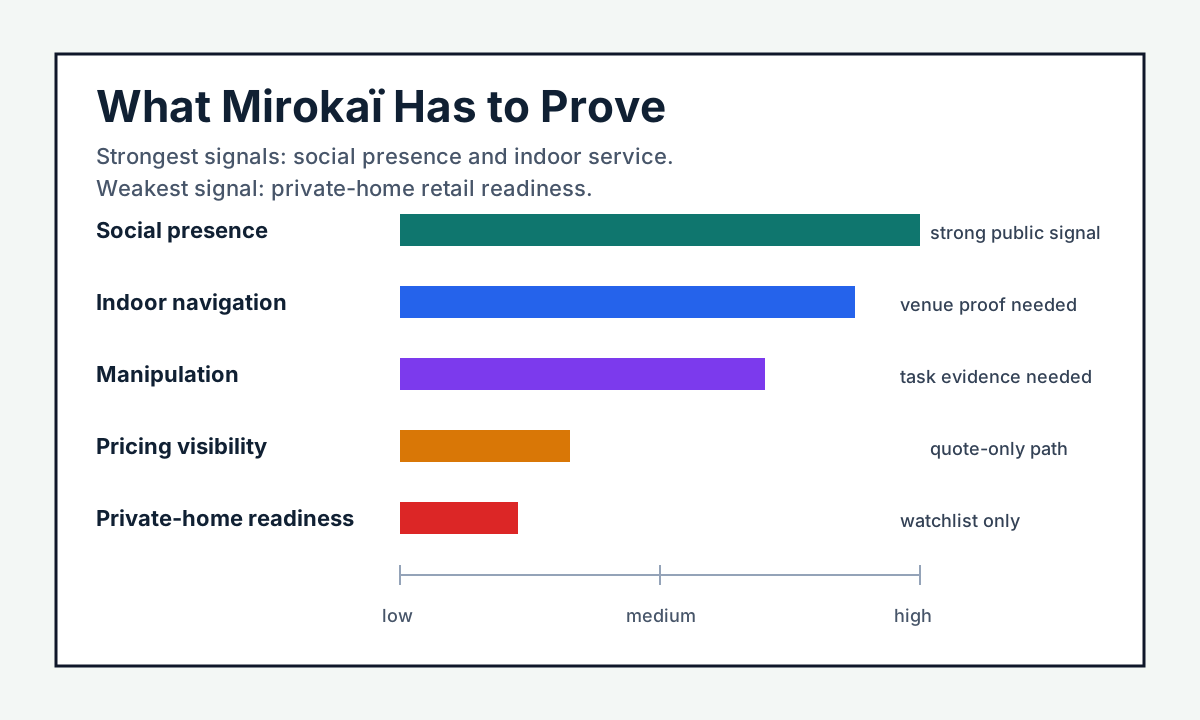
Mirokaï's strongest current fit is social presence plus guided service in spaces that already have staff. The official pages emphasize natural conversation, environmental awareness, autonomous navigation, human-centric safety, precision manipulation, and customization. The deployment examples are equally revealing: patient support, resident companionship, customer welcome, product information, interactive tours, airport guidance, and hospitality assistance.
That puts Mirokaï in a different lane from a pure telepresence robot or chatbot kiosk. Its body is part of the product. The expressive projected face, character design, arm motion, and glide-like base are meant to make people comfortable approaching it. In care settings, that can matter as much as raw technical capability. A robot that people ignore is operationally useless no matter how clever the AI stack looks.
But "socially approachable" and "operationally useful" are separate tests. A buyer should ask for evidence on uptime, remote monitoring, cleaning procedures, multilingual performance, navigation failure recovery, privacy handling, and staff workflow fit. For care settings, they should also ask how Mirokaï handles consent, vulnerable users, camera data, escalation to human staff, and moments when a user becomes confused or distressed.
How it compares with Pepper and aeo
Mirokaï lands between two older commercial-robot reference points in the ui44 database.
Pepper is the obvious social-robot comparison. It is a 120 cm, 29.6 kg commercial robot with a wheeled base, a 10.1-inch touchscreen, emotion-recognition features, and a history in retail and reception. Pepper proved that social robots can attract attention, but it also showed the danger of overpromising beyond greeting, scripted conversation, and engagement.
aeo, from Aeolus Robotics, sits closer to operations. It is a commercial service robot with dual 7-DOF arms, autonomous elevator operation, door operation, object pickup, delivery workflows, security patrol, UV disinfection, and remote scheduling. It is not trying to be a character in the same way. It is closer to a building-service robot.
Mirokaï is interesting because it borrows from both directions. It has Pepper-like social presence, but more emphasis on manipulation, VSLAM navigation, and commercial service tasks. It is not as obviously facility-operations-first as aeo, but it may be easier for people to engage with in care, hospitality, retail, and public-facing environments.
What should buyers verify before ordering?
A serious Mirokaï conversation should start with the deployment, not the robot. The right question is not "Can we buy one?" It is "What measurable job will this robot perform in our environment, and what happens when it cannot?"
Ask Enchanted Tools or an integration partner for five things:
- A task list tied to your venue, not a generic capability demo.
- A service model that explains support hours, remote diagnostics, parts, cleaning, and software updates.
- Privacy documentation for camera, microphone, face tracking, user interaction logs, and retention policies.
- Navigation proof in a layout like yours, including thresholds, cables, carpets, crowds, elevators, and clutter.
- Human handoff rules for confused users, failed navigation, unsafe interactions, and medical or care-sensitive moments.
For senior-living and healthcare buyers, also separate engagement from care. A robot may improve mood, reduce loneliness, guide visitors, or take pressure off staff during structured activities. That does not make it a caregiver replacement. The safer buying frame is staff augmentation: scripted support, companionship moments, reminders, wayfinding, and light operational help under human supervision.
For private-home buyers, the advice is simpler: watch, do not budget yet. Mirokaï may influence the home robot market, but the current buying path points to organizations. If you want a home robot now, compare robots by task category in /categories or use /compare to separate companion robots, mobility robots, cleaning robots, and experimental humanoids.
The real signal
The Mirokaï commercial launch is not proof that social humanoids are suddenly ready for every home. It is a better signal than that.
It shows that a company with a serious robotics pedigree is moving from prototype theater toward deployable, character-driven service robots. It shows that the first credible markets are places with staff, budgets, and repeatable human-facing tasks. It also shows that the home-robot future probably will not arrive as one giant leap from lab demo to family kitchen. It will arrive through hospitals, senior living communities, airports, hotels, museums, and retail spaces first.
For ui44 readers, Mirokaï is worth tracking because it makes the question more concrete. Not "when will humanoids take over homes?" but "which parts of social presence, indoor navigation, manipulation, and safe autonomy are becoming reliable enough to buy?"
That is the right question. And in July 2026, Mirokaï is one of the more useful robots to ask it about.
Related in the database
Use this article as a privacy verification workflow
Turn the article into a privacy verification pass grounded in the robots, manufacturers, and components it actually references.
Mirokaï Commercial Launch: Ready for Buyers? already points you toward 3 linked robots, 3 manufacturers, and 2 countries inside the ui44 database. That matters because strong buyer guidance is easier to apply when you can move immediately from a claim or warning into concrete product pages, manufacturer directories, component explainers, and country-level context instead of treating the article as an isolated opinion piece. The fastest next step is to turn the article into a shortlist workflow: open the linked robot pages, verify which specs are actually published for those models, then compare the surrounding manufacturer and component context before you decide whether the underlying claim changes your buying plan.
For this topic, the useful discipline is to separate the editorial lesson from the catalog evidence. The article gives you the framing, but the robot pages tell you what each product actually ships with today: sensor stack, connectivity methods, listed price, release timing, category, and support-relevant compatibility notes. The manufacturer pages then show whether you are looking at a one-off launch, a broader lineup pattern, or a company that spans multiple categories. That layered workflow reduces the risk of buying on a single marketing phrase or a single support FAQ.
Use the robot pages to confirm which products actually expose cameras, microphones, Wi-Fi, or voice systems, then use the manufacturer pages to decide how much of the privacy question seems product-specific versus brand-wide. On this route cluster, Mirokaï, Pepper, and aeo form the fastest reality check. If you want a quick working shortlist, open Compare Mirokaï, Pepper, and aeo next, then keep this article open as the reasoning layer while you compare structured data side by side.
Practical Takeaway
Every robot, manufacturer, category, component, and country reference below resolves to a real ui44 page, keeping the follow-up path grounded in database records rather than generic advice.
Suggested next steps in ui44
- Open Mirokaï and note the listed sensors, connectivity methods, and voice stack before you interpret any policy claim.
- Cross-check the wider brand context on Enchanted Tools so you can see whether the privacy question touches one model or a broader lineup.
- Use the linked component pages to confirm how common the relevant sensors and connectivity layers are across the database.
- Keep a short note of which policy layers you checked, which device features are actually present on the robot page, and which items still depend on region- or app-level confirmation.
- Finish with Compare Mirokaï, Pepper, and aeo so the policy reading sits next to structured product data.
Robot profiles worth opening next
Use the linked product pages as the evidence layer
The linked robot pages are where this article becomes operational. Instead of asking whether the headline is interesting, use the robot entries to inspect the actual mix of sensors, connectivity options, batteries, pricing, release timing, and stated capabilities attached to the products mentioned in the article. That is the easiest way to see whether the warning or opportunity described here affects one product family, a specific design pattern, or an entire buying lane.
Mirokaï
Enchanted Tools · Commercial · Active
Mirokaï is tracked on ui44 as a active commercial robot from Enchanted Tools. The database currently records a listed price of Price TBA, a release date of 2025, ~4 hours battery life, Not disclosed charging time, and a published stack that includes 2 RGBD Cameras, 2 Infrared Cameras, and 9 Time-of-Flight Cameras plus Wi-Fi and Bluetooth.
For privacy-focused reading, this page matters because it shows the concrete device surface behind the policy discussion. Use it to verify whether Mirokaï combines sensors and connectivity in a way that could change the in-home data footprint, and compare the listed capabilities such as 26 Degrees of Freedom, Omnidirectional Rolling Globe Locomotion, and Expressive Animated Face (projector-based) with any cloud, app, or voice layers, including Multi-language speech recognition & synthesis with emotional prosody.
Pepper
Aldebaran Robotics · Commercial · Available
Pepper is tracked on ui44 as a available commercial robot from Aldebaran Robotics. The database currently records a listed price of Price TBA, a release date of 2014-06, ~12 hours (shop use) battery life, ~8 hours 20 minutes charging time, and a published stack that includes RGB Camera ×2 (forehead + mouth), 3D Depth Sensor, and Microphone ×4 plus Wi-Fi 802.11 a/b/g/n (2.4/5 GHz) and Ethernet.
For privacy-focused reading, this page matters because it shows the concrete device surface behind the policy discussion. Use it to verify whether Pepper combines sensors and connectivity in a way that could change the in-home data footprint, and compare the listed capabilities such as Emotion Recognition, Facial Expression Analysis, and Natural Conversation with any cloud, app, or voice layers, including Multilingual Speech Recognition & Synthesis.
aeo
Aeolus Robotics · Commercial · Active
aeo is tracked on ui44 as a active commercial robot from Aeolus Robotics. The database currently records a listed price of Price TBA, a release date of 2023, Not publicly disclosed battery life, Not publicly disclosed charging time, and a published stack that includes Vision system (posture/position and anomaly detection) plus Web apps and Native smartphone apps.
For privacy-focused reading, this page matters because it shows the concrete device surface behind the policy discussion. Use it to verify whether aeo combines sensors and connectivity in a way that could change the in-home data footprint, and compare the listed capabilities such as Dual 7-DOF manipulator arms, Autonomous elevator operation, and Door operation with any cloud, app, or voice layers.
Manufacturer context behind the article
Check whether this is one product story or a broader company pattern
Manufacturer pages add the privacy context that individual product pages cannot show on their own. They help you check whether cameras, microphones, cloud accounts, app controls, and policy assumptions appear across a broader lineup or stay tied to one specific product story.
Enchanted Tools
ui44 currently tracks 1 robot from Enchanted Tools across 1 category. The company is grouped under France, and the current catalog footprint on ui44 includes Mirokaï.
That wider brand context matters because privacy questions rarely stop at one FAQ page. A manufacturer route helps you see whether the article is centered on one premium model or on a company that has several relevant products and therefore more than one place where the same policy or app assumptions might matter. The category mix here currently points toward Commercial as the most useful next route if you want to see whether this article reflects a wider pattern inside the brand.
Aldebaran Robotics
ui44 currently tracks 1 robot from Aldebaran Robotics across 1 category. The company is grouped under France, and the current catalog footprint on ui44 includes Pepper.
That wider brand context matters because privacy questions rarely stop at one FAQ page. A manufacturer route helps you see whether the article is centered on one premium model or on a company that has several relevant products and therefore more than one place where the same policy or app assumptions might matter. The category mix here currently points toward Commercial as the most useful next route if you want to see whether this article reflects a wider pattern inside the brand.
Aeolus Robotics
ui44 currently tracks 1 robot from Aeolus Robotics across 1 category. The company is grouped under USA, and the current catalog footprint on ui44 includes aeo.
That wider brand context matters because privacy questions rarely stop at one FAQ page. A manufacturer route helps you see whether the article is centered on one premium model or on a company that has several relevant products and therefore more than one place where the same policy or app assumptions might matter. The category mix here currently points toward Commercial as the most useful next route if you want to see whether this article reflects a wider pattern inside the brand.
Broaden the scan without leaving the database
Categories, components, and countries add the wider context
Category framing
Category pages are useful when the article touches a buying pattern that shows up across brands. A category route helps you confirm whether the linked products sit in a narrow niche or whether the same question should be tested across a larger field of alternatives.
Commercial
The Commercial category page currently groups 44 tracked robots from 38 manufacturers. ui44 describes this lane as: Delivery robots, warehouse automation, and hospitality service bots — robots built for business and commercial operations.
That makes the category route a practical follow-up when you want to check whether the products linked in this article are typical for the lane or whether they sit at one edge of the market. Useful starting examples currently include G2 Air, aeo, Pepper.
Country and ecosystem context
Country pages give extra context when support practices, launch sequencing, regulatory posture, or manufacturer mix matter. They are not a substitute for model-level verification, but they do help you see which ecosystems cluster together and which manufacturers sit in the same regional field when you broaden the search beyond the article headline.
France
The France route currently groups 8 tracked robots from 7 manufacturers in ui44. That gives you a useful regional lens when the article points toward support practices, launch sequencing, or brand clusters that may share similar ecosystem assumptions.
On the current route, manufacturers like Pollen Robotics, Aldebaran / Maxtronics, Aldebaran Robotics make the page a good way to broaden the scan without losing the regional context that often shapes availability, documentation style, and adjacent alternatives.
USA
The USA route currently groups 89 tracked robots from 69 manufacturers in ui44. That gives you a useful regional lens when the article points toward support practices, launch sequencing, or brand clusters that may share similar ecosystem assumptions.
On the current route, manufacturers like Faraday Future, iRobot, Boston Dynamics make the page a good way to broaden the scan without losing the regional context that often shapes availability, documentation style, and adjacent alternatives.
Questions to answer before you move from reading to buying
A follow-up FAQ built from the entities already linked in this article
Frequently Asked Questions
Which page should I open first after reading “Mirokaï Commercial Launch: Ready for Buyers?”?
Start with Mirokaï. That gives you a concrete product anchor for the article’s main claim. From there, branch into the manufacturer and component pages so you can tell whether the article is describing one specific model, a repeated brand pattern, or a wider technology issue that affects multiple shortlist options.
How do the manufacturer pages change the buying decision?
Enchanted Tools help you zoom out from one article and one product. On ui44 they show lineup breadth, category spread, and the neighboring robots tied to the same company. That context is useful when you are deciding whether a risk belongs to a single model, whether it shows up across a brand’s portfolio, and whether you should keep looking at alternatives before committing.
When should I switch from reading to side-by-side comparison?
Move into Compare Mirokaï, Pepper, and aeo as soon as you understand the article’s main warning or promise. The article explains what to watch for, but the compare view is where you can check whether price, status, battery life, connectivity, sensors, and category fit still make the robot a good match for your own home and budget.
Where to go next in ui44
Keep the research chain inside the database
If you want to keep going, these follow-on pages give you the cleanest expansion path from article to research session. Open the comparison route first if you are deciding between products today. Open the manufacturer, category, and component routes if you still need to understand the broader pattern behind the claim.
Written by
ui44 Team
Published July 6, 2026
Share this article
Open a plain share link on X or Bluesky. No embeds, no widgets, no cookie baggage.