But Ace makes one home-robot lesson unusually clear: useful robots need reflexes. A household helper has to notice that a cup is slipping, a drawer is rebounding, a dog is crossing its path, or a sleeve has caught on a gripper before the task fails. Natural language matters, but chores are physical. The robot has to sense, decide, move, and recover quickly enough for the real world.
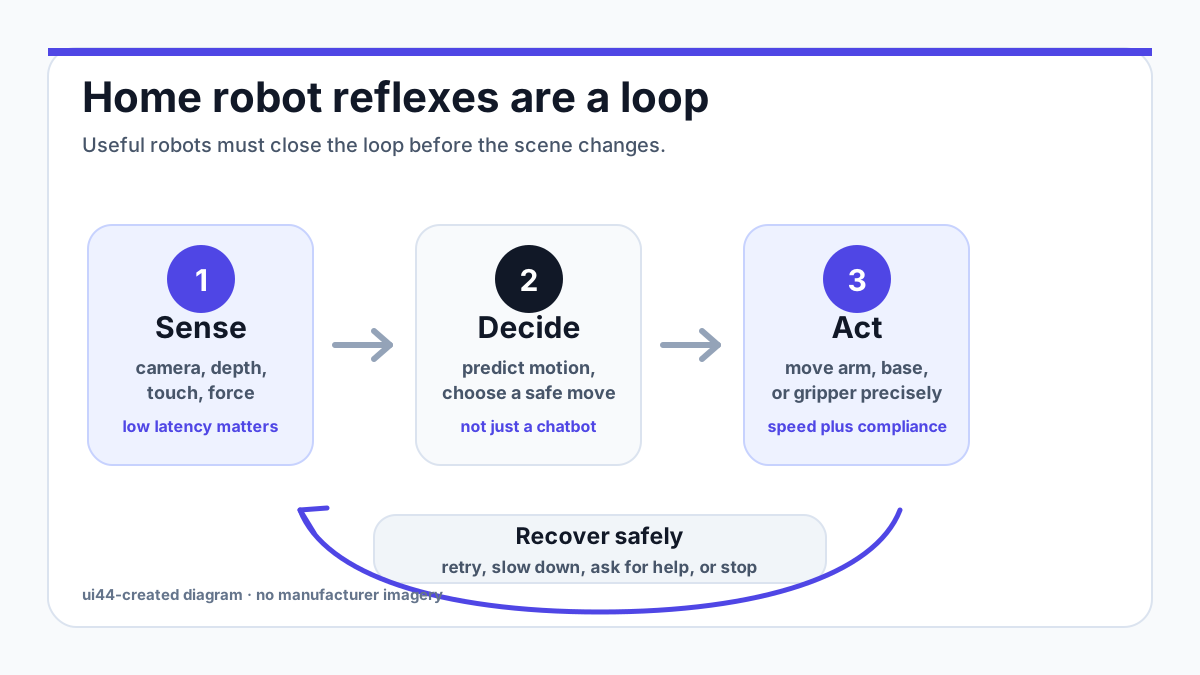
That is why Ace is worth translating into a buyer checklist. Not because you should buy a ping-pong robot. Because the same fast perception-and-control problem shows up in every credible home robot with arms.
What did Sony AI's Ace actually prove?
Sony AI says Ace is the first known autonomous real-world system competitive with elite and professional table-tennis players. The company announced the project with a Nature paper, describing a robot that combines advanced Sony sensors, reinforcement learning, and high-speed robotic hardware to play under International Table Tennis Federation rules.
The useful details are not the headline wins. They are the control-stack details:
- Ace uses nine active-pixel-sensor cameras with Sony IMX273 sensors for 3D ball tracking.
- It adds three event-based vision gaze-control systems using Sony IMX636 event-based sensors to estimate ball spin.
- The Nature paper reports 3D ball localization at 200 Hz with about 3.0 mm error and 10.2 ms average latency.
- During rallies, Ace queries a learned policy at 31.25 Hz and maps the output into 32 ms motion segments.
- Sony AI says Ace returned a wide range of spins with more than a 75% return rate up to 450 rad/s.
That is a very different claim from "the robot has AI." Ace is closer to a real-time stack: sensors measure the world, a policy chooses an action, the arm executes, and the system updates again before the ball is gone.
A home robot will not face a 20 m/s table-tennis ball. It will face worse ambiguity: loose textiles, transparent cups, chair legs, pets, humans, narrow hallways, and objects that move after the robot touches them. The speed is lower, but the environment is much less standardized.
Why a living room is a slower but harder ping-pong table
In table tennis, the rules are strict. The ball is small, the table is known, the objective is obvious, and the system can be built around one task. Homes are the opposite. The robot may be asked to pick up a sock, open a drawer, carry a drink, move around a child, or stop when a dog noses the gripper.
That turns "home robot reflexes" into four practical capabilities:
- Fast perception: the robot must detect position, motion, contact, and changes in the scene.
- Short-horizon prediction: it must anticipate what happens next, not just label what it sees.
- Safe actuation: it must move with enough speed to be useful and enough compliance to be safe.
- Recovery behavior: it must retry, slow down, ask for help, or stop when the plan breaks.
This is where many impressive demos become less useful. A polished video can show a robot completing one run. A home needs the robot to survive the messy second, third, and tenth runs.
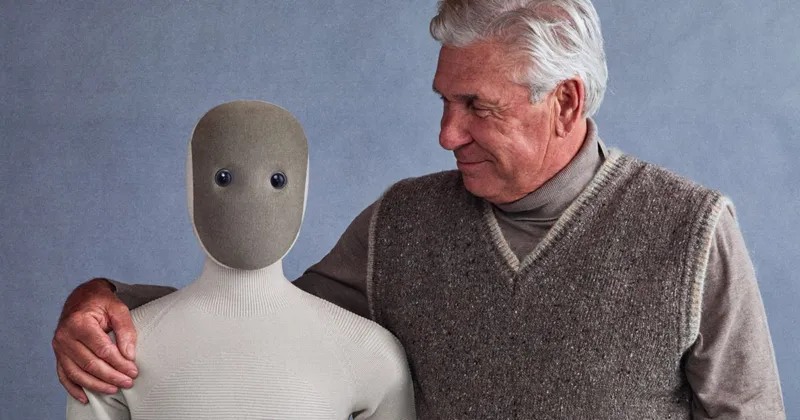
The ui44 database already shows why this matters. 1X NEO is one of the most home-focused humanoids in the catalog: a 167 cm, 30 kg pre-order robot with a soft body, tactile skin, RGB cameras, depth sensors, and a claimed top speed around 4 mph. Those specs are relevant because home reflexes are not only about raw speed. They are about sensing contact and limiting harm while still getting a task done.
The ui44 database view: reflexes hide inside boring specs
Robot makers rarely publish "reaction time" as a clean buyer spec. Instead, reflex capacity shows up indirectly: camera type, depth sensing, tactile sensing, actuator design, payload, autonomy limits, and whether human assistance is part of the product.
Robot
Sony AI Ace
- What the reflex story is
- Research benchmark for high-speed physical AI
- ui44 database signal
- 200 Hz ball localization, 10.2 ms average latency, event-based spin tracking from Sony/Nature sources
- What is still unproven
- Not a home product; not a general chore robot
Robot
- What the reflex story is
- Fine manipulation and autonomous ping-pong demo
- ui44 database signal
- Development humanoid; real-time visual/language input, tactile Wave hands, CraftNet VTLA model
- What is still unproven
- Price, core specs, safety certifications, and home availability are undisclosed
Robot
- What the reflex story is
- Home humanoid built around soft human coexistence
- ui44 database signal
- $20,000 early-adopter price, 167 cm, 30 kg, ~4 hours battery, tactile skin
- What is still unproven
- Needs repeatable public proof of unscripted chores without constant help
Robot
- What the reflex story is
- Slower, scoped mobile manipulation for homes and labs
- ui44 database signal
- $24,950, 141 cm, 24.5 kg, RGB-D cameras, LiDAR, 2 kg payload, ROS 2 stack
- What is still unproven
- Research/assistive platform, not a plug-and-play consumer appliance
Robot
- What the reflex story is
- Narrow chore robot with recovery through human assist
- ui44 database signal
- $7,999 or $450/month, stationary laundry folding, 30-90 minutes per load, remote correction available
- What is still unproven
- One task, one station, and a visible human-in-the-loop fallback
Robot
- What the reflex story is
- Dynamic humanoid research platform
- ui44 database signal
- Starts around $13,500, 132 cm, 35 kg, 23 DoF with optional hands
- What is still unproven
- Dynamic movement does not automatically mean safe household manipulation
Robot
- What the reflex story is
- Fast social and expressive reactions, not chores
- ui44 database signal
- $2,899.99, 22 axes of movement, cameras, ToF, touch sensors, microphones
- What is still unproven
- Companion behavior does not solve lifting, grasping, or household safety
| Robot | What the reflex story is | ui44 database signal | What is still unproven |
|---|---|---|---|
| Sony AI Ace | Research benchmark for high-speed physical AI | 200 Hz ball localization, 10.2 ms average latency, event-based spin tracking from Sony/Nature sources | Not a home product; not a general chore robot |
| Sharpa North | Fine manipulation and autonomous ping-pong demo | Development humanoid; real-time visual/language input, tactile Wave hands, CraftNet VTLA model | Price, core specs, safety certifications, and home availability are undisclosed |
| 1X NEO | Home humanoid built around soft human coexistence | $20,000 early-adopter price, 167 cm, 30 kg, ~4 hours battery, tactile skin | Needs repeatable public proof of unscripted chores without constant help |
| Hello Robot Stretch 3 | Slower, scoped mobile manipulation for homes and labs | $24,950, 141 cm, 24.5 kg, RGB-D cameras, LiDAR, 2 kg payload, ROS 2 stack | Research/assistive platform, not a plug-and-play consumer appliance |
| Weave Isaac 0 | Narrow chore robot with recovery through human assist | $7,999 or $450/month, stationary laundry folding, 30-90 minutes per load, remote correction available | One task, one station, and a visible human-in-the-loop fallback |
| Unitree G1 | Dynamic humanoid research platform | Starts around $13,500, 132 cm, 35 kg, 23 DoF with optional hands | Dynamic movement does not automatically mean safe household manipulation |
| Sony aibo | Fast social and expressive reactions, not chores | $2,899.99, 22 axes of movement, cameras, ToF, touch sensors, microphones | Companion behavior does not solve lifting, grasping, or household safety |
The pattern is simple: if a robot has arms, the reflex question matters. If the maker only shows language prompts, dashboards, or slow staged demos, the hardest part is probably still hidden.
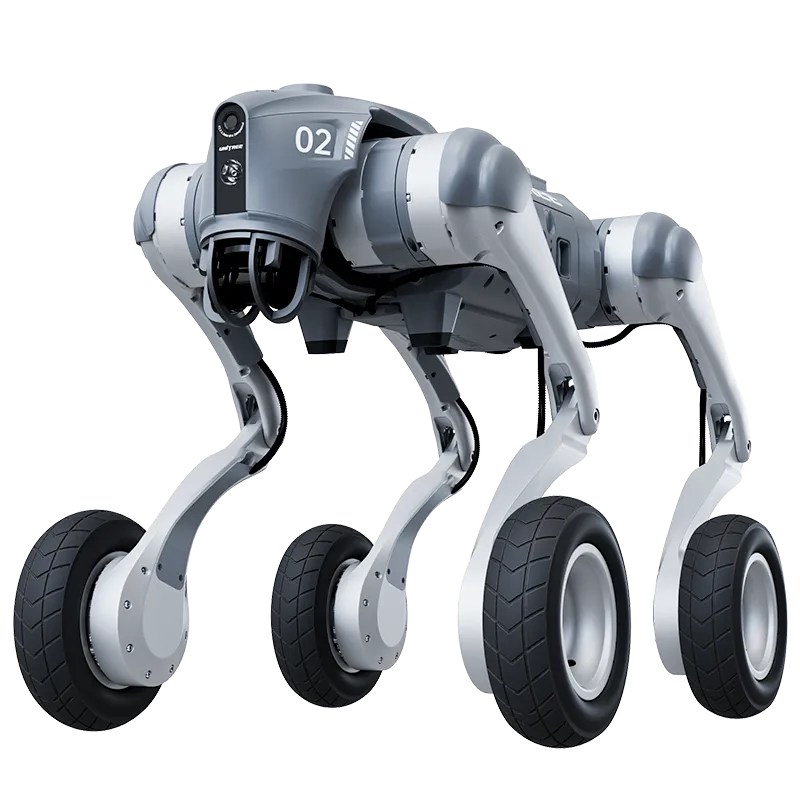
Do not confuse athletic motion with home readiness
Fast robots are exciting. They are also easy to misunderstand.
A humanoid that can run, recover balance, or swing a racket may have excellent low-level control, but home chores add different constraints. The robot must not hit people, scratch furniture, pinch fingers, drop glassware, or keep trying a bad plan after the scene changes. In a house, "slower but safer" often beats "fast but brittle."
That is why Hello Robot Stretch 3 remains important even though it does not look like a viral humanoid. It is a 24.5 kg wheeled mobile manipulator with RGB-D cameras, a navigation laser, a microphone array, a compliant gripper, open-source software, and a 2 kg payload. It is not pretending to be a general-purpose home servant. It is a research and assistive platform focused on reach, navigation, teleoperation, and controlled manipulation.
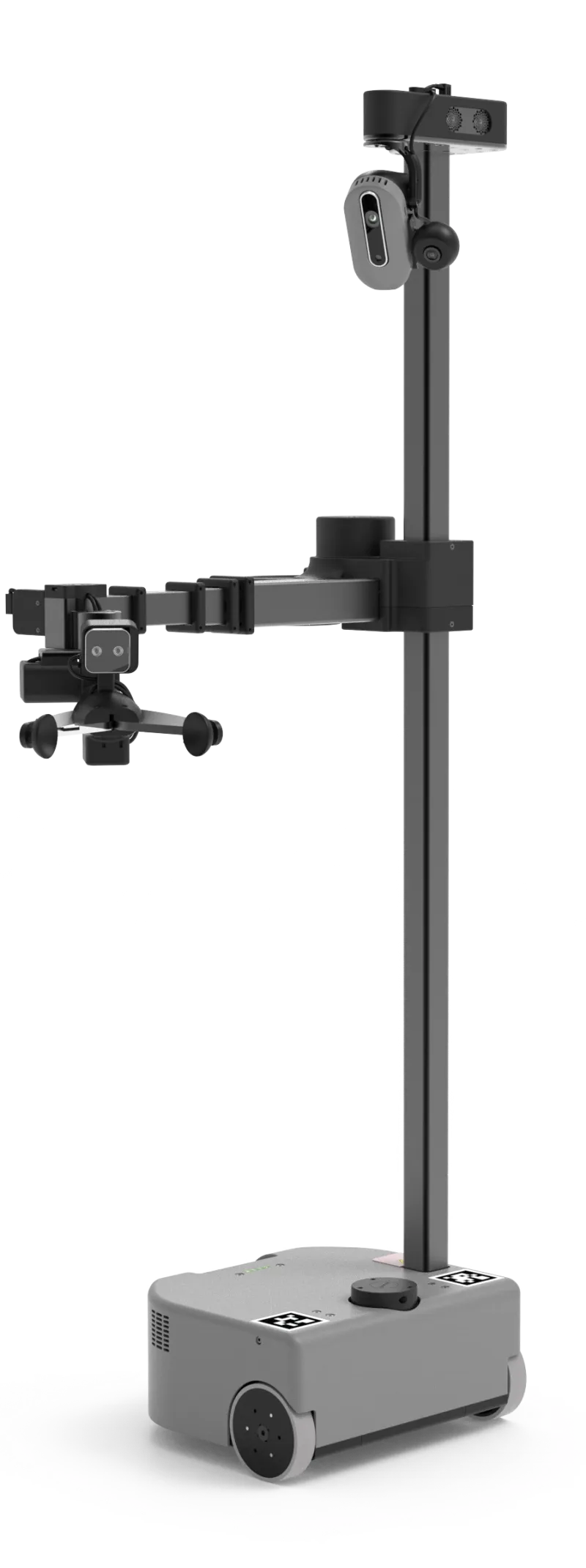
That trade-off is more honest than many humanoid claims. A robot can be useful without sprinting. The real question is whether it can close the loop reliably enough for the task: see the object, move toward it, feel contact, adjust grip, and stop when the task becomes unsafe.
The hidden buyer spec: recovery
Most home-robot marketing focuses on task success. The better question is failure recovery.
A laundry robot that folds shirts perfectly in a clean demo is less informative than a robot that shows what happens when a towel is inside out. A humanoid that carries a cup is less informative than a robot that shows how it reacts when the cup slides in the gripper. A companion robot that answers smoothly is less informative than one that knows when not to flatter, overpromise, or escalate a user into dependence.
Weave Isaac 0 is a useful example because its limits are visible. It is a stationary laundry-folding robot, not a roaming humanoid. ui44 tracks it at $7,999 upfront or $450 per month, with 30-90 minutes per load and a 600 W mains-powered setup. It also uses remote teleoperation assist when the robot gets stuck.
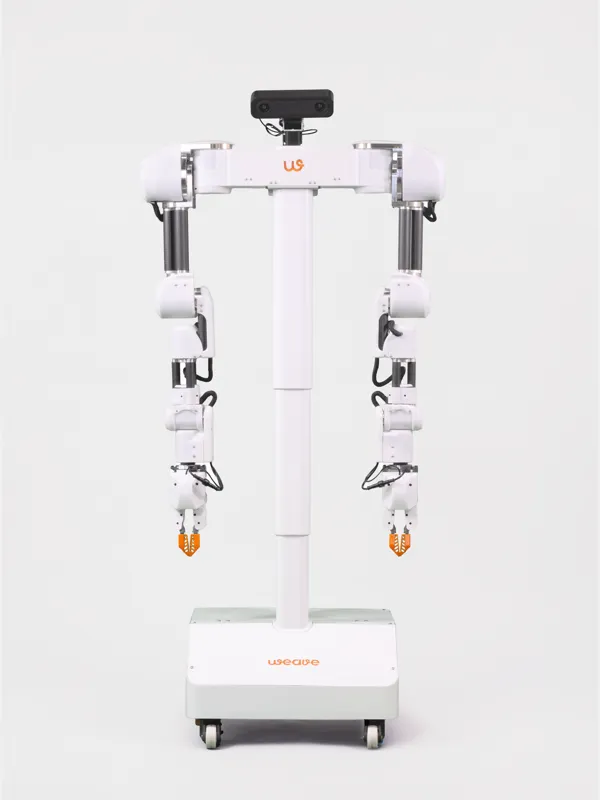
That human-assist detail is not embarrassing. It is a serious product-design choice. If the alternative is a robot silently failing, damaging clothing, or getting trapped in an unrecoverable state, a clear escalation path is better. The problem is only when companies market human-supervised behavior as fully autonomous.
For buyers, recovery is where trust is built. Ask what the robot does after the first mistake.
Five reflex questions to ask before buying a home robot
A consumer cannot test control-loop latency the way Sony AI can in a lab. But you can ask better questions than "does it have AI?"
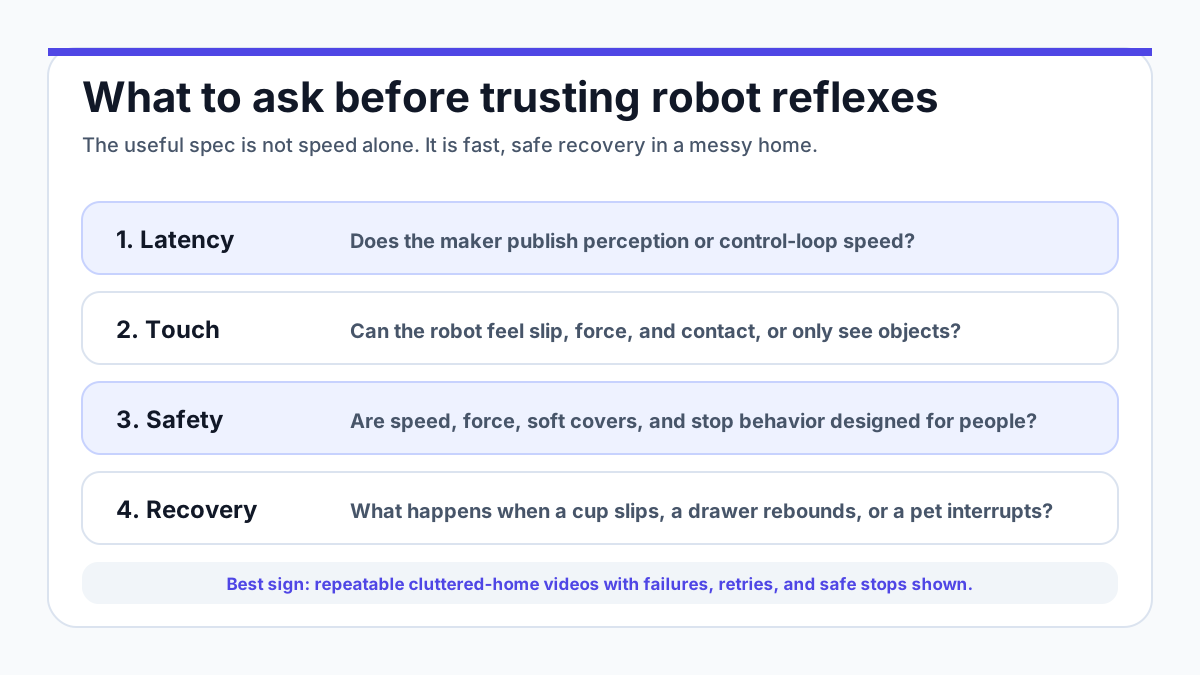
1. Does the company publish any latency or control-loop evidence?
Sony AI published concrete timing figures for Ace. Most home-robot makers do not. That does not automatically make a consumer robot bad, but it means buyers should be cautious about broad claims like "real-time AI" or "human-like reflexes." Look for repeatable uncut videos, not just cinematic edits.
2. Can the robot feel contact, or only see it?
Vision is not enough for many chores. A robot can see a towel, but it needs grip feedback to know whether the towel is slipping. It can see a drawer handle, but it needs force or compliance to avoid yanking too hard. Tactile skin on 1X NEO, tactile Wave hands on Sharpa North, and compliant grippers on Stretch-style mobile manipulators are more relevant than a generic "AI camera" claim.
3. What happens when a human, pet, or chair interrupts the task?
The most important home-robot behavior may be stopping. A robot that can complete a task in an empty lab but cannot safely pause around people is not ready for a normal home. Buyers should look for explicit obstacle handling, force limits, emergency stop behavior, and clear guidance on supervised versus unsupervised use.
4. Does the robot have a narrow task or a broad promise?
Narrow can be good. A robot that folds laundry at one station, patrols a room, or carries a small item along a known route has a smaller reflex problem than a humanoid promising general chores everywhere. If the task is broad, the proof burden is much higher.
5. Is human assistance disclosed clearly?
Teleoperation, expert mode, remote correction, and cloud supervision are not automatically bad. They can make early products safer and more useful. But the buyer deserves to know whether the robot is acting autonomously, being guided, or falling back to a human when it gets stuck.
How current home robots rank on reflex readiness
If you are comparing robots in the ui44 database, think about reflex readiness in tiers rather than one winner.
Companion robots like Sony aibo, Loona, LOVOT, and similar social bots can have quick expressive reactions. They recognize faces, respond to touch, move around rooms, and feel alive because timing matters. But their reflexes are mostly social and navigational. They are not solving the heavy manipulation problem.
Scoped home assistants like Stretch 3 and Isaac 0 are more important than they look. They trade humanoid theater for constrained tasks, visible hardware, and clearer recovery modes. If you need actual assistance, a slower scoped robot may be more credible than a full-body robot with a better demo reel.
Home humanoids like 1X NEO are where reflex claims become decisive. The body is closer to the human environment, and the promised tasks are more general. That also means the robot needs stronger proof: grasping, force control, fall prevention, human interaction, privacy, and failure recovery in real homes.
Research humanoids like Unitree G1 and Sharpa North show why the field is moving quickly. G1 brings a compact 35 kg humanoid platform down to a price band that labs and serious developers can consider. North is interesting because its ui44 record explicitly includes tactile hands, real-time visual/language input, and autonomous ping-pong and long-horizon manipulation demos. But neither should be confused with a normal household purchase until availability, support, safety, and task reliability are clearer.
Use /compare for the obvious specs, then read the missing specs just as carefully. If latency, tactile sensing, payload, safe force, or remote-assist behavior is absent, that absence is information.
What to watch next
The next meaningful home-robot demos should show less magic and more recovery. Good evidence would look like this:
- an uncut video of a robot trying a chore in a cluttered room;
- visible failures, retries, pauses, and safe stops;
- disclosure of whether a human operator stepped in;
- measured task time, not just a finished result;
- contact-rich tasks such as folding, drawer opening, cup handling, cable avoidance, or pet interruption;
- published safety boundaries around force, speed, and supervision.
Sony AI's Ace matters because it raises the standard for evidence. It shows that physical AI can be discussed in concrete terms: sensor frequency, latency, learned control, spin handling, and match results. Home-robot companies should be pushed in the same direction. "Powered by AI" is not enough. Show the loop.
Bottom line
Home robot reflexes are not about turning your living room into a sports arena. They are about whether a robot can keep a simple chore from becoming unsafe, annoying, or useless when the world changes.
Sony AI's Ace is a research milestone, not a product recommendation. The home-robot takeaway is practical: buy the robot that proves it can sense, act, and recover in the messy middle of a task. If a company cannot show that, the smartest language model in the world will still be too slow for the moment when the cup starts to fall.
Sources & References
- Sony AI announcement: Sony AI Announces Breakthrough Research in Real-World Artificial Intelligence and Robotics
- Nature paper: Outplaying elite table tennis players with an autonomous robot
- Sony AI project page: Ace
Related in the database
Use this article as a privacy verification workflow
Turn the article into a privacy verification pass grounded in the robots, manufacturers, and components it actually references.
Why Home Robots Need Fast Reflexes already points you toward 6 linked robots, 6 manufacturers, and 6 countries inside the ui44 database. That matters because strong buyer guidance is easier to apply when you can move immediately from a claim or warning into concrete product pages, manufacturer directories, component explainers, and country-level context instead of treating the article as an isolated opinion piece. The fastest next step is to turn the article into a shortlist workflow: open the linked robot pages, verify which specs are actually published for those models, then compare the surrounding manufacturer and component context before you decide whether the underlying claim changes your buying plan.
For this topic, the useful discipline is to separate the editorial lesson from the catalog evidence. The article gives you the framing, but the robot pages tell you what each product actually ships with today: sensor stack, connectivity methods, listed price, release timing, category, and support-relevant compatibility notes. The manufacturer pages then show whether you are looking at a one-off launch, a broader lineup pattern, or a company that spans multiple categories. That layered workflow reduces the risk of buying on a single marketing phrase or a single support FAQ.
Use the robot pages to confirm which products actually expose cameras, microphones, Wi-Fi, or voice systems, then use the manufacturer pages to decide how much of the privacy question seems product-specific versus brand-wide. On this route cluster, North, NEO, and Stretch 3 form the fastest reality check. If you want a quick working shortlist, open Compare North, NEO, and Stretch 3 next, then keep this article open as the reasoning layer while you compare structured data side by side.
Practical Takeaway
Every robot, manufacturer, category, component, and country reference below resolves to a real ui44 page, keeping the follow-up path grounded in database records rather than generic advice.
Suggested next steps in ui44
- Open North and note the listed sensors, connectivity methods, and voice stack before you interpret any policy claim.
- Cross-check the wider brand context on Sharpa so you can see whether the privacy question touches one model or a broader lineup.
- Use the linked component pages to confirm how common the relevant sensors and connectivity layers are across the database.
- Keep a short note of which policy layers you checked, which device features are actually present on the robot page, and which items still depend on region- or app-level confirmation.
- Finish with Compare North, NEO, and Stretch 3 so the policy reading sits next to structured product data.
Robot profiles worth opening next
Use the linked product pages as the evidence layer
The linked robot pages are where this article becomes operational. Instead of asking whether the headline is interesting, use the robot entries to inspect the actual mix of sensors, connectivity options, batteries, pricing, release timing, and stated capabilities attached to the products mentioned in the article. That is the easiest way to see whether the warning or opportunity described here affects one product family, a specific design pattern, or an entire buying lane.
North is tracked on ui44 as a development humanoid robot from Sharpa. The database currently records a listed price of Price TBA, a release date of 2026-06, Not officially disclosed battery life, Not officially disclosed charging time, and a published stack that includes Vision input (exact camera suite not disclosed), Language input, and Tactile sensing via Sharpa Wave dexterous hands plus Not officially disclosed.
For privacy-focused reading, this page matters because it shows the concrete device surface behind the policy discussion. Use it to verify whether North combines sensors and connectivity in a way that could change the in-home data footprint, and compare the listed capabilities such as Full-Body Humanoid Locomotion and Manipulation, Autonomous Ping-Pong Demonstration, and Long-Horizon Paper Windmill Assembly with any cloud, app, or voice layers.
NEO
1X Technologies · Humanoid · Pre-order
NEO is tracked on ui44 as a pre-order humanoid robot from 1X Technologies. The database currently records a listed price of $20,000, a release date of 2025-10-28, ~4 hours battery life, Not disclosed charging time, and a published stack that includes RGB Cameras, Depth Sensors, and Tactile Skin plus Wi-Fi and Bluetooth.
For privacy-focused reading, this page matters because it shows the concrete device surface behind the policy discussion. Use it to verify whether NEO combines sensors and connectivity in a way that could change the in-home data footprint, and compare the listed capabilities such as Household Chores, Tidying Up, and Safe Human Interaction with any cloud, app, or voice layers.
Stretch 3
Hello Robot · Home Assistants · Active
Stretch 3 is tracked on ui44 as a active home assistants robot from Hello Robot. The database currently records a listed price of $24,950, a release date of 2024, 2–5 hours battery life, Not disclosed charging time, and a published stack that includes Intel D405 RGBD Camera (gripper), Intel D435if RGBD Camera (head), and Wide-Angle RGB Camera (head) plus Wi-Fi 6E and Bluetooth.
For privacy-focused reading, this page matters because it shows the concrete device surface behind the policy discussion. Use it to verify whether Stretch 3 combines sensors and connectivity in a way that could change the in-home data footprint, and compare the listed capabilities such as Mobile Manipulation, Autonomous Navigation, and Teleoperation (Web / Gamepad / Dexterous) with any cloud, app, or voice layers.
Isaac 0
Weave Robotics · Home Assistants · Available
Isaac 0 is tracked on ui44 as a available home assistants robot from Weave Robotics. The database currently records a listed price of $3,999, a release date of 2026-02, Mains powered (600W, 120V) battery life, N/A (plugged in) charging time, and a published stack that includes Vision System and Proprioceptive Sensors plus Wi-Fi 2.4GHz/5GHz and Ethernet.
For privacy-focused reading, this page matters because it shows the concrete device surface behind the policy discussion. Use it to verify whether Isaac 0 combines sensors and connectivity in a way that could change the in-home data footprint, and compare the listed capabilities such as Laundry Folding, T-shirts, Long Sleeves, Sweaters, and Pants and Towels with any cloud, app, or voice layers.
G1 is tracked on ui44 as a available humanoid robot from Unitree. The database currently records a listed price of $13,500, a release date of 2024-05-13, ~2 hours battery life, Not disclosed charging time, and a published stack that includes Depth Camera, 3D LiDAR, and 4 Microphone Array plus Wi-Fi 6 and Bluetooth 5.2.
For privacy-focused reading, this page matters because it shows the concrete device surface behind the policy discussion. Use it to verify whether G1 combines sensors and connectivity in a way that could change the in-home data footprint, and compare the listed capabilities such as Bipedal Walking, Object Manipulation, and Dexterous Hands (optional Dex3-1) with any cloud, app, or voice layers.
Manufacturer context behind the article
Check whether this is one product story or a broader company pattern
Manufacturer pages add the privacy context that individual product pages cannot show on their own. They help you check whether cameras, microphones, cloud accounts, app controls, and policy assumptions appear across a broader lineup or stay tied to one specific product story.
Sharpa
ui44 currently tracks 1 robot from Sharpa across 1 category. The company is grouped under Singapore, and the current catalog footprint on ui44 includes North.
That wider brand context matters because privacy questions rarely stop at one FAQ page. A manufacturer route helps you see whether the article is centered on one premium model or on a company that has several relevant products and therefore more than one place where the same policy or app assumptions might matter. The category mix here currently points toward Humanoid as the most useful next route if you want to see whether this article reflects a wider pattern inside the brand.
1X Technologies
ui44 currently tracks 2 robots from 1X Technologies across 1 category. The company is grouped under Norway, and the current catalog footprint on ui44 includes NEO, EVE.
That wider brand context matters because privacy questions rarely stop at one FAQ page. A manufacturer route helps you see whether the article is centered on one premium model or on a company that has several relevant products and therefore more than one place where the same policy or app assumptions might matter. The category mix here currently points toward Humanoid as the most useful next route if you want to see whether this article reflects a wider pattern inside the brand.
Hello Robot
ui44 currently tracks 2 robots from Hello Robot across 1 category. The company is grouped under USA, and the current catalog footprint on ui44 includes Stretch 3, Stretch 4.
That wider brand context matters because privacy questions rarely stop at one FAQ page. A manufacturer route helps you see whether the article is centered on one premium model or on a company that has several relevant products and therefore more than one place where the same policy or app assumptions might matter. The category mix here currently points toward Home Assistants as the most useful next route if you want to see whether this article reflects a wider pattern inside the brand.
Weave Robotics
ui44 currently tracks 2 robots from Weave Robotics across 1 category. The company is grouped under Denmark, and the current catalog footprint on ui44 includes Isaac 0, Isaac 1.
That wider brand context matters because privacy questions rarely stop at one FAQ page. A manufacturer route helps you see whether the article is centered on one premium model or on a company that has several relevant products and therefore more than one place where the same policy or app assumptions might matter. The category mix here currently points toward Home Assistants as the most useful next route if you want to see whether this article reflects a wider pattern inside the brand.
Broaden the scan without leaving the database
Categories, components, and countries add the wider context
Category framing
Category pages are useful when the article touches a buying pattern that shows up across brands. A category route helps you confirm whether the linked products sit in a narrow niche or whether the same question should be tested across a larger field of alternatives.
Humanoid
The Humanoid category page currently groups 129 tracked robots from 92 manufacturers. ui44 describes this lane as: Full-size bipedal humanoid robots built to work alongside people — from factory floors to household tasks. Compare the cutting edge of humanoid robotics.
That makes the category route a practical follow-up when you want to check whether the products linked in this article are typical for the lane or whether they sit at one edge of the market. Useful starting examples currently include NEO, EVE, Mornine M1.
Home Assistants
The Home Assistants category page currently groups 16 tracked robots from 14 manufacturers. ui44 describes this lane as: Arm-based household helpers — laundry folders, kitchen robots, and mobile manipulators that take on hands-on physical tasks around the home.
That makes the category route a practical follow-up when you want to check whether the products linked in this article are typical for the lane or whether they sit at one edge of the market. Useful starting examples currently include Robody, Futuring 2 (F2), Stretch 3.
Country and ecosystem context
Country pages give extra context when support practices, launch sequencing, regulatory posture, or manufacturer mix matter. They are not a substitute for model-level verification, but they do help you see which ecosystems cluster together and which manufacturers sit in the same regional field when you broaden the search beyond the article headline.
Singapore
The Singapore route currently groups 11 tracked robots from 6 manufacturers in ui44. That gives you a useful regional lens when the article points toward support practices, launch sequencing, or brand clusters that may share similar ecosystem assumptions.
On the current route, manufacturers like eufy, Dyson, InsBotics make the page a good way to broaden the scan without losing the regional context that often shapes availability, documentation style, and adjacent alternatives.
Norway
The Norway route currently groups 2 tracked robots from 1 manufacturers in ui44. That gives you a useful regional lens when the article points toward support practices, launch sequencing, or brand clusters that may share similar ecosystem assumptions.
On the current route, manufacturers like 1X Technologies make the page a good way to broaden the scan without losing the regional context that often shapes availability, documentation style, and adjacent alternatives.
USA
The USA route currently groups 89 tracked robots from 69 manufacturers in ui44. That gives you a useful regional lens when the article points toward support practices, launch sequencing, or brand clusters that may share similar ecosystem assumptions.
On the current route, manufacturers like Faraday Future, iRobot, Boston Dynamics make the page a good way to broaden the scan without losing the regional context that often shapes availability, documentation style, and adjacent alternatives.
Questions to answer before you move from reading to buying
A follow-up FAQ built from the entities already linked in this article
Frequently Asked Questions
Which page should I open first after reading “Why Home Robots Need Fast Reflexes”?
Start with North. That gives you a concrete product anchor for the article’s main claim. From there, branch into the manufacturer and component pages so you can tell whether the article is describing one specific model, a repeated brand pattern, or a wider technology issue that affects multiple shortlist options.
How do the manufacturer pages change the buying decision?
Sharpa help you zoom out from one article and one product. On ui44 they show lineup breadth, category spread, and the neighboring robots tied to the same company. That context is useful when you are deciding whether a risk belongs to a single model, whether it shows up across a brand’s portfolio, and whether you should keep looking at alternatives before committing.
When should I switch from reading to side-by-side comparison?
Move into Compare North, NEO, and Stretch 3 as soon as you understand the article’s main warning or promise. The article explains what to watch for, but the compare view is where you can check whether price, status, battery life, connectivity, sensors, and category fit still make the robot a good match for your own home and budget.
Where to go next in ui44
Keep the research chain inside the database
If you want to keep going, these follow-on pages give you the cleanest expansion path from article to research session. Open the comparison route first if you are deciding between products today. Open the manufacturer, category, and component routes if you still need to understand the broader pattern behind the claim.
Written by
ui44 Team
Published April 29, 2026
Share this article
Open a plain share link on X or Bluesky. No embeds, no widgets, no cookie baggage.