The reality check is much harsher.
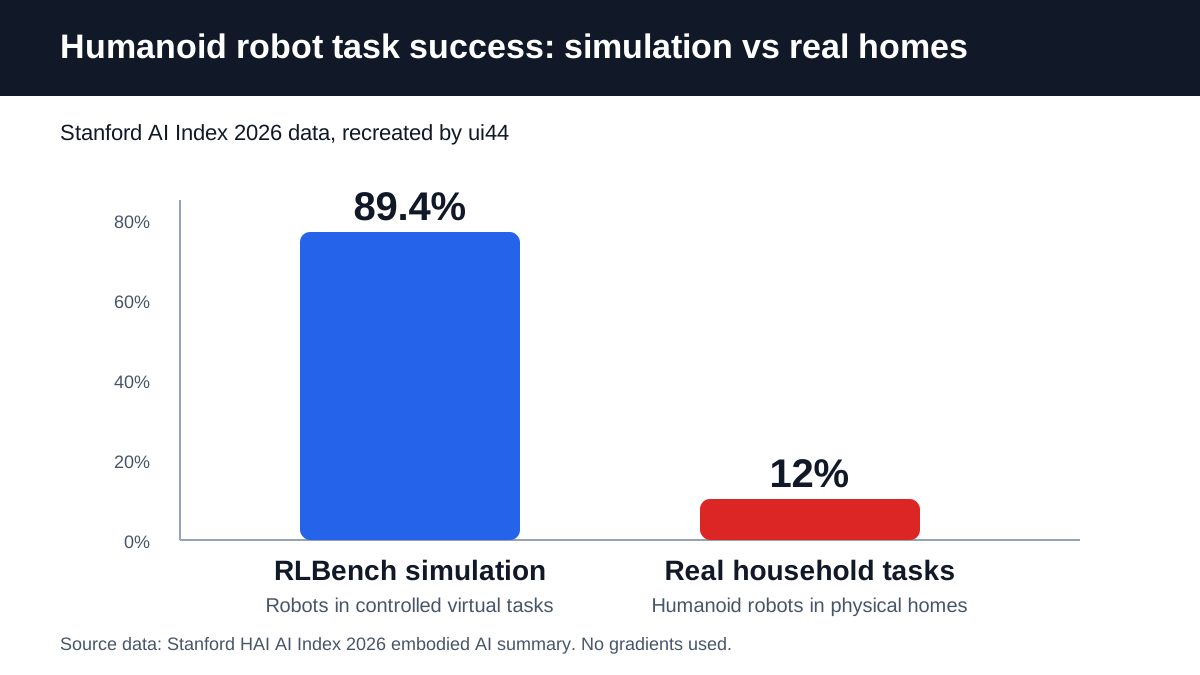
Stanford's latest AI Index Report says robots succeed at only 12% of household tasks. In the same report, RLBench (a simulated robot-manipulation benchmark) reaches 89.4%. That is the number that matters most for anyone thinking about buying a humanoid, pre-ordering a "home robot," or reading breathless headlines about robots replacing chores.
A machine that looks smooth in a controlled demo can still fail in the room you actually live in.
For ui44 readers, the interesting question is not whether robotics progress is real. It clearly is. The better question is what this number means for the robots you can actually track in our database, compare on price, and maybe even buy.
What Stanford actually found
The Stanford number is valuable because it separates two things that often get blurred together in robot marketing.
First, robots can perform very well in structured testing. Stanford's 2026 AI Index reports 89.4% success on RLBench, which is a benchmark where robots practice manipulation tasks in simulation. In other words, when the world is clean, repeatable, and digitally controlled, performance looks strong.
Second, that does not carry over cleanly into real homes. The same AI Index tracks robots at only 12% success on household tasks. That is the gap that buyers keep underestimating.
MIT Technology Review's write-up of the report adds another important piece of context. It highlights Stanford's broader "jagged intelligence" point: modern AI can do spectacularly well on some tests while still failing badly on others. The report's own example is striking. AI can reach International Mathematical Olympiad gold-medal level performance, yet top models still read analog clocks correctly only 50.1% of the time. The same article also notes that OSWorld, a benchmark where AI agents use real computer operating systems to complete tasks, improved from about 12% to roughly 66% in a year.
That contrast matters for robotics. Software-only tasks are improving very fast. Physical household work is improving too, but much more slowly, because robots have to deal with messy reality instead of a benchmark window.
What ui44's database says about the market right now
The Stanford data does not mean every robot is worthless. It means buyers need to be much more precise about what kind of robot they are looking at.
Our database already shows that the current humanoid market is split between home-facing ambition and platform reality. A few robots are pitched around the home. Many more are still clearly research, developer, or industrial machines.
Robot
- Price
- $20,000
- Status
- Pre-order
- Key specs from ui44 DB
- 167cm, 30kg, ~4h battery
- What the DB actually supports
- Home-focused humanoid designed for safe human coexistence, but still a pre-order product
Robot
- Price
- No public price
- Status
- Active
- Key specs from ui44 DB
- 173cm, 61kg, ~5h battery
- What the DB actually supports
- Latest Figure robot, focused on industrial and manufacturing tasks, not consumer purchase
Robot
- Price
- $13,500
- Status
- Available
- Key specs from ui44 DB
- 132cm, 35kg, ~2h battery
- What the DB actually supports
- Affordable humanoid for research and development with optional dexterous hands
Robot
- Price
- From $4,900
- Status
- Pre-order
- Key specs from ui44 DB
- 123cm, ~29kg, ~1h battery
- What the DB actually supports
- Entry-level humanoid aimed at researchers, educators, hobbyists, and early adopters
Robot
- Price
- Contact sales
- Status
- Active
- Key specs from ui44 DB
- 107cm, 22.7kg, 3-3.5h battery
- What the DB actually supports
- Safe, soft developer platform with social behaviors, not a turnkey household worker
| Robot | Price | Status | Key specs from ui44 DB | What the DB actually supports |
|---|---|---|---|---|
| 1X NEO | $20,000 | Pre-order | 167cm, 30kg, ~4h battery | Home-focused humanoid designed for safe human coexistence, but still a pre-order product |
| Figure 03 | No public price | Active | 173cm, 61kg, ~5h battery | Latest Figure robot, focused on industrial and manufacturing tasks, not consumer purchase |
| Unitree G1 | $13,500 | Available | 132cm, 35kg, ~2h battery | Affordable humanoid for research and development with optional dexterous hands |
| Unitree R1 | From $4,900 | Pre-order | 123cm, ~29kg, ~1h battery | Entry-level humanoid aimed at researchers, educators, hobbyists, and early adopters |
| Fauna Sprout | Contact sales | Active | 107cm, 22.7kg, 3-3.5h battery | Safe, soft developer platform with social behaviors, not a turnkey household worker |
That table is useful because it grounds the discussion in facts buyers can actually use: price, status, size, battery life, and what each robot is positioned to do right now.
It also shows why the Stanford result should not be surprising. The robots in this category are still mostly being sold as platforms, developer systems, or early-access hardware, not as finished household labor.

Why the jump from 89.4% to 12% is so brutal
A home is much harder than a demo stage.
That sounds obvious, but it is the single idea buyers need to keep in mind when a robot video looks impressive.
A benchmark like RLBench is helpful because it measures whether a robot can do a defined manipulation task under controlled conditions. A real home adds a much longer list of failure points: clutter, reflective surfaces, bad lighting, objects in the wrong place, soft materials, slippery materials, partial obstructions, moving people, moving pets, and tasks that are not one task at all but a chain of smaller actions.
Take something as simple as "put away a cup." The robot may need to find the cup, recognize whether it is full, grasp it correctly, avoid spilling, navigate, open a cabinet, place it, then close the cabinet without trapping its own hand or misjudging the door angle. If each step works most of the time but not all of the time, the full task still fails often.
As a toy example, a nine-step chore with 90% success at each step still ends up below 40% overall success. That is before you add the randomness of a real home.
This is also why a lot of the most impressive current robot footage is selective even when it is genuine. The clip may show the success case. It does not usually show how often the robot missed the handle, re-grasped the object, or needed a cleaner setup than your kitchen will ever have.
For buyers, Stanford's 12% is less a verdict on one company than a warning not to mistake a polished clip for a reliable product category.
Which humanoids are closest to real home use?
The most interesting robots in ui44's database are not the ones claiming to do everything. They are the ones that make their limits easiest to read.
1X NEO is home-facing, but still early
1X NEO is one of the clearest examples of a company explicitly aiming at the home. The robot is relatively light for the category at 30kg, priced at $20,000 for early adopters, and described around safe human coexistence and household chores.
That is exactly why the Stanford number matters so much here. If the broader state of robotics is still only at 12% success on household tasks, then the bar for a true home breakthrough is much higher than a graceful demo. NEO is an important product to watch. It is not yet proof that general household robotics is solved.
If you want a deeper product-specific read, our 1X NEO preorder guide is the better place to start.
Figure 03 matters, but mostly as an industrial signal
Figure 03 gets a huge amount of attention, but our database is clear about what it is. It is active, not publicly priced, and positioned around manufacturing and warehouse-style tasks, not consumer home ownership.
That does not make it irrelevant to home robotics. It means the near-term value of Figure is as a signal of how fast humanoid hardware and manipulation are advancing in controlled commercial environments. That is useful context, but it is different from "you should expect this in your apartment soon."
The distinction matters because industrial success can arrive years before consumer household reliability does. We already saw this dynamic in robot vacuums, where narrow floor-cleaning automation matured long before general indoor robots did.
Unitree G1 and Unitree R1 make the price story more real, not the chore story
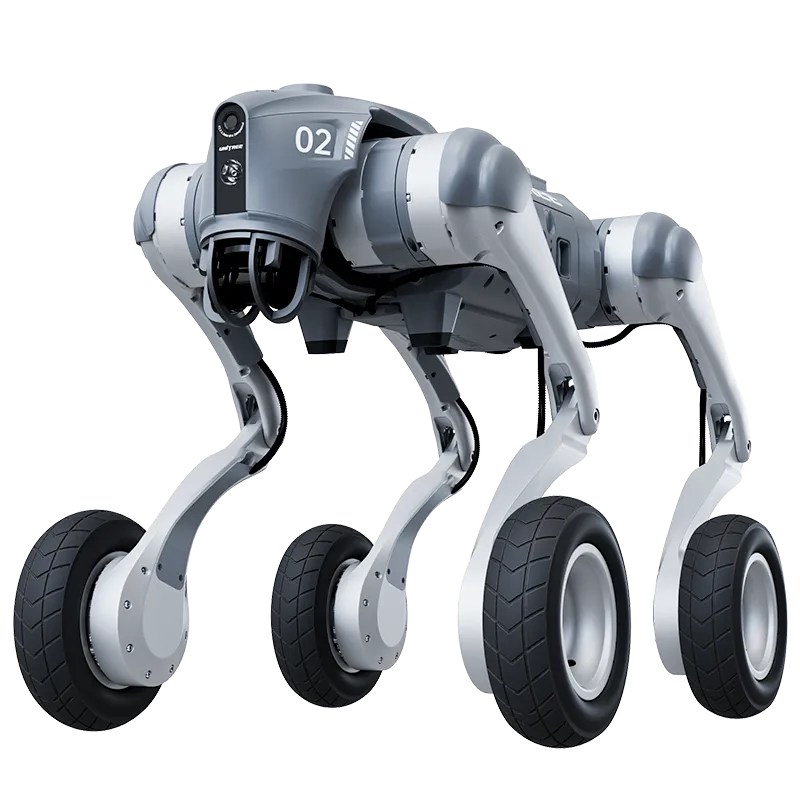
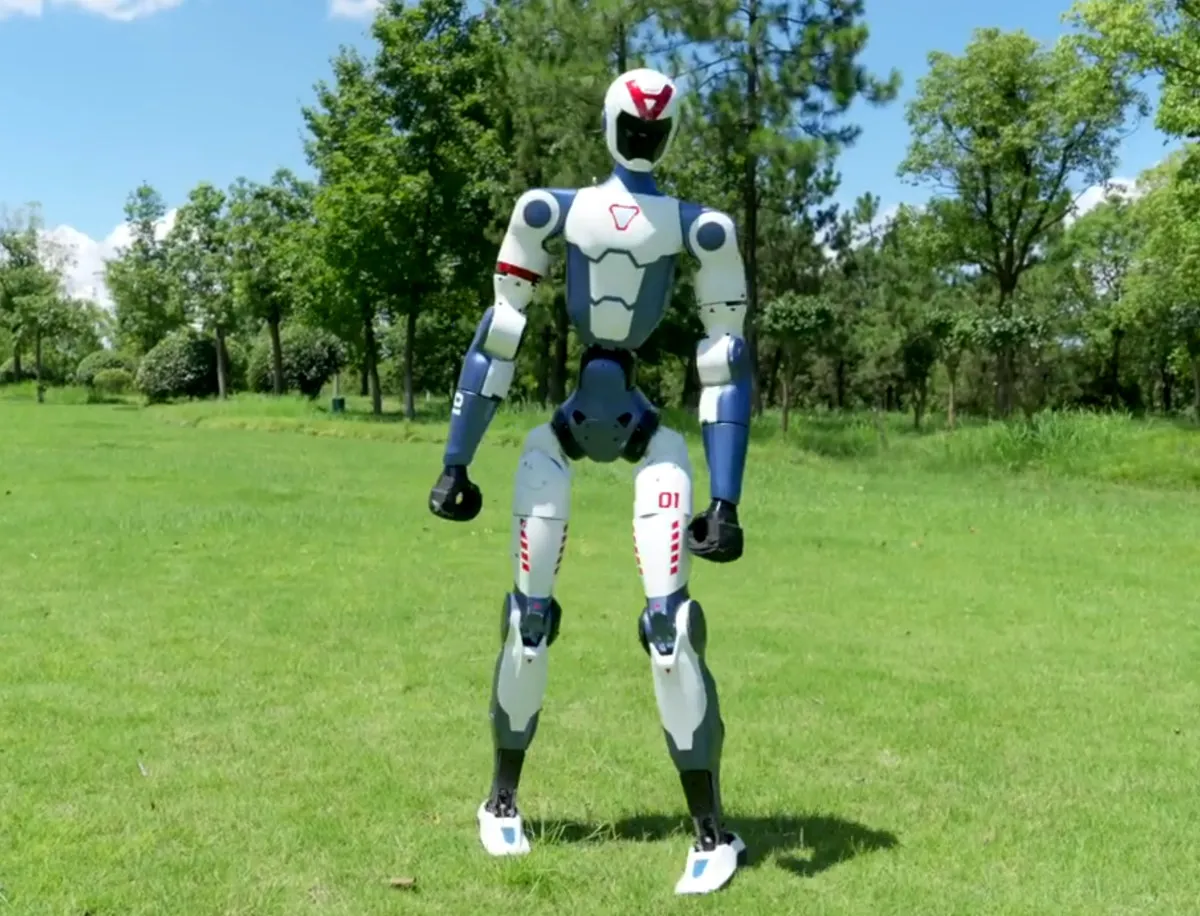
Unitree G1 at $13,500 and Unitree R1 from $4,900 are two of the most important robots in the market simply because they pull humanoid pricing down.
But lower entry price should not be confused with household readiness.
The G1 is explicitly a research and development platform. The R1 is even more revealing. ui44's database frames it around researchers, educators, hobbyists, and early adopters, with roughly one hour of mixed-activity battery life. That is exciting if you want to experiment with embodied AI. It is not a strong case for dependable daily housework.
Fauna Sprout shows another honest path: safe developer-first robotics
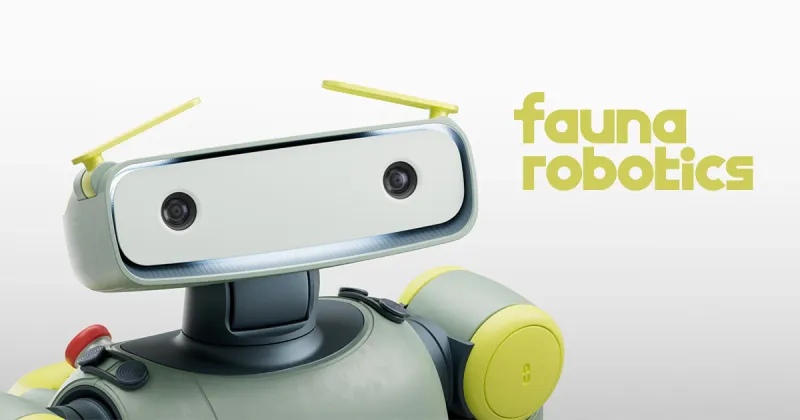
Fauna Sprout is interesting because it does not pretend to be a finished household servant. It is smaller, softer, and more explicitly developer-oriented. The ui44 database highlights safe human interaction, social behaviors, full SDK access, and a "Creator Edition" available now.
That framing is honest. It tells buyers this is a platform for building, researching, and experimenting, not a machine that will quietly run your home. In the current market, that kind of honesty is a good sign.
What buyers should do with this information
Stanford's 12% household-task success rate should not scare you away from the category. It should change how you shop it.
1. Separate robot categories in your head
If you want a robot that does one narrow job well, task-specific products still make more sense than humanoids. If you want a humanoid, assume you are buying into an early platform, not outsourcing your chores.
That is why ui44 separates dedicated products from general-purpose humanoids and why our compare tool is more useful than a viral clip. You can see what is available now, what is pre-order only, and what still lacks public pricing.
2. Prefer database facts over launch language
Before you get attached to a robot, check a few boring details:
- Is it actually available, or only pre-order?
- Is there a public price?
- Is the battery life measured in hours or marketing vibes?
- Is the robot positioned for consumers, developers, or factories?
- Does the company show repeated real-home use, or mostly polished demos?
These questions sound basic. They are exactly what hype tries to skip.
3. Follow benchmarks, not just marketing
For the next two years, the most useful signals will probably be published benchmarks and real deployment evidence, not keynote footage.
RLBench is useful because it shows how robots do in controlled simulation. OSWorld is useful because it shows how quickly software agents are improving on real computer tasks. Neither is a direct buying guide for a humanoid, but both help explain where progress is real and where it is still thin.
If you want a broader reality check, our home robot launch claims verification playbook and humanoid robot price timeline are better companions than most product launch videos.
Frequently Asked Questions
Are humanoid robots ready for home use in 2026?
Not for broad, dependable household work. Some are available to buy or
pre-order, but Stanford's 12% household-task success figure is the right
baseline for expectations.
Which robots in ui44's database are the most consumer-relevant right now?
The most directly home-facing examples in this article are
1X NEO and, at a much lower price point,
Unitree R1. But both still sit in an early adopter phase,
not a mature home-helper phase.
Why do robot demos still look so much better than the benchmark data?
Because demos usually show the clean success case. Benchmarks and field data are
better at showing repeatability, failure rate, and the difference between a
staged task and a lived-in home.
The bottom line
The Stanford AI Index gives buyers a number the home-robot market badly needed. 12% success on household tasks is not a small gap. It is the difference between "interesting robotics progress" and "ready to trust with your kitchen."
Humanoids are getting cheaper. They are getting more capable. They are becoming more visible. All of that is real.
But if you are deciding whether to spend real money on one, the most honest way to read the market in 2026 is this: the category is moving fast, yet reliable whole-home autonomy is still early.
That does not kill the dream. It just makes the buying decision much clearer.
Sources used in the analysis above include Stanford HAI's 2026 AI Index Report and MIT Technology Review's summary, Want to understand the current state of AI? Check out these charts. Robot specifications, prices, and status labels come from the ui44 robot database.
Related in the database
Use this article as a market-reality workflow
Turn the article into a market-reality pass grounded in the robots, manufacturers, and countries it actually references.
Humanoid Robots Fail 88% of Household Tasks: Stanford Data already points you toward 5 linked robots, 5 manufacturers, and 3 countries inside the ui44 database. That matters because strong buyer guidance is easier to apply when you can move immediately from a claim or warning into concrete product pages, manufacturer directories, component explainers, and country-level context instead of treating the article as an isolated opinion piece. The fastest next step is to turn the article into a shortlist workflow: open the linked robot pages, verify which specs are actually published for those models, then compare the surrounding manufacturer and component context before you decide whether the underlying claim changes your buying plan.
For this topic, the useful discipline is to separate the editorial lesson from the catalog evidence. The article gives you the framing, but the robot pages tell you what each product actually ships with today: sensor stack, connectivity methods, listed price, release timing, category, and support-relevant compatibility notes. The manufacturer pages then show whether you are looking at a one-off launch, a broader lineup pattern, or a company that spans multiple categories. That layered workflow reduces the risk of buying on a single marketing phrase or a single support FAQ.
Launch claims age fast. The safest move is to pair the article with robot status, price, and manufacturer breadth checks inside ui44 so you can see whether NEO, Figure 03, and G1 are actually ready for a shortlist or still mostly launch-stage signals. If you want a quick working shortlist, open Compare NEO, Figure 03, and G1 next, then keep this article open as the reasoning layer while you compare structured data side by side.
Practical Takeaway
Every robot, manufacturer, category, component, and country reference below resolves to a real ui44 page, keeping the follow-up path grounded in database records rather than generic advice.
Suggested next steps in ui44
- Check each linked robot page for listed price, status, and release timing before you treat a launch announcement as a shipping reality.
- Open 1X Technologies to see whether the company’s ui44 footprint already shows a mature product lane or only a small launch cluster.
- Use country pages when the article spans several ecosystems, because launch timing and lineup depth often differ by region even when the headline sounds global.
- Finish with Compare NEO, Figure 03, and G1 so availability claims sit next to real product data.
- Treat every article as a live market snapshot. Re-check status and pricing before you move from interest to purchase intent.
Robot profiles worth opening next
Use the linked product pages as the evidence layer
The linked robot pages are where this article becomes operational. Instead of asking whether the headline is interesting, use the robot entries to inspect the actual mix of sensors, connectivity options, batteries, pricing, release timing, and stated capabilities attached to the products mentioned in the article. That is the easiest way to see whether the warning or opportunity described here affects one product family, a specific design pattern, or an entire buying lane.
NEO
1X Technologies · Humanoid · Pre-order
NEO is tracked on ui44 as a pre-order humanoid robot from 1X Technologies. The database currently records a listed price of $20,000, a release date of 2025-10-28, ~4 hours battery life, Not disclosed charging time, and a published stack that includes RGB Cameras, Depth Sensors, and Tactile Skin plus Wi-Fi and Bluetooth.
For market and launch stories, this entry grounds the article in real product data. Use the combination of status, release timing, price, and published capabilities like Household Chores, Tidying Up, and Safe Human Interaction to decide whether NEO belongs on a live shortlist or should stay in the watchlist bucket a little longer.
Figure 03 is tracked on ui44 as a active humanoid robot from Figure AI. The database currently records a listed price of Price TBA, a release date of 2025-10-09, ~5 hours battery life, Not disclosed charging time, and a published stack that includes Stereo Vision, Depth Cameras, and Force Sensors plus Wi-Fi and Bluetooth.
For market and launch stories, this entry grounds the article in real product data. Use the combination of status, release timing, price, and published capabilities like Complex Manipulation, Warehouse Work, and Manufacturing Tasks to decide whether Figure 03 belongs on a live shortlist or should stay in the watchlist bucket a little longer.
G1 is tracked on ui44 as a available humanoid robot from Unitree. The database currently records a listed price of $13,500, a release date of 2024-05-13, ~2 hours battery life, Not disclosed charging time, and a published stack that includes Depth Camera, 3D LiDAR, and 4 Microphone Array plus Wi-Fi 6 and Bluetooth 5.2.
For market and launch stories, this entry grounds the article in real product data. Use the combination of status, release timing, price, and published capabilities like Bipedal Walking, Object Manipulation, and Dexterous Hands (optional Dex3-1) to decide whether G1 belongs on a live shortlist or should stay in the watchlist bucket a little longer.
R1
Unitree Robotics · Humanoid · Pre-order
R1 is tracked on ui44 as a pre-order humanoid robot from Unitree Robotics. The database currently records a listed price of $4,900, a release date of 2025, ~1 hour (mixed activity) battery life, Not officially disclosed charging time, and a published stack that includes Monocular camera (R1 Air); binocular camera (R1/R1 EDU), 4-Mic Array, and Dual 6-Axis IMU plus Wi-Fi 6 and Bluetooth 5.2.
For market and launch stories, this entry grounds the article in real product data. Use the combination of status, release timing, price, and published capabilities like Bipedal Walking & Running, Cartwheels & Handstands, and Push Recovery to decide whether R1 belongs on a live shortlist or should stay in the watchlist bucket a little longer.
Sprout
Fauna Robotics · Humanoid · Active
Sprout is tracked on ui44 as a active humanoid robot from Fauna Robotics. The database currently records a listed price of Price TBA, a release date of 2026-01-27, 3–3.5 hours (swappable battery) battery life, Not disclosed charging time, and a published stack that includes ZED 2i Stereoscopic Vision, 4× Time-of-Flight Sensors, and Torso IMU plus Wi-Fi and Ethernet.
For market and launch stories, this entry grounds the article in real product data. Use the combination of status, release timing, price, and published capabilities like Bipedal Walking, 29 Degrees of Freedom, and 6 DOF Arms with 1 DOF Grippers to decide whether Sprout belongs on a live shortlist or should stay in the watchlist bucket a little longer.
Manufacturer context behind the article
Check whether this is one product story or a broader company pattern
Manufacturer pages add the market context that individual product pages cannot show on their own. They help you check whether a launch headline is backed by a deeper tracked lineup, a visible order path, and adjacent products that make the company look committed rather than opportunistic.
1X Technologies
ui44 currently tracks 2 robots from 1X Technologies across 1 category. The company is grouped under Norway, and the current catalog footprint on ui44 includes NEO, EVE.
That wider brand context matters because launch headlines can obscure how deep or shallow a company’s actual product footprint is. The manufacturer route helps you tell the difference between a growing ecosystem and a single high-visibility announcement. The category mix here currently points toward Humanoid as the most useful next route if you want to see whether this article reflects a wider pattern inside the brand.
Figure AI
ui44 currently tracks 2 robots from Figure AI across 1 category. The company is grouped under USA, and the current catalog footprint on ui44 includes Figure 03, Figure 02.
That wider brand context matters because launch headlines can obscure how deep or shallow a company’s actual product footprint is. The manufacturer route helps you tell the difference between a growing ecosystem and a single high-visibility announcement. The category mix here currently points toward Humanoid as the most useful next route if you want to see whether this article reflects a wider pattern inside the brand.
Unitree
ui44 currently tracks 2 robots from Unitree across 1 category. The company is grouped under China, and the current catalog footprint on ui44 includes H1, G1.
That wider brand context matters because launch headlines can obscure how deep or shallow a company’s actual product footprint is. The manufacturer route helps you tell the difference between a growing ecosystem and a single high-visibility announcement. The category mix here currently points toward Humanoid as the most useful next route if you want to see whether this article reflects a wider pattern inside the brand.
Unitree Robotics
ui44 currently tracks 9 robots from Unitree Robotics across 3 categorys. The company is grouped under China, and the current catalog footprint on ui44 includes B2, B1, Go2.
That wider brand context matters because launch headlines can obscure how deep or shallow a company’s actual product footprint is. The manufacturer route helps you tell the difference between a growing ecosystem and a single high-visibility announcement. The category mix here currently points toward Quadruped, Humanoid, Research as the most useful next route if you want to see whether this article reflects a wider pattern inside the brand.
Broaden the scan without leaving the database
Categories, components, and countries add the wider context
Category framing
Category pages are useful when the article touches a buying pattern that shows up across brands. A category route helps you confirm whether the linked products sit in a narrow niche or whether the same question should be tested across a larger field of alternatives.
Humanoid
The Humanoid category page currently groups 129 tracked robots from 92 manufacturers. ui44 describes this lane as: Full-size bipedal humanoid robots built to work alongside people — from factory floors to household tasks. Compare the cutting edge of humanoid robotics.
That makes the category route a practical follow-up when you want to check whether the products linked in this article are typical for the lane or whether they sit at one edge of the market. Useful starting examples currently include NEO, EVE, Mornine M1.
Country and ecosystem context
Country pages give extra context when support practices, launch sequencing, regulatory posture, or manufacturer mix matter. They are not a substitute for model-level verification, but they do help you see which ecosystems cluster together and which manufacturers sit in the same regional field when you broaden the search beyond the article headline.
Norway
The Norway route currently groups 2 tracked robots from 1 manufacturers in ui44. That gives you a useful regional lens when the article points toward support practices, launch sequencing, or brand clusters that may share similar ecosystem assumptions.
On the current route, manufacturers like 1X Technologies make the page a good way to broaden the scan without losing the regional context that often shapes availability, documentation style, and adjacent alternatives.
USA
The USA route currently groups 89 tracked robots from 69 manufacturers in ui44. That gives you a useful regional lens when the article points toward support practices, launch sequencing, or brand clusters that may share similar ecosystem assumptions.
On the current route, manufacturers like Faraday Future, iRobot, Boston Dynamics make the page a good way to broaden the scan without losing the regional context that often shapes availability, documentation style, and adjacent alternatives.
China
The China route currently groups 189 tracked robots from 87 manufacturers in ui44. That gives you a useful regional lens when the article points toward support practices, launch sequencing, or brand clusters that may share similar ecosystem assumptions.
On the current route, manufacturers like AGIBOT, Dreame, Unitree Robotics make the page a good way to broaden the scan without losing the regional context that often shapes availability, documentation style, and adjacent alternatives.
Questions to answer before you move from reading to buying
A follow-up FAQ built from the entities already linked in this article
Frequently Asked Questions
Which page should I open first after reading “Humanoid Robots Fail 88% of Household Tasks: Stanford Data”?
Start with NEO. That gives you a concrete product anchor for the article’s main claim. From there, branch into the manufacturer and component pages so you can tell whether the article is describing one specific model, a repeated brand pattern, or a wider technology issue that affects multiple shortlist options.
How do the manufacturer pages change the buying decision?
1X Technologies help you zoom out from one article and one product. On ui44 they show lineup breadth, category spread, and the neighboring robots tied to the same company. That context is useful when you are deciding whether a risk belongs to a single model, whether it shows up across a brand’s portfolio, and whether you should keep looking at alternatives before committing.
When should I switch from reading to side-by-side comparison?
Move into Compare NEO, Figure 03, and G1 as soon as you understand the article’s main warning or promise. The article explains what to watch for, but the compare view is where you can check whether price, status, battery life, connectivity, sensors, and category fit still make the robot a good match for your own home and budget.
Where to go next in ui44
Keep the research chain inside the database
If you want to keep going, these follow-on pages give you the cleanest expansion path from article to research session. Open the comparison route first if you are deciding between products today. Open the manufacturer, category, and component routes if you still need to understand the broader pattern behind the claim.
Written by
ui44 Team
Published September 16, 2026
Share this article
Open a plain share link on X or Bluesky. No embeds, no widgets, no cookie baggage.