That distinction matters. A service deployment can be a serious step for home robotics even when the robot is not a finished consumer appliance. In fact, the service model may be the more realistic bridge: humans handle judgment, trust, and edge cases, while the robot takes on repeatable physical work and collects messy home data that staged demos never provide.
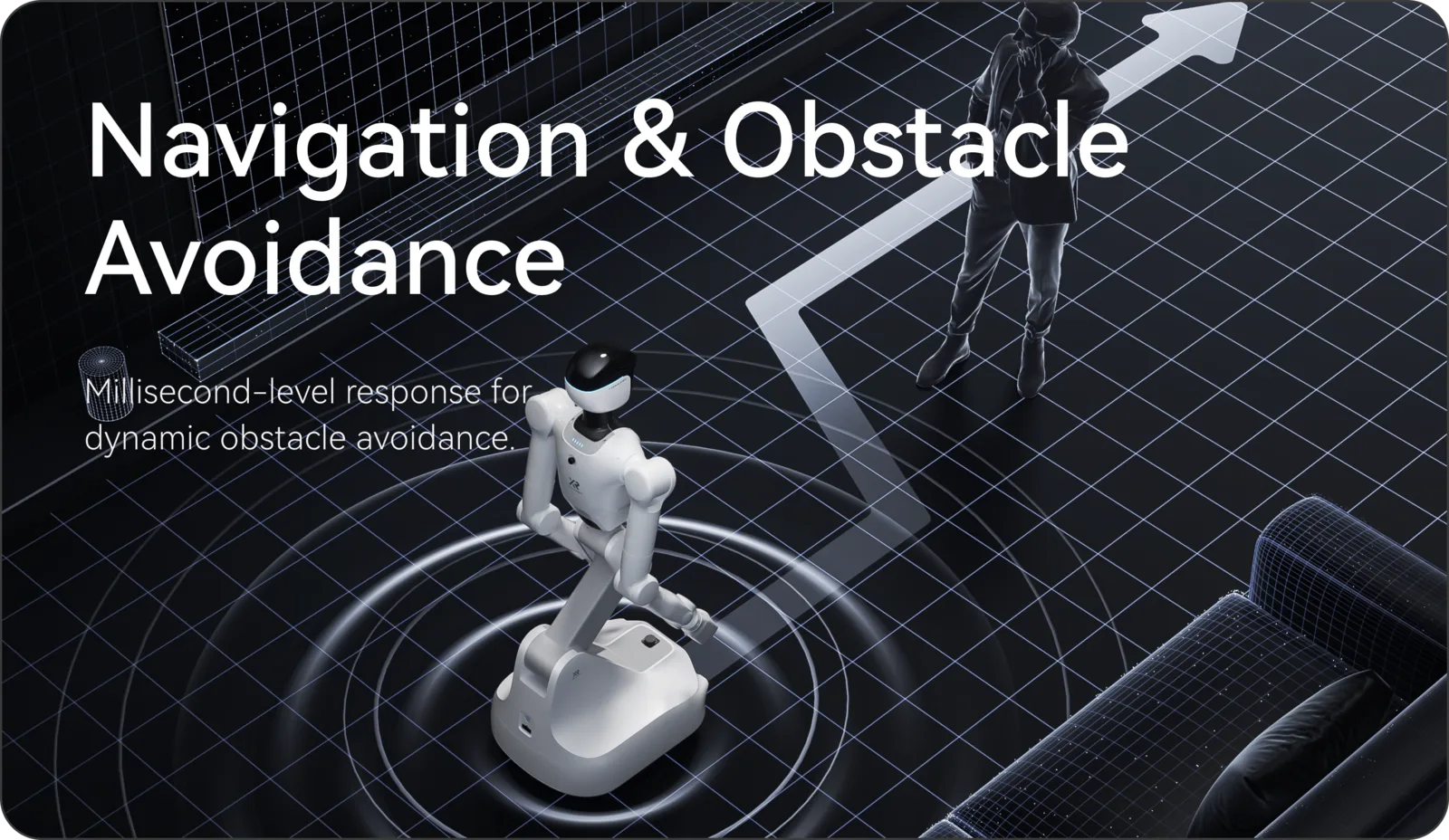
The short version: X Square's announcement is a credible signal that home robot services are entering a more practical phase. It is not proof that general robot maids are ready for normal buyers. The interesting part is not the phrase "robot maid." The interesting part is the operating model behind it.
Is X Square Robot Really Putting Robot Maids in Homes?
X Square Robot made two related claims in April 2026. First, it announced Wall-B, an embodied AI foundation model for home robots, and said its first robots would enter everyday households within 35 days. Second, it described a Shenzhen cleaning service with 58.com where customers book a professional cleaner paired with an AI-powered robot developed by X Square.
The second claim is the one buyers should focus on. A bookable service is very different from a retail robot. It can hide some complexity from the customer: scheduling, transport, setup, recovery, human supervision, insurance, and support can all sit inside the service instead of being dumped onto the homeowner.
That does not make the robot unimportant. It means the product is the whole system, not just the machine. X Square says the robot independently performs structured work such as wiping surfaces, organizing items, and collecting debris while a professional cleaner handles detailed, judgment-based tasks. If that model scales, it could be one of the first commercially useful paths for a home robot maid.
It also avoids the biggest trap in home robotics marketing: pretending the robot can do every chore alone. Homes are too varied. Lighting changes, furniture moves, children interrupt, pets wander through the work area, and objects are rarely where a demo script expects them to be.
What Is Quanta X2?
In the ui44 database, Quanta X2 is listed as X Square Robot's wheeled humanoid platform for home-based services, research and education, commercial cleaning, and logistics sorting. It is not currently priced for direct consumer purchase. The official product page uses a contact-sales model, and the ui44 record notes that public purchase pricing has not been disclosed.
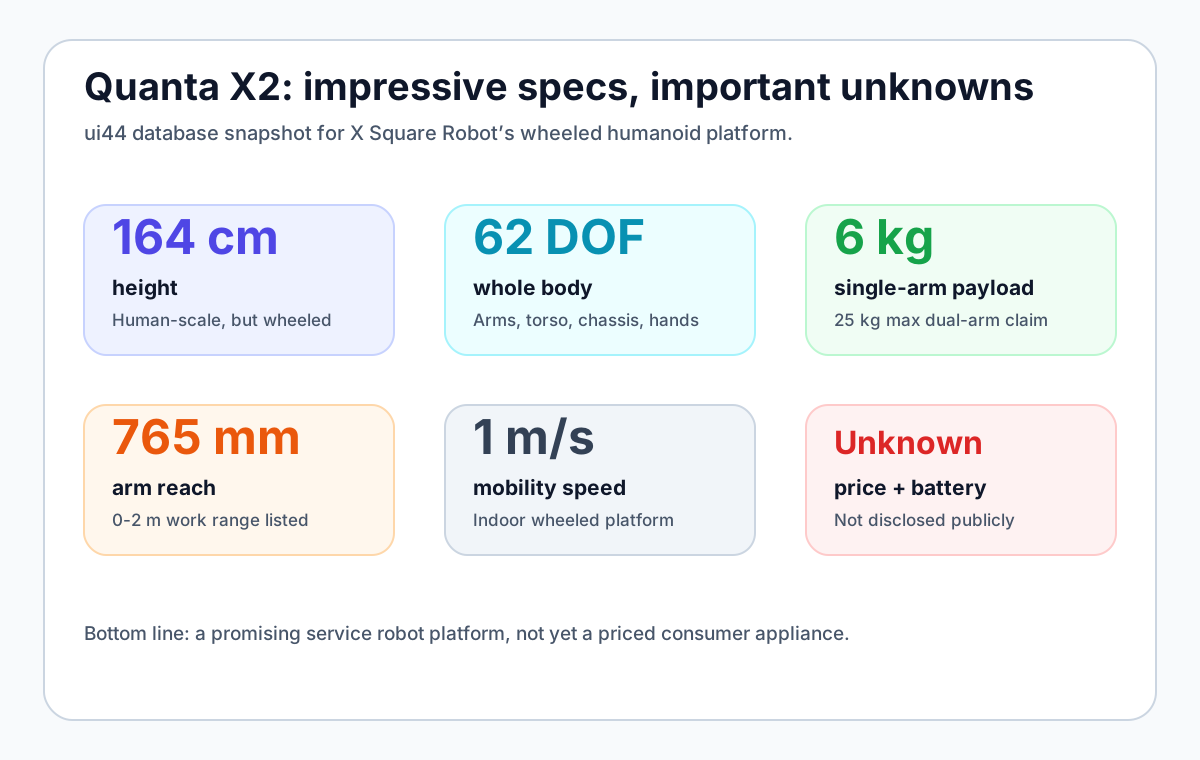
The hardware is still notable. Quanta X2 is listed at 164 cm tall with 62 whole-body degrees of freedom, a wheeled chassis, 765 mm arm reach, 6 kg single-arm payload, and a maximum dual-arm payload claim of 25 kg. The sensor stack in the ui44 record includes 2D LiDAR, ultrasonic sensors, RGB-D camera, 3D TOF camera, single-point TOF, and infrared sensing. X Square describes its WALL-A model as a self-developed embodied AI model for perception, reasoning, and precision manipulation.
| Robot / system | ui44 status | Price signal | Home relevance | Key limitation |
|---|---|---|---|---|
| Quanta X2 | Active | Not publicly disclosed | Service deployments and home trials | Not a priced consumer robot |
| 1X NEO | Pre-order | $20,000 early-adopter price | Home-focused humanoid chores | Early access, high cost |
| Weave Isaac 0 | Available | $7,999 or $450/month | Laundry folding | One narrow chore |
| Hello Robot Stretch 3 | Active | $24,950 list price | Research and assistive mobile manipulation | Research platform, not mass-market appliance |
| Roborock Saros Z70 | Available | $1,299 official current price in ui44 | Consumer robot with a small arm | Vacuum-first, limited manipulation |
That table is the reality check. Quanta X2 has the scale and arms people expect from a robot maid, but the business model currently looks more like deployment and service than retail ownership. NEO is closer to the consumer-humanoid story, but expensive and early. Isaac 0 is actually available, but it wins by narrowing the job to laundry folding. Saros Z70 is consumer-priced, but it is still a vacuum with an object-pickup arm rather than a general home helper.
Why the Human-Plus-Robot Service Model Makes Sense
The most believable near-term home robot maid is not a fully autonomous machine left alone in a stranger's apartment. It is a robot embedded in a service.
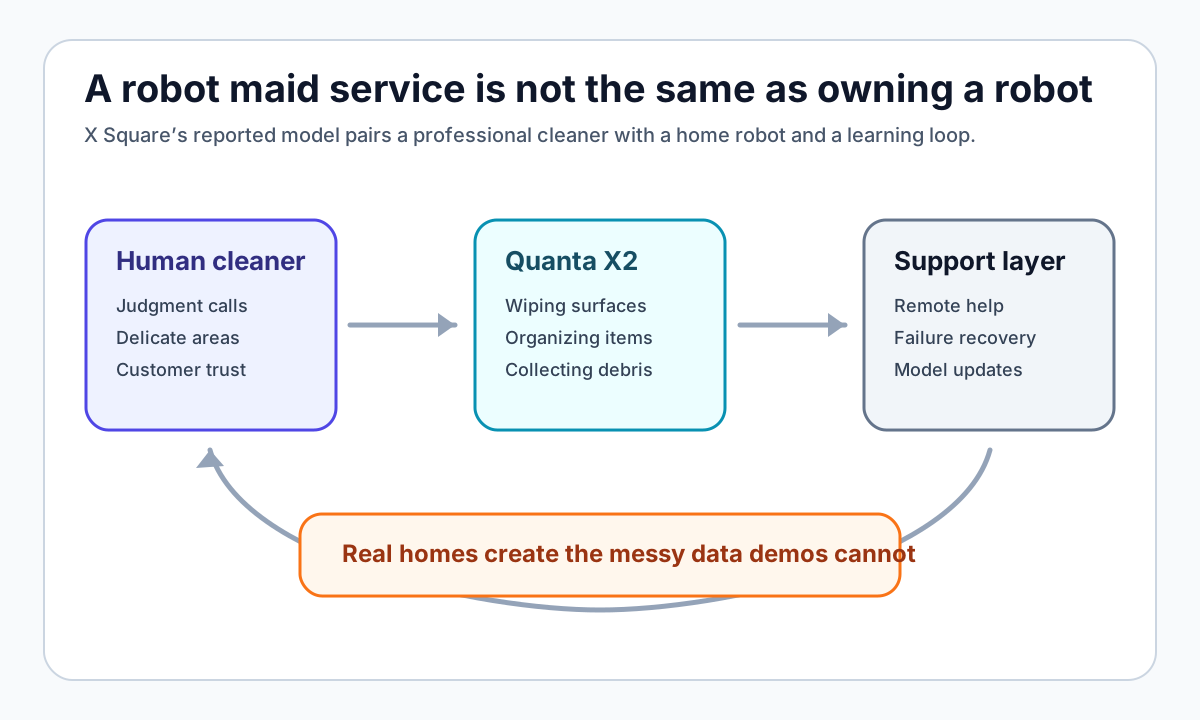
A cleaner can decide what should not be touched. A cleaner can answer a customer's question, move fragile items, notice water damage, and work around a sick pet or sleeping child. The robot can handle repetitive physical subtasks: wiping surfaces, moving simple objects, collecting debris, or practicing structured manipulation in many different homes.
That division is important because partial autonomy is often commercially more useful than theatrical autonomy. A robot that can do 40 percent of a cleaning visit reliably may be valuable if the service operation is designed around that 40 percent. A robot that promises 100 percent autonomy and fails at the first awkward kitchen counter becomes a refund problem.
X Square's own wording points in this direction. The company says current systems can make mistakes that require remote intervention, including placing slippers in the kitchen or pausing mid-task while deciding what to do next. That kind of admission is healthy. Real home robotics will improve faster when companies measure and recover from failures instead of pretending failures do not happen.
It also changes what buyers should ask. The first question is not "can I buy one?" It is "who is responsible when the robot gets confused?" In a service model, the provider can own that responsibility. In a retail ownership model, the burden usually shifts to the customer.
Real Homes Matter More Than Better Demo Videos
X Square's Wall-B announcement says the company is training vision, language, action, and physical prediction together, rather than bolting separate modules onto one another. The company also emphasizes real, non-staged home environments: occlusion, moved objects, surprise obstacles, and spontaneous human activity.
That is exactly the gap home robots need to close. A warehouse robot can repeat the same path thousands of times. A robot maid may see a new chair, new shoes, a wet towel, a charging cable, a half-open dishwasher, and a child walking past in the same minute. The robot does not just need object recognition; it needs judgment about what should happen next.
The service model gives X Square a data advantage if it is executed carefully. Every appointment can produce examples of what worked, what failed, when humans intervened, and which parts of the home were too risky. The hard part is doing that with privacy, consent, and safety controls strong enough for a camera-and- arm robot inside a home.
This is where the hype should slow down. Real homes produce better data, but homes are also private spaces. A company that wants to put robots in them needs clear rules for video capture, remote assistance, retention, deletion, and who can review what the robot saw. For buyers, privacy is not a footnote. It is part of the product.
How It Compares With 1X, Weave, and Stretch
1X NEO is the obvious comparison because it is explicitly home-focused. ui44 lists NEO at 167 cm, 30 kg, about four hours of battery life, and a $20,000 early-adopter price. The official NEO page also describes Expert Mode, where a 1X expert can guide the robot through chores it does not yet know. That is another form of human-in-the-loop autonomy, but packaged around an owned humanoid rather than a cleaning-service visit.

Weave Isaac 0 shows the other path: do one chore, not every chore. ui44 lists Isaac 0 at $7,999 upfront or $450 per month. It is a stationary laundry-folding robot that takes 30-90 minutes per load, uses weekly AI model updates, and can involve remote teleoperation assistance when it gets stuck. That sounds less magical than a full robot maid, but it is commercially clearer.
Hello Robot Stretch 3 is useful because it shows how hard mobile manipulation remains. It costs $24,950, weighs 24.5 kg, stands 141 cm tall, runs for 2-5 hours, and carries a 2 kg payload. Stretch is a serious open-source platform with ROS 2, Python SDK support, teleoperation, and a compact 33 x 34 cm footprint for real homes. It is also primarily a research and assistive robotics platform, not a consumer maid.
Compared with those examples, X Square is betting on deployment first. Instead of waiting for a fully solved consumer product, it can put robots into a managed workflow and learn from the workflow. That may be less glamorous than a solo robot but more practical.
What Could a Home Robot Maid Actually Do in 2026?
The credible task list is narrower than the phrase "robot maid" implies. A Quanta X2-style robot might help with surface wiping, simple item relocation, debris collection, object sorting, fetching items within reach, or staged cleaning routines where a human has prepared the area.
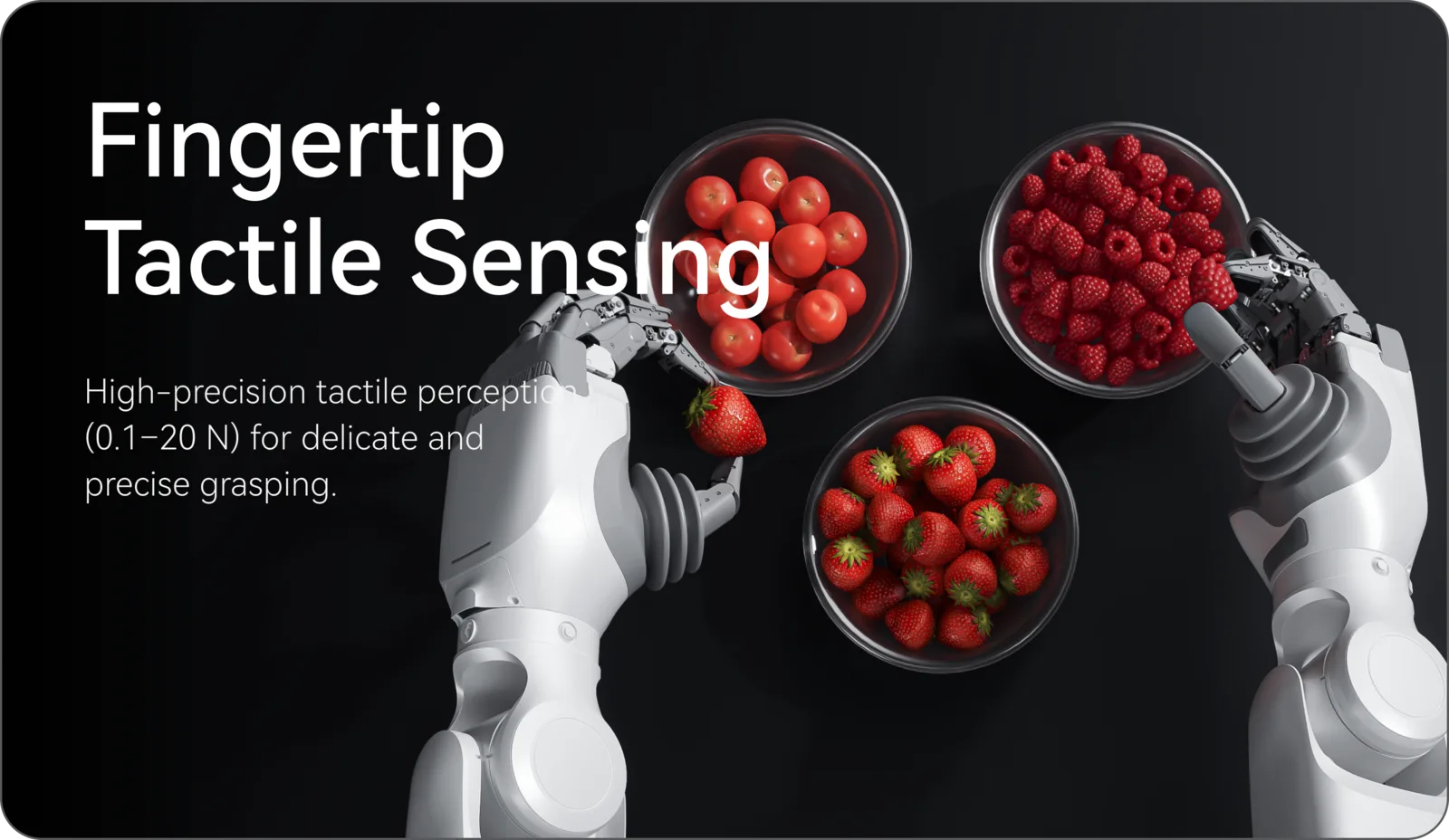
The less credible list includes unsupervised whole-home cleaning, bathrooms with wet surfaces, childcare-like responsibility, pet messes, stairs, sharp objects, valuable clutter, and anything involving ambiguous ownership. A robot that can physically lift 6 kg with one arm still needs to know whether it should lift the thing in front of it.
This is why small consumer robots still matter. The Roborock Saros Z70 is not a humanoid, but it is a real consumer product with a five-axis OmniGrip arm, object pickup for items like socks and shoes, 22,000 Pa suction, and a normal robot-vacuum dock ecosystem. Its arm is limited, but the product boundary is clear: it cleans floors first and handles small obstacles second.
The first broadly useful home robot maid may need that same humility. Start with a bounded job, make the failure mode safe, and only then expand.
What Should Buyers Watch Before Trusting the Hype?
If X Square's home robot maid service expands beyond early deployments, the best buyer questions are practical.
First, is the customer buying a robot, booking a service, or joining a trial? Those are very different commitments. A service can be cancelled. A $20,000 robot in the hallway is a much bigger bet.
Second, who is present during the work? A human cleaner changes the safety, privacy, and accountability model. It may also be the reason the service works. If the robot needs frequent human recovery, that is not failure by itself, but customers should know what level of autonomy they are paying for.
Third, what data is captured in the home? A camera-equipped embodied AI robot should come with plain-language consent, retention, remote-access, and deletion rules. If remote experts can intervene, customers should know when and how that happens.
Fourth, what happens when the robot damages something? Home cleaning is full of fragile items, liquids, pets, children, and unclear responsibility. Insurance and liability are not boring details; they are part of whether robot services can scale.
Fifth, what does the robot do better after ten visits than it did on visit one? The strongest argument for X Square's approach is continuous learning from real homes. The company should be able to show improvement in task completion, recovery time, and reduced human intervention.
The Bottom Line
X Square Robot's home robot maid story is important because it reframes the path to useful home robotics. The near-term breakthrough may not be a robot you own. It may be a managed service where a robot, a human cleaner, remote support, and a real-home data loop work together.
That is less futuristic than a fully autonomous humanoid but more believable. Quanta X2 has serious hardware on paper: 164 cm height, 62 degrees of freedom, 765 mm reach, 6 kg single-arm payload, and a multi-sensor stack. What it does not yet have is public consumer pricing, disclosed battery life, or proof that a normal household can rely on it without a service wrapper.
For ui44 readers, the right reaction is cautious interest. X Square may be showing one of the first workable business models for home robots with arms. It is not time to declare that robot maids have arrived for everyone.
Database context
Use this article as a privacy verification workflow
Turn the article into a real verification pass
X Square Robot Maids: Real Home Deployment? already points you toward 5 linked robots, 5 manufacturers, and 4 countries inside the ui44 database. That matters because strong buyer guidance is easier to apply when you can move immediately from a claim or warning into concrete product pages, manufacturer directories, component explainers, and country-level context instead of treating the article as an isolated opinion piece. The fastest next step is to turn the article into a shortlist workflow: open the linked robot pages, verify which specs are actually published for those models, then compare the surrounding manufacturer and component context before you decide whether the underlying claim changes your buying plan.
For this topic, the useful discipline is to separate the editorial lesson from the catalog evidence. The article gives you the framing, but the robot pages tell you what each product actually ships with today: sensor stack, connectivity methods, listed price, release timing, category, and support-relevant compatibility notes. The manufacturer pages then show whether you are looking at a one-off launch, a broader lineup pattern, or a company that spans multiple categories. That layered workflow reduces the risk of buying on a single marketing phrase or a single support FAQ.
Use the robot pages to confirm which products actually expose cameras, microphones, Wi-Fi, or voice systems, then use the manufacturer pages to decide how much of the privacy question seems product-specific versus brand-wide. On this route cluster, Quanta X2, NEO, and Isaac 0 form the fastest reality check. If you want a quick working shortlist, open Compare Quanta X2, NEO, and Isaac 0 next, then keep this article open as the reasoning layer while you compare structured data side by side.
Practical Takeaway
Every robot, manufacturer, category, component, and country reference below resolves to a real ui44 page, keeping the follow-up path grounded in database records rather than generic advice.
Suggested next steps in ui44
- Open Quanta X2 and note the listed sensors, connectivity methods, and voice stack before you interpret any policy claim.
- Cross-check the wider brand context on X Square Robot so you can see whether the privacy question touches one model or a broader lineup.
- Use the linked component pages to confirm how common the relevant sensors and connectivity layers are across the database.
- Keep a short note of which policy layers you checked, which device features are actually present on the robot page, and which items still depend on region- or app-level confirmation.
- Finish with Compare Quanta X2, NEO, and Isaac 0 so the policy reading sits next to structured product data.
Database context
Robot profiles worth opening next
Use the linked product pages as the evidence layer
The linked robot pages are where this article becomes operational. Instead of asking whether the headline is interesting, use the robot entries to inspect the actual mix of sensors, connectivity options, batteries, pricing, release timing, and stated capabilities attached to the products mentioned in the article. That is the easiest way to see whether the warning or opportunity described here affects one product family, a specific design pattern, or an entire buying lane.
Quanta X2
X Square Robot · Humanoid · Active
Quanta X2 is tracked on ui44 as a active humanoid robot from X Square Robot. The database currently records a listed price of Price TBA, a release date of 2026-04, Not officially disclosed battery life, Not officially disclosed charging time, and a published stack that includes 2D LiDAR, Ultrasonic Sensors, and RGB-D Camera plus Not officially disclosed.
For privacy-focused reading, this page matters because it shows the concrete device surface behind the policy discussion. Use it to verify whether Quanta X2 combines sensors and connectivity in a way that could change the in-home data footprint, and compare the listed capabilities such as Wheeled Humanoid Mobility, 62-DOF Whole-Body Motion, and 6-DOF Torso with any cloud, app, or voice layers.
NEO
1X Technologies · Humanoid · Pre-order
NEO is tracked on ui44 as a pre-order humanoid robot from 1X Technologies. The database currently records a listed price of $20,000, a release date of 2025-10-28, ~4 hours battery life, Not disclosed charging time, and a published stack that includes RGB Cameras, Depth Sensors, and Tactile Skin plus Wi-Fi and Bluetooth.
For privacy-focused reading, this page matters because it shows the concrete device surface behind the policy discussion. Use it to verify whether NEO combines sensors and connectivity in a way that could change the in-home data footprint, and compare the listed capabilities such as Household Chores, Tidying Up, and Safe Human Interaction with any cloud, app, or voice layers.
Isaac 0
Weave Robotics · Home Assistants · Available
Isaac 0 is tracked on ui44 as a available home assistants robot from Weave Robotics. The database currently records a listed price of $7,999, a release date of 2026-02, Mains powered (600W, 120V) battery life, N/A (plugged in) charging time, and a published stack that includes Vision System and Proprioceptive Sensors plus Wi-Fi 2.4GHz/5GHz and Ethernet.
For privacy-focused reading, this page matters because it shows the concrete device surface behind the policy discussion. Use it to verify whether Isaac 0 combines sensors and connectivity in a way that could change the in-home data footprint, and compare the listed capabilities such as Laundry Folding, T-shirts, Long Sleeves, Sweaters, and Pants and Towels with any cloud, app, or voice layers.
Stretch 3
Hello Robot · Home Assistants · Active
Stretch 3 is tracked on ui44 as a active home assistants robot from Hello Robot. The database currently records a listed price of $24,950, a release date of 2024, 2–5 hours battery life, Not disclosed charging time, and a published stack that includes Intel D405 RGBD Camera (gripper), Intel D435if RGBD Camera (head), and Wide-Angle RGB Camera (head) plus Wi-Fi and Ethernet.
For privacy-focused reading, this page matters because it shows the concrete device surface behind the policy discussion. Use it to verify whether Stretch 3 combines sensors and connectivity in a way that could change the in-home data footprint, and compare the listed capabilities such as Mobile Manipulation, Autonomous Navigation, and Teleoperation (Web / Gamepad / Dexterous) with any cloud, app, or voice layers.
Saros Z70 is tracked on ui44 as a available cleaning robot from Roborock. The database currently records a listed price of $1,299, a release date of 2025-05, 6400 mAh Li-ion (runtime varies by mode) battery life, Not officially disclosed charging time, and a published stack that includes LiDAR (StarSight 2.0), 3D Structured Light, and RGB Camera plus Wi-Fi and Bluetooth.
For privacy-focused reading, this page matters because it shows the concrete device surface behind the policy discussion. Use it to verify whether Saros Z70 combines sensors and connectivity in a way that could change the in-home data footprint, and compare the listed capabilities such as OmniGrip 5-Axis Mechanical Arm, Object Pickup (socks, shoes, small items), and Obstacle Relocation with any cloud, app, or voice layers, including Amazon Alexa and Google Assistant.
Database context
Manufacturer context behind the article
Check whether this is one product story or a broader company pattern
Manufacturer pages add the market context that individual product pages cannot show on their own. They help you check whether the article is centered on a brand with a deep lineup, whether that brand spans several categories, and how much of its ui44 footprint depends on one flagship model versus a broader product strategy. That matters for topics like privacy, warranty terms, setup friction, and launch promises because the surrounding lineup often reveals whether a pattern is isolated or systemic.
X Square Robot
ui44 currently tracks 1 robot from X Square Robot across 1 category. The company is grouped under Unknown, and the current catalog footprint on ui44 includes Quanta X2.
That wider brand context matters because privacy questions rarely stop at one FAQ page. A manufacturer route helps you see whether the article is centered on one premium model or on a company that has several relevant products and therefore more than one place where the same policy or app assumptions might matter. The category mix here currently points toward Humanoid as the most useful next route if you want to see whether this article reflects a wider pattern inside the brand.
1X Technologies
ui44 currently tracks 2 robots from 1X Technologies across 1 category. The company is grouped under Norway, and the current catalog footprint on ui44 includes NEO, EVE.
That wider brand context matters because privacy questions rarely stop at one FAQ page. A manufacturer route helps you see whether the article is centered on one premium model or on a company that has several relevant products and therefore more than one place where the same policy or app assumptions might matter. The category mix here currently points toward Humanoid as the most useful next route if you want to see whether this article reflects a wider pattern inside the brand.
Weave Robotics
ui44 currently tracks 1 robot from Weave Robotics across 1 category. The company is grouped under Denmark, and the current catalog footprint on ui44 includes Isaac 0.
That wider brand context matters because privacy questions rarely stop at one FAQ page. A manufacturer route helps you see whether the article is centered on one premium model or on a company that has several relevant products and therefore more than one place where the same policy or app assumptions might matter. The category mix here currently points toward Home Assistants as the most useful next route if you want to see whether this article reflects a wider pattern inside the brand.
Hello Robot
ui44 currently tracks 1 robot from Hello Robot across 1 category. The company is grouped under USA, and the current catalog footprint on ui44 includes Stretch 3.
That wider brand context matters because privacy questions rarely stop at one FAQ page. A manufacturer route helps you see whether the article is centered on one premium model or on a company that has several relevant products and therefore more than one place where the same policy or app assumptions might matter. The category mix here currently points toward Home Assistants as the most useful next route if you want to see whether this article reflects a wider pattern inside the brand.
Database context
Broaden the scan without leaving the database
Categories, components, and countries add the wider context
Category framing
Category pages are useful when the article touches a buying pattern that shows up across brands. A category route helps you confirm whether the linked products sit in a narrow niche or whether the same question should be tested across a larger field of alternatives.
Humanoid
The Humanoid category page currently groups 62 tracked robots from 45 manufacturers. ui44 describes this lane as: Full-size bipedal humanoid robots designed to work alongside humans. From factory floors to household tasks, these machines represent the cutting edge of robotics.
That makes the category route a practical follow-up when you want to check whether the products linked in this article are typical for the lane or whether they sit at one edge of the market. Useful starting examples currently include NEO, EVE, Mornine M1.
Home Assistants
The Home Assistants category page currently groups 12 tracked robots from 12 manufacturers. ui44 describes this lane as: Arm-based household helpers — laundry folders, kitchen robots, and mobile manipulators that handle physical tasks at home.
That makes the category route a practical follow-up when you want to check whether the products linked in this article are typical for the lane or whether they sit at one edge of the market. Useful starting examples currently include Robody, Futuring 2 (F2), Stretch 3.
Country and ecosystem context
Country pages give extra context when support practices, launch sequencing, regulatory posture, or manufacturer mix matter. They are not a substitute for model-level verification, but they do help you see which ecosystems cluster together and which manufacturers sit in the same regional field when you broaden the search beyond the article headline.
Norway
The Norway route currently groups 2 tracked robots from 1 manufacturers in ui44. That gives you a useful regional lens when the article points toward support practices, launch sequencing, or brand clusters that may share similar ecosystem assumptions.
On the current route, manufacturers like 1X Technologies make the page a good way to broaden the scan without losing the regional context that often shapes availability, documentation style, and adjacent alternatives.
Denmark
The Denmark route currently groups 1 tracked robots from 1 manufacturers in ui44. That gives you a useful regional lens when the article points toward support practices, launch sequencing, or brand clusters that may share similar ecosystem assumptions.
On the current route, manufacturers like Weave Robotics make the page a good way to broaden the scan without losing the regional context that often shapes availability, documentation style, and adjacent alternatives.
USA
The USA route currently groups 16 tracked robots from 12 manufacturers in ui44. That gives you a useful regional lens when the article points toward support practices, launch sequencing, or brand clusters that may share similar ecosystem assumptions.
On the current route, manufacturers like Boston Dynamics, Figure AI, Tesla make the page a good way to broaden the scan without losing the regional context that often shapes availability, documentation style, and adjacent alternatives.
Database context
Questions to answer before you move from reading to buying
A follow-up FAQ built from the entities already linked in this article
Frequently Asked Questions
Which page should I open first after reading “X Square Robot Maids: Real Home Deployment?”?
Start with Quanta X2. That gives you a concrete product anchor for the article’s main claim. From there, branch into the manufacturer and component pages so you can tell whether the article is describing one specific model, a repeated brand pattern, or a wider technology issue that affects multiple shortlist options.
How do the manufacturer pages change the buying decision?
X Square Robot help you zoom out from one article and one product. On ui44 they show lineup breadth, category spread, and the neighboring robots tied to the same company. That context is useful when you are deciding whether a risk belongs to a single model, whether it shows up across a brand’s portfolio, and whether you should keep looking at alternatives before committing.
When should I switch from reading to side-by-side comparison?
Move into Compare Quanta X2, NEO, and Isaac 0 as soon as you understand the article’s main warning or promise. The article explains what to watch for, but the compare view is where you can check whether price, status, battery life, connectivity, sensors, and category fit still make the robot a good match for your own home and budget.
Database context
Where to go next in ui44
Keep the research chain inside the database
If you want to keep going, these follow-on pages give you the cleanest expansion path from article to research session. Open the comparison route first if you are deciding between products today. Open the manufacturer, category, and component routes if you still need to understand the broader pattern behind the claim.
Written by
ui44 Team
Published April 28, 2026
Share this article
Open a plain share link on X or Bluesky. No embeds, no widgets, no cookie baggage.